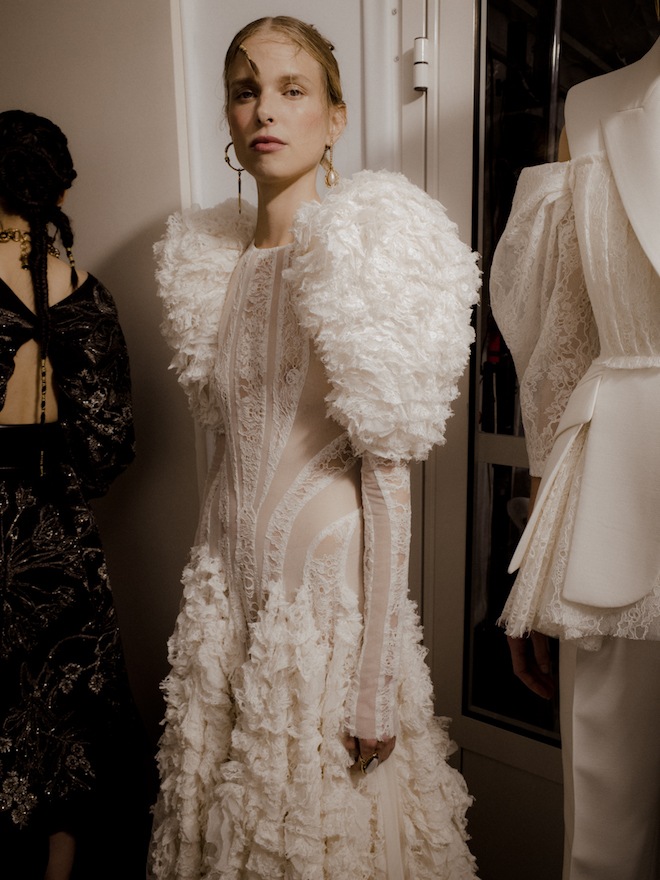
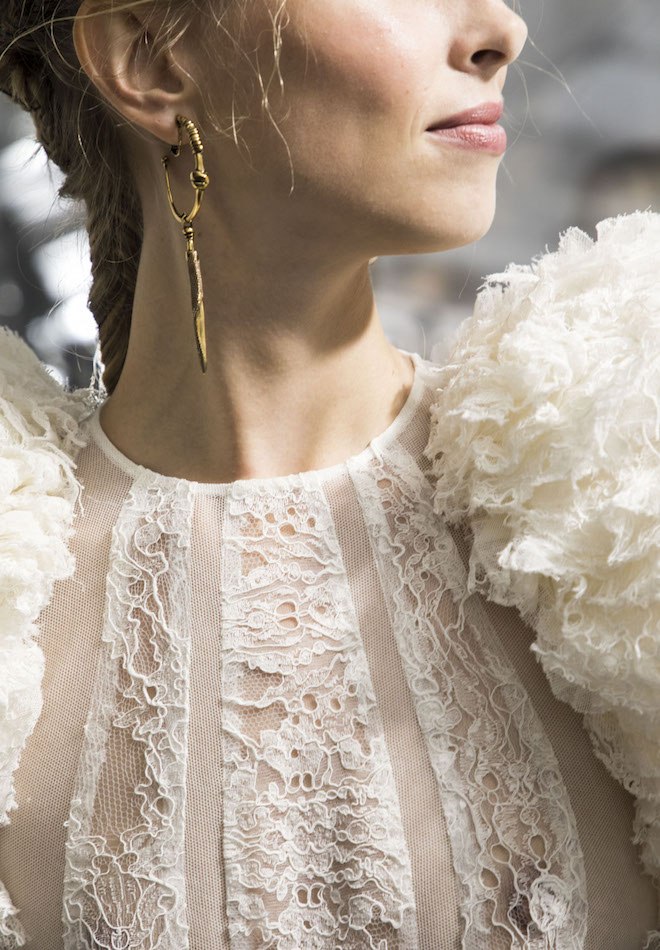
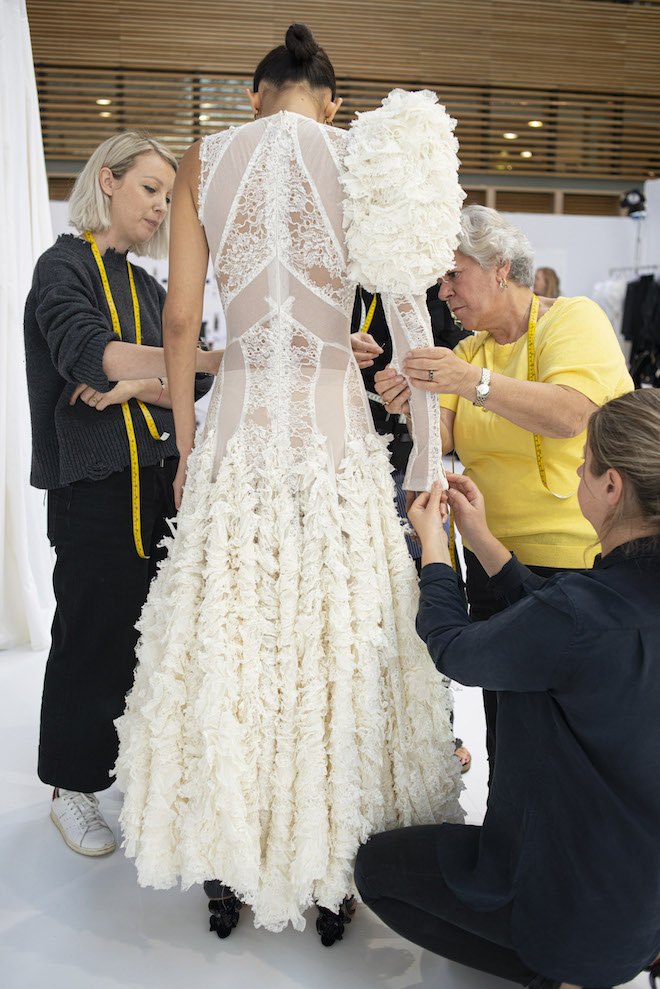
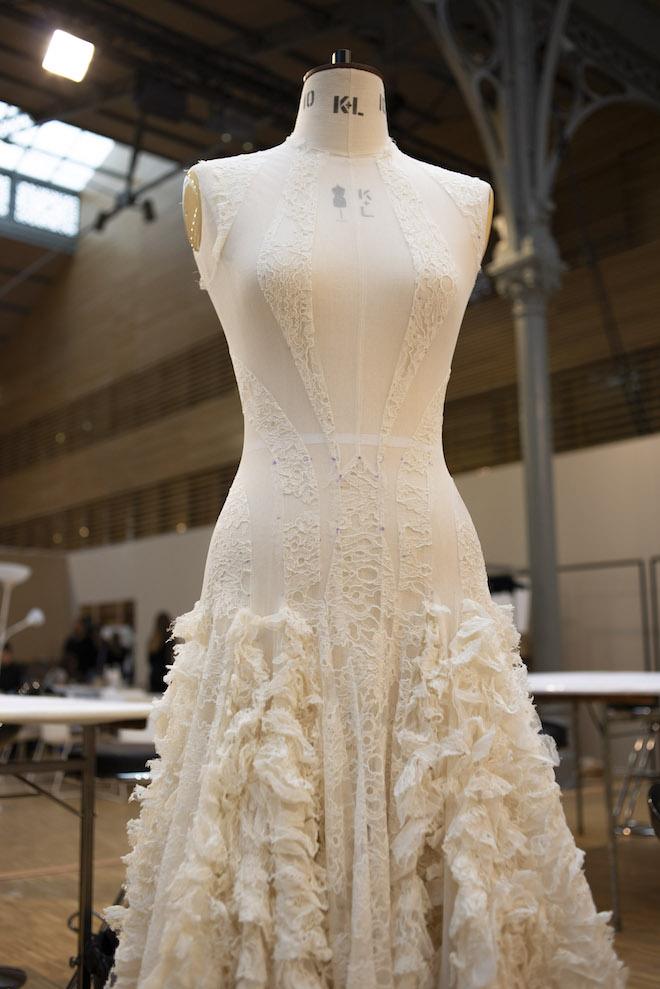
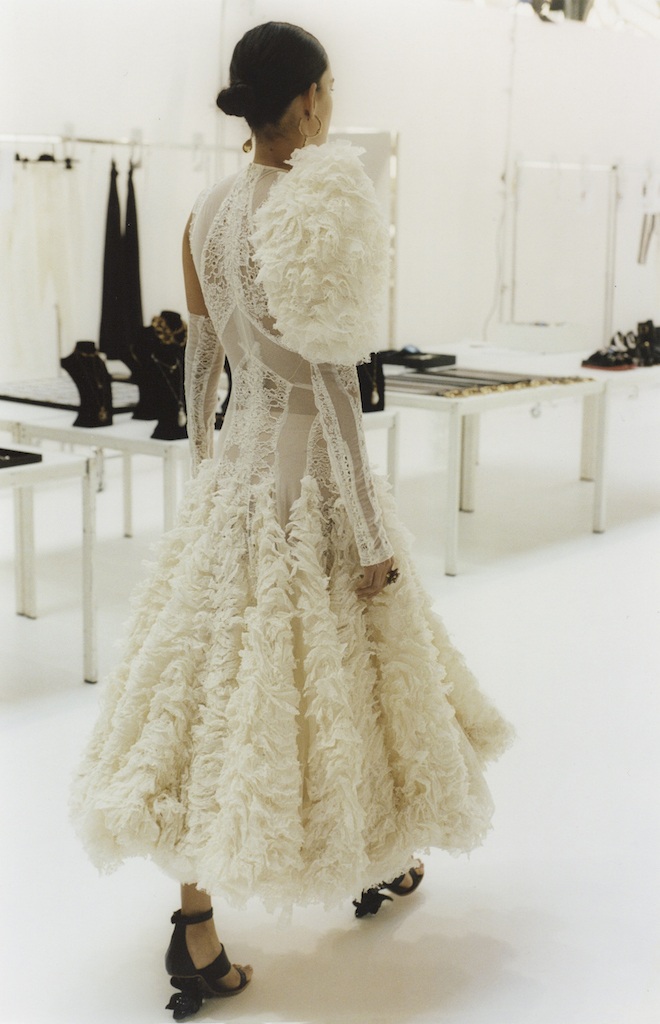
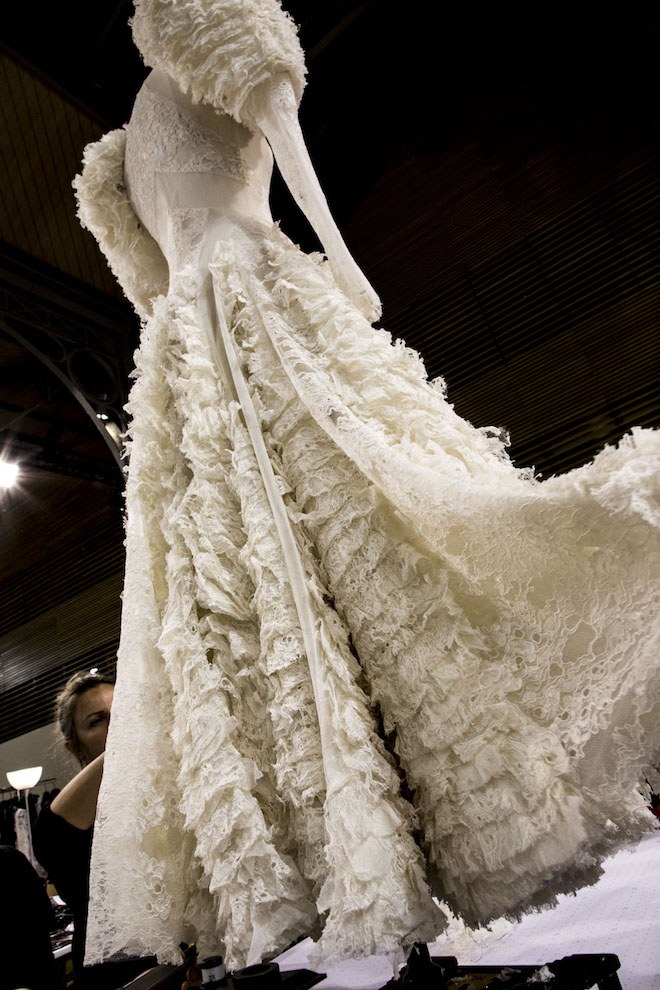
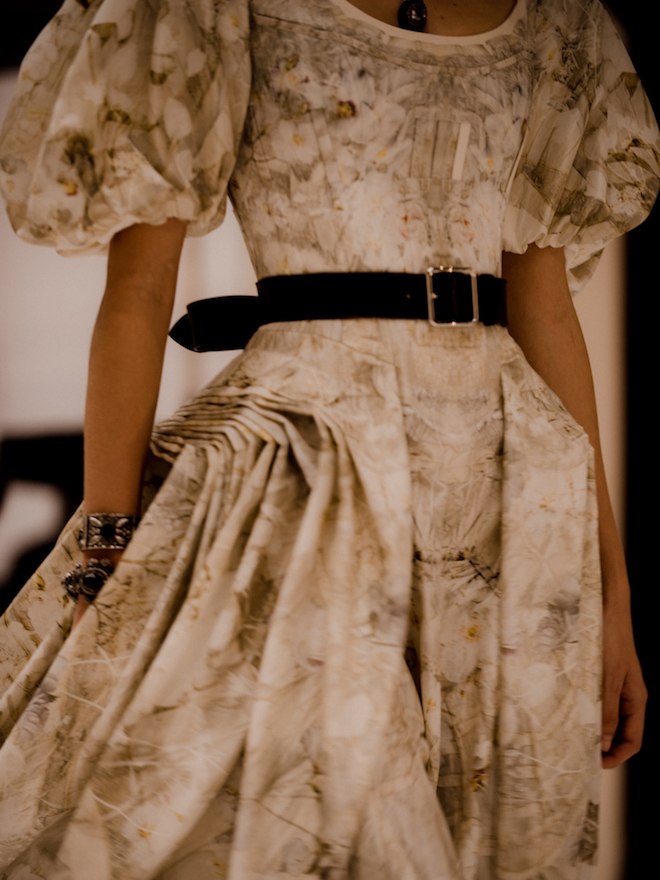
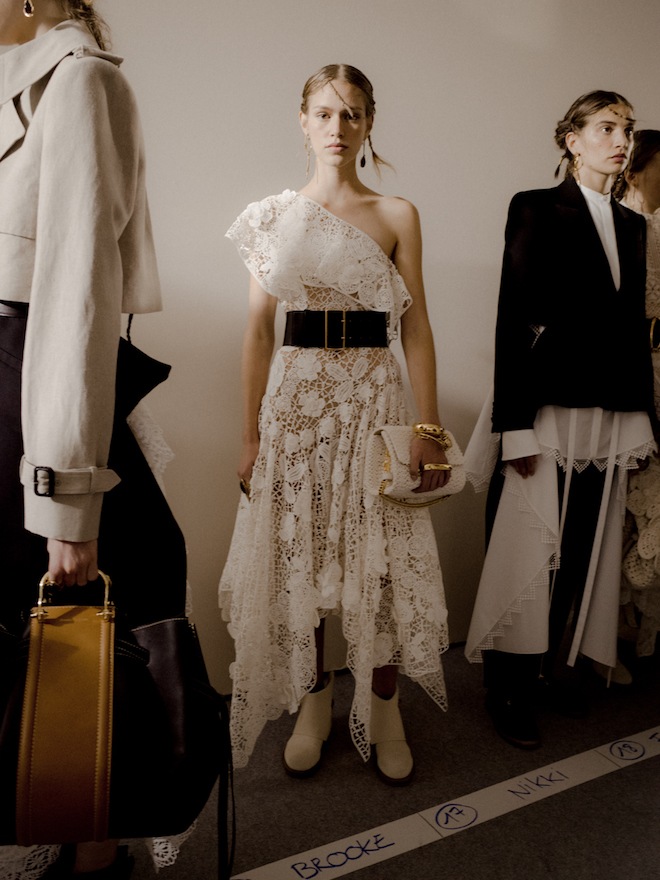
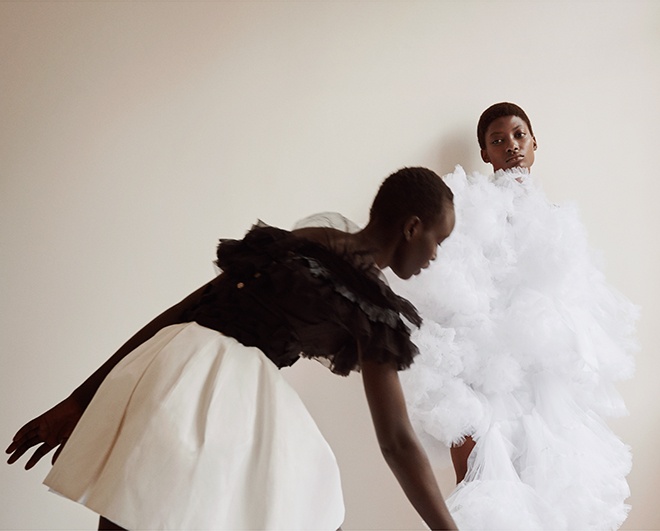
One of the most admirable aspects of Sarah Burton’s Alexander McQueen SS20 collection was the clever use of upcycling. The brand has committed to the task of reworking many of it’s textiles including jacquards, silks, lace and others from stock fabric held in the archives. It’s seen throughout several key pieces in the collection such as a panelled dress crafted in ivory lichen lace, cotton tulle and washed organza with oyster ruffles sleeves and skirt. The fabrics from this elegant piece were pulled from the lichen lace materials used in McQueen’s AW17 collection as well as fine cotton, tulle and ivory from the fabric stock. Another one shouldered oyster gown was also pieced together by re-cycled silk jacquard, lace, washed organza and tulle.
The ivory floral lace being brought from the house’s SS16 collection and the pale gold Venus shell and scallop silk faille jacquards from the SS19 pre collection. The house’s commitment to giving new life to old fabrics is quite commendable and stretches beyond their own use, as they recently began an initiative that gives access to students as well. Visit Alexander McQueen for more info on their SS20 collection.
In the latest edition of their digital initiative McQueen Creators, British fashion house Alexander McQueen opens the doors to their world of print by inviting their followers to make use of whatever materials they may have at home to recreate some of the house’s most beloved designs. The initiative allows for participants to make stamps, blocks, devise a screen print or draw or paint interpretations using free hand.
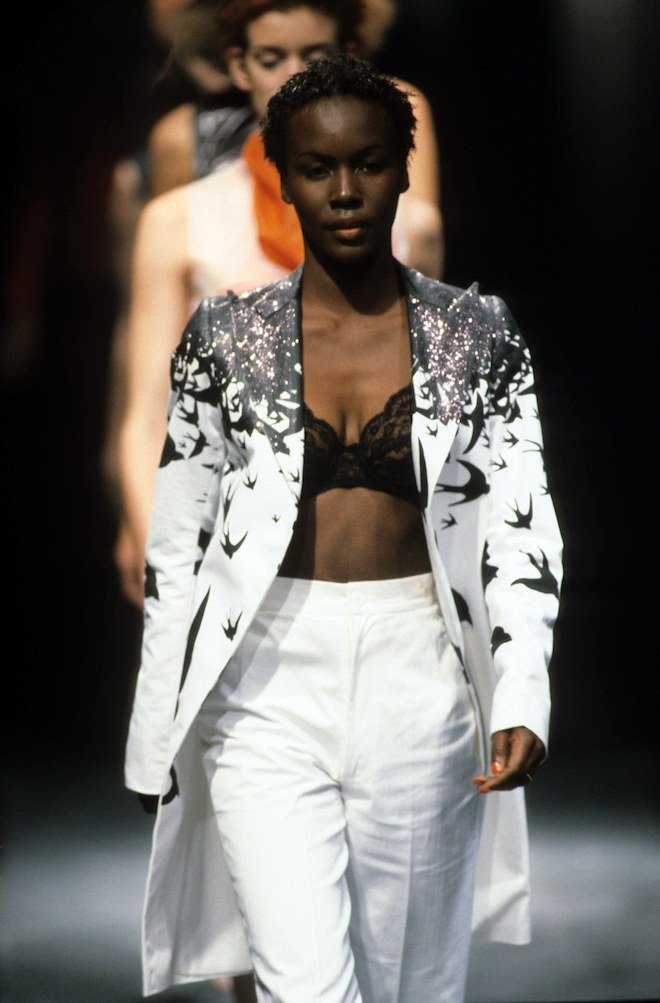
Spearheading the series is Academy of Art University executive director Simon Ungless who worked worked with Lee Alexander McQueen on several collection including The Birds, Highland Rape and Dante. In a video tutorial, the artist takes us through his process as he carries out his personal print projects from the comfort of his home studio.
McQueen Creators is a weekly initiative brought forth in reaction to the current global quarantine, and calls on the house’s followers to artistically engage with their favourite pieces from a selection of images shared on the McQueen instagram page. A selection of final will be published across their social media platforms. Follow the house’s social media channels for updates, and to be considered in the batch of images shared on the McQueen page, be sure to tag @alexandermcqueen and include the hashtag #McQueenCreators in your caption.
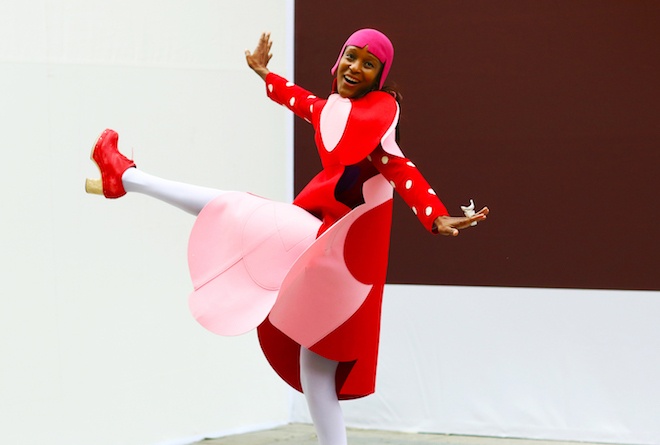
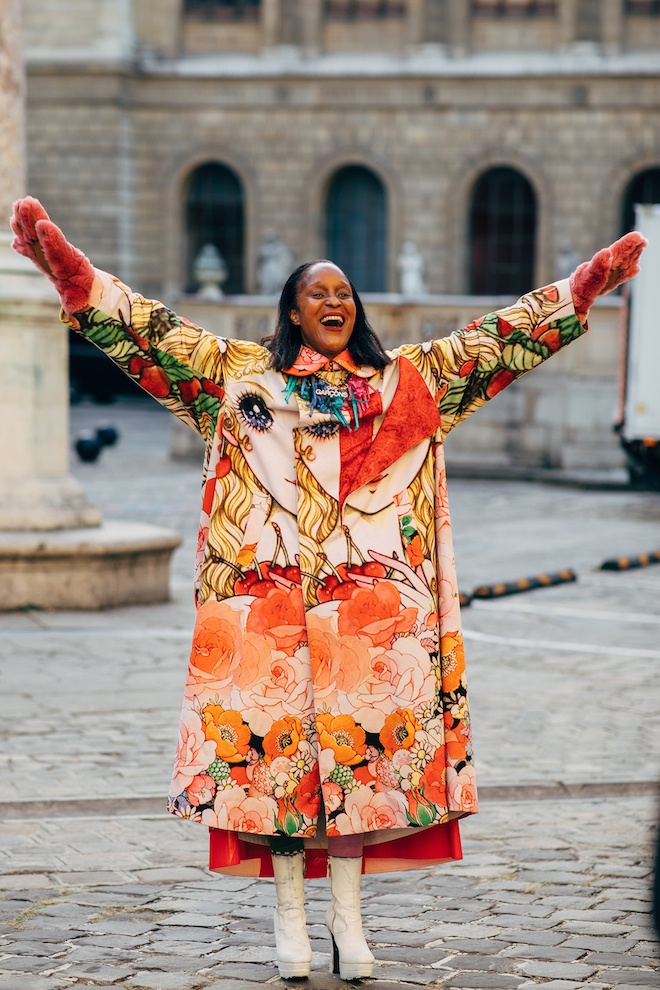
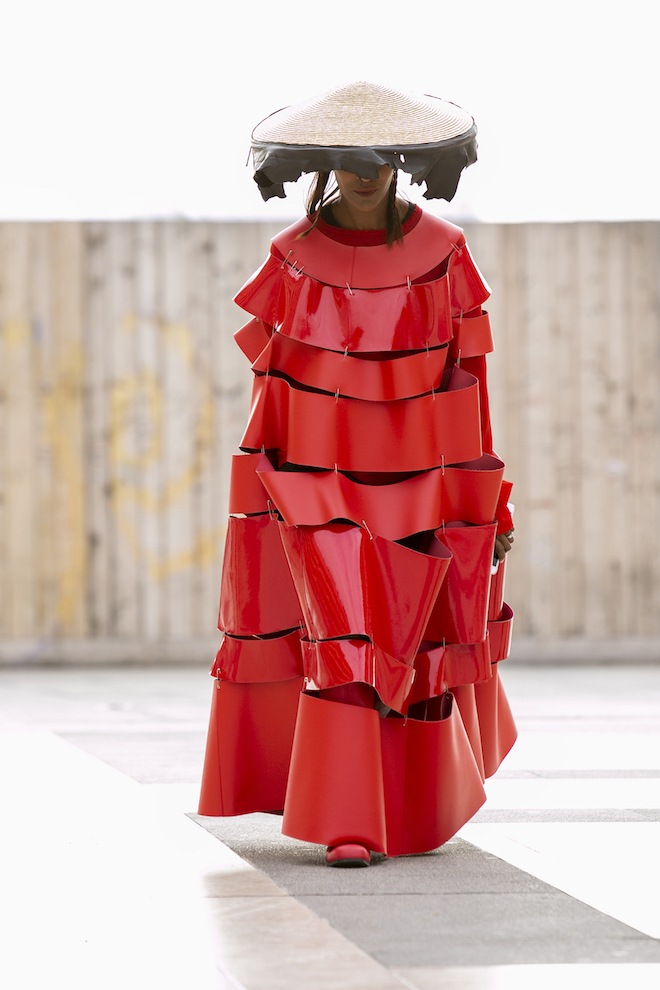
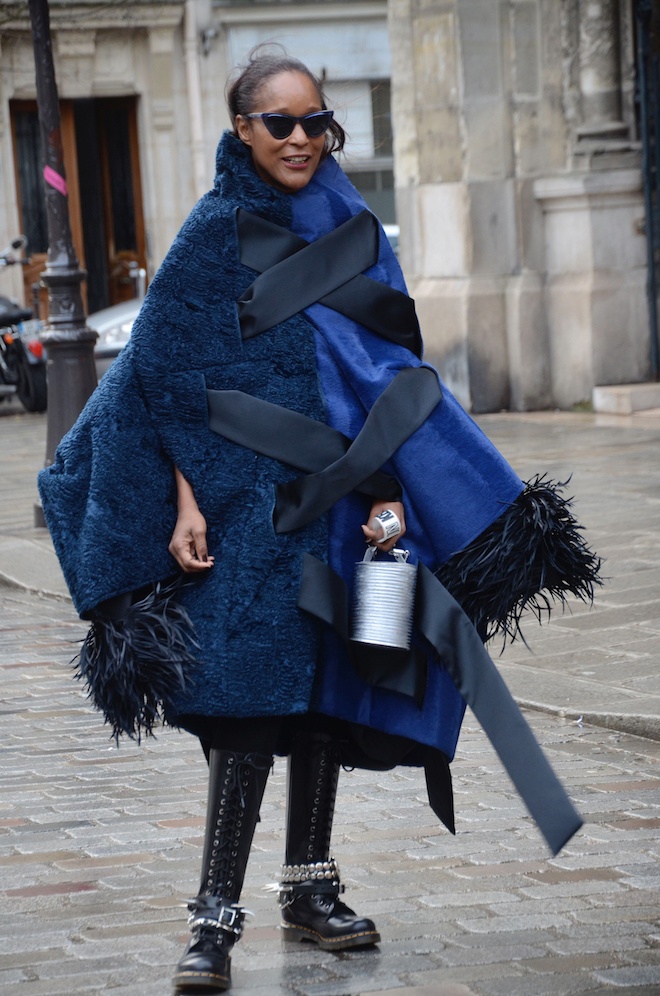
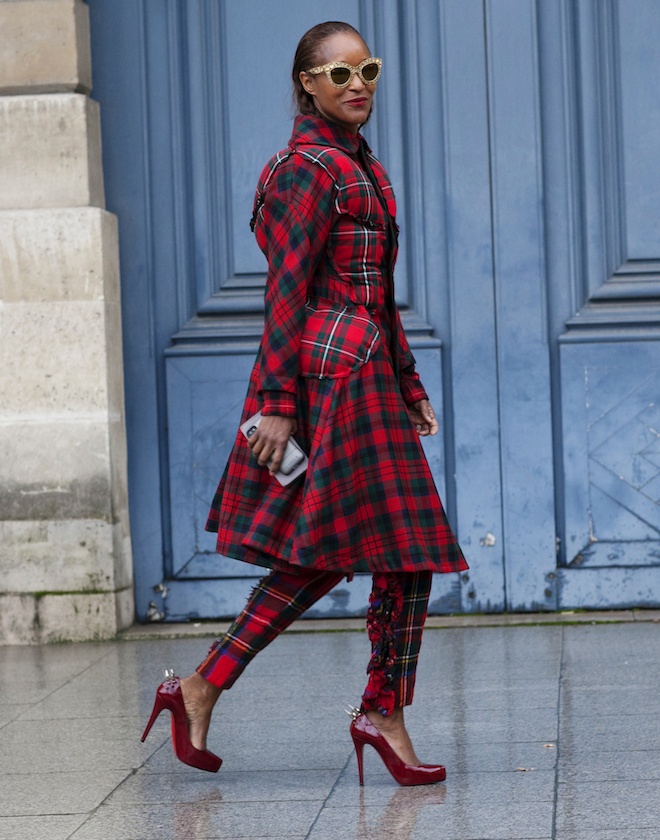
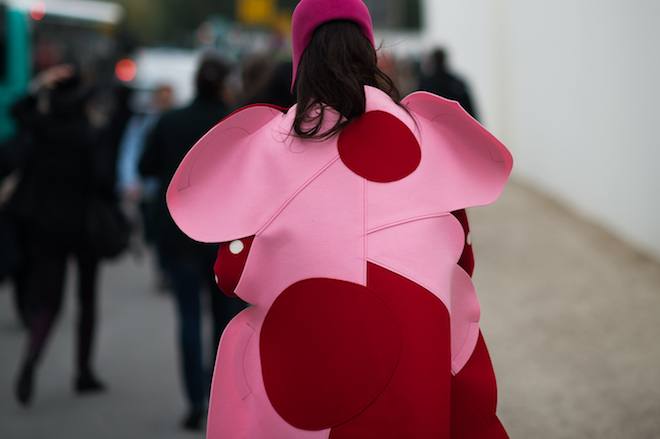
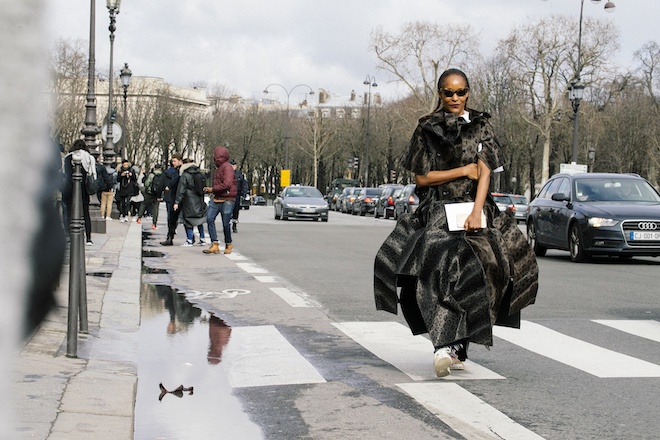
Later this month, Frankfurt based museum Museum Angewandte Kunst is set to open doors to their latest exhibition in collaboration with Haitian couture icon Michelle Elie and Paris based label Comme des Garçons. During the past few seasons, many have noted Elie as one of the reigning queens of Couture Week as she can always be spotted in the streets and in the front rows serving the most inspiring yet flamboyant looks, many of which often happy to be Comme Des Garçons.
“Life doesn’t frighten me” traces the her journey in fashion and the spark of her love story with the brand beginning with her first purchase in 1997 from the brand’s Body Meets Dress, Dress Meets Body collection, to her fondness of how the brand’s clothing shaped her body during her first pregnancy, to the vast collection of pieces she holds in her closet today. The exhibition will showcase all of the key pieces that speak to her by means of defying ideal standards of beauty and body, while also touching on themes of representation not just in the world of Couture but fashion in general. Which was why she opted for each piece in the showcase to be worn by custom-made black mannequins made to resemble her.
The exhibition was set to open on April 2nd, but as a result of the current health crisis the opening has been pushed back to April 19th and will run until August 30th 2020. In the meantime the Museum’s director Prof.Matthias Wagner K and curator Dr. Mahret Ifeoma Kupka invites guests to virtual opening where one can get a taste of the exhibition online through the museum’s instagram channel.
In the midst of the current global health crisis, Italian fashion house Prada is set to launch a conversation series to help us deal with our quarantine woes. Prada Possible Conversation is a series of live discussions between thinkers, cultural arbiters and fashion insiders across the world in an effort to piece together a community of collective thoughts and thinkers. Set to take place on Prada’s instagram page, guests will be engaging in real time conversations that the house promises to be enlightening , engaging and maybe even revelatory. Guests will include personnel from all sectors of the creative industries including fashion, art , architecture, film, literature etc.
The headliner of the series is scheduled for this evening April 14, 2020 at 6pm CET, and will feature Pamela Goblin, author curator & Artistic Director of Jacquard x Google Arts Culture Residency and Alexander Fury, fashion features director of Another Magazine and Men’s Critic of the Financial Times. The duo will be having a conversation under the theme, ‘Fashion in Times of Crises’ and will also allow for questions from their audience.
This and all the upcoming Prada Possible Conversations will result in a donation from Prada to UNSECO.
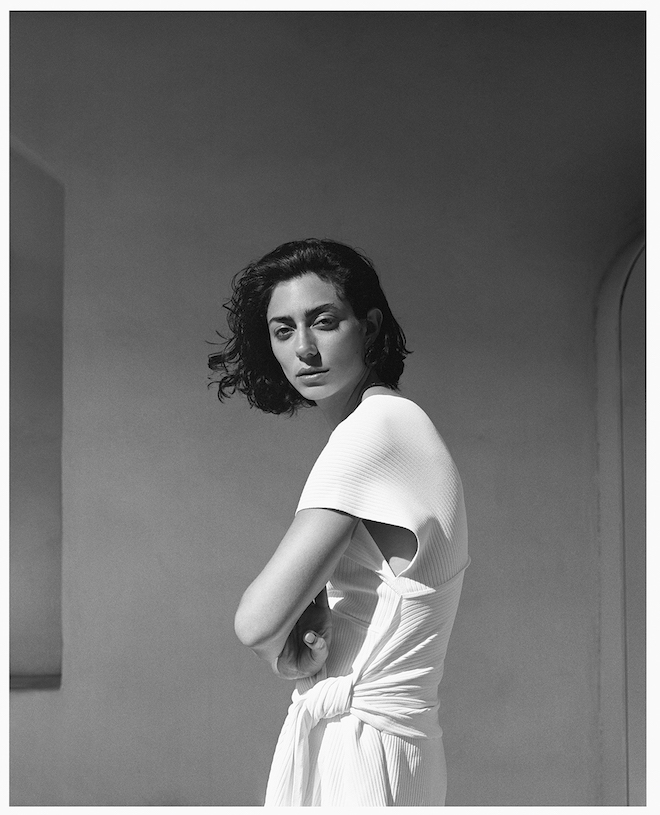
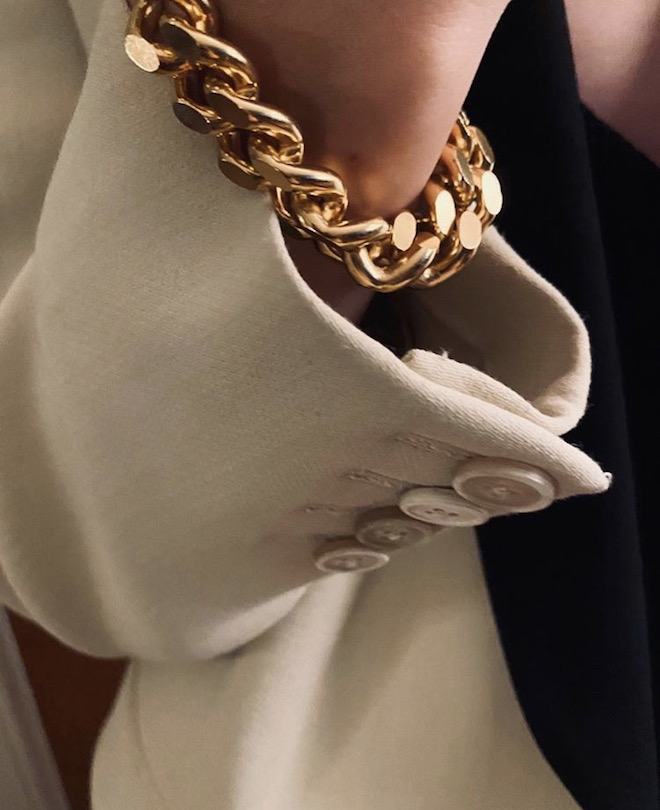
Storytelling – synonymous with the meaning of jewellery. From wedding rings, birthday necklaces, celebratory bracelets, the concept of jewellery as symbolic of a tale is a natural role it continues to play.
This is vey much the case for Danish based jeweller Orit Elhanati.
From searching the past as much as the present for symbolism reworked into contemporary elegance and at times somewhat biomorphic shapes, Elhanati feeds into the notion of what we define as a modern woman. Not shy of her past and its impact, nor fearful of what the future can unfurl.
We spoke to Orit about her cross-cultural approach to design, the textural possibility of 18 carat gold and the protective powers something so close to your skin can bring.
What inspires you?
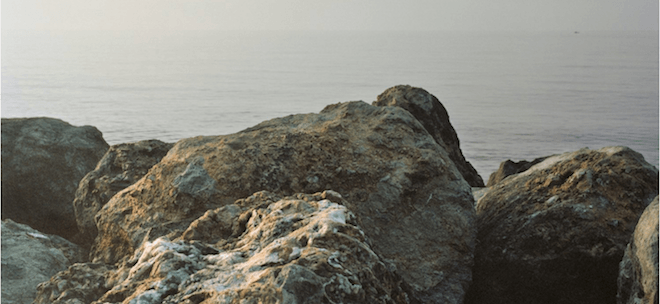
I am inspired by my environment and people around me. Nature, the sea, the clean lines of the desert, rocks and nature is deeply inspiring to me. I am not religious, but I believe in these greater powers that have such a force, that we cannot comprehend. Each thing I create, whether it be a piece of jewellery or something in my home, is somehow inspired by all these different places and people. It is very important to me that there is a feeling behind everything I do. I am in love with the works of Zara Hadid that has incredible ways of creating beautiful, yet functional design with soft and curvy lines. Gaudi’s mysterious universe as well as Henri Matisse’s sensual lines and touch to name a few have inspired me.
Why did you choose to launch a jewellery brand ?
Gold has always fascinated me. I have always been infatuated with my grandmother and her friends sitting on the porch in Tel Aviv dripping in gold. This has imprinted itself in my mind and has followed me throughout my life – I love the way jewellery is made to be passed on through generations and becomes a part of the woman and her story. I remember the exact moment when I knew it was my calling – I have never looked back since, and have had ELHANATI since 2011.
Has this reason evolved or changed since your brand’s inception? You are now doing a range of both fine jewellery pieces and more costume jewellery styles: was this diversion part of the plan?
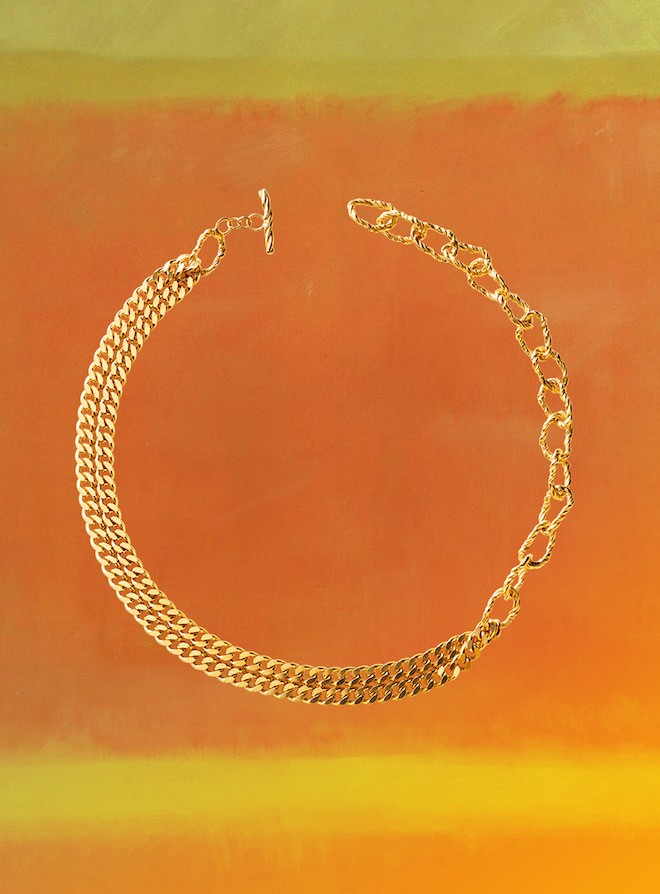
18K gold has always been my preferred material. I love the texture of the gold, I love working with it. However, the main thing for me is creating, and I love having a larger canvas as you can with demifine and limited collections, so this is something that has been a part of ELHANATI from the start, with other things in the pipeline too.
You have a cross-cultural approach to your designs: how does each part of your heritage manifest in your jewellery?
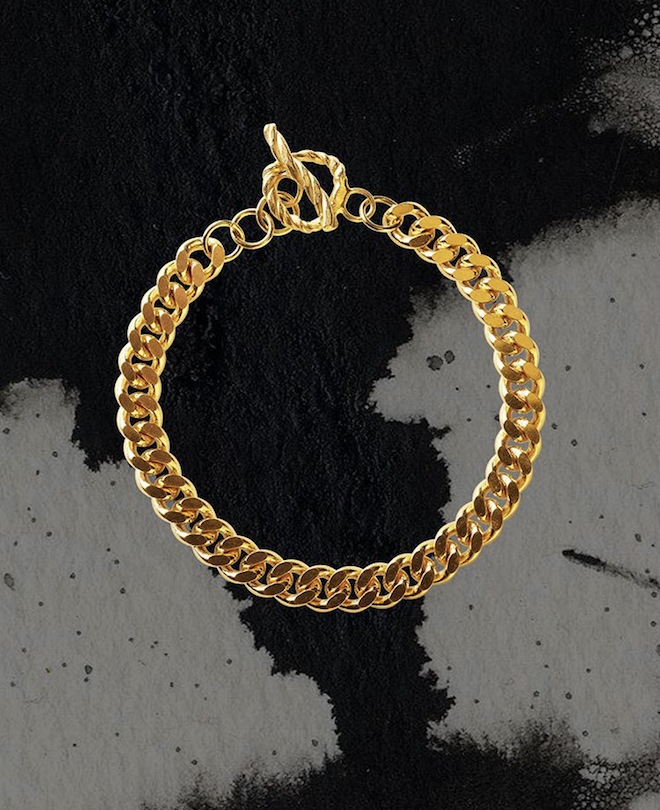
I am a Danish jewellery designer with roots in Israel. I create handmade jewellery from our atelier in Copenhagen, drawing inspiration from the Nordic lightness and minimalism and mysterious energy and surroundings from the Middle East. I only work in 18K solid recycled yellow gold: I am in love with the feeling of working with it, creating textures. Everything I do is connected to nature, so this texture helps me tell stories. The yellow gold I always use, has a direct connection to the Middle East. Many of the things I create are stories about the streets of Jerusalem, the path to the dead sea, the textures of the mountains, cliffs and desert lines. There is also a symbolic meaning connected to the pendants on the necklaces, that protect and empower the bearer.
How do you see the jewellery landscape evolving after this year?
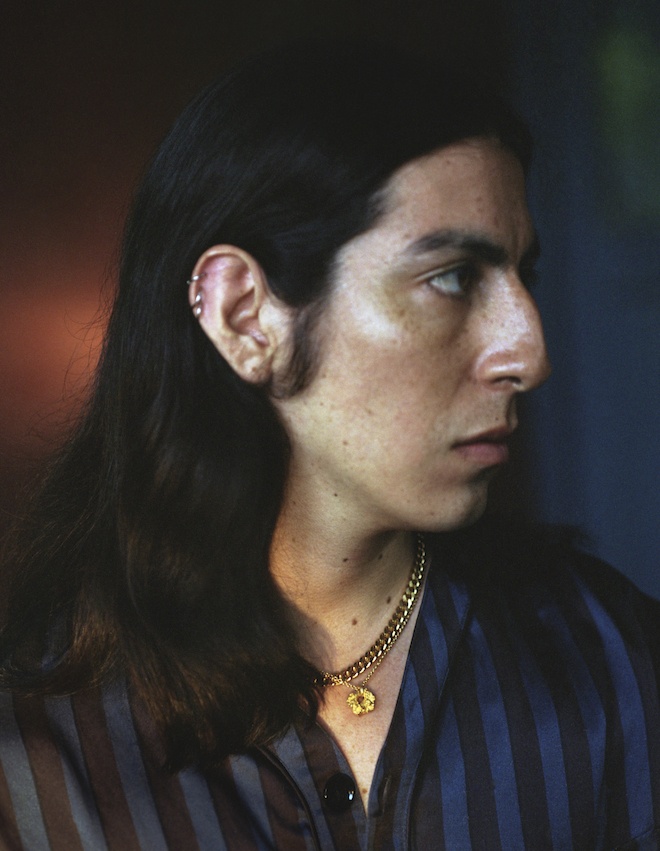
I have always been designing jewellery for men, and bespoke pieces, and I can see the demand is increasing for both of these types of jewellery, so this is something I think we will see more of next year. I am currently working on some amazing projects that I cannot say more about just at present. I can say it something I am very excited about. I love pushing myself and learning new things and working on new projects and collaborations creates something very magical and a completely different universe in my work. I have been really lucky to work with some amazing talents.
There is something irrevocably slow on your senses when you look at Tekla. The colours are near chalky in their palette, the cotton looks crinkly fresh, the towels almost smell of warmth.
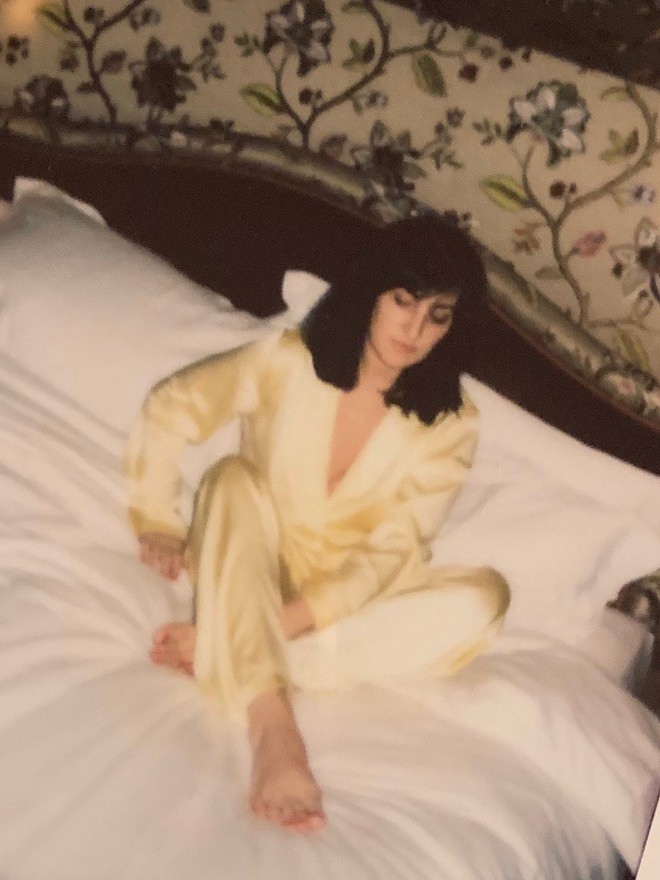
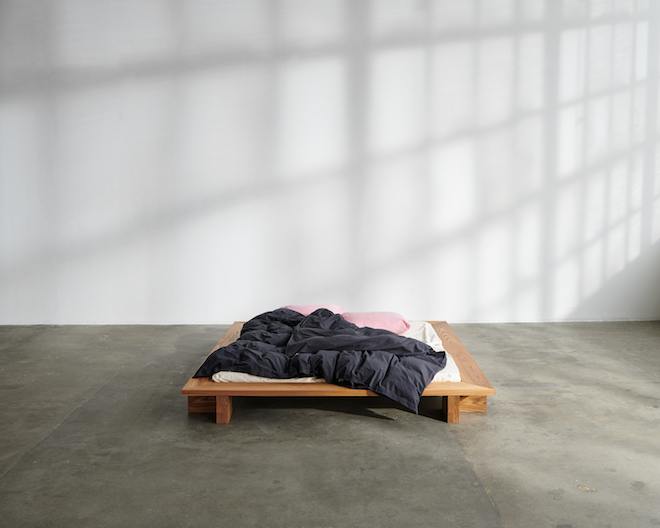
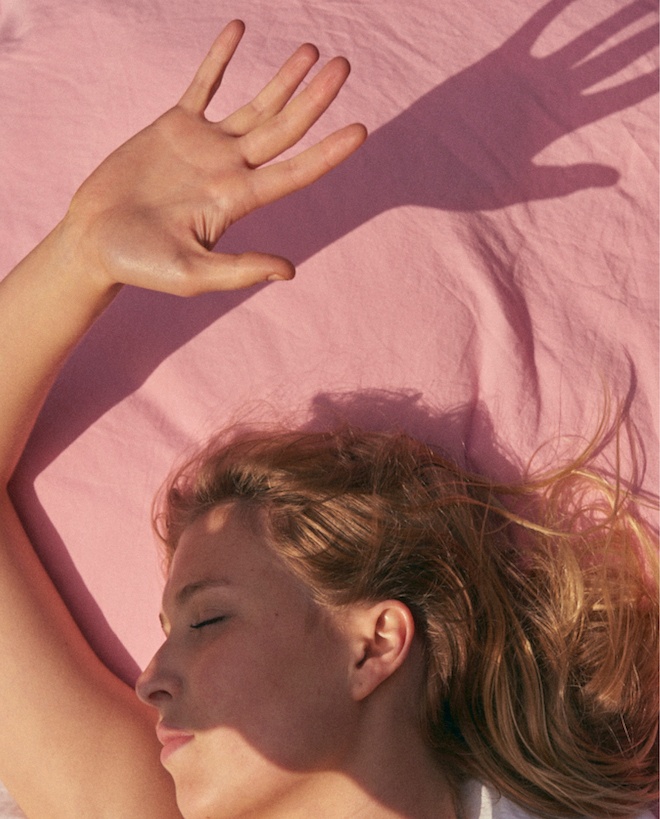
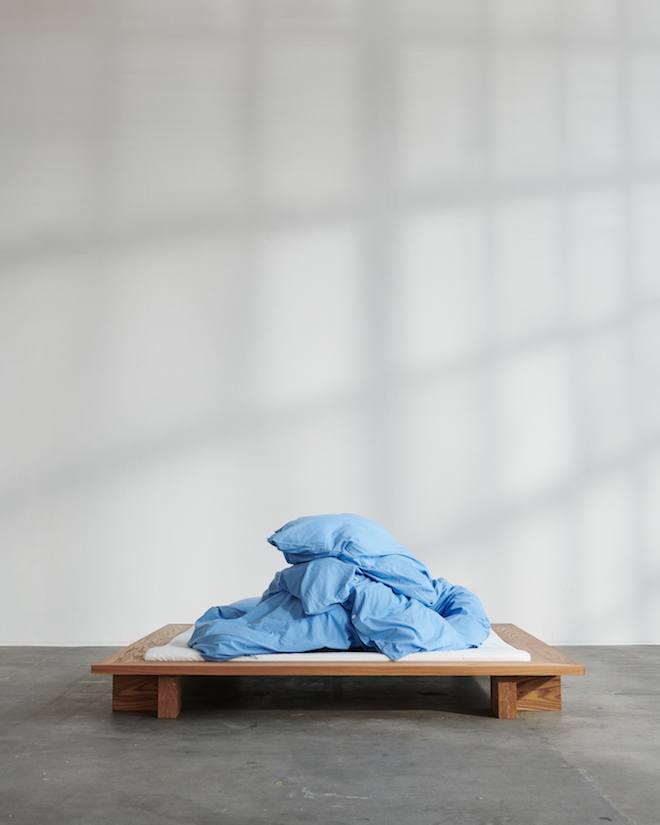
The Copenhagen based brand founded in 2017, and ever since has laid out a clean, concise and calm vision, the equivalent of the sound of running water in a brook, the sensation of swimming in April in the harbour, of sitting on boardwalks, of lying in sun dappled sheets at 10am on hazy Sunday mornings.
An unsatisfied search for home textiles led founder Charlie Hedlin to commence the creation of a line of functional yet formulaic home textiles that would not forego beauty nor ignore the importance of practicality and sustainability either. Seeing images of bedsheets in Danish homes, it is hard not to connect the founder’s visual aesthetic to his roots – modern but not too avant garde, classic yet not traditionalist. It’s a balance on stable foundations, and the brand’s growth is a perfect reflection of that.
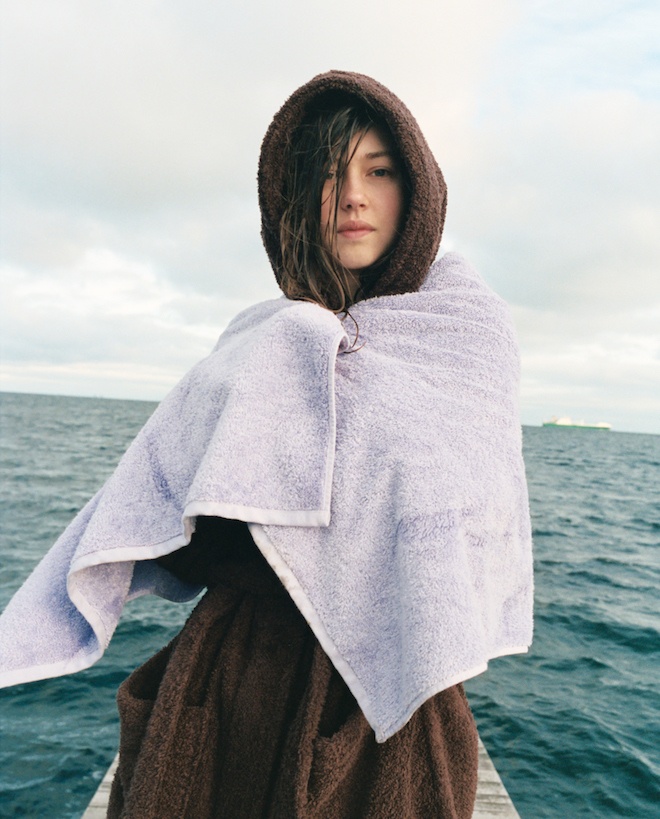
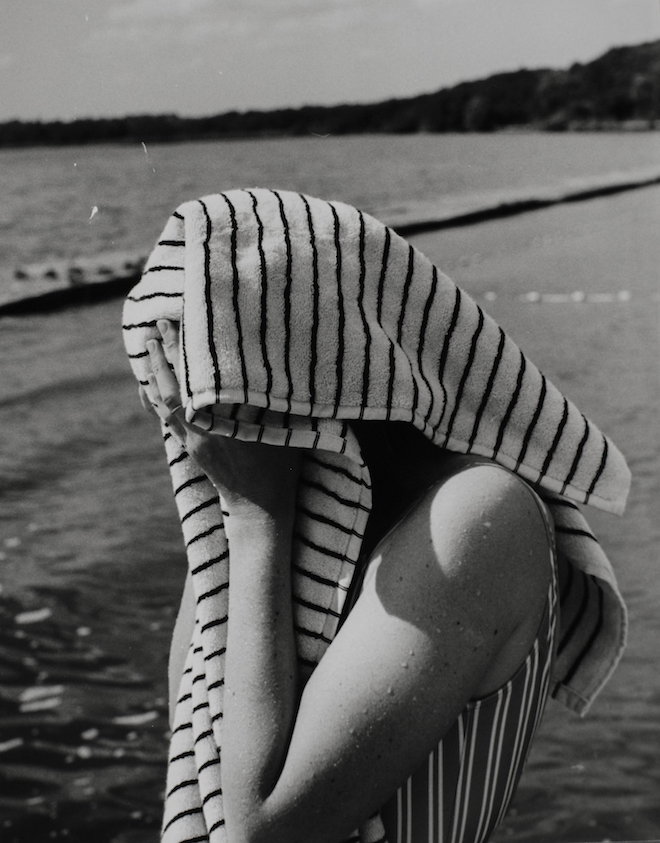
The campaign imagery alongside also harks back to the bounteous presence of nature for many Danes, treasuring their forests and lakes as much as their boardwalks and harbour swims.
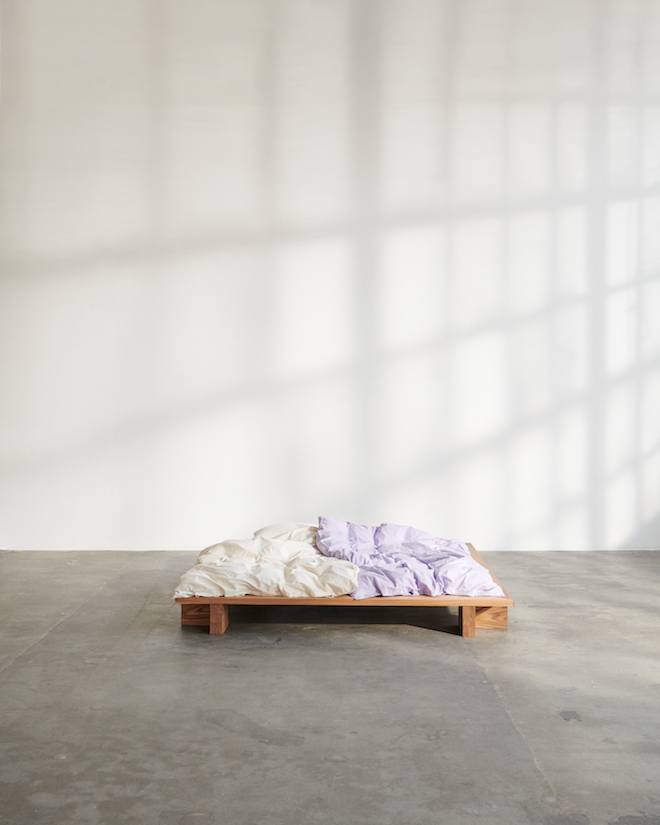
The simplicity of the sheets shots too – with its delicate focus on complementary colours and their gentle companionship – reminds us of Copenhagen loft apartments, with high ceilings, elegant furnishings and warm Spring sun pouring through onto the parquet flooring.
It isn’t often you come across a truly delightful home textiles brand, but in the age of isolation, more and more people are turning their eye inwards to their current surroundings. No more will trims and embellishments reign, but predictions of a softer desire in all of us as vulnerability comes through and the fragility of nations becomes ever clearer.
Keep Tekla close in your night and day: a brand to soothe, to comfort, to remind you of the beauty in small things such as box fresh cotton sheets, and towels to engulf after cold dips in the ocean.
Why and how did Tekla begin? The need for starting Tekla was honestly trickled from my frustration of being extremely difficult to find beautiful, yet affordable home textiles. I’ve moved around so much – Paris, Amsterdam, L.A. and every time I moved I needed to buy new bed sheets or towels. However, there was nothing that made me think ‘This is it’. At some point, it was not about home textiles anymore, but it was about creating something that you buy to wear in your spare time or to sleep in; products that I want to use, that are very functional but in a beautiful way. I started developing the concept and the idea while doing freelance work on the side for the first 8 months. I started it all from my savings, but since we registered significant growth in the first 6 months, and the first bigger order needed to be done prepaid, I decided to take investors on board.
What is the meaning behind the name? I was in a national sailing team when I was a kid and I called all my boats Tekla, so that’s where the name came from.
Why do you think bedding and bathroom have never been explored before in the same extent Tekla has?
I have always felt that I could buy any piece of furniture, but the lack of good sustainable and affordable home textiles made me want to create something new and different. I think people these days start realizing the essential roles of things we possess at our homes and their value. Home is your personal safe space, a reflection of who you are as a person. Everywhere you move, you are conscious of being in space that is comfortable. You want to surround yourself with different feelings, emotions, that takes you back to the serenity of childhood. Something you can escape in and I think that will matter more than ever now.
What is it about the bedroom that fascinates? I always considered my bed a safe space when I was a kid and I still feel that way today— I let go of all the things in my head, what’s going on at work and this and that. Your bed is a carefree-zone. It’s where you’re at your most vulnerable and emotionally exposed.
What do you think the creative industry will learn in this time of unprecedented change?
Ultimately, this could lead to a positive outcome for the planet and its people. Industry- wise, surviving brands will become more adaptable, resilient and attuned to emerging change. People will hopefully slow down, and their regular travel, production and consumption patterns will shift. People’s shopping habits will change and companies would need to adapt accordingly.
How do you plan to expand, or do you think specialization on key areas of business is key?
At the moment it is very hard to talk about expansion. Rather than expanding our product line, we want to improve the quality to keep delivering the best possible product on the market. Everything from our packaging to the raw materials that go into every one of our designs, there is a deep respect for craftsmanship, the tactility, and functionality of natural fabrics and materials. We work with a responsible-first approach and try to be as transparent as possible regarding our actions. However, areas remain, where we can still improve, and these are a priority both when we embark on new projects but also in the continuous optimization of our existing setup. These actions will become essential in the upcoming months for brands to position themselves on top of the ladder.
How do you establish a narrative into the brand? We do not really plan the narrative beforehand. I think it all comes down to being honest about your product and staying true to yourself, then the narrative shapes itself. Building trust between us and the consumers is the most important thing for us. And it matters now more than ever because when the outbreak eventually ends, consumers will not begin searching for brands they hope they can trust, but rather stay with those who they have already established relationship with.
Would you call yourself a luxury brand? / What do you think defines luxury? Joining together a refined and understated design language with the best of today’s materials for products that will stand the test of times in both quality and appearance. A combination of thoughtful products and quality, that serves a genuine purpose in the world, that is a luxury for me.
Where do you find inspiration? I am getting inspired by spaces and textures. Tekla is about freedom, and to me, functionality is freedom. To live simply and not have too many things, to live in a space with less but better furniture makes it all so relaxed, and adds more quality to your life I think. It’s about creating a room that feels light and warm. This inspiration you can find anywhere, galleries, museums, airports. However, homes that I have always admired are spaces designed by Alvar Aalto, Mies van der Rohe, Axel Vervoort and John Pawson. Even if it’s, some people might say – minimal, I would say it has so much thought into every element in the room that it gives you serenity, that I do not think a lot of other rooms give you. Lately, I have been inspired by the Kanaal project by Axel Vervoort – a cultural and residential complex built near Antwerp, which opened recently after 18 years in the making.
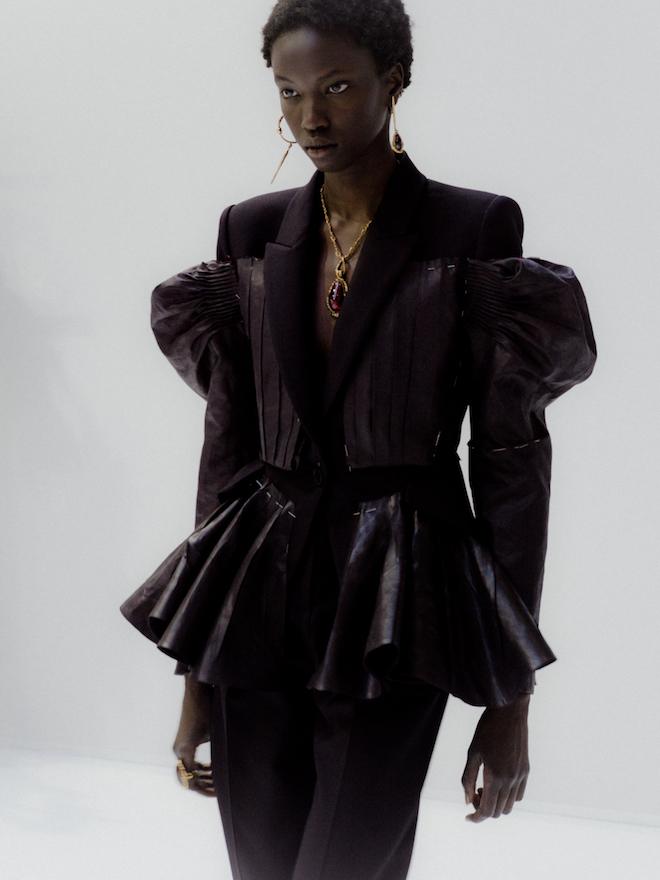
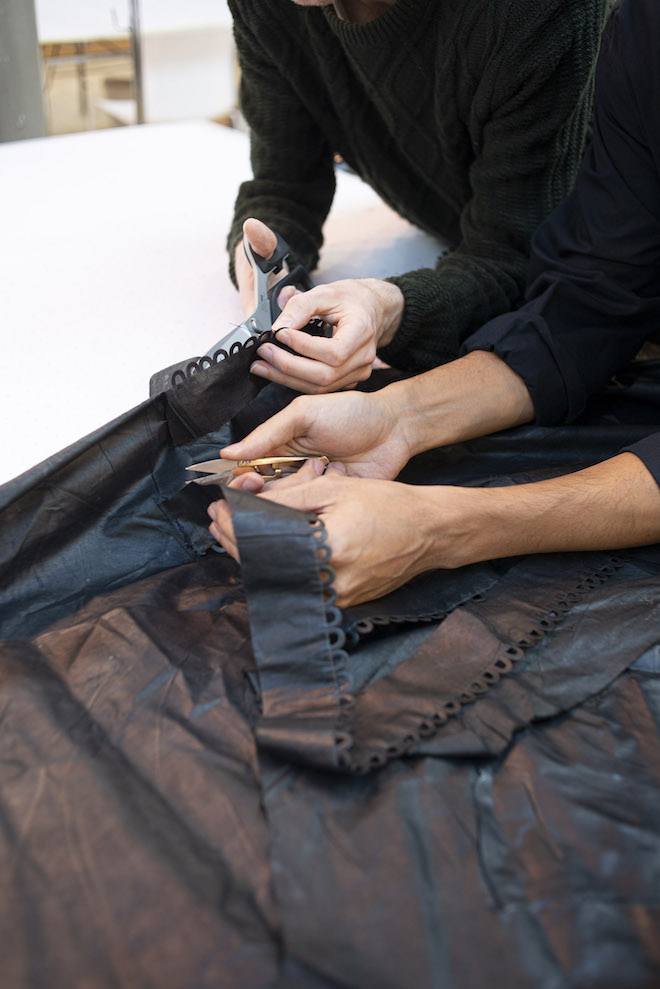
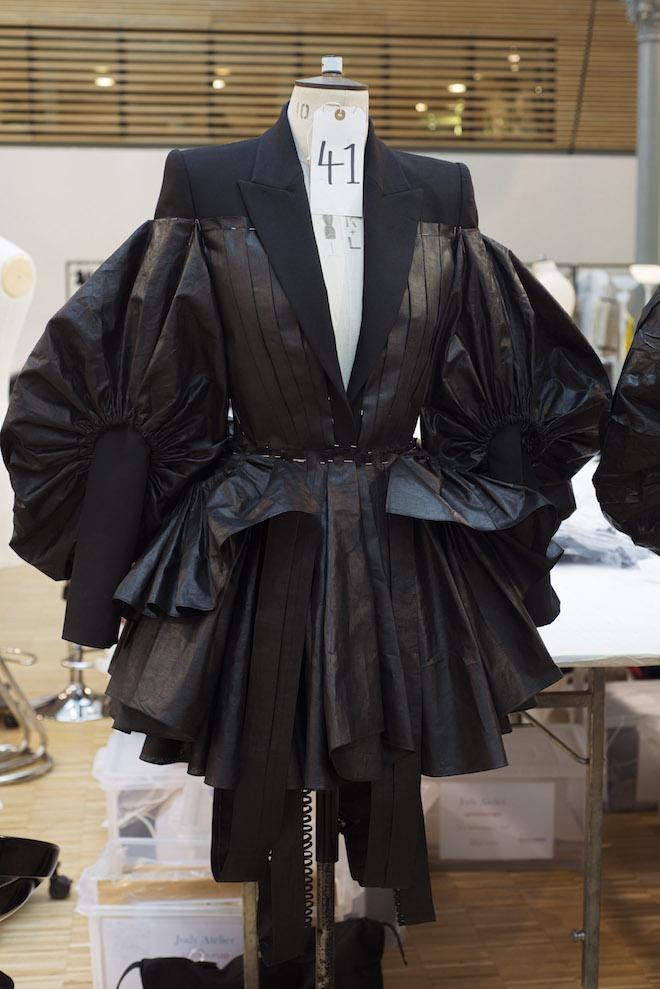
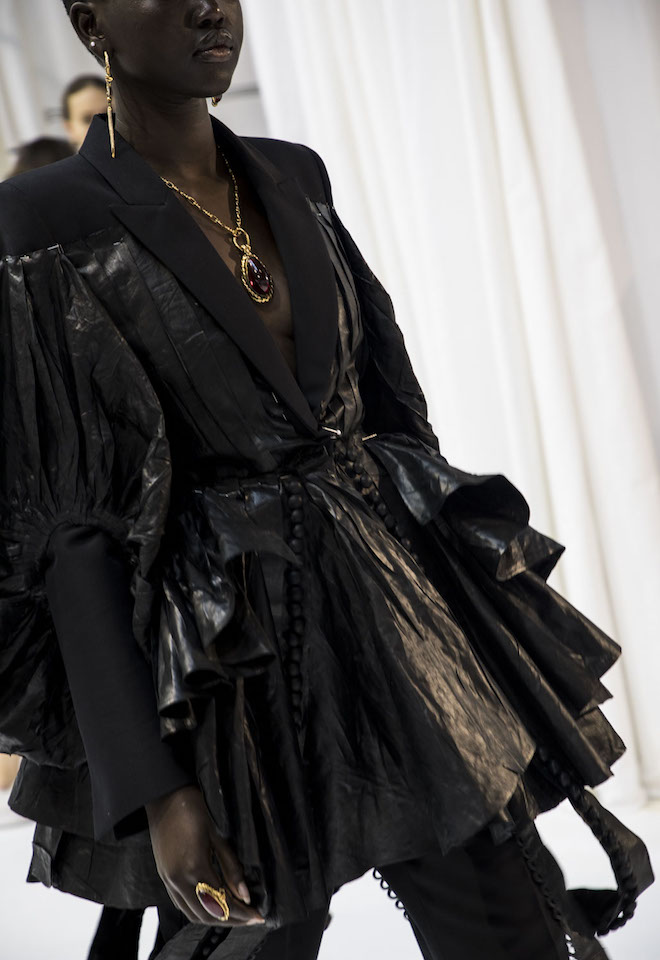
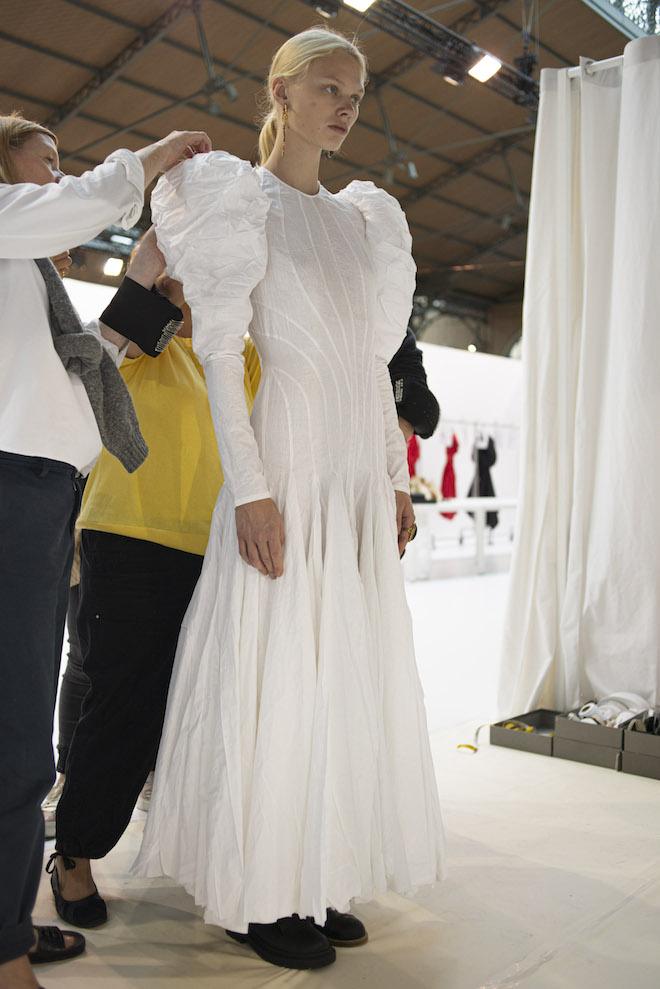
One of the distinctive components of Sarah Burton’s SS20 collection for Alexander McQueen was the use of beetled linen. The fabric, known for it’s pressed natural sheen, was beetled by the oldest linen mill in Ireland and the last remaining specialist in garment beetling William Clark. Needless to say, there were pieces from this collection that would be difficult to find anywhere else with such level of quality in consideration. Each beetler at the mill is trained under a master of the craft as a way to pass the elaborate technique through generations.
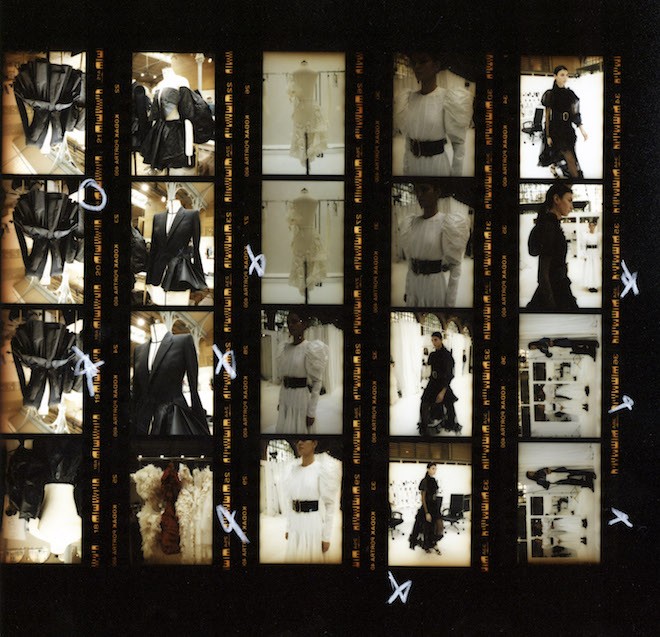
Specifically , the garment beetling for the SS20 collection required the making and unmaking of clothing in the McQueen studio which were later sent off to the mill where each piece was hand painted with potato starch and hammered by wooden blocks before being constructed in a final frame in studio. The intimacy of this work is visible particularly in the form of a black troupe l’ceil layered jacket and peg trousers and in black and white puff sleeve dresses with pin-tuck details that were featured on the runway. Grab a closer look at the collection online via McQueen.
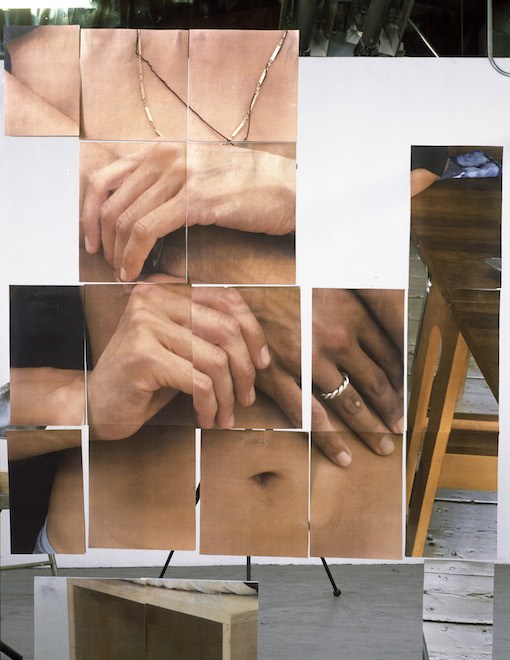
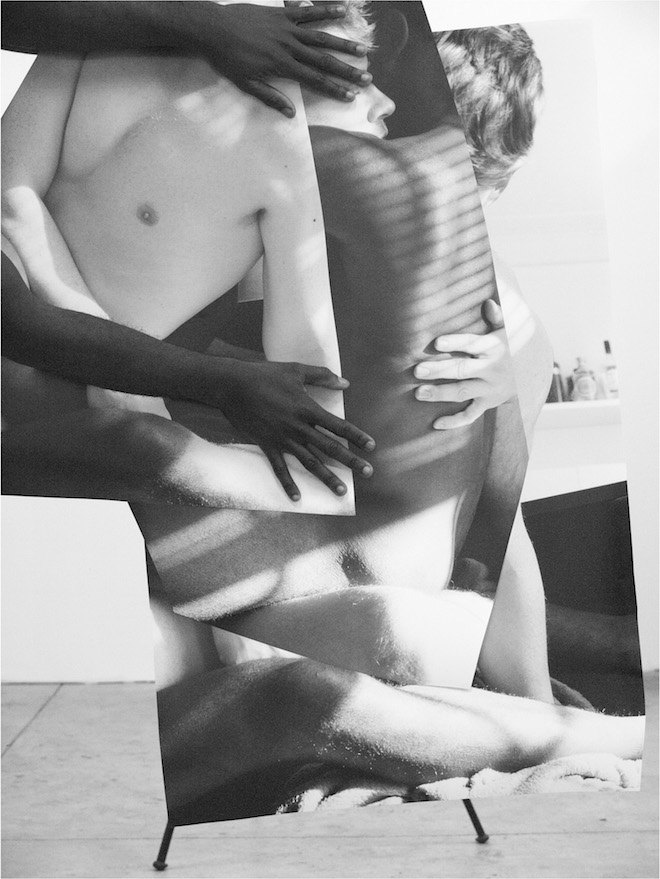
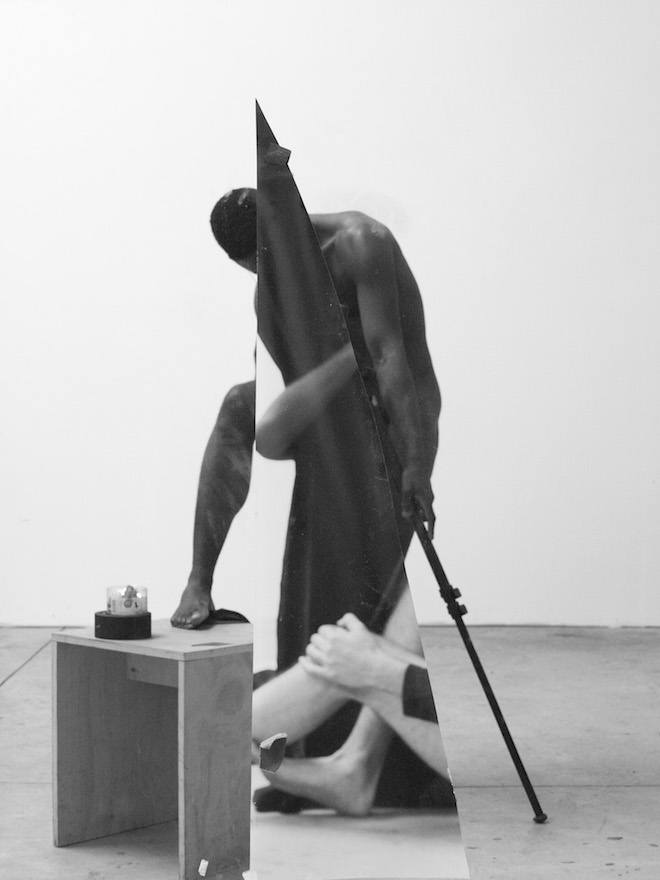
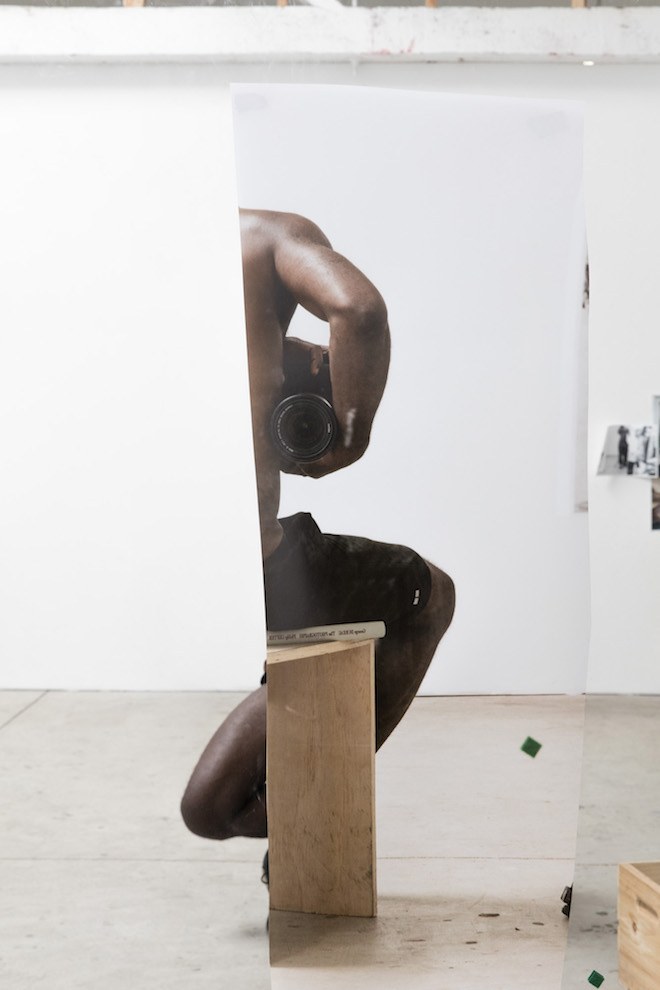
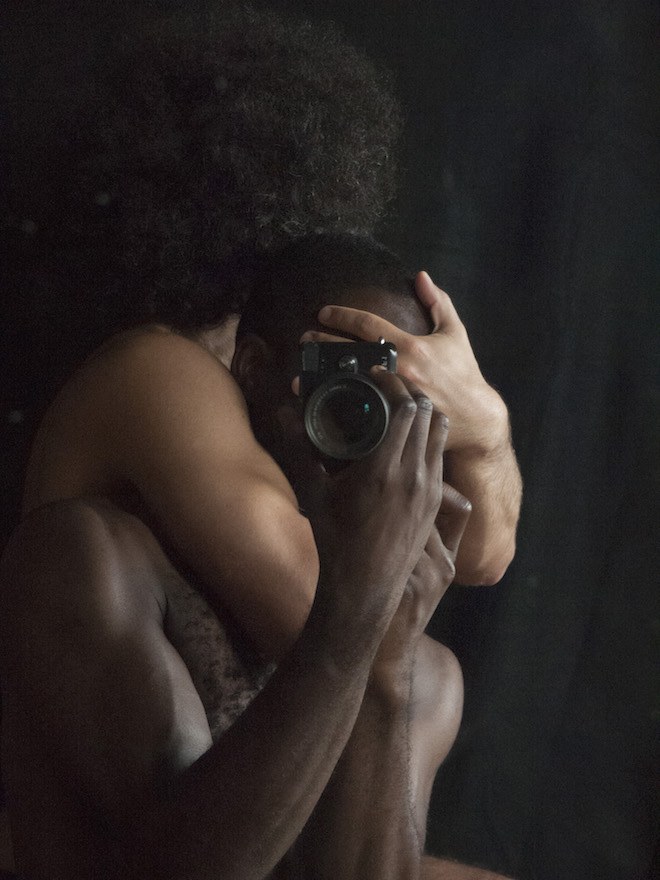
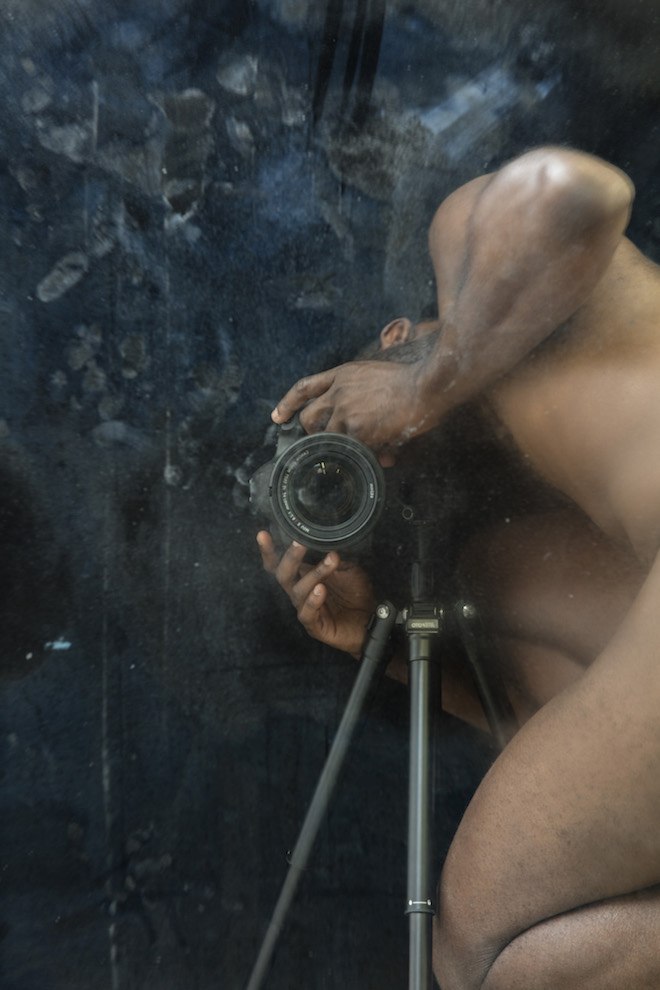
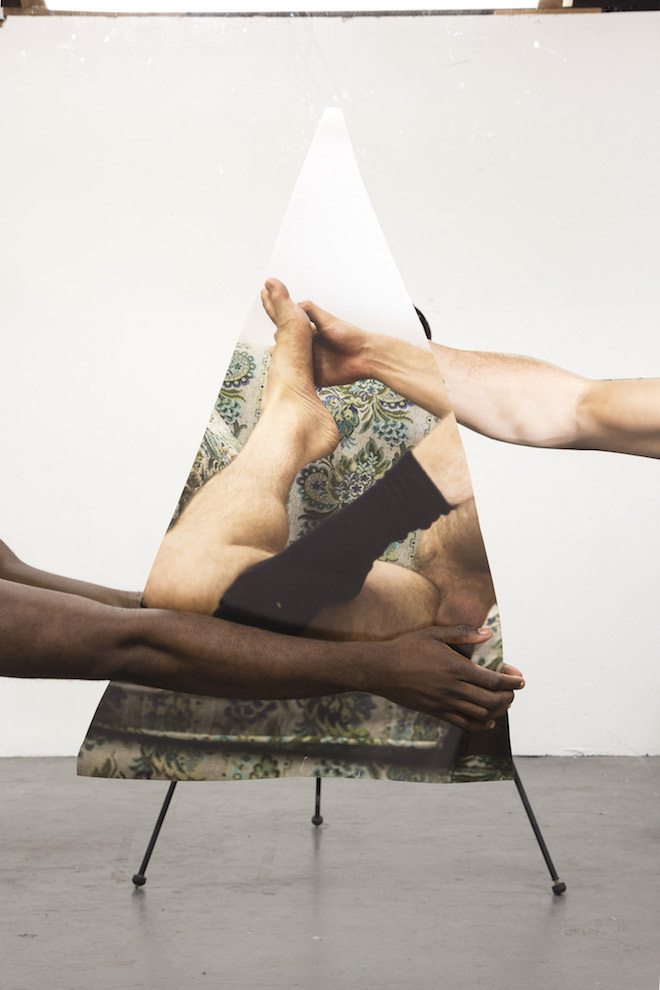
New York based photographer Paul Mpagi Sepuya has recently published a body of working featuring the work a prominent up and coming NY based photographer. The artist is known for shooting studio photographs of friends, artists, collaborators and himself, exploring upon traditional portraiture through different manners by way of collage, layering, fragmentations, mirror imagery and the perspective of a Black queer gaze. In this series , the artist gives glimpses of the imperfect human elements of picture taking, including fingerprints, smudges and dust.
“A reflection in a mirror is a perfect, depthless form, never as complex or shifting as the real body staring back at it. Sepuya chops up these reflections for us, refusing us neat or cohesive views. In his work, the mirror’s imperfection enables us to see the imperfections within ourselves, further refracted by our relationships with others.” – Evan Moffitt .
In the last few days many have been lending support to the Italian health system, which has been recently severely threatened by the Coronavirus outbreak.
A group of local photographers have also joined the efforts with the creation of an initiative in favour of the intensive care unit of the Papa Giovanni XXII Hospital of Bergamo, which at the moment is one of the most affected hospitals.
The project was born following a testimony of one the hospital’s doctors, who told the fundraiser’s organizers about an extremely dramatic situation for which all possible help is seriously needed.
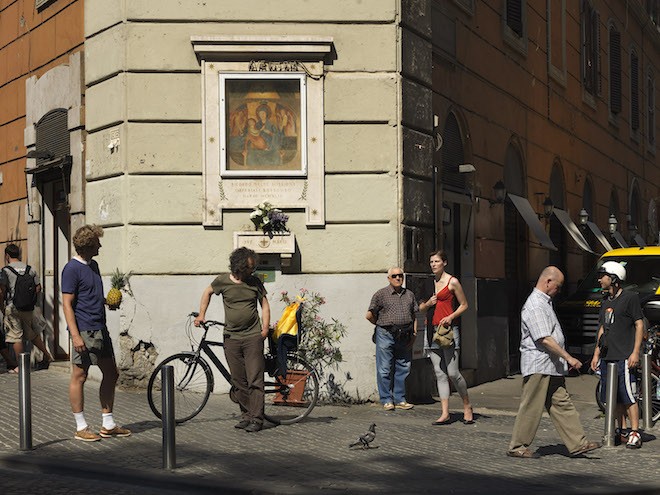
Rome, Italy by Alec Soth
100 PHOTOGRAPHERS FOR BERGAMO is a call to some of the most influential voices in the world of Italian fashion, art, architecture and portrait photography, an invitation to donate their images, which can be purchased at a cost of 100 EUR on https://perimetro.eu/100fotografiperbergamo
The operation, coordinated by the community magazine Perimetro and the non-profit organization Liveinslums, initially involved some of the most important names in the contemporary Italian photography scene, who have generously intervened and immediately accepted the appeal of doctors and healthcare workers, battling on the frontline of the COVID-19 emergency.
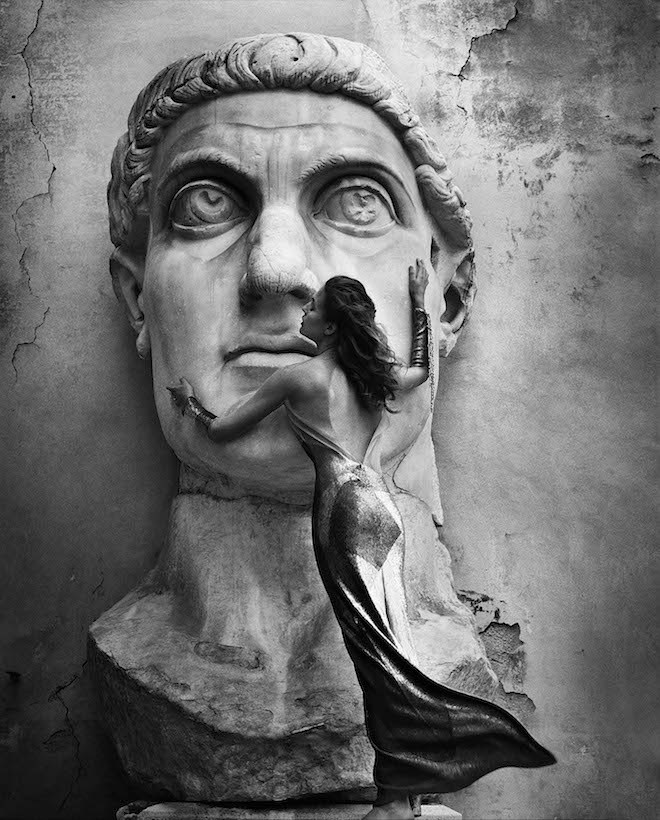
Vincent Peters, Nadia Bender , 2016, Harpers Bazaar UK in Rome
Among these photographers are: Davide Monteleone, Alex Majoli, Oliviero Toscani, Michelangelo Di Battista, Toni Thorimbert, Giampaolo Sgura, Maurizio Galimberti.
The 100 photographers for Bergamo has already collected 350,000 euros in 5 days and today thanks to the help of the international network Linke Lab, other important international photographers will join the ranks, including Alec Soth, Susan Meiselas, Adam Bromberg, Ed Kashi, Christopher Morris, Ami Vitale, Pep Bonet, Michael Ackerman.
The funds will be entirely donated to the hospital to support the intensive care unit in the purchase of specialized technical equipment.
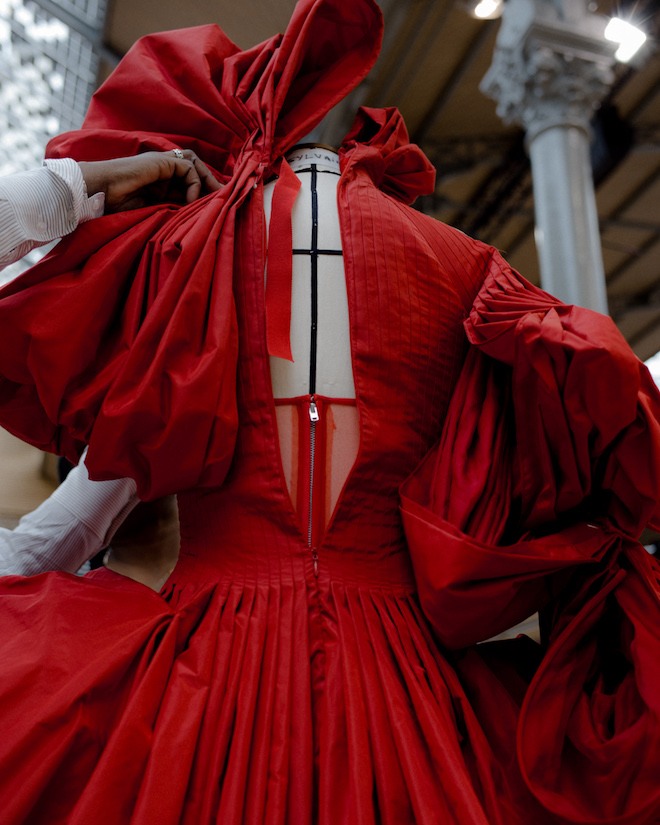
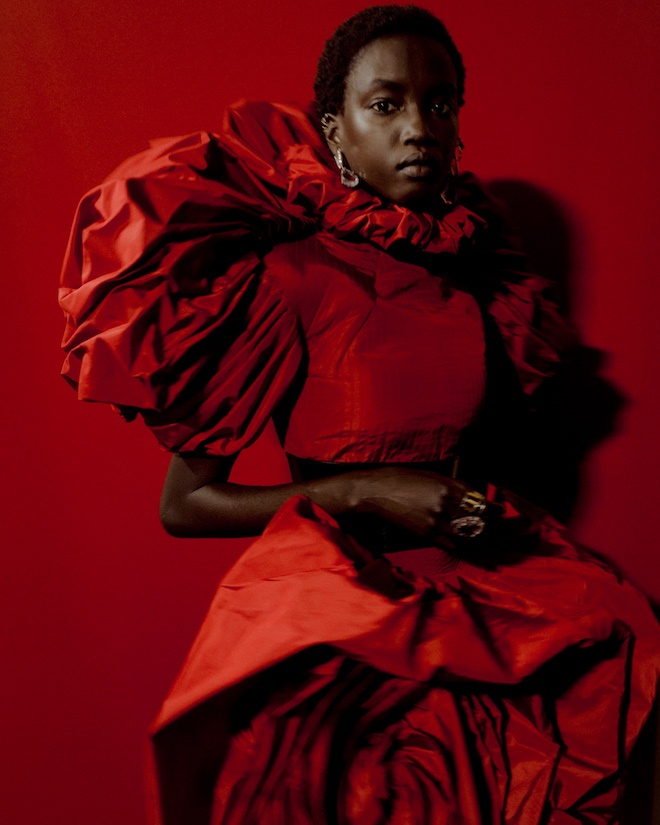
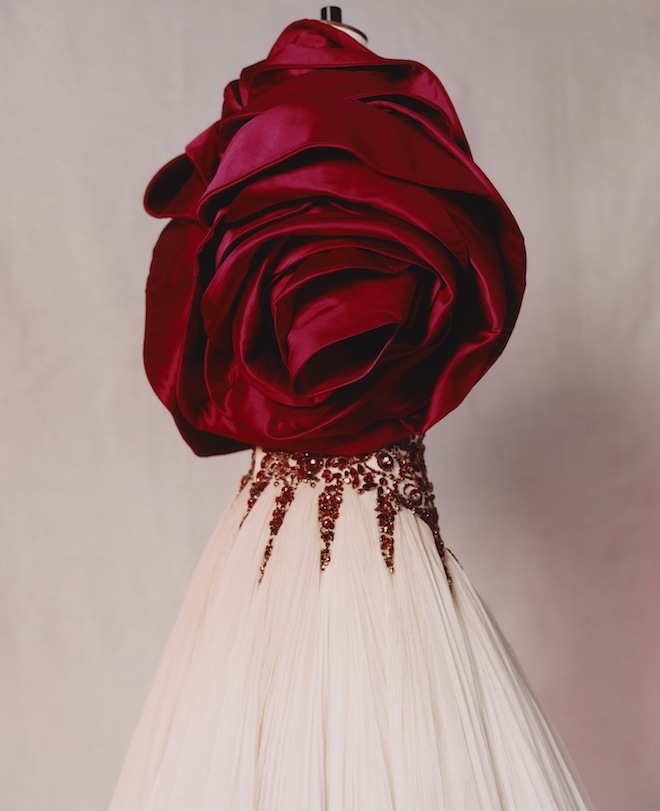
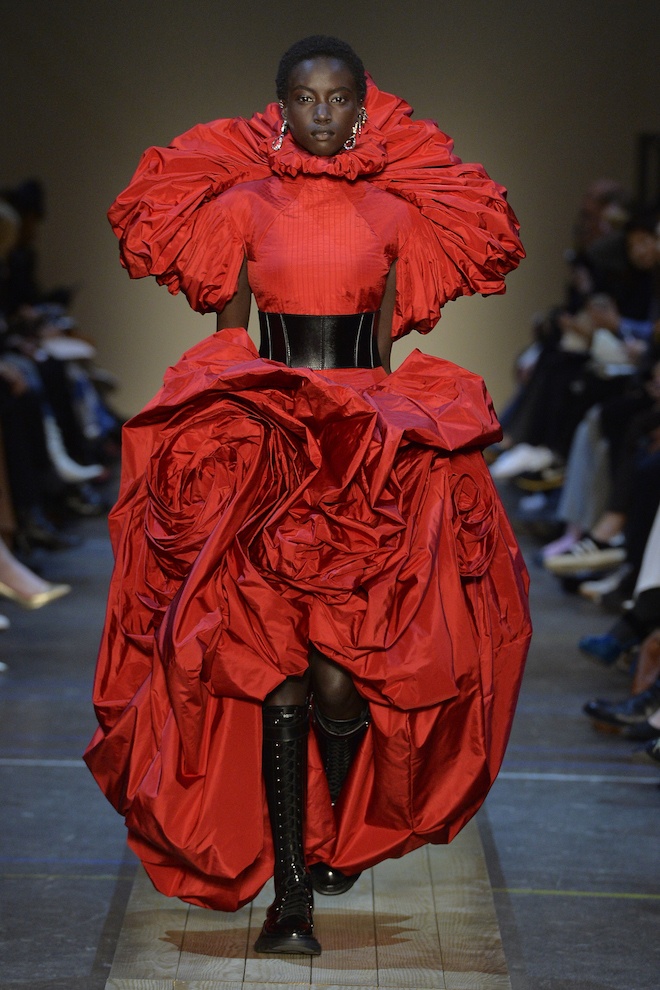
British fashion house Alexander McQueen today launched a new project encouraging digital creatives to work from home with the help of their guided expertise. The initiative titled McQueen Creators was brought forth in reaction to the global quarantine, and will call on the house’s followers to artistically engage with their favourite pieces from a selection of images shared on the McQueen instagram page, a selection of which will be published across their social media platforms.
Each week a new set of concepts will be released, and this week’s headliner is taken from the Roses installation at their New Bond Street open studio. It involves the sketching process of the finale Rose dress from the AW19 show. Other future endeavours will include 3D creation and embroidery from home amongst other initiatives. Follow the house’s social media channels for updates, and to be considered in the batch of images shared on the McQueen page, be sure to tag @alexandermcqueen and include the hashtag #McQueenCreators in your caption.
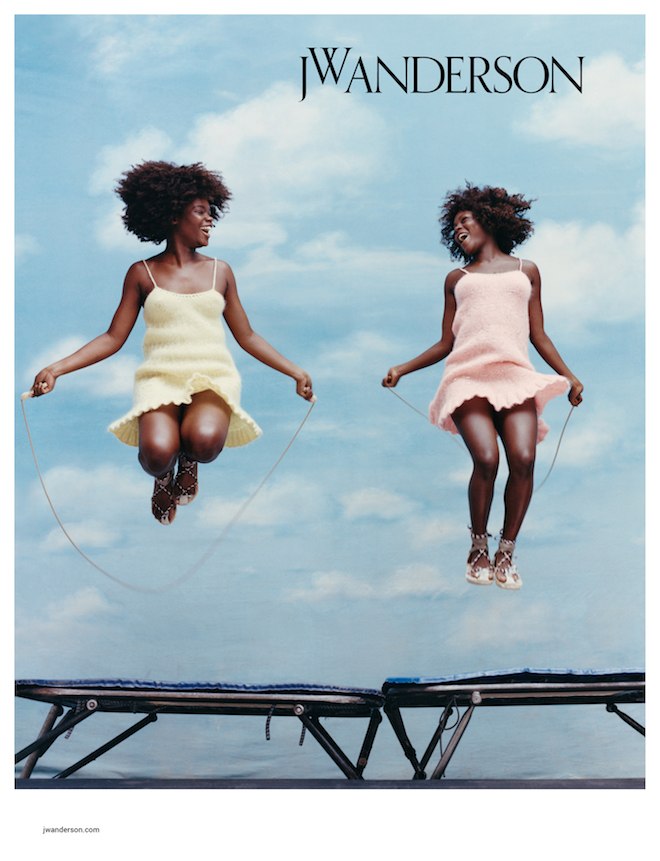
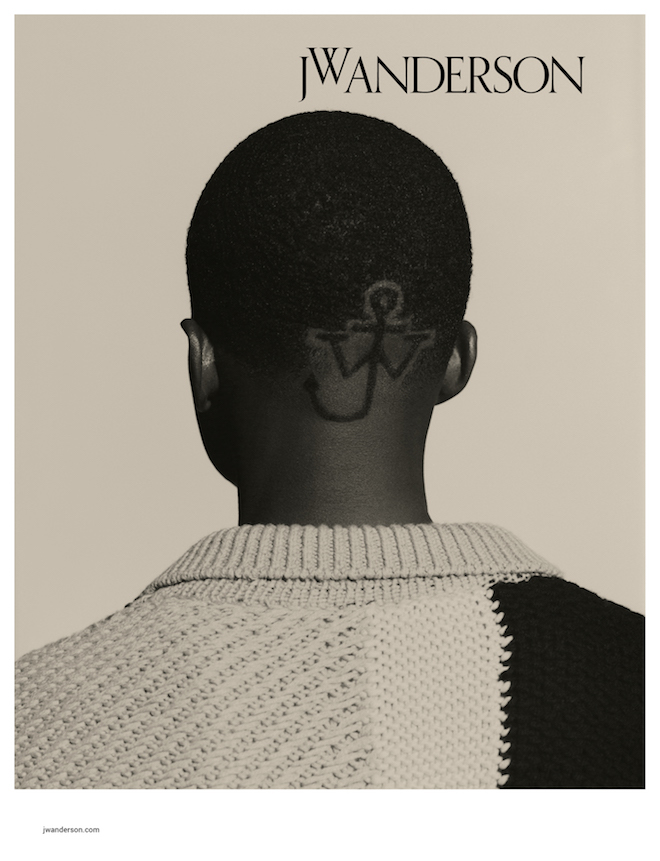
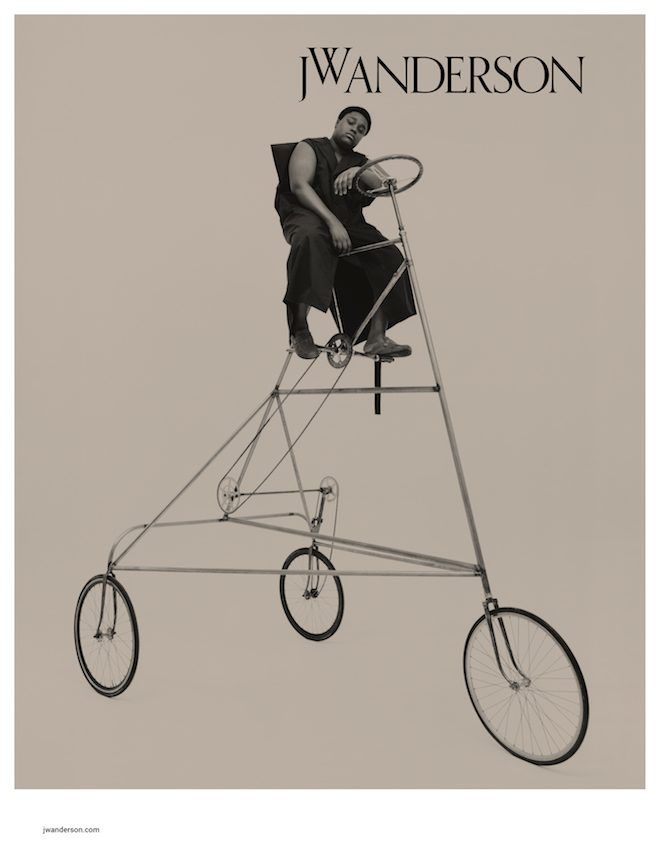
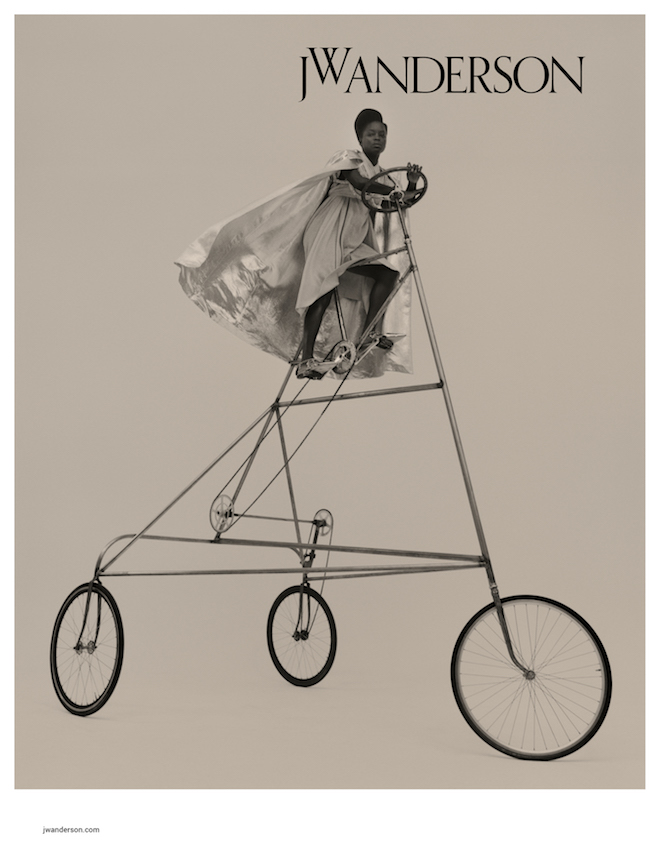
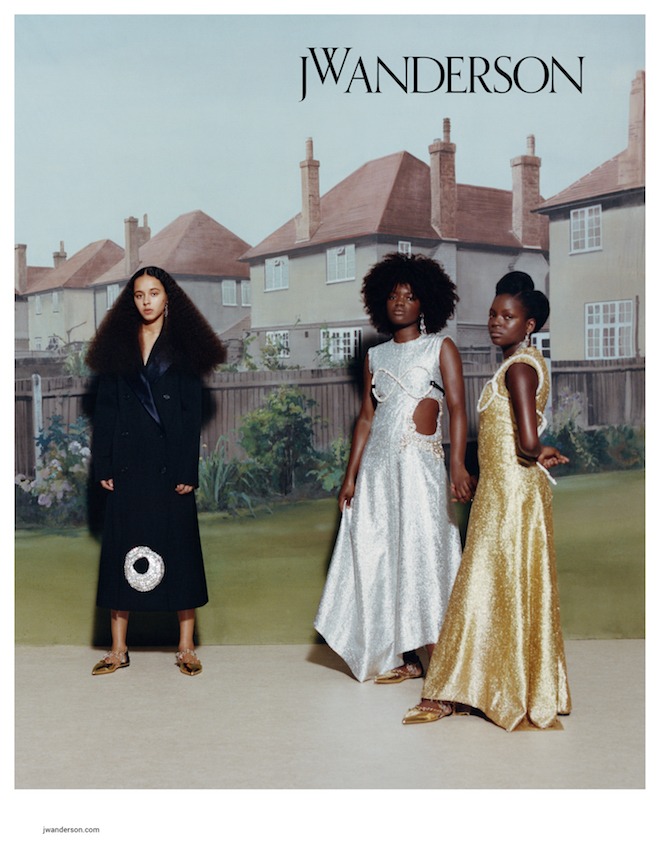
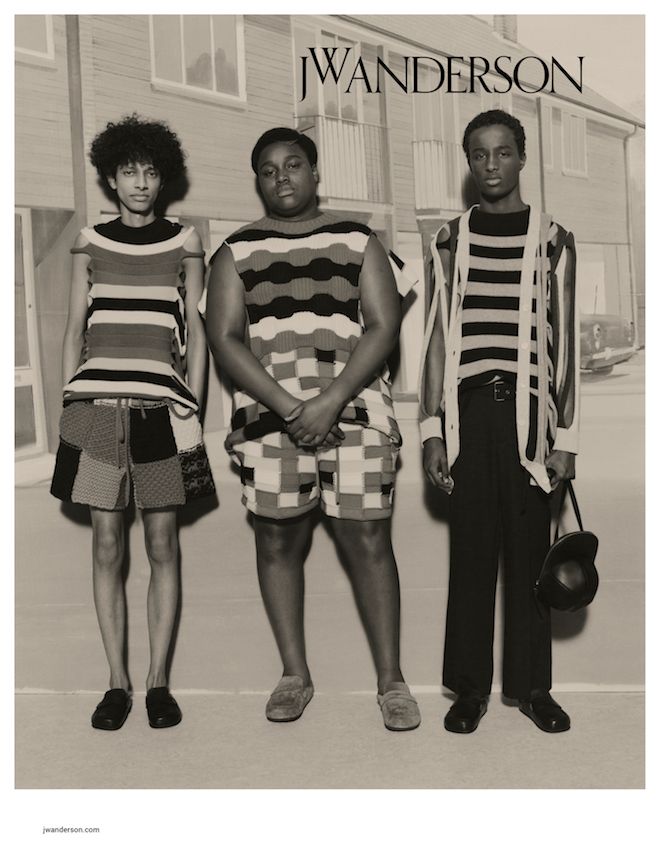
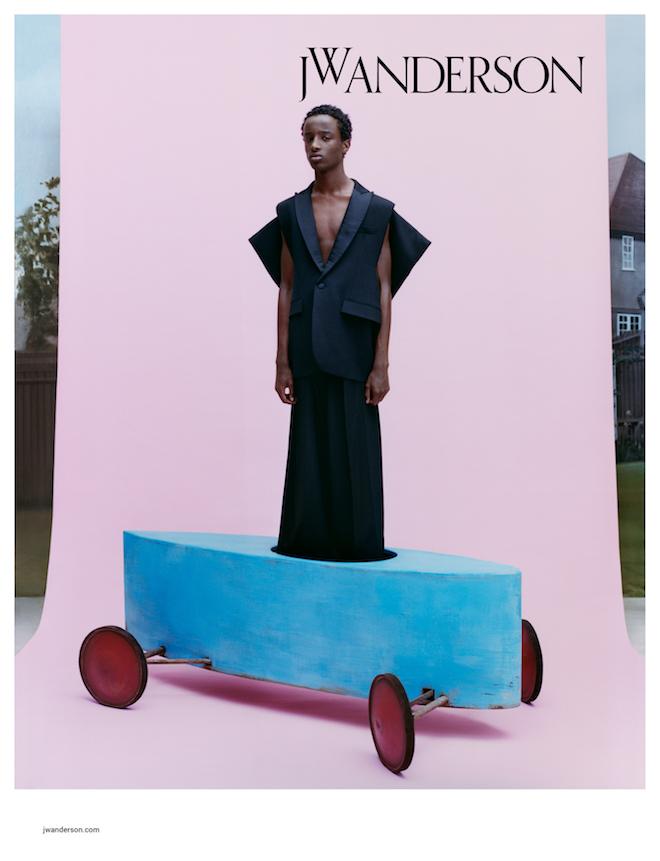
London-based luxury fashion brand JW Anderson recently released it’s Spring Summer 2020 Campaign for both its Men’s & Women’s collections with strikingly soulful imagery shot by photographer & filmmaker Tyler Mitchell.
Styled by Benjamin Bruno, the campaign hints slightly at the theme of the crossroads between tradition and innovation which was previously explored in the SS20 Women’s show. A cast of models from previous campaigns with included street casted faces are pictured in a light-hearted manner. They manage to highlight Mitchell’s signature style while staying true to the designer’s playful aesthetic as colourful backdrops and props like a giant oversized tricycle were implemented as signifiers of British suburban youthfulness.
Photographer: Tyler Mitchell Stylist: Benjamin Bruno Art Direction: M/M Paris Hair Stylist: Cyndia Harvey Makeup Artist: Lauren Parsons Set Designer: Andy Hillman Casting Director: Julia Lange Models: Enonha, Djeneba, Krisha, Rose, Romance, Hamza, Jerell, Khalid Production: Holmes Production
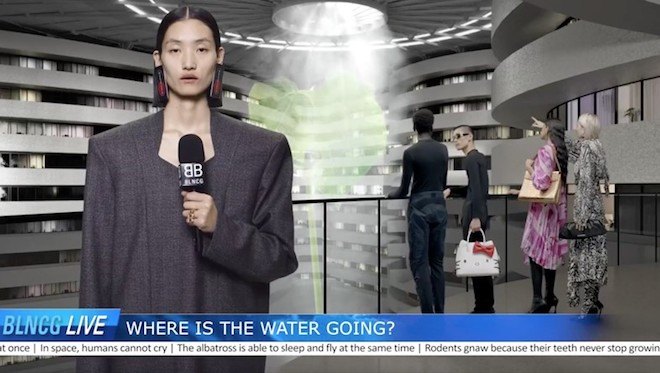
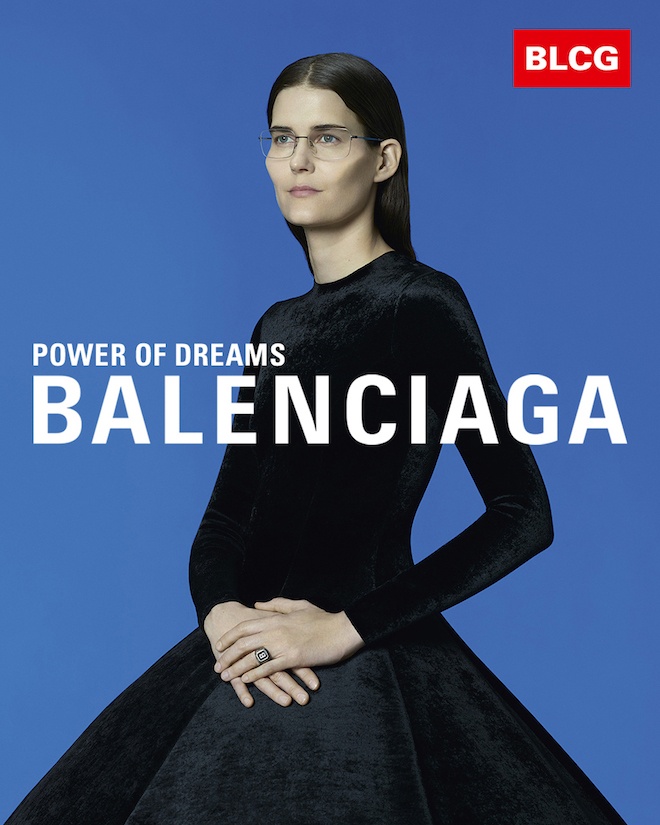
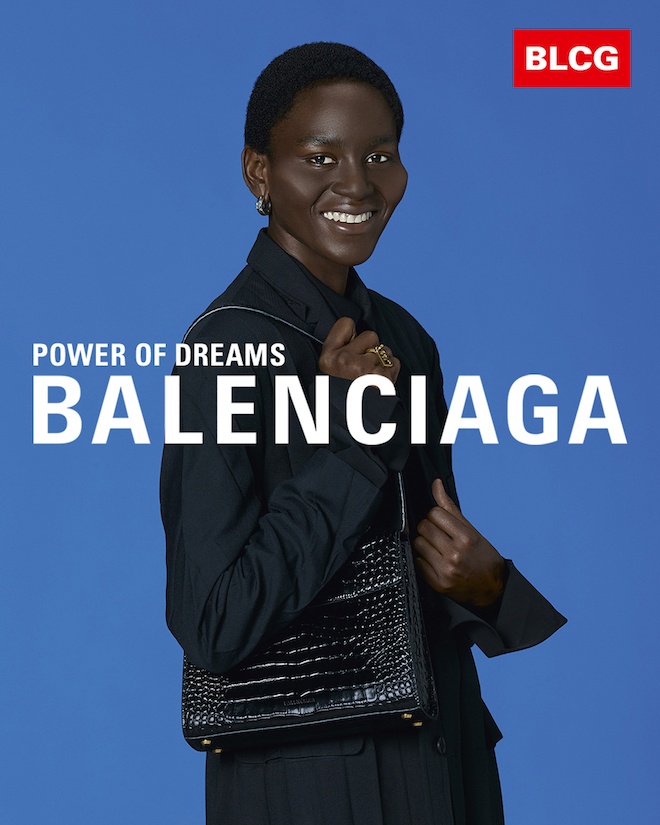
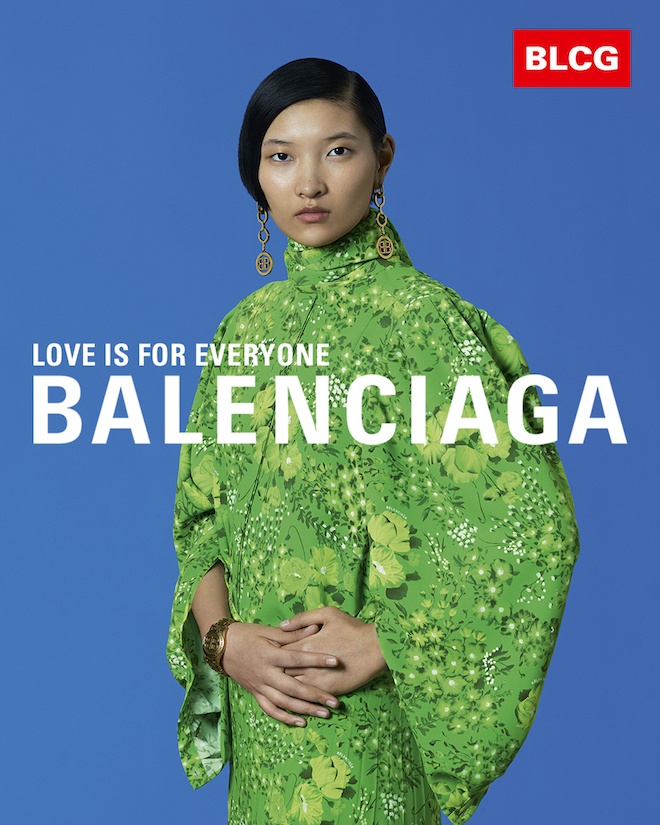
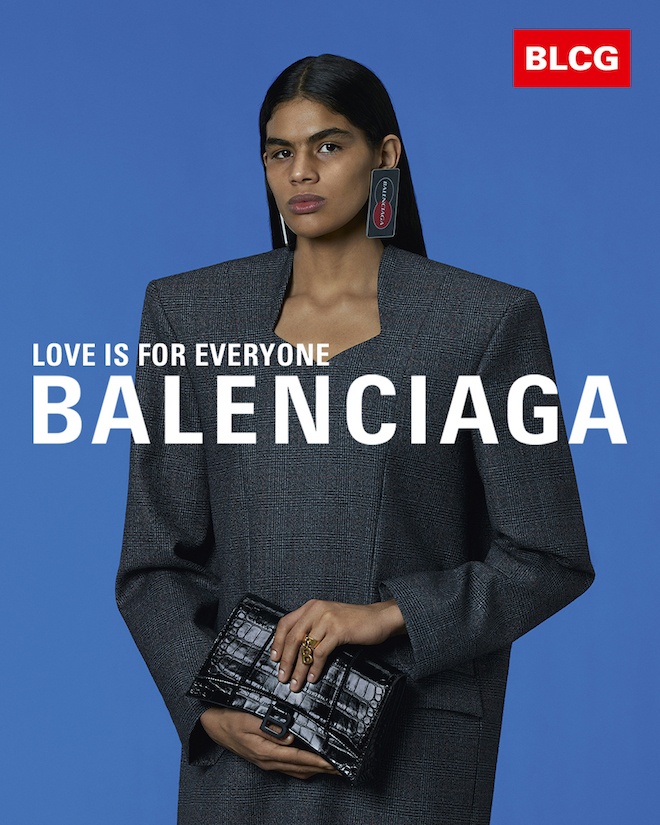
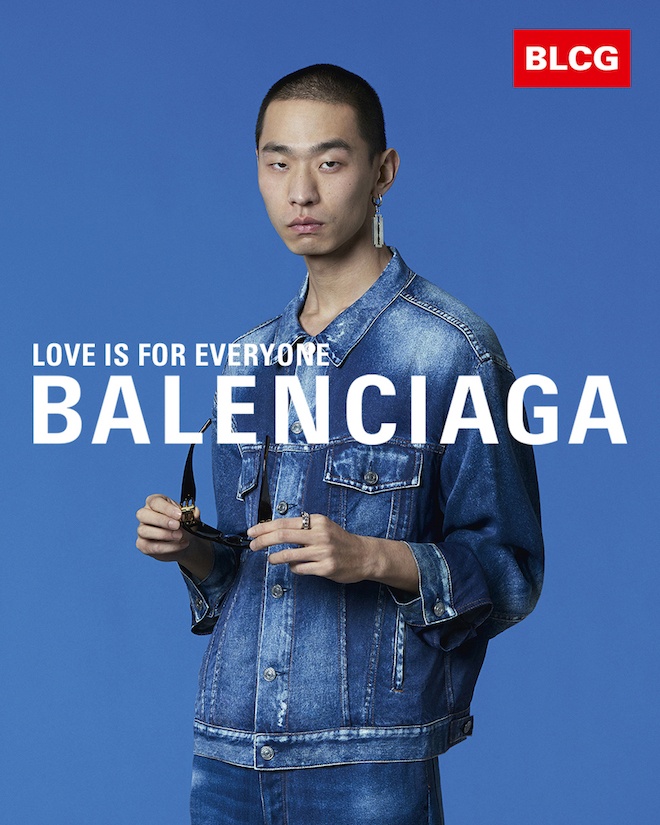
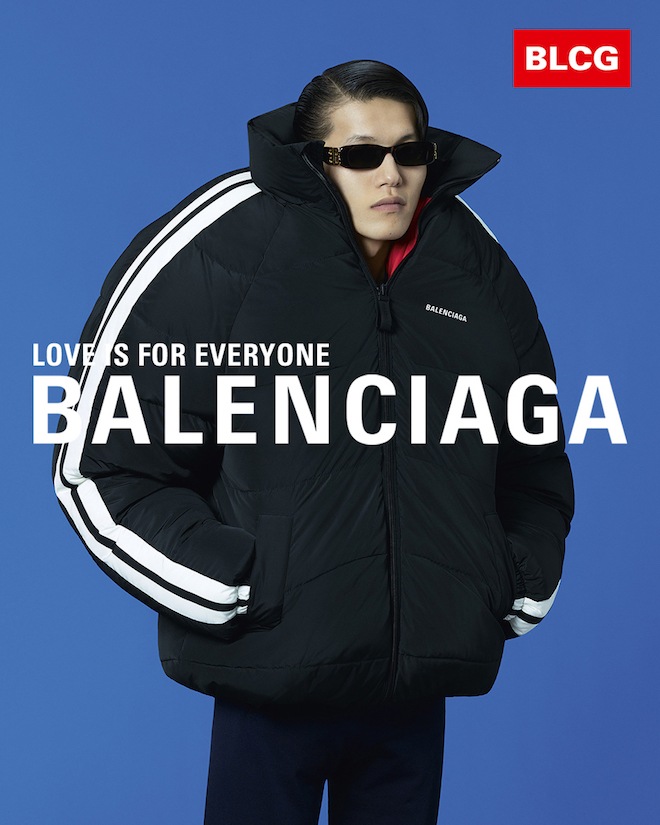
Following his SS20 show last September which touched on the themes of the European Union and power-dressing , Balenciaga Creative Director Demna Gvasalia continued on a similar note for the campaign which was lensed by renown political campaign photographer Laurence Chaperon. The images use politics as a source of inspiration and conversation throughout fashion as a series of models are captured in a light similar to that of political candidates accompanied by cliche political slogans like “Love is for everyone “ and “We vote for tomorrow” .
Following the release of the campaign images the house also released video footage directed by Will Benedict in the form of a live evening news broadcast where a digitally modified cast reports disturbing but very eye opening headlines regarding climate change including flooding, the end of traffic jams , planets realigning etc. The campaign itself was a step further to the efforts the house have been making ignorer to spread awareness regarding climate change and global warming, yet carried out in a way in alignment to the Balenciaga aesthetic.
In light of the current health climate French fashion institute Institut Français de la Mode is currently offering a free online course entitled “Understanding Fashion: From Business to Culture,” which has officially launched this week. The course is set to offer a perspective of the fashion industry both as a cultural phenomenon and a creative industry and will be lead by Professor Benjamin Simmenauer.
The course will also feature a lineup of testimonials from fashion insiders, business leaders and designers who will give an analysis concerning different themes addressed throughout the course. Some of which will include Saint Laurent CEO Francesca Bulletin , Chanel President of Fashion ActivitIes Bruno Pavlovsky, LVMH Chairman and CEO Sidney Toledano, Jacquemus Founder & Designer Simon Porte, designer Sir Paul Smith among a few others. The course will be offered in English with the option for subtitles in several different languages. And is targeted not only for students but also professionals who might be interested. For more information visit IMF.
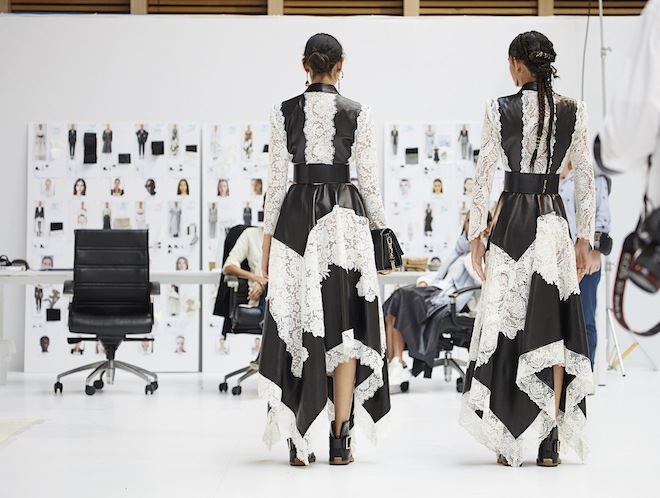
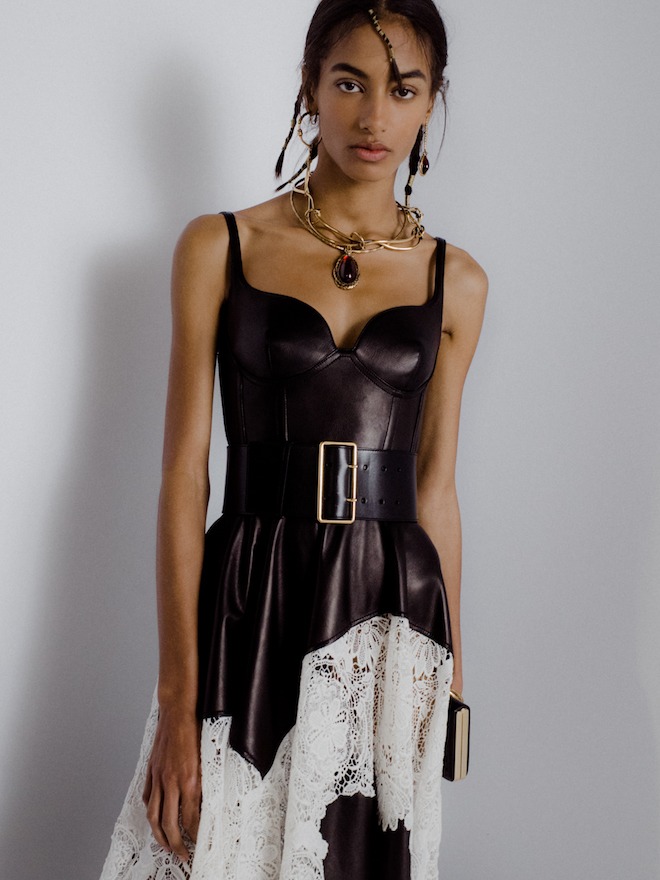
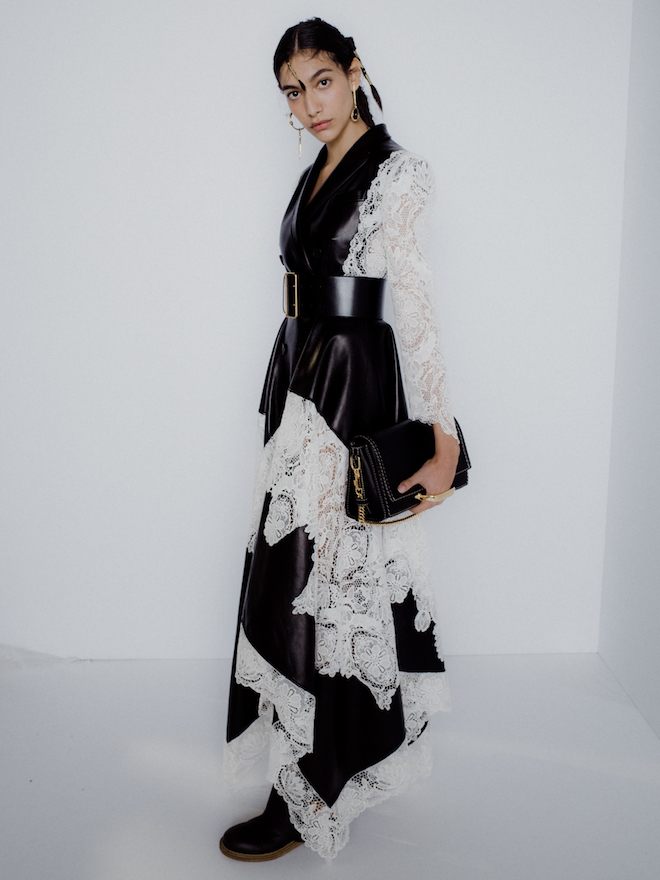
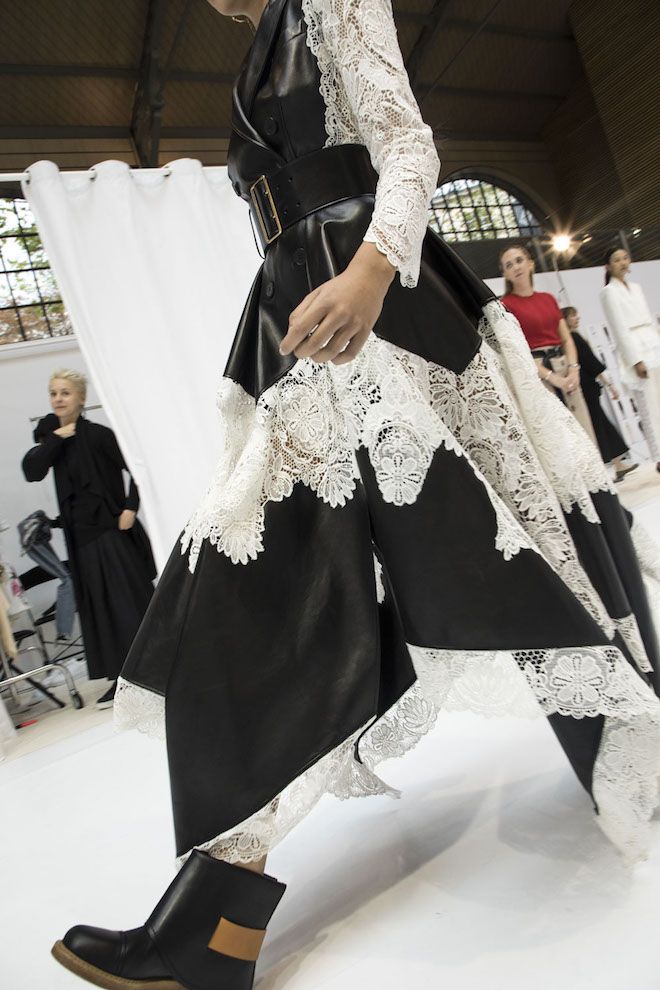
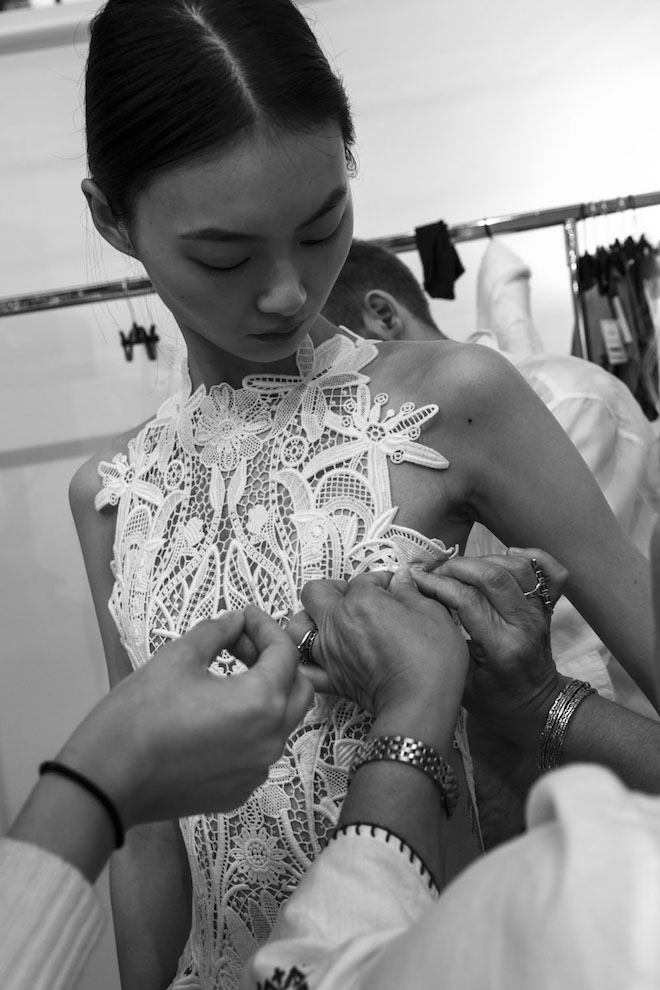
Sarah Burton’s SS20 collection for Alexander McQueen was undoubtedly one of the designer’s most graceful and sartorially inventive yet. The collection was presented in Paris last September sans the theatrics of a flashy production with the melodies of a musical orchestra. The tour de force lied within the tailoring, as she pieced together a story that emphasised the importance of craft, and the importance of spending time to hone it. One of the lead protagonists in this story was her use of lace. Both featured in black and white , the fabric was cut into suits, dresses and even paired with leather as inspiration was drawn from the likes of endangered flowers and Irish crochet techniques.
“I love the idea of people having the time to make things together, the time to meet and talk together, the time to reconnect to the world,” Burton explained.
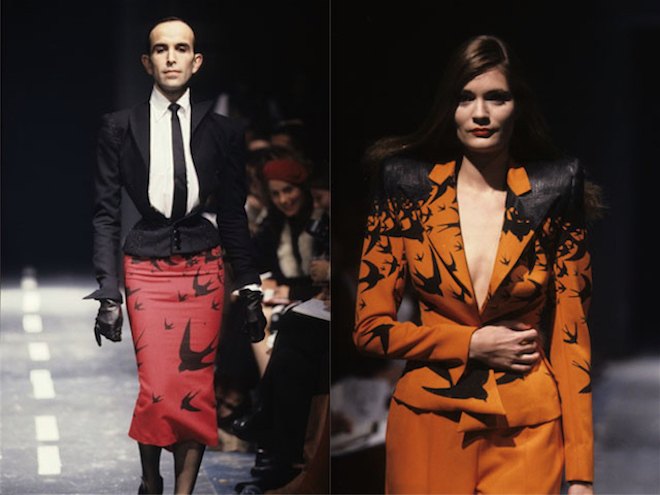
A variety of ivory lichen lace, ivory guipure and ivory lacework were all featured throughout the collection, with the ivory lace & lacework having being woven on damask linen by Thomas Ferguson who’s widely acknowledged as the world’s finest damask weaver. The intricate use of lace was not only a reference to the works of McQueen in his past collections like Dante AW1996 but also featured some up cycled fabric from Burton’s archives. For more info on Alexander McQueen SS20 , visit McQueen.
The past few weeks amidst the current health climate have been difficult for all. The necessary measures that have been put into place regarding the containment of the COVID-19 virus as local governments and health care workers fight tirelessly against rising death tolls has had an impact on all industries. The global fashion industry has of course had its major set backs with major cruise shows like Gucci, Dior, Prada & Chanel cancelling, production halting and general stocks that have been dropping. It would be an understatement to say the industry has had it’s fir share of loss amidst the crisis, especially considering the European country with the larger number of cases, is fashion and production hub — Italy . However, at the moment , many of these fashion houses and conglomerates are choosing to momentarily put aside these losses to focus on the task at hand — aiding the governments and healthcare officials in defeating the virus in the best way possible.
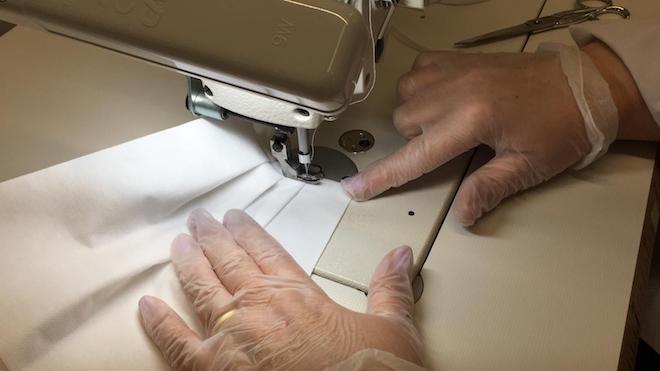
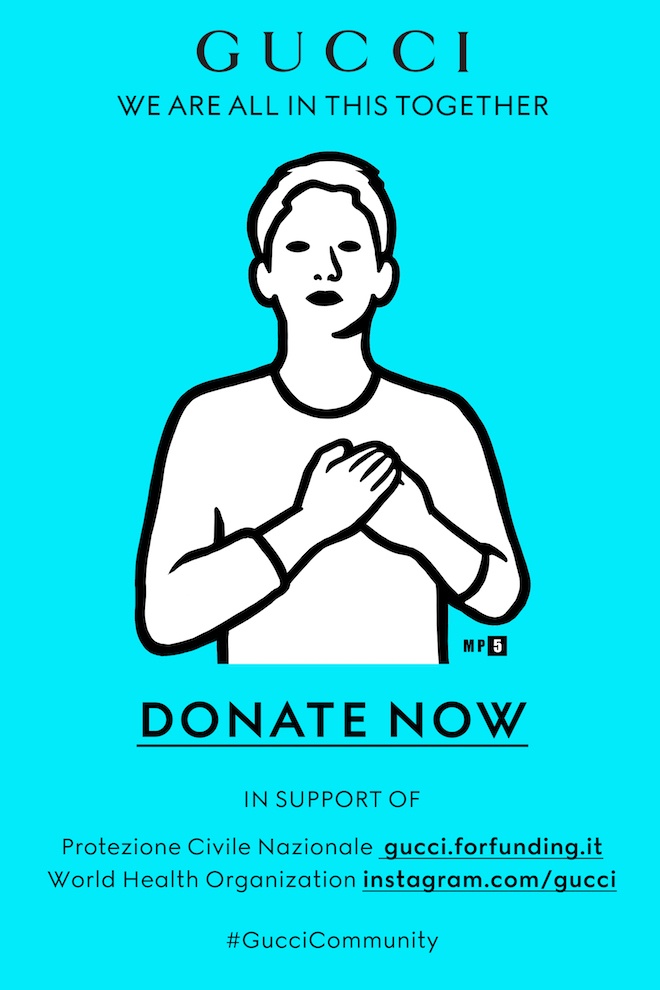
In Italy — where the blow has been the hardest, many have stepped up to the plate, Prada donated two complete intensive care and resuscitation units, and launched the production of 80,000 medical overalls and 110,000 masks for healthcare personnel following a request in the Tuscany region; Gucci also responded to the call with a donation of 1.1million surgical masks and 55,000 overall as a donation on behalf of its conglomerate Kering who has donated to four major foundation hospitals in Lombardy, Veneto, Tuscany and Lazio and the brand also launched a crowdfunding campaign with the goal of 10 million and has had the WHO take over their instagram profile; Moncler has donated €10 million towards the construction of a new hospital in Milan; Giorgio Armani has given a total of €1.25 million to numerous Italian hospitals; Versace’s Donatella and her daughter donated €200,000 to the ICU of a Milanese hospital; Sergio Rossi has donated €100,000 to a hospital; and Valentino’s parent company Mayhoola has made a donation of €1 Million towards the Italian civil protection foundation for the extraordinary efforts they’ve had to put in place as well as a donation to improve the ICU of a struggling Milanese hospital. Influencer Chiara Ferragni also managed to raise a lump sum of €4.3 Million via a GoFundMe account launched with her husband in aid of Milanese hospital San Rafaelle.
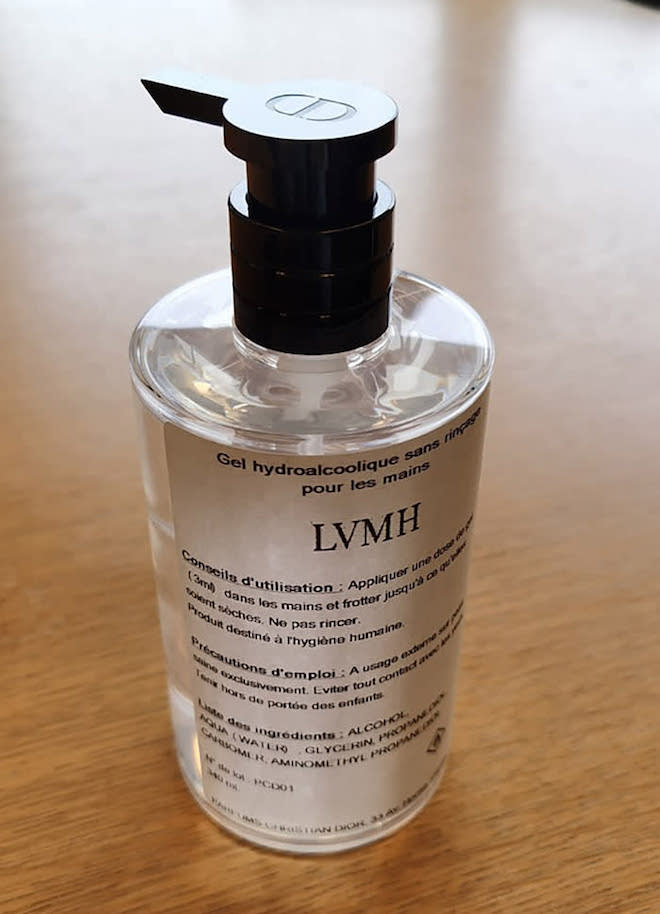
In France – LVMH is manufacturing hydroalcoholic gel /hand sanitizer via its facilities normally used to produce fragrances for Dior, Guerlain and Givenchy which they will donate 12 metric tons across Paris’ 39 public hospitals by the end of this week; conglomerate Kering has also tasked it’s fashion brands Balenciaga & Saint Laurent to manufacture surgical masks and Hermes has donated 5 million yuan to a Chinese foundation in honour of medical professionals fighting the virus.
In Spain, Mayhoola , parent brand of Valentino, Balmain & Pal Zileri is supporting the Madrid community during this crisis by donating 1 Million EUROS, towards the expansion emergency field Hospital COVID-19 IFEMA which will become the largest hospital structure in the Madrid Community.
In the US a few brands have also been showing up for the cause, with designer Christian Siriano offering himself and team to New York Governor Andrew Cuomo to aid in making face masks as well as Brandon Maxwell who has started working with his team to make masks, hospital gowns and other items that may be in short supply.
MOSCOT optical is working in collaboration with Cherry Optical Labs to give back to emergency medical professionals in the United States by providing over $1.5 million worth of MOSCOT frames filled with clear lenses that will help reduce exposure to airborne particles and fluid borne pathogens.
Witnessing the industry come together on such a tragic occasion in such a way to help the community at large is a glimmer of hope during a dark time. Each brand and individual person’s contribution has surely helped in some way or another in easing the pressure off medical professionals who are on the frontlines fighting during this dire time. For information on channels you can directly support the ongoing crisis in Italy, visit Forbes.
“As soon as you can crawl, you are put on a mat to train” quotes Kauan Gracie, recalling her earliest memory to stylist Beatriz Maués. The Gracies’ first female run Jiu-Jitsu academy celebrates the art of self defence through dance and sisterhood – shot by Liberto Filló and styled by Beatriz Maués. The Gracies set the scene for issue 22, where focus, determination and individual spirit are recurring themes throughout our features.
Supermodel Carolyn Murphy covers Twin’s latest issue in an existential polar journey, shot by Hans Neumann. Paolo Such takes a walk with metal rapper Dana Dentata in LA and Stefanie Mosshammer covers the world’s fashion waste with an anthropomorphic clothing series. Molly Matalon explores sex and intimacy and Clare Shilland dreams of space and speed.
Elsewhere we catch up with the prodigal theatre director Ola Ince who’s fresh from a run at The Donmar and about to tackle Shakespeare’s finest at The Globe; rising star Sophie Leseberg Smith talks the music of poetry and Rochelle White and Hamed Maiye talk the power of food through their creative platform, Eating At the Same Table.
We profile rising Scandinavian artist Ragna Bley and get into the detailed perfection of Ron Nagle’s art. Liv Siddall welcomes the lunar return of The Big Moon and Kate Neave presents the daring feminist art of Harmony Hammond. And the radical vision of Tara Joshi, Otegha Uwagba, Valeria Napoleone and Daisy Walker are celebrated in ‘She Said Boom’.
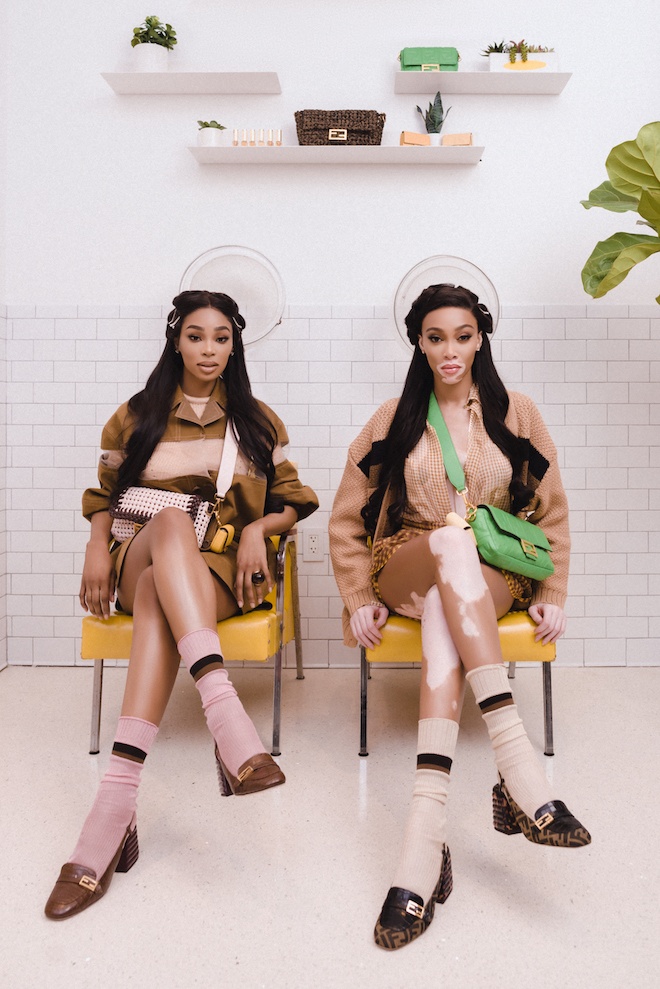
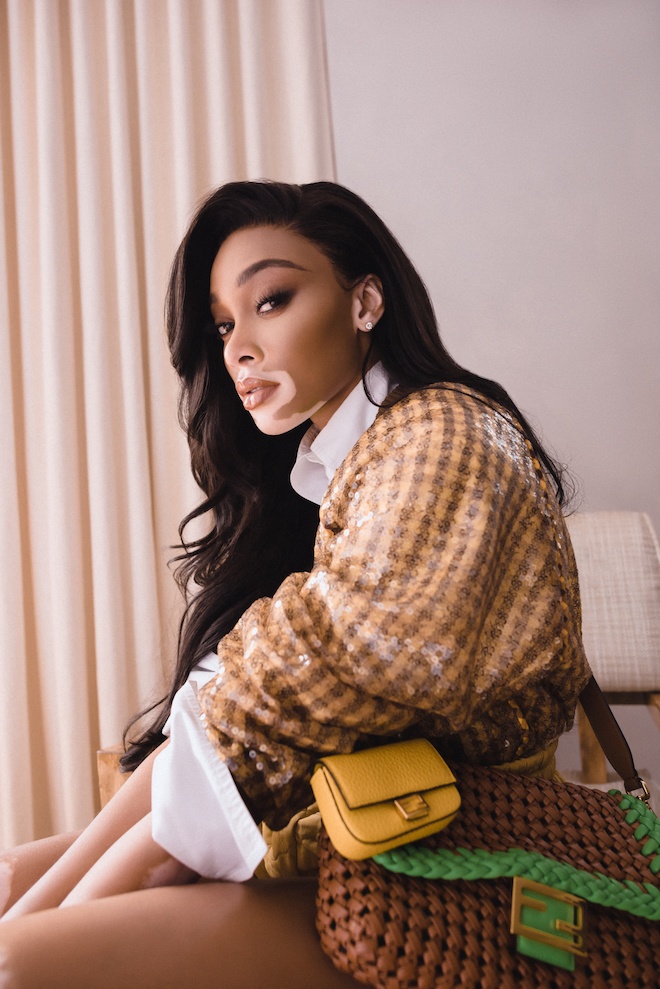
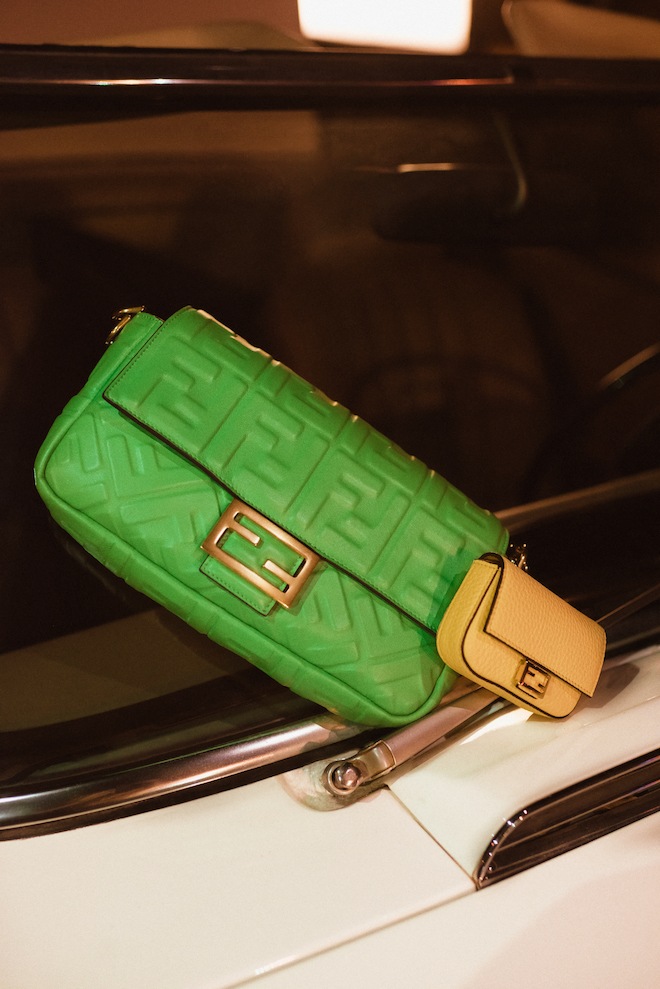
Fendi’s latest episode of their Baguette Friends Forever ( BFF) series features the familiar face of supermodel and vitiligo public ambassador Winnie Harlow on a Miami adventure with her real life best friend , model and influencer Shannon Hamilton. In the episode , the day begins with Winnie on her phone with her bestie calling from NYC as they chat about day dreaming of passing time in Miami.
Soon after, Harlow ventures on a mini shopping spur where the FENDIFRENESIA room captures her attention and the fragrance notes remind her of moments she shared with her BFF Shannon. Upon checking out the fit of the scented Baguette, Winnie is then interrupted by a voice that exclaimed “nice bag” and when she turns to answer with the the slogan “this is not a bag, its a Baguette,” she discovers the surprise of it being Shannon herself! It then continues to document their fun filled day throughout Miami from under palm trees to beauty salons as they flaunt their full FENDI gear which included the Nano and the Pico Baguettes.
The brand first launched their digital campaign #BaguetteFriendsForever last year which included a series of short films featuring the storylines of inseparable groups of friends around the world throughout one of their daily routines which is centred around the iconic Fendi baguette introduced on the seasonal runways . All pieces are currently available in stores worldwide and online, to shop the looks , visit Fendi.
Cover image: Vera & Barbara Ann Duffy and Jimmy, Saoirse, and Albie
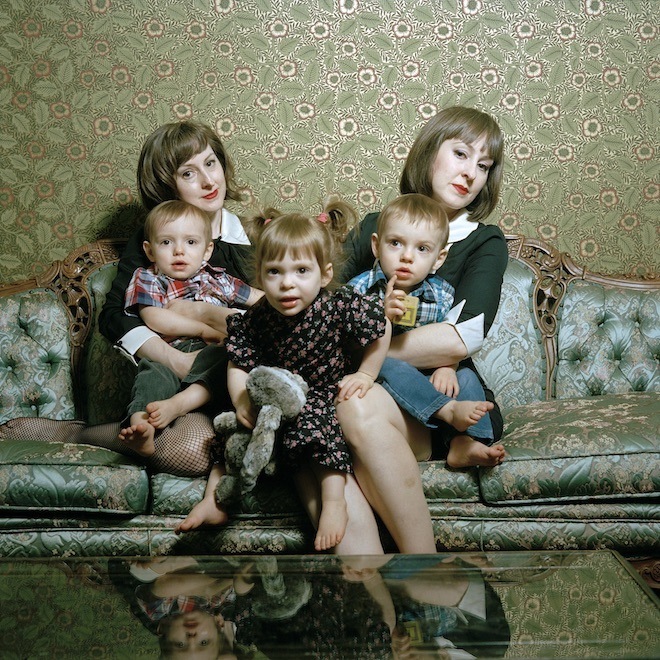
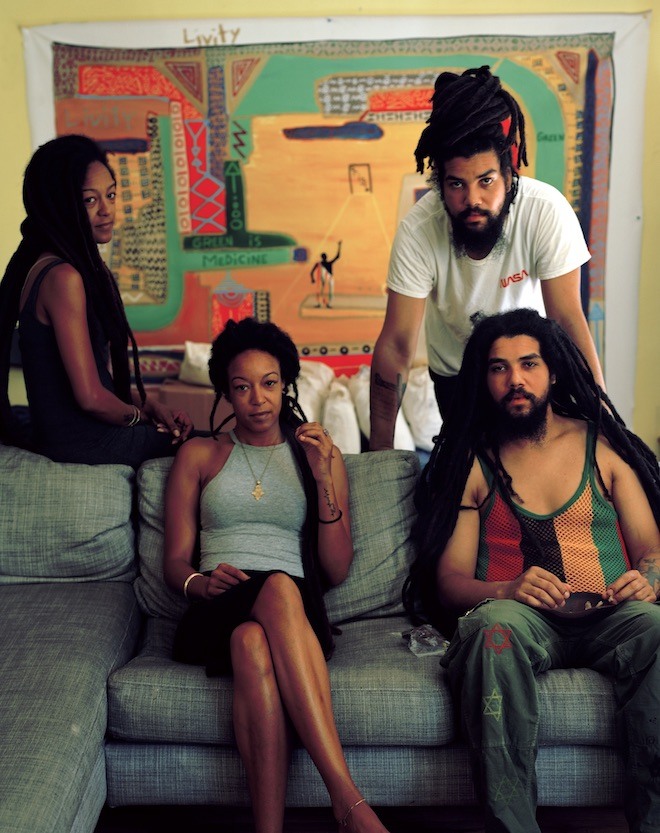
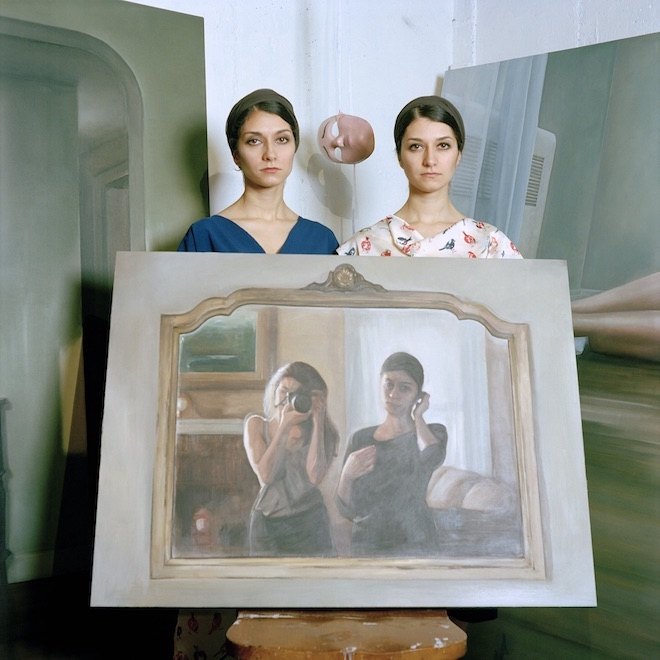
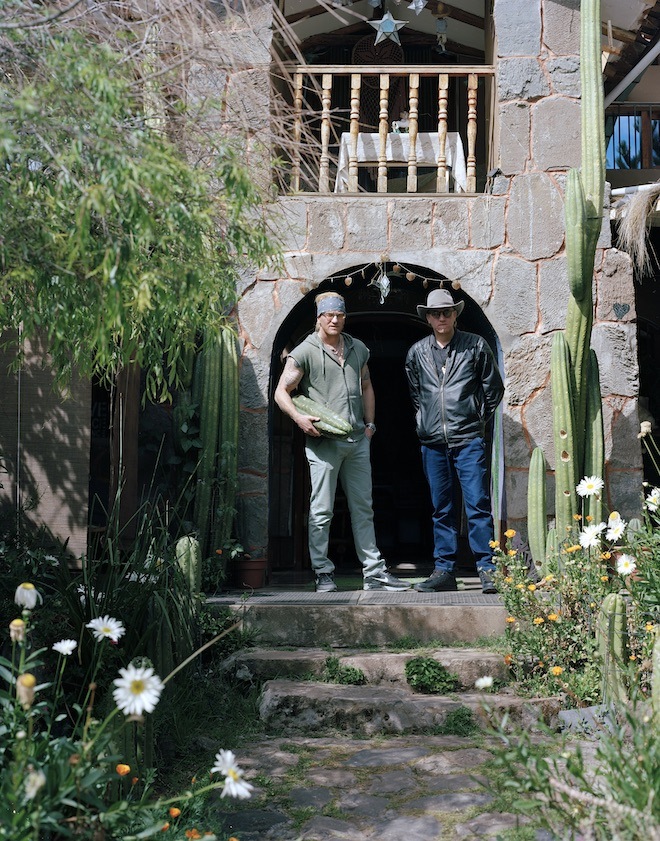
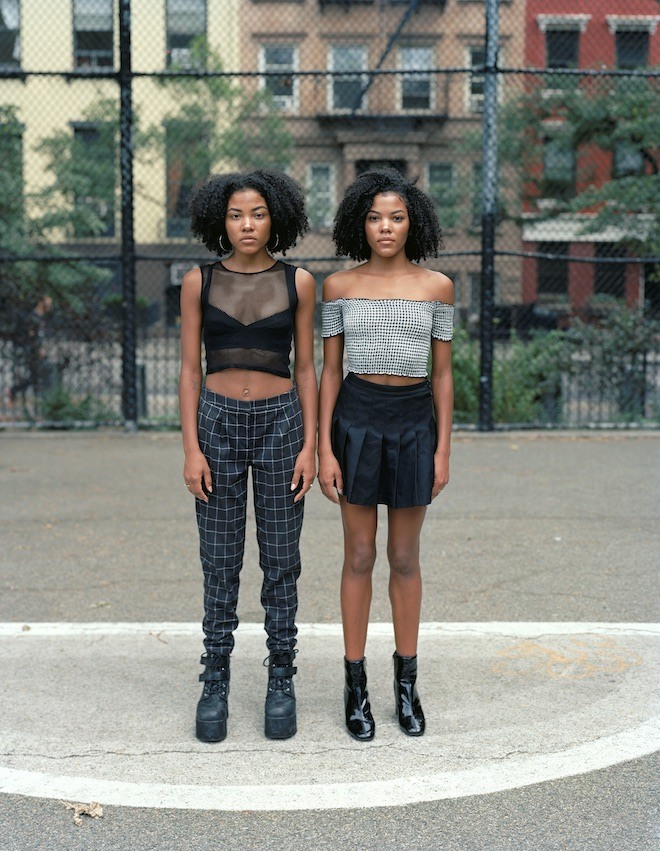
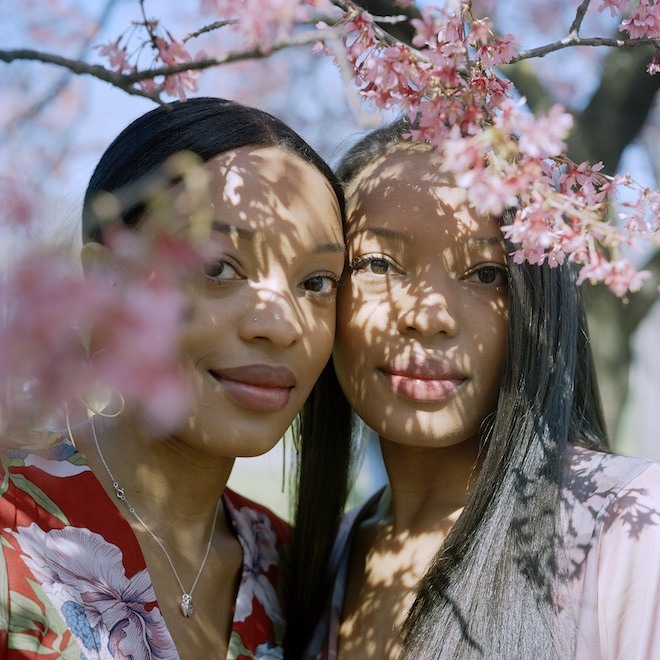
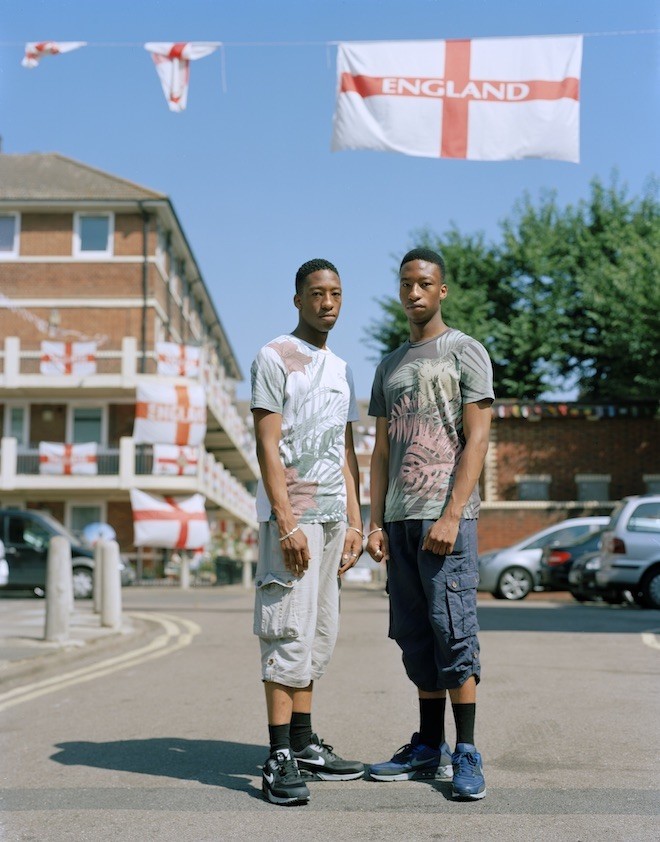
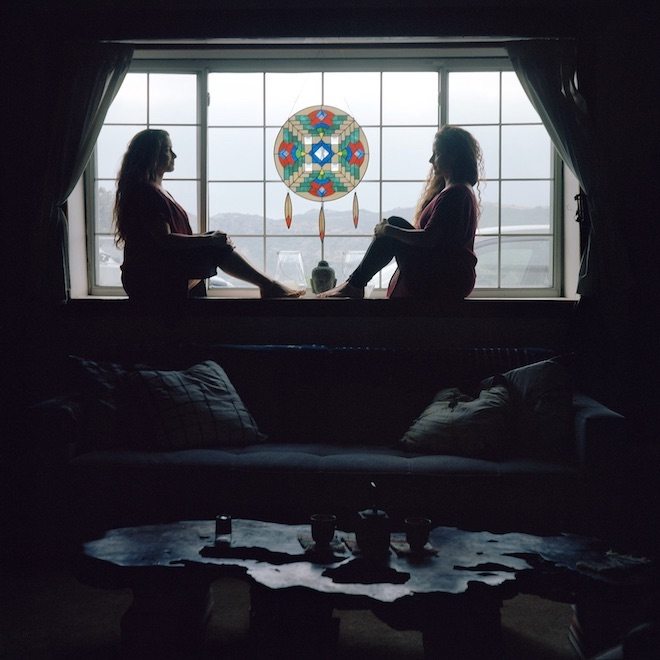
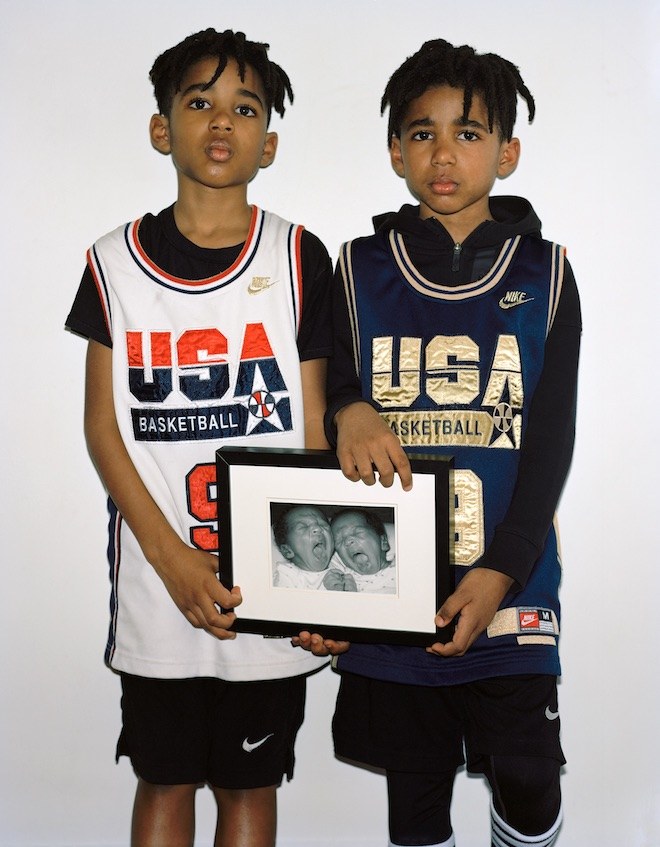
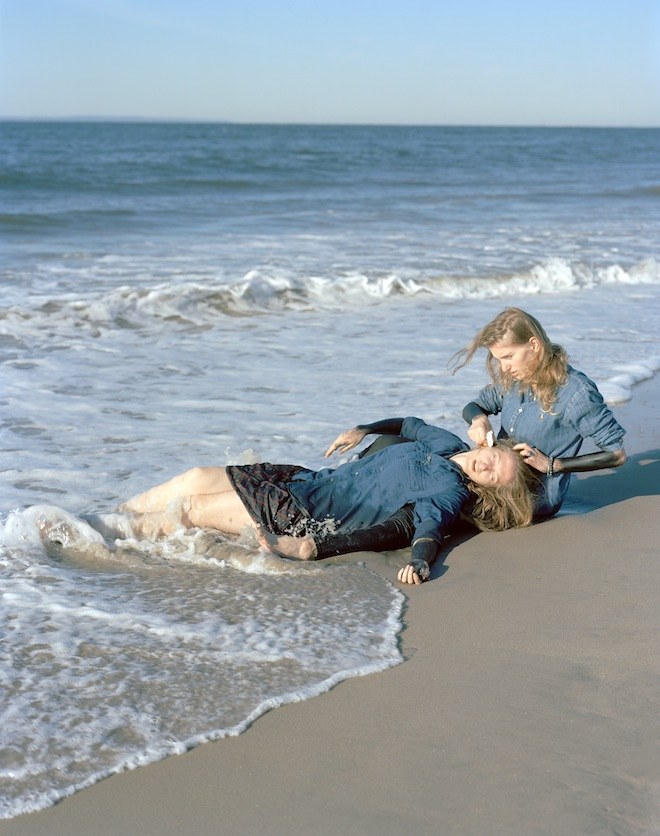
Over the period of a year and two months, New York based photographer and creative director Justin Aversano photographed 100 sets of Twins from all across the world which he has recently published in his latest hardcover photobook Twin Flames.
“I photographed 100 sets of twins, aiming to create a body of work focused on the existence of multiple births and the phenomena of twindom through an immersive portrait survey. Twins and multiple siblings provide a lens on the magic and causality of biology. In our everyday society, twins, triplets et al. have an assigned position within all current and historical cultures—a shared tulpa of genetics, fate and timing. Twindom has a deep root in shared storytelling, its visuals conjure metatextual manifestations across the astrological, the mythological, the academic and the popular, stringing together tangents of the everyday and simultaneously karmic,” explained Aversano.
Asha & Ayanna Diaz and Chris & Clayton GriggsBahareh & Farzaneh Safarani
Mark & Simon Myburgh
Kiarah and Kayah Agudo
Jamila & Maya Jones
Dijon & Devontay Graham
Erica and Nicole Buffett
Henrik & Dries Preston-Ogletree
Valeriia and Anna Lyshcenko
Each image was shot using three formats of film Polaroid, by focusing on the simple idea of seeking an “intentional phenomenology” by direct image making and facilitating a broad and reflexive photographic engagement that is about these unique individuals and their presence in a collective nature.
The full hardcover compilation of images Twin Flames is currently available for purchase online.
All images are Courtesy of the Catherine Edelman Gallery, Chicago
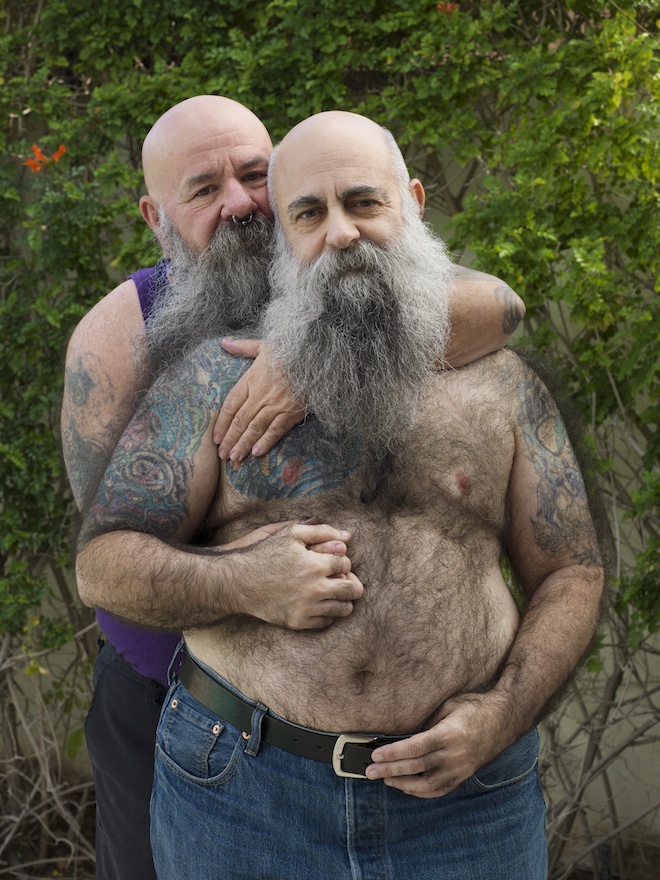
Cover Image: Hank, 76, and Samm, 67, North Little Rock, AR, 2015
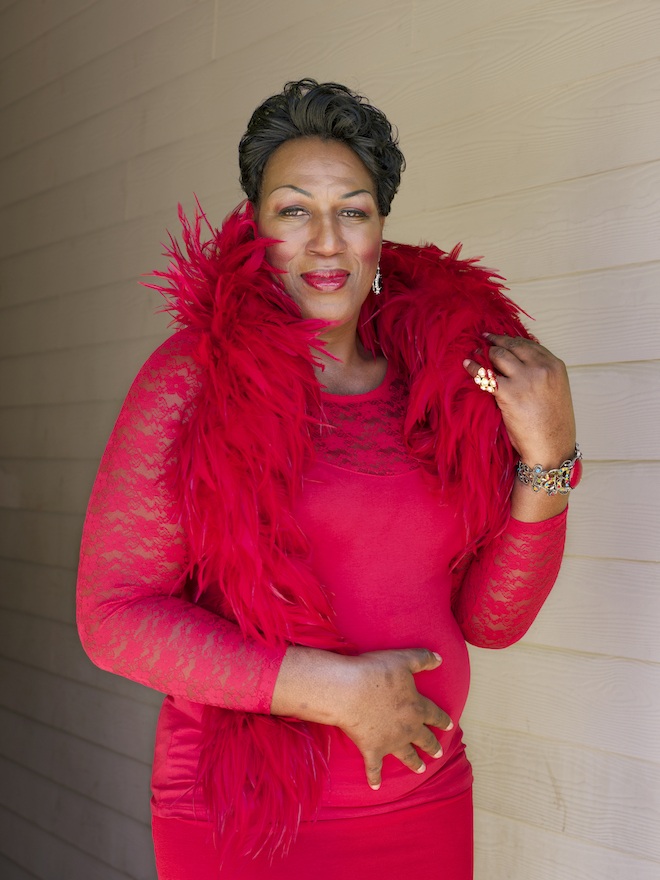
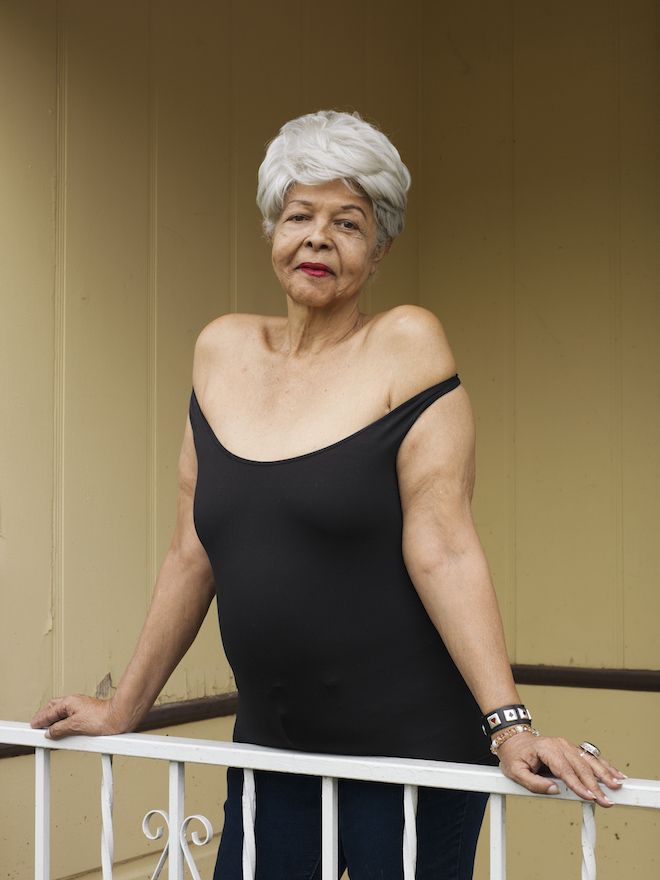
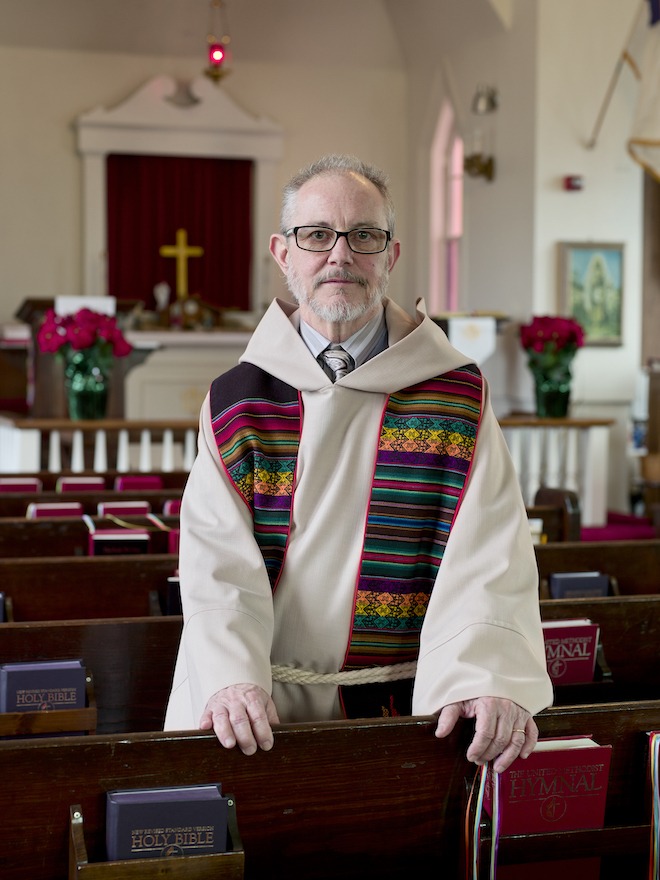
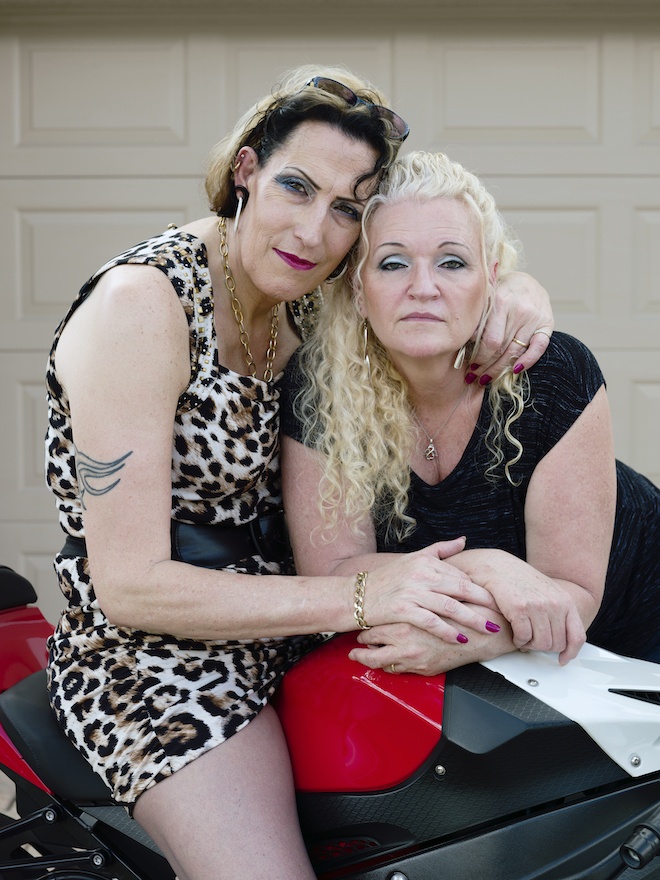
Over the past five years photographer Jess T Dugan and social worker & professor Vanessa Fabbre traveled throughout the United States in documentation of the stories and imagery of transgender and gender nonconforming older adults in the country. Traveling from coast to coast , the duo sought out subjects whose experiences of life exist in the intersections of gender identity, age , race , ethnicity , sexuality, socioeconomic background & geographic location. The result of their venture, a moving body of work giving voice & visibility to an underrepresented group of older individuals with a wide variety of narratives spanning throughout the last ninety years, offering a historical record of transgender experiences & activism in the USA in the form of a book and several exhibitions.
“So many trans-related stories in the media are about people being murdered orare about discrimination of some kind. With this project, I wanted to create representations of many different ways of living and aging as a trans person. I also wanted to record the history of people who, in many cases, paved the road for the world we live in now. I worried their stories were at risk of being lost or forgotten, and I wanted to record and preserve them,” explained Jess T. Dungan.
“For me, part of the inspiration for this project also came from thinking about the limits of knowledge dissemination in the social sciences, especially in terms of our ability to engage in broader cultural forces and public discourse. I saw the potential to make an impact beyond academia by creating this project together, ” added professor Fabbre.
Each story, each image captured and included in the photo series, shines a brighter light on stories that have been long overlooked, and in many ways creates blooms of hope and validation for onlooking generations of trans individuals.
Dee Dee Ngozi, 55, Atlanta, GA, 2016
“This coming into my real, real fullness of knowing why I was different is because I was expressing my spirit to this world. And I didn’t know how God felt about it, but I believe in God and I have a deep spiritual background and I talk with the Holy Spirit constantly who’s taken me from the Lower West Side doing sex work to being at the White House.” – Dee Dee Ngozi .
Sky, 64, and Mike, 55, Palm Springs, CA, 2017
“One of the hardest things in terms of transitioning was the difference in personal space. When I was perceived as female, there wasn’t a lot of touching. Women don’t get into each other’s space. When two women are attracted to each other they don’t immediately put their hands on the other woman’s body. It’s not considered appropriate. Whereas the way men cruise, there’s about two seconds of eye contact, and then an approach, and either hands on your chest or hands in your crotch or some other type of immediate physical contact.I started out with a lot of insecurity in terms of my body, insecure about myself, and it has taken time to build confidence.” – Mike
Duchess Milan, 69, Los Angeles, CA, 2017
“I just know I’m me. I don’t think in terms of names and forms and all that. It doesn’t matter.I’m just myself and that’s who I am.I am at peace with myself. It is the most wonderful feeling in the world because you’re never in a hurry to get somewhere, you know, to prove to anyone that you’re who you know you are. I know who I am, and what other people think about me is none of my business. So that’s who I am. I identify as the Duchess.
I knew that I might lose family, that people might reject me. But I weighed that, and I thought,“If I lose everything and everybody, but I keep me, that’s all that matters. That’s all that matters, because I’m not going to live a life that I’m not happy in, for other people.Why?It doesn’t make any sense.”So I put my money down and took my chances. My family accepted me. They came to accept me, and I’ve had kids around me, I’ve gone to all the weddings, all the funerals, and it’s a situation that everybody just thinks of me as who I am. It’s not even an issue anymore. “Oh, you mean her? Oh, that’s just Auntie.” – Duchess Milan
David, 63, Hull, MA, 2015
“When I was five years old,I found my older brother’s first communion suit. It was a very cool looking suit, white and double-breasted, and it fit me perfectly. I wouldn’t take it off.I wore it everyday. Day in and day out, until my parents got so tired of seeing it on me, they turned it into a Halloween costume as a way to get rid of it.When I was older,I played in this little rock band and one time whenI was over at my friend’s house I heard his mother mention a story about a person named Christine Jorgenson who had “changed sex.”I couldn’t keep my mind on practice after that!I wanted to find out more about this person, but you couldn’t Google it, of course, and so it took me months to find it. I was finally able to piece together that this was a person who knew their gender and went somewhere and there were people who could help.” – David
SueZie, 51, and Cheryl, 55, Valrico, FL, 2015
“When we got married, I never imagined that someday my husband would become my wife,” Cheryle said. “Right from the start, SueZie confided that she identified as female on the inside, but transition never appeared to be an option. But, I never had a problem with her wearing lingerie. You know, it’s just clothes. I fell in love with the person inside, and what’s on the outside is more about what they feel comfortable with.”
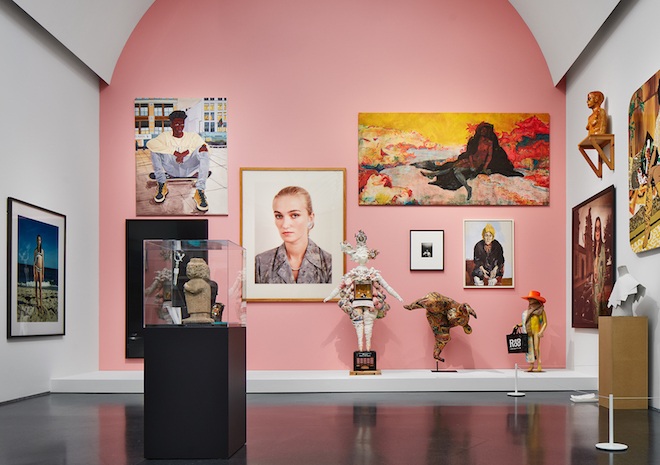
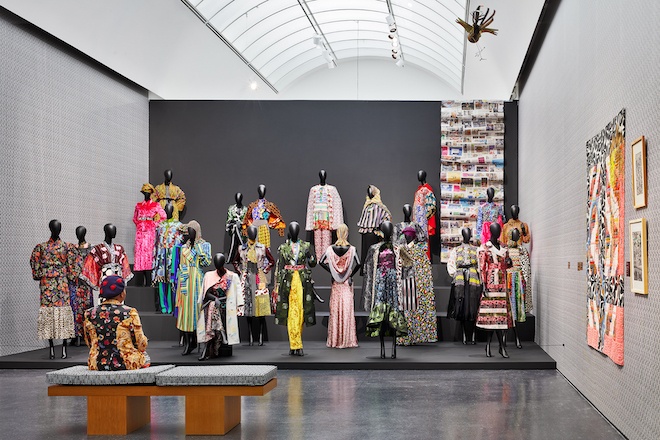
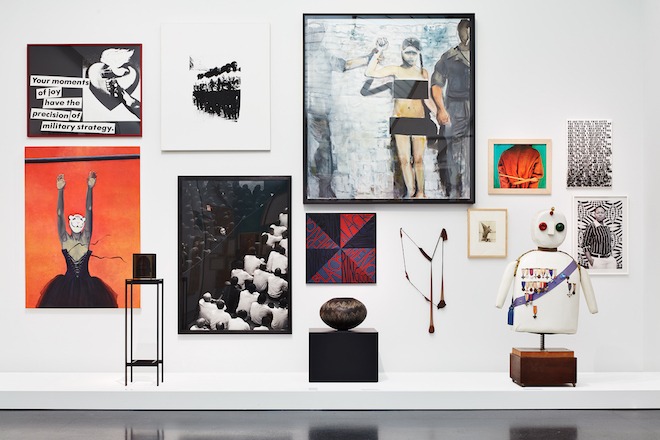
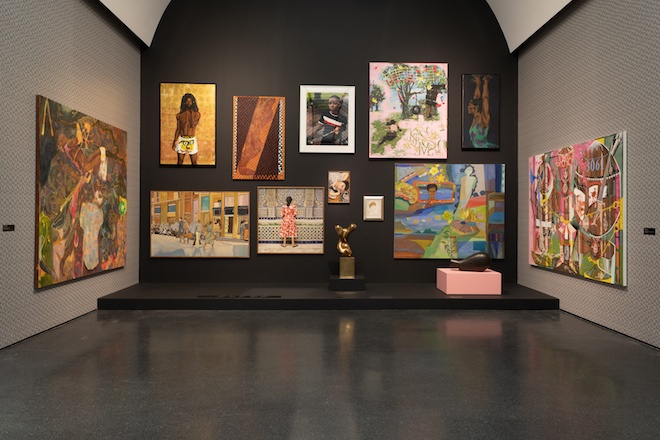
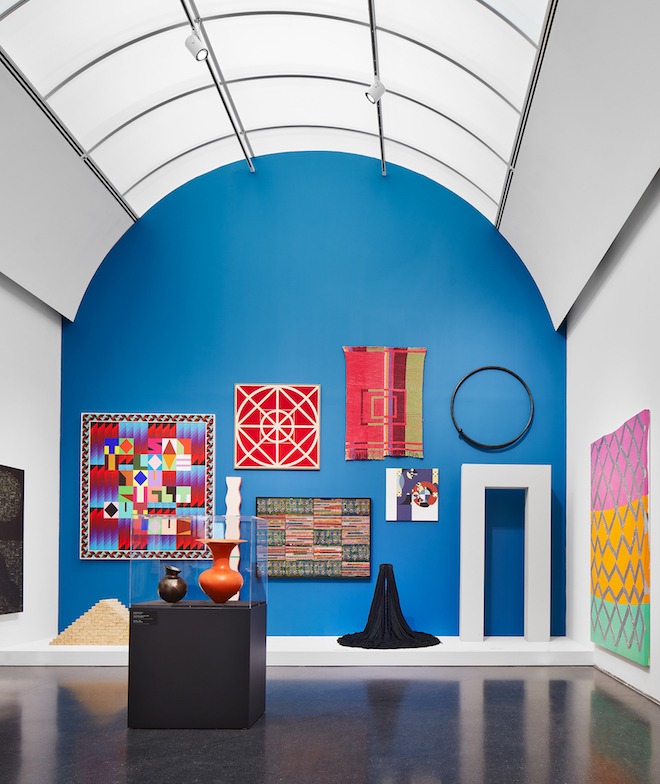
Recently the Museum of Contemporary Art Chicago (MCA) opened it’s doors to its latest exhibition entitled Duro Olowu: Seeing Chicago. Curated by internationally acclaimed Nigerian-British designer Duro Olowu known for his womenswear label, the exhibition is a recollection of the public and private art pieces of Chicago which are anchored by the MCA’s art collection.
The exhibition is a conversation, a map between artists, media and geography which using a combination of paintings, sculptures, photographs and films in layered textured scenes to incorporate fashion. On the ocassion, Olowu engaged with numerous institutional and private collections in Chicago and selected artworks that reflect mutual ways of seeing, selecting, and acquiring across the city, which he curated in manner to reveal unexpected connections, patters and common interests in ‘salon-style,’ using vertical wall space and playful combinations to place works in surprising conversations with one another. Olowu has organized the show to prioritize aesthetics and the visual experience of the visitor, with wall colours including saturated shades of orange, purple, and teal – inspired by the exhibition.
Duro Olowu: Seeing Chicago is currently underway at the MCA and will run until May 10th.








 PREVIOUS
 Twitter
 Tumblr
 YouTube
 Facebook
 Instagram
