London brand Finery has teamed up with make-up artist Isamaya Ffrench for a new capsule collection, just in time for Christmas. Launched by Caren Downie, Emma Farrow and Rachel Morgans in 2014, Finery was created with an emphasis on timeless, well made classics, pre-empting the move to slow, season-less fashion that is emerging today.
This new capsule collection follows the launch of their festive campaign, in which the brand invited loyal customers to model for Christmas. The ‘stars’ include 70 year old retiree Penelope Dalrymple-Smith and Associate Director of Deloitte, Thandi Maqubela – a heady mix of girl power.
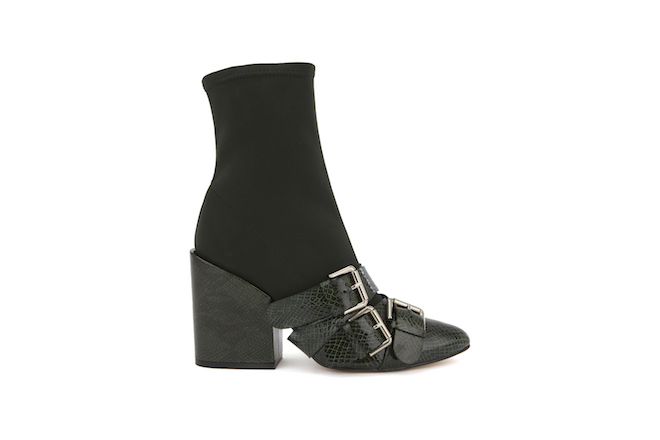
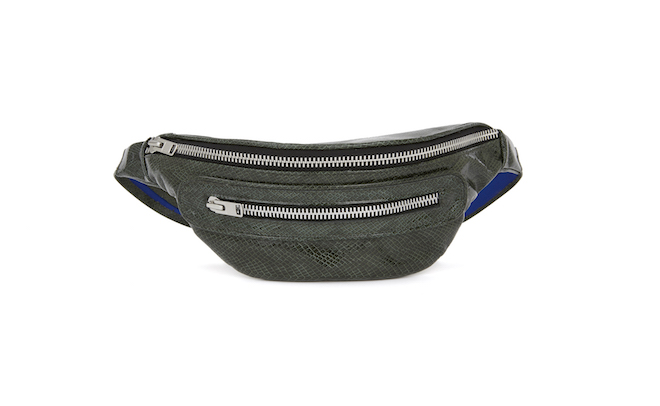
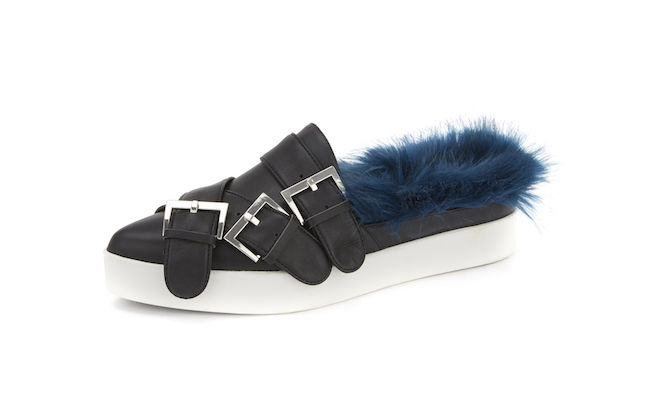
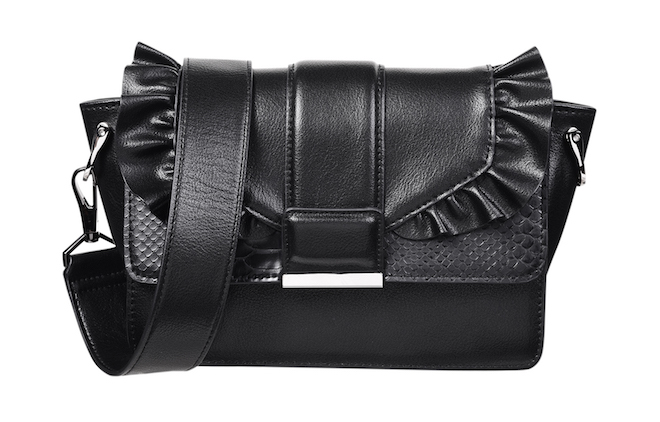
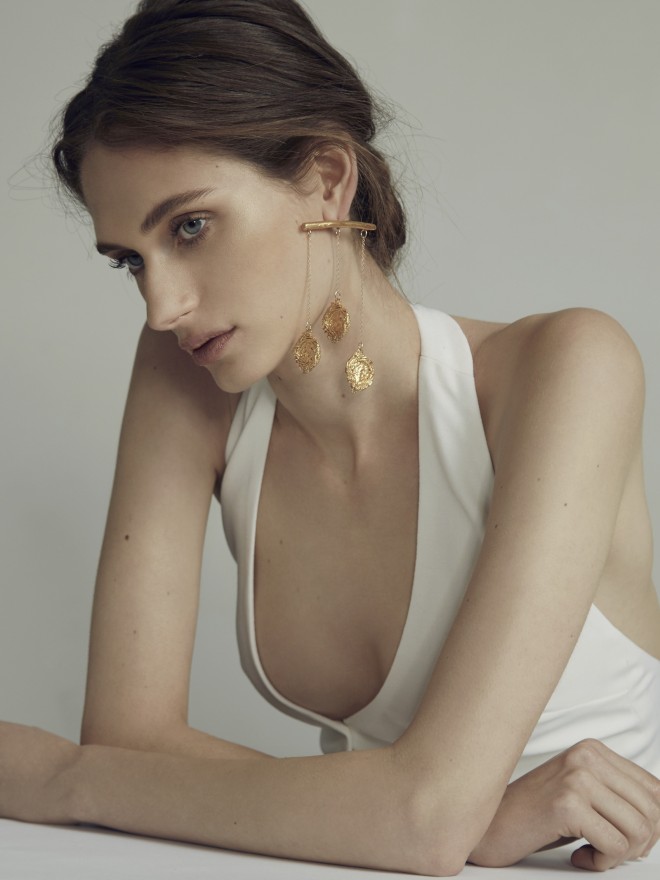
In this latest collection, Isamaya Ffrench has bought her signature sense of subversion to five statement pieces: the sock boot, a fur trimmed mule loafer, bucket hat, a leather bum bag and a sculptural earring.
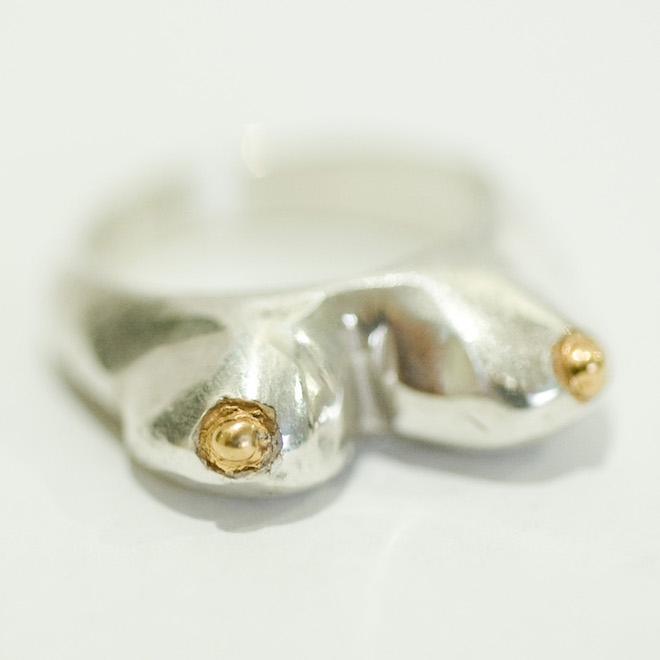
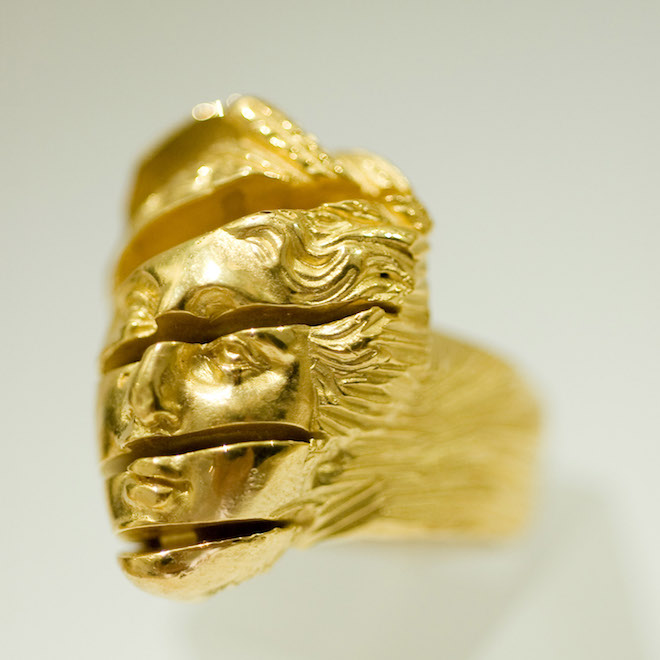
South London based jewellery designer Joy BC specialises in creating bespoke designs that embody both the anthropological and physiological sides of jewellery. Her work spans a range of themes, from ideas around protecting people while travelling; to remembering the dead; to celebrating love to more simple examination of form. Her aim is to use jewellery to engender conversation, imbuing fine jewellery with new and heightened significance. Ahead of her workshops at Draw Haus, Twin caught up with Joy BC to discuss the possibilities of silver and her collaborative ethos.
How did you become interested in jewellery?
It started with a ring which was made by one of my ancestors in Italy. It resembles a futurist sculpture. My mother use to wear it on special occasions and I found it hypnotic. I drew comparisons between the form and feeling that that ring gave me to those within Brancusi’s pieces and Barbara Hepworth’s. Otto Kunzli, a jewellery artist who made a necklace made from divorcees’ wedding bands, which subsequently became an emotionally laden piece, and thus un-wearable, really excited me in how powerful jewellery can be.
What are you influenced and inspired by?
A variety of things. Sometimes it’s simply the materials, and their intrinsic beauty.
Why is important to use jewellery as a tool for engendering conversation?
Jewellery travels with with you – lives with you and speaks for you. Without words it can convey messages or feelings. A huge Hellenistic marble sculpture which conveys strength (Nike at the lure, for example) isn’t something that you can strap to your body – but a boobies ring which encourages discussion on the natural way of breast feeding, or female nudity – literally ‘freeing the nipple’ – is something that you can. The ‘listening aids’ I make are to encourage people to be better listeners, something we could all benefit from. Especially myself! I talk way too much; it’s the Italian in me! In fact I’m currently wearing my ‘I’m all ears’ piece, which is made of 47 tiny ears in precious silver and gold, while I listen to the news of the news.
What are the limitations of working with silver? And do you have a favourite material to work with?
Limitations? I’ve never thought of the limitations of silver, only the possibilities. It oxidises, which gold doesn’t. However I like that – I often use a chemical to speed up the oxidisation process to create a dark blue black patina on some of my work. I don’t have a favourite material, but I have to say, 18ct yellow gold is delicious. I also love wax – especially the type I used in Tokyo which was made of beeswax and cedar resin. They use that combination to make traditional Kenji Stamps (then cast into bronze). And it smells beautiful.
What do you hope to achieve through your workshops at Draw Haus?
I hope people really enjoy themselves, and help people making something that they feel proud of. Whether it’s a playful experiment or precise present for himself or herself or someone they care about. It’s always fascinating to see what pieces people make.
Draw Haus Creative Workshops: Jewellery Making with Joy BC will take place on 17th November. Buy tickets here.
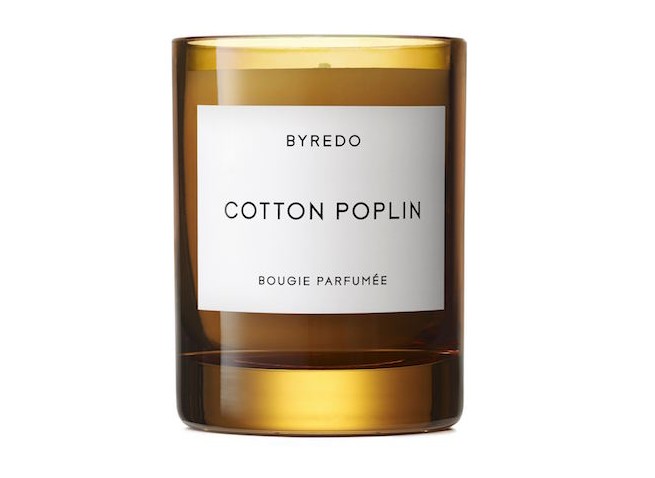
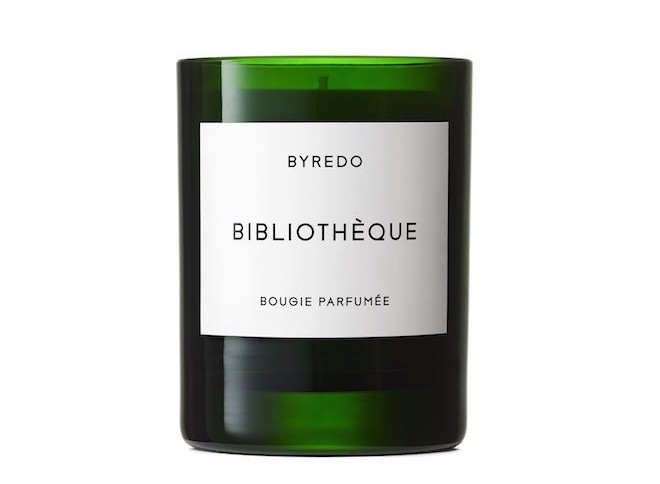
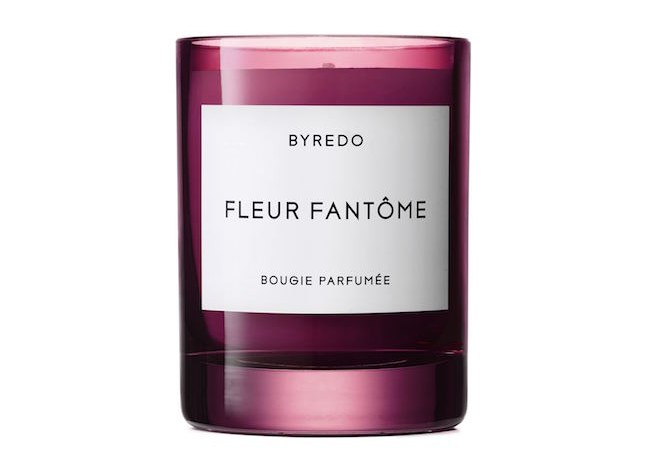
As the darkest evening of the year snakes quietly towards us, and the autumnal hues give way to a starker and far colder season, nothing is more needed for hibernation than a decadent scented candle. Reader, meet Byredo’s 2016 Holiday Collection: the solution to your winter blues.
This new set of three scented candles, Bibliothèque, Cotton Poplin and Fleur Fantôme, all come in their own coloured glass holders, and offer a perfect compliment to these cold nights in the run up to Christmas. Best enjoyed with a stiff drink and a warm bath. They’d also make the a welcome Christmas gift, if you can bare to share them.
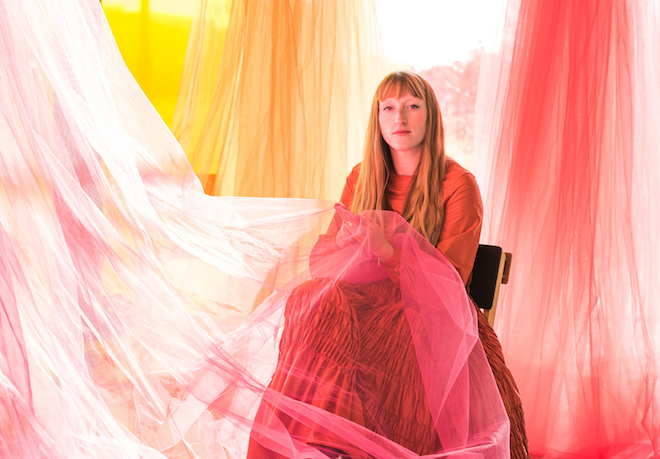
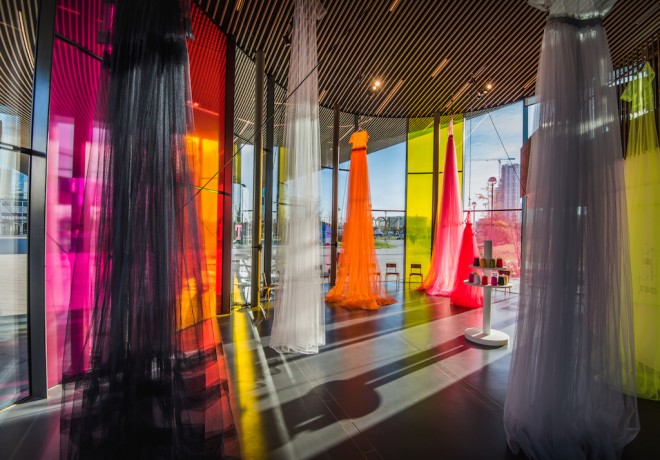
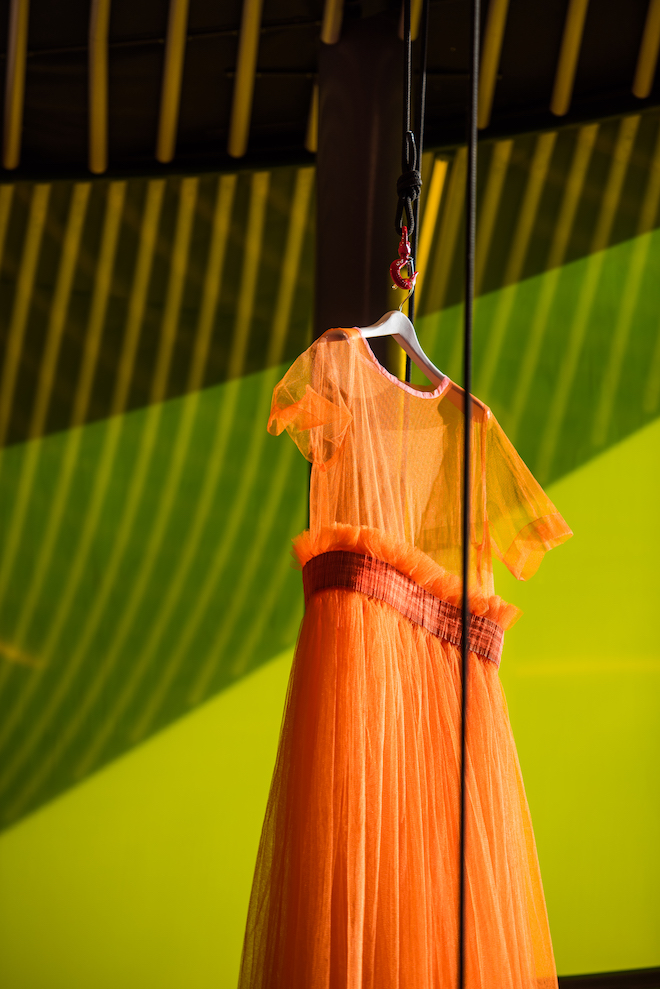
British talent and emerging designer Molly Goddard has established a strong signature aesthetic thanks to her collections of romantic, voluminous tulle dresses. In her first art partnership, the designer has paired up with NOW Gallery in Greenwich Peninsula to create an immersive exhibition in which visitors are invited to explore her design ethos within a creative gallery space.
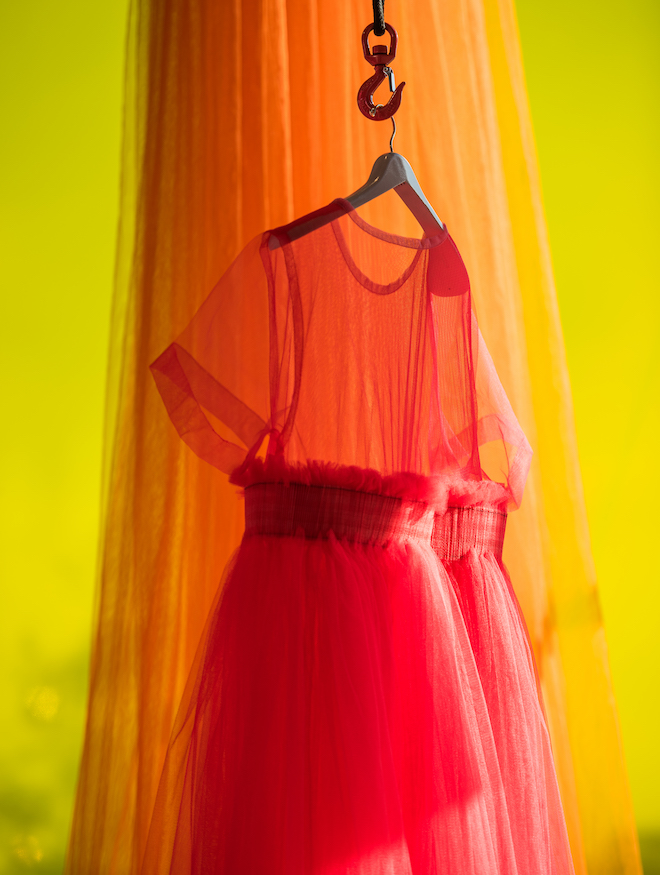
The installation sees Goddard’s creations rendered in exaggerated forms: six tulle dresses made from 20-30 feet long reams of material hang throughout the space. The presentation invites a reimagining of Goddard’s work, and allows the craftsmanship behind the brand to take centre stage.
As with Goddard’s previous London Fashion Week presentations, the new exhibition at NOW Gallery is participatory, and visitors will be able to sew shapes and patterns of their choice directly onto the hanging dresses. There will even be videos for first-time embroiders.
Speaking about the exhibition, Molly Goddard said: “I am so excited to be able to really celebrate craft technique in such an extreme visual way, making oversize, non precious interactive pieces is key to what I love and what the brand aims to represent. I can’t wait to see the stories which will be told through embroidery and to witness what skills people have or manage to discover when visiting the exhibition.”
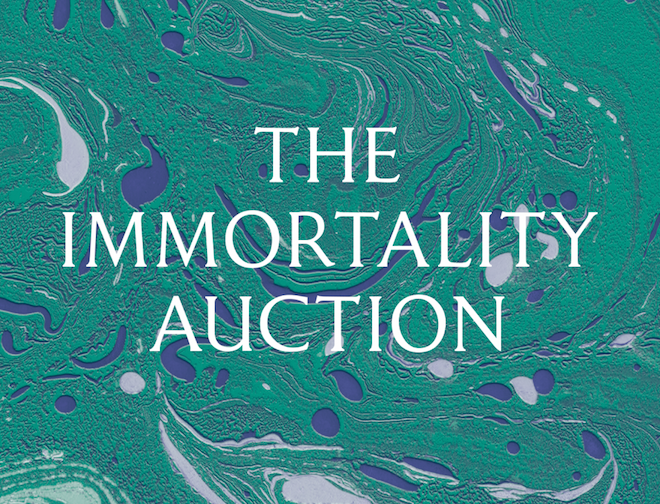
Calling all literature lovers: the charity, Freedom from Torture is offering the chance for your name (or that of a loved one) to be immortalised by being named as a character in an upcoming book by a best-selling author.
This year sees literary leaders joining together to raise funds for this worthy cause that is dedicated in helping the treatment and support of torture survivors who seek refuge in the UK. Authors involved include: Michael Morpurgo, Frank Cottrell-Boyce, Tracy Chevalier, Esther Freud, Louis de Bernieres, Rose Tremain, William Boyd, Linda Grant, Chris Cleave, Eleanor Catton, Jonathan Coe, Maggie O’Farrell, Philip Pullman and Booker Prize winner Ian McEwan.
“This auction offers the genuine opportunity of an afterlife. More importantly, bidding in the Freedom from Torture auction will help support a crucial and noble cause. The rehabilitation of torture survivors cannot be accomplished without expertise, compassion, time – and your money.” said author Ian McEwan.
The online auction is running till the 16th November on www.immortalityauction.org. For all of those in London, there is also a live auction taking place on the 17th November at Sixty One Whitehall, hosted by comedian and author Alexei Sayle.
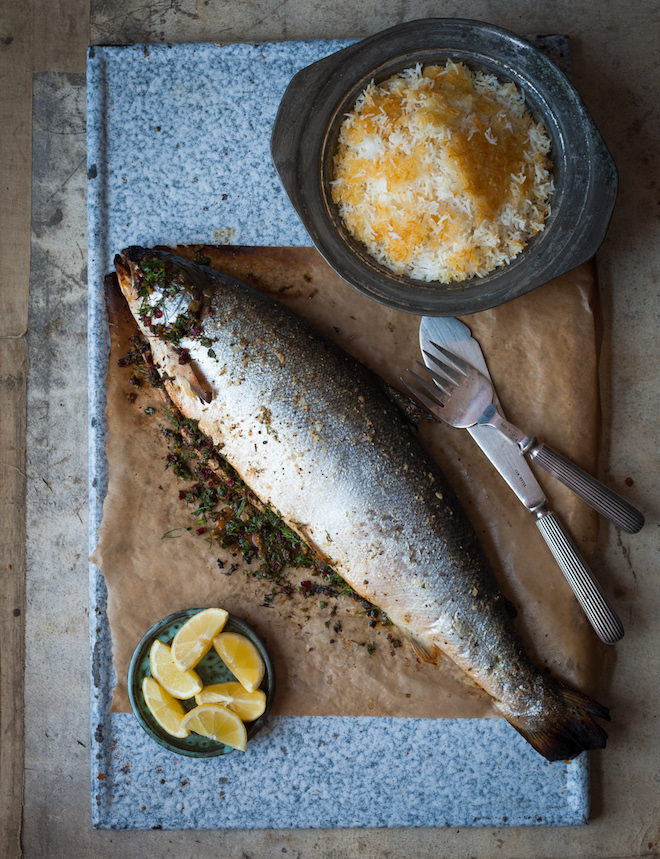
Described by Ottolenghi as the next champion of Middle Eastern food, Lebanese chef Bethany Kehdy made waves when she took up a residency at Carousel in Marylebone earlier in 2016. Now she’s back, and ready to serve up fresh flavours in a takeover of one of East London’s trendiest restaurants, Jago.
Born in Houston to a Texan mother and Lebanese father, Kehdy spent much of her childhood in Lebanon where she experienced the atrocities of the civil war. When her father moved her family to safety in the mountains, Kehdy was exposed to nature in its rawest form, and she spent much of her time watering orchards and working on the harvest. It was here that she first developed her culinary abilities, learning to make traditional dishes from her grandmother and aunties.
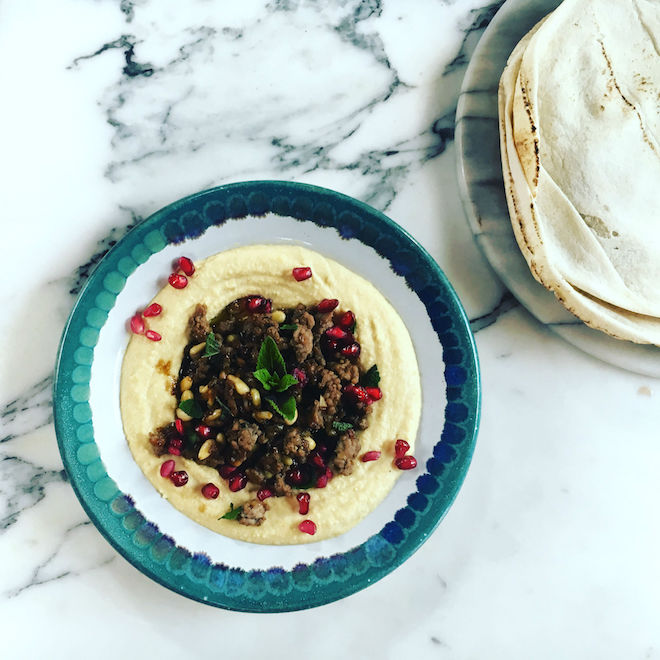
She has since developed an international following, and has released an award-winning cookbook ‘The Jewelled Kitchen’. In her latest London pop-up, Kehdy will bring a fresh syntax of flavours and spices to guests over five courses. With a menu that includes sour cherry kebab nests, whipped hummus with duck awarma and tamarind & fenugreek mackerel khoresh, this is the must-have ticket for foodies: get them while they’re hot.
Tables available from 6pm until 9.30pm, from November 7th through 11th, book here.
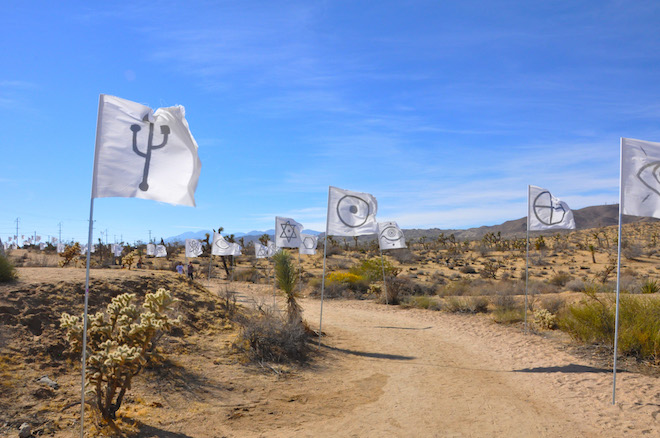
A sun-drenched gathering in the form of a pysch-rock festival took place in the high desert landscape of Joshua Tree, California last month. Set in accordance with the October full moon, several thousand visitors congregated to celebrate music and art in the unique setting of The Institute of Mentalphysics – a mediation retreat set up in 1941 in Yucca Valley by Edwin John Dingle, known as Ding Le Mei to his many followers. The organisers behind Desert Daze are husband and wife team Phil Perrone and Julie Edwards of Moonblock – an artist driven production company based in Los Angeles – both of whom perform with their bands at the festival. We spoke a little about their DIY vision for Desert Daze.
Can you tell us about the history of Desert Daze, how did it start? Who are the team behind it? Desert Daze started in 2012 because a roadhouse asked us to throw three parties during the double weekend of Coachella. We decided to throw 11 parties. The team are my closest family and friends – my wife, my friends, former bandmates, current bandmates, etc. We’re a family restaurant basically.
How have things progressed since the beginning? What are the major changes? With each year, more and more people contribute and collaborate with it. We started with 13 people doing every job there is on a festival production – now there are 208. We used to use duct tape, now we use gaff.
How many revellers came to party at the first Desert Daze and how many have just joined you for 2016? Do you feel the numbers have changed things or has the general vibe stayed the same? I think we had about 1,000 a day on that first one. Hard to say how many came out to 2016. It’s several thousand more, but still a very comfortable amount for the space – and that’s the point. I think the vibe is pretty much where it needs to be. Probably a bit more exciting than it used to be, but still relaxed enough to feel like you belong there.
Where have you held the previous festivals? Is Desert Daze nomadic or is the Institute of Mentalphysics the new annual home for you guys? Desert Daze started in Desert Hot Springs, then Mecca, and now Joshua Tree. We’d love to make the Institute of Mentalphysics our permanent home. In a perfect world, we could lay down roots in Joshua Tree for the proper Desert Daze event and follow our nomadic spirit with a traveling version of the festival and other satellite events. We still need to do something in the Mojave.
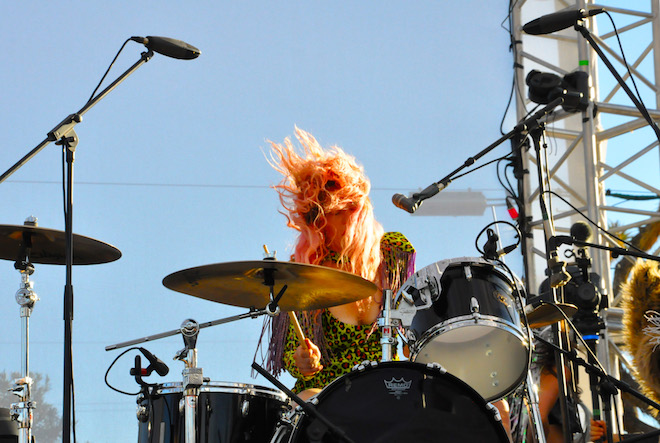
Phil your band JjuuJjuu played the Saturday night whilst Julie, your band Deap Vally played an awesome gig on the Sunday afternoon, it looked like you guys were really having fun up there – it must feel pretty good to host and perform. Do you feel as musicians that you have a greater understanding of running the event? In terms of having a stronger empathy with the performers needs and the audience alike. Being a touring musician definitely gives you a perspective on organizing an event and providing hospitality for both the artist and the fans. We hope to create an environment where both are super happy and comfortable. It’s conducive to having a good time.
Jenny Lee performs
You could tell us a little about how Desert Daze has grown from the psych-rock scene in California, if you feel that is the case or your background in it. Desert Daze definitely appeared to have a specific audience from one strong scene who were very much enjoying the weekend. I think Desert Daze speaks to true music lovers. People who buy tickets early. Get in line early. Buy merch. Buy vinyl. People that LOVE live music. Live music is my religion, my philosophy, and I think Desert Daze is for people like that. We don’t just like psych or rock or world or ambient or weird or alternative or experimental music – we like all of that and more. If it’s honest, if it’s good, it has a place at Desert Daze.
The Institute of Mentalphysics is a meditation retreat set up in 1941, a maze of pathways and quiet gardens punctuated with modernist structures built using sacred geometry by architect Frank Lloyd Wright – quite a place to have a festival – Lloyd Wright believed in designing structures that were in harmony with their environment, is this something you feel Desert Daze promotes in it’s essence? Harmony in music, in art and in it’s environment. Yes, it certainly does. Everything about this venue has really set the tone that we’ve always wanted Desert Daze to have. It’s the exact right place for this festival. It provides a space where the dreams we have for this festival can come true. There was an alchemic situation that happened with all of us getting together on that site under the full moon. Love was in the air. People got engaged. People got married. People made babies. It all happened. It was like we were all experiencing the same dream. And the site had a lot to do with it. The music had a lot to do with it. And the people had a lot to do with it. The chemistry of all factors involved made for an amazing reality that we all experienced as one. There was a real singular energetic thing going on. I hate to sound hippie dippy, but it felt scientific at the time and still does.
We’re interested in the future of the music festival, it seems as with many things today people are keen to return to an older model of best practice, a return to a simpler existence perhaps – is this something you discuss? Early models of music festivals. I don’t know what early music festivals were like, exactly. But, I do know that we wanted ours to feel different and it does. We’ve achieved what we’ve been striving for, now we have to figure out how to simultaneously expand and maintain it at the same time. When I say expand, I don’t necessarily mean with capacity, I just mean in scope as far as art, installations, environs, and experience goes. I think we’ve only scratched the surface of what’s possible with the community of visual and installation artists we’ve magnetically connected to over the years. I look forward to building new and amazing things with these people. But, at the same time, I want to make sure we maintain the wild and free energy of it all. That’s the delicate balance we will now try to master as we move forward.
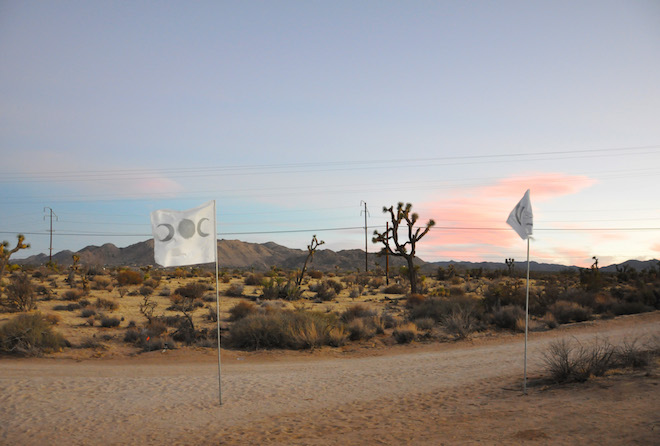
Can you talk us through some of the art installations around the site, did you have an overall vision for them? Who created them? The art installations around the property are the result of many many hours of coordinating on the part of Mason Rothschild, our fearless art director. He assembled an amazing coterie of installations artists from around the country. Celeste Byers and Aaron Glasson built two installations – the transporter and the infinagon. Brad Hansen designed a life sized neon Desert Daze sign as well as an infinite neon mirror. Mieka Ginsburg and Prescott McCarthy built a beautiful vertical hanging shade design for the Block Stage, as well as a beautiful billowing white fabric shade for the audience at that stage and these amazing monolithic pillars with flowing white flags. They also brought a stellar pagoda. The team at Non Plus Ultra built the Cave of Far Gone Dreams where you could play bones and Duck Hunt. There was more. A lot more.
What were your personal highlights for 2016? Having my 10 month old daughter there for the whole thing. Seeing Television play Marquee Moon under a full moon. Seeing everyone transform including myself. It was unreal. Surreal. Life changing for so many. Everything we wanted it to be and can’t wait to do it again next year.
What is your vision for Desert Daze 2017?
To continue the dream.
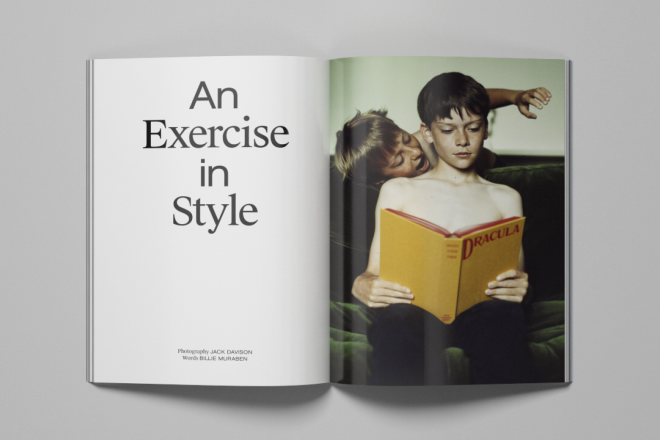
It’s Nice That has released the latest issue of its print magazine Printed Pages. With a cover shot by photographer Jack Davison, the issue welcomes contributions from 30 international creatives, including illustrator Jean Michel Tixier, graphic designers APFEL and artist Noritake.
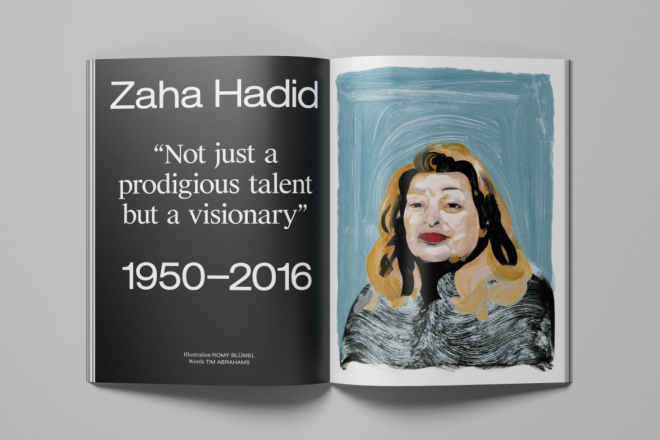
Highlights also include a tribute to architect Zaha Hadid, an interview with graphic design legend Milton Glaser, illustrator Jean Jullien, photograph’s from Charlie Kwai and and a gallery of the heroes of Rio 2016 sculpted by Wilfrid Wood.
Since launching in 2007, the folks at It’s Nice That have enjoyed a reputation for championing creativity and putting out beautifully formatted, engaging work. Regulars and newbies to the publication can expect a similar creative standard, with a printed edition that you’ll treasure.
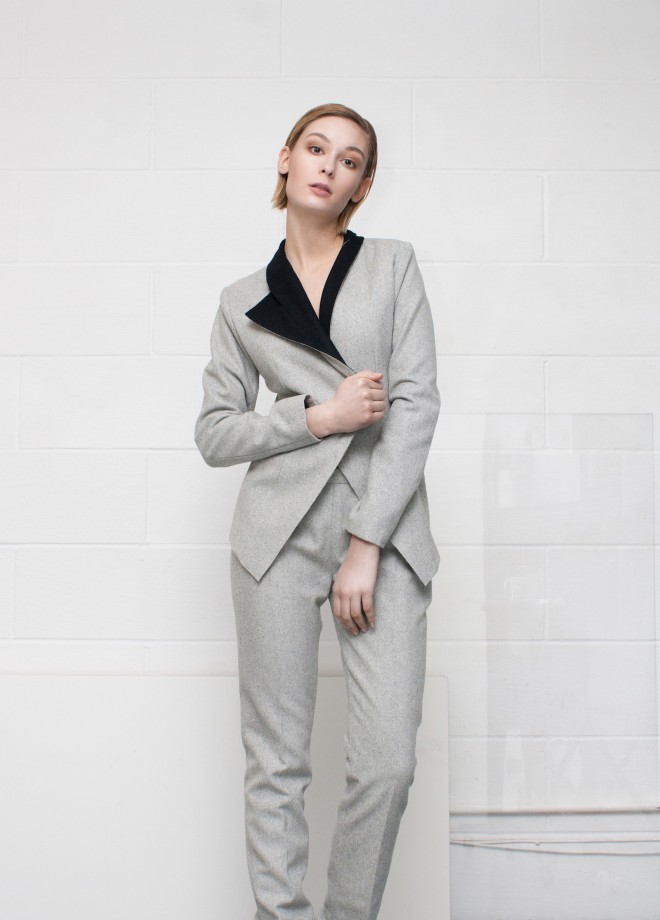
The Central Saint Martin’s graduate, Gotal Ryam creates clothing that is at the intersection of fashion and art, RTW and couture. Having realised her dream of becoming a designer, she was brought to London from Paris and hasn’t looked back since. Having launched her e-shop this week, we catch up with this fashion designer to watch.
Tell us about how you started in the industry?
Following my move from Paris to London, I ended up in Soho where my interest in fashion peaked. My desire to draw beautiful garments led me to Central Saint Martins where I studied fashion drawing; finally last year I decided to launch my own collection.
How would you describe your design aesthetic?
I would describe my design aesthetic as Pret à Couture, a mix between Pret à Porter and Haute Couture.
You describe your line as a mix of fashion and art. As an emerging designer which designers and artists do you look up?
The modern and independent woman with a taste for fashion who is equally at ease in trainers as well as in highend pieces.
Tell us about your AW16 collection, what was the inspiration?
The collection is called Geometric shades from RBK it has been inspired by the geometric aspects of Origami. This collection is made entirely of wool. It is the first collection that I wish to dedicate to my mother who has given me a taste for fashion and who embodies timeless style (RBK stands for Rebecca, my mother’s name).
Which is your favourite piece in the line?
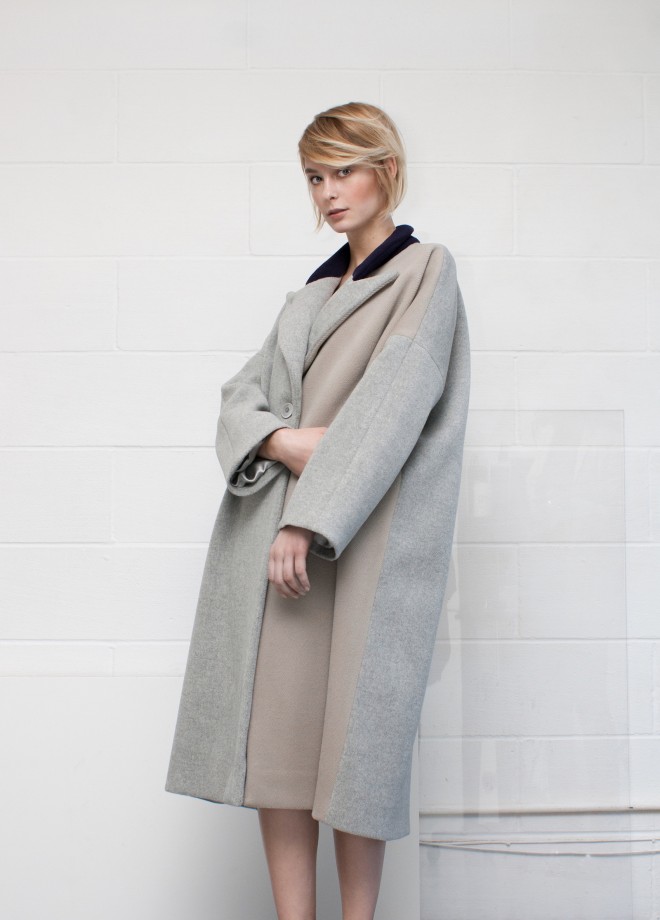
The coat, Khamta – it is essentially a piece that I created by asking myself, what coat would I like to wear this season. It represents the various aspects of my personality – both boyish and quirky. Its design is a patchwork – a mixture that I believe represents the person that I am today.
Topshop is bringing a series of stylish Halloween events to their flagship London store on Oxford Street this weekend. From Thursday to Sunday, stop by to immerse yourself in wellness and spirituality workshops, run in partnership with Hackney-based lifestyle platform She’s Lost Control.
Highlights include a Mindful Doodling workshop, tarot workshops, potion making and Aura photography – the latter promising to “capture the rainbow hues of your aura through a unique portrait snapshot.” Events are open to all and prices start at £10. What else Halloween for if not for dressing up and embracing some ‘crystal surgery’: we have to admit, we’re intrigued.
All activities are set to take place at TOPSHOP, Oxford Circus from Thursday 27th to Sunday 30th October.
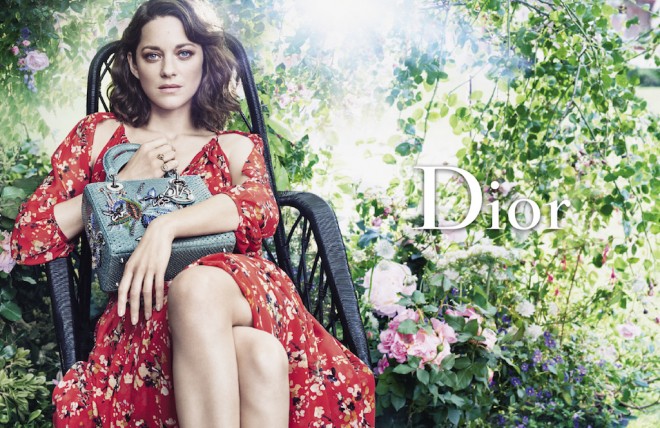
Christian Dior fell in love with flowers at Granville. Here he developed a knack for form and colour, learning the art of floral seduction that has come to be the house’s signature scent for years since. In the latest Cruise 2017 Lady Dior campaign, French actress Marion Cotillard stars in a series of images, shot by photographer Craig McDean, that were inspired by this these first luxuriant gardens. In the photographs Cotillard appears with iconic handbags in red and black, a combination that marries the signature femininity and allure at the heart of the brand. With campaigns like these, it’s easy to see why we still (j’)adore Dior.
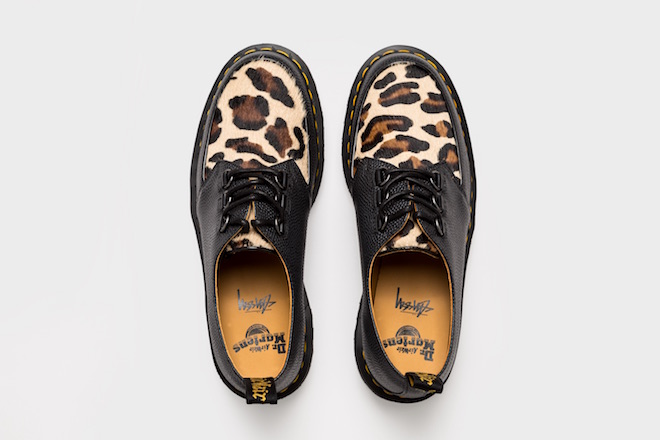
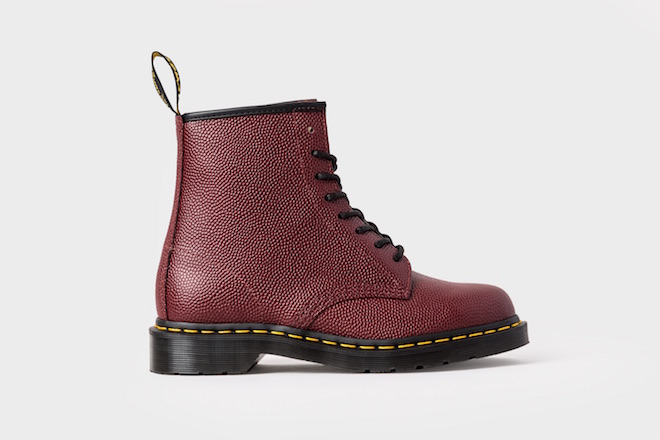
Famed for their innate understanding and reflection of youth culture, it’s no surprise that Dr. Martens have teamed up with cult streetwear brand Stüssy to release a new capsule collection. Not only are both brands emblematic of rebellion and the underground scene, but they both also emphasise quality and clothes made to last.
Available in stores now, the collaboration sees classic Dr. Martens silhouettes remixed with signature Stussy vibes: think cheetah print panels, pebble grain textured leather uppers and a mega combination of independent spirit. Get ’em while you can.
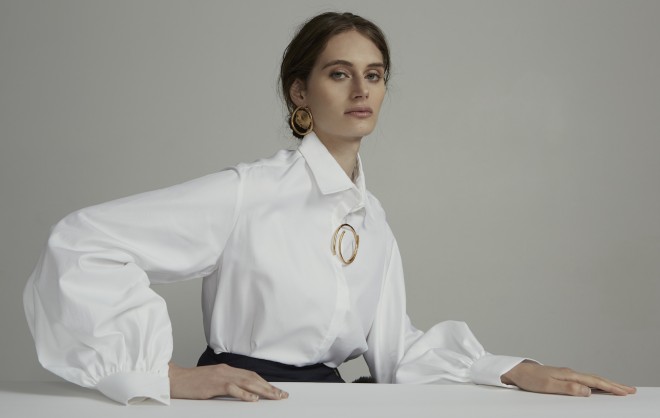
Rosh Mahtani, founder and designer of London based jewellery label Alighieri, has collaborated with Ozzie designer Anna Quan which sees them together explore the boundary between jewellery and ready to wear. Their collaborative collection includes jewellery intertwined with a shirt, shirtdress and palazzo trousers along with a selection of jewellery by Alighieri for Anna Quan. We caught up with Rosh to discover more about this collaboration.
Tell us how you started off in industry?
I studied French and Italian literature at university – my final year was focused on Dante Alighieri, and the Divine Comedy. After I graduated, I knew I wanted to do something creative; I felt a little bit lost, and kept reading the text. I couldn’t help but imagine the characters, the feelings and descriptions in golden objects; that’s when I started making one piece of jewellery for each one of Dante’s 100 poems. Creating Alighieri was a way to pursue photography, writing, and designing alongside business and strategy.
Why Dante?
So many reasons! His work is so visual, firstly; he was the first person to portray Hell, Purgatory and Paradise in such a human way. But more that, his journey is so universal, it really captured me. It begins with him, lost in the middle of a dark wood. His fears, his anger at being exiled from Florence, his love for an idealised woman (Beatrice) are at the crux of his work, and I suppose I wanted to translate these feelings in my own way, as they were so relatable to me.
How would you describe your design aesthetic?
I call my pieces Modern Heirlooms, because I love creating imperfect objects that tell a story. Imperfection and vulnerability are at the heart of the aesthetic, and that’s why I like to shoot the imagery using film. It’s all about the happy accidents; I work very much on intuition.
How did the collaboration with Anna Quan come about?
Anna is based in Australia and we were following each other’s work over Instagram for a quite while, we swapped an earring for a crisp white shirt over the ocean, and we met last Christmas, when I was on a bit of a disastrous road-trip in Australia! We had breakfast in Sydney, and talked about giant golden buttons on her perfectly tailored shirts, and billowing trousers. It happened really organically.
Why do you think the partnership works?
We have quite a similar aesthetic in some ways, and a genuine obsession with each other’s work. I live in oversized white shirts and tailored trousers. It’s also a great juxtaposition because Anna’s designs are so perfectly executed, the tailoring is immaculate, and it was fun to have that as a canvas to add a scraggy and imperfect detail. We work really well together (often over 3am Whatsapp conversations!) We’ll think of an idea and just get the ball rolling. DHL plays their part too!
What qualities do you admire about her?
Besides her obvious talent for creating clothing that makes you feel really special, the giant oversized cuffs, for instance, I really admire her work ethic. She never stops, and is also incredibly grounded and modest. She’s a very savvy businesswoman which is really inspiring to be around.
Where do you see yourself in 5 years?
I’d like to keep growing Alighieri as a brand; it’s been the best and most rewarding ride, and I’d like to create more than just jewellery, as I think of Alighieri as a way to tell stories. If I can keep doing what I’m doing now on a bigger scale, with a bigger team, I would be very happy!
Daphne Guinness is a woman who has little trouble turning heads. For years now she has been a fashion behemoth, attracting attention for simply existing. Akin, almost, to a mythical creature on whom sartorial enthusiasts project their likes and dislikes, her characteristically monochrome silhouette — all angles, hair and vertiginous heels — has become something of the caricature. And for the most part, silent. But now, Daphne has found her voice.
Back in 2011, following the gut-wrenching loss of some of her dearest friends and family — Alexander McQueen and Isabella Blow amongst them — Daphne retreated from the fashion industry that had, in her words, left her feeling “burned”, and isolated herself in a secluded Irish landscape to record a cover of a Dylan track as some kind of cathartic release. However, what actually happened turned out to be rather different. The person she was meant to be working on the Dylan material with never showed up, and so instead, she wrote her own music. Flash forward to now, and she has an album out.
Speaking to the muse come musician on the eve of her first ever live show — an electric performance at the Natural History Museum for a Frieze Art Fair party hosted by Maurice Ostro CBE, Candida Gertler and the Louisa Guinness Gallery — the singer is remarkably calm, and unexpectedly candid. “I’m too honest,” she says, almost to herself.
Optimist In Black, her debut album, is by no means an easy listen. It is classic rock’n’roll story weaving, and plunges you into the depths of despair before soaring phoenix-like into almost jubilant territory. The title track is perhaps the darkest hour, and deservedly so, with its severe etchings of grief ringing out in every ‘60s-infused riff. “The album is completely what happened that year, in order.” Daphne tells us. “When I got to ‘Marionette’ [track five of 14] I had about four seizures and completely collapsed. Then I wrote ‘Optimist In Black’ [track seven], and went and got lost in Mexico.” The escape was undoubtedly needed. “At the time I thought if I do anything darker than ‘Optimist In Black’ then I’m going to kill myself. So I needed that. I got through it, and then I came back and wrote ‘Magic Tea’ [track 8, a pop song]. It was sink or swim,” she explains.
The Guinness sound is one born from pain, reflection and the resolution to find light in the darkest of times. It is determined in its subsequent dealings with life’s sucker punches, but ultimately, she is objective about her experiences. “I realise that everybody’s been through shit,” she says. “They’ve been through ups, downs, bad love affairs, death and disaster. I’m not really writing a unique version of the world here, these are basic human emotions that happen to everybody.”
When speaking about the losses she suffered, Daphne is frank. “It was like a magical time that abruptly ended,” she says. “It felt like dominos going down, down, down. And you can’t do anything. I thought, ‘you can’t just see everybody at funerals, crying their eyes out, and then you know you’re going to have to see them at some fucking party the next day, talking about something else.’ That’s why I started the initiative at Central Saint Martin’s and have tried to support people in terms of their mental health. Because to many people it’s just gossip, which is, you know…” Awful is the word unuttered, but hanging in the air nonetheless.
Credit: Jamie Kendall
Daphne has a knack of bringing something of meaning from truly bleak situations. Thanks to her creation of the Isabella Blow Foundation, she is putting two MA students through Central Saint Martins each year, as well as working with the Samaritans. This remarkable dedication to the nurture of talent is a continuous theme in Daphne’s life. Doing all these positive things “makes a little bit more sense” of the situation, she says.
And Daphne has always been a woman surrounded by and somewhat immersed in creative genius. From McQueen and Blow, to close collaborators such as Nick Knight and open-admirer Lady Gaga, she is a magnet for inextinguishable talent. Another such person, who influenced and encouraged Daphne a great deal, is Bowie. Although the musician is hesitant to discuss their relationship too much, for fear of capitalising on his legacy, it was he who set her up with her album’s producer: the legendary Tony Visconti. “Everybody’s talking about David at the moment and it [all] feels cheap.” She admits. “But he was incredibly supportive, and I always just thought: ‘But why me?’” She reluctantly continues, “He was the most remarkable person. And also, more simple than everybody gave him credit for. He was a very magical man.”
Despite having lived her life through somewhat of a lens, the stage isn’t Daphne’s natural home. “Yeah I’m very, very shy — strangely enough — but I’m getting better at it. I’m getting better at becoming someone else, when there’s a point to it, rather than just to be seen [performing].” Music is something of a shield, it seems. “I feel that you are protected in some sort of way by the art that you make, and by the people that you work with. And that’s fine.”
“What I don’t really understand,” she continues, “is what’s happened [to the music industry] in the last 20 years, where it’s all surface and there’s not much underneath… I’d much rather see almost nothing and hear what people actually have to say, rather than seeing just a whole lot of images.” She references YouTube and social media, and seems perplexed by the lack of authentic narrative, as well as the abundance of the visual above all else. For someone who has previously been so much a part of the aesthetic frontiers of society, it seems to be something of an about turn. “Fashion was a huge part of my life, but when all of that happened I thought ‘I can’t do this anymore,’” she reveals. “I sort of put myself into isolation and wrote this album instead.”
The sound that accompanies such a raw confessional is, as previously mentioned, a distinctively ‘60s one. Citing Marc Bolan as her “first big love” explains a lot about Daphne, although there are echoes of Nico and Faithfull too. For a woman who recounts making her album as a mix between “mad and brave”, and describes walking into the studio to record with her band thinking “Shit! What am I doing? I’m a complete amateur,” the result is incredibly accomplished. “I’m glad I didn’t know how difficult it was going to be, because I would never have done it,” she admits. “But I’m very glad I did. And I’m very glad I didn’t just do a cover of someone else’s song, because there are so many songs to be written.”
Optimist In Black is out now on Agent Anonyme/Absolute
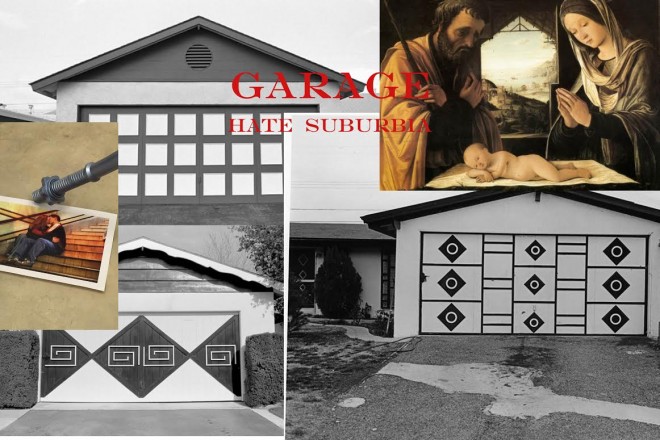
Hate Suburbia is the latest book on the architecture and image of the suburban garage by NY-based sculptor Olivia Erlanger and London-located architect Luis Ortega Govela. Out today, the book showcases the history of the space and exposes the humble garage as a model for spatial occupation that continues to define us today.
Containing a foreword by Octave Perrault, a conversation between Apple’s Steve Wozniak and Gwen Stefani, and a round-table between four prominent entrepreneurs based out of garages, the book takes a wide-lens view of the garage as both a physical space and as an incubator for the cultural process.
Hate Suburbia is available at the Architectural Association’s bookstore: aabookshop.net
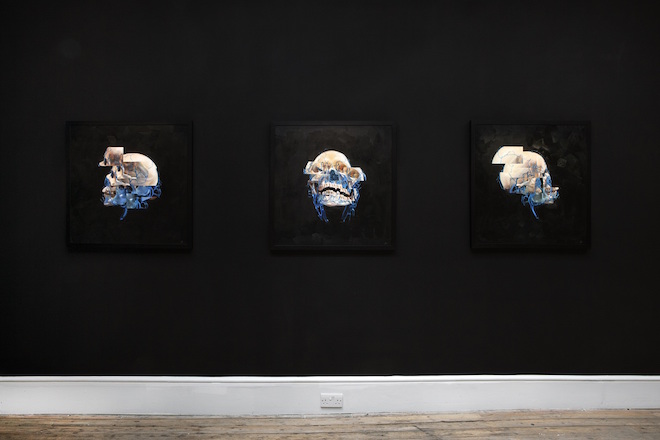
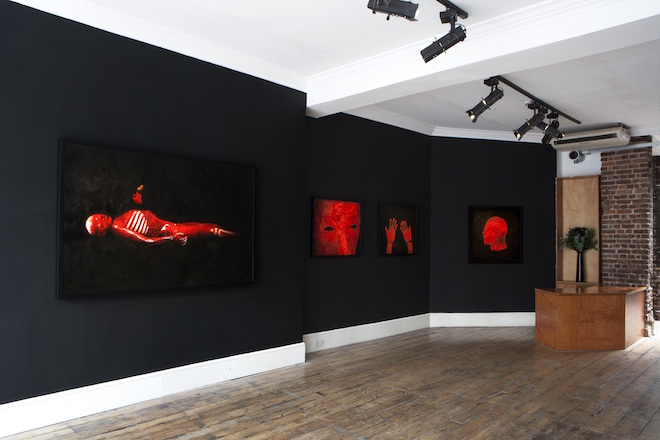
· FLESH · BLOOD · SUBSTANCE · is the debut London exhibition from Mexican artist Golgo. Running now and until the 12th November 2016, Andreas Hijar aka Golgo shows his own personal interpretation of life and death through a series of canvases focused on the combination of anatomy and symbolism. This is a common theme seen through his work, as his interest centres around the human body, its functioning and its decay.
“· FLESH · BLOOD · SUBSTANCE · is the autopsy of my spirit, a reinterpretation of science and soul, an exploration of our concrete presence and inevitable disintegration. This group of work is the fragmentation of my personal approach towards the reasons behind the malady of ageing, changing and existing as substance. Oils, red and blues took the place of scalpels; with them I glanced into the viscera of the corporal and the essence behind the fluidity of extinguishing vitality. Here lies what I feel and perceive as the vacuum of ever changing life and intrinsic end.” – Golgo
Golgo also continues to produce as an individual creator at his Black Blood Studio, allegedly founded in Mexico City in 1666 and now located in Los Angeles. Golgo employs a wide range of techniques including oil, ink and aerosols. His pictures exploit the popular imagery associated with medieval Europe, playing with the notions of spirituality, corporeality and pain. They also expose the futility of any attempts to draw a line between art and science, as they demonstrate that these areas of knowledge complement rather than conflict each other.
The exhibition runs till 12th November 2016 at Lazarides:11 Rathbone Place, London, W1T 1HR.
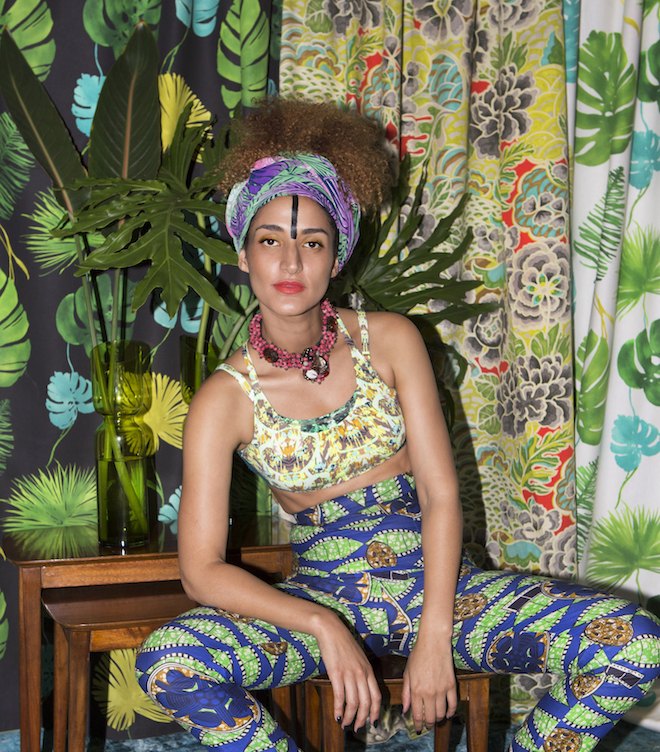
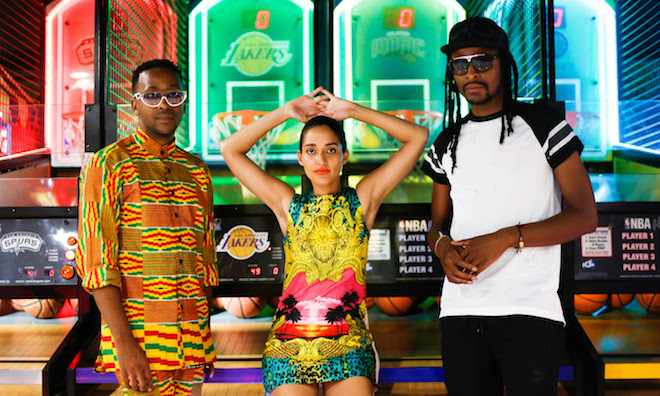
South African Carla Fonseca is a woman with many strings to her bow. She is an actor, director and artist, but it is her role as lead vocalist for the group Batuk that sees her performing in the UK this weekend. With influences spanning afrohouse, soul, zouk, kuduro, deep house, techno and traditional African music, Fonseca is joined in Batuk by South African producers, beat makers, directors and visionaries Spoek Mathambo and Aero Manyelo.
Given her creative background, Fonesca was responsible for art directing Batuk’s musiv videos for ‘Daniel’, ‘Forca Forca’, ‘Puta’ and ‘Call Me Naughty’. In addition to this, she has also displayed her work at the likes of FNB ART Fair, Turbine Art Fair, Cape Town Art Fair, Basha Uhuru Festival, GIPCA’s Biannual Live Art Festival, and Johannesburg Art Week over the years. Here, Twin discovers more…
Welcome to the UK, you’re doing a few shows here right now…is this your first time performing here?
It is my first time in the UK, and our first time performing here as a group. Spoek and Aero have both played here many times before.
How would you describe what you do to a complete stranger?
I am a performance artist. A lover of all raw and honest performance work.
Is your music political? Does it have a particular message you’d like to convey? Isn’t everything political? Even a party song can be political. We have many messages in our music. It is important for an artist to have messages serve as through-lines in their work….or else it becomes weightless. It is our duty. In Batuk’s music we speak about love, war, sexuality, drug abuse, dreams, family, culture. Everything that is important to us, everything that we want to address and interrogate and express.
How does the music scene differ here in comparison with South Africa? The Internet is alive, which allows people from all over the world to share and be influenced at the click of a button. We are all connecting news, pictures, videos, rhythms and sounds so quickly…there are many things artists share purely based on rapid and wide information exposure. There’s an insanely dynamic buzz in South Africa that cannot be compared. A buzz brewed by 12-year-olds on laptops producing out-of-this-world music that receives 100,000 hits after only a week of uploading. Our many rich languages and cultures and links to neighbouring countries give us a really broad and direct access to diversification and constantly new, fresh material.
Would you call yourself a feminist? And what is feminist scene like in SA? Being a feminist has so many definitions these days, sometimes it confuses me. So I will answer by saying that I am a person who supports the rights of women and girls and their incredible power. It is a wonderful and revolutionary time to be female in South Africa….a time where young women are standing up and taking their positions as leaders and as power sources. A time where patriarchal structures are really struggling to stay standing. In my work I am constantly creating protest pieces in honor of women and their struggles and their victories.
There is an essence of strong, very visual artists such as MIA and Solange in a few of your videos – the sense of identity and power are palpable. How do you come up with the concepts? And do they ever differ in reality? Hahahaha…I think women with bold ideas and good execution will most likely be compared to one another. They are both two incredibly phenomenal women, I’m flattered. Batuk’s concepts are all honest expressions…if we have an idea, we work together to make it as strong as possible…visceral and beautiful. My art imitates life, and life reciprocates the gesture.
How have you found the industry to be so far? Have you encountered much bullshit? I’m not into bullshit, I don’t accept it. If you bring bullshit anywhere near me, I move. Like any industry there is a lot of shit, but the objective should always be to stay focussed by not entertaining anything negative or anything that tries to come against you and your passion.
Who else, musically or creatively, is exciting you right now? There’s an artist/painter by the name Alexa Meade, she has recently just created work titled Color of Reality. It’s so incredible how her work absorbs me into a dream world. She is famous for inventing a technique that optically transforms the 3-dimensional world into a 2-dimensional painting. Absolutely insane and captivating work.
What should fans expect from your live shows? Expect a lot of energy…a lot of good, powerful, uplifting energy. An energetic exchange that’ll have them busting dance moves that they never thought they had!
Batuk will tour Europe this September and October, with a headline show at London’s Jazz Café on October 15th.
iO Tillett Wright has many strings to his bow; the activist, speaker, writer, photographer, host and now author has proven himself to be a creative that not only pushes the boundaries, but well and truly breaks them – rejecting gender norms, and speaking out about it.
Brought up in the vibrancy of eighties downtown New York, Wright was at the intersection of punk, poverty, heroin, and art. His life also featured his creative showgirl, and all round “erratic glamazon” of a mother, Rhonna. It is no surprise then, that Wright’s debut book, Darling Days, A Memoir, is a culmination of the rebellion and love that he was exposed to and felt from an early age. At the heart of the book, it reveals the relationship between this formidable mother and a tearaway kid, sharing the bond they have which was defined by freedom and control, excess and sacrifice.
Recently released with Harper Collins, this debut book has predictably received critical acclaim. Buy your copy harpercollins.com
It is not often that you arrive to an exhibition where the artist has not yet seen the final work, but such was the case for pioneering South African painter Esther Mahlangu, who made the very special trip from her home to Frieze London to see the fruits of her latest collaboration with BMW.
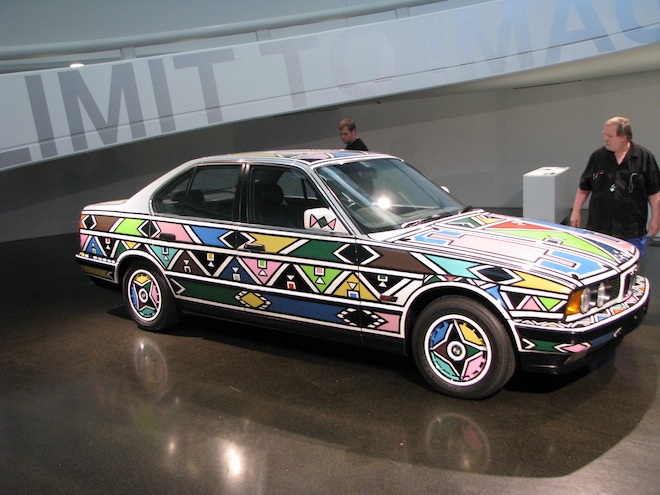
Mahlungu’s first project with the car manufacturer was in 1991 when she followed in the footsteps of male artists like Andy Warhol, Robert Rauschenberg and Roy Lichtenstein to create an Art Car for the brand, the first female and non-Western artist to take part this car came to define an important moment for female artists.
Credit: BMW
Twenty-five years later her signature traditional Ndebele paintings of bold primary hues and stark black lines have been used to transform the interior of a new 7 Series, and Mahlangu seemed more than impressed with the final result as the BMW team revealed the finished piece inside their Frieze lounge area in London.
Credit: Strainu
Speaking to Twin about the differences between her large-scale creation in 1991 and the updated subtle approach she has taken in 2016, it was the size of the work that changed her approach. “In 1991 [the project] was huge, enormous as it was exterior.” Mahlangu said. “With the interior I had to be more subtle, to do the construction and think about the process. Usually when I create something, everything is in my head.”
“The biggest difference though is that 1991 was just an art object, where as this one is a useable functional object,” explained Mahlangu, as we watched the car go up for silent auction following its unveiling. With bidding beginning at £120,000, this collector’s item is the pinnacle in functional art, praising new technology whilst celebrating the traditional techniques in Esther’s work.
Credit: BMW
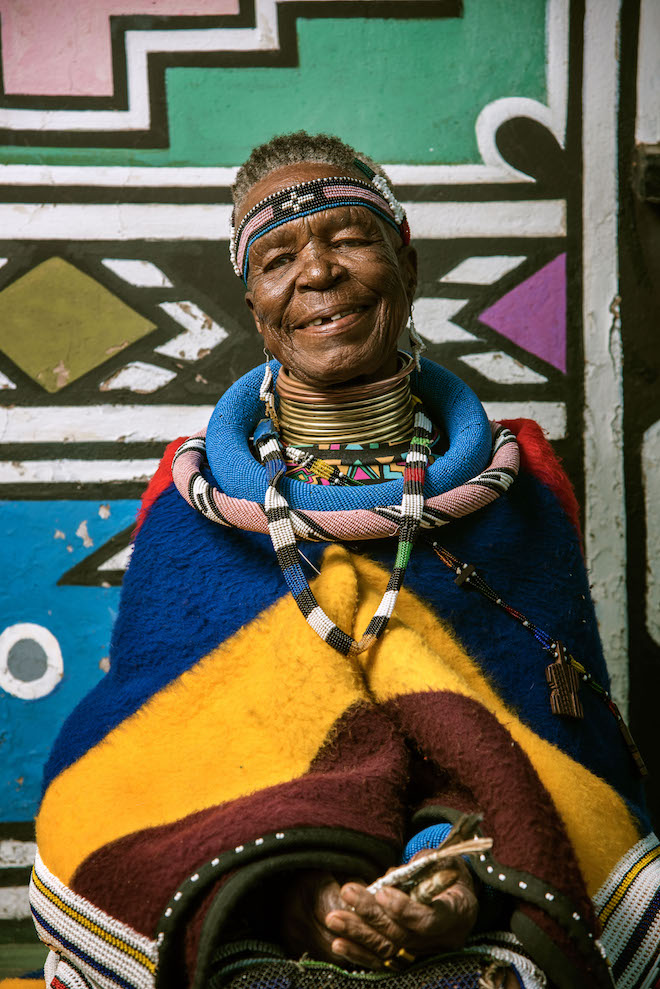
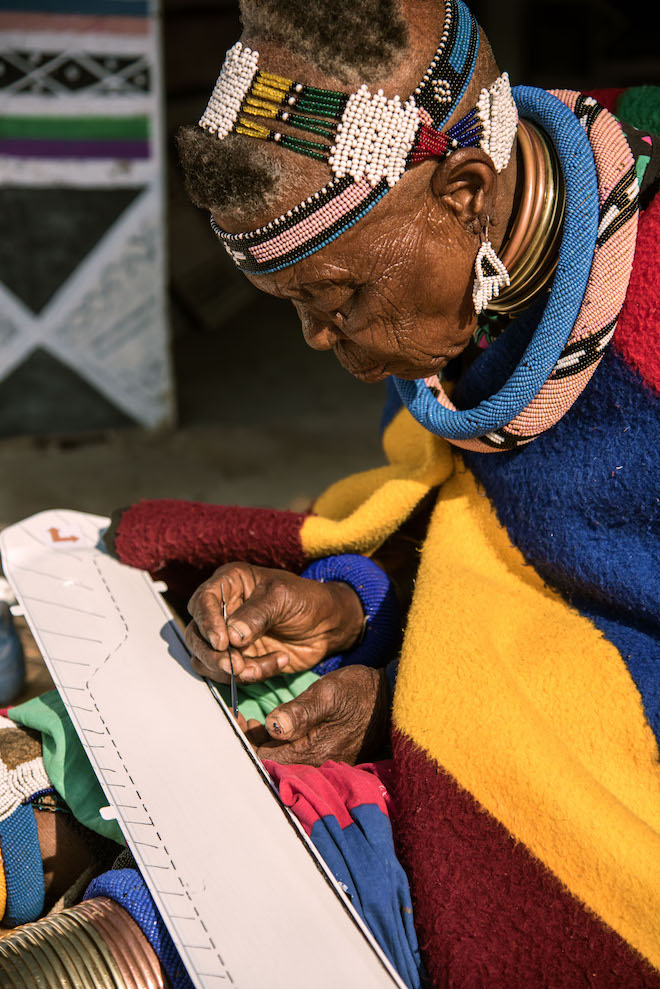
An emblem of serenity, Mahlangu’s presence at the bustling fair was more than humbling. Now aged 81 and adorned in a sea of beaded accessories, bright swathes of fabric and silver necklaces, she is as iconic as her work, upholding the traditions of South Ndebele people of Mpumalanga in South Africa through both her art and her clothing.
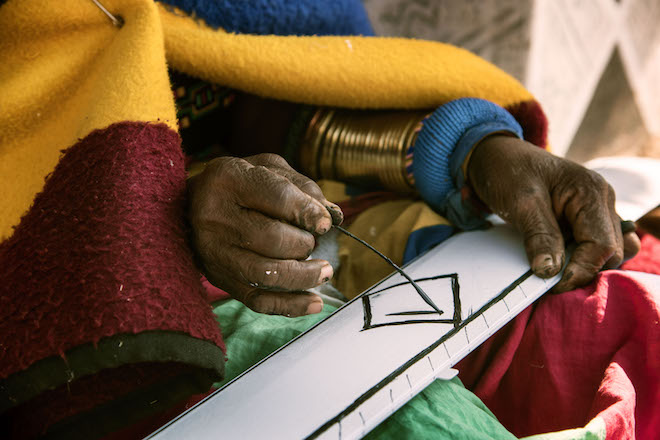
Beginning her artistic career aged ten, Mahlangu was taught the Ndebele painting techniques by her grandmother and mother, who used the same techniques to paint the walls of houses. Her methods have not altered since she was first taught, even for projects such as this.
Credit: BMW
“I only work with chicken feathers,” she explained. “So in the [1991 project] I would bind at least five chicken feathers together to make a brush, whereas with this one I used a singular chicken feather to make the thin line, so you have to have much more control over the thin line than the thicker line.”
The traditions of painting were only carried out by women in South Africa, and have diminished since females have left to travel or take employment elsewhere. This has made Mahlangu’s work all the more important.
“As long as I am able to move I will paint because my fear is that the culture will die out and that is a reality,” she said. “I’ve been working with different brands like Belvedere and did the [Etys] shoes. When people ask why I prefer to work with all of the different brands, I say when they bring me something to do I can’t say no because when I die someday, somebody will own something of mine.”
The BMW Individual 7 Series by Esther Mahlangu is available to bid on now.
You can also see her 1991 design in the upcoming exhibition ‘South Africa: The Art Of A Nation’ at The British Museum which runs from 27 October 2016 – 26 February 2017





 PREVIOUS

 Twitter
 Tumblr
 YouTube
 Facebook
 Instagram
