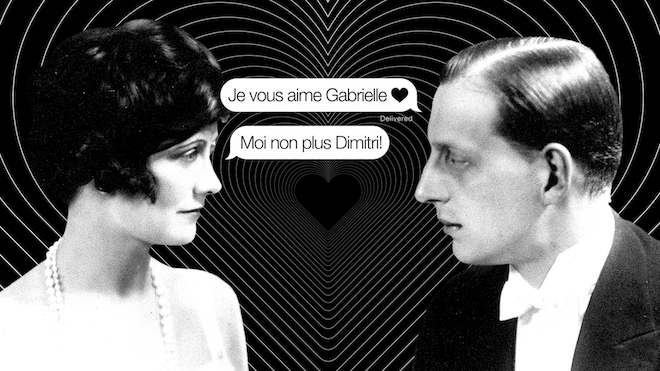
A new series from Chanel is celebrating the spirit and passion of the brand’s most captivating women; Gabrielle ‘Coco’ Chanel. The stories around the houses’ founder may be well known but the energy and spirit of this iconic French creator never cease to inspire – as the latest of these ‘Inside Chanel’ films shows.
An innovator who lived by the mantra ‘seize, dare and create’, so much of Gabrielle Chanel’s vision and ambition speaks to us today.
The relationship of a photographer and a model has long been documented to live beyond the flash. Love affairs, marriages, betrayals and betrothals have long been mapped out, but what about the friendship of a photographer to her subject?
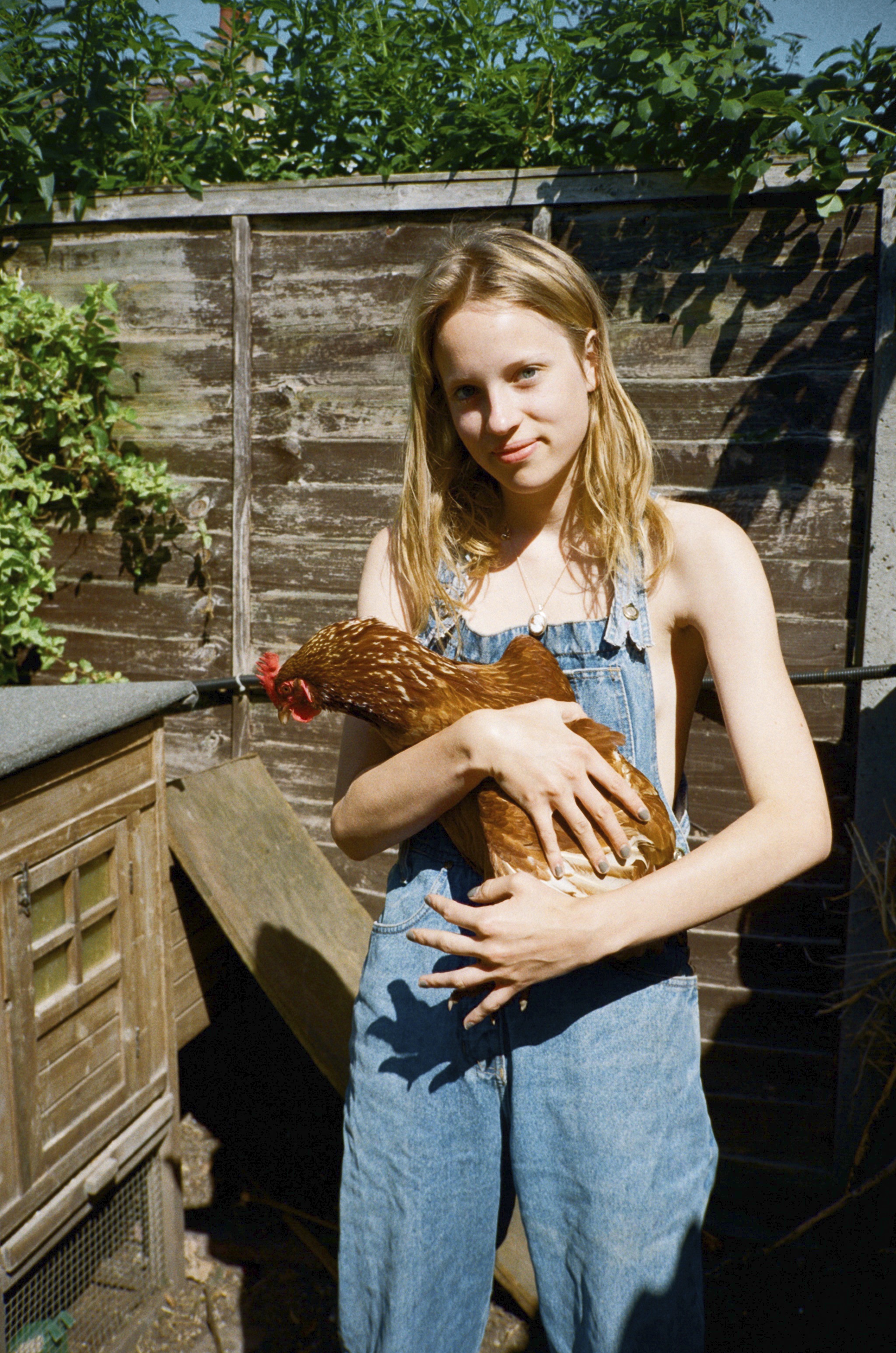
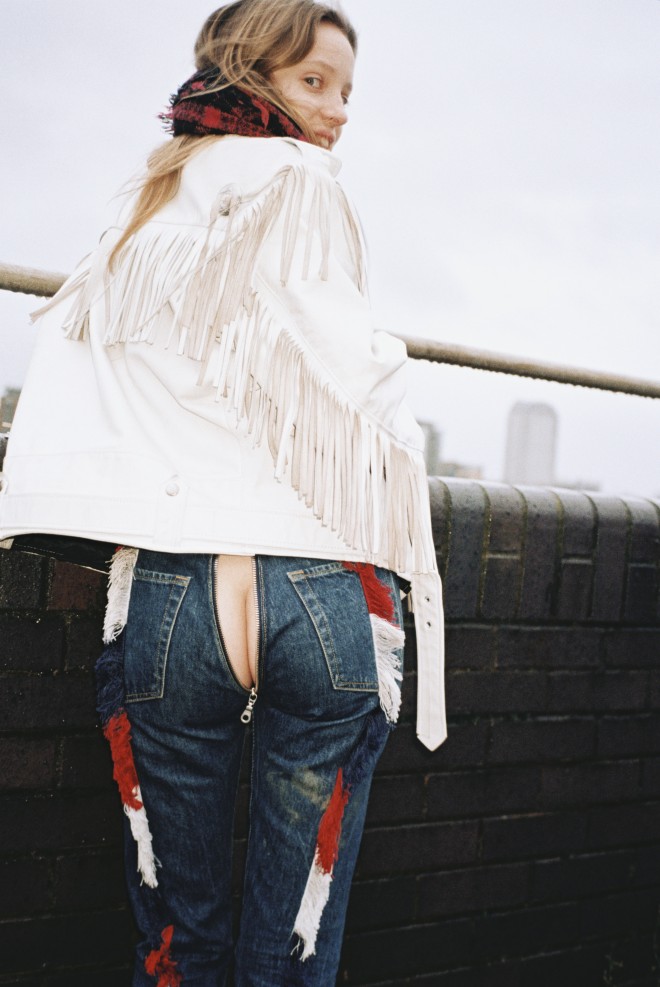
Rosaline Shahnavaz is a photographer whose work holds a unique elegance in its informality, often capturing her subjects in a limbo between self-reflection and personal expression. Her clients range from Coca-Cola to Urban Outfitters, her youth-centric approach editorially gracing the pages of i-D to ES Magazine.
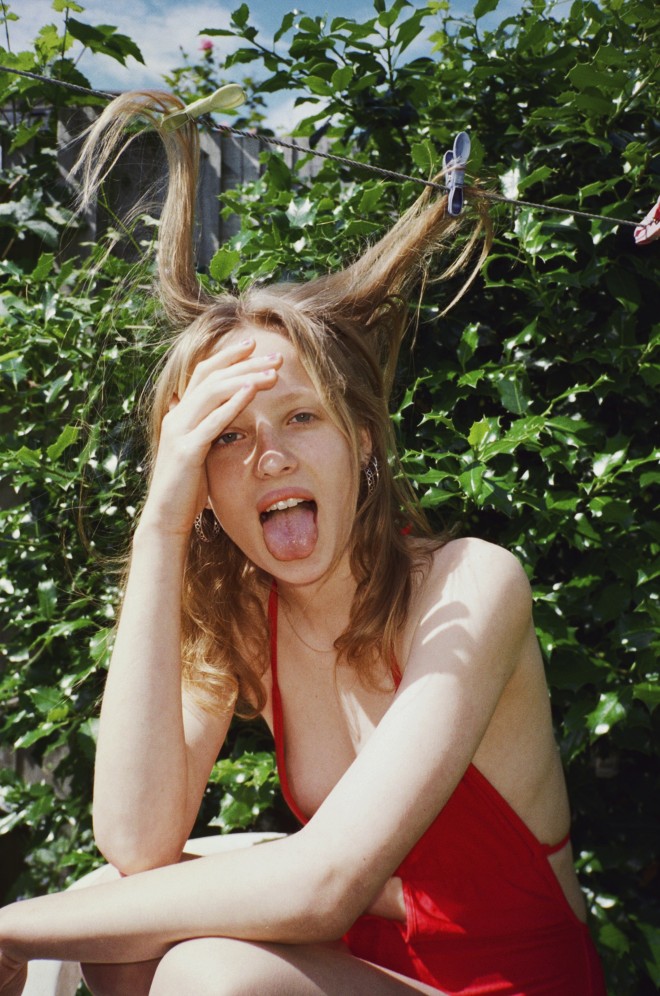
The women she has photographed appear aware of their own elements, basking in a modern innocence – not so much picnics on the lawn, but more playing with their environments through a decided void of limitations and playful potential. Toothy smiles, cowboy stances, sunlight squints and legs akimbo. The women Rosaline has photographed feel like they own the frame she has caught them in: their selves and spirit bigger than their own image.
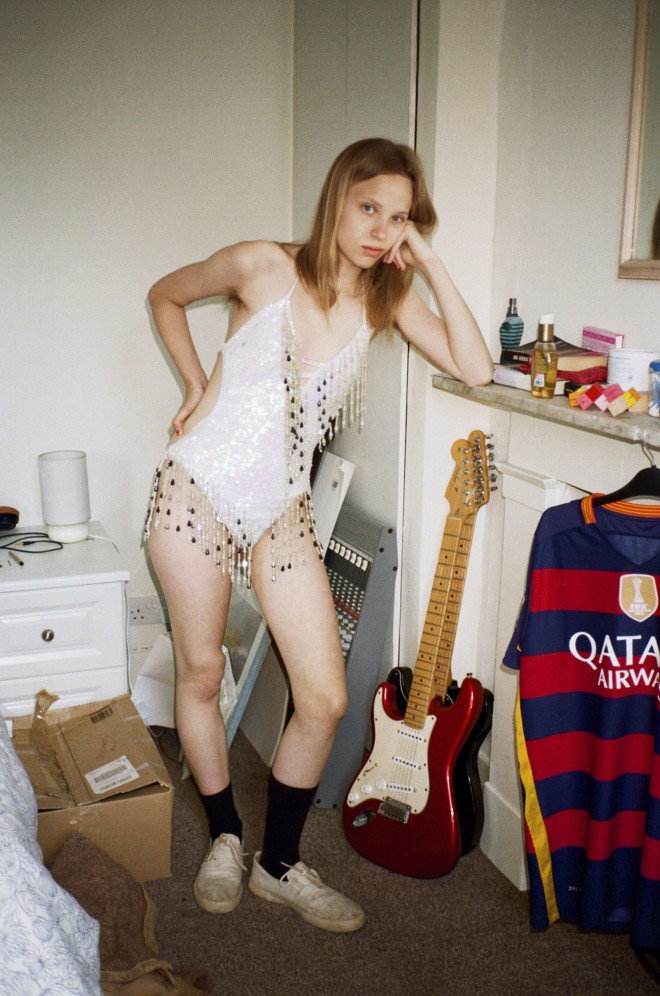
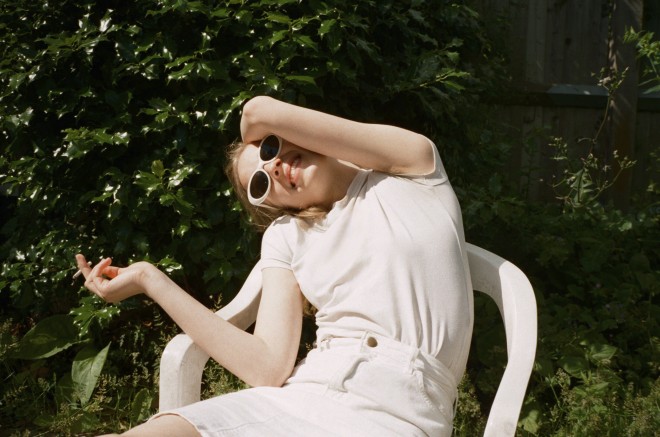
Rosaline has just published her first photo-book: an out-of-hours report with the model Fern that steps Rosaline’s photographic approach further. The result is a publication that pulls into question the relationship between the vision and the voyeur, and what happens when a friendship is formed on both sides of the camera. A lesson in capturing a two-sided relationship when only one side is visible.
Fern is the first photography book that you have released, how did the project come about?
I first met Fern after I casted her for an ad campaign I was shooting. We had this spark immediately and I loved photographing her. I kept casting her for everything when I decided to step away from fashion and spend some time photographing just her. She was thrilled and so it began. I had initiated the project however there was a role reversal and Fern would get in touch with me to shoot whenever she was in my area too. We got to know each other a lot during the process, and as our friendship bloomed the photographs did too.
What sparked the idea to make this project into a book?
The photographs are really personal, and I think the tactile nature of the book suits perfectly. You physically look closer and the narrative woven into the sequencing reveals a lot about Fern and our relationship. I love the editing process, I always print out all of my images and plaster my studio with them before I start to make the book. It’s a laborious process and I’ll go away and come back to it numerous times until I’ve got it.
Why did you choose one year to document Fern?
I didn’t. I honestly think I could continue to shoot the project forever. I don’t think the book marks the end and I’d like to revisit Fern with my camera further down the line.
How would you describe the resulting book? A documentation, an exploration, a study?
All of the above! I’d say it’s also a celebration of femininity, friendship and coming of age.
What are your thoughts on the concept of muses? What does ‘muse’ mean to you?
I think the concept of the muse has shifted, and that’s happened with the emergence in female photographers. I am more drawn to the sensibility of a woman depicting another woman.
She could be a muse, but I found that photographing Fern wasn’t just about her, but more about our relationship and the connection we shared as photographer and subject.
Fern was 17 when you started photographing her – do you feel the images capture Fern the young woman at a turning point in her life?
Fern was at a particularly pivotal time in her life. It doesn’t stop with age but I recall the extremity of it as a teenager. She’d described being in a limbo state between girlhood/ womanhood, her sense of home/place and the shift between education / career. Over the duration of the book we both went through changes and found solace in each other.
Do you feel it is important to gain a connection with the subjects you photograph?
Definitely. I first got into photography by documenting my friends like a ‘fly on the wall’. It was naive and I didn’t really have an intention. The intimacy and closeness of those relationships enabled me to photograph the way I did. This approach marked my interest and subject matter. I’d love to spend a sustained period of time getting to know and photographing all of my subjects. I never give much direction, I would rather share an experience with my subject and capture them candidly. I don’t want to take ‘perfect’ photographs, I am more compelled to the in-between moments.
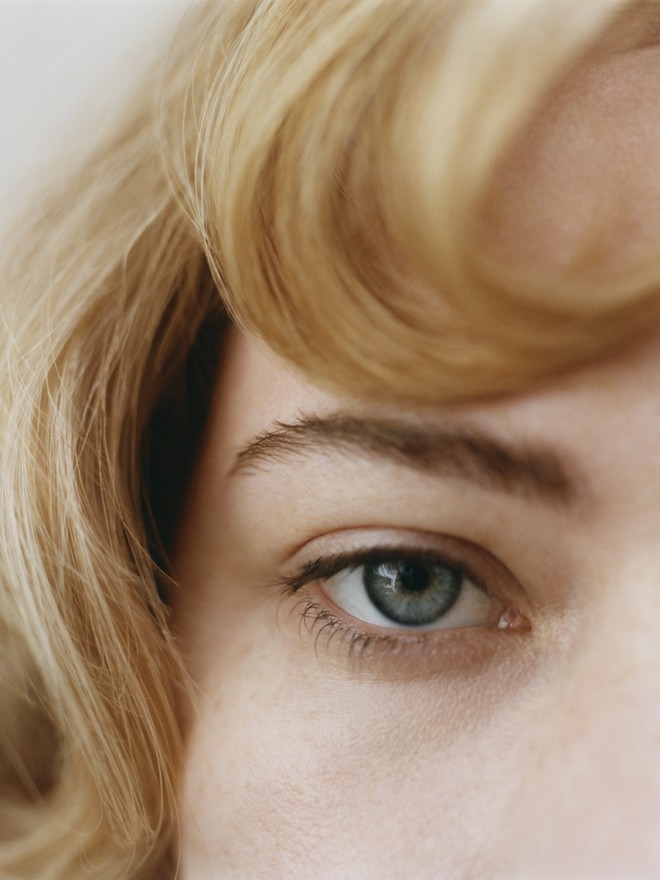
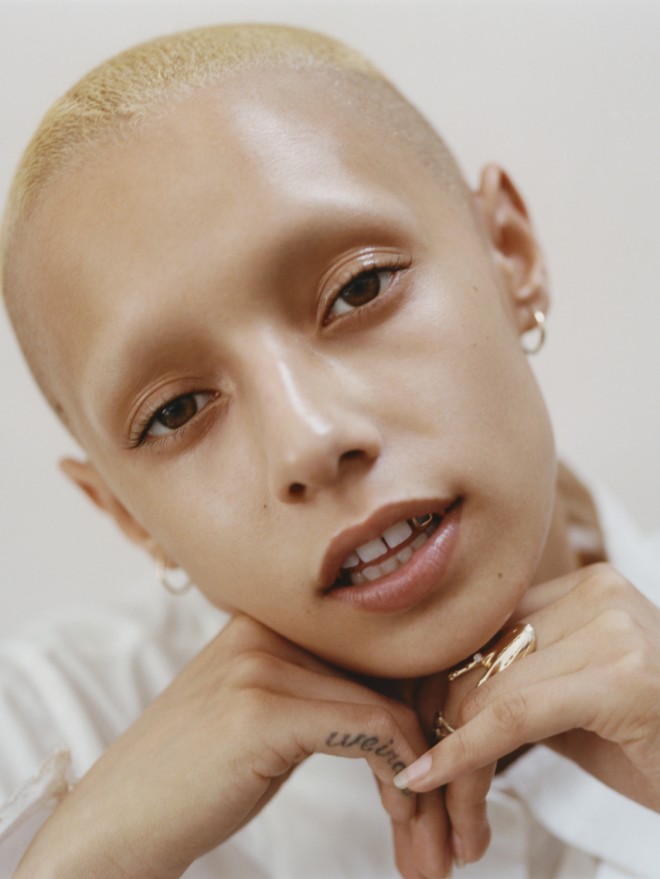
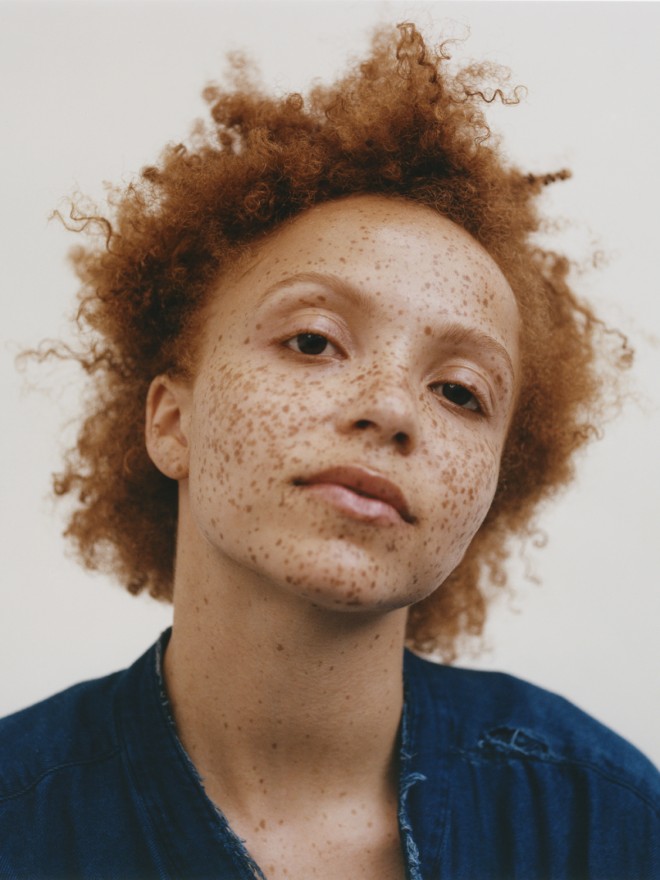
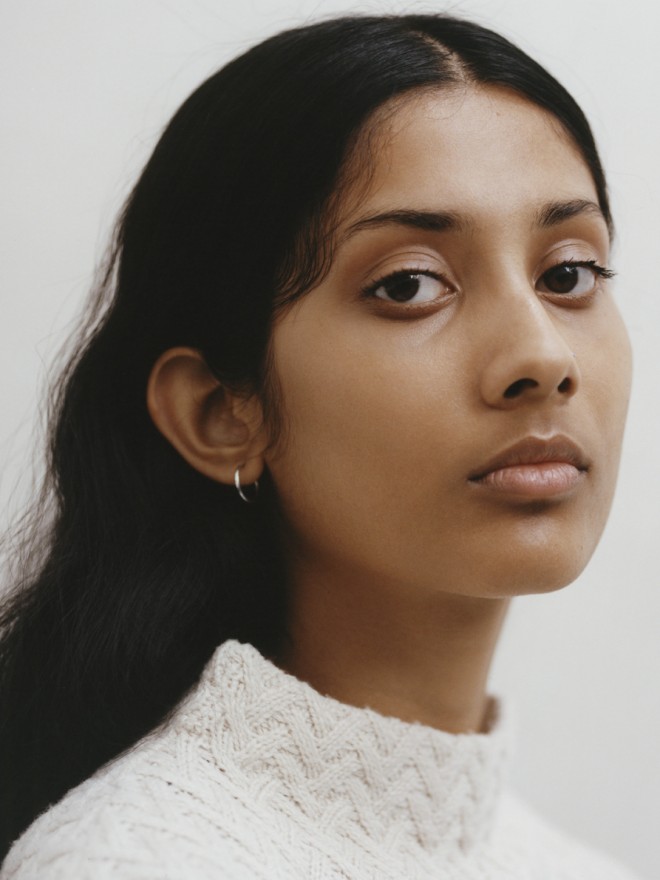
The beauty ideal has remained shamefully homogeneous in recent history, but is it fair to say there’s a new mood afoot? If current trends in fashion and beauty casting are anything to go by, there’s an unprecedented appetite for diversity in the faces that make up our visual landscape: one that better reflects the complexity and nuance of the real world, where interest and authenticity trumps perfection.
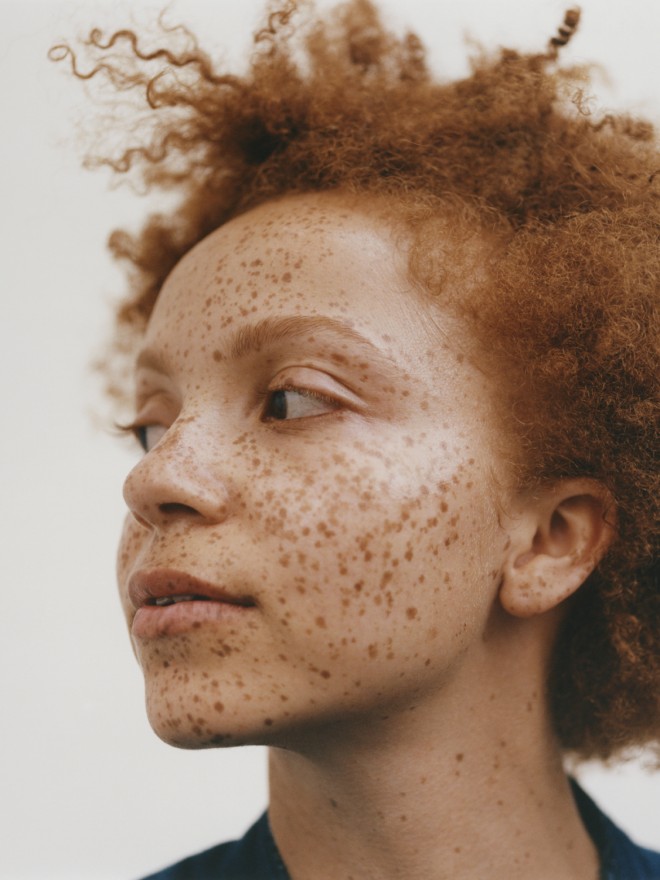
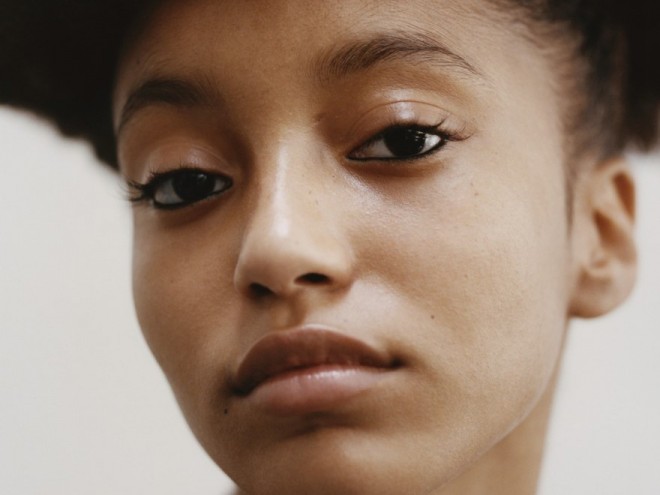
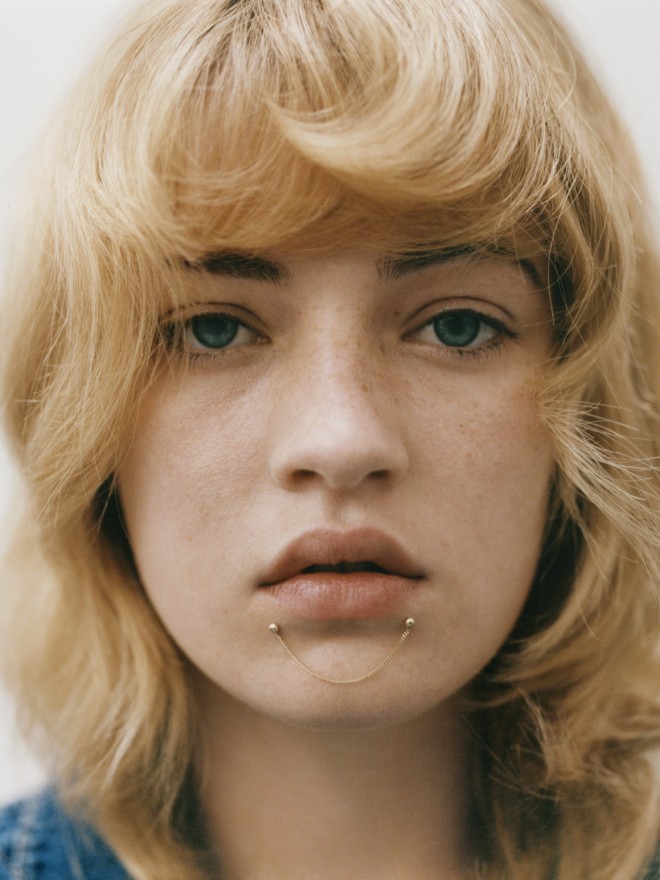
Beauty photographer Felicity Ingram captures this new mood in her work (pictured), and says a big part of the equation is in casting the right face, someone whose appeal lies more in their character than in their symmetry. She elaborates: “I got bored of clients and magazines telling me I couldn’t shoot a certain girl because they weren’t a ‘beauty’ model. Personally, I think this idea’s very dated. I’m more interested in shooting faces that I find interesting; girls with personalities that engage with the camera”.
Similarly model bookers are riding the crest of this more inclusive movement, and seeing a shift in the way clients are responding to ‘unconventional’ models. As Steve Haynes, Head of Women’s New Faces & Image Division at Nevs Models explains: “2017 has definitely been a turning point for this, it’s been a bit of a domino effect. As an agent, if you don’t offer diverse talents then there’s no way of the clients booking these models, therefore how can the industry open up and grow in this area. I think once clients are presented with more unusual or alternative talent they can be enlightened and swayed into thinking outside the box. This is happening more and more as time – even the year- progresses.”
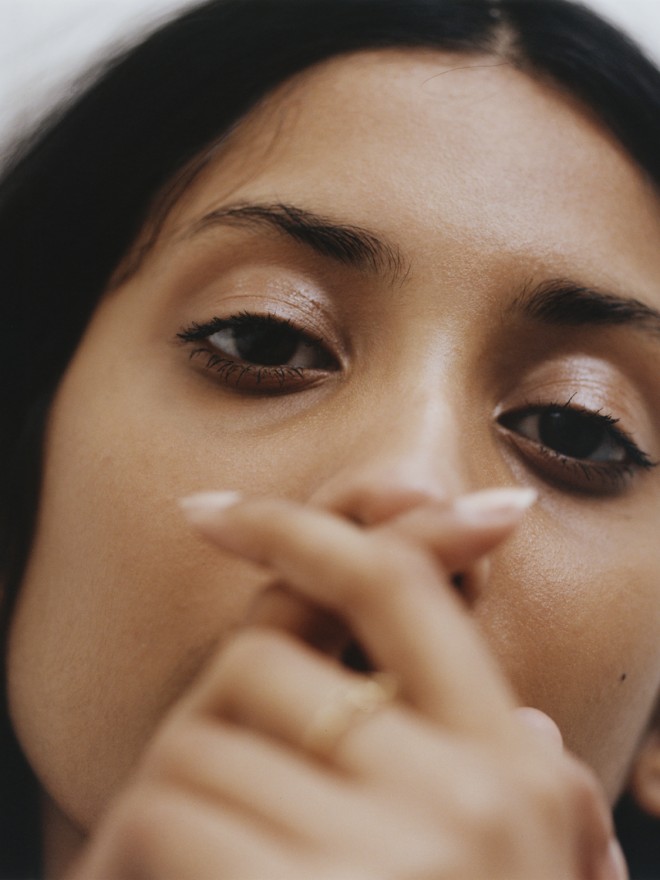
Trends in social media have given rise to street casting, which is shifting the beauty paradigm into new territories too. Model Julia from Storm (pictured) explains: “street casting and Instagram have changed the rules of the industry and the opacity of the game is diminishing. I think the more human models become, the more human we want them to be, I really hope that trajectory is stable”. Where previously it was a top-down dictatorship of the beauty ideal, now there’s a shift towards a more democratic selection process, where the people choose what they engage with and what they find beautiful; and in 2017 this certainly feels a little something like progress at the very least.
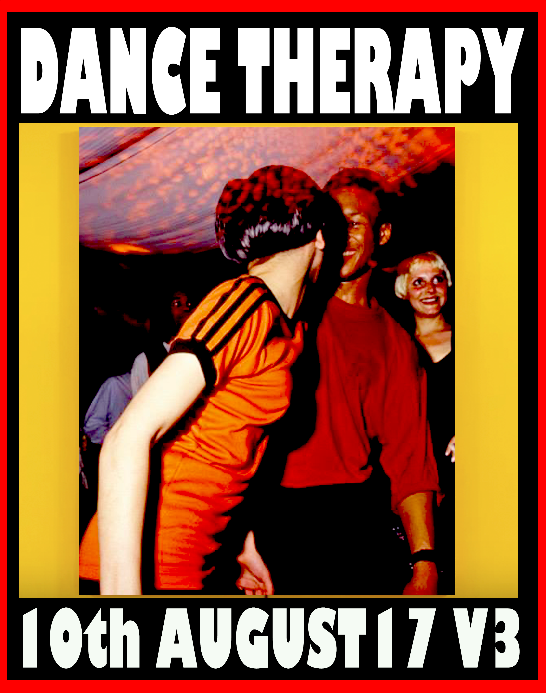
The third and final instalment of Lotte Andersen’s project, Dance Therapy, Part III at V3 Gallery is an immersive exploration of community and the relationship we have we space and our environment.
A champion of youth and club culture, Andersen first made a major impact through ‘MAXILLA’ a cult night and zine which originated as a party for friends, and became a locus of energy for young Londoners everywhere. Since then, Lotte Andersen has enjoyed a fairly explosive career. Whether it’s Art Directing for major names such Stella McCartney x Adidas, organising panels or working on her own projects –the ability to shape, mould, capture and unleash the theatre of human existence in tandem with it actually unfolding renders Lotte a force to be reckoned with.
Dance Therapy, Part III is the latest instalment of a project that first began during Cairo Clarke’s curation ‘Touch Sensitive’. Catch this latest evolution until 19th August – a textured, multi-sensory experience in London that you don’t want to miss.
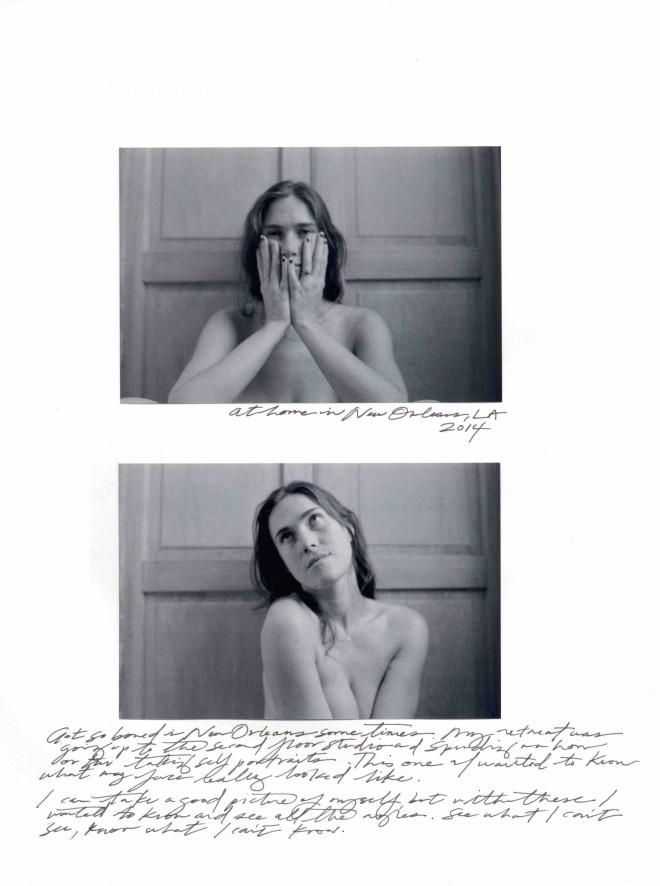
American photographer Emma Elizabeth Tillman comes to London this week with a new exhibition opening in Whitechapel. A long-time Twin favourite, Tillman’s portraits are intimate and watchful; her presence is always felt in the images but it doesn’t intrude.
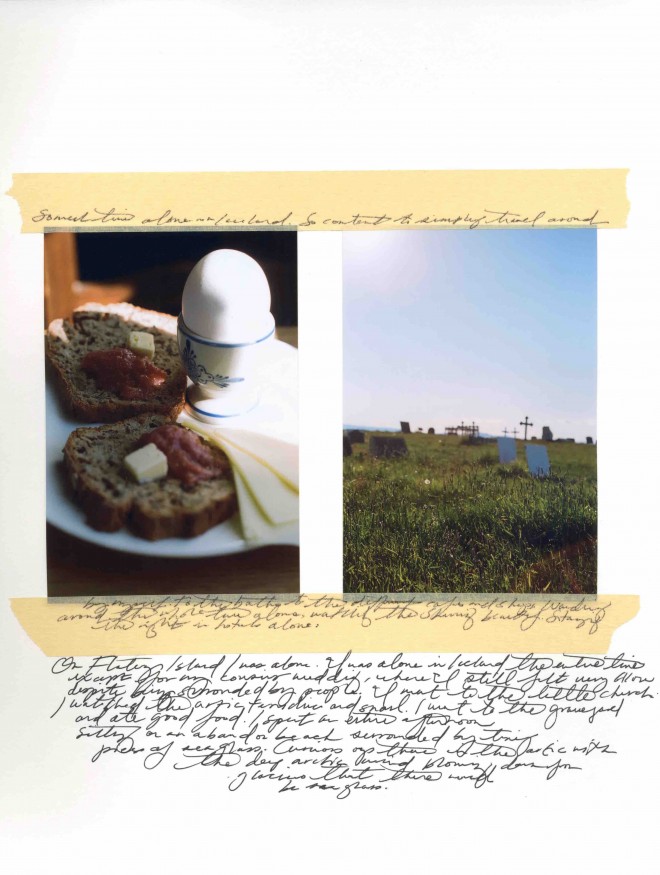
From shots of sprawling nature to candid self portraits, the new exhibition and accompanying book offer an insight into her life over the last ten years with over 90 collages, as well as 14 large scale photographs. Photographs document her journeys through France, Arizona, Iceland and California; images are accompanied by diary extracts, providing in an all a memoir of an artist’s life
Whether examining her own body, the forms of other women or the natural world around her, throughout Tillman’s work is a sense of working to stave off time, to build something concrete which cuts through the the waves: this new exhibition is a celebration of these moments of meaning, and sets an exciting precedent for Emma Tillman in the decade to come.
Born and raised in LA, photographer Sequoia Ziff has a magical way of merging fantasy and ultimate realness. Her photographs present human flaws in a complex light, holding in tension in a combination of vulnerability and spirit in striking, monochrome portraits. Ahead of her opening at Saatchi Gallery in London (where she is now based), Twin catches up with Sequoia to talk photography style and the magic of portraits.
How did you get started in photography and what’s your favourite camera to use?
I have known that I have wanted to be a photographer for as long as I can remember. It has always been my obsession. I worked on shoots through high school, decided not to go to college and have been living for it since. I am pretty low maintenance when it comes to gear, I found what works for me early on and have only made minor changes as my style has evolved. I have always worked with Canons, I started on film and now tend to work with the same camera for every shoot, a Canon 5d Mark 3.
Why black in white over colour?
Taste. A lot of the time, it’s just what I think looks better. It removes a sense of time and place and keeps the focus on connecting with the subject. I do love colour though….in moderation.
I love people. Having your photo taken is a vulnerable process, and my job is to soul gaze all day long. That kind of vulnerability can be uncomfortable for people, and I enjoy helping people feel beautiful, just through the process of shooting them.
How did your style develop?
I have always been really specific in what I like aesthetically: old architecture, old movies, vintage clothes and a sense of timelessness. Anything that combines that with some haunted magical realism is always a bonus.
What is a good photograph to you?
One that makes you feel deep empathy and one that allows you to daydream.
Tell us about the worldwide tribe project. How did it come about?
I was the featured artist at Summit at Sea this year, the idea was to humanise the refugee crisis and dismantle the fear by bringing larger than life size portraits to the centre of the ship. I had known about the amazing work that Worldwide Tribe does and contacted them about partnering and ended up working with one of their partners on the ground in Greece documenting portraits and life in the camp. Excited that the show is coming to London next month, and will be featured at the Saatchi from August 9-31st.
Has Instagram helped or hindered the medium of photography?
Both. I think that social media is an amazing tool for photographers, and it has meant that upcoming generations are more invested and interested in photography than ever before. It’s made everyone a photographer. It means that as an artist, you are able to build a network and self promote to a much larger audience, and from anywhere in the world.
As a user of social media, I’m exposed to so many awesome artists that I may not have discovered without platforms like Instagram. That being said, I think that art often doesn’t have the intended impact that it would offscreen and in person. For me, social media is more of a business tool than an artistic one and the more time that I spend off-screen, the more present, inspired, and grounded I feel.
What are your plans for the rest of 2017?
Shooting as usual. Since moving from LA to London, I have been working a lot in the music industry, so will continue to be shooting a bunch of album artwork and press shots for bands.
Worldwide Tribe exhibition is at Saatchi Gallery London, August 9th – 31st 2017
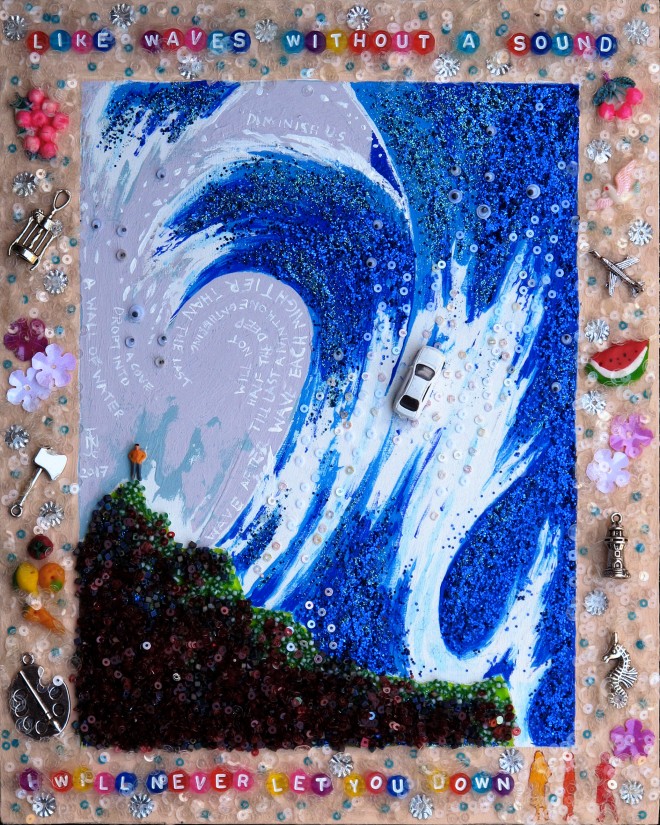
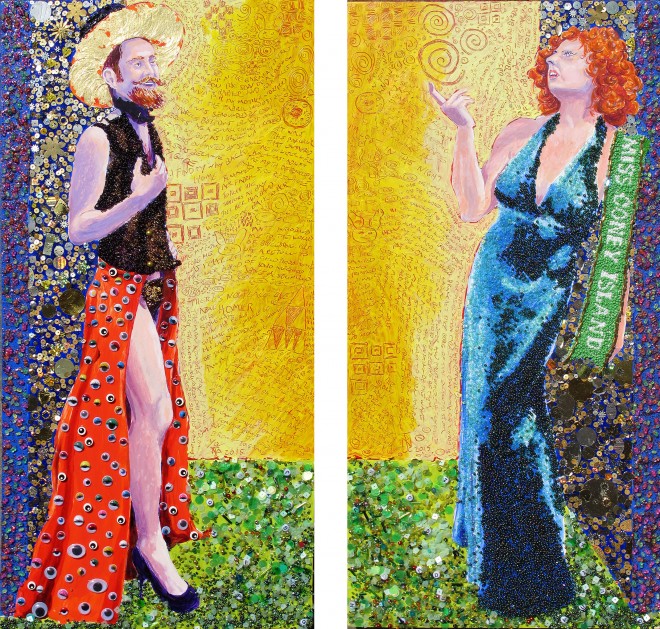
Joy, being a post-bear bearded gay man, Greece and copious sequins: Nicholas Moore is adept at bringing great overarching themes of love and identity and intricate techniques to create artistic works that are unmistakably his; dissecting a whole into independent moments of meaning, then bringing them back together into a final finished piece. Having spent much of his life in Crete, Syros and Athens, the Greek influence is consistently evident in his work, with motifs, soft light and poignant splashes of colour pervading early oil paintings which covered landscapes as well as portraits. Although now London-based, Moore worked from Athens before and during peak times of austerity, witnessing and participating in the artistic revival of the city in spite of the economic crises in the country. The last five years have seen a widening of his approach, working with assemblage and sculpture to offer textured portraits of both individuals and pockets of feeling. As he starts planning solo shows this autumn, Twin caught up with him to discuss ByzantoJapanese Pop, celebrating gay and trans culture and perceptions of masculinity in 2017.
Your work focusses on mythology and also on portraits of people, I’m interested in how you perceive the relationship between the two – do you find that the two feed and influence each other?
Mythology has been an obsession with me since childhood and it is the core to a lot of what I do. There are times where I make obvious allusions to various stories and myths and others where it informs the work subconsciously as it has been part of my life for so long.I also have a huge comic book collection dating back to the 30s. These are modern Myths, their continuing success shows us how important such stories are to us.
The figure is an important part of my work however I am hesitant to use the word portraiture as it conjures up a certain type of work that I don’t aspire too. My work is most definitely representative and I’m commissioned to make portraits, however my work is as much interested in portraying, ideas, stories and myths, as much as character and appearance. When I make a portrait of someone, I surround them with objects relating to them and their life. There will be texts, either quotes from favourite songs etc or a stream of conscious memories and associations I have about them. Sometimes in the bigger works I will also have texts directly relating to mythology.
In this context I’m especially interested in how you depict the male body using mythological motifs. Do you feel that perceptions of masculinity have changed in recent times?
These things shift back and forth: just as you think things are all cool and dandy, someone calls you a poof on the streets – I didn’t expect that in 2017 ! Fluid sexuality, gay marriage, tolerance – all these other good things threaten those poor beleaguered straight men, so they fight back. Maybe in Europe and parts of America these perceptions have become more fragmented, and yet each of those fragments have a longer staying power than they once had. There are lots of different tribes in the gay community, I tend to get shunted into the ‘Bear’ community just by virtue of my beard. I am neither particularly fat nor hairy. It’s ridiculous, I’m Post-Bear! I would say the young (and the young at heart) care less about such things.
For your portraits, you often often focus on couples and dualities within one person. What is it about relationships that interests you as a subject?
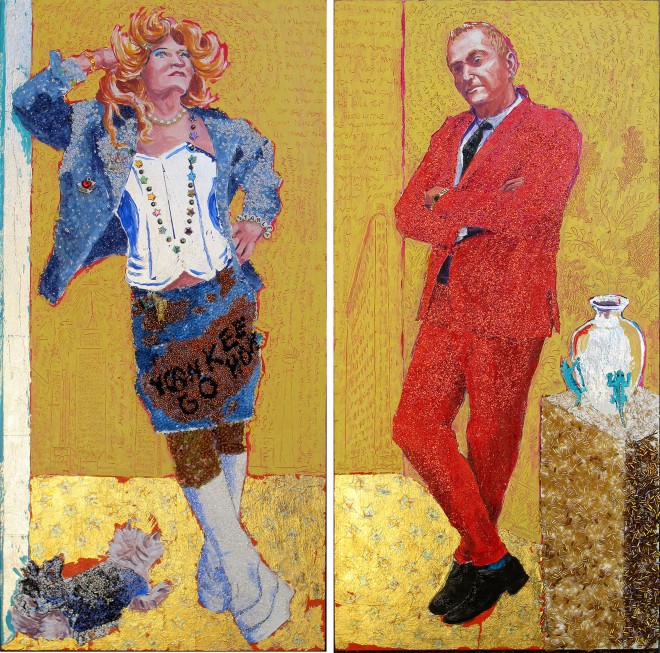
I think it is more about the contrast between the two that interests me. I don’t paint these couples on the same panel, each individual has his own space, they then play against the other. The Stanley portrait being a good example of that.On one panel is his more serious business side versus his more playful ‘Hedwig’ role. I hosted a talk in a community collage in NYC about this painting. It was amusing to hear the students coming up with all these stories about who they thought he was. A few students got very involved in imagining his troubled life in the corporate world, and how he would find a release cross dressing at night – I hated to break it to them that, he was in fact a very happy guy, a Mexican silver dealer who just had a large sense of fun and a tad provocative. Who’s to say which version is the truth.
In recent years your focus has moved towards assemblage. What was it about the medium that interested you?
I had made small works using that medium in the 80s, but it wasn’t until my show in Athens in 2008 that I really started showing any. I had seen in the Topkapi museum an Ottoman miniature that was stuck on a page with seemingly random images surrounding it. I liked that, to my uneducated eyes, I could see no connection between the images. At the same time I had my first computer and the overlaying windows of different programs always fascinated me – how more and more disparate images were somehow ok within that context: the screen fixing the random images into one whole.
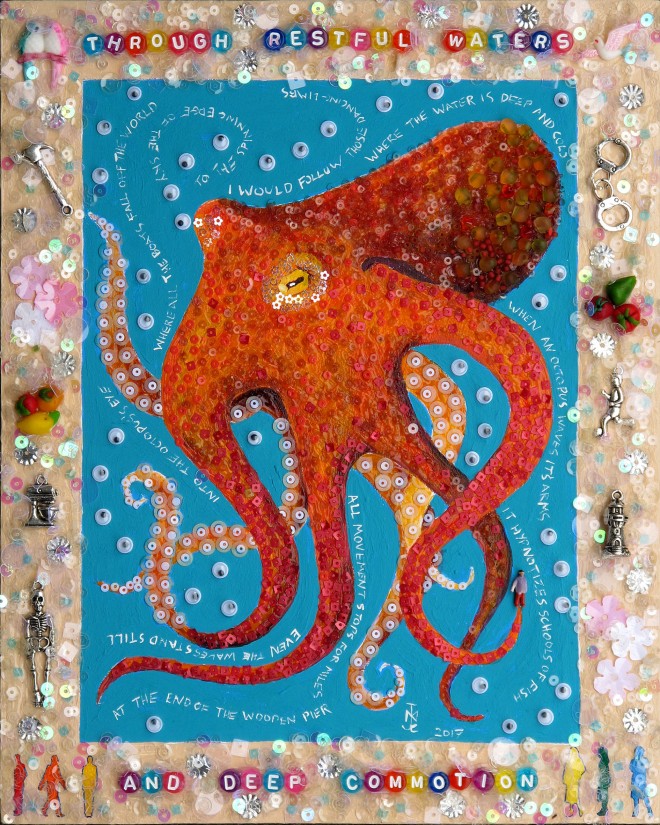
Last year I started to make images that were surrounded by borders that have charms, flowers, alphabet beads, etc. in them. This allows me to join disparate images together as if they were part of one of those cross-stitched samplers children used to make.I can then make larger images, sort of portraits of a person, from lots of seemingly disparate parts. In my series “The Last Lighthouse Keeper” the figure is broken into symbols: a leg is an octopus, an arm is a ray gun, and so on. Our world is not some marvellous minimalist construct but a riot of clashing images sounds and smells.
What are your favourite materials to work with? Do items assume significance once placed within the content of the portrait, or is it because they have significance that you choose them?
I still love working with paint but enjoy combining the different textures of paint, beads, sequins etc., layering different types of colour on top of each other. When I do someone’s portrait I ask them some set questions to get some ideas as to objects I could add, texts I could use, colour. This then governs what materials and objects I choose. In general I am fascinated with the power of objects and the personal history we attach to them. Also the cultural importance objects gain over time.
A previous interview classified your work as ‘Pop art’ – is that a label you feel represents what you do?
More generally speaking, who and what are you influenced by?
Music, Mythology, Matisse, Sex, Humour, Colour and most of all Joy.
You spent a lot of time in Greece over the years, and that’s very present in your work. How would you describe the art scene in Athens at the moment?
Blossoming in adversity: I love Athens. Like everywhere else it’s hard for artists to survive financially. However it’s cheaper than a lot of places to live and work in, assuming of course you are not trying to live off a Greek income. There is the gallery scene which, though abundant, is again like elsewhere – struggling with sales. There is a huge street art scene and a strong sense of political struggle in a lot of the work.
What’s in store for the rest of 2017?
I was just in an exhibition at the Stash GalleryVout-O-Renee’s to raise funds for survivors of Grenfell fire, which has a strong resonance for me as I lost my Mother in a hotel fire. In September I’ll be showing at the Mykonos Biennale and later in September I’m part of a group show in Amherst Massachusetts America. Then I’ll be focussing on upcoming solo shows in Athens and New York.
Nicholas Moore will be on show at the Mykonos Biennale, from 1st September and at Hampden Gallery, Massachusetts from September 10th.
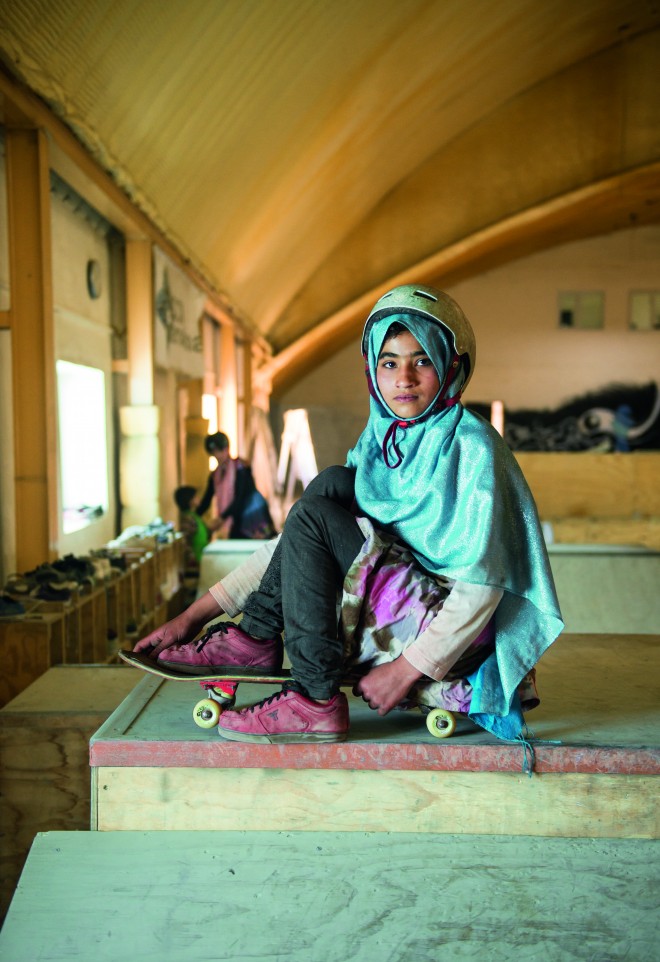
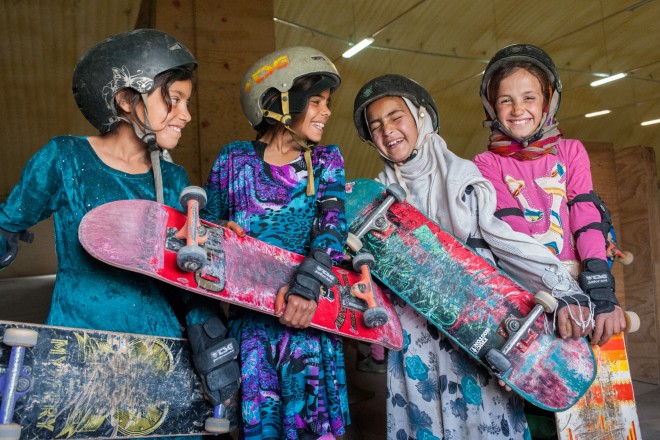
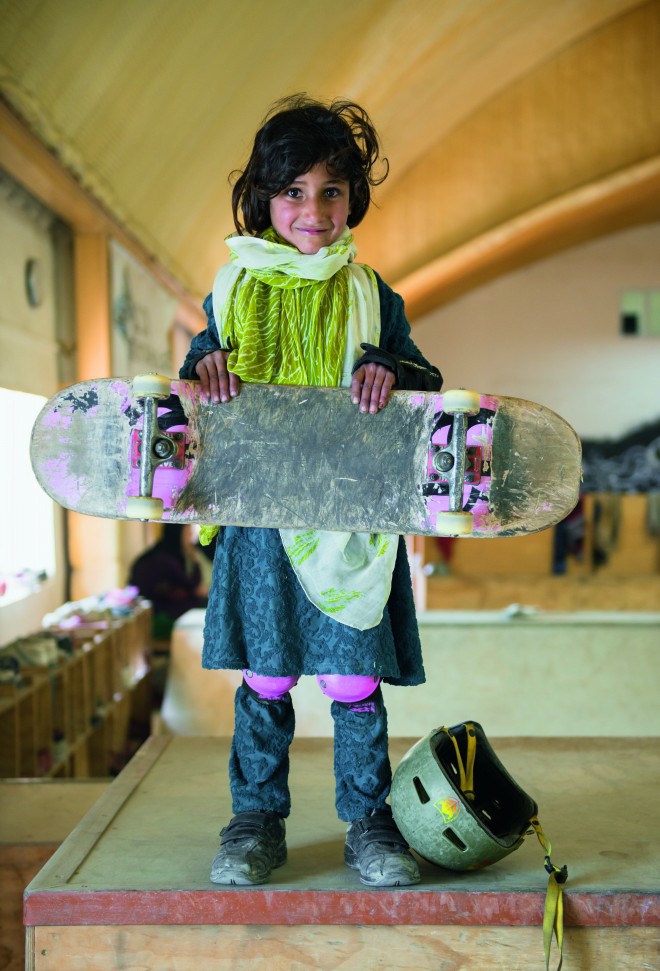
Girls who skate are achingly cool, as Twin knows – we profiled all-girl skate culture for issue XV. There’s something about the carefree, rebellious attitude that’s served with clothes to match that has always rendered ladies on the board an olly or two above the rest. But they’re even cooler when the skaters are girls from Kabul, and their portraits are currently on display in a new exhibition in Qatar – a famously conservative country.
Shot by photographer Jessica Fulford-Dobson, the series celebrates the energy and fearless spirit of a group of Afghan skater girls. Full of vivacious energy and bold attitude, the work won 2nd prize in the highly coveted Taylor Wessing Portrait Prize in 2014, and was named IPA’s Best of Show Exhibition 2015.
The series came about through Skateistan, an Afghan charity that provides skate parks as a hook to get children from disadvantaged families back into the educational system. A few years later, Skate Girls of Kabul remains as compelling a series as ever– we only wish we could kick flip it with the best of them.
Skate Girls of Kabul at QM Gallery Katara in Doha from 20 July to 21 October 2017
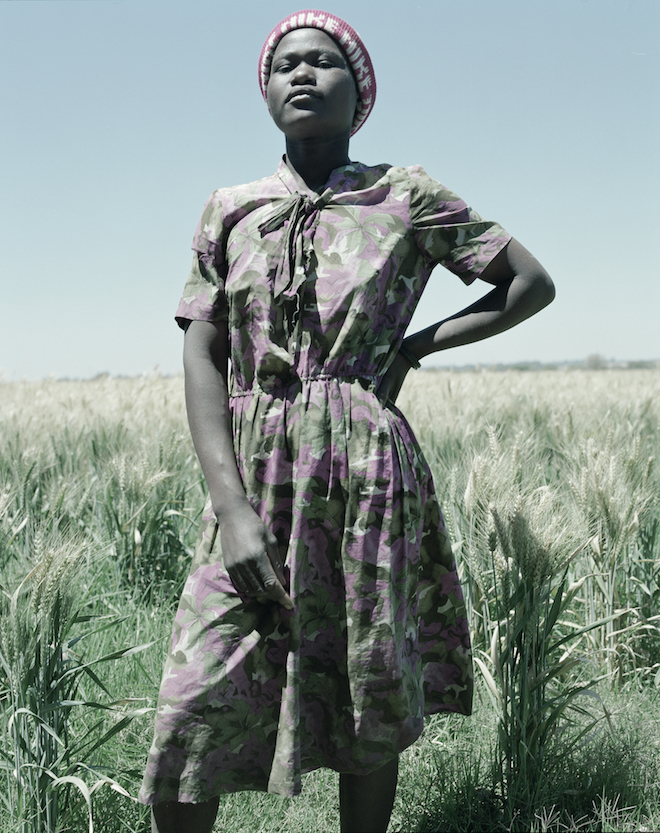
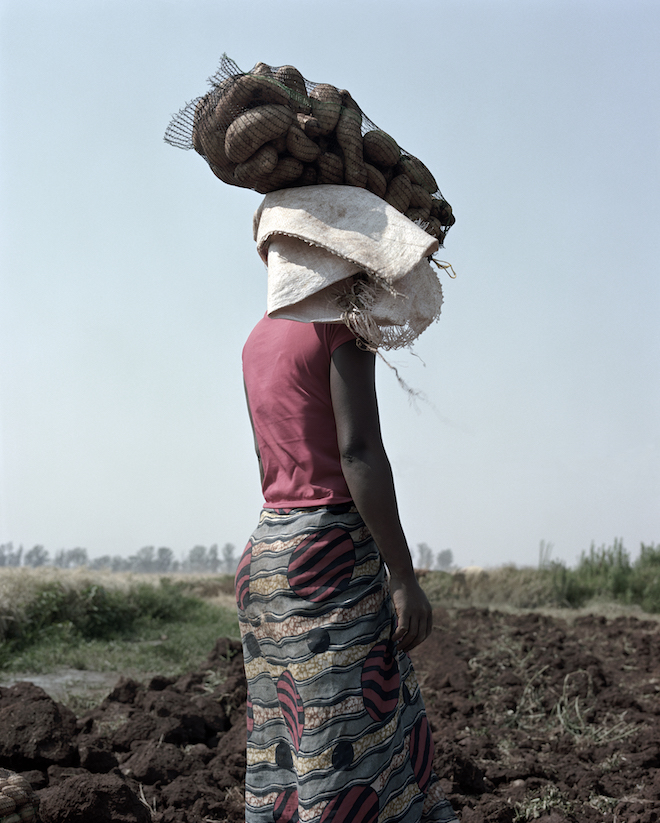
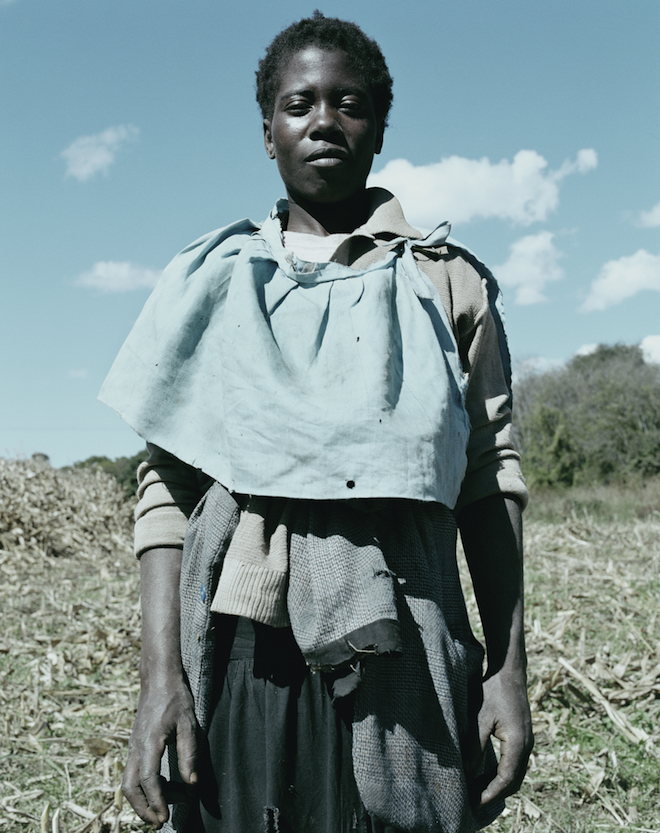
Portraiture has the power to envelop a subject, and the ability to absorb the viewer through one mesmerising shot. The quiet poignancy of the work of Jackie Nickerson aligns these two traits, her photography exploring the spatial relationships of faces to places and expressing the interaction of identity with function and form. Speaking to Twin, Jackie discusses ownership, collaboration and female representation.
What does identity mean to you and how do you try to explore this in your imagery?
Identity is quite a dangerous word. It’s used to create an otherness but I don’t look for otherness – I just look at the person. I want to see the ‘personness’, not the box they fit into. In fact, I want to break them out of the box they’ve been put into. So you are not merely looking at the likeness of someone. I guess for me it’s about having a uniqueness, a selfhood, and a self-possession that transcends the intervention of the artist. In effect, it’s about making the artist invisible and having the sitter take ownership of their own image.
You discuss your work as portraiture: what do you believe a portrait should present to the viewer?
A great portrait should stop you in your tracks and have you spellbound – like a deer in headlights. It should ask all kinds of questions.
Do you have the same desires for the outcome of your personal and commissioned fashion-orientated work?
Fine art and fashion are two totally different applications of photography, so although you’re using the same medium you need to use an entirely different approach. In fashion you have an end use, a specific use and you’re collaborating with a team of people to create this. In fine art you’re working on your own and trying to ask questions.
In your conversation with Brendan Rooney for the UNIFORM exhibition catalogue, you discussed the issues of photographers in art today: they seek inspiration from the real world yet don’t feel comfortable using the real world itself. What role do you think reality has to play in commissioned fashion editorial?
I think we all look for inspiration from things outside our immediate practice so for example a designer might look at architecture or industrial design, painting, sculpture and other art forms. But often they’re not looking for a literal translation of one thing to another, but a kind of wider context of an aesthetic or opinion. So in collaborations we can build up an impression or atmosphere that will help the designer to portray his or her vision. So for me, each collaboration is a separate conversation and working out how we can make images that respect that, and although you need to use an entirely different approach, (we’re talking about two totally different applications of photography) it would be difficult to separate the artist because I think about imagery all the time. I’m obsessed. Its just part of my everyday life.
What are your views on the representation of females in fashion photography today?
I recently bought a couple of vintage Vogues from the 1950s and apart from the clothes, and apart from a stylistic difference, I don’t think the imagery has, in essence, moved on because
you know we are looking at a commercial application and there’s obviously a formula that works. Saying that, in those old Vogues, there was only one way for a woman to be. Now there’s much wider representation of different types of women and lifestyles. I think the attitude and personality of the model is becoming more important and we are seeing a broader definition of beauty.
Do you hold a particular affinity to the women you photograph?
It depends on who I’m photographing and what I’m photographing them for.
Can the female gaze be reciprocal? Is that the most important link between the female photographer to her subject?
I don’t think of myself as a female photographer. I’m just me.
Communication is the key. When I photograph women I want to show the strength in them. I’m not interested in models flirting with the camera. I really hate that shit.
What photographers do you admire, and what traits do you admire about them?
Well there are loads of them but a couple would be Dorothea Lange, Lee Miller, Joseph Koudelka, Cindy Sherman, I love these photographers primarily because they are great photographers but I love them because they all had something to overcome – Lee Miller, Dorothea Lange, Cindy Sherman – women in a man’s world, Koudelka – Czechoslovakia in ’68.
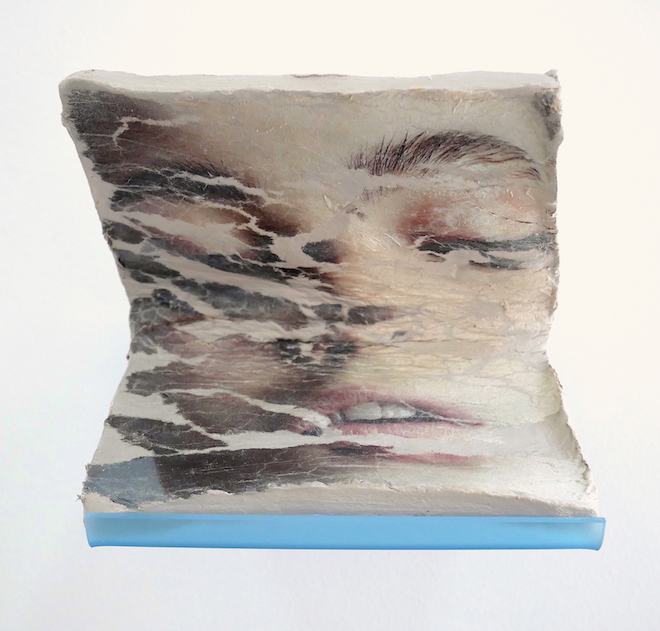
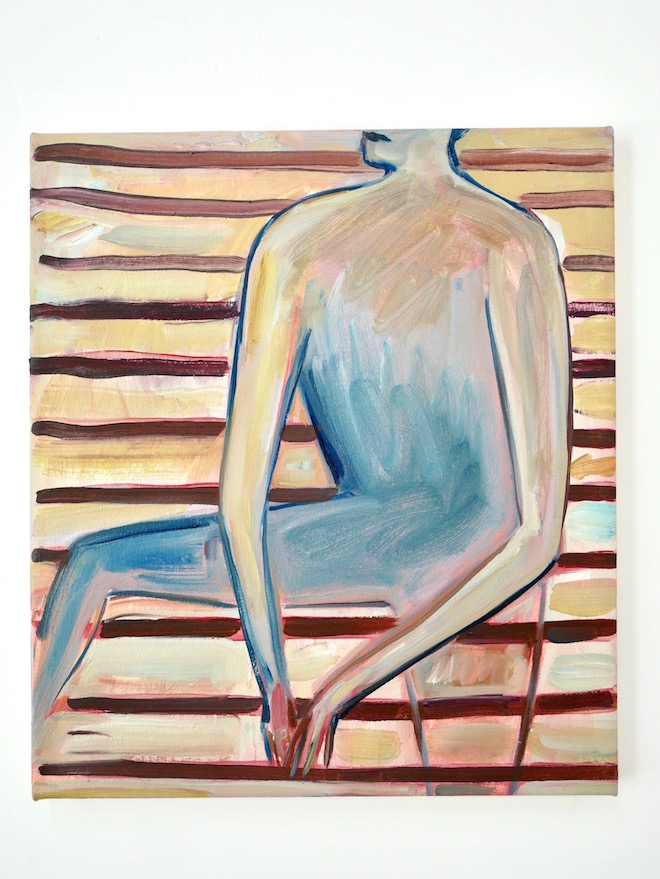
Dealing in themes of feminine representation in the media and the body at large, ‘Facial Recognition’ takes the work of two celebrated British-born artists and turns it into a striking visual dialogue. Images from glossy media form the basis of Melissa Jordan and Eve Ackroyd’s work; subjects are warped and reimagined, transported into otherworldly places, where the traditional figurative is given a new freedom of form.
‘Slats’, Eve Ackroyd
Jordan’s work features process-led clay sculptures, Ackroyd is solely a painter; and while in execution their work is very different, the thematic undercurrents and inherent symbolism of their subjects live intuitively in quite a similar space. The artists explain: ‘Trapped in a state of conflict between the visual narratives of their new world and the expressive postures of their past, these paintings and sculptures exist in a remote place, caught in expressions of restlessness and desire’.
The show runs from July 14-22, by appointment at Convoy Projects.
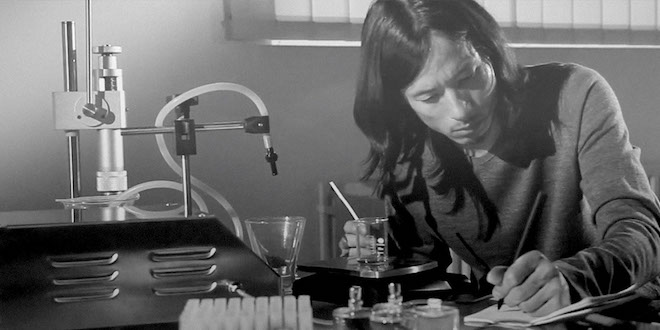
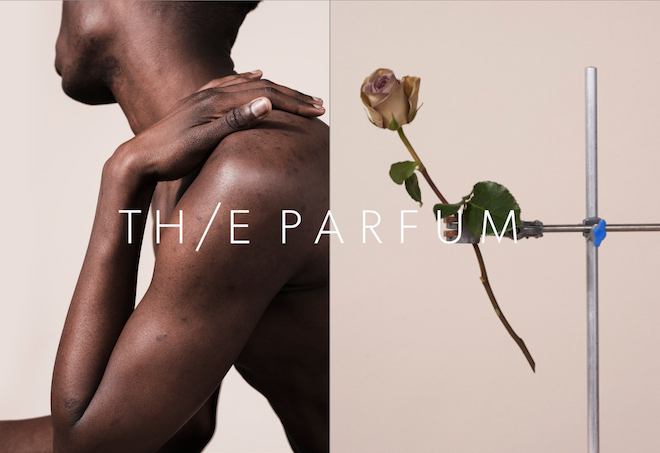
Described as an ‘olfactory storyteller’, Timothy Han is flipping the fragrance landscape on its head with his innovative approach to scent through his brand TH/E Parfum. By taking inspiration from a multitude of sources, such as literature, he is adept at never limiting himself to widely perceived ‘norms’ of practice. Most recently, Han has been combining fragrance with music and VR, to create an entirely new sensory experience. This week, he will appear in residency at Somerset House, as part of their Perfume Lab series. We caught up with the man himself to discover the process behind the genius…
You create perfumes that have a life of their own – what was your journey into this world? My journey into the world of fragrance was rather accidental. I wouldn’t say there was any specific moment that led to where I am today – rather a haphazard series of events that led from one thing to another. It was everything from my time working with a fledgling John Galliano and his love of scented candles to launching my own candle brand; a chance and somewhat amusing encounter with Francis Kurkdijan who planted the idea in my head and a drink with my friend Paul Tvaroh who started making drinkable perfumes many, many years ago. I was also very lucky to have the support of Caroline Burstein who was the creative director of Browns at the time, and she promised that if I made perfume that Browns would help launch the brand. Who could say no to that?
Why was creating scent built through journey important to you? One of the things I learned at Galliano was the importance of storytelling. At a time when most designers were just sending models down catwalks he was creating theatre. The models were acting out characters from a story he imagined. They entered by driving vintage cars, John’s interpretation of the catwalk was filled with props like writing desks, wardrobes and beds…he even had ancillary actors on the stage who were dressed in costume and helped to round out the story that he was trying to tell. It was his attention to and ability to create a journey for both the audience and the models which I could see created a much richer and engaging experience than what anybody else was doing that inspired me.
How do you see the relationship between literature and perfume, and who inspires the scents? I never liked it when a perfumer created a perfume based on something so personal to themselves that the person wearing the perfume had no connection to. I like the idea that with literary inspirations you may have read the book and you certainly can read the book on which the perfume is based so that immediately you have a basis for connection. That way you can agree or disagree with my interpretation and we can at least begin to build a dialogue.
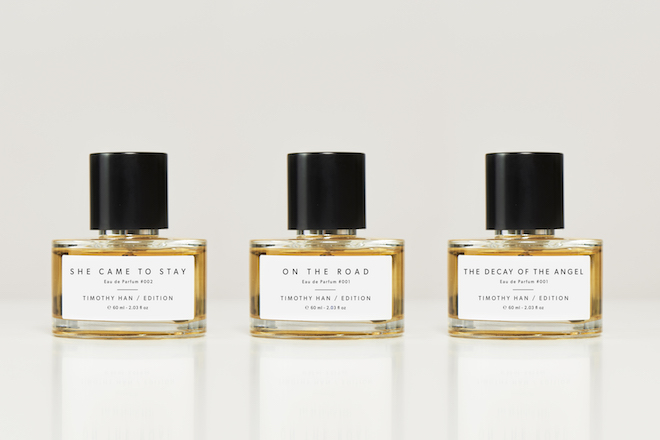
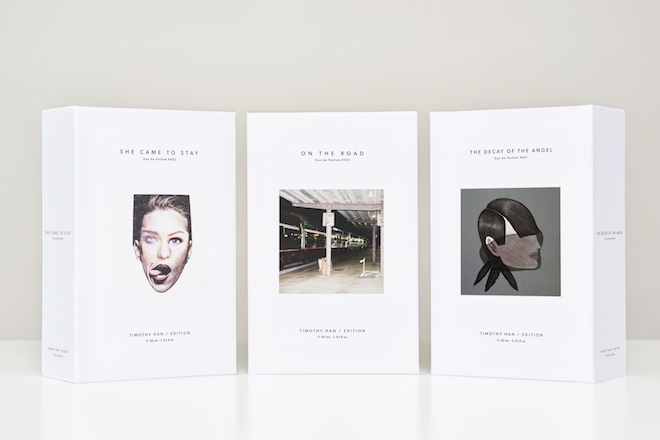
What’s your favourite creation so far? That’s like asking a parent which their favourite child is…but if I had to answer I would say my first fragrance ‘She Came to Stay’ for no other reason than that is what set me on this wonderful ride.
And were there particular creations that surprised you? Certainly…but I haven’t released them. And for those who do get to experience them it will only be fleeting, during secret underground performances (at least until our album is released next year) of our collective Miro Shot that fuses music, fragrance and virtual reality to create a new kind of immersive reality concert experience.
What are your earliest memories of scent? At the risk of sounding corny…walking through a pine forest in winter.
How do you think people’s relationship with scent changes as they mature? I’m not sure that that is so easy to answer – as I think it comes down to the person. While generally speaking (and baring any disabilities) we all have have a sense of smell like we all have eyes to see. But how many people look up in this world or are even remotely aware of half of what their eyes take in at any one time. It’s the same with our sense of smell – for our relationship with smell to change we need to focus on it and be aware of all that it is taking in.
How has the landscape changed? What is it that makes a scent ‘modern’? People are definitely becoming more aware of fragrance and in particular niche brands. More people are seeking out unique fragrances which reflect their personality and allow them to stand apart from all the masses wearing big brand perfumes. As for what makes a scent modern – it’s the way in which the fragrances are combined and the use of ingredients. For example: you are seeing a lot more fragrances which evoke tar and charcoal now than previously.
What are you looking forward to with your residency at Somerset House? I’m looking forward to two things. Firstly the lab we are using is being kindly provided by Givaudan and they have a number of proprietary fragrance notes which they will be providing us and which I have never had a chance to smell before. Secondly I will be working alongside my friend Roman Rappak where we will be tying fragrance notes to musical notes. Up until now we have only done this in the privacy of our own workspace so it will be fun to hear people’s feedback as we present variations of different musical notes against a specific fragrance note.
‘Perfume Lab Residencies: Timothy Han’ takes place on Sunday 23 July, 2017. See https://www.somersethouse.org.uk for booking information.
Becky Smith is the Creative Director for Timothy Han; photography throughout by George Harvey; produced by Twin Studio.
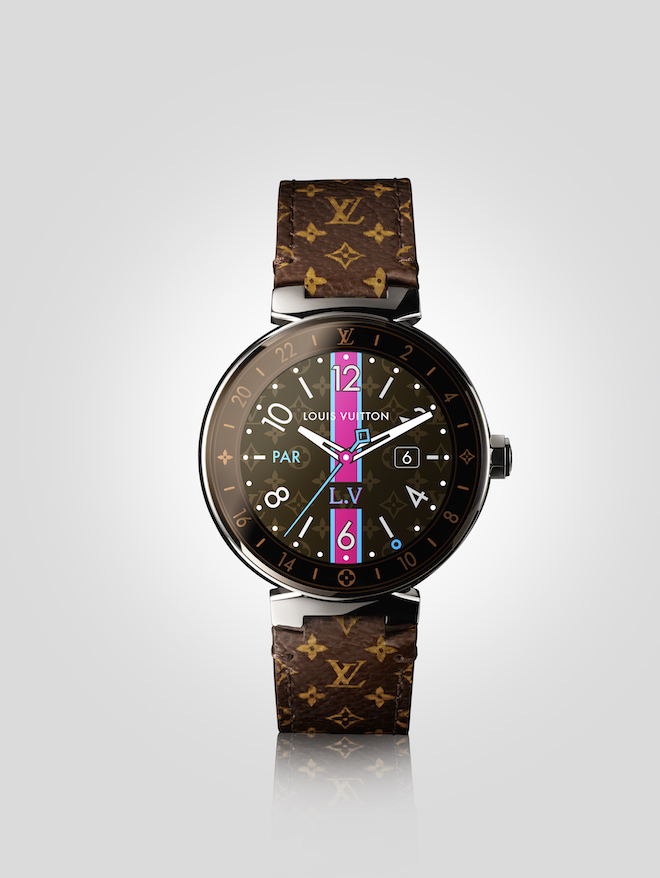
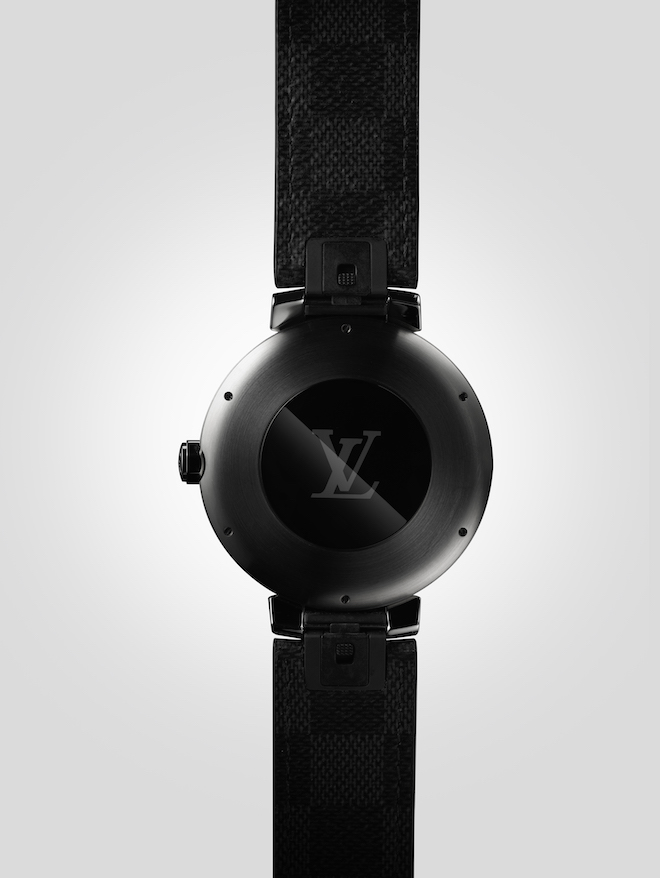
This week Louis Vuitton introduce a new facet in their already multi-platform luxury offering: the gift of time. Or more precisely, punctuality, thanks to the revolutionary Tambour Horizon.
The art of travel has long been at the core of any endeavour that this French Maison has pursued, and for this wristwatch, which is as beautiful as it is innovative, a global range of expertise has been called upon. Conceived in Paris, created in Switzerland, further developed in California’s Silicon Valley and for the first time, fit for use in China, the Tambour Horizon is much more than a smart piece of technology, it is a lifestyle.
Ever since the first Tambour timepiece was launched in 2002, Louis Vuitton have been connecting the ever-changing dots between design and functionality. And now, the brand is also connecting journeys, and as a consequence, continents.
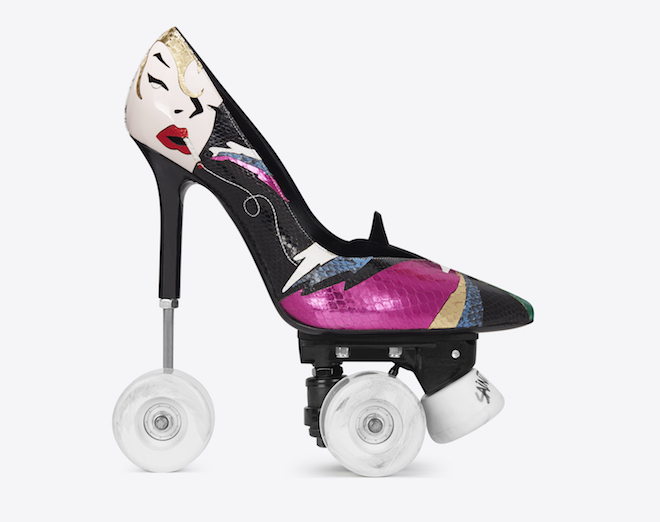
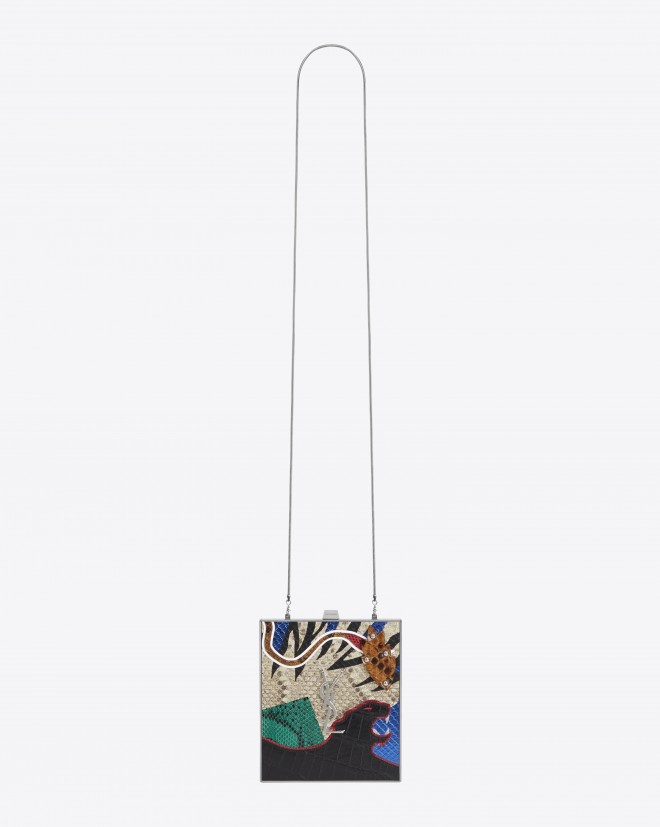
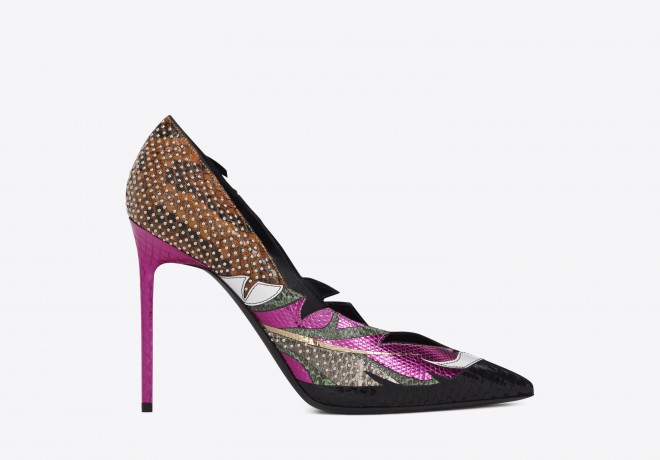
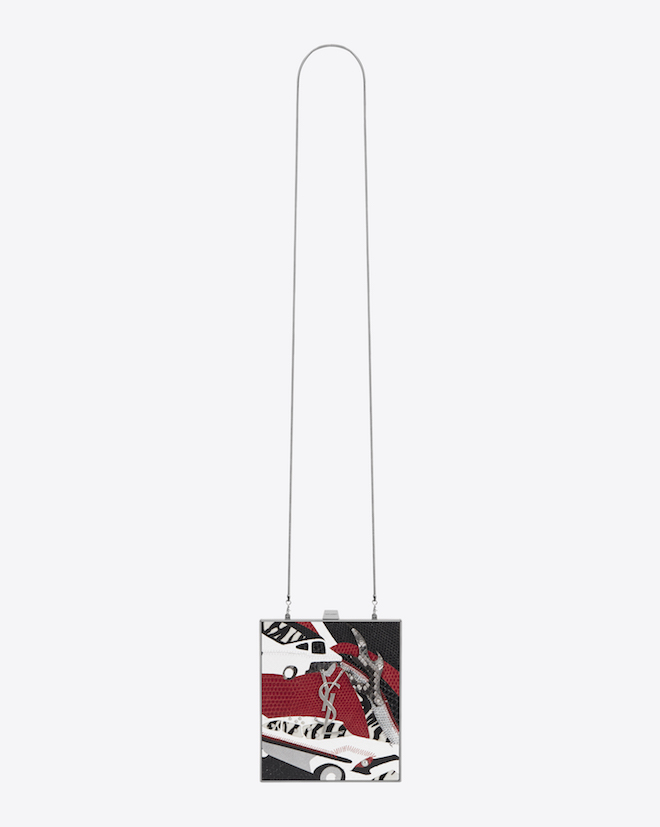
Add a punchy disco twist to everyday style with YSL patchwork pieces from their Fall collection. Full of neon flourishes and pop art references, these perfect patchwork pieces are your summer fling.
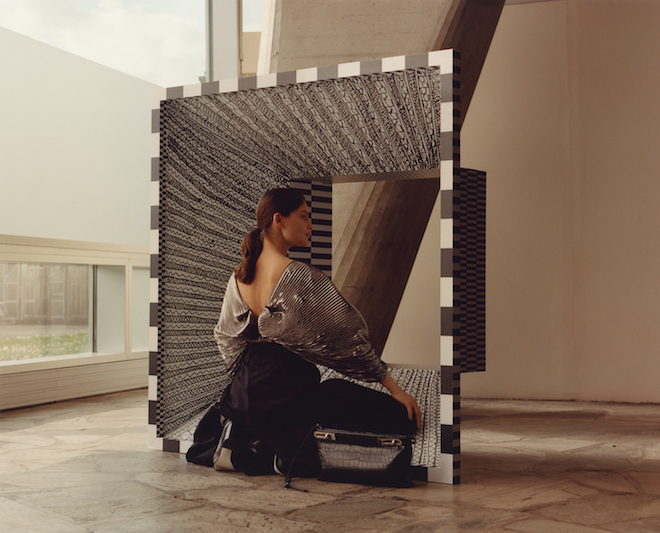
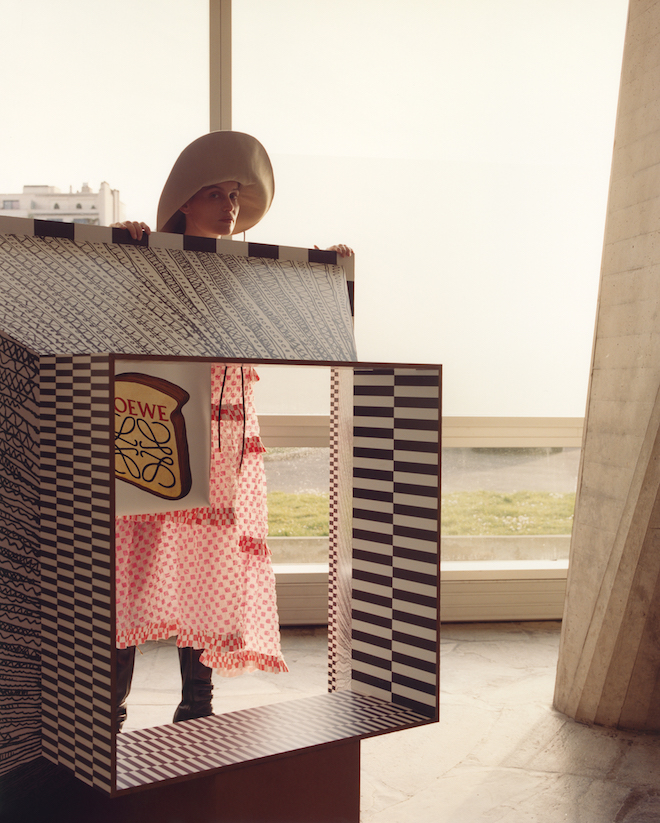
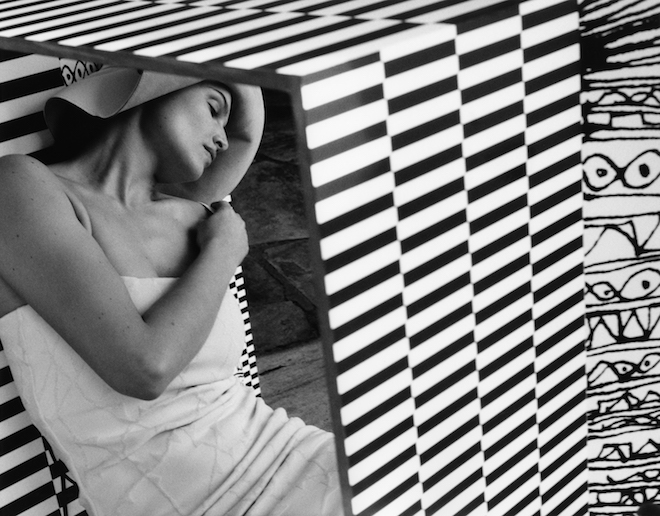
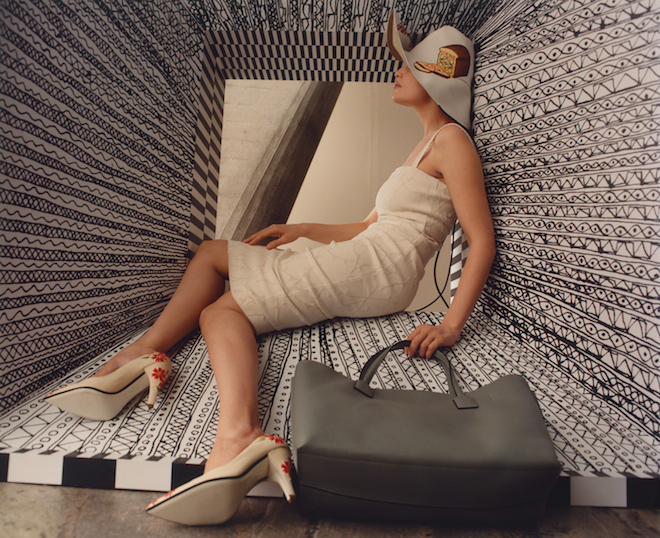
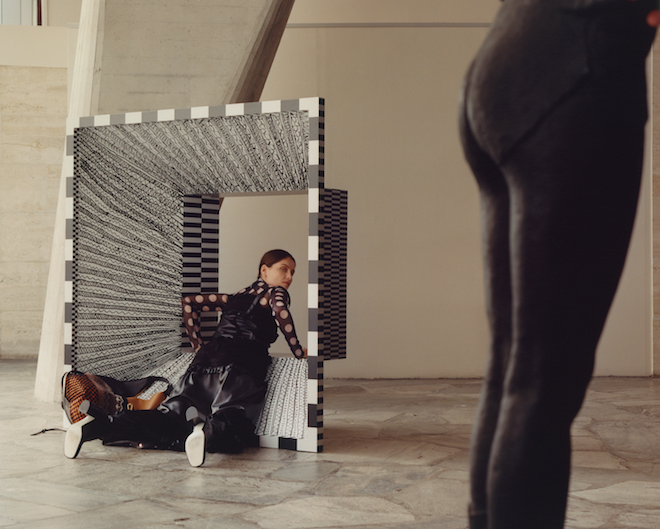
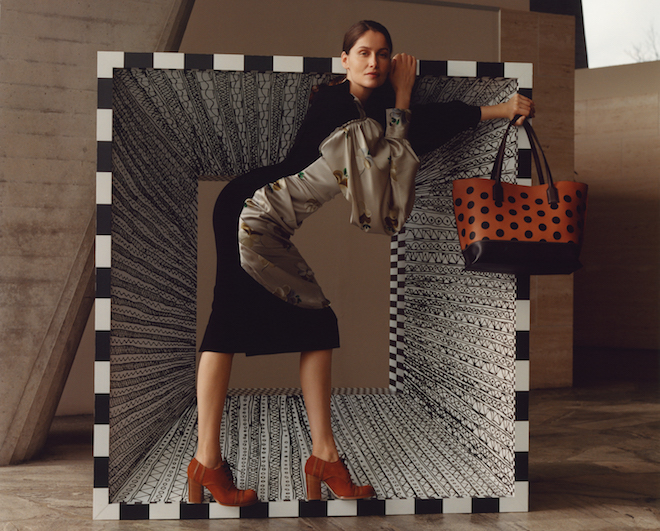
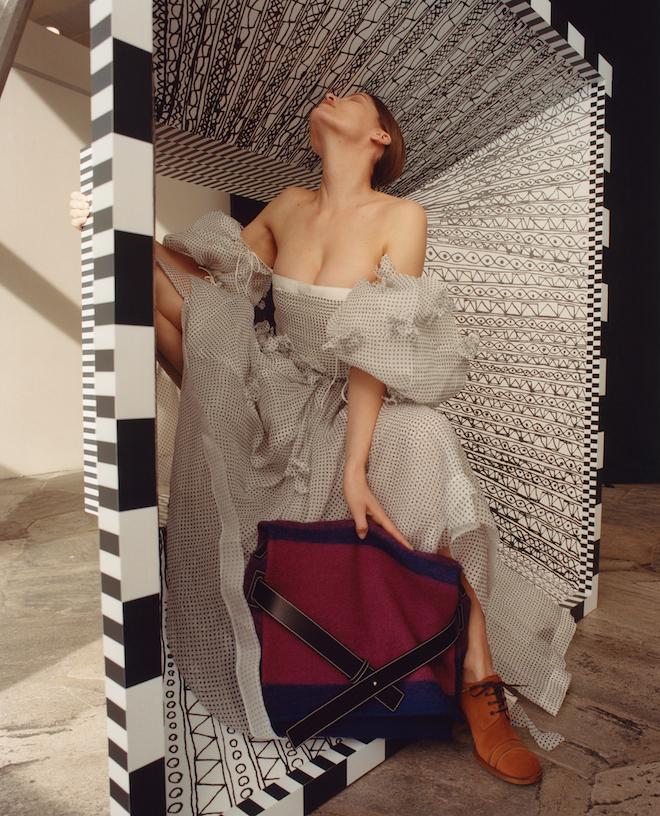
We’ve got that Friday feeling courtesy of LOEWE‘s hardcover Fall Winter 2017 – 2018 publication. Shot by Jamie Hawkesworth in a set designed by M/M (Paris), the publication features French model and actress Laetitia Casta. Playing with contrasting forms, the images juxtapose sharp angular structures with the female form.
LOEWE publication Fall Winter 2017-2018. Photography by Jamie Hawkesworth
LOEWE publication Fall Winter 2017-2018. Photography by Jamie Hawkesworth
LOEWE publication Fall Winter 2017-2018. Photography by Jamie Hawkesworth
LOEWE publication Fall Winter 2017-2018. Photography by Jamie Hawkesworth
LOEWE publication Fall Winter 2017-2018. Photography by Jamie Hawkesworth
The run of 1,200 hand-numbered copies will be available at select LOEWE stores.
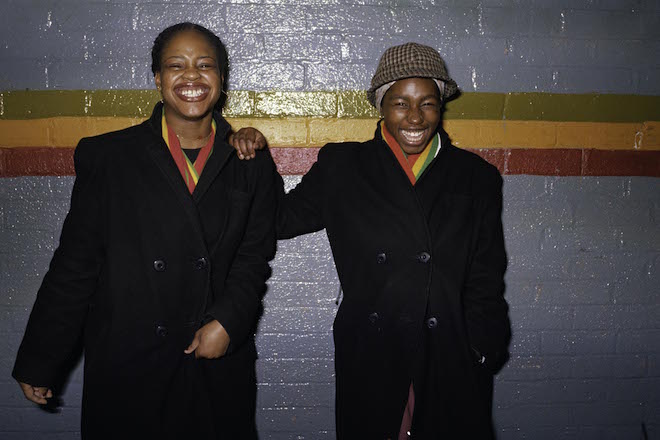
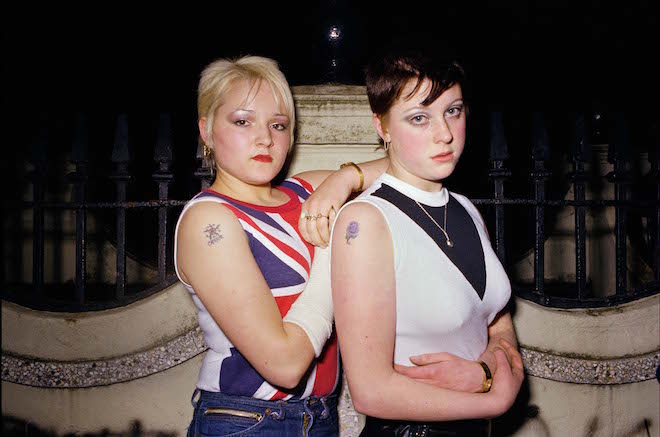
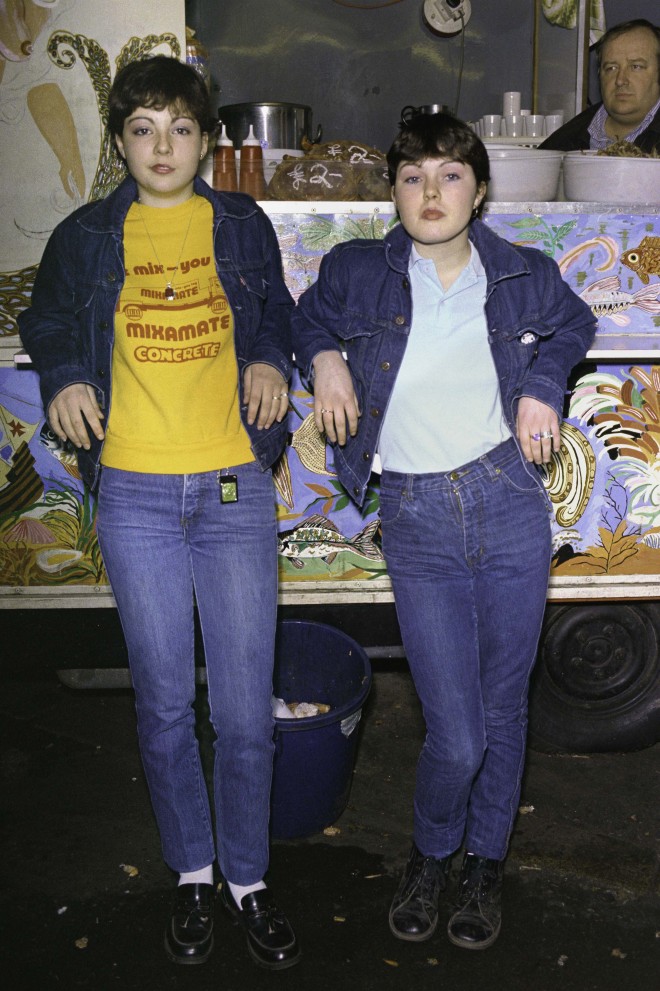
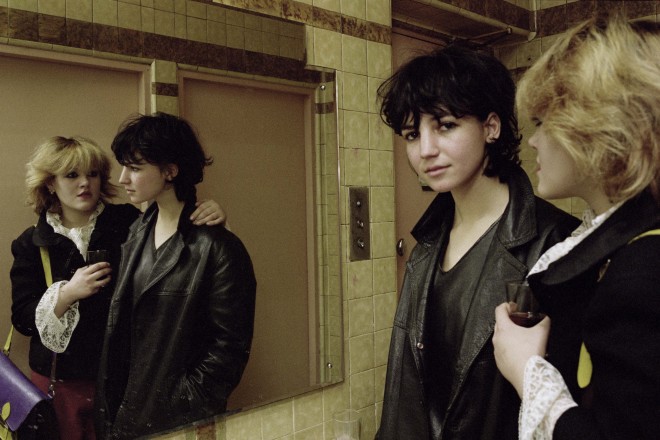
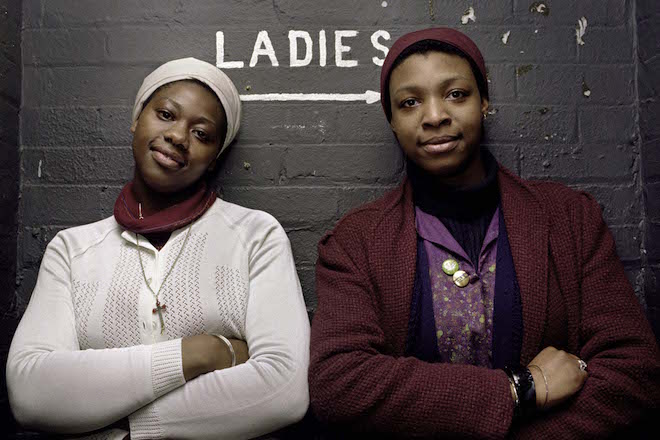
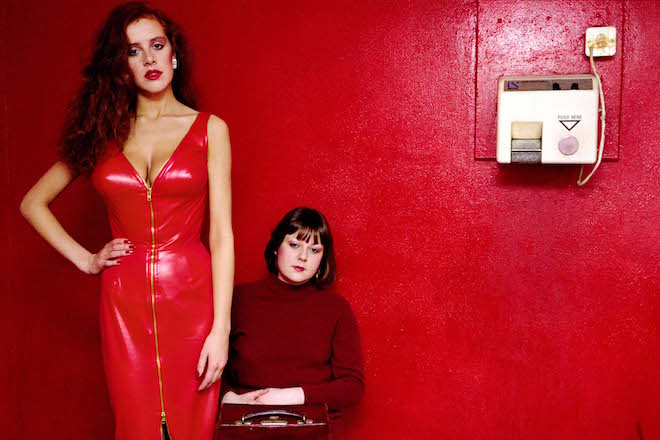
In the early 1980’s 22 year old photographer Anita Corbin captured the lives of women from different subcultures in the UK. Photographed mainly in London, the project documented the power of female friendship and individuality, offering candid portraits of their everyday lives. From mods to new romantics, rockabillies to punks, Corbin (who was just starting her career at the time) told the story of these women in their natural habitats, whether that was at friends house’s or social centres.
The project was called ‘Visible Girls‘ and Corbin’s 28 images toured the UK throughout the 1980’s and 1990’s, garnering acclaim both for her subject matter and for her photography style, which saw her shoot in slow film and with a portable flash.
21.tif
36 years later, Anita decided to find the women and offer a new series that centred on who the women have become. Having tracked down over 70% of those she photographed, Visible Girls:Revisited is a radical and vital examination of age and identity; an exhibition which allows individual spirit to transcend time.
The original portraits will be showcased alongside the new series, and audiences can also listen to original tape recordings from interviews in 1981.
“This exhibition is not only about the powerful bond between women united by subculture, belief and friendship, but about the potential of women coming together across generations.” Says Anita, reflecting on the forthcoming exhibition. “Visible Girls: Revisited, allows the ‘visibility’ of youth to shine a light on the often-disregarded wisdom of the older woman, revealing a unique, cross-generational tribe with the power to provoke and inspire.”
Launching in Hull, the exhibition will tour Norwich, Exeter and Bristol, with other spots to be announced soon. In an age where so much emphasis is placed on the power of a fleeting selfie, this tribute to female friendship, culture and style across decades is, kind of ironically giving the time lapse, offers a fresh approach to how women are depicted today.
“This is an exhibition where mothers and daughters will find mutually provocative ground through which to forge a rare solidarity” adds Anita. “At this point in our history we need [that] more than ever.”
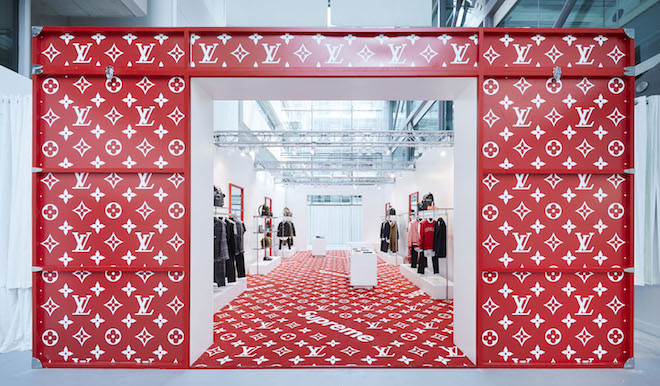
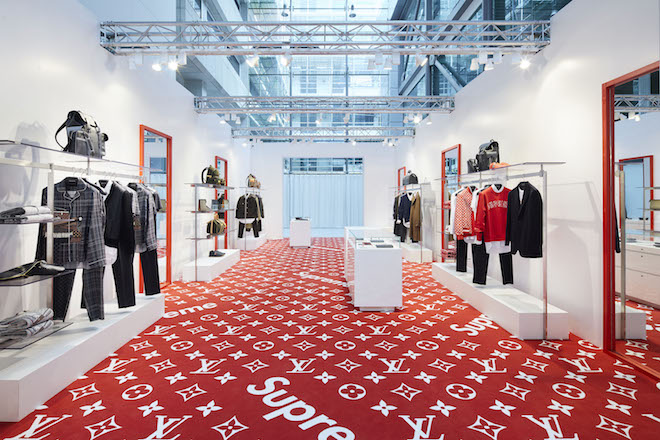
180 The Strand is playing host to some of London’s most fashionable events this summer. Launching the day before the Gurl’s Talk event at the same venue, Louis Vuitton have set up shop to give the city a preview of their Supreme collaboration, and it’s as good as we expected.
Bringing together influences from 70’s, 80’s and 90’s New York, the collaboration pairs the confident street aesthetic of Supreme with the high fashion design of Louis Vuitton, seamlessly fusing the two strands into one, highly covetable whole.
Visit to explore their RTW collections, as well as leather goods, accessories and exclusives specially made for the pop-up. We’ll see you there.
Louis Vuitton x Supreme pop-up store at 180 The Strand, June 30th – 21st July, 2017
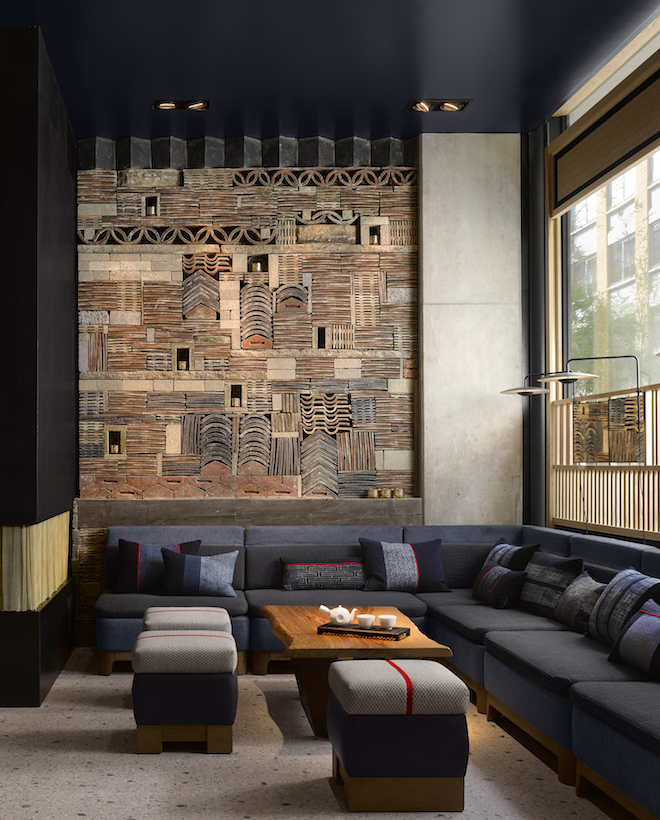
Escape the worst of London and embrace what it does best with a stay at the new Nobu Hotel in Shoreditch. Following on from openings in Miami, Manilla and Las Vegas, Nobu’s new opening in London is a welcome addition to the cultural scene.
With modernist exteriors and minimal interiors, the design reflects the creative prowess of East London; the hotel’s facade offers an interplay of colour, reflection and light, while inside Japanese influences take the fore.
Nobu Hotel Shoreditch | photos by Will Pryce
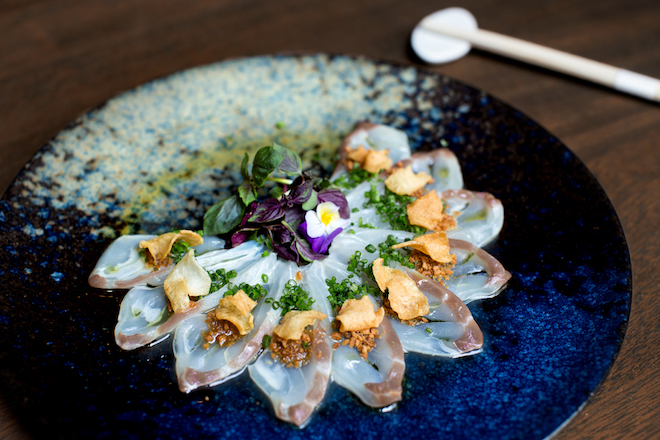
Offering 150 bedrooms and the latest Nobu restaurant, Nobu Hotel Shoreditch marries a casual atmosphere with captivating aesthetics, making it a wholly Instagrammable and über trendy place to head to this summer. Alongside dreamy rooms and suits, there’ll also be events throughout the year. It’s time to check it out, and check yourself in.
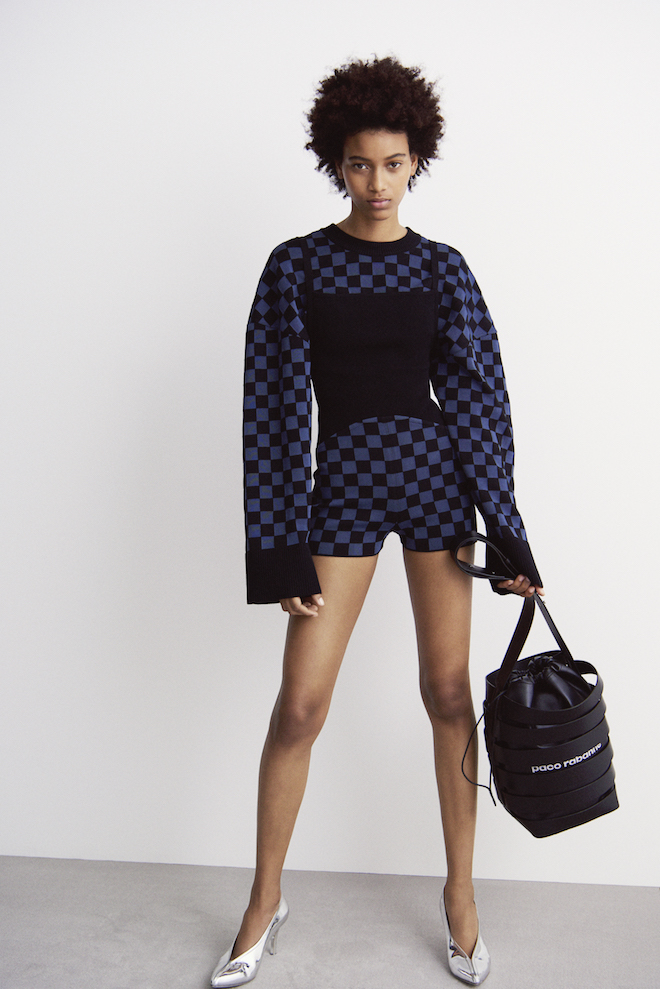
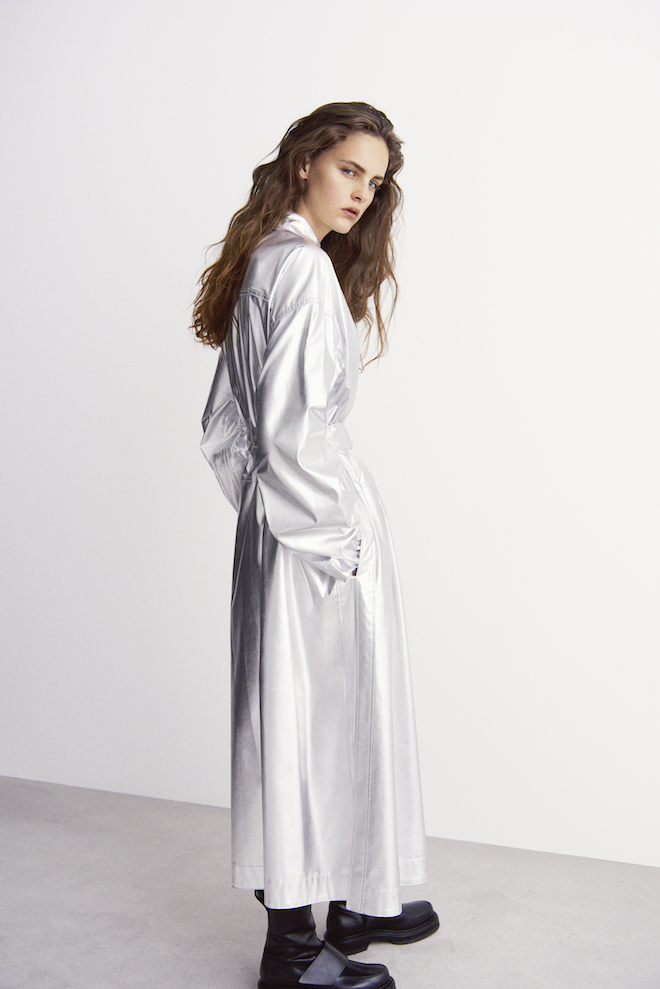
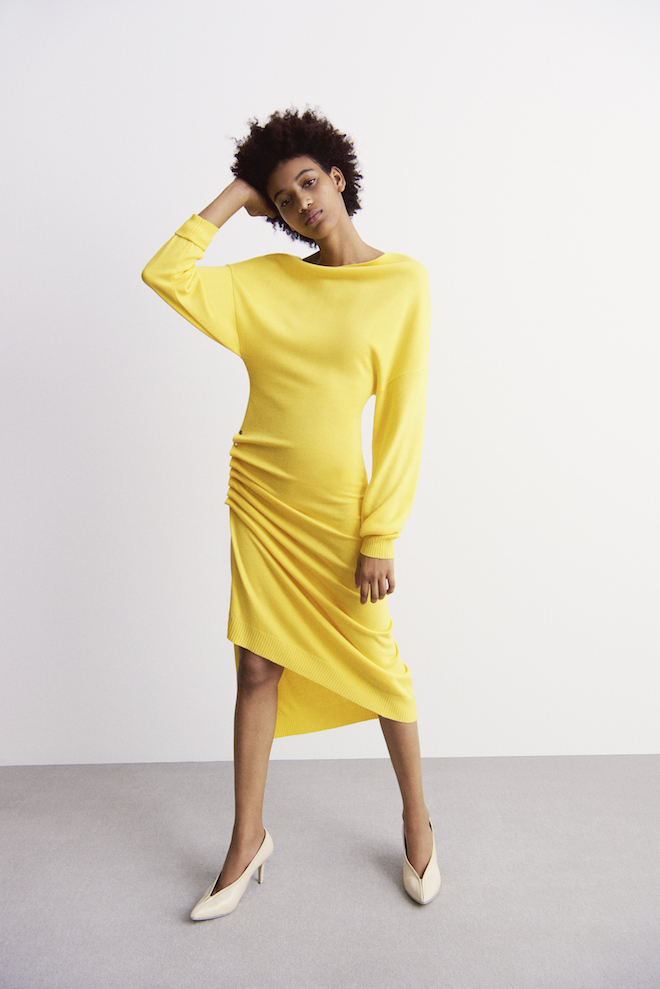
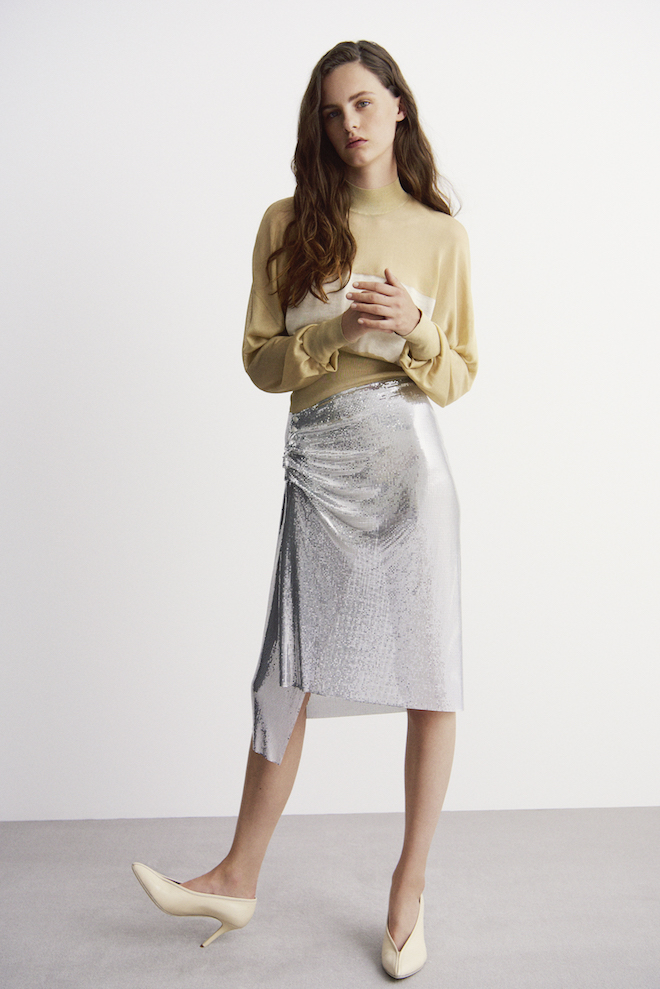
Feminine silhouettes meet boyish looks for Paco Rabanne RS18. Think fitted waists and cutaway tank tops, draped knitwear and slinky shirts; bright colours play against neutral hues while checkerboard patterns add fresh texture to familiar shades. Embrace for a full summer refresh.
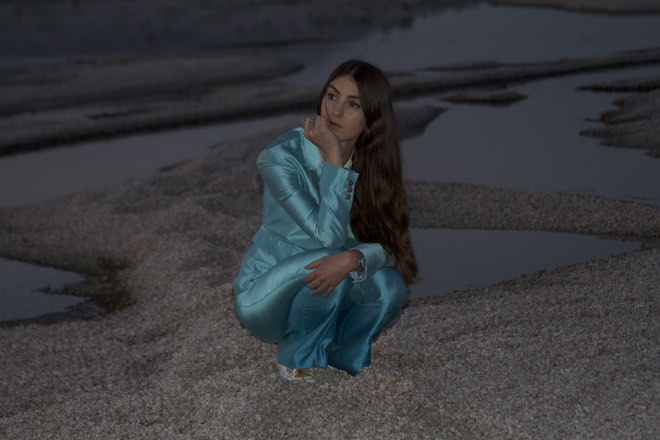
‘Y…O….L….O’ sings Natalie Mering in her wistful, luscious composition, ‘Generation Why’. The letters come so elliptically that you almost don’t piece the word together, especially as the sarcasm is delivered in angelic tones, packaged with fleeting guitars. Elsewhere on ‘Seven Words’ the same emotive voice offers a more morose, melancholic narrative. These two songs offer a survey of range of Natalie Mering’s (aka Weyes Blood) canon, and it’s no surprise that she’s considered to be one of America’s most exciting female artists. Whether she’s contributing to other records or delivering her own kind of ephemeral gospel, the music is rich, immersive and often sardonic – the fact that she’s supporting Father John Misty on tour (and is regularly photographed by his wife, and Twin favourite Emma Tillman) seems a perfect fit.
Her third album, Front Row Seat To Earth is filled with West Coast meandering melodies which encompass personal stories and wider musings on the world. Sloppy listeners will find themselves caught off guard in the same way that attentive ones wait with anticipation to see where the lyrics will bend next. Either way, you’ll find yourself surprised and likely with a grin on your face. In the midst of touring, Twin caught up with the Californian singer to chat about the state of music, collaborating with Perfume Genius and the duality of performance.
In the last two years, there’s been a lot of talk about the rise of the 70’s singer-songwriter. Do you consider yourself to be part of this movement?
In some ways, but not entirely – I love music from all decades, all time periods. The 70’s thing is convenient because its definitely a convergence of a lot of different influences, it was a vibrant time that set the pace for the time we still live in now. I can associate with that aspect of it, but I don’t think of myself as 70s.
What does a 70’s sound mean to you? What was magical about that era of recording?
Music started to expand into different micro genres, things were becoming less homogenised. That’s pretty magical. Also most people were recording to tape and collaborating with a lot of different, smart, creative people. Producers, players, arrangers. It was the hey day of money being thrown into interesting projects because mainstream music hadn’t been totally strangulated yet— big record labels were still taking risks and culturally we were discovering the future as we know it now.
How did you go about shaping the sound for your record? What specifically were you influenced by, and what were you listening to?
I was listening to a lot of Soft Machine and classical music — I wanted to make something epic but also personal… Chris Cohen had a really good ear for this concept, we used a very limited amount of microphones while recording and did a lot of things live to capture that feeling, make it all feel like it was recorded in the same sphere. I was also was listening to a lot of Weather Report which is a pretty strange non-sequitur – I have a tendency to listen to things that are very different from my own music while I’m creating.
There’s a strong visual element that runs through your cover and videos, do you think in ‘the digital age’ image has taken on a heightened significance for music?
Not necessarily — we’ve always been a civilisation driven by imagery. Things probably changed the most in the 80s when music videos become synonymous with artists – suddenly people had to look really good, seem young. I think now more than ever we’re less interested in innovative music, which makes the imagery seem more important. It’s like the music is an afterthought. Music has been congealed into a very specific “industry standard” that’s numbed peoples tastes a bit, made it a more narrow experience for the masses as a whole.
In the album the emotional nuances are very powerful – do you have to access and inhabit the original emotions that you had when writing the songs when you’re performing them, or can you do it with a certain level of detachment?
I’ve learned to replace it with other emotions if I don’t want to conjure the old ghosts – I try to avoid detachment in an apathetic sense, but sometimes I do let go and stop thinking and just feel whats happening. That’s like detachment in the zen sense.
Your fashion sense is impeccable. Do you see your style as part of the Weyes Blood persona, or is it an expression as Natalie?
It’s a part of Weyes Blood— if I, as in Natalie, had my way with clothes I would be mostly naked or wearing huge swaths of fabric. I do like a good suit, its like a huge swath of monochrome fabric but organized a bit more. If it fits super well you can climb a mountain in a suit, live in a suit. Classic hobo.
And thinking more broadly about that potential duality – why did you want to work under a different name when putting out your own music?
I wanted it to be a different world. I’m not that much of a realist with my art – there’s a lot of fantasy and imagination involved, occupying an archetypal space, my lyrics are the most Natalie Mering thing about it all and I think that stands out just enough. It’s still not too late to release under my own name someday, but I’d rather just make films or do stand up comedy under my name. Those are more Natalie Mering things.
You have worked and toured with Perfume Genus. Tell us more what that collaboration means to you?
Mike is an incredible soul — he carries very powerful and moving musical ideas that I feel a kindred spirit with. Singing with him is always an elating experience. I think we have the same knack for a certain kind of musical drama and vulnerability. He’s definitely been an inspiration to me.
Generally you’ve worked with a lot of exciting artists, who would you like to work with in the future?
I’d love to work with somebody who’s very different from me, see what that’s like. I’m first and foremost a really big fan of music, so there’s lots of people I can imagine working with. It’d be fun to dip into a top 40’s world or make a Nashville country record. Sky’s the limit.
What are your plans for the rest of the year, and what are you looking forward to?
I’m going to be touring with Father John Misty in the states, UK and Europe this fall – right now I’m writing my next record and cultivating a new sphere to take back into the studio with me for the next one. I am most looking forward to getting back in the studio and recording!
Conversation-changing platform Gurls Talk and Coach have partnered up for powerful new festival, coming to London at the beginning of July. Throughout the day, the event will celebrate women in all their many and majestic facets, with the likes of Hari Nef, New Statesman columnist and fierce activist Laurie Penny and US Vogue contributor and relationship expert Karley Sciortino all joining to fuel debate and discussion around gender.
The event kicks off with a speech from Gurls Talk founder Adowa Aboah, who started the platform as a means of encouraging girls to speak more openly around issues of mental health and identity. Her ongoing commitment to activism has seen Gurls Talk grow into a formidable and vital organisation, offering a much needed space for young women to receive support and mentoring.
There will also be choreography classes from Wayne McGregor and a library by Claire de Rouen – and best of all, it’s free.
Gurls Talk x Coach Festival will take place 1st July, 12 – 6 pm at 180 The Strand, London







 PREVIOUS
 Twitter
 Tumblr
 YouTube
 Facebook
 Instagram
