The fashion curator is a role that has risen in recent years to that of a modern bard: a storyteller that can enrapture audiences and obsessives with their informed and accessible spins on the past. Much like the ancient bard travelled from town to town, the fashion curator moves their visual tales through varying cities, through exhibitions, talks, conferences or publications. The responsibility the bard held was to leave their audience with some enlightenment, be it through words of omens and warning, history re-told, or deliberation on the times: future, past and present. The fashion curator is no different, leading their audience through discussions on the past, comparisons to the present, and reflections on the future. The bard was heralded as a spiritual guide – the fashion curator has become a reputable pond of cultural relevance. No one is in better company to deliberate on the realities and the responsibilities of the fashion curator than Dr. Valerie Steele – Director of the Museum at Fashion Institute of Technology and a published author of multiple titles. Her books have explored the influence of fetish in fashion, to her exhibitions ranging from Shoe Obsession to Gothic: Dark Glamour. Reviewing and retelling from a fresh perspective: the art of fashion curation can both delight and discover.
I think that fashion curation is much more than what most people think it is. I feel that most people think it is just choosing a selection of pretty dresses and putting them on display. In fact the whole word ‘curation’ is used so casually – this beautiful curation of cheeses at the supermarket etc. Being a curator is like working on a film or a book. You do research and tell a story, only you are using objects to tell a story. Hopefully you are going to do it in a way that is both educational and entertaining; that you are going to bring something new to the whole subject of fashion.
Of course – they have responsibility to both the audience and the subject matter. I wrote the mission statement for the museum here, which is to educate and inspire diverse audiences through innovative exhibitions that advance the knowledge of fashion. So yes, I think that you are responsible to educate and inspire your audience while also making a genuine contribution to the knowledge about fashion.
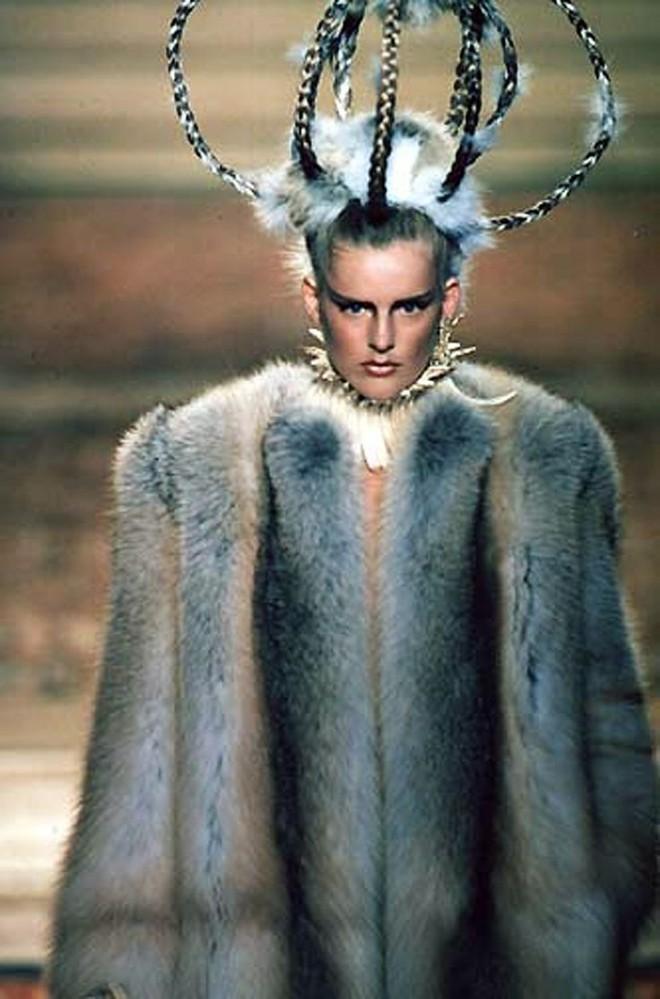
Stella Tennant @ Eclect Dissect, Givenchy F/W 1997 Haute Couture by Alexander McQueen
I am fortunate in having a really great team of curators here – when I first came to FIT I had to curate 5 exhibitions a year myself, which is insane, and now I do one every year or so. Nowadays the other curators will present proposals – I will look at the proposals and see if they are plausible, and try to figure out whether it can be done with what we have here, or would it require us to buy or borrow a lot of things. For example, if someone said to me they would like to do an exhibition on the influence of 18th Century fashion on contemporary haute couture, I would have to say that is going to be a hard one to do, as we only have a small selection of 18th Century pieces. They are very fragile, so we can only show them once in a while, and we don’t have a lot of couture that was inspired by the 18th century, so it is going to be an expensive show to put on. Then two, we would want to be looking at having a range of exhibitions over the course of a year, so we wouldn’t want to have four shows about 1960’s fashion, as that wouldn’t be fair to our audience who might want to look at contemporary fashion. We sometimes have shows about a particular designer, but biographical shows tend to tilt towards the hagiographic – you have to beware of claiming the designer as the greatest to ever walk the face of the earth, so if we do a show on a particular designer, we try to contextualise the designer, to show how he or she fit into the context of other designers. On the whole we prefer to do thematic shows, such as the theme of the corset, or the theme of gothic in fashion – how did it influence high fashion designers like McQueen or Rick Owens.
We try to get pieces which are artistically and/or historically significant, so when we are looking at things, we are looking at which designers have been most influential, which of their collections, which of their individual looks. For example, I am working on a show at the moment about the colour pink in fashion, so many of our acquisitions are made with a view to a show we are working on. That said, sometimes it’s a question that if an auction comes up and they have a piece that we feel is very important in the history of fashion we will try and acquire it. Hence, some of our purchases are opportunistic and others are planned ahead. I am working on another show for 2019 – Paris: the capital of fashion. When a Jeanne Lanvin evening coat that was made during the Nazi occupation came up, it was such a rare find that we wanted to have it and we got it for a very good price. We are always thinking ahead about how we will show an object, and will we show it more than once. Most fashion history collections in museums like the V&A traditionally had more 18th & 19th Century pieces while we have more 20th & 21st Century pieces. Because we want to continue to show people the history of fashion we do look and buy 18t &19th Century pieces too. Once we were shopping at auction in New York and Hamish Bowles saw me bidding on a particular Madame Grès piece and let me have it: he then sent over all his research on it; while you have lots of competition you also have people trying to help the museum collection advance.
We do! We absolutely do! It’s very much like buying contemporary art – it’s not a known entity. You don’t know if that designer will disappear in three months or become extremely important. We do feel that it is important to buy from new designers, so if we see somebody who is really doing something interesting and new, we will try and buy from them. Who are your heroes of the fashion industry, past and present? Rei Kawakubo of Comme des Garcons is an incredible talent. The late Alexander McQueen also.
What kind of mixture do you have? Do you choose exhibitions that reflect current societal interests and subject matter that hasn’t been deservedly explored enough?
Yes you have a mixture of that. Our young fashion curators tend to work in our fashion history gallery because thats easier to do, then the more senior curators tend to work in the special exhibitions gallery, where we hold bigger exhibitions and you can borrow things. In the fashion history gallery, exhibitions have to have some chronological framework, and draw from objects that are entirely our own collection – which doesn’t mean we cant buy things for it – but the curators have come up with very creative ideas, like how nature has inspired fashion, which is the current show, or politics in fashion, or eco-fashion, or seduction as it traces through the history of fashion. So those are very clever ideas. Patricia Mears is doing an exhibition on expedition – fashion and the extreme, which will look at how explorers to the arctic, the deep sea, outer space, wear protective clothing that has influenced fashion. She will show a real explorers parka that he would wear to go to the north pole, then she will show that next to Balenciaga parkas, Chanel outfits etc.
Some designers from alternative fashion cities are taking new approaches. Maki Oh from Nigeria and Masha Ma from China, for example, are exciting talents. Education is becoming more and more important to young creatives to try ensure a future in the industry.
New designers find themselves in a position of having vast pressures on output and financial strains from expensive education, but also work in an ever-expanding landscape – how do you see the situation for young talent?
The landscape of fashion is becoming ever-more competitive, and young, independent designers are kind of squished between the big companies, with LVMH at one end, and H&M and fast fashion at the other. I do worry that what with the cost of training for BA’s and MA’s in fashion a lot of talented, young people aren’t getting as much as a chance to study fashion. I think it would be a dilettante thing if only the super wealthy could study it, but those that aren’t wealthy were locked out of it.
Time to swap up your lipstick shades, change your nail polish, lessen the bronzer and swaddle your hair and skin in central heating antidotes: Autumn is here. In the first of our beauty edits, Twin rounds up bold, playful and on trend products and perfumes to add to your favourites this season.
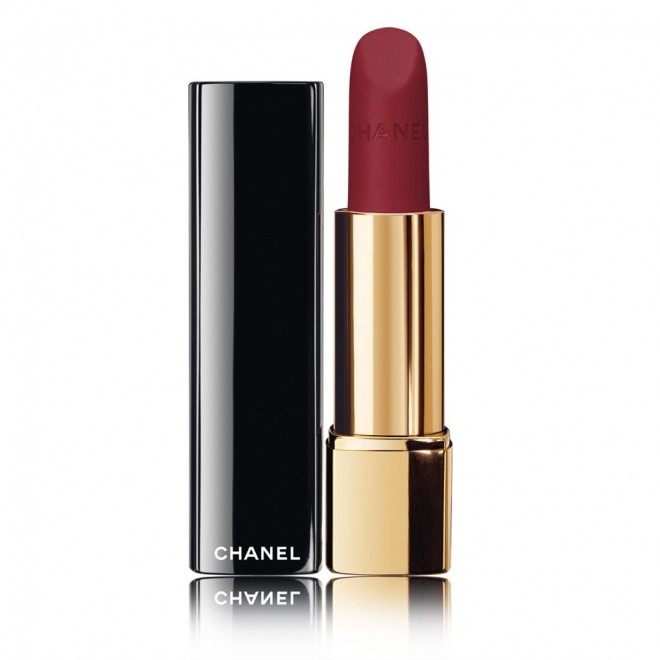
Chanel Rouge Allure Velvet
Embrace dark nights and new adventures with Chanel’s long-lasting velvet lipstick – the intense shades are a perfect match for a deep glass of rich red wine.
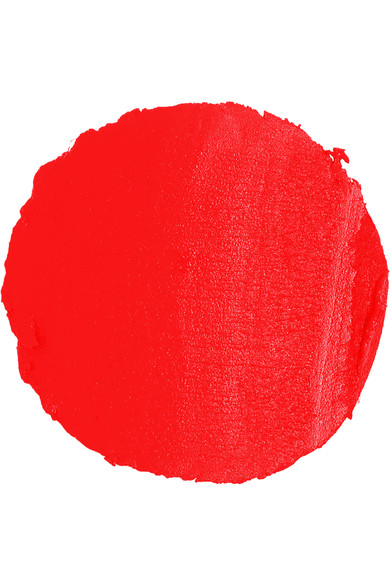
NARS Audacious Lipstick, Lana shade
Embrace autumnal tones with the colour of the season – both on the trees and on trend. NARS thick lipstick ensures a playful upgrade to your look. Wear with retro flares in burnt orange and orange tinted glassed (ala Bella Hadid) for a fashionable finish.
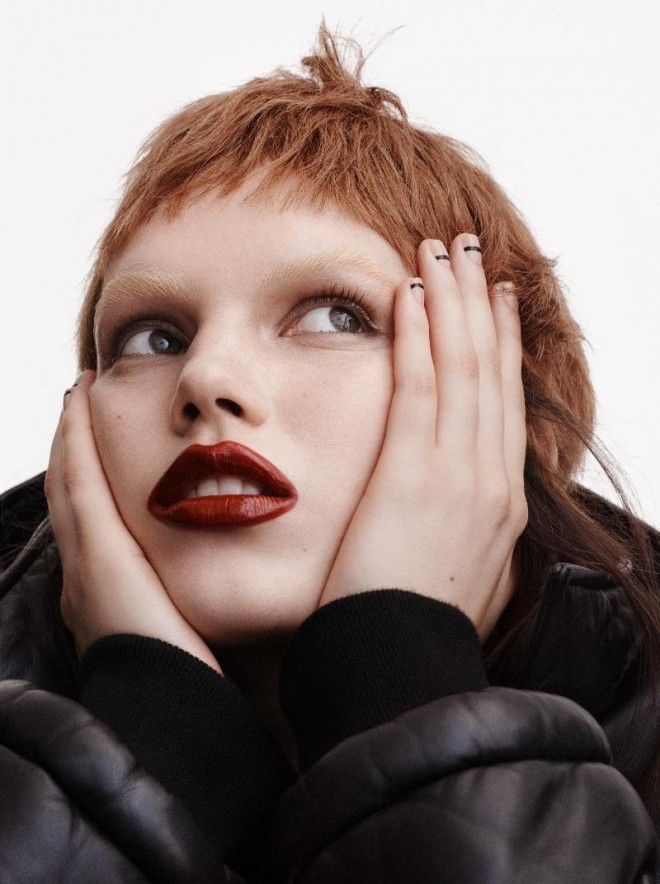
& Other Stories, Paris Atelier lipstick
The new range from & Other Stories is inspired by community gardens of Paris. Made from 85% natural origin products, their creamy lipstick with cold-pressed certified French plum oil works dreamily against central heating.
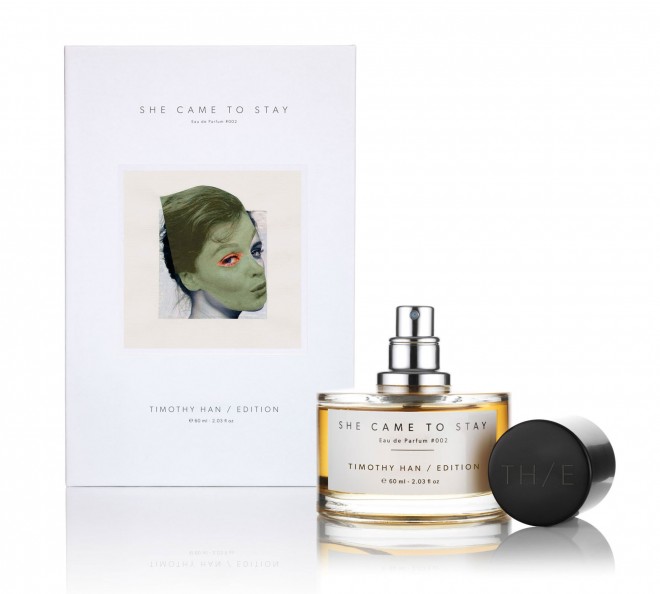
Timothy Han eau de parfum, she came to stay
Inspired by Simone de Beauvoir’s 1943 existential novel of the same name, Timothy Han’s unisex perfume blends notes of geranium, basil Indonesian clove with a hint of patchouli to offer an addictive, immersive scent.
She Came to Stay, Eau de Parfum #002
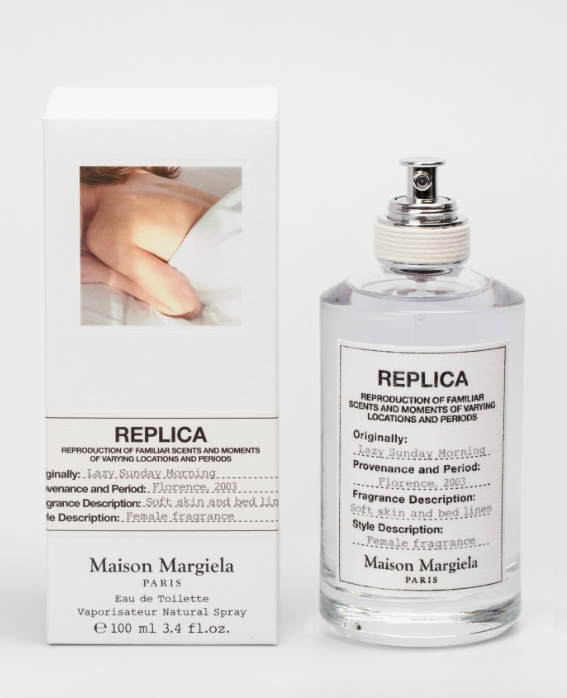
Maison Margiela, Lazy Sunday Morning
Shroud yourself in the feeling of freshly washed sheets and cosy mornings with this soft, supple scent from Maison Margiela – good enough to take to brunch.
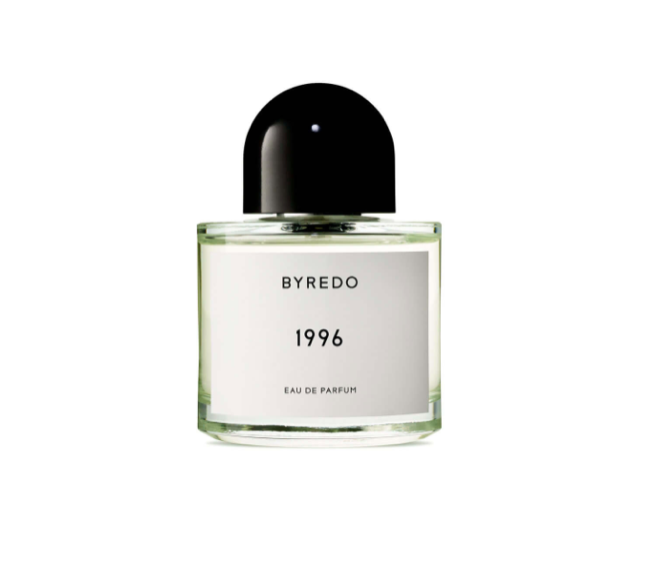
Byredo, 1996
Inspired by the photograph ‘Kirsten 1996’, taken by Inez van Lamsweerde & Vinoodh Matadin, Byredo’s new scent is warm and evocative, much like the Dutch duo’s work.
Byredo, 1996
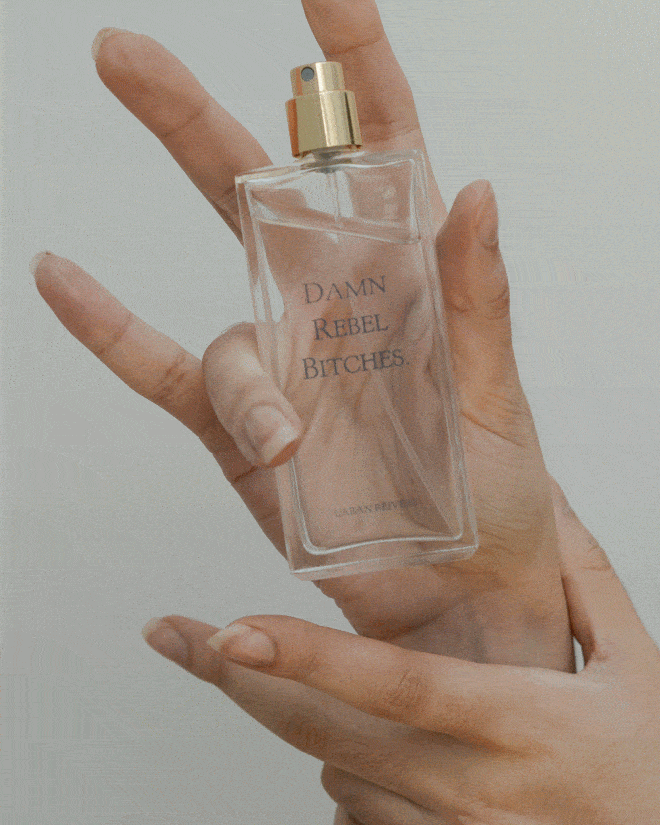
Reek perfume, Damn Rebel Witches
Edinburgh-based perfumers REEK make empowering, rebellious scents for modern women. Expect scents that blend punchy, unexpected hints of blood orange and hazelnut – the splash of attitude you need to enliven the everyday.
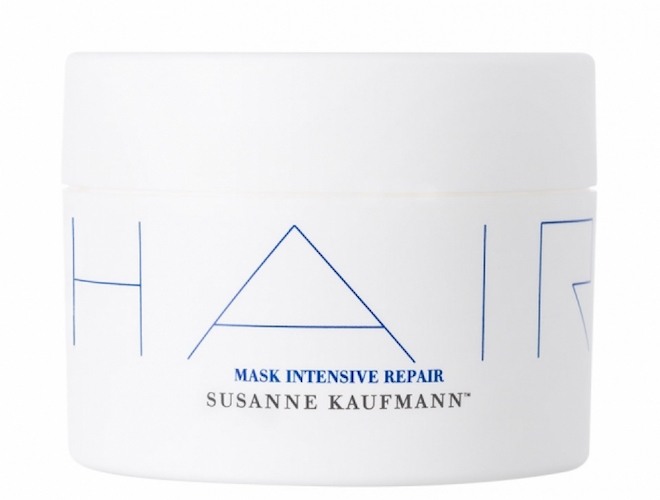
Susanne Kaufmann
Hailing from the Bregenzer Forest in Austria, Susanne Kaufmann knows a thing or two about making resilient, high-impact beauty products. Invest in her plant-based hair mask for a season of winter-proof locks – and it smells so good.
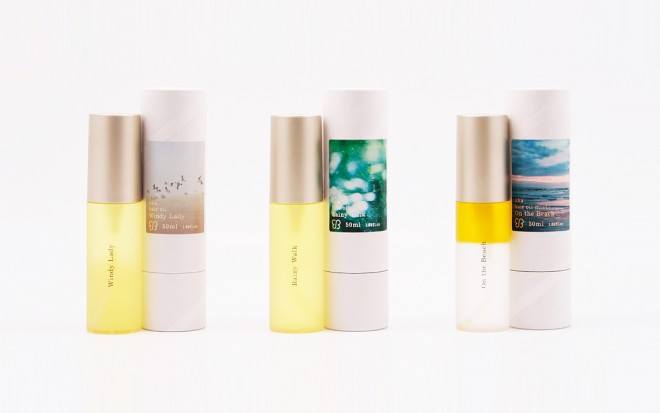
UKA hair oil
Japanese beauty brand UKA may only be stoked in select stores in Europe, but it’s worth hunting down. Their hail oils combat harsh climates, and the packaging is super cute too.
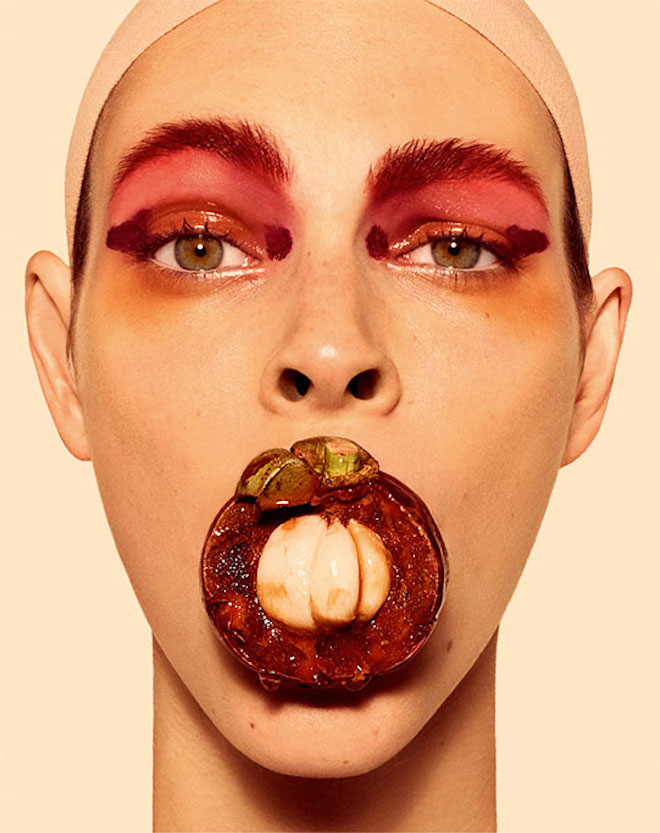
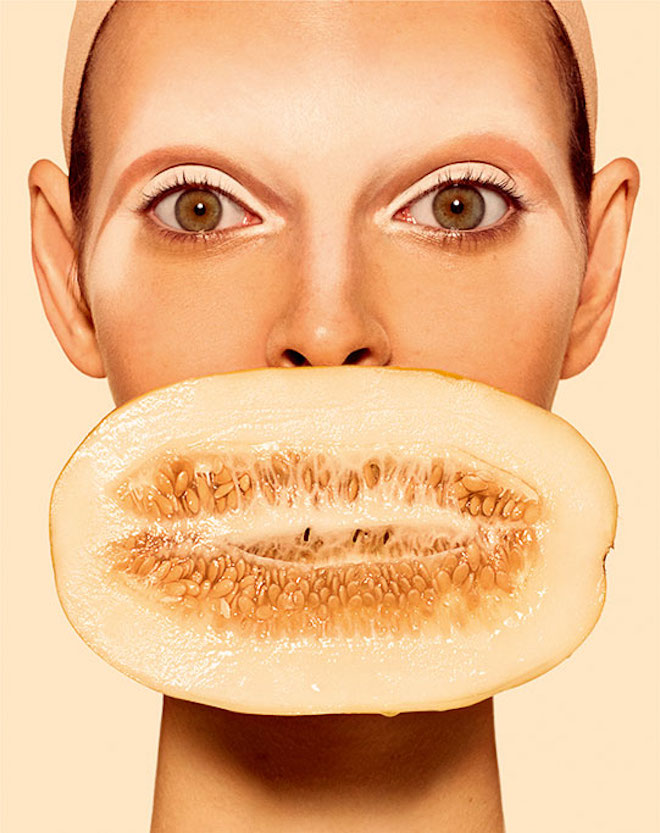
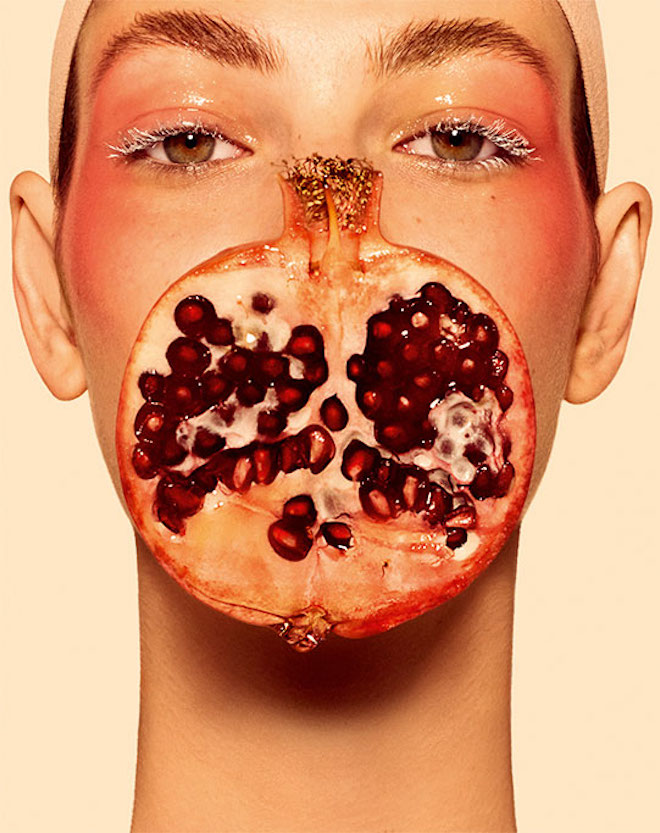
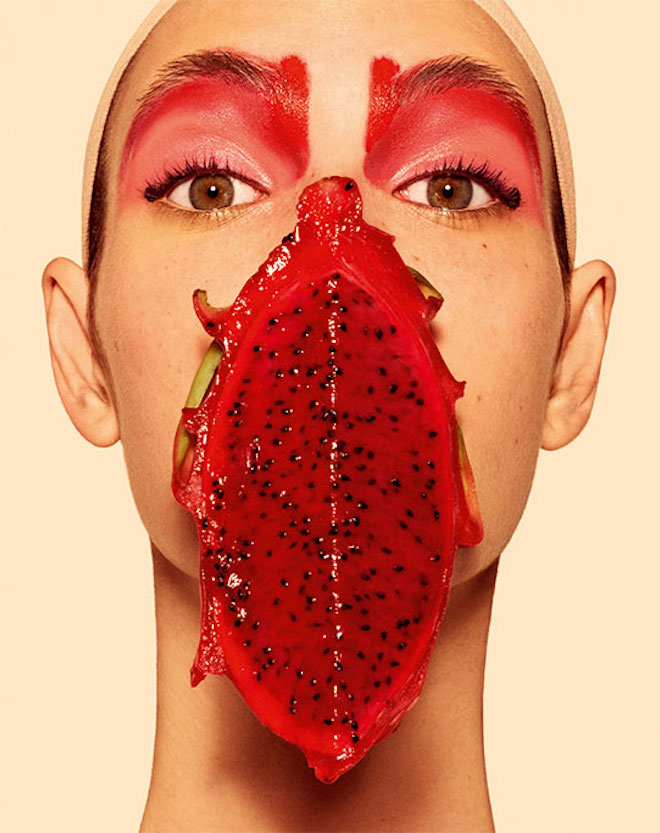
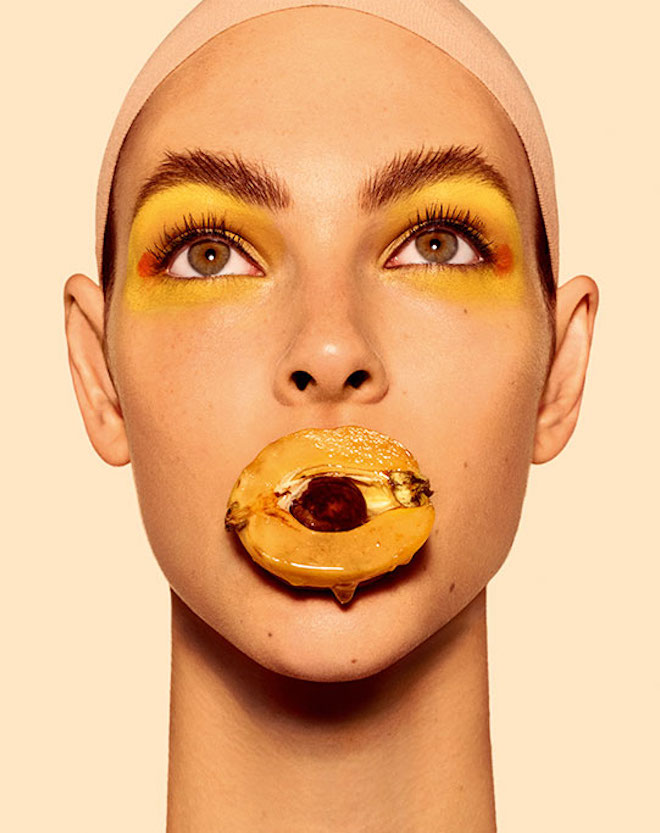
Shot by Steven Miesel, we’re obsessed with the Loewe SS18 campaign…
Consisting of five portraits, the Loewe campaign features Italian model Vittoria Ceretti with various fruits in her mouth. Provocative and sexual, the composition offers a playful take on the tradition of fruit in art, as well as evoking a more visceral, modern and feminist motif.
With make-up by Pat McGrath and styling by Benjamin Bruno, this is another striking series from Jonathan Anderson, and we can’t get enough.
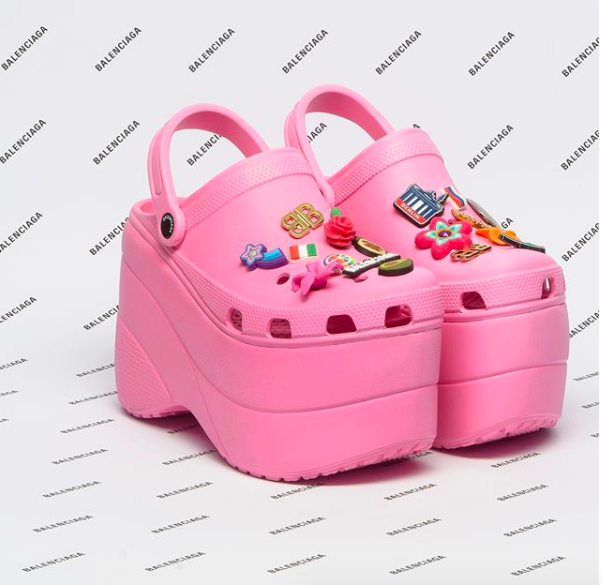
When crocs made their comeback on the London stage they rightly induced scepticism – Crocs! – but it seems they are the shoe that won’t go away.
Christopher Kane got there first, with quite innocuous looking pairs during his AW17 show; they came in marble and camo print and were lightly adorned with gems and glittering rocks. Then for SS18 Kane did it again, this time going further with large Swarovski diamonds and bright yellow hues.
Now in Paris, Balenciaga has taken up the mantle, offering platform pairs in bright, bubblegum pink and strong yellow. So perhaps it’s time to embrace the unthinkable: after all this time in the dark, are Crocs the shoe of the season?
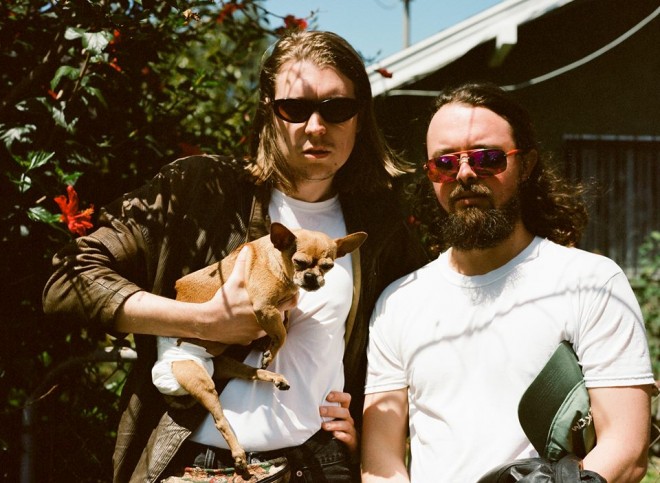
One of the pleasures of seeing bands in small venues (when they’re good) is that you get to witness how much they enjoy playing with each other – which was certainly true of Alex Cameron and his gang on their most recent visit to London. In amongst a slick delivery of the latest album, Forced Witness, were plenty of banterful asides, whispered knowing eye catches and asides made while sweat poured and Stella Artois spilled.
Such synchronicity is hardly surprising given that frontman Alex and saxophonist / business partner Roy Molloy have known each other since they were 5, when Alex was sent round to play with Roy because he was lonely (– “don’t put that in” – sorry, Roy). That they wouldn’t tell me the name of the band they had when they were 17, or their worst lyrics, also speaks of a deep, artistic bond that means some ten years later, they’re more on it than ever.
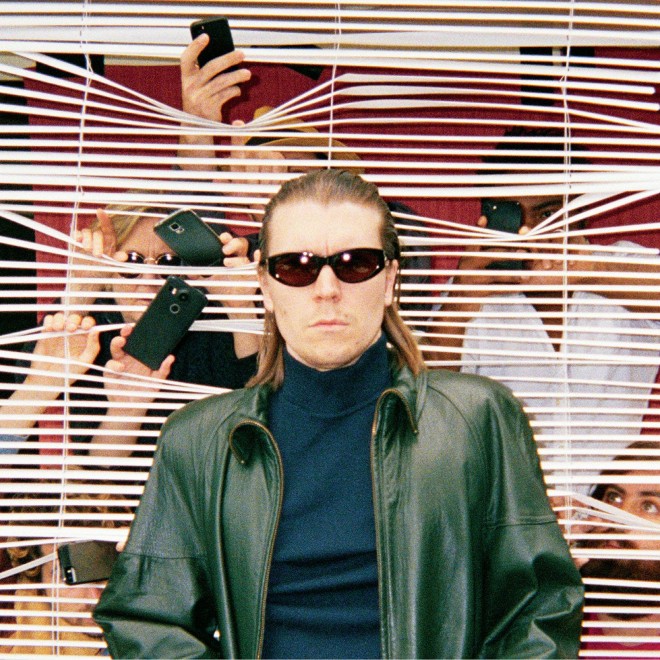
Cameron himself likes character, starring on his first album cover ‘Jumping the Shark’ as a Scarface-esque bruiser. For Forced Witness the physical performance may have changed, but the album delves deep into various personalities and identites, unpacking as it does ideas around gender and specifically the ‘Alpha’ males of rock and roll, and the wide world beyond. And though while for the video of ‘Stranger’s Kiss’, a record that features Angel Olsen, Cameron and Jemima Kirke play with the nuances of gender of screen, the best and most surprising expositions are most definitely to be found in the lyrics.
Co-produced with Foxygen’s Johnathan Rado and recorded partly in Las Vegas (“a completely rational and sane place”) it’s a record to pay attention to.
Read Twin’s interview with Alex Cameron (guest starring Roy Malloy) below.
Where do you get ideas for your characters?
A lot of my ideas come from conversations with people. A lot of it is dialogue with people that I’m on the road with. Someone like Mclean Stevenson who is a photographer from Australian. I worked in a government legal office working with victims of corruption, so a lot of my process is to do with taking that skill of being an assistant to an investigator; what I is a breakdown or a study of a story that I’m interested in.
Alex Cameron
Do you have a favourite one?
On the new record I really like country figs. My car broke down on a highway, it was me and Roy and our two ex-girlfriends and we got towed. That whole song came from a conversation with a tow truck driver.
How do you come up with melodies to support to the character?
I just try and focus on whether or not it’s a good song. The melody is quite natural, I’m kind of drawn towards them. I’m more interested in the stories and the melodies, they come together after a while. You have to be patient, and I tend to let things happen over time.
Do you find yourself looking at people on the street and get a sound to them?
Um no, I wouldn’t say so. I’ve written songs on the bus before but that comes more from absentmindedness. I do a lot of song writing when I’m walking and when I’m on public transport.
Some people write very confessional lyrics and you choose to write through the lens of character, but how much of yourself do you put into it?
I’dlike to think that if you get a sense of moral awakening then that’s me trying to put some humanity into the characters, even if they are bastards or misguided. I wonder about the process of everyone having a bullshit detector, I’m fascinated by that. Some people have a strong edit before they speak and others just speak based on their emotions,without contemplating the fact that they’re an animal. So I think a lot of stories are just me wondering about certain circumstances, and I just try and let the characters take me to where they want to go. Often that’s somewhere decrepit because when I’m writing it feels like I’m writing a tiny world where someone can behave, that I’m not in control of; I’m just there. Part of it is just based on the flow of emotion and not so much trying to ruthlessly understand something and then examine it in retrospect.
Was music the most instinctive form of doing that to you?
Most of my song writing comes from words I’m constantly taking down; long sentences and utterances, lines, poems and things like that. Then I’ll find the ones with the right cadence and the right syncopation that fit with certain melodies I have recorded as well. I write short stories, but I felt that there was no way for me to access that industry. Some of my favourite authors have been more responsive to my records than they ever would be to a story.
What was it like starting out in Sydney?
Sydney was really hard. Not in a knocks way, but it’s not the place to write music with a sense of realness to it; it’s very much a paradise over there. I don’t think Sydney is the place where groundbreaking music happens. The only way for me to make a living was to leave. Sydney has been taken over by investor money, it’s corporate. It doesn’t has any nightlife. You’d have to go up against the laws and the corporations to really get a subculture going.
ENTER ROY MALLOY
Hello Roy. How did you meet Alex, and how did you get into the saxophone?
I met Alex because we went to stay at friend’s when I was kid, and that was two doors down from Al’s, so we lived next door to each other when we were 5 or 6. We met each other because his mother made him come and play with me because she thought that I was lonely. But I wasn’t lonely. Don’t print that I was lonely.
And the saxophone I came across because the school had a program where you could rent them, andI thought Lisa Simpson was pretty cool so, that’s how it happened?
Have you ever been tempted by another instrument?
I guess between the ages of 16 – 25 I didn’t think that the saxophone was suitable for rock music so I was playing the bass guitar. Then 4 or 5 years ago we started doing this live thing with the horn, and it just came into it I guess.
So were you guys in bands together when you were younger?
Yeah we played in a band at the end of school –
What was it called?
(Inaudible shouts from Alex)
That’s a secret (laughs).
EXIT ROY MALLOY
Hey again Alex. I wanted to talk to you about the video for Stranger’s Kiss and the way in which you play around with binaries in it, and also in the album more widely. Do you think that music has a specifically female or male sound?
Well the whole record was kind of intentionally made with the intention of subverting those masculine qualities in pop rock music. And so when Jemima came with the idea with this video that also challenged that it was kind of natural and perfect.
The song was produced in a way that was really strong, but the lyrics suggest a lot of denial of weakness. I certainly view the record of being a direct challenge to those tropes of masculinity, those male-dominant forms of song. Like that song Jesse’s girl I always think is pretty interesting – it’s oestensibly a song about a woman but it’s actually a discussion between two men. It doesn’t even mention Jesse’s girl’s name.
Interestingly when Angel came into the studio and laid down her vocals it became really evident that she was the strong one in that world. So we made her the one that was really not giving a fuck about the breakup, so we made her tender but brutal – which is exactly how I like a character to be.
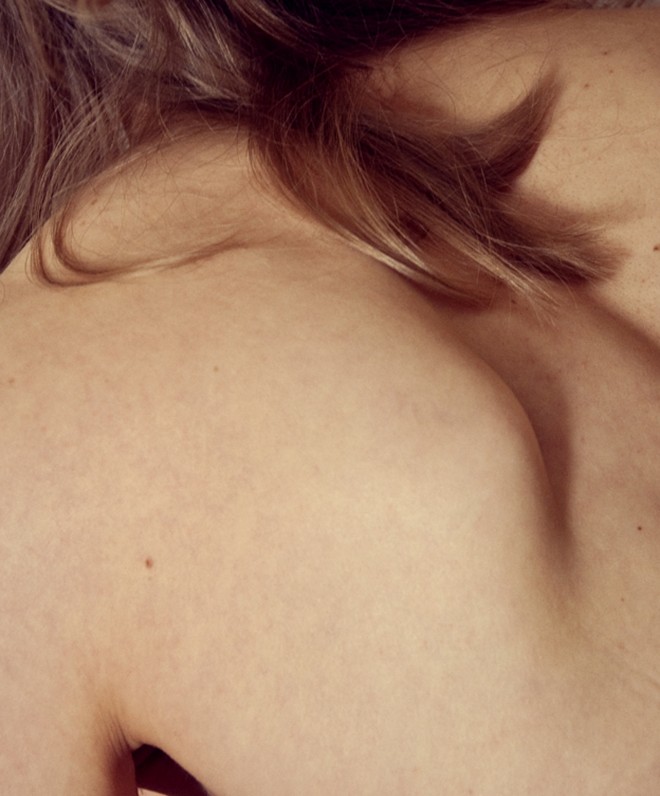
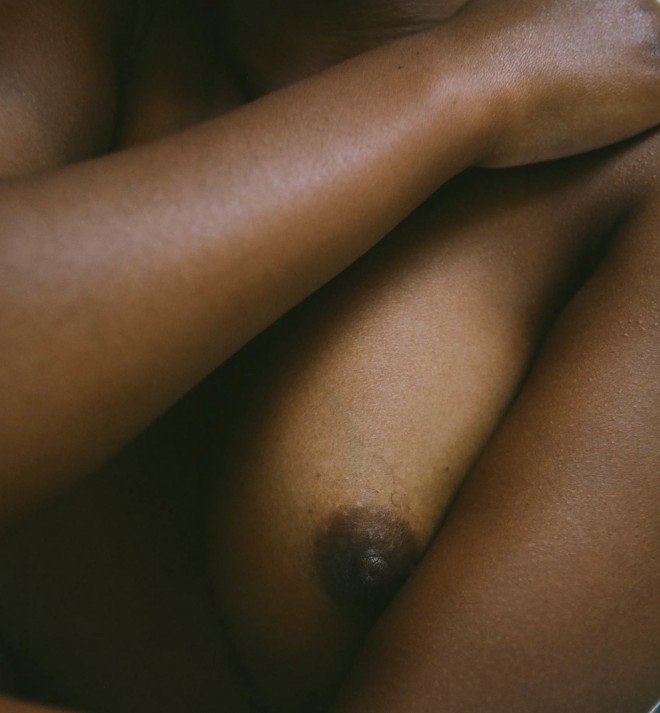
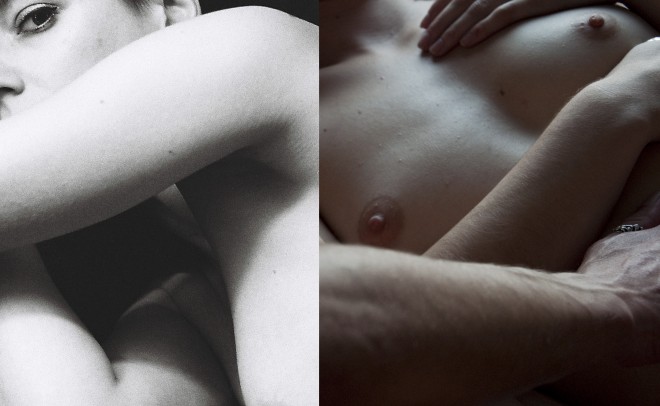
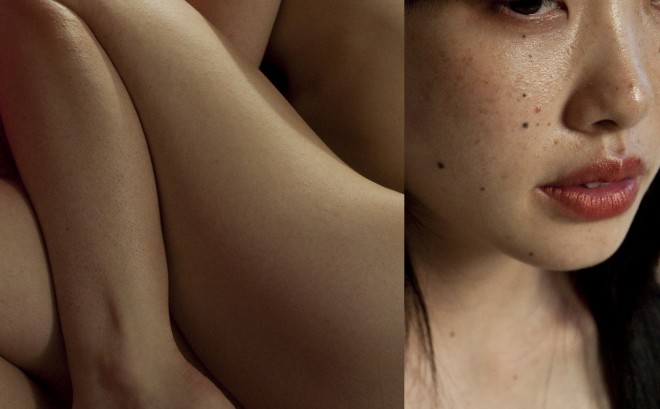
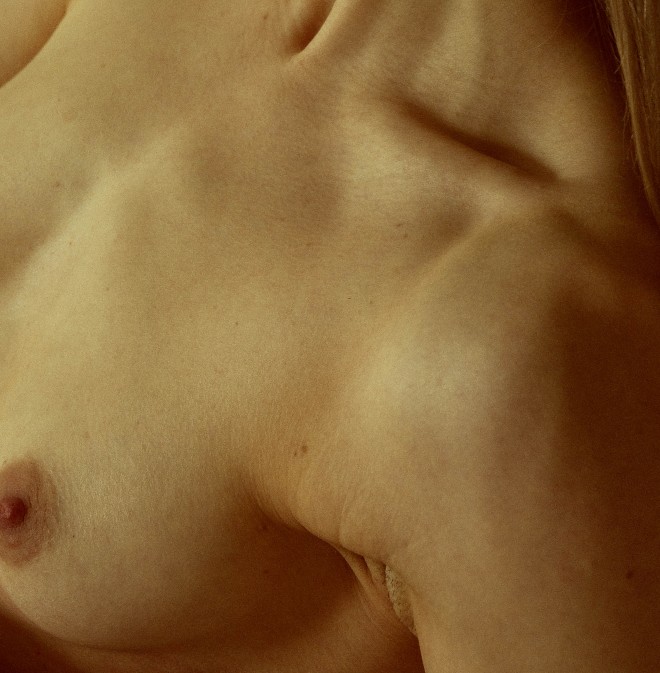
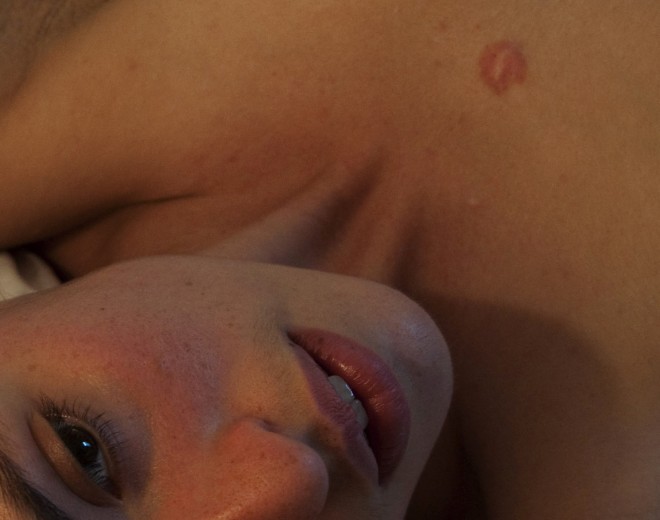
Photographer Sophie Davis talks to Twin about her series of work, ‘The Unresolved’.
I began this series nearly two years ago, having been constantly exposed to images of beauty ideals from a young age through media and popular culture. Starting this series felt like a necessary step for me to try and understand my fascination with beauty and the female form.
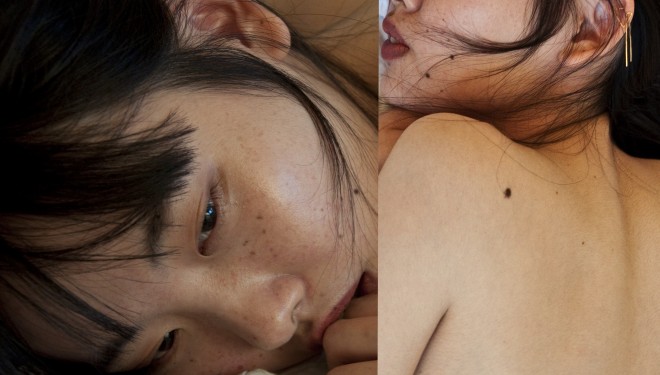
‘The Unresolved’ is a growing body of work and the girls I photograph start out as strangers to me. I ‘collect’ my subjects around London, they are just normal women who I feel instantly drawn to because of their physical appearance. I ask them to sit for me if they are interested. These sittings are mostly done nude.
Surprisingly, through the many girls I have photographed I have only ever had one no, which I think speaks volumes about how we as women are curious about seeing ourselves laid bare. It could be seen as searching for validation, wanting to feel beautiful in a world that makes us constantly insecure.
The images have become part of a growing archive, a collection of female flesh, both a celebration of the magnetising allure of the woman but also an exploration into the limits of objectification.
The method of my work has been described as predatory in nature, more ‘male gaze’ than ‘female’ (which I can’t help but see as reductive, as women have the ability to desire just as much as men). But alongside the seemingly callous ‘pick ups’ there is a tenderness to the photographs that remove them from an objectifying, colder viewpoint – it is down to the close ups. The details in the folds of skin and stray hairs, the remnants of another human being. There is the intimacy and closeness you would assume exist between lovers. I am always amazed at the level of trust each girl puts in me, and the friendships that come out of some encounters.
‘The Unresolved ‘is an exploration of the limits of the female gaze and the ‘trap of beauty’ and our constant hunt for it. In exploring with such issues with this body of work, it has given me further insight into our conditioning, and the confusion that surrounds the self in relation to images of the ‘ideal’. There is a hunger in the images, both from myself as photographer and from the subjects themselves, it’s a desire to be seen, to be looked at to be the one do the looking.
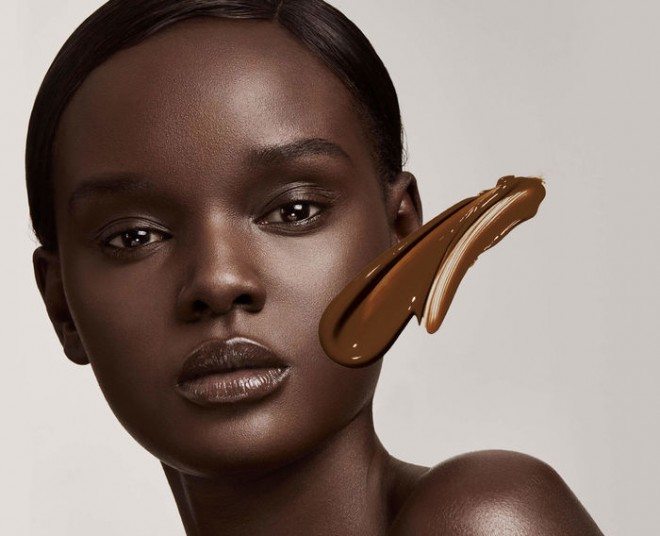
Something about this month’s launch of Rihanna’s new beauty line – Fenty Beauty – has touched a nerve with consumers and it’s not entirely owing to her A-list cred. In a sea of celebrity-endorsed fashion and beauty collections, Fenty stands out thanks to its notably diverse range of foundation shades (all 40 of them, near revolutionary in its inclusivity), from lightest of alabasters to the deepest of coffees, with a range of authentic skin-loving undertones as well. Word on the street is that customers are liking – and buying – what they see: there are reports of the darkest shades selling out instantly, which flies in the face of the argument of bigger brands that producing darker shades is a risk for their profit margin. But it’s not only dark-skinned girls loving the range, a number of people with albinism have sung the praises of Fenty for making shades light enough for pigment-free skin, using the hashtag #AlbinoMatch to broadcast the discovery on various social platforms.
Of course this isn’t Rihanna’s first foray into the world of beauty, with products from her RiRi for MAC collection reportedly selling out in hours. However, with a whole makeup line created by the original bad girl herself – and with names like Trophy Wife, Moscow Mule, Sinnamon, Killawatt and Pro Filt’R – this one’s got RiRi written all over it, in a very good way.
Catch it quick! The new collaboration between Aries x Vans launches at midnight. There’s also fresh patches, sweats and a whole new AW17 collection to get stuck into.
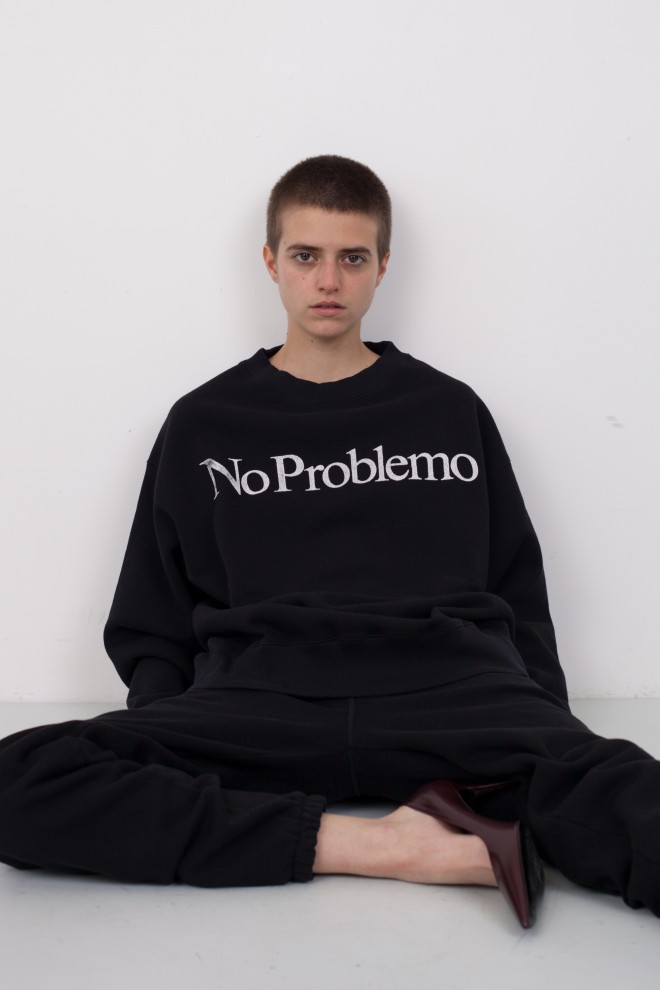
Founded by Central Saint Martins graduateSofia Prantera and graphic designer Fergus Purcell, Aries has quickly become a cult brand since it launched some five years ago. Marrying the 90s streetwear aesthetic with modern style, the label offers easy, transitional pieces all with that Aries edge. Think logo t-shirts, frayed denim and hoodies, as well as patches, tie dye and silk tracksuits to boot.
Aries ‘No Problemo’ sweatshirt, £120
This latest collaboration sees the brand delving further into subcultures, offering a new customised trainer that will debut alongside a film by Jeremy Pollard. Expect these shoes to sell out as fast as their printed t-shirts, and be ready to click ‘buy’ when the clock strikes 12.
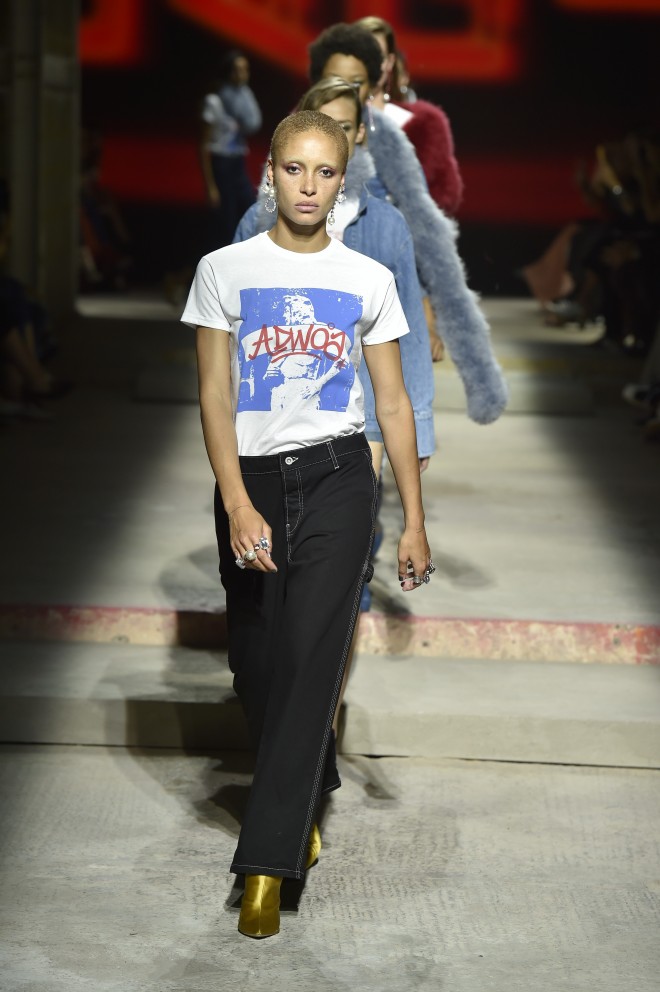
Whether it’s phone cases, patches, berets or bags, customisation is the trans-seasonal trend that we can’t get enough off. Hot off the Topshop SS18 catwalk, customised tees from the runway show are available to make your own at Topshop’s customisation pop-up in their Oxford Street store.
Head over over any time this week to tap into that fierce, independent attitude: because while wearing your heart on your sleeve is good, your name on your chest is better.
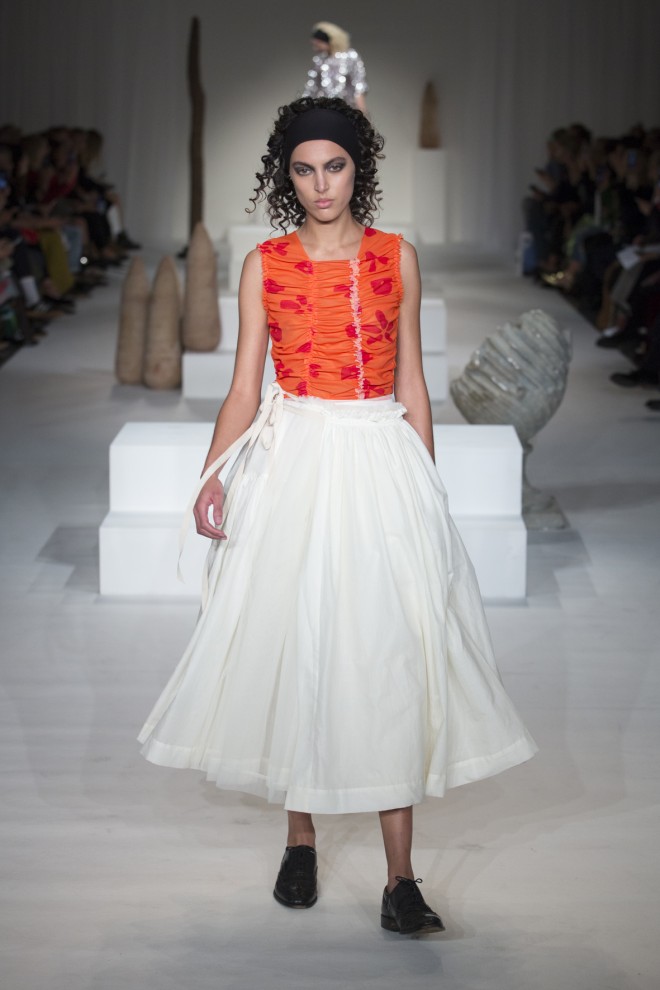
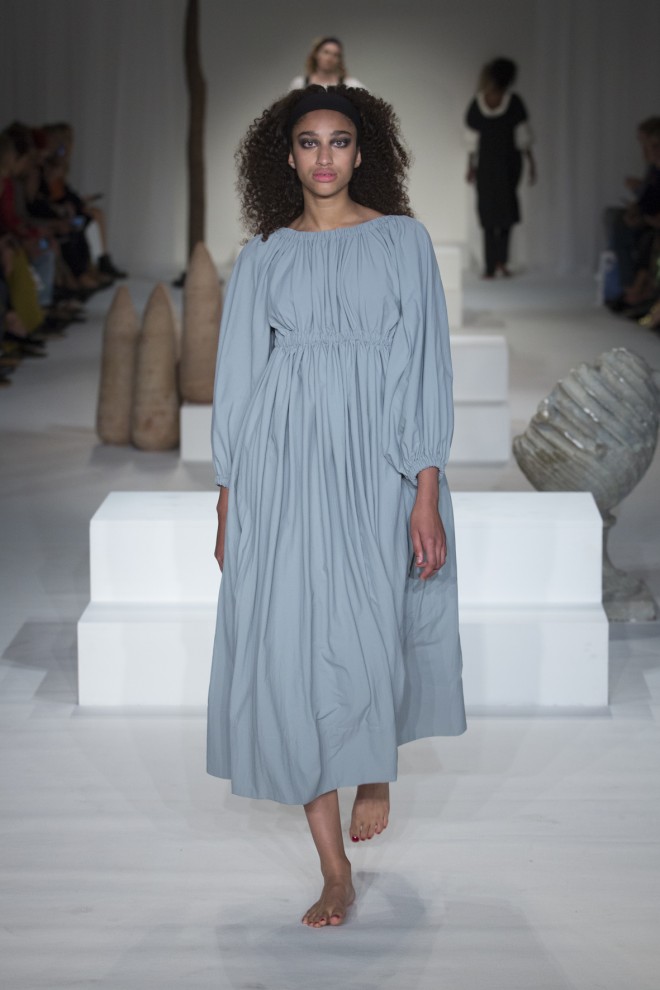
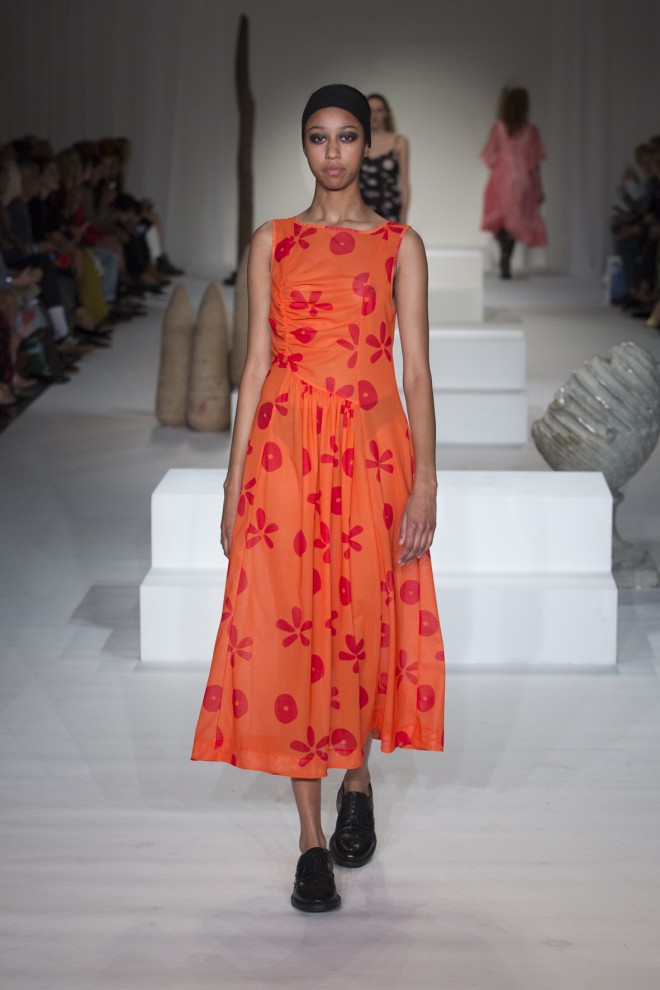
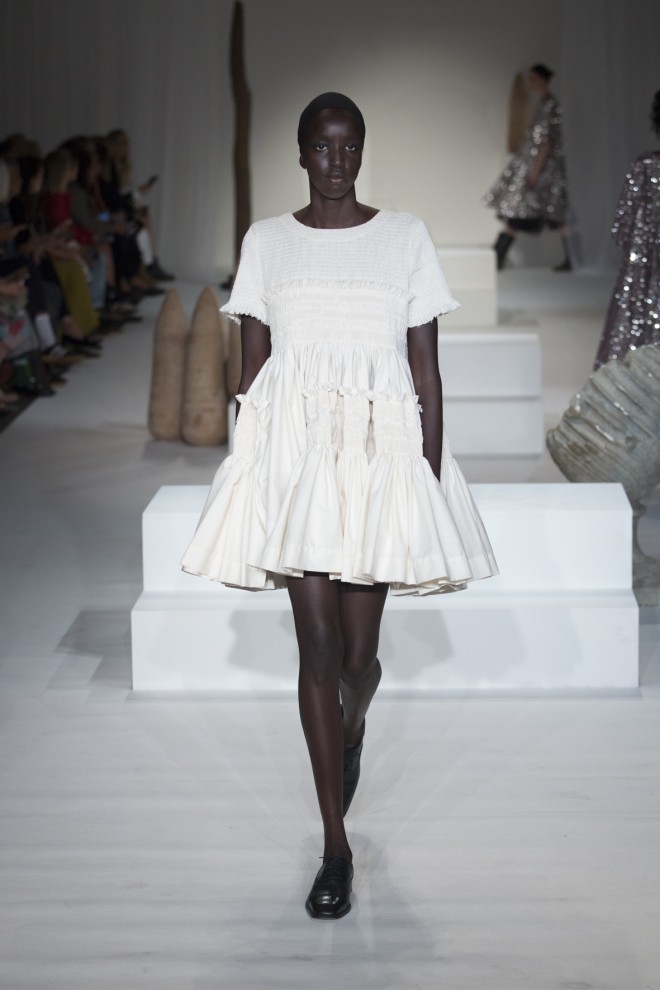
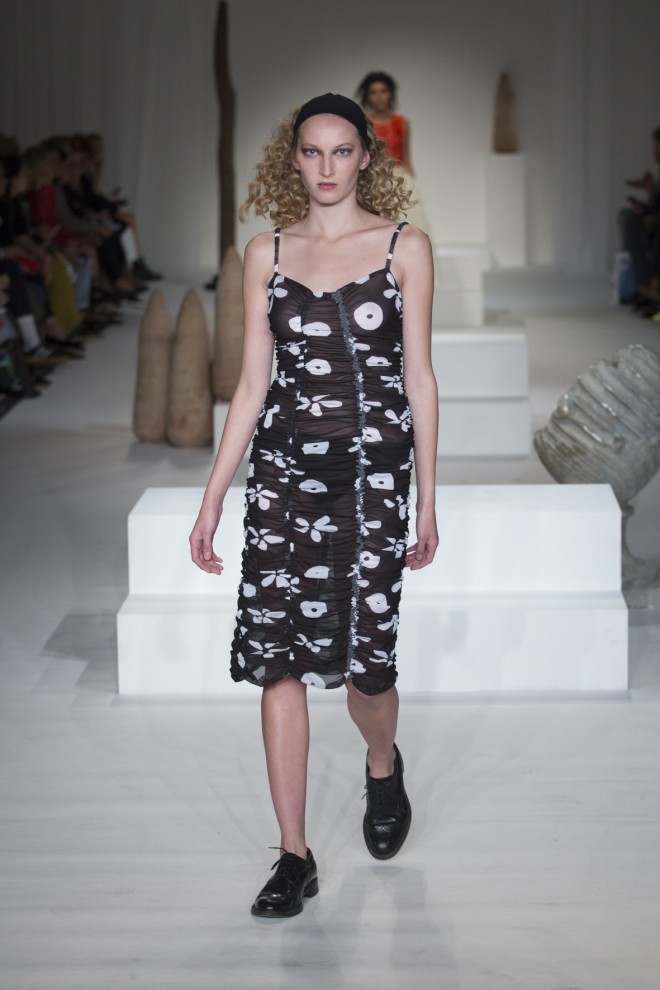
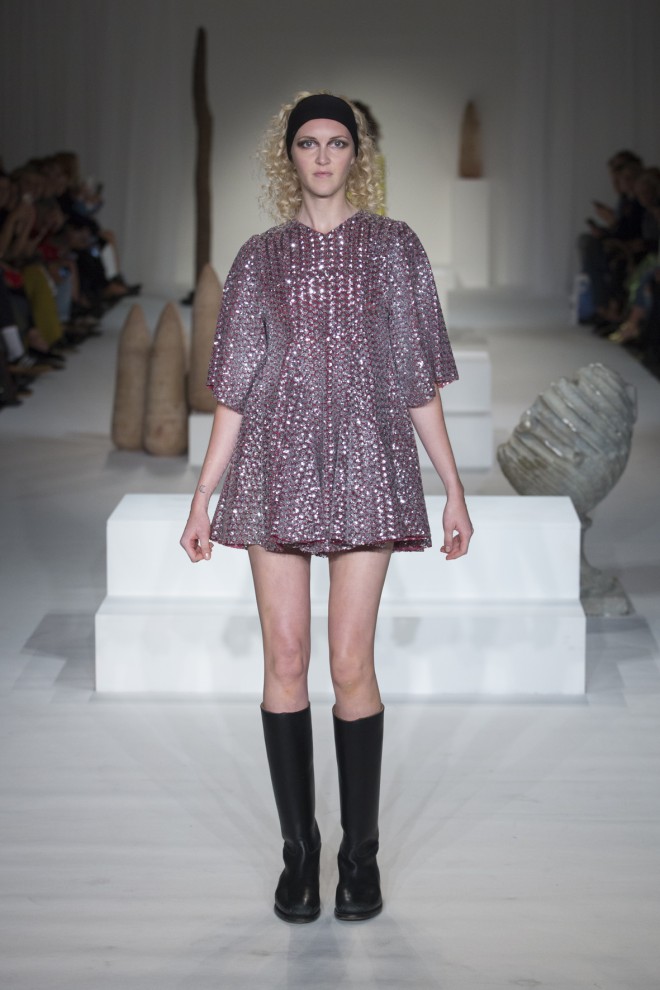
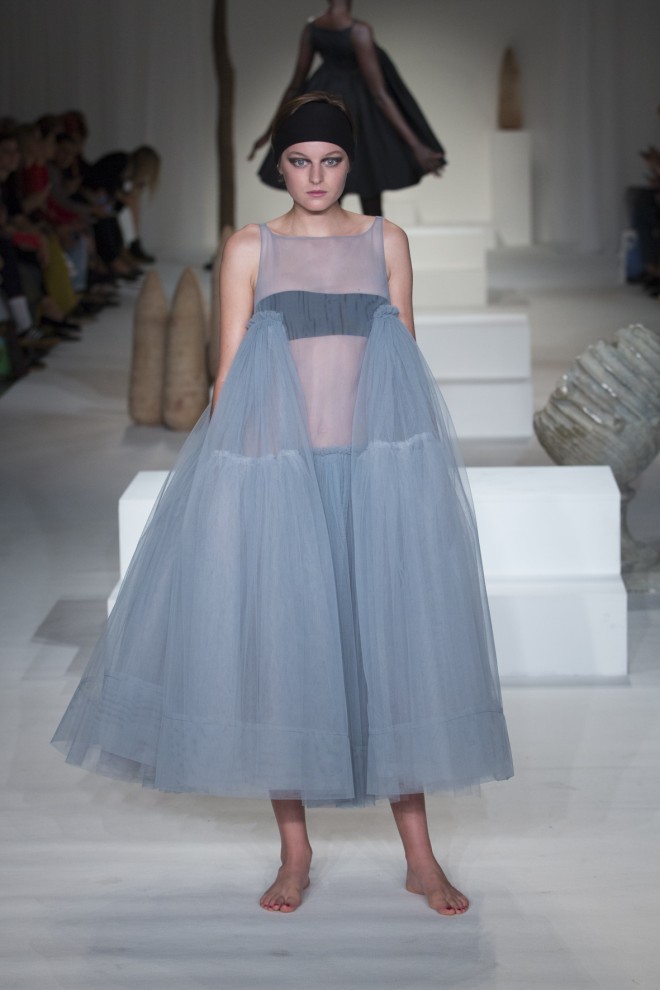
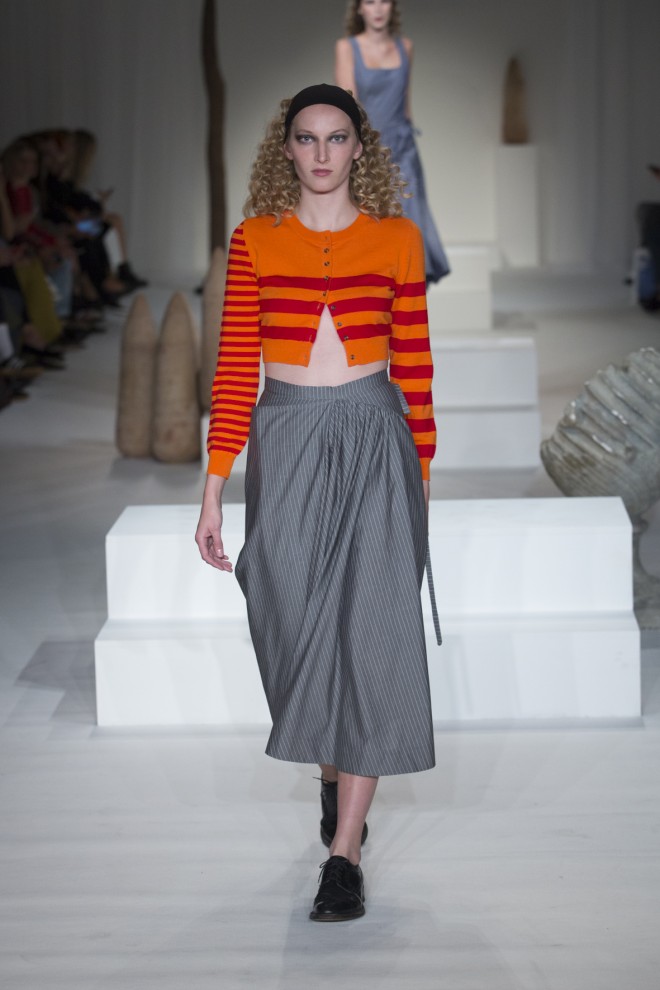
The room was succulent with energy before the show had even started, but Molly Goddard SS18 trumped all feverish expectations as it began. Opening with Edie Campbell, an e-cigarette dangling from her lips, the show offered a strong, louche party girl spirit, wrapped up in signature smocks and empire lines.
Taffetas, sequins and dense cotton was finely rendered here, with Goddard honing in on fine details as much as the big, stand-out aesthetics which have made her show one of the must see of the season – hell, even Sadiq Khan was on the front row.
Finely tuned ruche detail lent organic curves to backs and sleeves, while juxtapositions of form gave fresh vibes to familiar silhouettes. Cropped cardigans and blazers in rich tangerines, lemon-curd yellows and midnight blues translated the Molly Goddard girl into a more contemporary setting, while sequin smocks and sheer dresses were the wearable, fun escapism we’ve all been looking for.
“The doctor told me to watch my drinking. Now I drink in front of the mirror.” the show notes quipped: the show itself an exuberant realisation of the confident, funny, playful and seductive Molly Goddard girl that we have come to love so well.
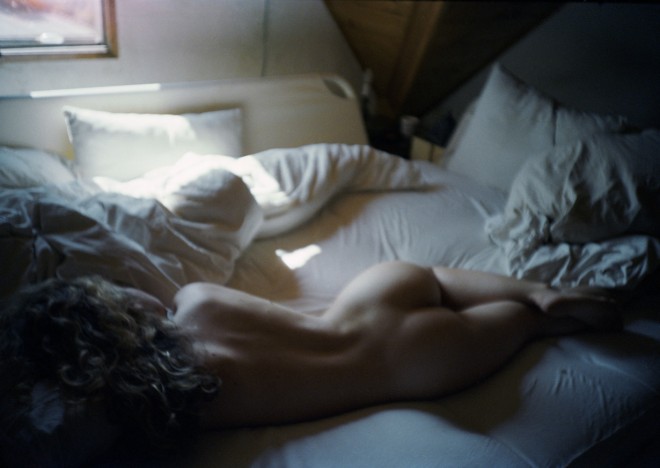
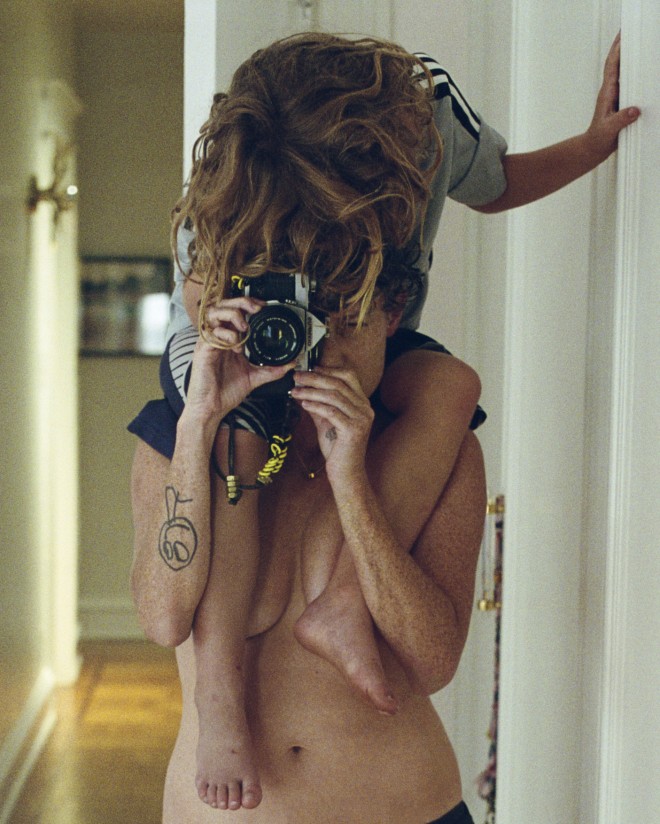
Beds have always offered a world within a world, a place where sex, loss, pensiveness and commonality can all exist in the same place, and sometimes all at once. It is these dichotomies and juxtapositions that photographer Cass Bird plays with in a new exhibition at Red Hook Labs in New York.
This new series of portraits tells the story of her family, with pictures of wife Ali, and their two children weaving a story of laughter, intimacy and feeling connected.
Alongside familial images are examples of Bird’s fashion photography, which has featured in publications such as French Vogue and Wall Street Journal, as well as Twin magazine.
‘Self Portrait with Mae’ (2014), Photography Cass Bird
Here the same off-kilter, fluid and sensitive compositions relay an eye that is totally attuned to its subjects; whether it’s professional or personal, Cass Bird communes with these moments rather than directs them.
‘In Bed’ is on at Red Hook Labs, Brooklyn until September 24th.
Famed for being light, bright and breezy, Henry Holland’s designs have always embodied a playful and punchy nature. So it kind of makes perfect sense that the designer has launched a capsule collection with cartoon character Woody Woodpecker, launching just ahead of London Fashion Week.
Available exclusively at Fenwick of Bond Street, the collection comprises of 15 pieces – hoodies, jackets, dresses and skirts, all featuring or making reference to one of Disney’s most eccentric characters. If you want a fun-filled energy boost for your style, look no further.
House of Holland x Woody Woodpecker collection is available from September 11th, at Fenwick of Bond Street.
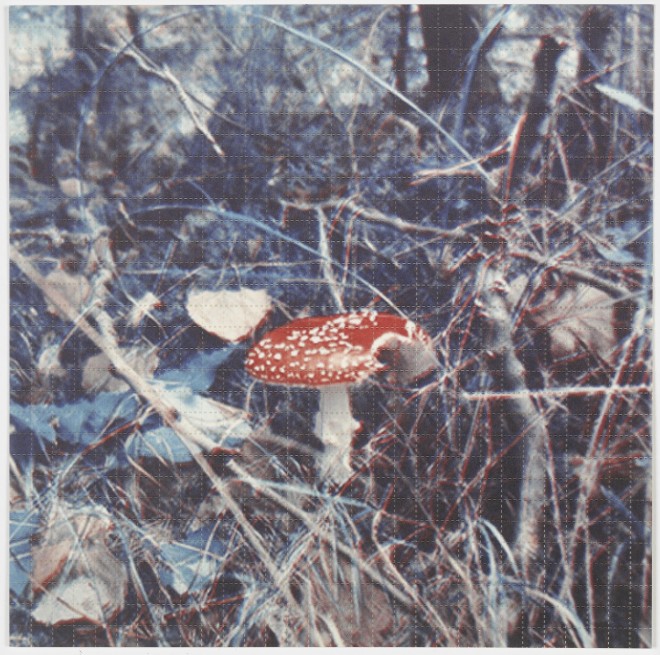
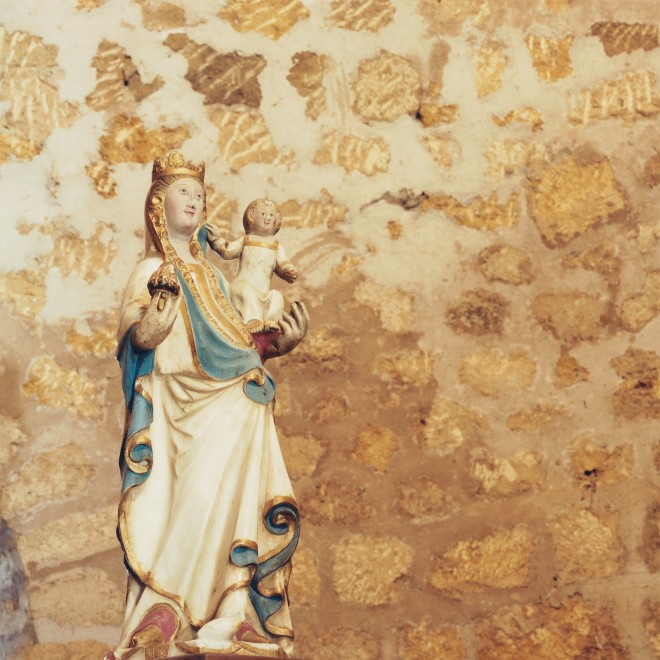
Francesca Gavin (Twin, Art Editor) curates a new exhibition in Paris, inspired by the cultural power of the humble champignon.
The exhibition explores the mushroom through cultural and historical narratives, focussing on how this simple fungi has operated at the heart of ritual for thousands of years.
Hannah Collins, ‘The fragile feast, madonna and ceps.’ 2012 – 2017. | image courtesy of galeriepcp
“They were an early form of female empowerment” Peter Cybulski, of galeriepcp tells me, adding that women used mushrooms for a source of income throughout the 19th century.
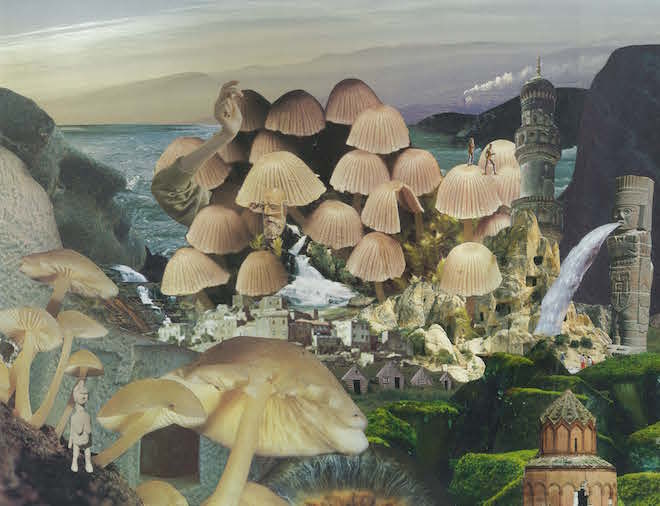
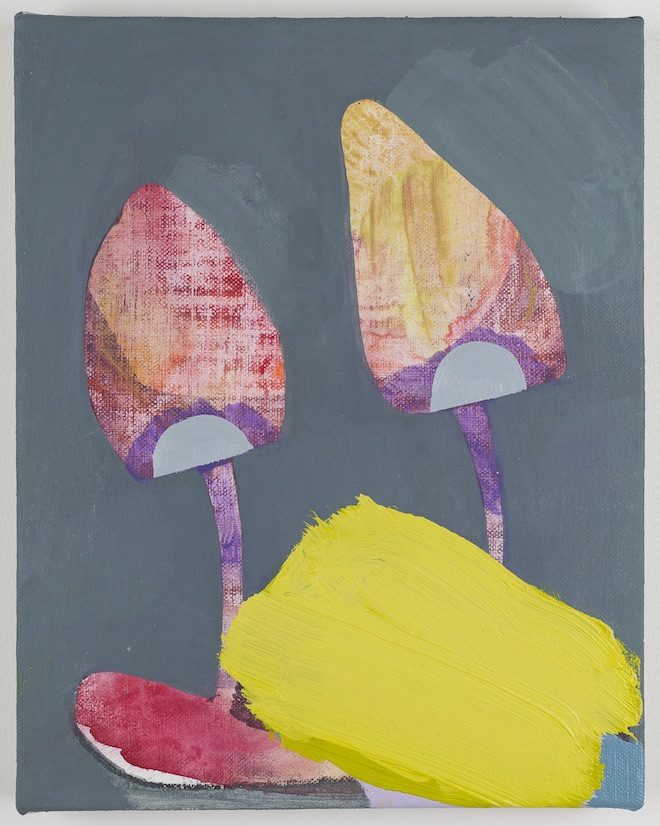
Throughout contemporary art, the mushroom can also be seen as a source of inspiration, with creatives looking towards it for its ability to signify nature, as well as more abstract, and psychedelic references.
Seana Gavin, ‘mushroomscape’, 2017 | image courtesy of galeriepcp
Bringing together a diverse and exciting range of international artists which includes Hannah Collins, Sylvie Fleury, Seana Gavin, Carsten Holler and more. This new exhibition covers painting, collage, film and photography to offer an exciting and surprising survey of the mushroom, and the strangeness it embodies.
John Millei ‘maria sabina #1’, 2016 | image courtesy of galeriepcp
Champignons! curated by Francesca Gavin is at galeriepcp in Paris until 10th November 2017.
To mark the launch of their latest fragrance, Gabrielle, Chanel brings the scent to life with a new pop-up shop on Bond Street.
Running until 24th September, the space will invite audiences to immerse themselves in the history and personality of Gabrielle Chanel; a series of events and workshops designed to unpack her rebellious nature, and how this has been conveyed through scent.
To find out more about the workshops and events on offer, and to book your place, click here.
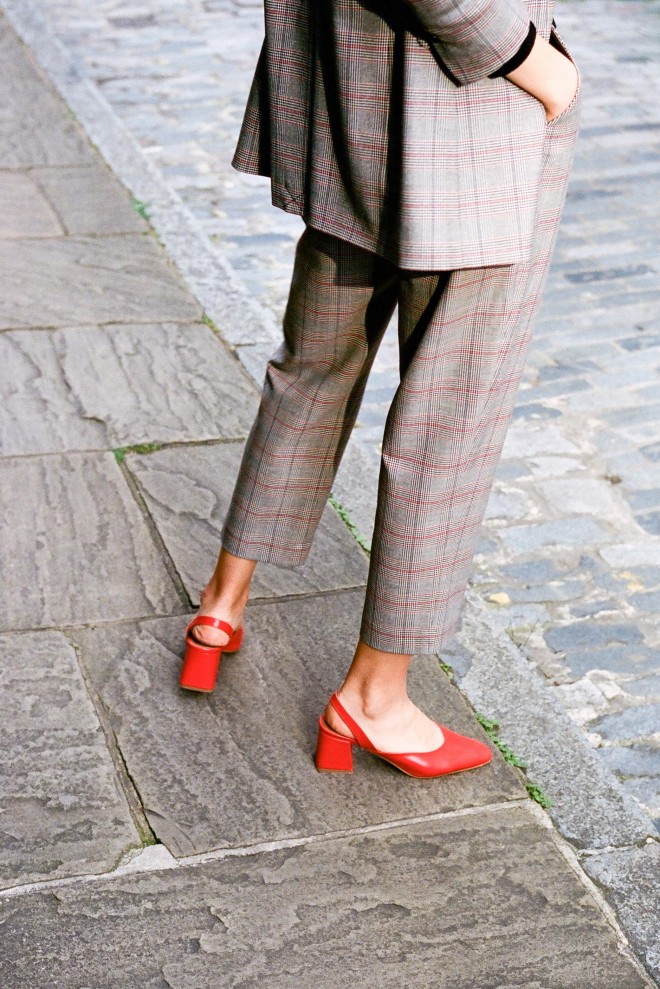
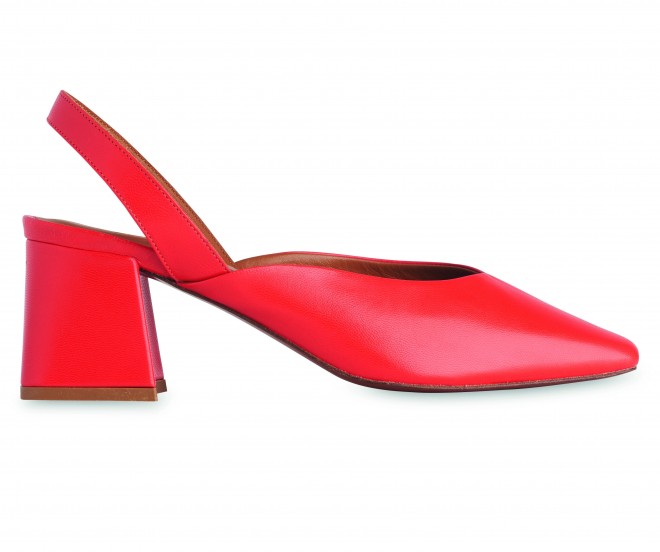
For AW17, Whistles has partnered with by FAR to launch a new collection of shoes, all named after iconic streets in London.
Choose from the lace up Burlington boot, slip on Ledbury loafers, slingback heeled Redchurch shoe and tassel detail Chiltern shoes in a range of colour ways – covet this season’s favourite shade of red for a bold finish, or choose tan for a timeless investment.
Founded by twin sisters Valentina and Sabina, along with their friend Denitsa , by Far is an under-the-radar Bulgarian shoe brand that makes dreamy, timeless staples from their headquarters in Sofia.
This new collaboration with Whistles focusses on celebrating the brand’s British heritage, offering Victorian-inspired boots, as well as unisex loafer styles.
If you’re looking for a shoe that does the hard work for you, this collection is for you.
The Whistles x by FAR collection will be available in selected stores and online at whistles.com from 15th September 2017.
Whether it’s designers, photographers, stylists or artists, fashion is full of dynamic creatives who come together, in pairs and in teams, to produce emotional, meaningful images. But occasionally there are partnerships that stand out and endure beyond the whirring cycle of the industry, and it is these notable and lasting collaborations that Lou Stoppard has chosen to spotlight on in her latest book, Fashion Together.
The book consists of 18 interviews between creative duos across fashion, design, photography and film. Highlights include Inez van Lamsweerde and Vinoodh Matadin’s portrait of Clint Eastwood for the New York Times Magazine (2005) and Shaun Leane for Alexander McQueen’s ‘Star’ headpiece from the Salem Collection (Autumn/Winter 2007), as well as conversations with Marc Jacobs, Rick Owens, Vivienne Westwood, Nick Knight and their creative partners. Conversations range from childhood memories to thoughts on the fashion industry, and a foreword from The Met’s Andrew Bolton provides the perfect means of entering these worlds.
Ahead of the launch of the book, Fashion Space Gallery will celebrate the collaborative spirit with a new exhibition opening this week. As an insight into the industry, and the minds behind the makers, this new book provides a warm, engaging presentation of some of fashion’s most enduring and memorable partnerships.
Fashion Together opens at London’s Fashion Space Gallery, 8th September 2017 and ‘Fashion Together: Fashion’s Most Extraordinary Duos on the Art of Collaboration’ is released on Rizzoli Press, October 17th.
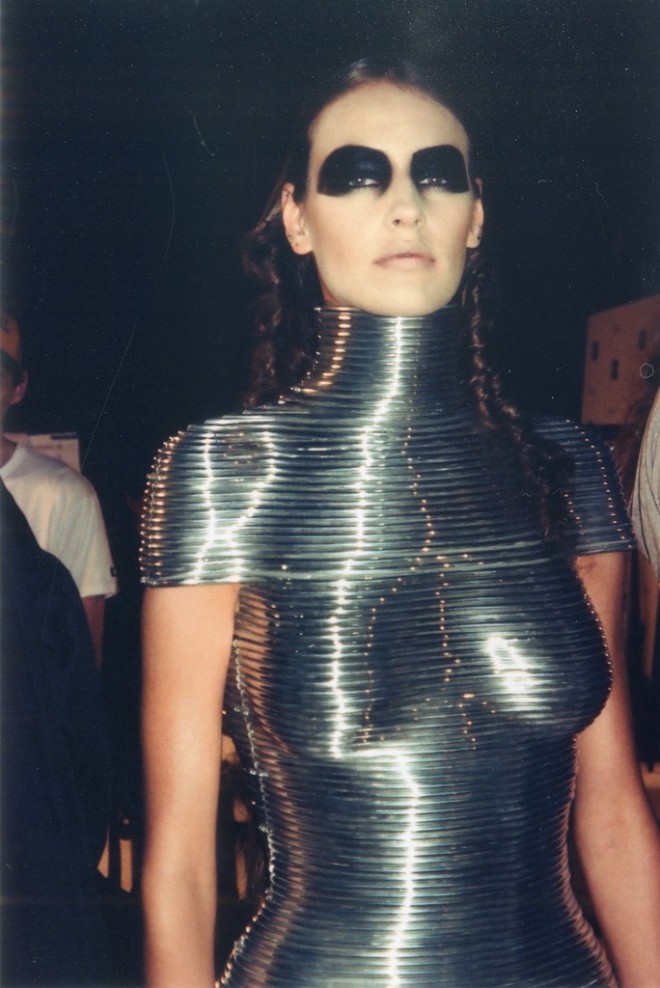
Photo credit: Backstage at the Alexander McQueen ‘Black’ show, June 2004. Aluminium Coiled Corset by Shaun Leane for Alexander McQueen, The Overlook, Autumn/Winter 1999 | Courtesy of the Shaun Leane archive
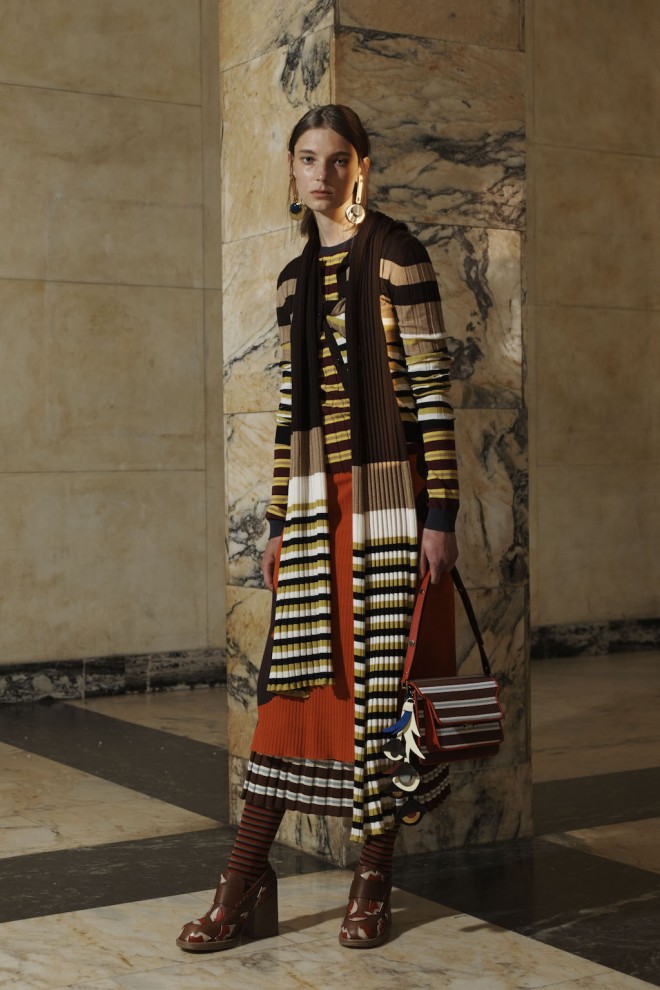
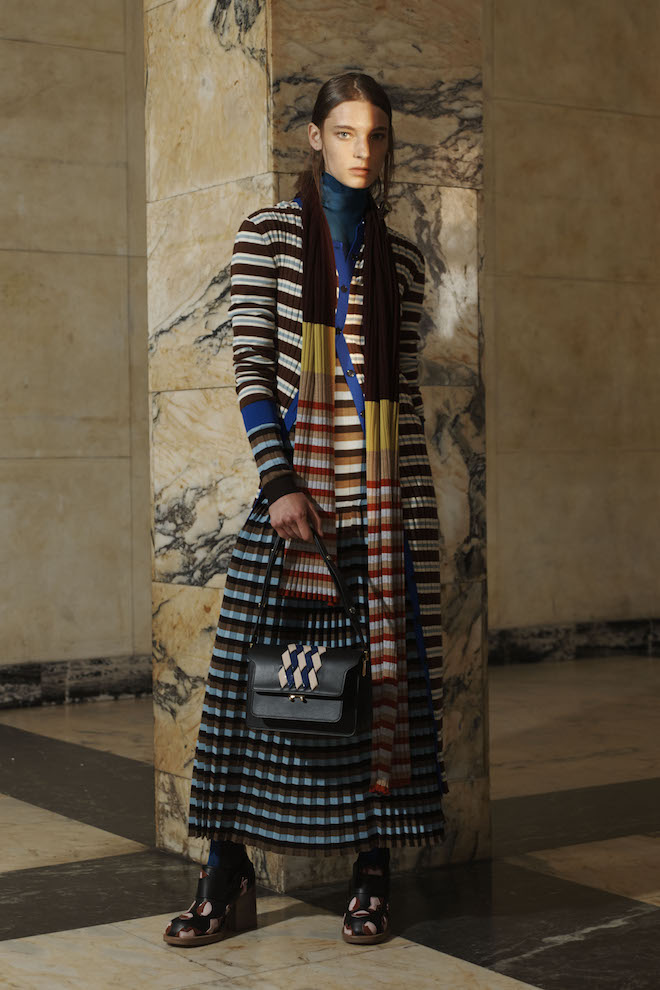
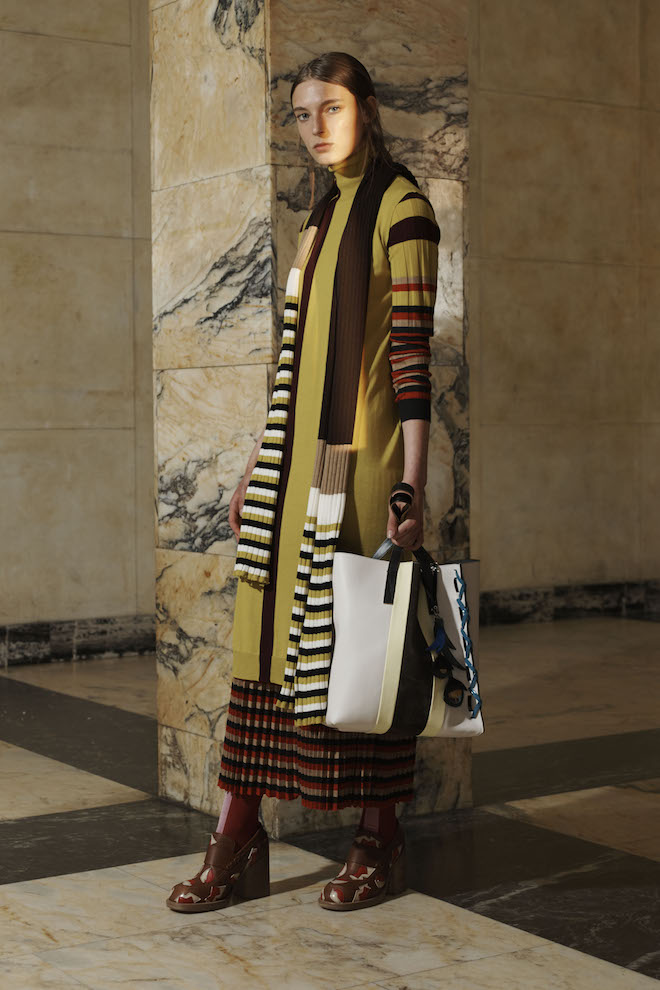
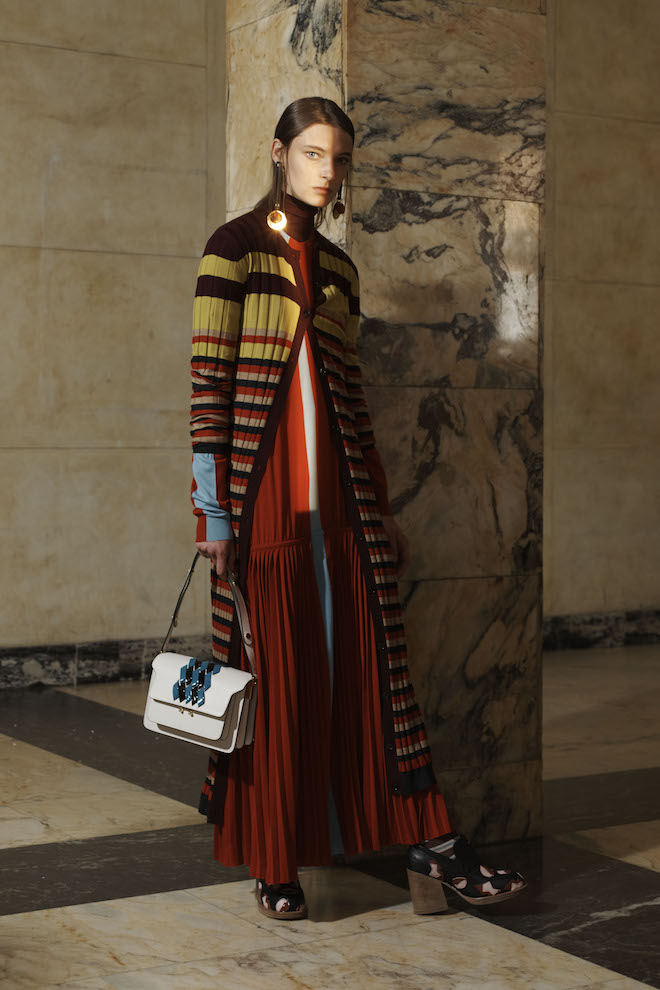
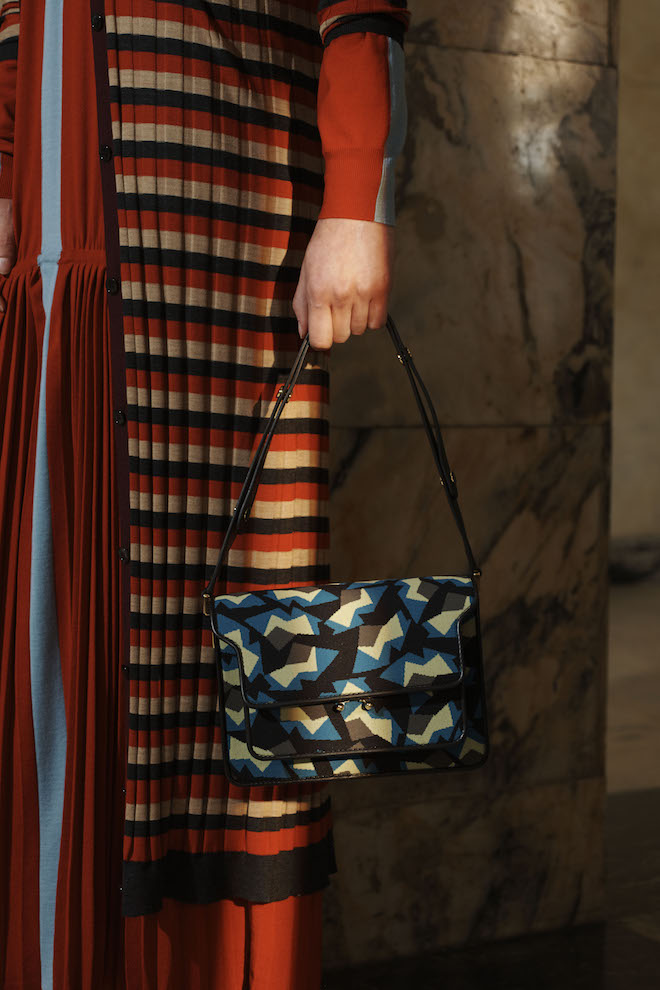
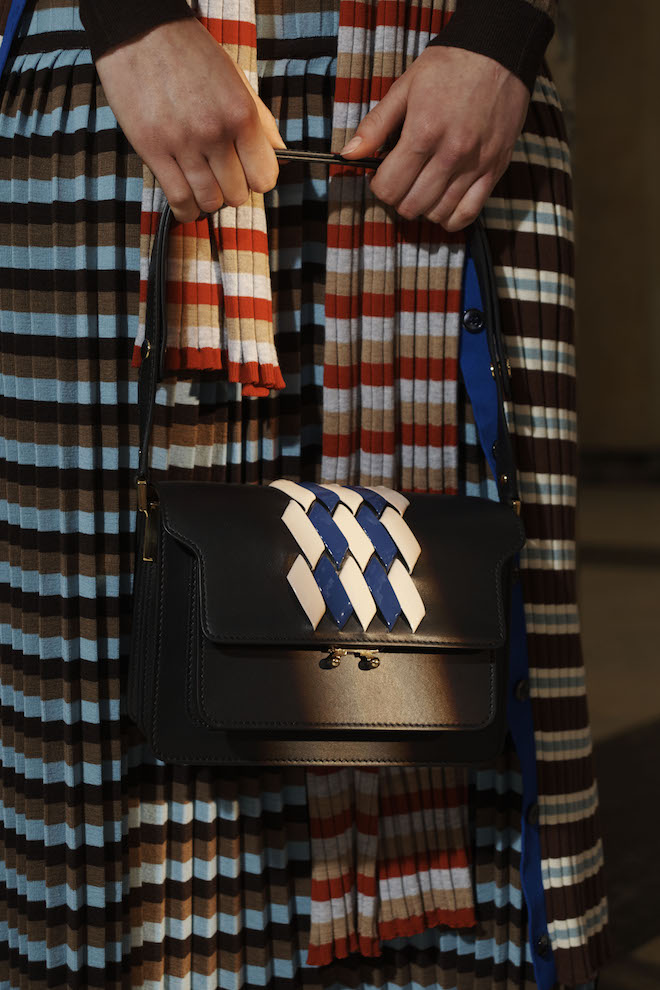
For fall / winter 2017 – 2018, Marni has debuted a beautiful line of eclectic takes on knitwear. Featuring bright colours, geometric prints and patterns and rendered in ultra fine cotton, wool and cashmere.
The capsule collection also features Marni’s iconic Trunk bag, which comes adorned in horizontally striped knit versions, as well as a plain-coloured model decorated with a central maxi band.
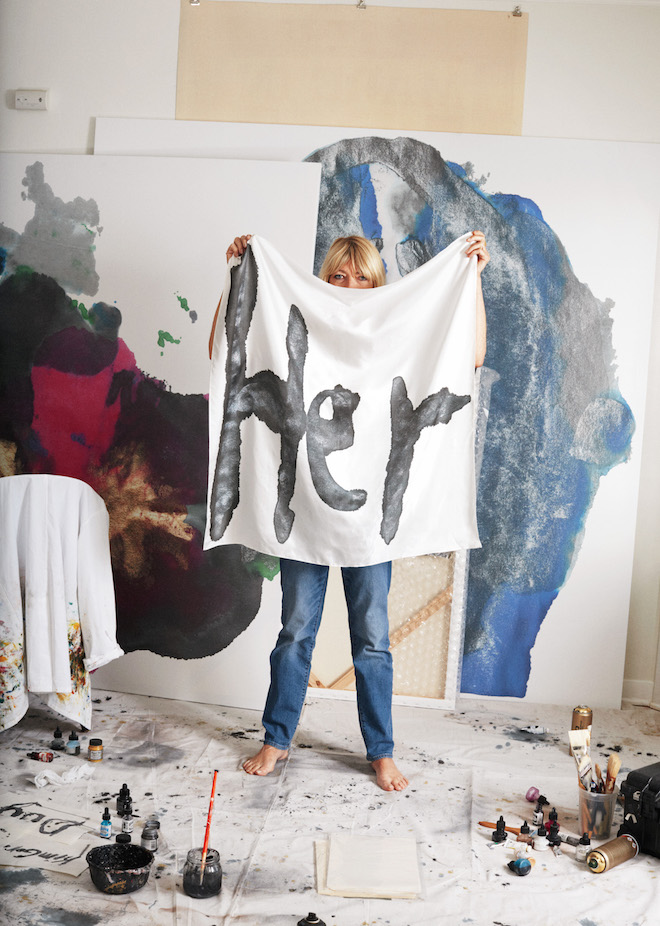
Artist, writer and musician Kim Gordon (who also happens to have co-founded Sonic Youth) has teamed up with & Other Stories to offer a fresh new collection, modelled by her daughter Coco Gordon Moore.
Comprising of t-shirts, silk scarfs, hoodies and skirts, the collection encapsulates an empowered and celebratory approach to family and femininity within a range of staple silhouettes.
“Dealing with the structured shapes of t-shirts and hoodies in this collection was almost like working with empty canvases. I decided to do pronouns because I like the idea of a word, and the sense of drama surrounding it. Thinking of a word can create an atmosphere, and there’s a certain mystery about it. The screen printing makes the pieces feel more crafted and one-of-a kind. Especially the abstract prints, they almost look tie-dyed, but more like art in a way. I like contrasts and when something unexpectedly is looking glam. Today, I think women can curate their environment by what they wear,” says Kim Gordon of the collaboration.
Throughout the collection, graphic prints which include slogans such as “Her” “They” and “The Other” feature, juxtaposing with Kim Gordon’s artwork which explores and reflects on these ideas more widely.
Catch a behind the scenes preview below, and explore the whole collection here from August 31st 2017.
“Selecting 10 favourite photo books is a nearly impossible task, so I limited the scope to photo books I own. Each of these books represent aspects of the type of book Yoffy Press strives to publish in terms of design, innovation, and quality.” Says Jennifer Yoffy Schwartz, who founded her Atlanta-based publisher Yoffy Press. The publisher specialises in transforming photographs into bodies of art, creating a visceral and lasting celebration of creativity. We asked Jennifer to curate a selection of her favourite photo books – see her list below.
Black is the Day, Black is the Night, Amy Elkins, self-published
I tell everyone who will listen about this book. Elkins takes a subject that seems impossible to photograph – the thoughts and memories of death row inmates and the overarching capital punishment system – and brilliantly does just that. The book weaves together these images with ephemera, text, and representative objects. The design also happens to be gorgeous.
Beyond Maps and Atlases, Bertien van Manen, MACK
This book is beautiful, and fairly straight-forward from a design perspective. But looking through is immersive. It feels like a world I want to know. I am also in awe of the edit. There are several images that are imperfect, flawed. I don’t know that I would have been brave enough to include them, but they make the book sing.
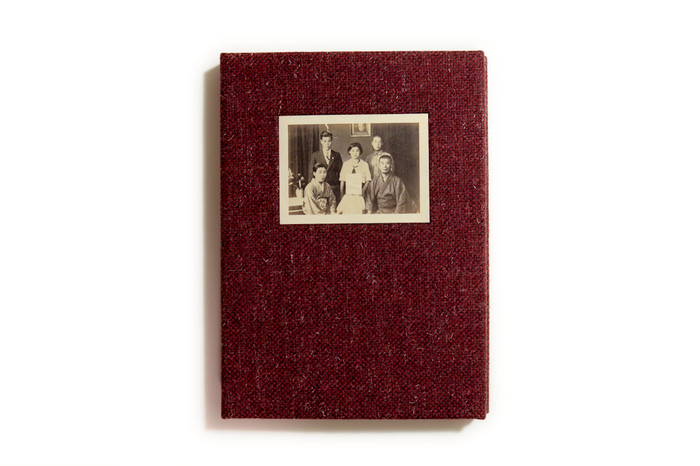
Silent Histories, Kazuma Obara, RM Verlag
I randomly came across this book in New York last spring. It appears handmade, with dozens of little treasures tucked between pages, creating an incredibly engaging viewing experience. I bought it, because at the time, Louie Palu and I were deep into concepting mode for his book, Front Towards Enemy (to be released in October). The interactive aspect of this book was something we were striving for. Coincidentally, when I met up with Louie in New York that weekend, he pulled the same book out of his bag, and said, “this is our inspiration”.
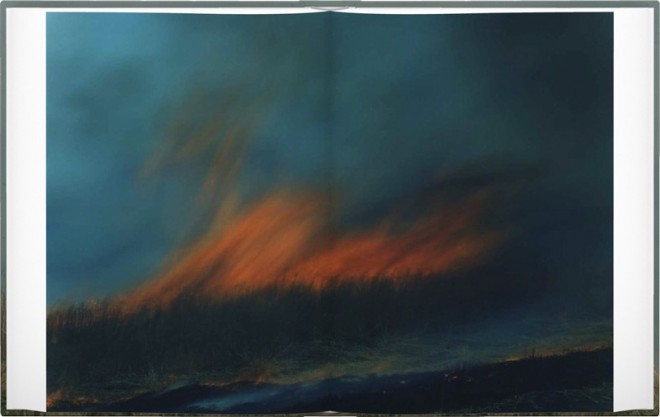
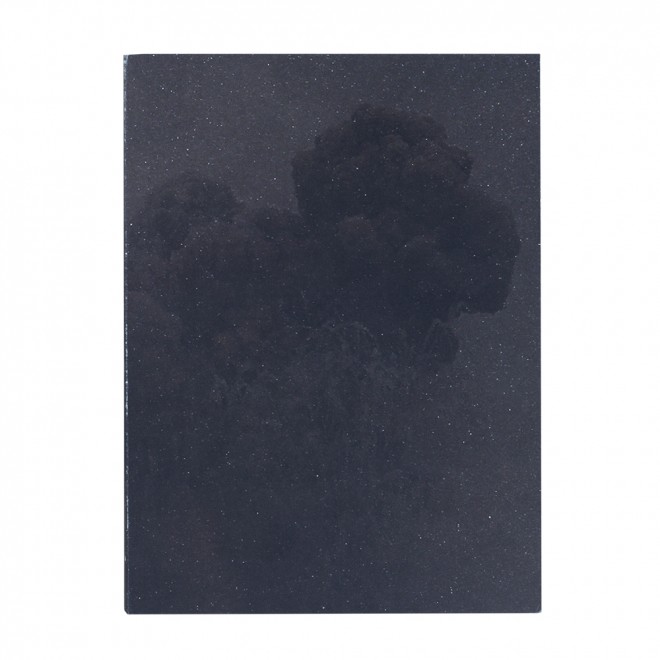
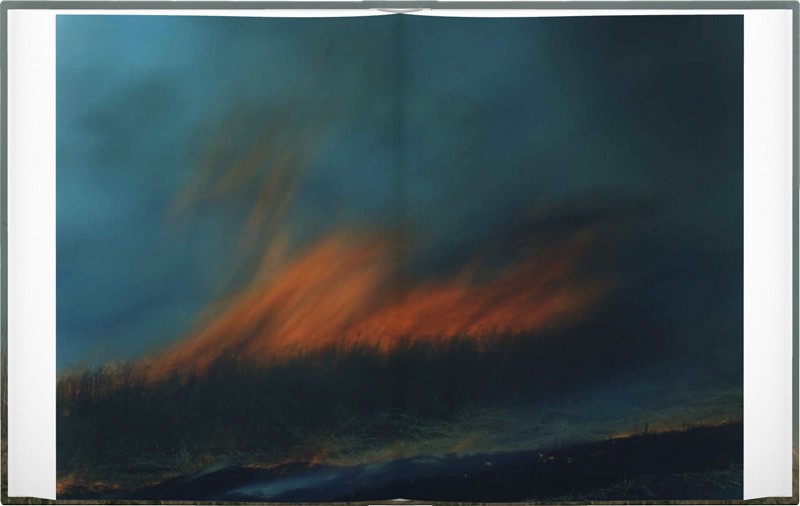
Ametsuchi, Rinko Kawauchi, Aperture
I recently bought this book off a recommendation from a friend, so I haven’t had a lot of time to spend with it yet. I bought it, because of the strong recommendation, and because I love images of fire. But the jackpot surprise is the French folds! You can peek inside to see the negative image of the photograph on the outside page. Brilliant.
Swamp, Chloe Sells, GOST
Sells photographs in Botswana and then completes the images in the darkroom by experimenting with layers, texture, and forms to create unique works. The book captures the feeling of wildness through full-bleed images and oddly trimmed pages filled with intense color and overlapping patterns. This is a great example of what Yoffy Press strives to do – create a book that marries design to content to create a new work of art that is so much more than just a series of bound photos.
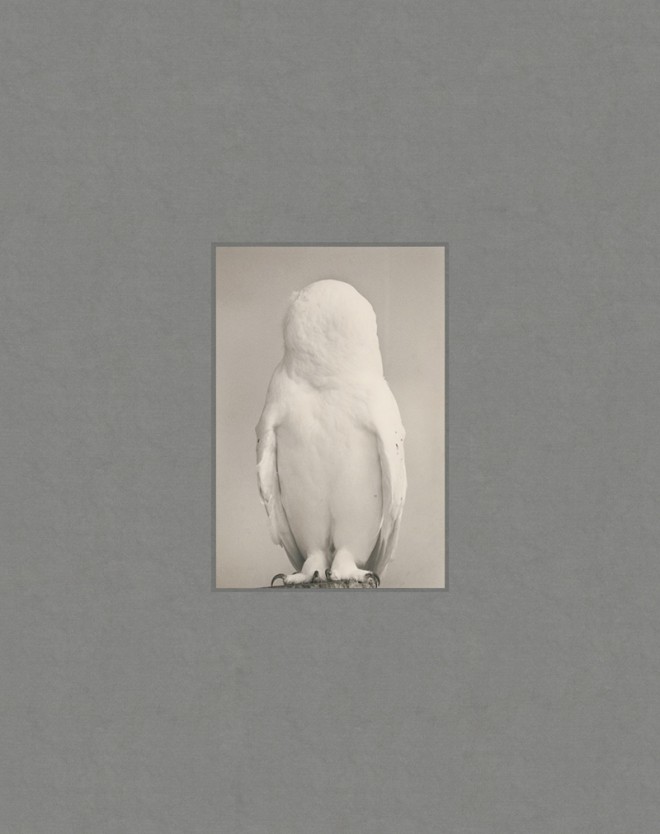
Tori, Masao Yamamoto, Radius
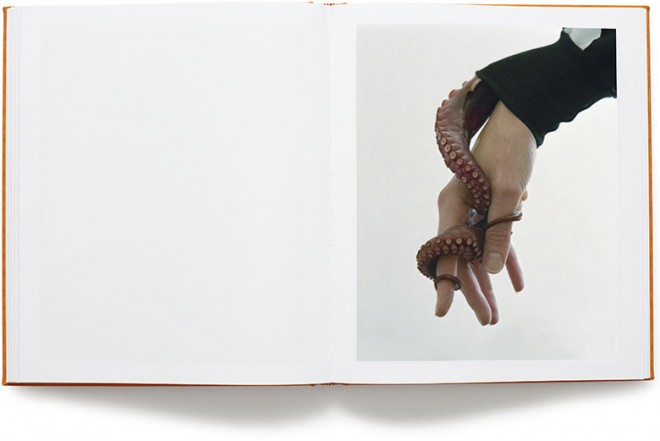
I adore Yamamoto, and I have a bit of a bird obsession, so it’s not surprising I love this photobook. But beyond the obvious interest, the design makes a large book feel precious, like Yamamoto’s images. Flipping through the pages feels like carefully sorting through a Box of Ku. You want to touch everything. You want to know what will come next. You want to look closely and examine every detail.
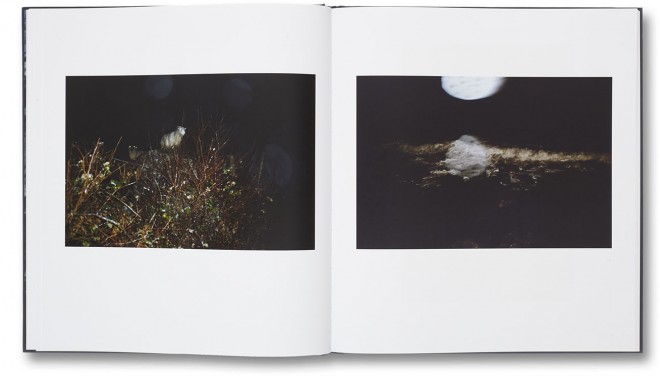
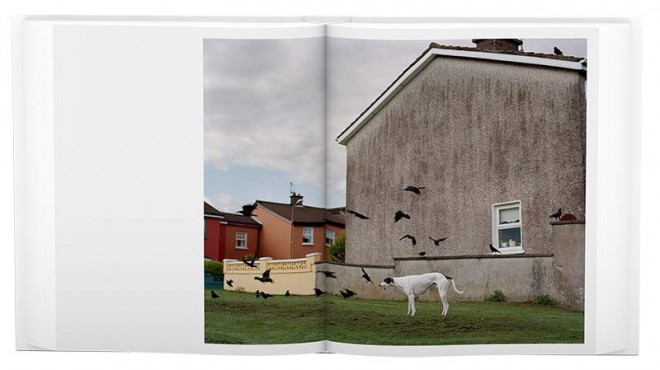
Vanilla Partner, Tørbjørn Rødland, MACK
I have a difficult time articulating why I love this book. It just feels smart and sexy and fun and a little unsettling. Looking through it feels like watching a really great movie you don’t entirely understand.
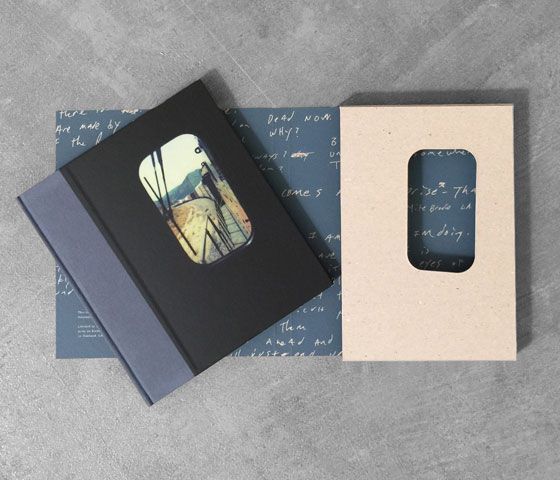
Tones of Dirt and Bone (Special Edition), Mike Brodie, Twin Palms/TBW (Special Edition)
The color palate of Brodie’s images is distinct and striking, and the book does a great job of keeping the viewer in the mood the project evokes. But the closer for me is the slipcase in the special edition. The train window cut-out? So smart.
My Last Day at Seventeen, Doug Dubois, Aperture
The integration of a comic into this book blows my mind. It tells a story that is based on true events – a story within a story. It’s like insight comes in sideways. It’s a hint of something beyond our grasp, but it’s enough information to let the viewer feel it. Then there’s that last page…
The History of Photography in Pen & Ink, Drawings by Charles Woodard, A-Jump Books
While not technically a photobook, it is a book about photographs, and it is a delight.
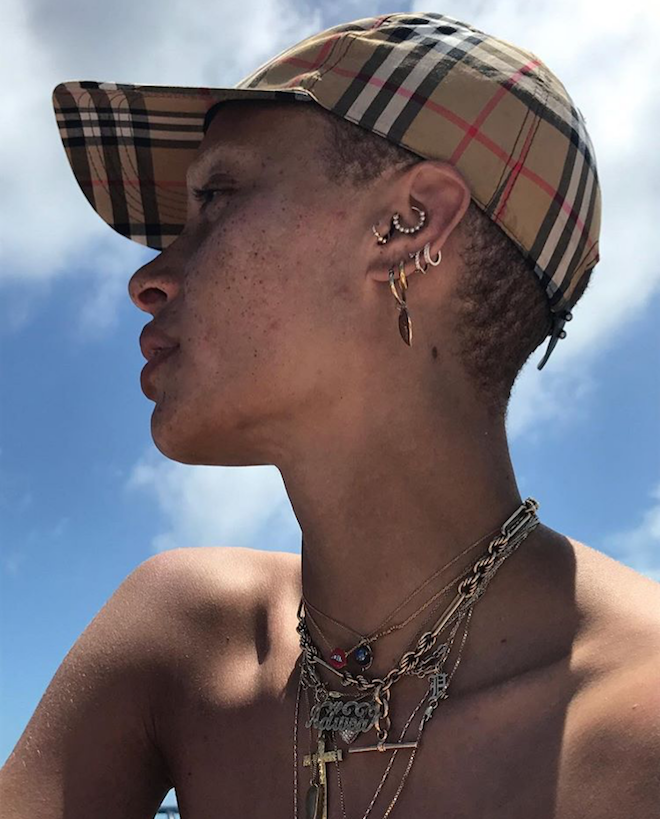
Creative director of the brand, Dominic Jones and founder of Gurls Talk Adwoa Aboah go way back, and with Aboah as the current the face of the brand’s ‘Astronomy’ AW17 campaign, it’s a collaboration which offers the chance to celebrate friendship of all kinds, while championing diversity and encouraging ambitious, young creatives. All of the profits will also go straight Gurls Talk.
Featuring a red enamel Gurls Talk lips logo and decorated with a cultured white sapphire tooth stud, it’s the perfect way to bring a positive, empowered attitude with you wherever you go.






 PREVIOUS

 Twitter
 Tumblr
 YouTube
 Facebook
 Instagram
