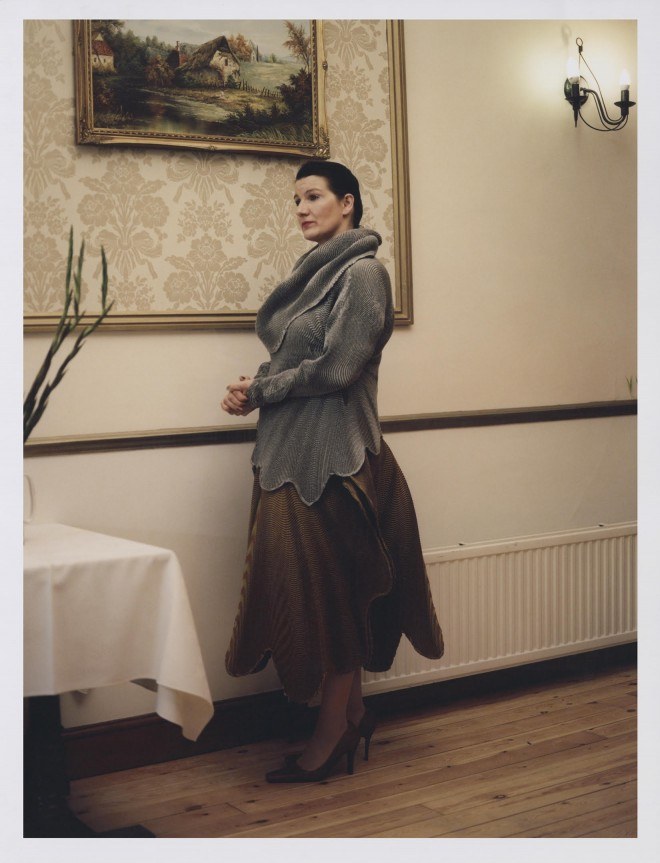
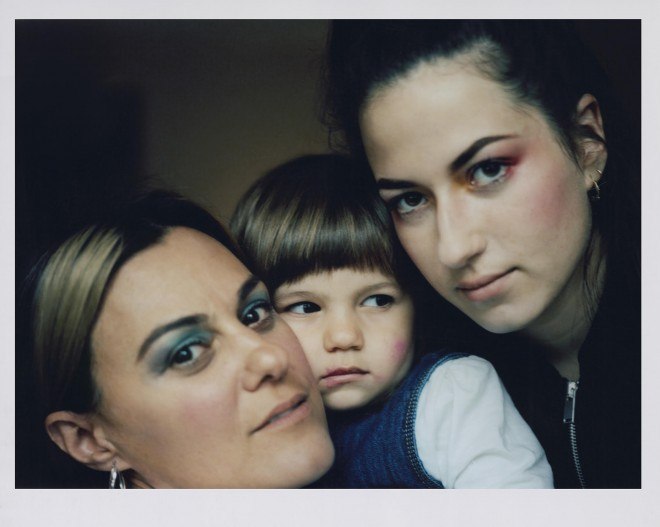
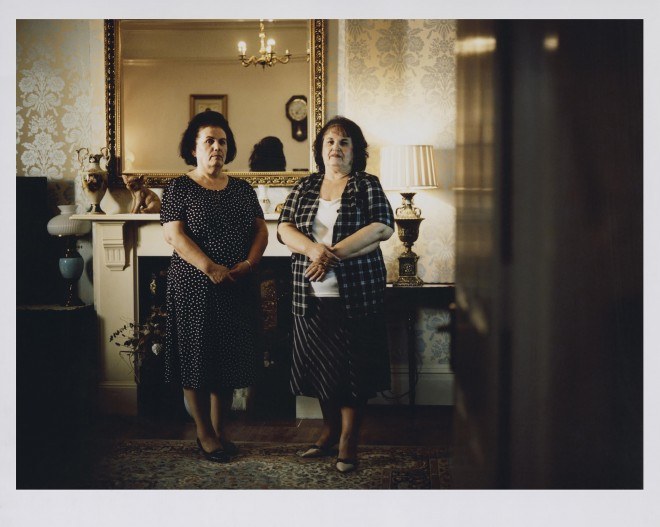
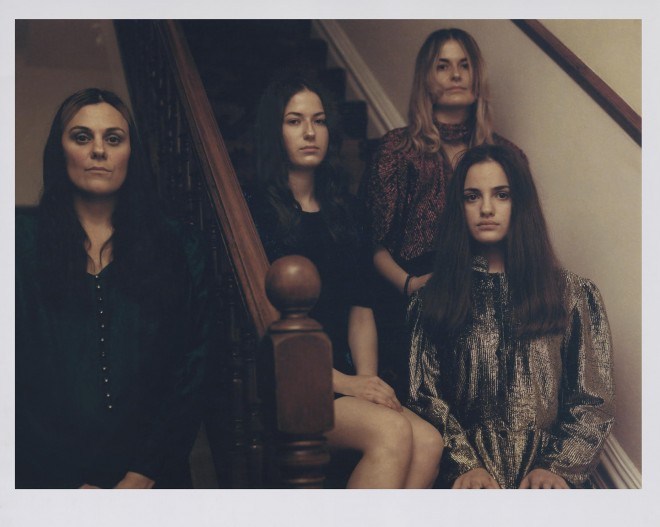
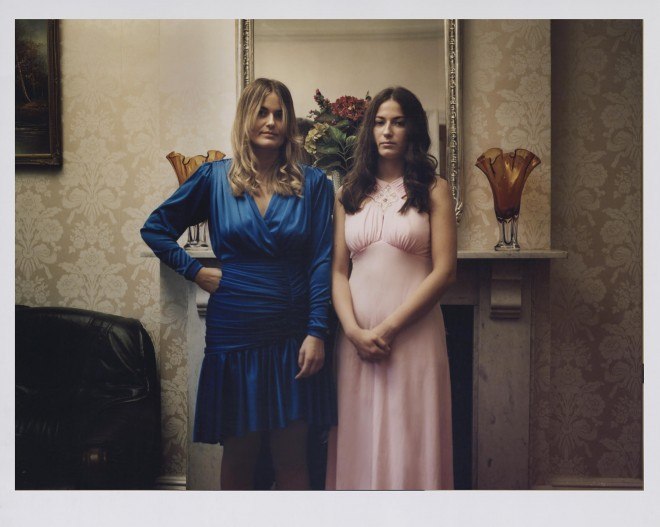
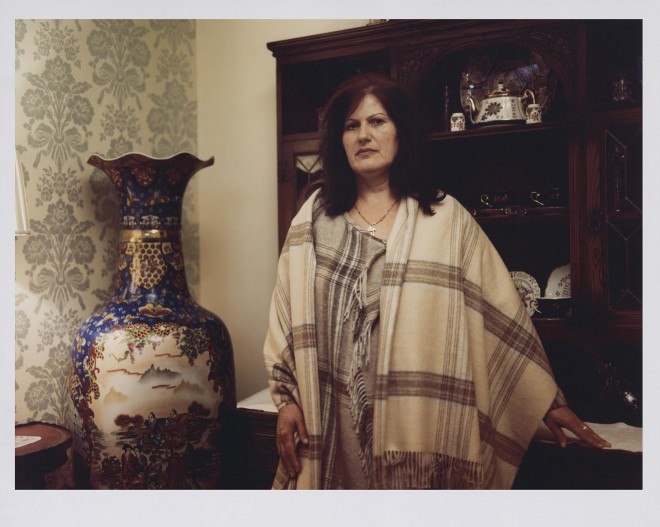
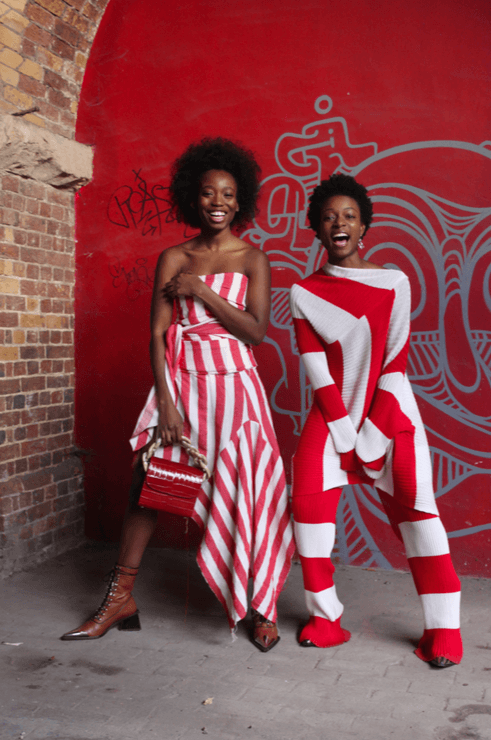
“I always felt that members of my family were eccentric characters that could have starred in their own movie” says Bobana Parojcic. The Serbian make-up artist paired up with photographer Sarah Louise Stedeford, along with stylist Lee Trigg and Tom Wright, to celebrate her family’s rich history within the settings of their home in Oxford, The Palace Hotel.
Nostalgic and vivid, the photographs pay homage to the transitions and journeys at the heart of the family story. “The women in my family were always powerful, strong role models that held the family and glued everything together” adds Bobana as she recounts her family left behind communist Yugoslavia to make a new life in England in the early 1970s.
Having settled at The Palace Hotel, the space has come to represent not only where Bobana’s family built their home, but also a haven of conversations, memories, events and romance.
A graduate from Royal College of Art in 2016, artist Nadine Shaban works across fashion, sound and performance to create idiosyncratic works. Having recently teamed up with Axel Arigato for a new exhibition in the brand’s Soho space, Twin caught up with Nadine to talk about approaching space, working in flux and externalising emotion.
Your new exhibition is entitled ‘Let Me Breathe’ – what inspired this title, and what were you responding to?
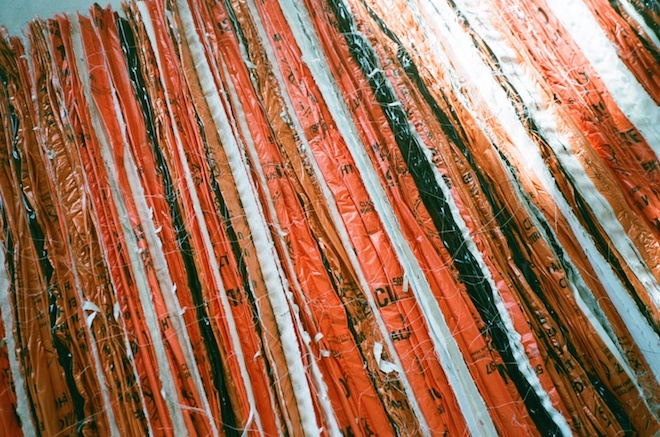
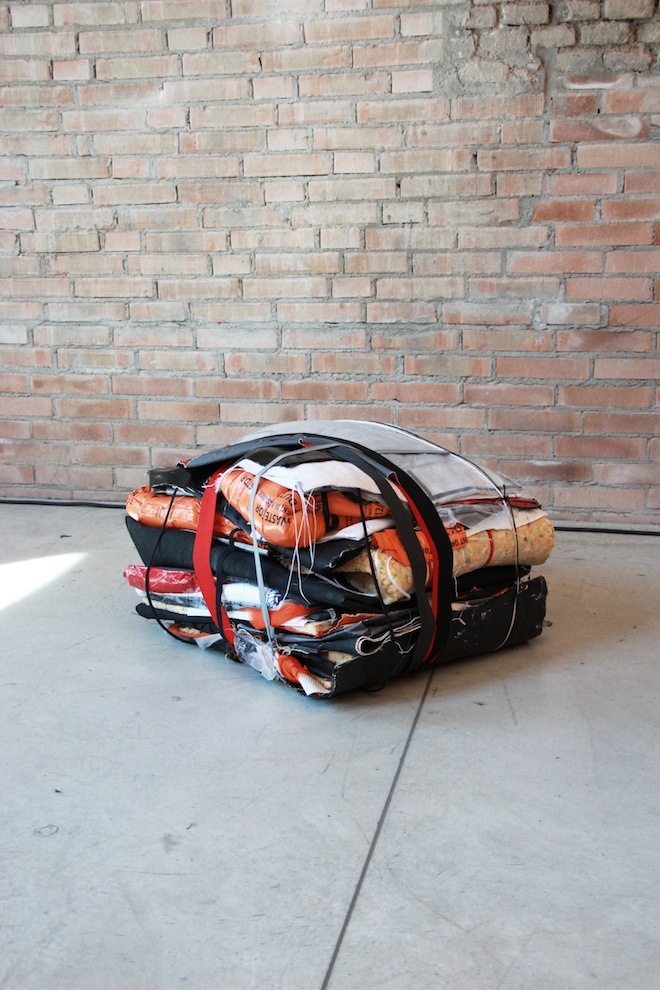
A feeling of being trapped. By situations, pressures and expectations. Wanting to run away from it all. As well as this my work has always been very material based and by the end of my last project I felt very frustrated by the mass of plastic and fabric I had built up around me. I wasn’t enjoying the project and it was beginning to feel like a lot of unnecessary stuff that was just adding to the accumulation of things we have in our lives which we don’t need. I sometimes dreamed about burning it all once the show was done. I’m going through a love hate relationship with my practice it at the moment. This exhibition does involve a lot of material, but I’ve used it to communicate a feeling of suffocation.
Your interest is in creating work that is in flux or transition– what about movement and change interests you? How do you approach a static object to begin to move it towards something else?
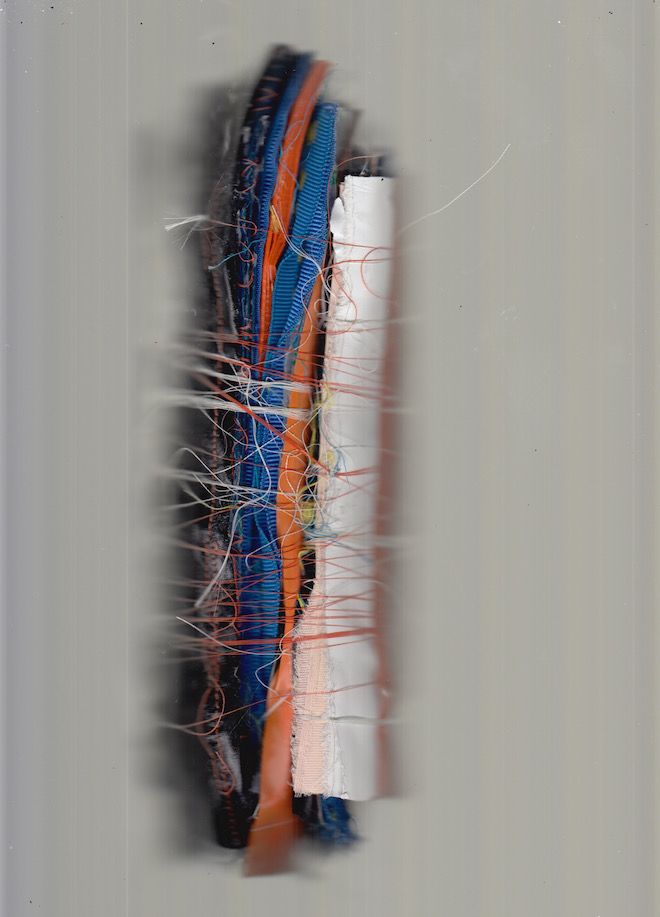
My work is a reaction to my experiences and how I see things and that is something that is always changing. It is the physical actions involved in making work that is an important part of the process for me. Tearing, stitching, mixing and thats about movement. I transform a static object by taking it apart or manipulating it into a different shape. Or more recently working with performers to make the pieces move.
What are the most instinctive materials to work with?
I find I’m very drawn to synthetic materials and materials related to construction. The synthetic aspect is very distant from where the work begins; inner feelings. This contrast allows my work to act as a mask and gives a concrete way to externalise and express what is inside. I often use materials found on building sites because of their relation to transformation and incomplete states and holding things together.
How have you found your practice evolving since you graduated?
I’m open to collaborating. I used to find it very difficult to work with people and would avoid it. My work was something I needed to have complete control over. I find now that collaborating makes projects more fun and allows for further development. And I don’t worry so much about the outcomes of my work, I’m better at trusting my instinct. I guess I’m less precious about it.
You have collaborated with a range of designers, what about your practice aligns well with clothes and the body?
My work is very textural and sculptural so it lends itself to clothing. The contrast created between the heavy and synthetic materials against the natural body creates a mask. I get consumed by my work so I like the idea that a body gets consumed by it. Combining my work with the body also helps to communicate some of the emotions it is related to.
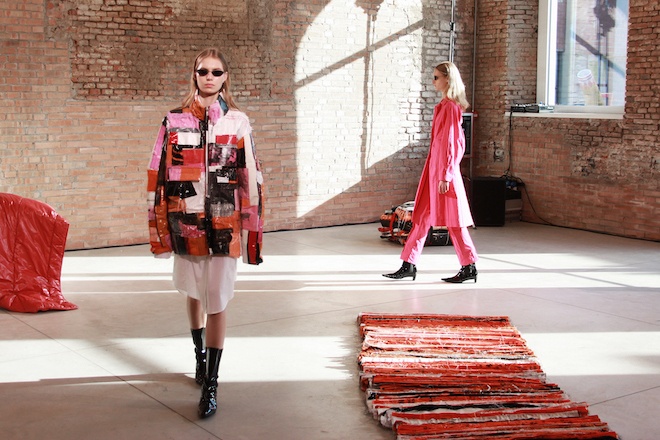
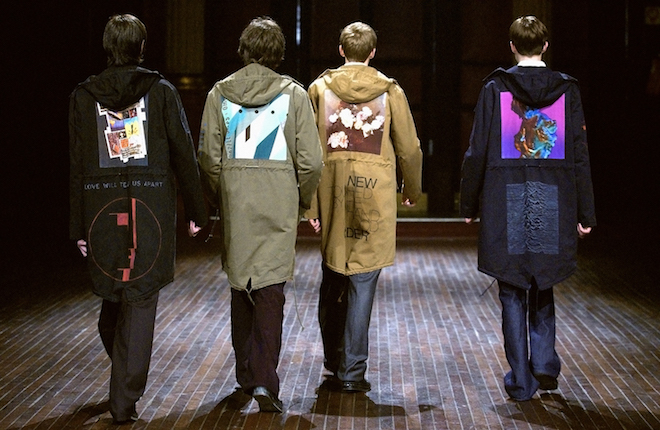
Tommy Zhong SS18
How did the collaboration with Axel Arigato come about? What about the brand aligned with your aesthetic?
The Lobby London approached me to see if I’d be interested in collaborating with Axel Arigato. Their brand has a very minimal and fresh aesthetic, which compliments the mixed media aspect of my practice. The store is very spacious and white with some industrial textures, which makes it an ideal place to present my slightly chaotic work.
You talk about art being a hiding place – how do you approach empty space when you’re thinking about your next work?
My interaction with materials is a bit like having a conversation; it is how I translate what is inside of me. This initial process only really happens when I’m on my own in my own space. But from it comes lots of experiments in the form of small objects. Once I’ve found what is effective I can use this as a starting point to look at how it can be developed on a larger scale.
What keeps you interested in larger scale installations?
A desire to create a space that people can become immersed in, be overcome by and take them away from their everyday life. I want to find a way to translate the energy and world that I get lost in when I am making work to people viewing it.
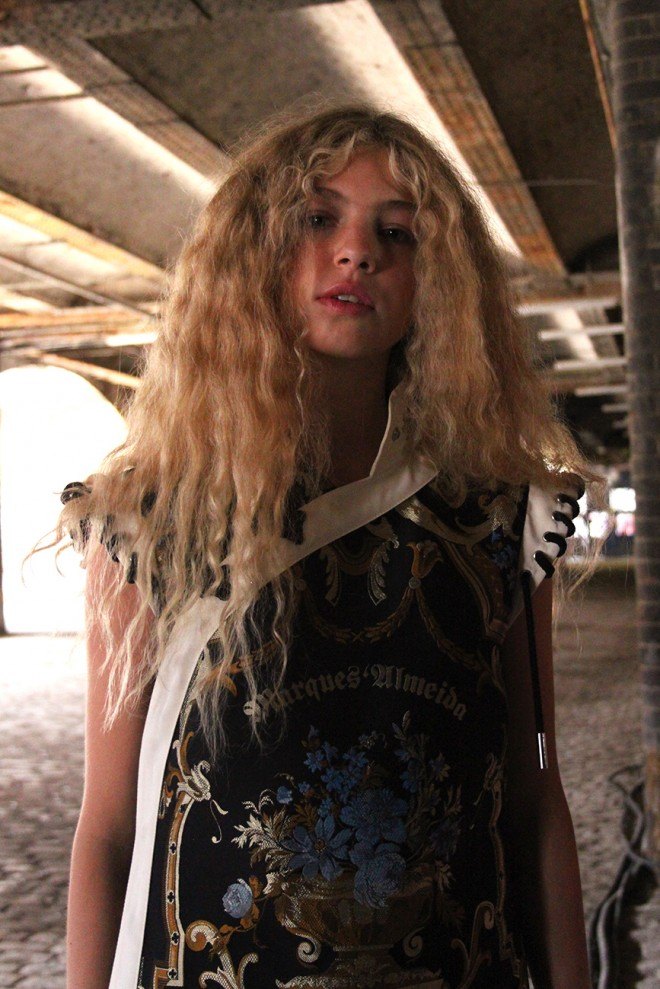
Kick start the festive season with a trip to the Marques’Almeida Christmas market this weekend. Expect archival M’A pieces from seasons past, as well as AW17 designs. The brand has teamed up with illustrator Helen Bullock to create über fashionable postcards and prints, and you can also book in for Christmas braids.
Marques’Almeida Christmas market SHOWstudio Illustration Gallery 15 Floral St, London until December 2nd.
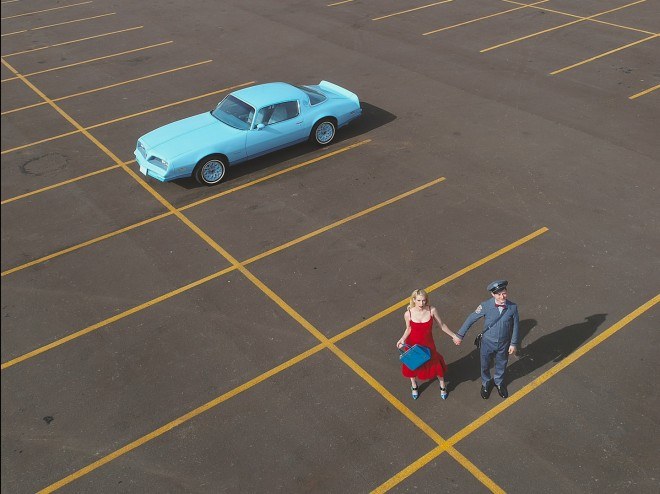
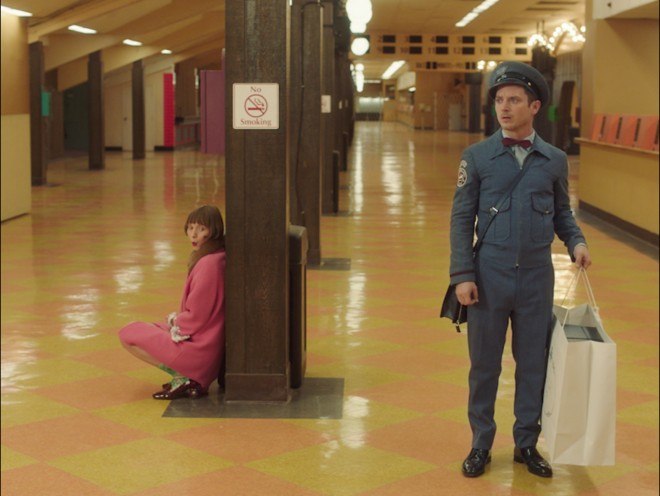
To mark the start of the festive season, Prada has released two new films directed by the legendary Autumn de Wilde. Divided into two films, ‘The Postman’s Dreams 2’ (a sequel to de Wilde’s first collaboration with Prada in 2015), and ‘The Postman’s gifts’.
Preoccupied with themes such as desire and the pursuit of satisfaction, de Wilde’s sharp, playful hand is at her masterful best. While Elijah Wood plays an enigmatic postman, it is the Prada Galleria bag that stars as leading lady throughout. Fantastical and maverick, these are an early Christmas treat.
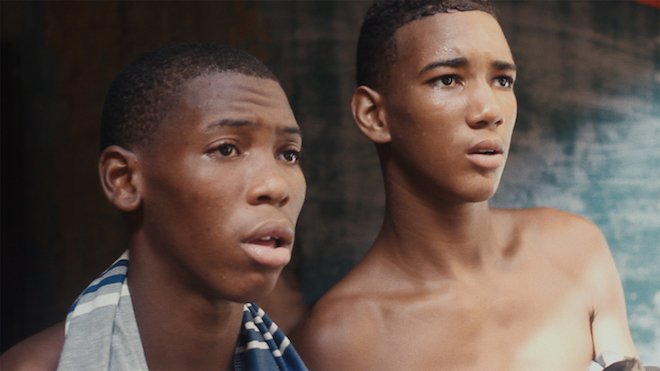
A new Noisey documentary goes deep into the underground grime scene to spotlight on its stars – Blackpool’s kids. And while these stars are barely in their teens, their lyrics are ferocious and sharp; their delivery quick, charismatic and harsh.
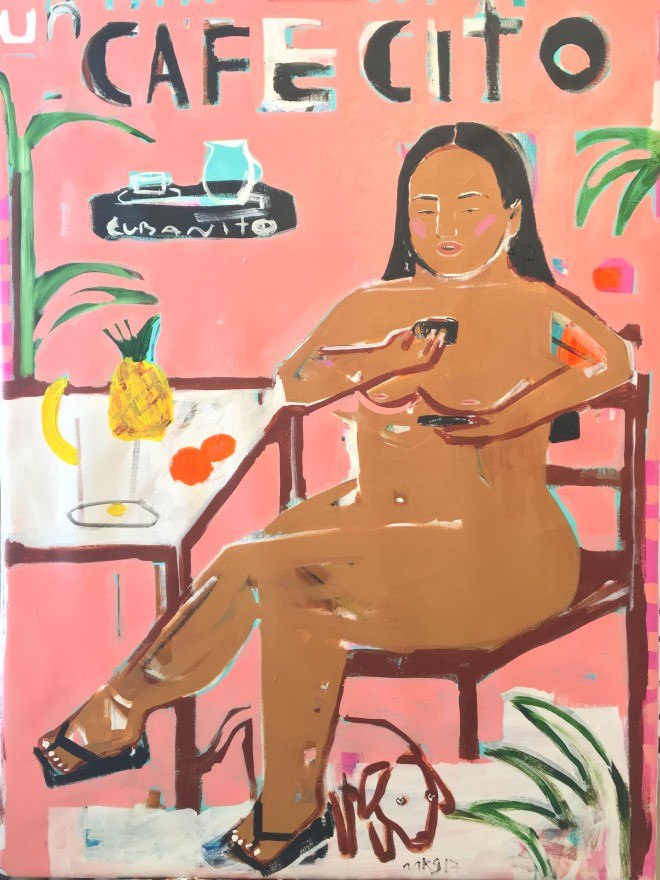
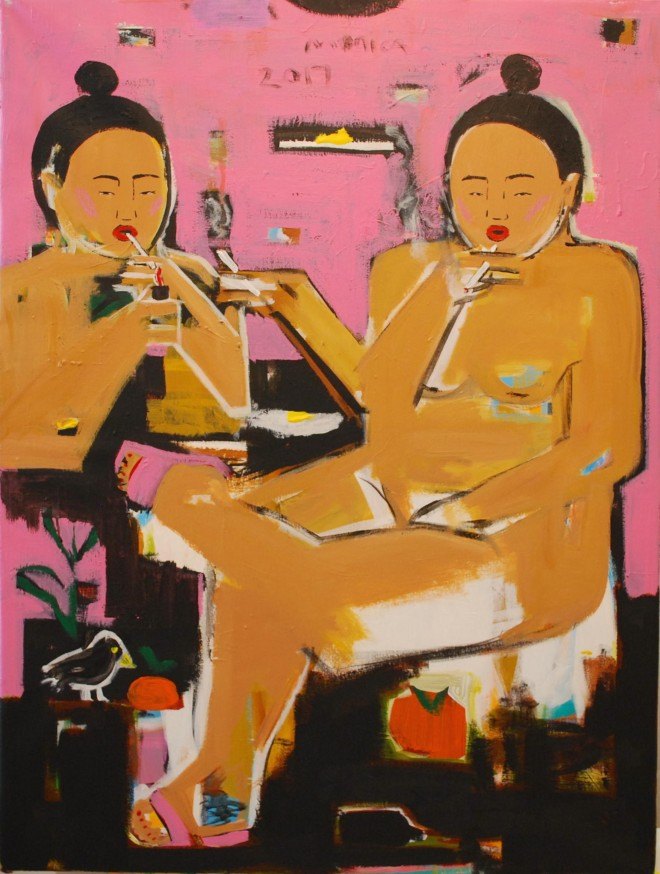
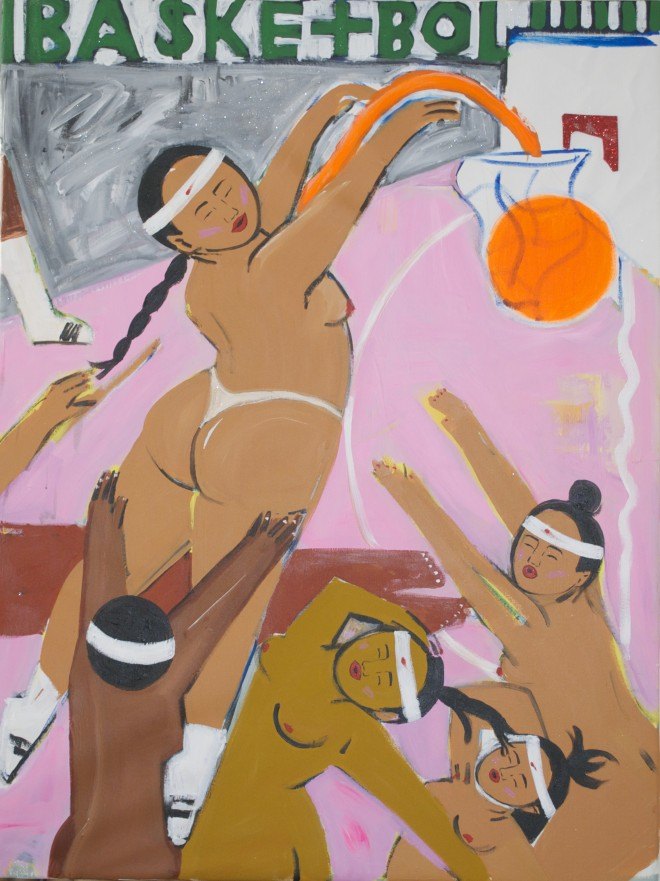
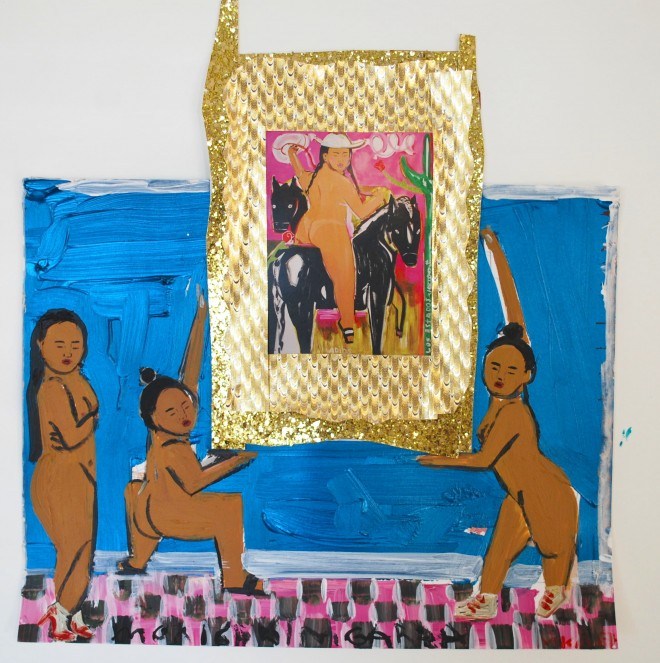
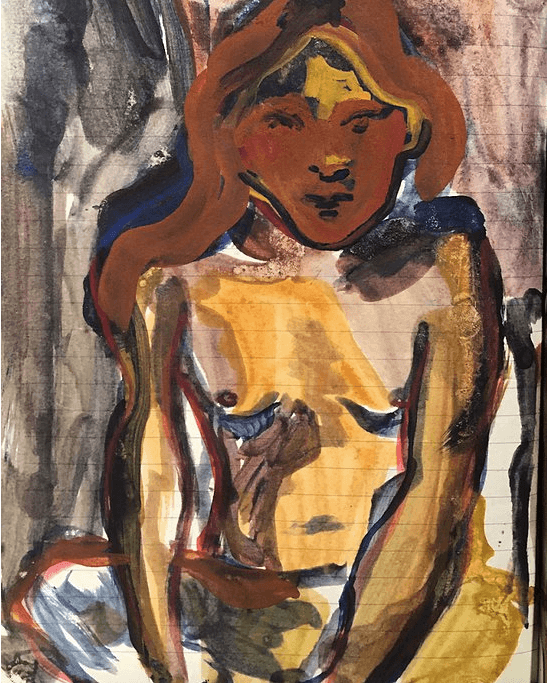
Monica Kim Garza’s paintings have the feel of lazy untouchable bliss. In her colourful world indulgent, semi nude or stark-naked women go about their business without a care – chronicling the everyday life of the artist herself. The scenes include drinking tea at home, playing basketball and having sex. Her voluptuous ladies are not self-portraits though, nor are they from any specific place or culture; they are more like an embodiment of Monica’s Mexican-Korean-Vagabond-aura. Throughout the years she’s moved around a lot. Her years of traveling to faraway places like Korea, Thailand and Peru have left traces in her work. It wasn’t much more than a year ago that she decided to move back home to the small town just south of Atlanta, Georgia to be close to her a family and to finally focus solely on her hibernating desire to paint.
Twin caught up with Monica to talk chicken wings, sensuality and balancing abstraction.
At the time I was living in New York and I was working a regular job. I felt kind of, I don’t know, kind of suffocated. It was too much concrete.
I started to make some artwork and I thought to myself “oh this is my dream. I should try to pursue it.” But New York is so expensive, and I couldn’t paint and work at the same time – so I just decided to move in order to afford to be more creative. I moved in with my parents and I worked part time at a chicken wing restaurant. It was really sad.
I can totally imagine a painting with one of your girls eating chicken wings.
Your work is very sexy regardless of the situation depicted, a girl on an exercise bike is just as hot as one of a couple having sex. Do you consider your work sensual?
In think there is sensuality in the sense that the characters in my paintings are free. There is a kind of confidence when you feel free and I think that it’s sexy. You have this sensuality when you’re not burdened by anything and maybe that’s the feeling I’m putting there.
What do you think is so captivating with naked women lounging about in everyday situations?
Maybe the fact that there is not that much fashion, it is so free. I think even men can relate to it, it’s just like a human connection. Maybe people can relate or feel because they can relate to who I am as a person. In a way many of us have experienced the same situations, or can see something similar to it in the paintings.
The reason I like the female form is because of the shape. I’ve always really been interested in geometric shapes, and for me the female form is perfect. You can move it in so many ways. If you really looked at a woman you could create a box within some portion of the body, or a circle for the breast, or even a rectangle under them. Whereas the man’s body is a little bit harder. More straight lined. You don’t get all these great geometric shapes.
Is that why you keep coming back to the same motif?
To be honest I just come back to it because it is so easy, it’s something obvious to me. My main focus as an artist is much more on colour, contrast, medium and composition. The motif is just so clear to me that I’m free to explore other artistic aspects of painting, I’m trying to find this balance of being abstract and not abstract. I’m always trying to see how far I can push it.
You mentioned that you keep five to ten paintings on rotation, constantly jumping from one painting to the next. How does this way of working inform your paintings?
Normally when I finished one painting the next one that I go to will have some kind of inspiration from the one before, some kind of element or colour. The reason that it takes so long for me to paint anything is because I change the colours too many times. I just can’t decide.
Your women are happy, confident, curvy and of colour, that speaks to a lot of people. But if I’m right you’re not consciously trying to give a more nuanced view of women?
I definitely get a lot of questions about body shape and skin colour, but for me it’s never been done consciously. My main focus is to create these beautiful paintings with geometric shapes and colours I like. But I’m happy to hear any positive feedback on anything.
Have you become more conscious after hearing these comments?
Actually a little bit. I do think about what people say sometimes, and it encourages me to go forward with my love for colour, abstraction and shapes. It’s almost allowing me to do more, because I’m telling myself not to be scared and to do anything in my work. But I don’t necessarily want to be a spokes person. I just really, more than anything, want to be a great painter. Almost desperately.
Monica Kim Garza will show her latest work December 6th at Untitled Art fair in Miami.
Now in its tenth year, the winner of The Jarman Award was announced at Whitechapel Gallery on the 20th November. This year saw Oreet Ashery take home the prize, receiving £10,000 to develop her projects which consider gender and society with the support from Channel 4.
The award recognises artists working with moving image, celebrating and supporting experimental, imaginative and innovative UK-based work. The Jarman Award is named after legendary experimental director and cinematographer Derek Jarman.
Twin spoke to winner Oreet Ashery along with Adham Faramway and Marianna Simnett – both shortlisted for the award.
Adham Faramway’s work draws on the language of advertising and combines it with the transgressive aesthetics of ‘body horror’, Oreet Ashery is an interdisciplinary artist who confronts ideological, social and gender constructions, while Marianna Simnett surgically lowered her own voice with botox during her short film The Needle and the Larynx, which screened on Sunday. Together they represent some of the most exciting filmmakers on the scene today.
Twin meets Oreet Ashery
Why did you choose the web series format for your film Revisiting Genesis?
My work always reaches beyond the structure of the contemporary art institution, but this is my first major work created specifically for the internet so that it can be freely accessible to as wide an audience as possible. I was inspired by the independent filmmaking of web series’ such as F to 7, and wanted to develop my own approach to the genre as a visual artist. Revisiting Genesis aims to conceptually expand the entertaining and narrative driven elements of the format. One of the central questions explored in the work is around what happens to your online digital content (websites, social media profiles, photographs etc) after you die, and as such the internet provides an appropriate platform for the work.
How does Revisiting Genesis force viewers to consider their own mortality and their online legacies?
Hopefully it makes them think and contemplate whether they want to put anything in place in preparation for death (expected and unexpected) and if so what and how.
How does the film expand on some of the key ideas you have been exploring in your practice?
The film expands on the notion of a potential community, in the real sense that most of the people in the work know each other from the art and performance world. The fictional narrative speaks about a community of friends, outside normative family structures, that come together to help Genesis. I think a lot about how we can structure our busy lives so we can have space to help a friend if needed. The other issue that comes up in the film is the loss of social structures, such as the community college Charles Keene in Leicester, it was the first place I felt a sense of belonging as a young immigrant to the UK in the late 80s. the College has been demolished in 2010 and has been amalgamated to a multi campus university, as is the faith of most community colleges. After the films I received great emails from people who were outsiders and use to go there and achieved so much in their lives since. The emails mentioned what an important role this college played in their development. The other aspect, and there are many, is the idea of one’s identity or the narration of one’s life, in this film I’ve expanded this notion to the afterlife.
What do you hope viewers will take away from Revisiting Genesis?
I have no expectations as such. What I always hope people well take away from my work is something that lingers, that is not easy and that makes them think.
Twin meets Adham Faramawy
Where does the title of your film, Janus Collapse, come from?
The time that I was working on the video that’s shortlisted for the Jarman award was both personally and politically pretty unstable. I was recovering from a minor a road accident and
TV and social media were (and still are!) saturated with adverts and disaster politics. I was kind of trapped at home, looking at this stuff, reading sci-fi and feeling introspective. I had to think through some things while researching for the show at Bluecoat in Liverpool. Where the piece would first
be seen. I wanted to think through this instability, to think as an image-maker about how images are used to introduce and reinforce certain ideas. I wanted to examine the ways that images are disseminated and to consider what effect that has on me personally and whether it affected how I was thinking about my body.
The Janus is the two faced Roman god of doorways and transition. I decided to use his image as something to hang this examination of instability on, while casting the idea of a collapse as something generative, the possibility of the collapse of an image.
How does the film subvert tropes that are used in advertising?
In a way I consider almost all my output as a kind of contamination of aesthetic categories. I feel uncomfortable with hierarchies and I just don’t like being told who I am or what to do, so my interest in advertising is in a sense symptomatic of that sense of always wanting to investigate
and push back. The way that I’ve been investigating commercial images is to try to inhabit them, mimic them, intensify and distort certain aspects until they no longer possess a commercial potential.
When did you start incorporating the ‘body horror’ genre into your work?
Writer Jamie Sutcliffe pointed it out to me in an interview! He said, “We see a pair of hands moisturizing with a digitally enhanced, absurd and all-consuming slime. It’s a quick slip from Evian commercial to a kind of Cronenbergian symbiosis.”At that point I started looking for body horror in adverts and realized that images of melting teenagers were being used to sell pizza and escaped tongues were being used to sell beer.
It was Octavia Butler’s Xenogenesis Trilogy that introduced me to the idea of body horror as one facet of a potentially holistic, tender, nurturing, non-binary sexual experience.
What do you hope viewers will take away from the film?
I hope that viewers take away a feeling complicated and queasy enough to highlight the operative mechanisms of the image they’ve just ingested.
Twin meets Marianna Simnett
The Needle and the Larynx was screened on Sunday – what was the inspiration behind that film?
A sudden, terrible urge to lower my voice, a fascination with toxins and hypodermic needles, and a desire to warp my experience into a fable.
Why is it important for you to put yourself into your work, and to test the limits of your own body?
I can take risks with my own body I wouldn’t take with others. It’s my go-to tool for telling stories, and helps me to live out my ideas and not just think about them. At best, my work might prompt someone to cup their genitals or necks, as if to check they are materially, unmistakably present. That liminal space between being a thing or a someone, and then morphing or falling apart – I’m hooked on those moments.
You have often explored the gendered implications of voice and masochism, what draws you to these themes?
I’m interested in appropriating and spoiling archetypes, especially when it comes to the final binary constraints of heteronormativity. Pitch, tone, timbre and accent have implications on social bodies and their right to exist in one place and not another. Voices (often disembodied) in my work battle patriarchy and madness. Masochism is a submission to fantasy.
Premiering on Nowness last week, a new film by Rosanna Webster and Phoebe Henry captures the spirit and energy of Cuba, offering a vivid, energetic portrait of a country in flux.
The film is rendered in deep, rich colour, with a buoyant soundtrack that, along with the fast-paced narrative, sweeps the viewers into the heart of the country.
“Cuba gets under your skin; it’s a complete sensory overload, chaotic, colourful, unapologetically loud and in your face.” The pair said of the film, adding that “Life spills out on to the streets, people constantly approach you. The culture has a tempo and a pace that gets under your skin. We were instantly immersed in this and wanted the film to encapsulate this uninhibited, vivacious and spontaneous culture.”
“The first time I spoke to Liv I knew that we had something special to create.” Says director Emil Nava, the brains behind videos of stellar hits such as Selena Gomez’s ‘Kill Them With Kindness , Aluna George’s ‘I’m In Control’, and Calvin Harris’ video for ‘This Is What You Came For’.
The partnership between director Emil and the 19 year old Newcastle-born singer has seen itself manifest in a new, long form video release to accompany L Devine’s latest EP, ‘Growing Pains’.
A truly exciting name to watch, Devine got her first break after she uploaded a Beyoncé mash up onto YouTube, attracting the attention of American producer Mickey Valen. After having saved up three months rent, she traded northern life for London – and the gamble has paid off.
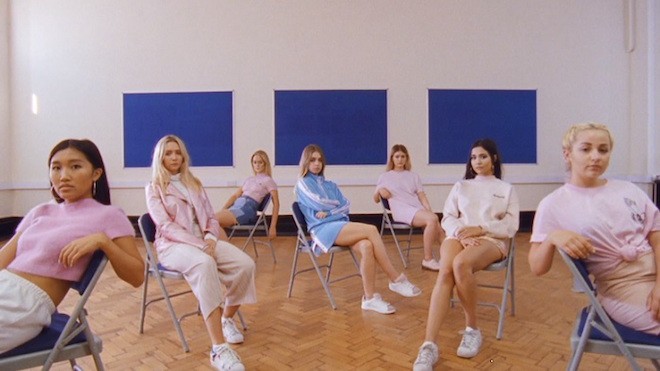
Marrying a knack for astutely evoking relatable scenarios with catchy, memorable melodies, L Devine makes the kind of modern pop that is easy to get excited about. For the launch of her new track, the singer partnered with Emil Nava to create an evocative video that brings together a melange of important women from the singer’s life. “Each of the women in the video has lived life with no restraints, and certainly never let their gender get in the way of working hard, doing what they love and being who they are.” Says the singer of the new film. Rooted in real life experience, the video brings Devine’s close friends and family into the story, harnessing the candour of shared memories and experience of love, sexual curiosity, and transition into adulthood against the sometimes stark, sometimes electric backdrop of the city.
Following on from the success of ‘School Girls’ earlier in the year, this new video, shot on 16mm film, perfectly captures the twilight moments between adolescence and adult life. Check out the full version below.
SHOWStudio’s Lou Stoppard and academic Adam Murray have joined together to co-curate a new exhibition, North: Identity, Photography, Fashion, which opens this week at Somerset House, having transferred from the Open Eye Gallery in Liverpool.
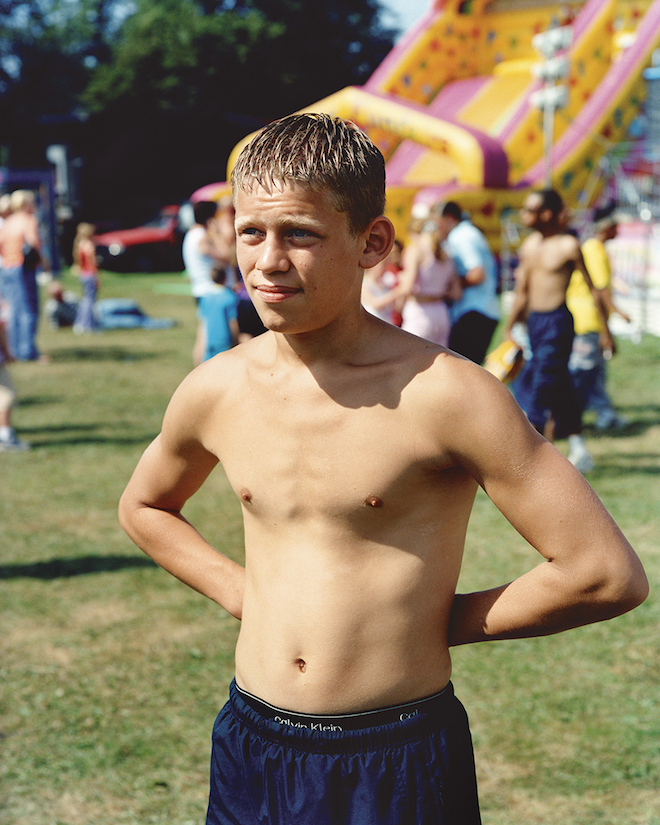
The exhibition brings together designers, fashion photographers and artists, with contributors that include Raf Simons, Jamie Hawkesworth, Glen Luchford and Turner-prize winning artist Mark Leckey. At the crux of the exhibition is a desire to explore the mythology around the North and its culture, decodifying the traditional narrative around the region and instead investigating how it has really influenced contemporary style.
In a post-Brexit era, the exhibition is both timely and surprisingly overdue. As Adam Murray notes in his essay ‘The Constructed North‘, since Agyness Deyn’s rise to stardom in 2008, ideas of the North have long inspired and informed the zeitgeist. However the personal, more visceral experience of the area and its influence has yet to have been investigated – until now.
North: Identity, Photography, Fashion is at Somerset House until 4th February 2018.
‘But in actuality, as we all know, things as they are and as they have been, in the arts as in a hundred other areas, are stultifying, oppressive, and discouraging to all those, women among them, who did not have the good fortune to be born white, preferably middle class and, above all, male,” Linda Nochlin wrote in her seminal essay Why Have There Been No Great Women Artists? published in 1971. The essay highlights the ways in which institutional barriers have suppressed the voices of female artists throughout western history, acting as a foundational text for feminist art theory. It only takes a scroll through Katy Hessel’s Instagram account @thegreatwomenartists for one to be reminded of all the voices that were silenced; all the brave, provocative and breathtakingly intelligent female artists – from 18th century portrait painter Maria Verelst to sculptor Andrea Zittle to contemporary photographer Nydia Blas.
It is Instagram that has become the common denominator in the curation of Hessel’s first exhibition The Great Women Artists: Women on Instagram – an exhibition which will feature fifteen UK-based female artists who have used Instagram as a mechanism to showcase their work. Speaking to a following of over 600,000 Instagram users globally, these artists have a very powerful voice indeed. The show questions what it means to be a female artist in an era dominated by notifications, and asks whether this has facilitated a greater emancipation from the instruments of oppression for the women of this generation?
The theme of the exhibition is interesting as it seeks to display the works by these artists in a way that has been rarely seen: face to face. We are encouraged to take our eyes off the cracked screen of one’s iPhone and flock to Mother, London this Thursday to engage with the work in a more tangible manner. One featured artist is Dolly Brown, or @londonlivingdoll, a visual and performing arts photographer based in London. When asked what viewers will find most surprising about her work when they see it in real life she remarked: ‘I think that after people become accustomed to seeing your images on a very small scale on their phone, it must be a pleasant surprise to see them printed large(r). The first time that I showed work “in real life” I printed as large as I possibly could, I think simply because I was so excited about the prospect of the images having a life outside of the phone. The hang that we are going for in this show is a grid so it replicates the way that the images are presented in Instagram, but I think this is also an indication of how the “gallery” on Instagram has encouraged me to shoot in series and to think about how all the pictures will look together when they are eventually posted.”
There is a broad range of participating artists, including Juno Calypso (@junocalypso), whose self portraits have won her prestigious awards including the Series Award at the 2016 British Journal of Photography International Award; Kate Dunn (@bellissi.mama), whose earthly toned oil paintings revive the traditional medium; and Unskilled Worker (@Unskilledworker), who has been commissioned by fashion’s great including photographer Nick Knight and brands such as Gucci. The artists conquer a wide array of themes including feminism, womanhood, politics, diversity, mental health, colour and form.
‘Whatever else Instagram is, it has given me the opportunity to work with artists and performers that I never would have been able work with, had it not been for the app, ‘Brown praises the medium for its ability to connect female artists globally – to share common issues, grievances and ideas. Whatever you do this Thursday, it might be worth getting off Instagram and coming down to see the exciting collision of female creativity in real life.
The exhibition is at Mother London, E2, from November 13-17th, by appointment only.
No stranger to innovation, Kenzo has launched a new initiate to give young talent a platform to make it in the industry.
Kenzo Season Zero sees three emerging film makers – Mati Diop, Baptist Penetticobra and Eduardo Williams – explore the question of ‘How do we inhabit the earth today in 2017’ working with A/W17 collections. Working across the broad theme of humans and their relationships with our world, the films weave fiction and documentary, telling stories o places such as Bolivia, France, United States or Argentina – and the compelling narratives of everyday life within them.
Amélie Pichard celebrates sexy. Her shoe brand does too. Presented with her footwear, you meet a brand that has titillating sensuality at the core, partnered with the somewhat odd bedfellow of comfort – not necessarily a predictable alignment but refreshing nonetheless. Here is someone who is making a damn good stab at constructing the feeling of sexy, rather than simply the look of it. Aiming to exact empowerment and pleasure to women through artisanal technique and a certain retrograde sensibility, Amélie has opened her first shop, in the wake of her successful online business and a celebrated Pamela Anderson collaboration. Locking herself into bricks and mortar signals something new for the Parisian designer: cementing herself as part of the modern heritage of her city. Amélie wishes to be the female version of Hugh Hefner, to praise the natural sensuality of women. Her aim? To herald the woman: to celebrate sexy for the self.
She is free. This is the very first thing to realise. My girls, the Pichard girls, know what they want, when they want. I don’t do things because there are rules – I don’t care about that. Pamela Anderson was my first muse: for me she is the perfect Pichard girl because she is complex, a woman, a mother, an activist, a girl boss: exactly what I love. I don’t like girls who don’t work. What does sexy mean to you? Sexy for me is everything. For me it is so important, but it must be a natural sexy – it’s not about clothes or makeup, it is about attitude. When I look at your shoes, it is like you are trying to change what sexy means, and twist how it is traditionally a male-dominated word. Your brand seems sexy for itself… Before, to be sexy, women wanted very high heels. For me it is the opposite, because if you cannot walk properly because of your shoes, you are not sexy. For me, women wearing trainers can be more sexy than women who can’t walk in their high heels. I do shoes for the girl who has her bicycle, who needs to go food shopping, who needs to live and work.
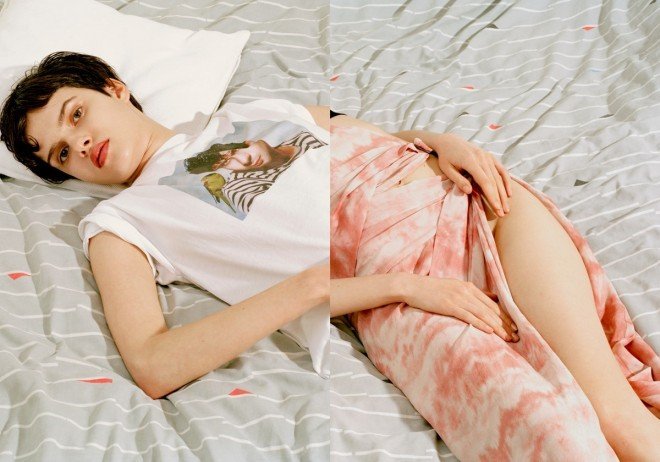
In my shop, it is a lot of things, because I am obsessed with Hugh Hefner – I want to be the female version! I want the most beautiful guys working in my shop, at the door of chez Pichard. I put a bed in the shop because I wanted to make a shop not just for shoes: a place where people can stay and live, chill, and the bed was the way of doing this. The shop is a mix of the 70’s and a bar tabac, because the French spirit is very casual, and I also love contrast. That is why the front of the shop is green, like the bars of Paris, while inside the first thing you see is a bed dressed in Pink, in varying textures.
Hugh Hefner made something crazy. He enjoyed sex, he enjoyed women, because women are the most beautiful things on the earth. I have a big collection of Playboy at my place – for me it is my favourite magazine.
I make shoes to tell stories. Before this, I was making clothes, but I felt a bit lost as it wasn’t very artisanal – I love artisanal creations more than fashion. I love the way you make something. One day, I discovered the last shoe factory of Paris, and I fell in love with what they were doing. I saw one of the workers working in an atmosphere of the smell of glue, of dust, making these tiny and delicate shoes, and I just thought this is so cool!
It is always women of the past, who aren’t in our world anymore – they are from a time long gone so I can’t meet these women, I don’t know these women: it gives me simply fantasy, and everything starts with fantasy. Sometimes I just need to see an image – you know the movie Paris, Texas ? For five years I fantasised about this movie, despite having never seen it, just pictures – after that I designed a whole collection around the images I knew. For me it is all about fantasy, and telling a story I want to tell that is always between the past and the present. Once I have finished designing, shaped by the past, I will imagine the shoes on my friends who are modern and contemporary: if the shoes appear right then I am happy.
The launch of the shop – it was crazy because we made a fête au village, so all the street was totally full! We partnered with the bar opposite us and had a Claude Francois impersonator perform.
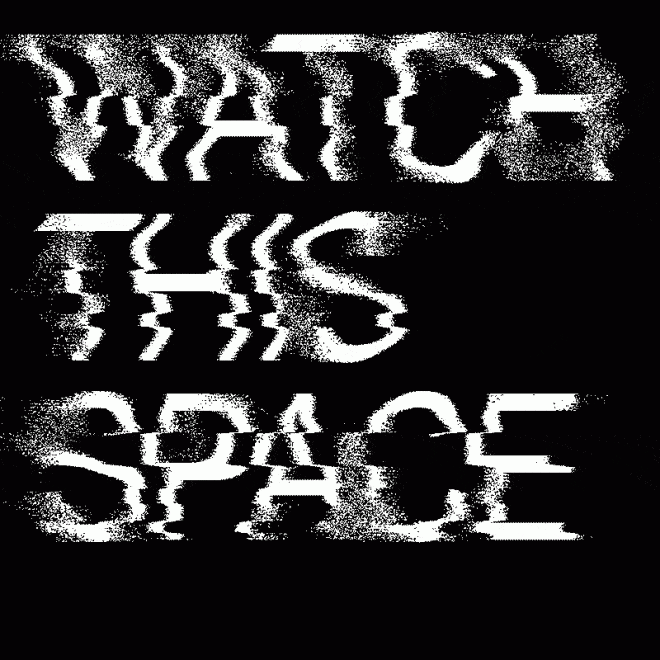
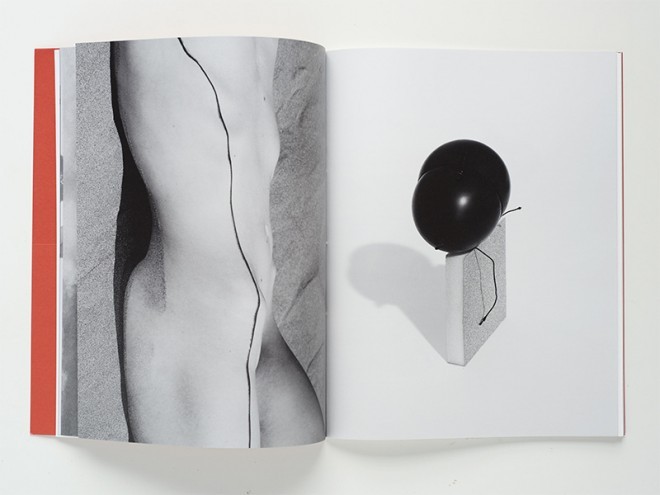
Watch This Space is a book that examines our relationships with our screens, ‘the defining object of the twenty-first century’. A limited edition collaboration between writer, editor and curator Francesca Gavin, and Pentagram partners Luke Powell and Jody Hudson-Powell, the book questions the function of our screens, and how they shape our everyday experience. Watch This Space provides an in-depth analysis of the object that has become an extension of our modern bodies, looking at the impact of screens on society, culture and the self.
The book includes the work of almost 50 contributors, including Yuri Pattinson, winner of the 2016 Frieze Art Award, conceptual documentary photographer Richard Mosse, and artist and director Margot Bowman. It has been produced by Pentagram, an independently owned multidisciplinary design studio with offices across Europe and the United States.
The design of the book actually reflects the subject matter, with the material used on the cover replicating the physical feel of a screen. Inside, pages are printed using Vivid Colour, a new five colour process that adds violet to CMYK, combined with stochastic imaging, which creates a near photographic definition image.
The book launches on November 8th at Tenderbooks in Leicester Square.
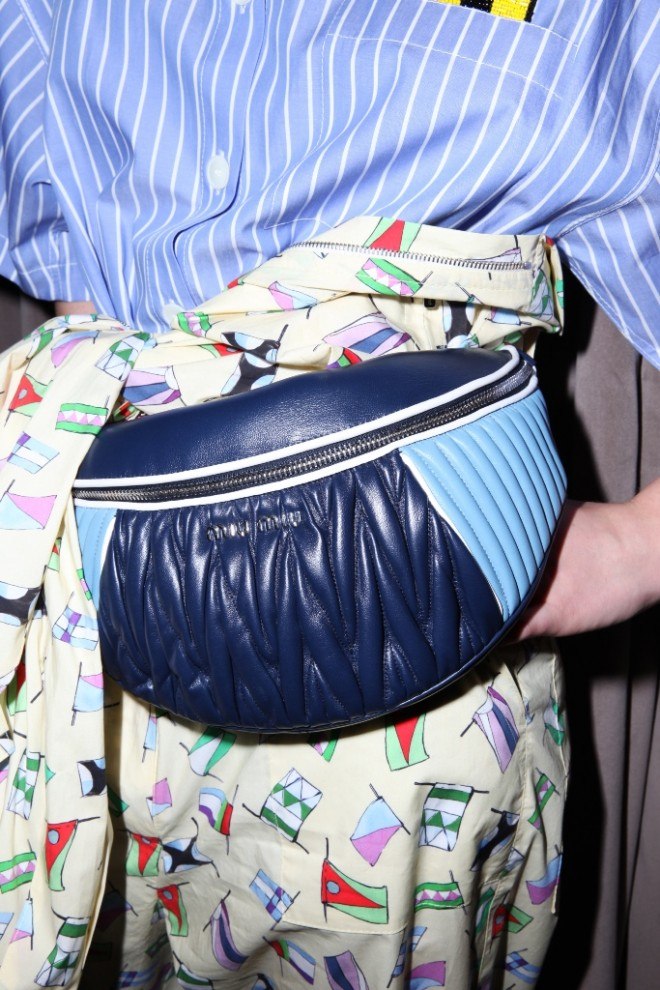
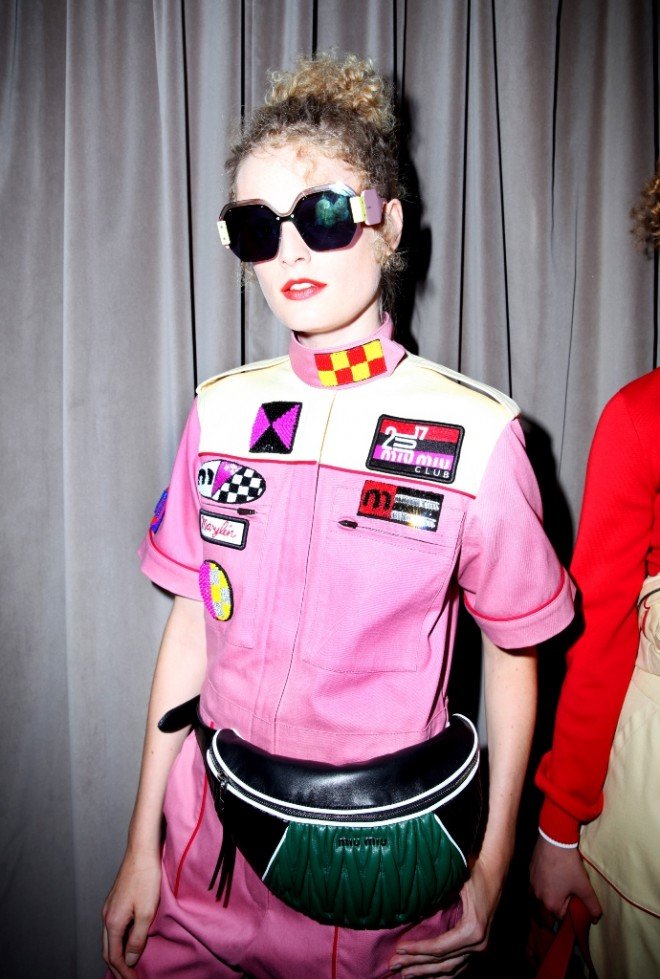
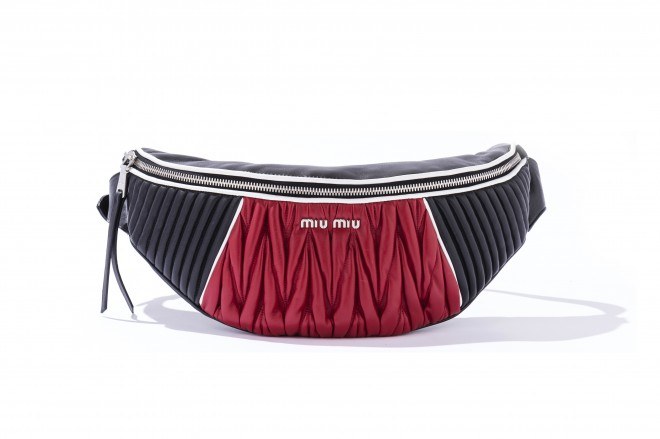
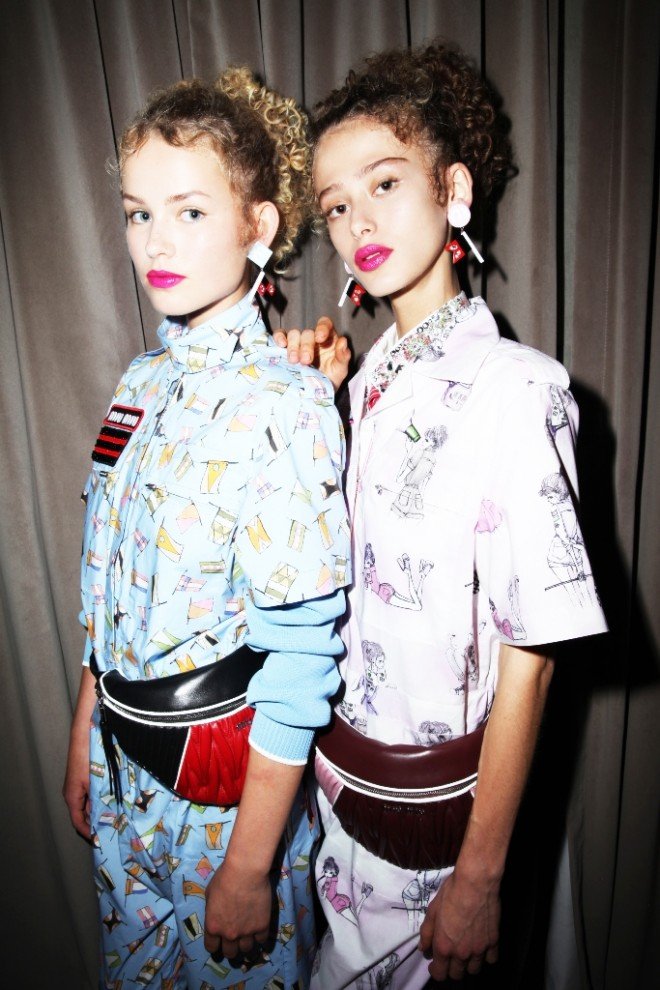
Bumbags are back, but Miu Mui has made so much better than the average offer. Introducing the Miu Rider: ostensibly your everyday, hip swinging, but rendered with such decadence and craft that it is elevated to something else entirely.
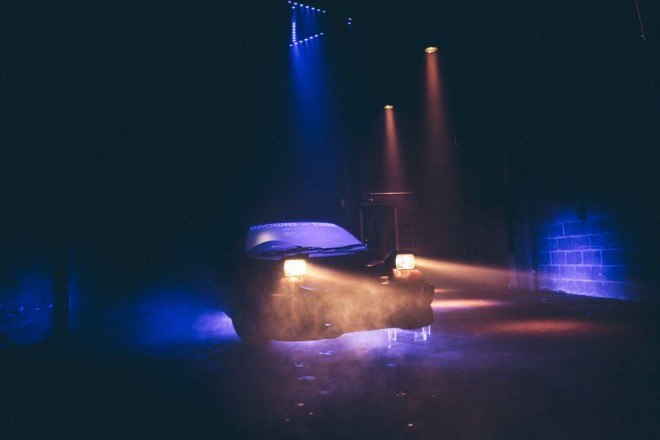
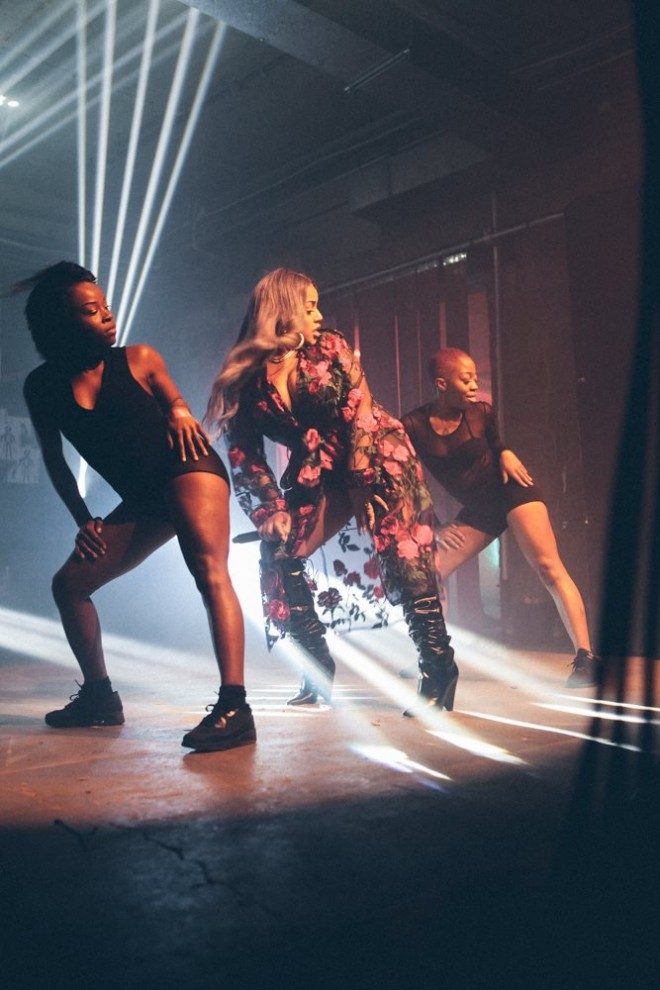
What were you doing at Halloween? If the answer didn’t involve hitting up the Twin x Browns East party, something must have gone spookily wrong in your evening.
Bringing together some of London’s fiercest creatives, the night saw live performances from the likes of Skinny Girl Diet and Stefflon Don (the 25 year old rapper about to start working with Drake).
Set design by Alice Kirkpatrick saw the space in Shoreditch transformed into a Stranger Things, 80’s themed haven – with a vintage MR2 providing endless Instagram fodder. Scents by Timothy Han and films by Emily McDonald worked to create eerie, surreal vibes that, coupled with cocktails served in IV drip bags and tattoos on the house, made for a night to remember: the most fitting tribute to a new issue of Twin magazine you won’t forget.
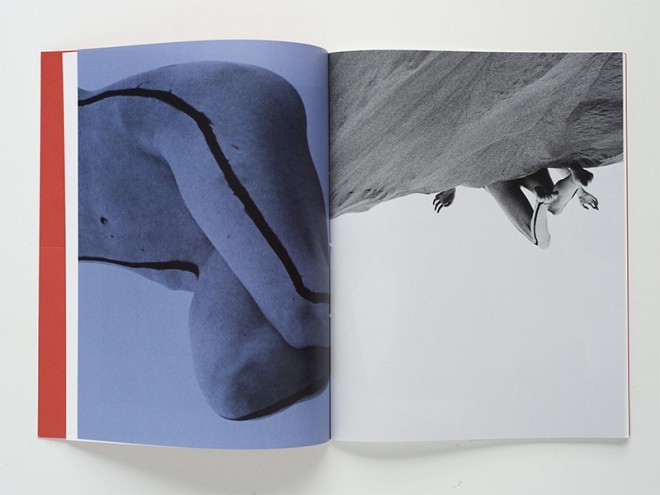
Rhythmic and undulating, Mel Bles’ Islands series of photographs captures the soulful connection between the body and nature. This new exhibition sees the fruition of what began as a mediation on the image as a two-dimensional object, evolving into a powerful sequence of bodies and landscapes connected by rich, inky lines.
Throughout the photographs, Bles captures the softness and intimacy of the female form; bodies are juxtaposed and composed against landscapes, holding the two in perfect tension without falling into traditional sexual or romantic tropes.
Mel Bles, Islands
The process of making the images themselves are also a study in texture. Some photographs are presented in the ‘purest form’, while others are offered in stages of alteration – revisited, reprinted, rephotographed on an iPhone, taken to a scanner, or upturned. The result is to offer miniature landscapes in and of themselves, which lure the viewer in individually as well as forming a powerful series in all.
Mel Bles, Islands
Mel Bles, Islands is on at the Webber Gallery, London: 20 October – 25 November 2017
Curation has somehow has become a dirty word these days. We think of a curator in the digital age as a bloodless algorithm editing the things we don’t want to see or interact with out of our feeds and experiences. The great shame of all of this is that curation in its truer sense is far less about editing out the things we don’t want to see and far more about shedding light on the things we didn’t.
A great curator – be that of an exhibit in a gallery or an assortment of bric-a-brac at the local car-boot – knows how to make things elevate each other within a fresh context. Discovering something in a single painting, say, is in and of itself an incredible thing, but being able to connect that indefinable something to a whole exhibition is where a curator shows their skill.
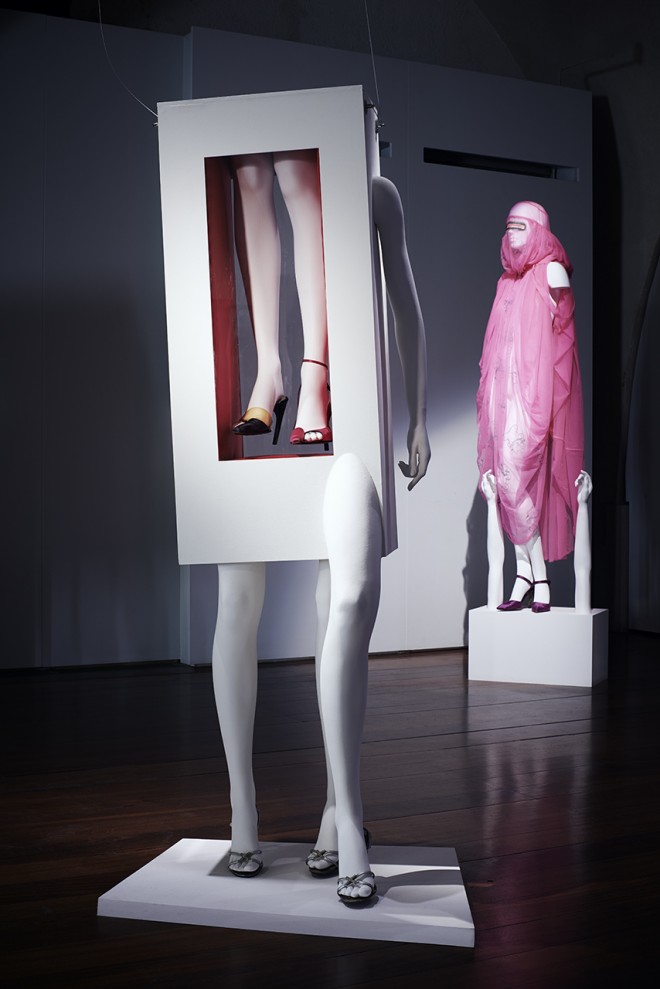
Shonagh Marshall is a Fashion Curator who embodies the contemporary make-up of the profession, and reminds us why curation is a job of such unique expertise. After completing her Fashion Curation MA at LCF in 2010 Shonagh went on to archive the Alexander McQueen collection ahead of the Met’s Alexander McQueen: Savage Beauty retrospective (!), and then to work on the Louboutin and Isabella Blow archives.
The rest of her CV is as impressive as those early projects would suggest, and since leaving her post as Curator at Somerset House in 2016 she has been flexing her muscles as an independent curator, as well as founding The Ground Floor Project with friend and AnOther Magazine Photo Editor Holly Hay.
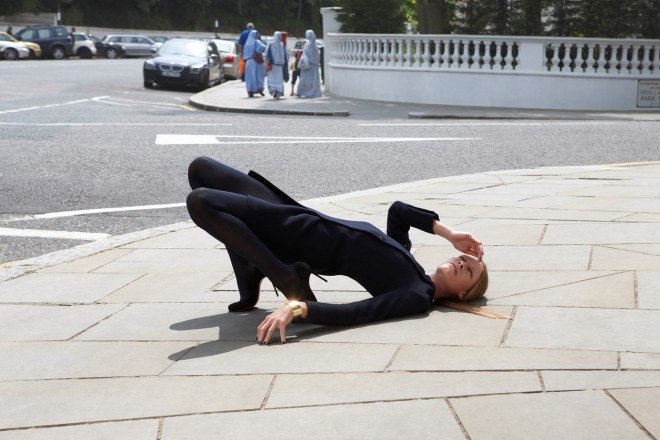
With the fashion industry in recovery from a month of new collections, and ahead of the co-curated exhibition Posturing: Photographing the Body in Fashion (also with Holly Hay) now seemed like the right time to pick her brain about curating a disparate industry, and contemporary photography’s fascination with documenting the body within it.
Lurve Magazine, Issue 10, Spring/Summer 2016 | Posturing : Photographing the Body in Fashion
How did you initially get in to curation – did you always know it was a job that somebody did?
Not at all. I studied Fashion History & Theory as my BA at Central Saint Martins and when I finished I wasn’t sure exactly what job I wanted to do. As a freelancer I was employed as a researcher for Somerset House’s first exhibition in 2007, in its current cultural iteration. It was a traveling show called Skin and Bones: Parallel Practices in Fashion and Architecture and it was then that I realised that I was really interested in curation. I applied to do the MA in Fashion Curation at London College of Fashion as a result, and studied under Judith Clark and Amy de la Haye, which was the most amazing training.
What was it that drew you to fashion in particular?
I started my BA in Fashion History and Theory when I was eighteen. It gave a historical overview of dress from renaissance to present day and teaching into the application of theory. Being a curator you need such an overarching knowledge of a subject I don’t think I would have been able to focus on another subject. The tools I have picked up over the years in how to consider fashion, applying historical knowledge to assess the contemporary for example I think is so important. Art History is something I am fascinated by personally but I am absolutely no expert! I love so much about the telling stories about clothing within an exhibition, with projects like Isabella Blow it was about the tale of a life lived through the garments but then Posturing: Photographing the Body in Fashion, which is about to launch, looks at the practice and process of fashion photography by making the link between the body and the garment.
Isabella Blow: Fashion Galore! | Photos Chris Brooks/CLM
Archival work is very solitary and organised, it is all about the process you are putting in place. Through doing this work into catalogue, photographing and boxing and storing the objects you have such an affinity with them. You learn about every mark or pulled stitch and note it down. When you are working on an exhibition the process is all about building a team around you: the graphic designer, the exhibition designer, lighting designer, the install team, the conservators. As a curator you are telling a story through the objects, bringing to life what you have noticed in the archive, and the team all works together to realise this for the visitor. It was such a lovely experience to be able to work on so many exhibitions about Isabella Blow after archiving her collection, there are so many hidden stories within the garments and accessories it is such a treat each time to tease them out.
From Marfa Journal, Issue 6, November 2016 | Courtesy of Pascal Gambarte
Do you have a favourite forgotten gem that you’ve come across in your work?
I spent a lot of time throughout August at the Isabella Blow Collection reordering it and making sure everything was in the right place, after finishing archiving it nearly six years ago. When going through Isabella’s bags I found a nail polish that I had previously not noted down. There was something so evocative about this silver liquid, the brush once used to apply varnish to Isabella’s nails. I wondered if in the next exhibition, we are hoping to stage, if contextualised in the right way it might be able to conjure in the visitor the same reaction it had had in me.
You have worked on some very culturally important exhibits, such as Isabella Blow: Fashion Galore! How do you approach the legacy of documenting the life’s work of such significant figures?
Isabella Blow’s legacy through her clothing is a project I have worked on since 2011. Firstly by archiving the collection and then by co-curating the 2013 exhibition Isabella Blow: Fashion Galore! At Somerset House. I still work with the Isabella Blow foundation and have done a subsequent exhibition in Sydney and we hope to stage more to raise money for the charities we support and student bursaries the foundations runs.
Working with the clothing to tell Isabella’s story is really amazing, I always think that like other figures in history she was building her own myth through the objects she amassed. Every object in the collection has a story attached, through either her personal relationships or where she wore it. Daphne Guinness bought the collection so that she would be able to keep Isabella’s legacy alive through the garments and accessories so it is a real honour to be a part of that.
Do you think fashion is inherently fine art?
No I think art and fashion are two completely different things, which sometimes speak to one another but are incomparable.
What do you see as the difference of approach between choosing how to display a piece of clothing and a priceless painting?
I think that curating fashion and curating art are two different disciplines and the approach is so wildly different. The interventions used within an exhibition of dress are selected and considered to give further context to the story, however within a fine art exhibition the art is centre-front in laying the narrative.
It seems that everyone is a ‘curator’ today. Do you think the term has lost some meaning, and does its meaning matter?
A curator is a keeper of a collection and as I don’t actually manage a museum collection, and I never have, I think the meaning of the word has changed somewhat. The application of the word curator to define making lists, or selecting something, is another mutation of this. I don’t know for me it is great as I think so many doors have opened over the last ten years for curators in light of it.
You are also working on a new cultural programme for Chess Club London – would you say programming and curation are two sides of the same coin, or fundamentally different?
They are so different. I really love working with Holly Hay to programme the events at Chess Club, it is such a lovely project. We think there is something so brilliant about learning nuggets of information and Holly and I set out that everything we did at Chess Club would result in absorbing tidbits that you could then relay at dinner to your friends. We do such different things there and meet so many amazing people. Last month we had an expert tea taster who travels the world to find the best tealeaves, and this month we have Clym Evernden coming to talk about his inspirations amongst so many other things.
Isabella Blow: Fashion Galore! | Photos Chris Brooks/CLM
Exhibits are most often worlds built for the public – what do you think is valuable about working on an experience for a more private sphere?
It is to nice to build a rapport with people who come frequently to the events at Chess Club. Also we have figured out what people like coming to, and can incorporate their feedback. It is much more organic than mounting a temporary exhibition which is on and then dismantled with no opportunity to change anything. It would be really interesting to do an exhibition that morphed with the times and opinions, I wonder how you could make that work?
Can you tell us a little about your new project ‘Posturing’ – what made you decide to focus on the body?
I had been thinking about it for a while. About two years ago I proposed a promenade contemporary dance commission around the body in fashion when I worked as curator at Somerset House, which didn’t happen. However it got me thinking. I noticed a shift, away from the sexualized body within fashion photography and I thought a group of contemporary photographers were exploring a new approach to gesture and pose in their work. I wondered how we could present this within a group exhibition. This exhibition is now launching on the 1st November and is entitled Posturing: Photographing the Body in Fashion, the first of a three part project the second looks at filming the body in fashion and the third, a book, writing the body in fashion.
What do you think that the repeated distortion of the body in fashion imagery, the ‘new aesthetic’ the exhibit focuses on, tells us about fashion today?
It is less about fashion today and more about the presentation of fashion. Shifting trends each season is the very foundation the fashion system is built upon but with this project we evoke thinking (hopefully) around how this then impacts on the way in which it is captured across different mediums. The approach employed by all the photographers within the exhibition is one of wit and subversion could this be a reaction to the world we live in now? Should we take fashion very, very seriously? I don’t know – but these are the kind of questions we would absolutely love the work to inspire in the visitor.
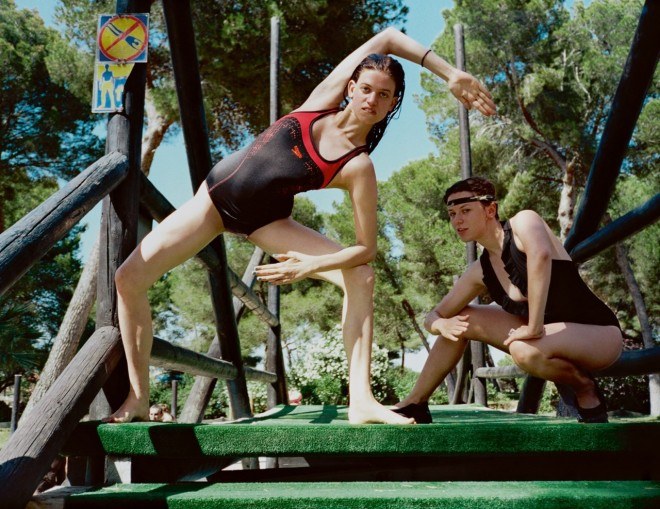
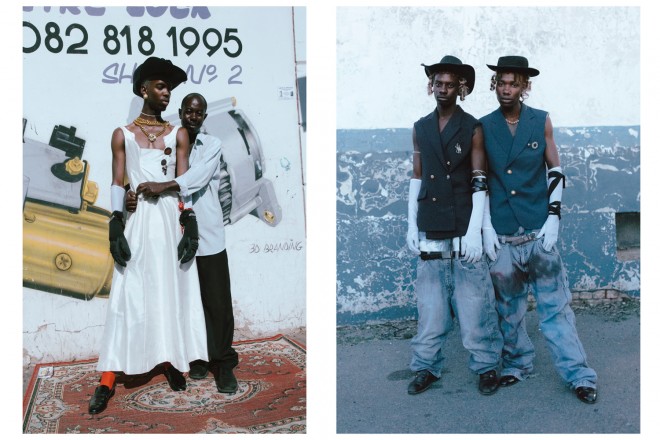
Photos above Kristin Lee Moolman and Ibrahim Kamara. All other photos courtesy of the artist.
For Holly and I the whole project is about mediums and imprints. The body is the common thread but applying this theme to look at the way in which it, and in turn the clothing, can be captured in a photograph, a film or within the written word felt a really exciting way to capture different thoughts, insights and opinions. The Ground Floor Project, the company Holly Hay and I have founded, is all about creating conversations instead of offering conclusions and full stops. All the work is so contemporary that we wanted our exhibition, film and book to become part of the conversation as opposed to offering reflection and analysis to something that has already happened.
Do you have a favourite fashion image? A favourite collection?
I couldn’t possibly pick! I love researching imagery and slotting them together, I don’t think I could single one out.
And finally, apart from your own, can you recommend any new or upcoming fashion exhibits we should look out for?
I am really excited about Amy de la Haye’s next exhibition at Brighton Museum on the artist Gluck. It isn’t fashion but I can’t recommend Andy Holden and Peter Holden’s Artangel exhibition ‘Natural Selection’ enough, it is amazing. I also loved Rachel Whiteread at the Tate Britain is fantastic. I am super looking forward to going to see the Basquiat exhibition at the Barbican.
Open from the 25th October to the 4th November, Poem of the Pillow is an exhibition that readdresses a patriarchal past from a female perspective, by incorporating elements of art history.
Helmed by artists Beatrice Lettice Boyle and Jessie Makinson, the collection of works also brings forth tropes of Shunga, the historic Japanese art of erotic prints. Shunga depicts explicit erotic illustrations on woodblock prints, which are frequently tender and humorous, and historically intended for both men and women of all classes to enjoy. In this egalitarian art form, women are not passive spectators or permission givers, but are active participants in the sexual encounters.
As is the way in Shunga, Boyle and Makinson give women agency in their work. Their figures hold sexual power and disrupt societal standards and expectations. Using feminine references unapologetically, their artworks embody confident contemporary feminist practices.
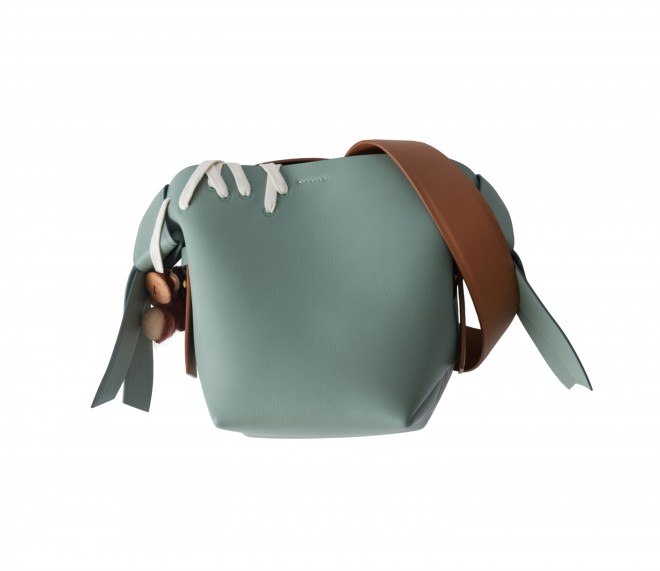
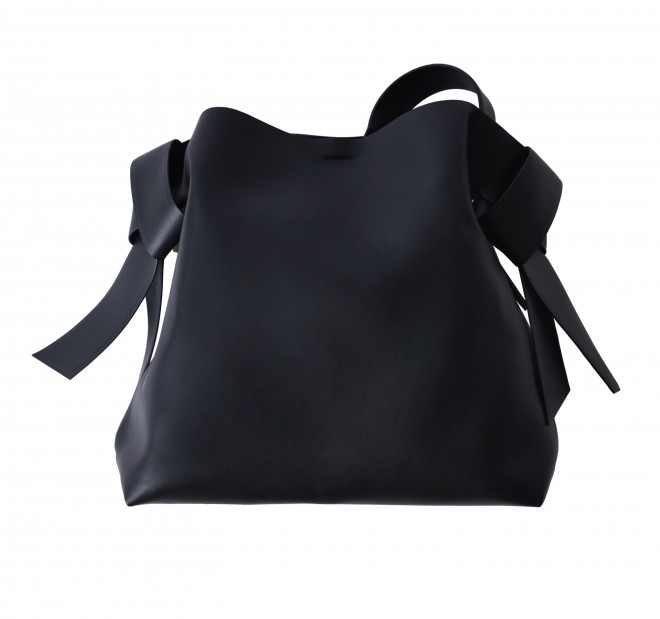
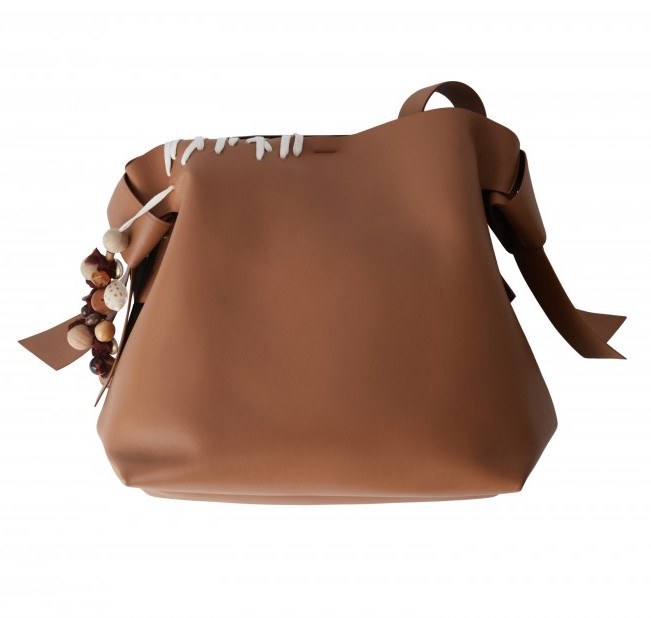
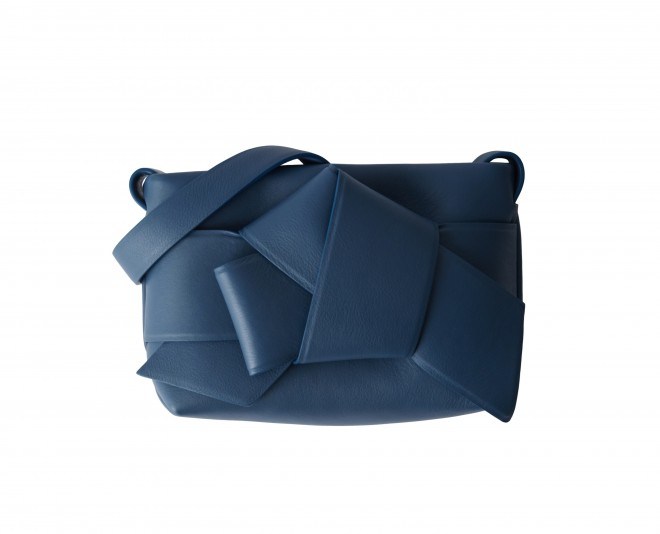
We’re a little bit obsessed with Acne Studio’s Musubi bag collection, and couldn’t be more excited about the latest designs which launch today.
Offered in ‘Maxi’ and ‘Mini’ styles, the new additions for FW17 come in soft hues of aqua and macadamia, as well as jet black and ‘storm’ blue. Featuring a twisted knot motif inspired by the traditional design of the Japanese Musubi bags, Acne has ensured a dreamy marriage of two great minimalist aesthetics.





 PREVIOUS

 Twitter
 Tumblr
 YouTube
 Facebook
 Instagram
