Growing up as a goth in the British Midlands: Twin meets Supriya Lele
What does it mean to be British? This is one of the biggest questions facing British people in the aftermath of the Brexit vote. What does Britishness look like? It’s a difficult one to answer given the influx of immigrants, cultures, and customs in British society over the last forty years. It’s something Supriya Lele confronts with her work.
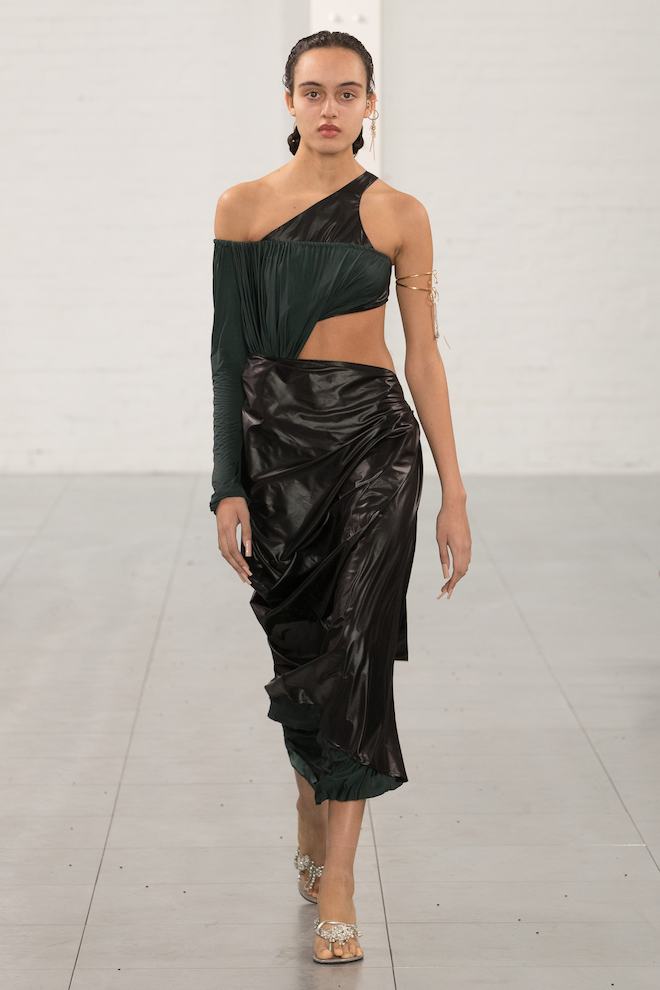
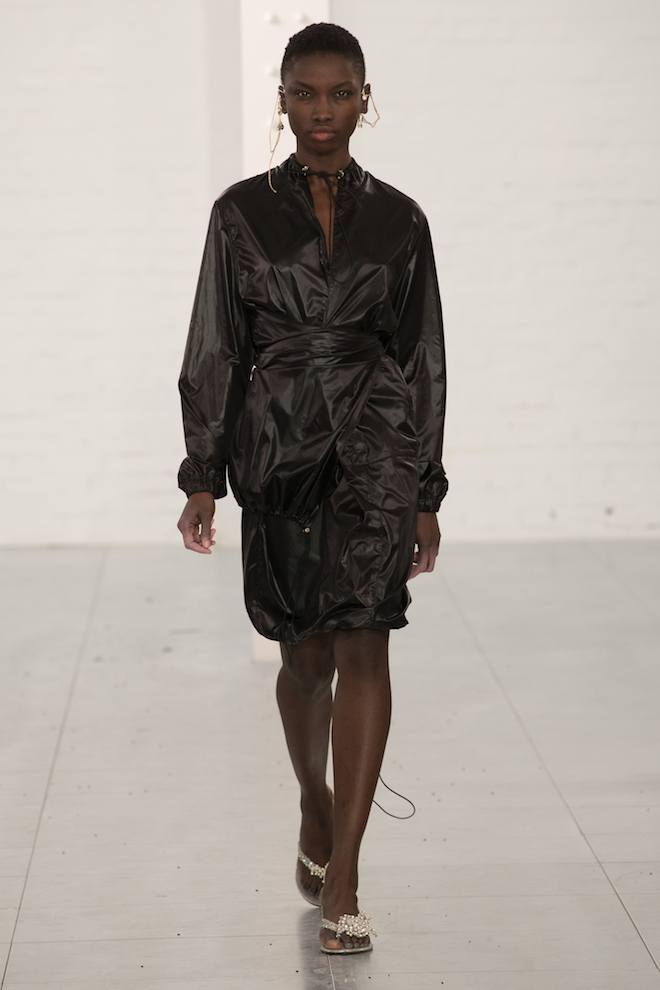
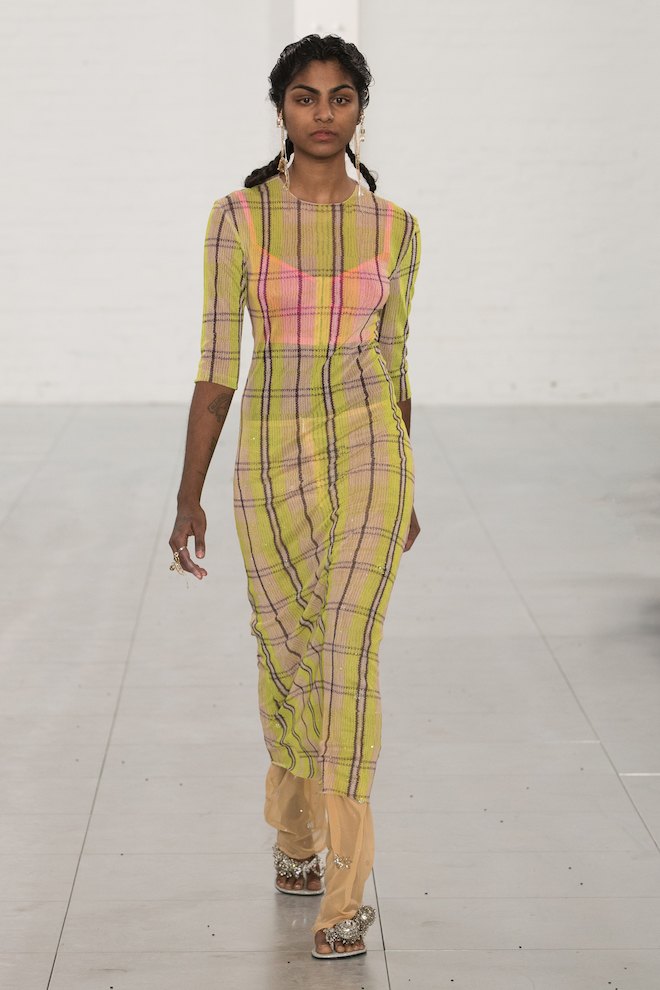
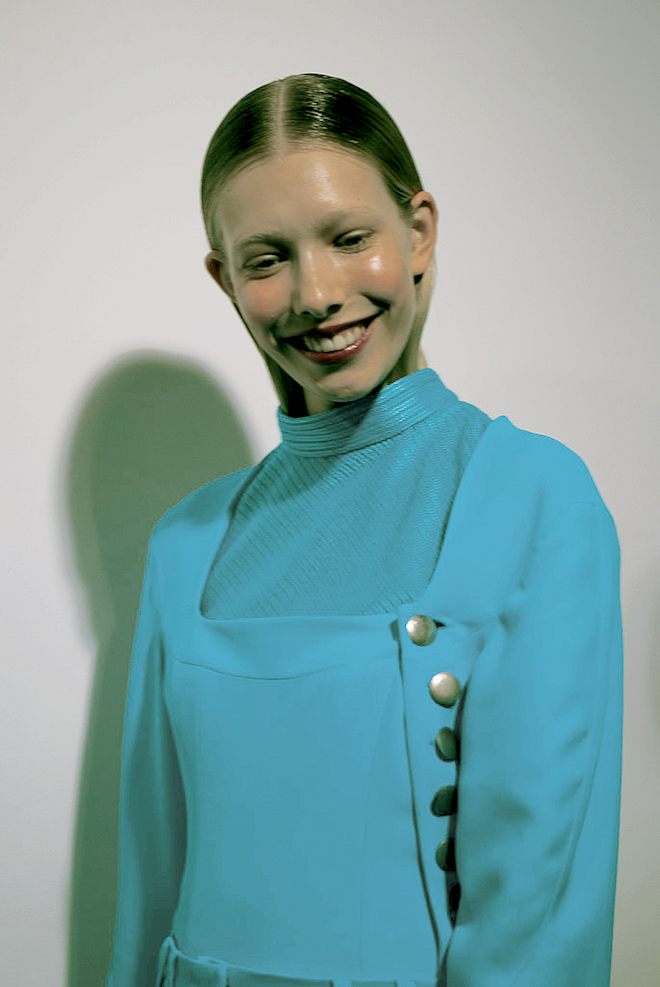
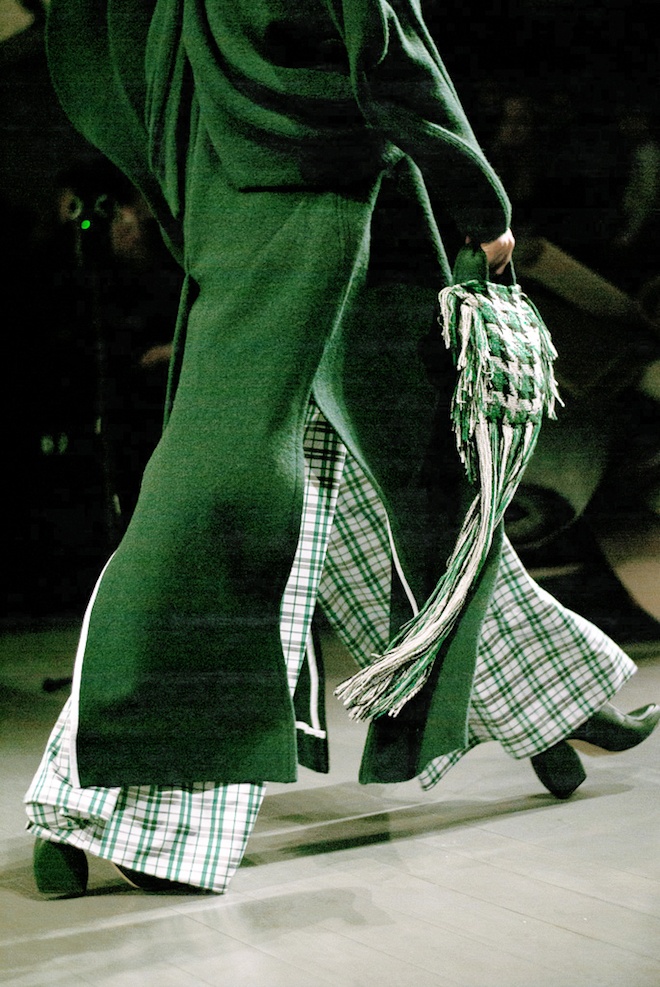
Supriya is a British fashion designer with Indian heritage. Her work is influenced by her British identity and Indian cultural heritage. The way she works with drapery recalls the sari. The colours she works with refer to her own background, growing up as a goth in the British Midlands. Her work is inspired by architecture and sculpture, which she believes are integral facets to fashion design. Her work caught the attention of Fashion East, Lulu Kennedy’s incubator program for emerging talents. With three seasons at London Fashion Week showing as part of Fashion East, the British Fashion Council awarded Supriya NEWGEN sponsorship. This September, she will debut her standalone show at London Fashion Week. Twin caught up with her to discuss identity, launching a brand and “growing up as a goth in the British Midlands.”
When did you know you were meant to be a fashion designer?
I wouldn’t necessarily say I always knew I was meant to be a fashion designer, I began by studying architecture, and then subsequently wanted to study sculpture before last minute changing to my undergraduate degree in fashion…I think these three areas are quite linked. I was always really interested in fashion and it has always been an important part of my life, and this has been a very natural process.
There are also parts of your work which refer to your childhood “growing up as a goth in the British Midlands”. For you, is storytelling an integral part of your designs?
Haha, yes the “goth,” aspect or subversive aspect to my work is important. I have been exploring my cultural identity since I completed my Masters at the Royal College of Art- and that involves exploring different memories, or parts of my family history which have informed my personal viewpoint and design handwriting; I think storytelling is a big part of that.
Your work features contrast: masculinity and femininity; your Indian heritage and British cultural identity; lo-fi fabrics and the air of luxury– is your work defined by contrast or the balance between the contrasting elements?
I always enjoy the tension between high and low and I like to play with that in my work. I would probably say that the balance between the contrasting elements is what I enjoy- finding that middle space or exploring that tension is what is exciting.
It was reported that your first presentation with Fashion East came at a time when you hadn’t yet worked out how to sell the collection. Is this true?
My first presentation with Fashion East was when I showed parts of my Masters Collection from the Royal College of Art- most of this had been created on the course without sales in mind; so it was more that the actual collection was not ready for sales. It was more an aim to present my ideas and vision in that context, and introduce myself to the industry.
You worked with Fashion East for three seasons, what was the best advice you received?
I received a lot of good advice from Fashion East so this is a tough question! I think it was not to worry too much and to be confident in my own abilities.
You’ve been afforded NEWGEN sponsorship for the upcoming season. How does it feel to join the ranks alongside your peers Matty Bovan, Bianca Saunders, as well as previous winners such as J.W. Anderson and Simone Rocha?
It feels really exciting to have my own slot on schedule at LFW, I am really looking forward to it. NEWGEN has an amazing list of alumni, but also the current designers are so strong it’s really great to be a part of it!
What is next for the brand?
To keep pushing my vision forward and to grow my business and brand organically with the support I have.
Twin contributor Jordan Anderson considers the impact of Virgil Abloh’s first collection for Louis Vuitton.
Earlier today, Ghanian-American fashion designer Virgil Abloh presented his first collection as creative director of Louis Vuitton Menswear in the gardens of the Palais Royale for Paris Fashion Week.
Since his appointment in March, the news of a black man at the helm of one of fashion’s most prestigious French houses has of course caused some stir and split opinions between fans and fashion critics. This was not just any black man, but specifically Virgil Abloh.
I, particularly as man of colour, was on the fence about the decision. Only two men of colour had ever held such positions, Ozwald Boateng at Givenchy and Olivier Rousteing at Balmain. On one BLACK hand, I was overflown with joy, and completely elated that another man that looked like me had finally landed such a position. The story of an immigrant, arriving to the US, starting his journey in fashion and being so successful in his efforts to the point where he now sits at the head table of one oldest fashion labels in history is undeniably inspiring. This would be a monumental moment, not just for black people, but for anyone of colour who has ever felt excluded from a conversation in the walls of fashion as a result of skin colour, culture or heritage.
On the other hand, as a detester of the ranks of fashion as a popularity contest, I was torn. Abloh and his label Off-White for me and many represent a millennial-friendly fast-selling branch of fashion which often sacrifice quality and ingenuity for mass sales/trendiness. Prior to this appointment, Virgil to me was but a DJ and a businessman. I assumed his label was a business he would pick up every season to use his influence to create a few stirs among millennials to make some extra bucks. Which in this case would be fine. We’re all hustlers, and you definitely don’t have to go to fashion school to be a designer. However where was I to be left when I found out that one of fashion’s “influencers” was taking over an historic French fashion house. Was this like Kendall Jenner becoming photo editor for Vogue?
I had no idea what to expect. As I tuned in to Louis Vuitton’s live Instagram stream and got a glimpse of the location, goose bumps grew on my skin. I was excited. My heart started racing as I witnessed an army of computed men in white, opening the multi-coloured runway. This was Virgil’s moment: it was his peak, and I was extremely excited for the masterpiece which he seemed to have created. LVMH may have hired him for his savvy business approach but regardless, I saw this as a win for us.
After the emotions faded and the show ended I then went back and had a look at the collection. The hints of his brand Off-White were evident. There was not much innovation but it was better than I expected. This was a luxury version of his own brand and a deconstructed version of the Louis Vuitton we had been used to. It was relatively safe ground: double breasted blazers, two pleated trousers paired with holsters and harnesses. Nothing too new for fashion, but definitely new for the French fashion house.
LVMH were certainly ahead of the curve hiring a designer that brings streetwear to the luxury space. Virgil Abloh might not be an innovator, or to some, not even a designer, but he sure is a hell of a showman.
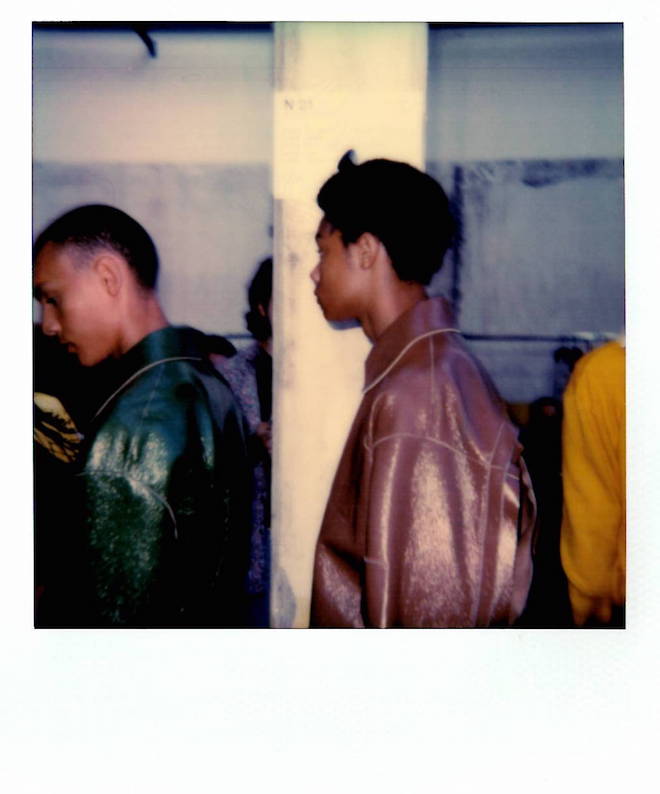
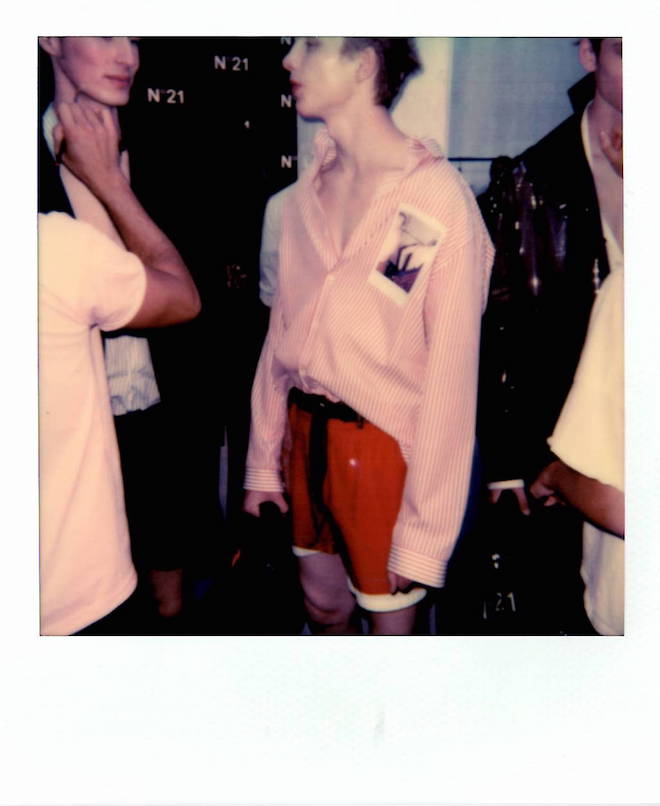
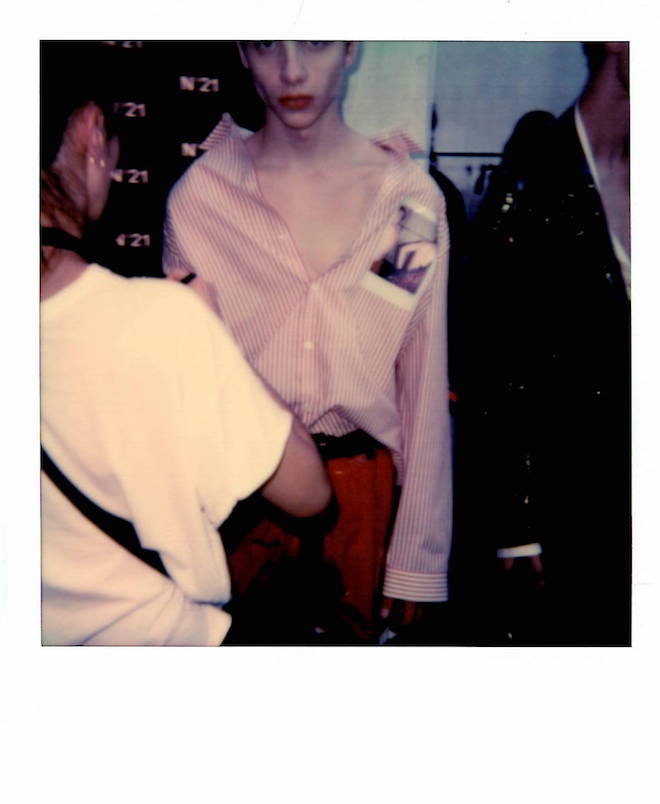
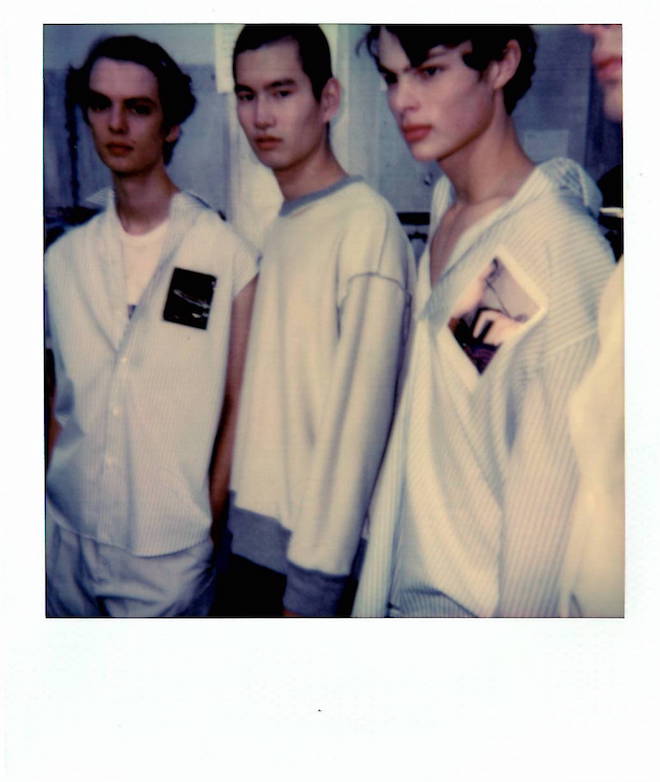
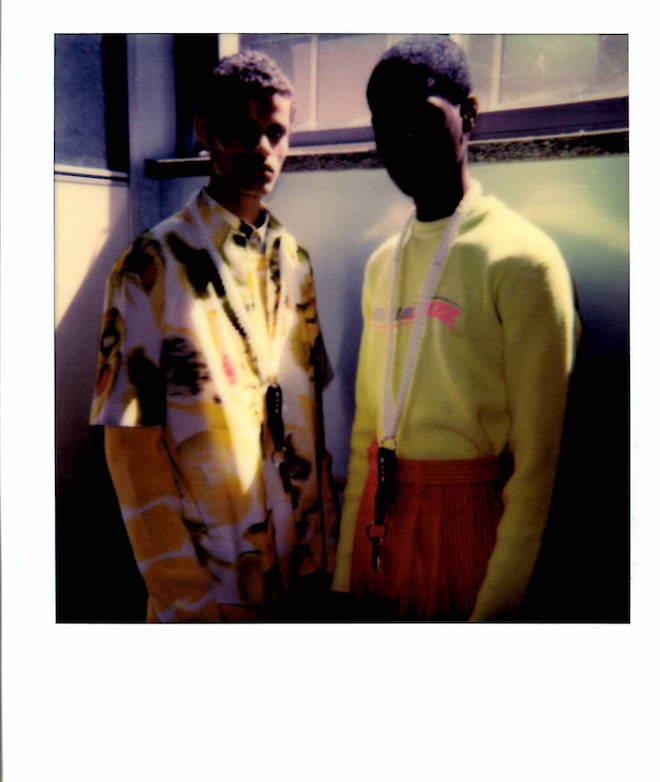
For his SS19 collection, N.21 designer Alessandro Dell’Acqua, opted to turn his head away from the fast-selling streetwear direction of the industry and focus on a more sensual side of the brand.
“I’m over streetwear and sportswear at the moment. I started from a desire for light and warmth, to rediscover the body’s natural physicality.”
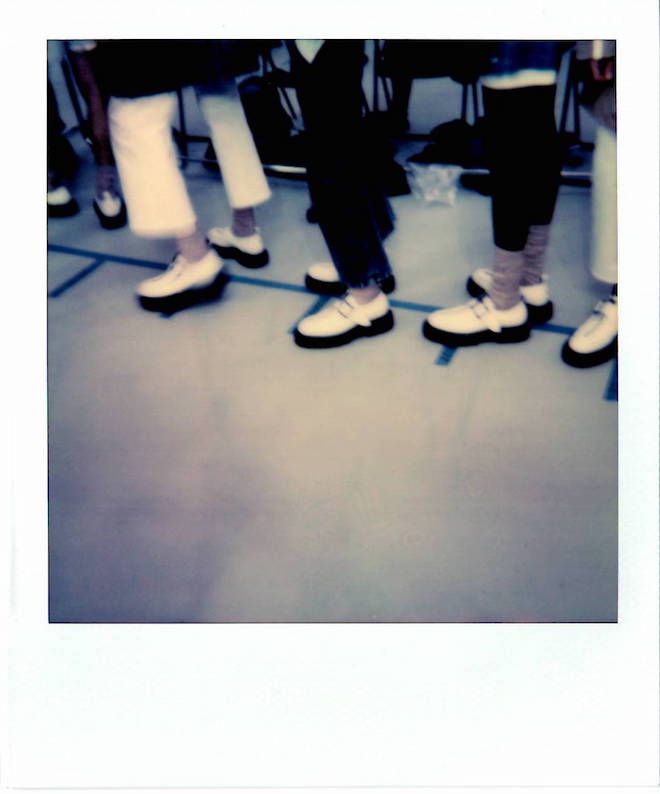
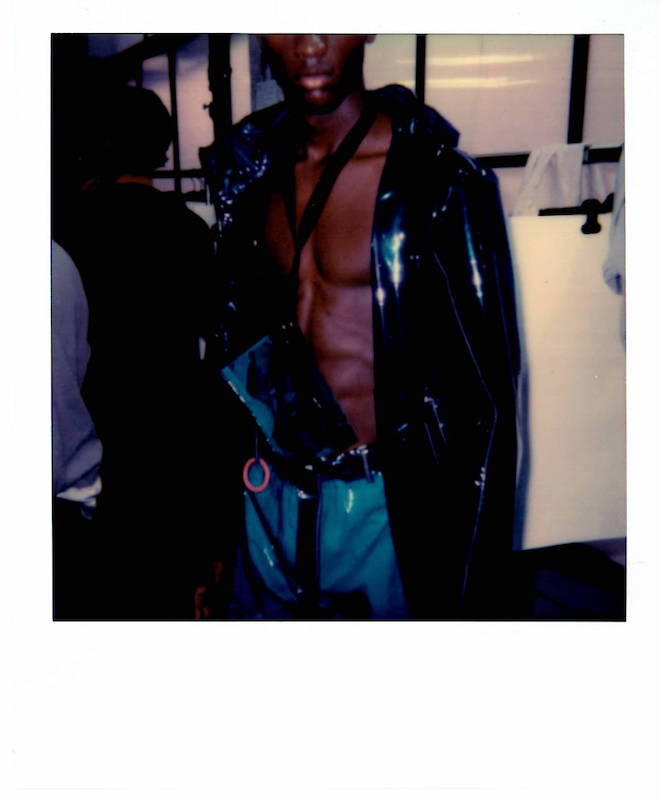
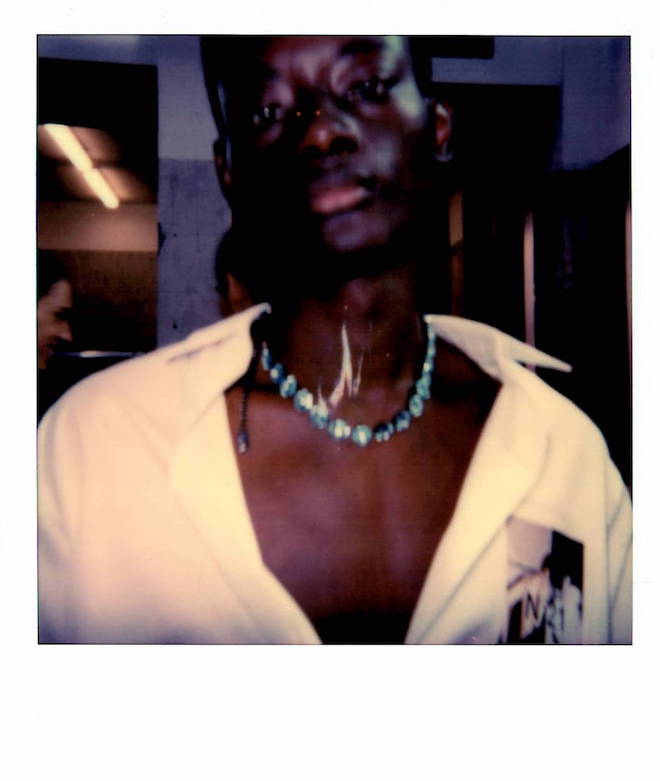
Sneakers were thrown in for socks and sandals, t-shirts for button ups. There were also raincoats, the brands signature photo inserted shirts, nylon pouch bags and totes.
The collection had a familiar simplicity accompanied by a whiff of femininity which made you want to ask for more. It was a celebration of the sensual man.Was this the brand’s official proclamation towards a more permanentformal aesthetic? And if so, will he then give up the shorts for tailored trousers next season?
Whatever direction chosen the brand should look to exaggerate their inspiration. At times their signature simplicity might be mistaken for indolence and repetition.
For MSGM’s SS19 collection designer Massimo Giorgetti incorporated the spirits of the two most important cities in his life: Rimini and Milan.
“Rimini” the designer commented, “is the city where I grew up, it was about the beach, the club, the tourists and the energy while Milan is where I made my home, started my label and made my career. I would like to play with the two and bring them together.”
Giorgetti envisioned both cities to be on the opposite sides of a volleyball net, inviting guests to a high school basketball gym for the show.
The brand’s streetwear aesthetic merged perfectly with the sporty reference. The collection was packed with acid colours, silk shirts printed like multivitamin one-a-day packaging, volleyball tops, track suits,bombers and oversized tees.
Images of famous Japanese volleyball players were also imposed on the garments along with patterns influenced by the works of American photographer Roger Minick, widely known for his photography series documenting tourists.
Giorgetti’s intentions, though presented as a Spring Summer collection, gave strong hints of resort wear which allows for the flexibility to freely dabble between collections.
The show then concluded similarly to last season’s with a series of multi-patterned printed shirts and matching shorts during the final walk. Although a fairly young Milanese brand, the inspiration that Milan gives the designer has become a recurrent theme. Is it time for something new, or is this stilla part of setting his signature in stone?
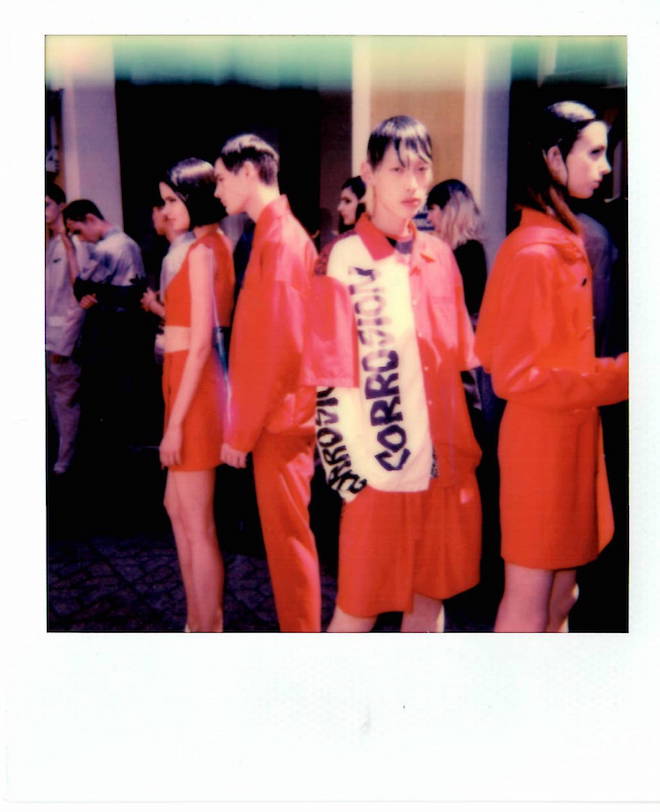
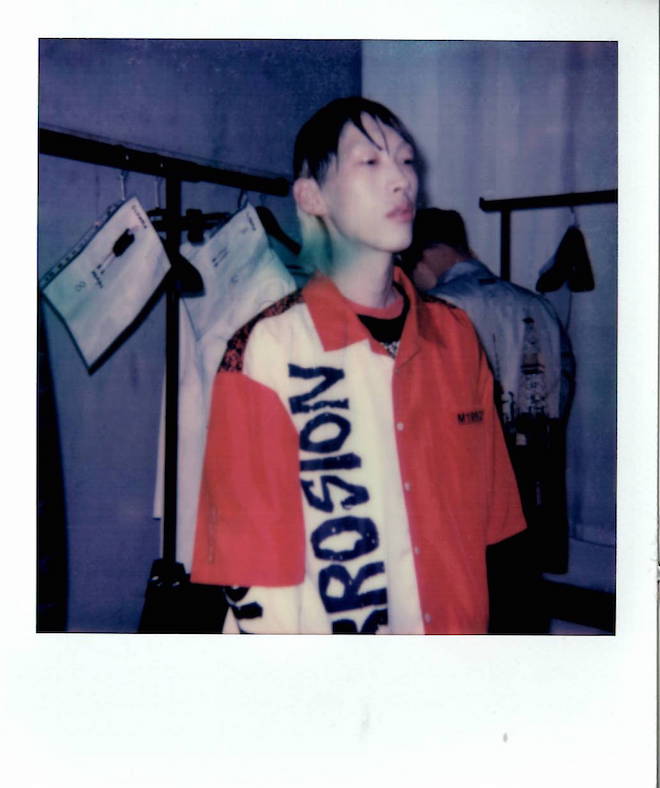
Designer Dorian Stefano Tarantini took polluted seas as the inspiration for the M1992 SS19 Menswear collection.
As he noted: “Sea pollution is the beginning of a creative process that draws from the ocean and its post-modern iconography marked by plastic, viscous, black and metallic materials, offshore rigs and oil spills. “
The runway opened with a full black look with the word ‘oil’ printed over a flame. Everything else that followed was an ode to abandoned beaches. Each model’s hair was covered in black liquid, reminiscent of petroleum. Deconstructed tuxedos, shiny gold printed crocodile fabrics and tie-dye tuxes were all part of the designer’s vision.
Hues of red and flashes of denim (produced by the brand’s collaboration with denim production company ISKO) were also added on a separate note which referenced the 90s ready-to-wear influence of Giorgio Armani & Donatella Girombelli.
Details that evoked vines and branches were also added around necklines and trousers were bedazzled by Swarovski crystals. The show closed with an actual functioning diving suit. A different kind of solution should the consequences of marine pollution make themselves further known.
For SS19 Creative Director of Marni Francesco Risso unleashed his imagination into a fantasy of athletics.
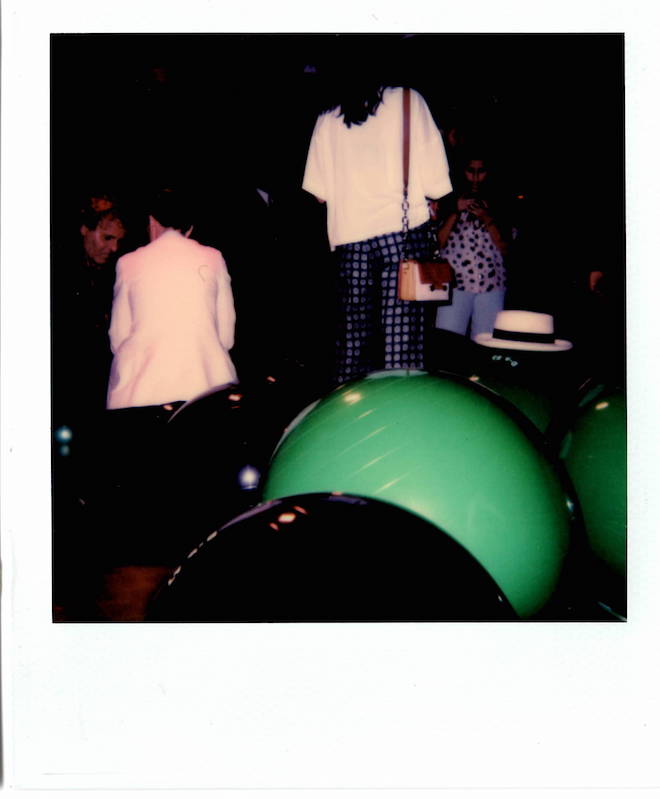
Risso welcomed guests to the underground parking lot of Torre Velasca, a residential brutalist tower built in the late ‘50s in Milan’s centre with a seating arrangement of Swiss balls. This was the first introduction to what he referred to as his “Imaginary Olympics.”
“All are admitted to this game: the thin and the chubby, the tall and the short; fatty ultra men and skinny supermen; mini superheroes and maxi anti-heroes; anyone who loves and knows thy body.”Commented the designer, giving insight into his casting which was a mixture of both professional street-casted models of all ages and sizes.
He added that “each team creates its uniform for the game by reassembling all the uniforms of all the sporting events which we have forgotten.” Out came all the team members dressed in pieces that were inspired by an accumulation of vintage sportswear. Each ensemble told an individual story of its wearer/player.High waisted drawstring pants, double T-shirts, windbreakers, tailored sports coats, skater pants, prints blown up from German artist Florian Hetz combined with wrestling robes and sleeping bags made into voluminous bombers and paired with bed slippers. There were references to uniforms pulled from sports such as cricket, football, tennis and swimming.
But Marni’s imaginary olympics was a game of vulnerability, no machos allowed: no mouth guards, no shin guards, no foul play. The silhouettes were soft and clean, creating revised hi-tech versions to sportswear while paying homage to their vintage references.
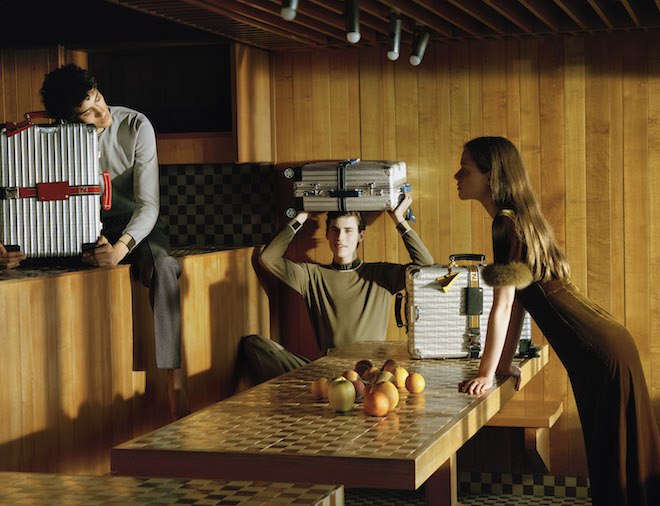
A suitcase is one of those adult investments that often alludes us. So many flights are spent shoehorning a tattered carry-on bag into the overhead lockers. But this new collection from FENDI and RIMOWA offers a masterclass in modern, elegant suitcase seduction. It’s time to embrace the luxury of luggage again.
Ahead of the summer season, the collaboration sees its second drop. The new additions in blue and red join the black and yellow model that was introduced in November last year. FENDI brings luxurious leather details to RIMOWA’s classic craftsmanship. The trolley’s also feature the iconic double ‘F’ logo and neoprene black interiors offer a contemporary, energetic feel. Customised options ensure the final unique touches.
Before you begin to think about what to pack, make sure you’ve invested in the only summer essential you’ll need this season.
Fendi x Rimowa
Available online and in selected stores worldwide from 18th June 2018.
This season women were behind the most impactful designs at London Fashion Week Men’s. Such a reputation isn’t new: a fresh generation of women designers have been reshaping the London menswear scene for some seasons. In offering a streetwear, high fashion hybrid that is both romantic and wearable these designers set a precedent for a different kind of maleness. And beyond the clothes, these women have rooted their designs in a sense of community. They offer new menswear tribes that discard archaic notions of masculinity and propose a more complex and engaging modern man. Twin spotlights on the women shaping the London menswear scene.
Bianca Saunders
Bianca Saunders SS19 had everybody talking. This season the designer focussed her attention around the theme ‘Gestures’, exploring poses and body language. Her clothes played with the idea of awkwardness in your own clothes, with in-built creases reflecting the process of wearing in and becoming familiar with your clothes. Using materials such as nylon and cotton the silhouettes were tight and intimate, the tension between the known and the awkward at play here too. This was no doubt a pivotal collection for Saunders but the success was expected too, given the hype the Kingston and Royal College of Art graduate has been garnering since she first showed at Graduate Fashion Week in 2015 . Her exploration of masculine identity, inspired by London and her West-Indian heritage, is necessary and relevant.
Bianca Saunders SS19
Martine Rose
Martine Rose has been revered for her menswear designs since she began in 2007. Her concise vision marries the power of streetwear and logo mania with expert tailoring, the result was to create an aesthetic based on the power of family and clan. There’s not one explicit Martine Rose look but instead a recognisable signature: exaggerated silhouettes, structured tailoring, perfectly off-kilter styling. The everyday twisted just enough to take you by surprise. The sense of community has also been fostered by Rose through the use of off-catwalk shows. These include a market in Tottenham and this season, a catwalk along a street in Camden, complete with overexcited neighbours taking pictures from their front yards. The result: a clear connection between fashion as a medium and fashion as the clothes that people wear in everyday life, without compromising on beauty, romance or vision.
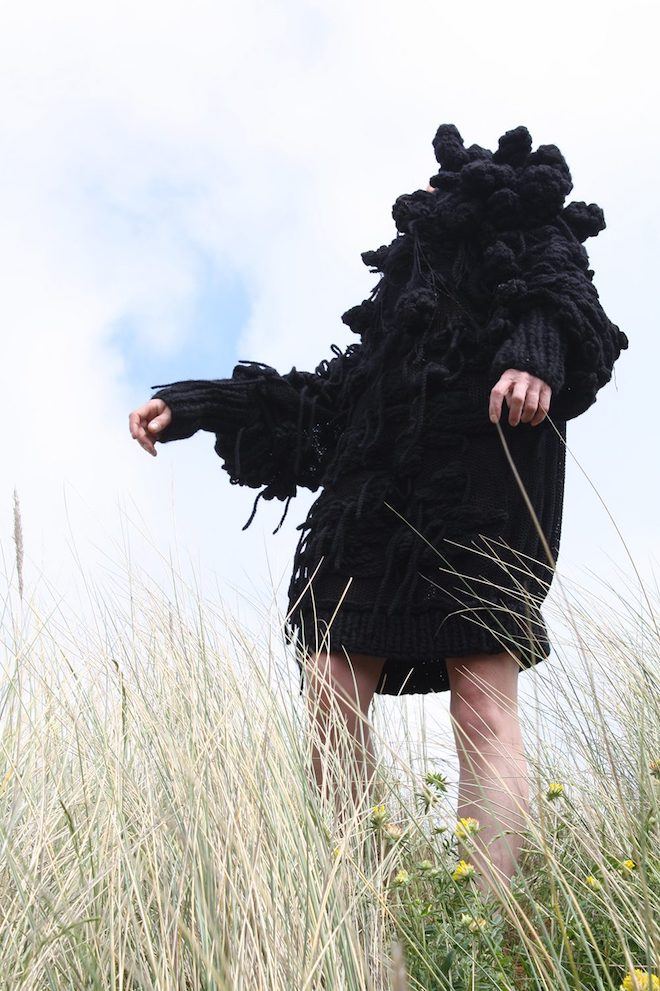
Welsh designer Bethany Williams brings activism and community to the heart of her designs. Collections are based around a zero-waste approach, with sustainable fabrics created in collaboration with partners including Tesco and the San Patrignano drug rehabilitation community in Italy. She also works with TIH modelling agency, a platform which supports young people in London affected by homelessness. In short, her approach is near unparalleled in the London fashion industry – and she’s only just getting started. As Bethany told Twin: “It always starts with the charity or community that I am working with, then it goes to the waste materials that I want to use, then it goes to the fabric and then from the fabric I work out the form: it is initially inspired by the charity I choose to work with from the start.”
Bethany Williams
Grace Wales Bonner
Wales Bonner didn’t show at LFWM this season but her impact on the menswear scene is evident nonetheless. The winner of the 2016 LVMH Prize first made waves with her first collection “Afrique” in 2014 where she was awarded the L’Oréal Professional Talent Award. In this rapid rise to fashion’s heights, Wales Bonner’s vision has always been clear. Her collections draw inspiration both from contemporary life and works by writers such as James Baldwin, Ralph Ellison and Marlon Riggs. Her romantic, 70’s-esque silhouettes are richly rendered with beautiful use of fabric and colour. Her intimate and considered approach has also been reflected in her approach to shows, where historically the designer has opted for smaller, chair-less presentations, shown to perfect soundtracks and accompanied by reading lists to keep editors on their toes.
Having graduated from the Royal College of Art in 2010, Astrid Andersen quickly rose through the fashion ranks. She was a member of Fashion East and was awarded NEWGEN sponsorship, developing her idiosyncratic signature that marries sportswear and luxury. In doing so Andersen set a dynamic precedent for menswear in which boundaries are blurred and style is freely interpreted.
A relatively new addition to the London menswear scene, Paria Farzaneh is a Yorkshire-born, London-based Iranian designer whose collections are inspired by her heritage. Designs offer a combination of Iranian materials and silhouettes threaded through contemporary London style. The result is streetwear printed with traditional patterns, t-shirts and polo shirts printed with ‘Iran’ and adorned with textiles as well as classic suit tailoring. Addressing mis-representation of the Middle East and specifically Iran in the West Farzaneh offers a modern and relevant vision for maleness. A distinct aesthetic which celebrates unique identity and fuses traditional lad culture with delicacy and ornate detail.
Ireland Repeals the 8th Amendment, Analysing Fashion’s Contribution
On May 25, 2018, the Irish people voted to end the constitutional ban on abortion. The final result was 66.4% Yes and 33.6% No. The vast majority of constituencies across the nation were in favour of removing the amendment from the constitution. In essence, it envisions a modern Ireland but the campaign wasn’t won by itself.
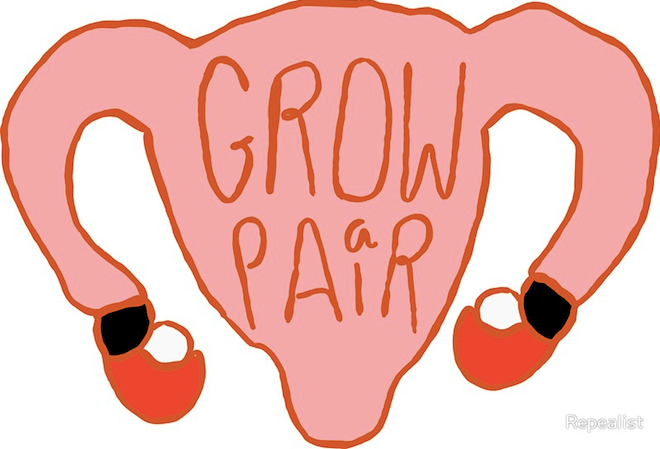
Fashion played an instrumental role in initiating conversations surrounding the Repeal the 8th campaign. Designers living in Ireland and abroad banded together to help shape the modern Ireland they’d like to see. Activists launched their own operations in the campaign’s nascency to voice their opinions. There were Anna Cosgrave’s Repeal Project sweaters; badges from the Abortion Rights Campaign and Together for Yes; housewares, clothing, and accessories from Repealist. Collectively, they inspired political awareness and instigated dialogues that were once left unspoken. “Don’t talk about politics,” it’s taught. Fashion turned that on its head.
“Both my apparel and jewellery were designed with the specific aim of making Repeal about celebrating the beauty and colours of autonomy,” said Shubhangi Karmakar, the founder of Repealist. “From my experience of making each piece by hand, the possibility of having customised jewellery to support Repeal fostered a sense of individuals identifying more closely and affiliating with the movement.”
The Hunreal Issues ‘Fashion is Repealing’ event was another important aspect of the campaign. Organised by Andrea Horan, founder of Dublin-based nail bar Tropical Popical, The Hunreal Issues provides information about abortion rights. The event connected with a voting population through fashion as a means of diluting the seriousness of politics in order to drive social change.
The event was a fundraiser-cum-fashion show in Dublin. It “added another layer to the tone of conversation around Repeal.” Horan assembled a dozen Irish designers to create one-of-a-kind pieces for the fashion show and fifty more affordable, collectible t-shirts and accessories for sale on The Hunreal Issues’ website. After the event, The Hunreal Issues made a donation of €25,000 to Together For Yes, the abortion rights campaign group.
The primary aim of Horan’s campaign was to inspire young people to participate in politics and to highlight women’s rights issues as red line issues. “Fashion allows people to engage and interact with it on their on time, in their own way and interpret the messages found within it into their own language. For me, this is what is missing in politics – how can you get frustrated and wonder why there aren’t more young people caring about politics if nothing you do targets or engages them,” she said.
The campaign stages were pivotal. Abortions rights in Ireland has been an ongoing battle since 1983 when the country first went to the polls to debate abortion. The Catholic Church and the Irish government have long been bedfellows, but the deep-seated attitudes that once dogged the country are slowly diminishing.
“It felt good to have a very small part in this momentous and long overdue change to how women are treated in Ireland. It doesn’t make up for the years and years where women have died, have felt hurt, guilt, conflict, judgement and shame but it is the start of acknowledgement and change. I am proud at how people have come together and supported and fought for this,” said Natalie B. Coleman, a designer from County Monaghan whose work blends the personal and the political with an intent on developing “a strong feministic spirit behind our collections.”
“I think social media is what pushed young voters to get out and vote. I don’t think young voters related with the posters hanging around the city,” said Louise Kavanagh, an Irish fashion designer who participated in ‘Fashion is Repealing.’ “Social media was a great platform to see all information about the Repeal Project, which provided all factual information. It also gave the platform to promote events based on the campaign. I think these really related to young voters because at the end of the day we are the future and it’s us who the vote effects.”
May 25 was historic: The victory marks a new dawn for women’s rights, christens a more compassionate, caring, and considerate Ireland, and propels the country into modernity. There is work still to be done: implementing education, rewriting the constitution, and opening dialogues surrounding these subjects.
But in the run-up to the referendum date, many were cynical about the fashion industry’s reach, questioning its ability to galvanise a large audience into voting. Their reasoning was rooted in previous liberal failures in both the United Kingdom and the United States. In June 2016, despite the idealism, hope and slogan t-shirts, the UK voted to leave the European Union, in a shock victory. This newfound solidarity among right-wing voters strengthened in November 2016, when the US elected Donald J Trump as president. Despite the fashion industry’s best efforts, support from publications, designers, and influencers, wasn’t enough.
“I don’t think people were educated on Brexit. With the Hillary campaign, they pumped a lot of money into the merchandise but nobody was buying this stuff, they were giving it away for free,” said Margaret O’Connor, an Irish milliner. “In Ireland, people reached into their pockets and bought [Repeal merchandise]. It was a union between the people who were tired of Catholic guilt and shame. For me, I was compelled to involve myself not from a fashion standpoint but as a human rights issue. As a conceptual artist and designer, this was my way of expressing myself.”
“It’s really easy to brush off fashion as an influencing factor when it’s not your world. When your day-to-day is politics, it’s easy to see fashion as some frivolous interest or pastime. However, as has been proven time and time again, fashion is powerful,” said Horan.
Richard Malone AW18 for Twin magazine | Amber Pinkerton
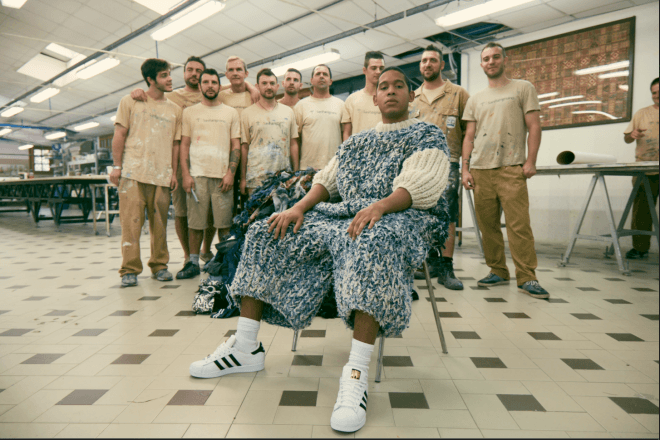
For Richard Malone, a fashion designer from County Wexford and prominent activist, the referendum was about actively involving himself in the campaign stages. He used his platform as an educator in fashion colleges, he engaged in discussions about it with “anyone that will listen about it,” and he staged an event in the window of Selfridge’s with journalist Una Mullally. “It’s excellent news. I couldn’t have been quiet on [the referendum],” he said about the result when contacted via email. “I’m super proud of everyone involved. We mobilised and made it happen and there’s a lot to be learned from the young people in Ireland, politics matter and we need to get involved.”
It remains to be seen whether fashion designers will reflect this monumental occasion for women’s rights in their work. Malone maintains he will continue to reflect the “strong, bold, independent women” he surrounds himself with. “[The vote] is more of a celebration of them and I’ve always aimed to celebrate women in my work.”
Fashion East x Galeria Melissa
In keeping with Galeria Melissa’s reputation for hosting maverick collaborations and guests, the space’s next takeover brings Fashion East’s merry band of designers to the Covent Garden space.
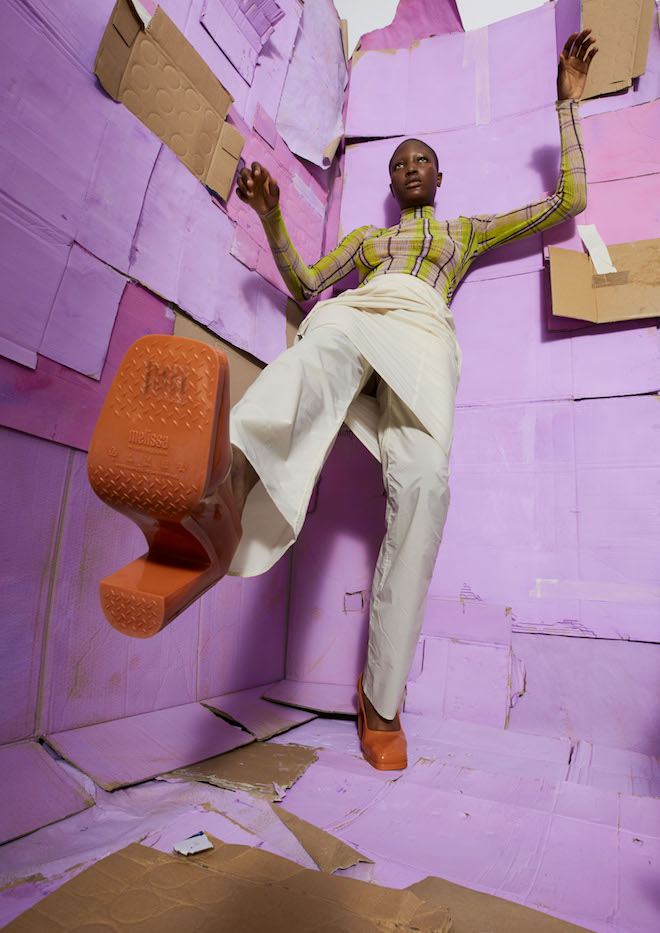
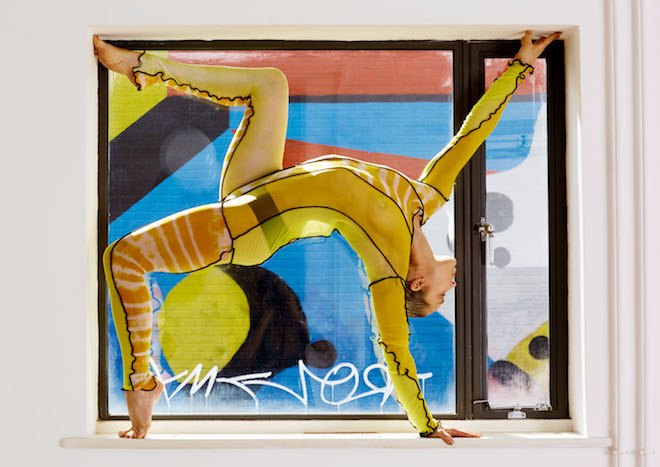
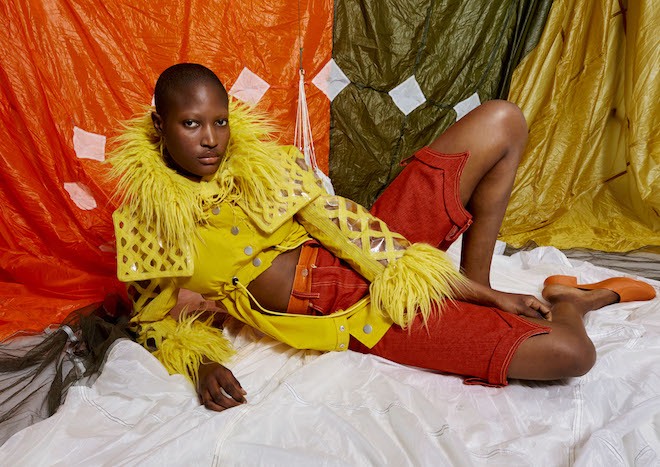
The Fashion East womenswear designers, which includes Supriya Lele, Charlotte Knowles and Asai interpreted Galeria Melissa’s OPEN VIBES AW18 collection. The video that will preview this evening is the first to be created between Galeria Melissa and Fashion East. Shot with a home video aesthetic, the video offers a low-fi feel that blends the fantasy of fashion with the reality of its process.
This latest collaboration with Fashion East follows Juno Calypso’s unnerving takeover earlier in the year. Expect weird, wacky and wonderful things.
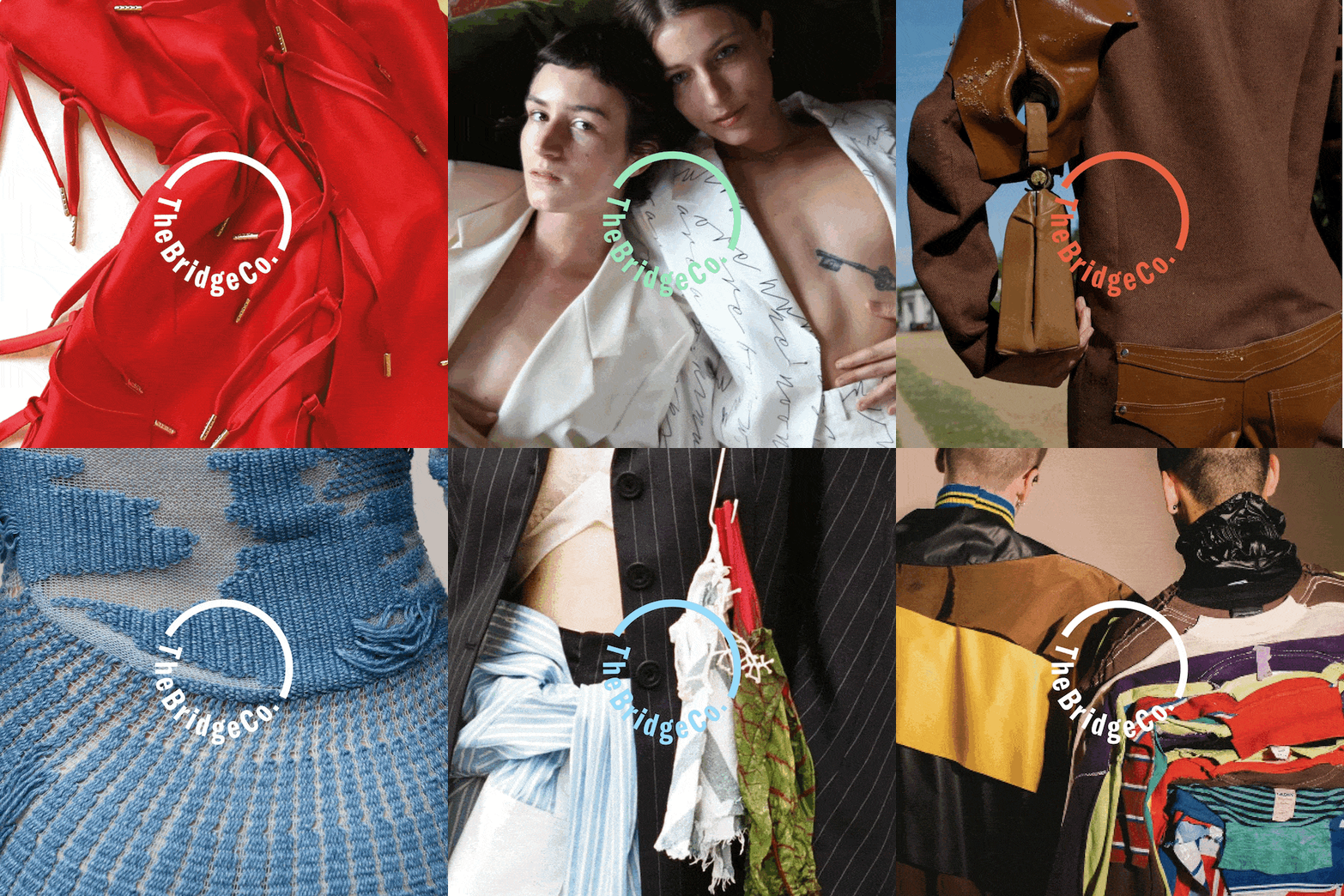
This weekend sees The Bridge Co. host ‘How to build an independent fashion brand?’A series of events designed to enable young creatives in fashion to work savvily and negotiate the intimidating business of fashion.
With speakers from Harvey Nichols, i-D, SHOWstudio as well portfolio reviews and speed mentoring, this is a dream opportunity to get free, helpful advice from industry experts.
The Bridge Co. is well versed at launching new designers onto the international stage, with clients that include Roberta Einer, Teatum Jones, HAVVA, Oshadi, CMMN SWDN, Ergon Mykonos, and Katrine Hanna, to name a few.
For any London-based emerging designers, this is an essential Saturday activity. Find out more here.
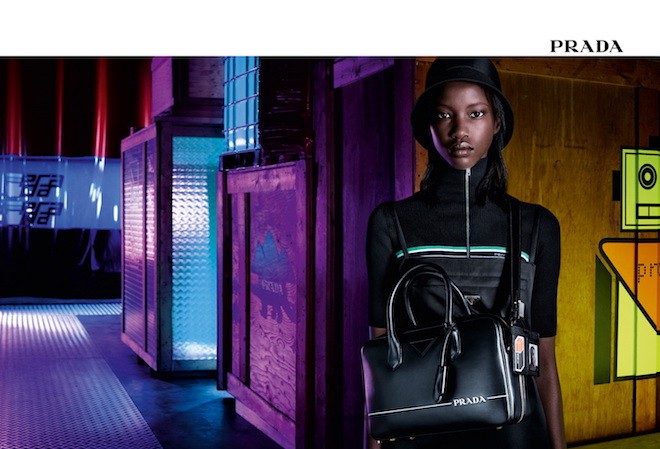
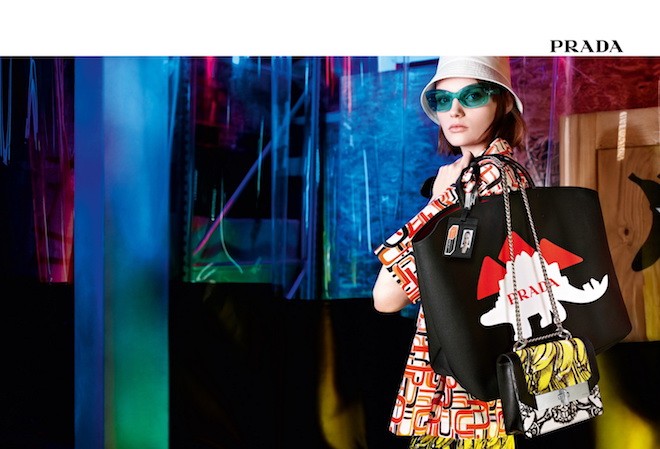
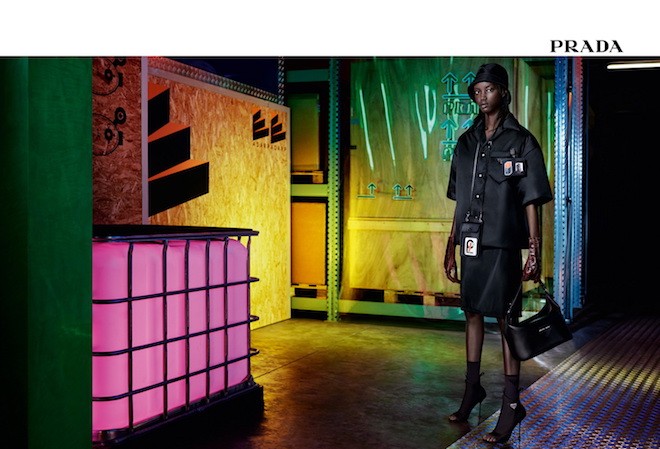
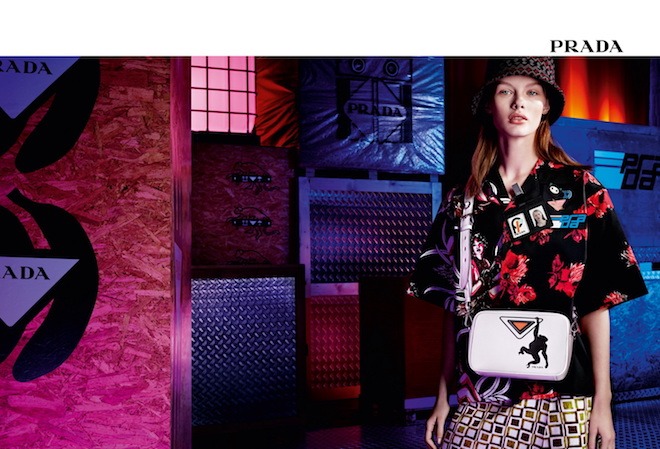
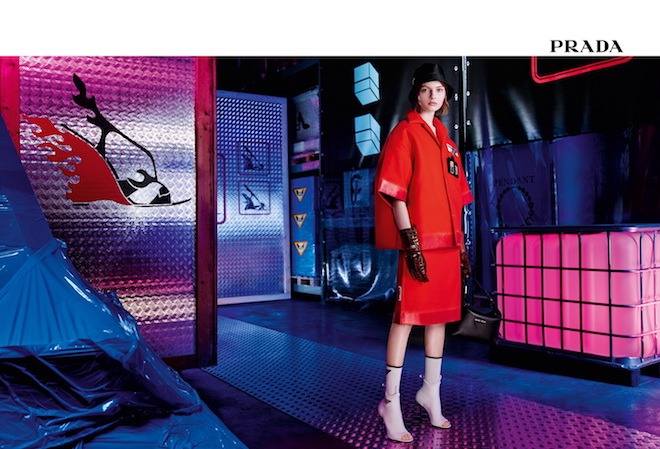
For their Pre-Fall 2018 campaign, Prada enlisted photographer Willy Vanderperre to capture models inside of the fictitious Prada Warehouse.
The fantasy environment is full of contrasts which embody the modern Prada woman. Models pose against textured, industrial backgrounds that are emblazoned with Prada logos and signs. The colour palette is high-octane, marrying bold, bright hues with futuristic and feminine clothing design. These combinations create an immersive Prada world: rich and unexpected, as the brand is apt to do. Anok Yai, Kris Grikaite and Fran Summers are the perfect models to anchor fantasy of the Prada Warehouse to reality.
Motifs such as the flaming shoes, Prada triangle and dinosaur evoke Prada’s traditional visual language while simultaneously offering a new one. It’s the sense of transition embodied within these logos that plays a part in the continued energy of brand. References speak a both to Prada’s long and innovative history, while also offering a modern twist that looks to the future.
Clothes do the same, with nylon and digitised florals ensuring traditional feminine design is re-imagined for the modern woman. While the Prada Warehouse might remain in another dimension, there’s no doubt Prada Pre-Fall will bring ‘Industreality’ to the every day.
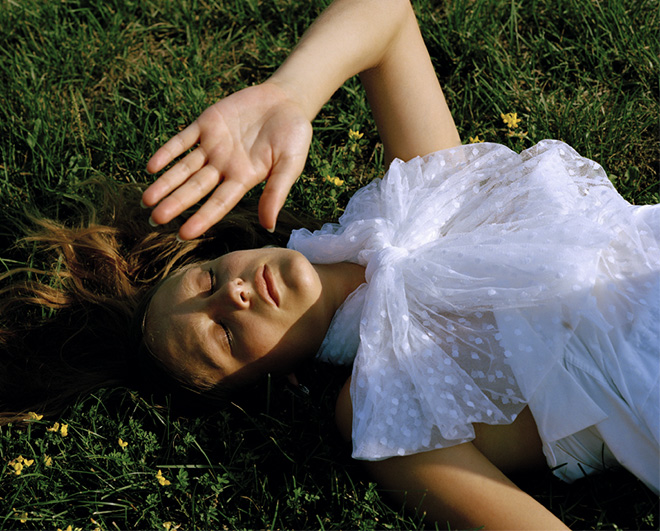
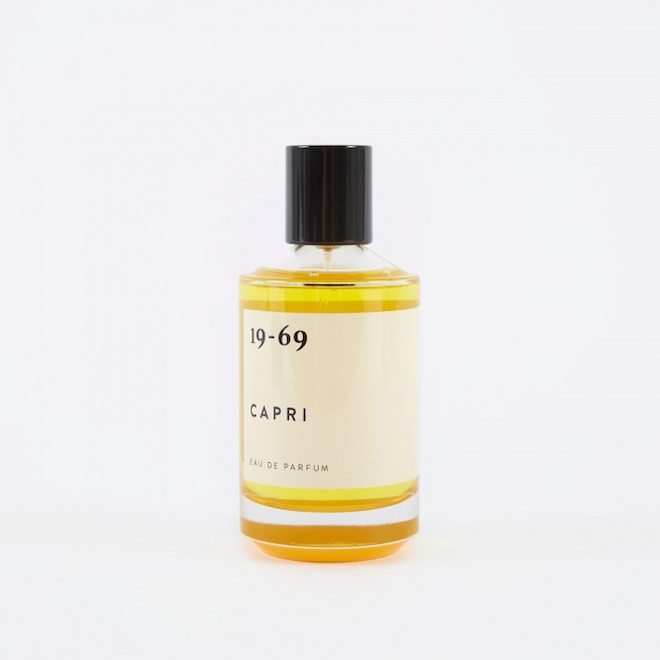
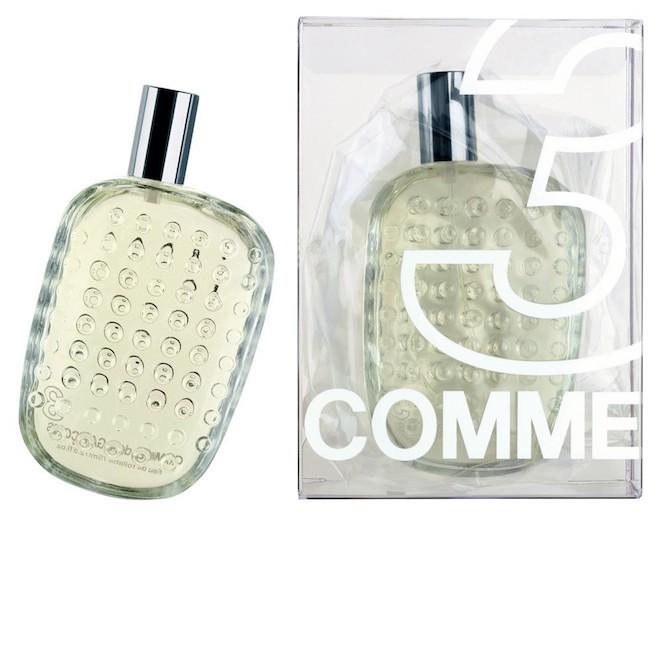
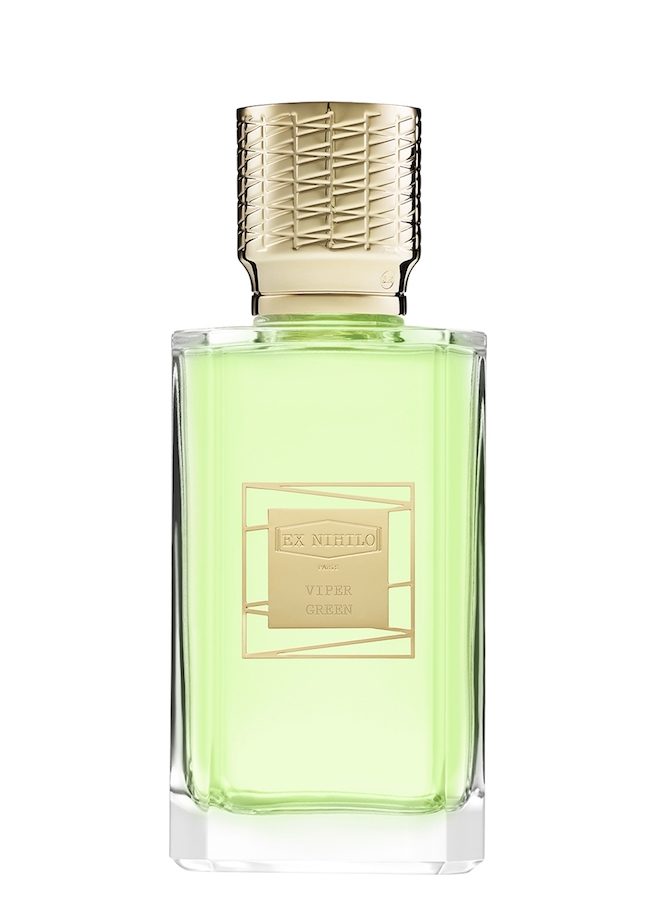
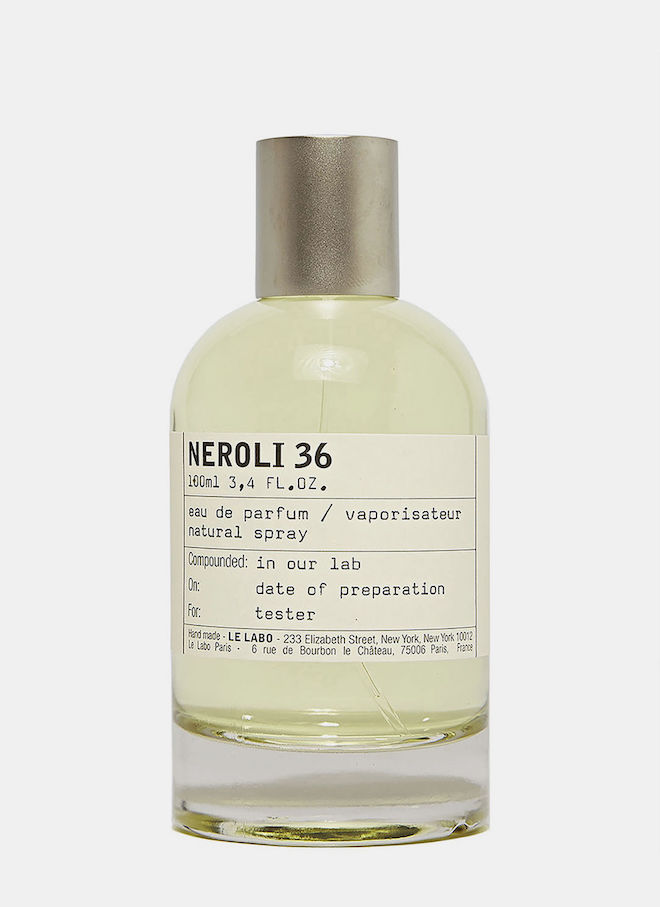
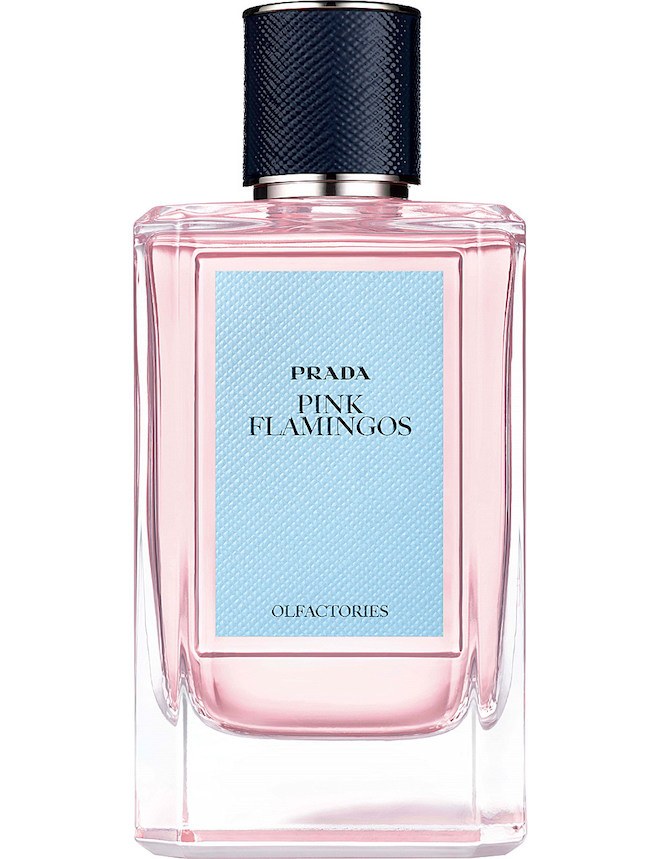
Fantasy florals: summer scents to capture your imagination
Spritz and escape: these floral-laced scents are your passport to summer. Who cares about the weather when you’re carrying orange blossom and lavender notes wherever you go. These spring and summer season scents are all about embracing the fantasy, helping you to shake off the winter blues and reach for the sky.
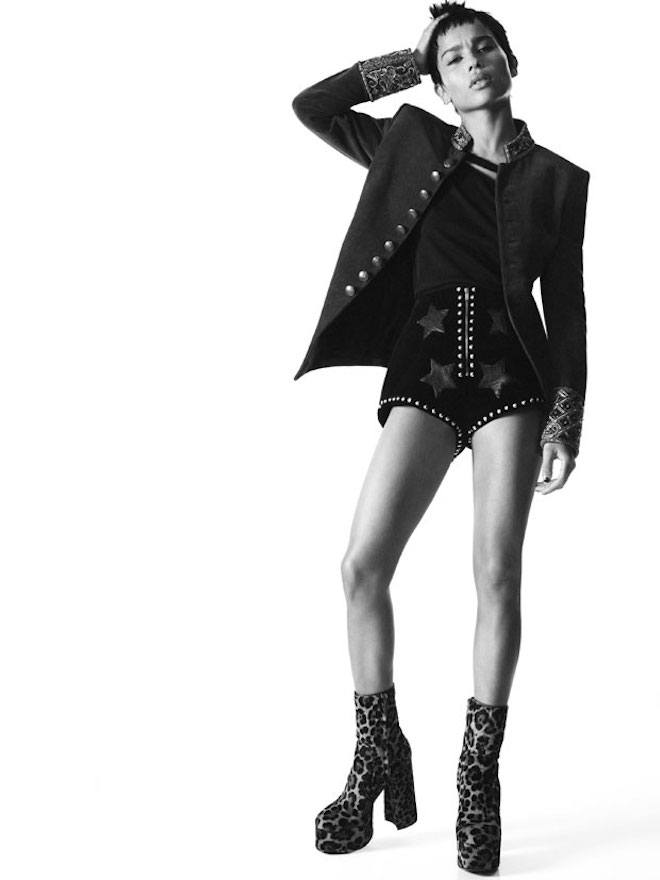
Zoe Kravitz is Saint Laurent’s latest campaign star, and we can’t get enough. Following on from the last video which spotlighted on the delightful Betty Catroux, the latest Saint Laurent video is a celebration of Kravitz’s dynamic, mesmeric presence.
The campaign video features a cropped-haired Kravitz dancing to the Velvet Underground’s iconic song ‘Venus in Fur’. Fifteen seconds is more than enough to convey the sultry, confident atmosphere evoked by a monochrome film of the compelling star. Dancing to the laconic melody, Zoe wears a military-inspired jacket with brocade detail, high-rise leather shorts adorned with stars and platform leopard print boots. If you needed another reason to crush on Kravitz, this outfit would be it.
Watch the Saint Laurent Fall 18 video featuring Zoe Kratiz below.
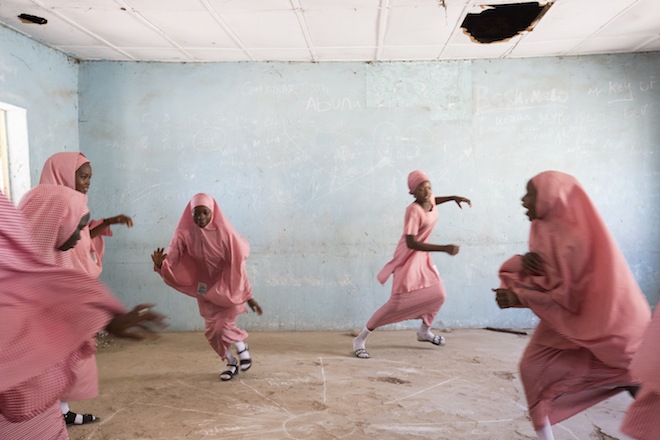
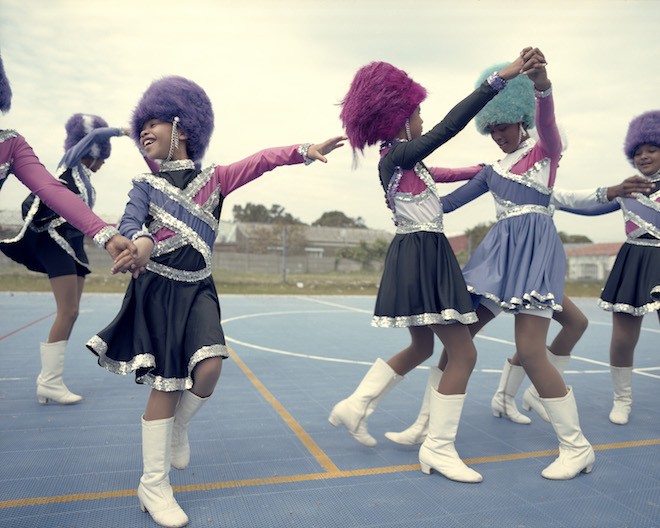
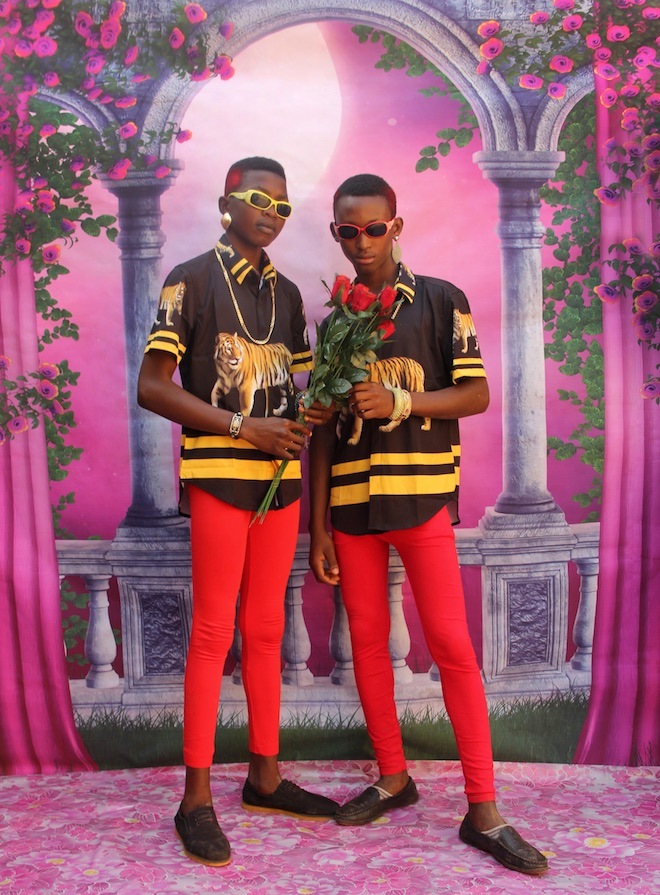
Following the success of previous collaborations between Nataal and Red Hook Labs, Nataal curates an exhibition of some of most exciting image-makers documenting modern Africa in a new exhibition. New African Photography III opens at the Brooklyn space in May.
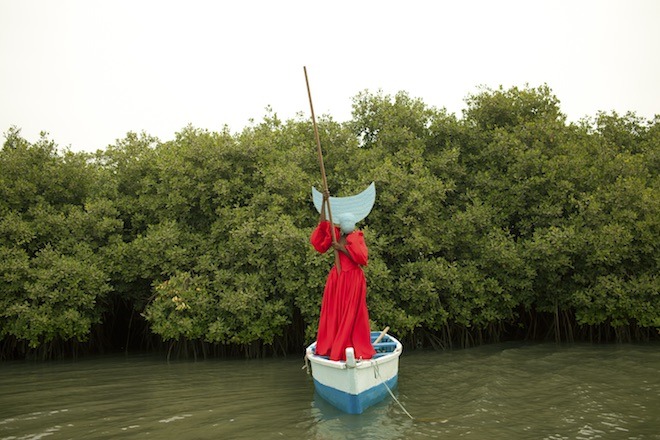
The new exhibition will showcase the work of six female artists: Fatoumata Diabaté (Mali), Rahima Gambo (Nigeria), Keyezua (Angola), Alice Mann (South Africa), Ronan McKenzie (UK) and Ruth Ossai (UK/Nigeria).
Together these works celebrate female identity and diversity, offering an empowered and positive vision. A sense of energy is conveyed through the celebration of movement and the use of powerful juxtapositions – both in terms of colour and of form.
The event also coincides with the launch of Nataal’s first print issue. The website and magazine work as a platform to champion creativity and culture in Africa. You can find out more here.
Alice Mann, Dr Van Der Ross Drummies, Delft, South Africa, 2017, from the series Drummies
Ruth Ossai X Mowalao
Fatoumata Diabaté, Kara et ses oreilles, 2012, from the series L_homme en Animal
Sailing Back to Africa as a Dutch Woman, 2017, from the series Fortia
Nataal: New African Photography III, 4th – 13th May, Red Hook Labs, 133 Imlay St, Brooklyn, New York. Opening times: 10am-6pm daily.
Following the wildly successful exhibition last year, Holly Hay and Shonagh Marshall are releasing Posturing as a book this month.
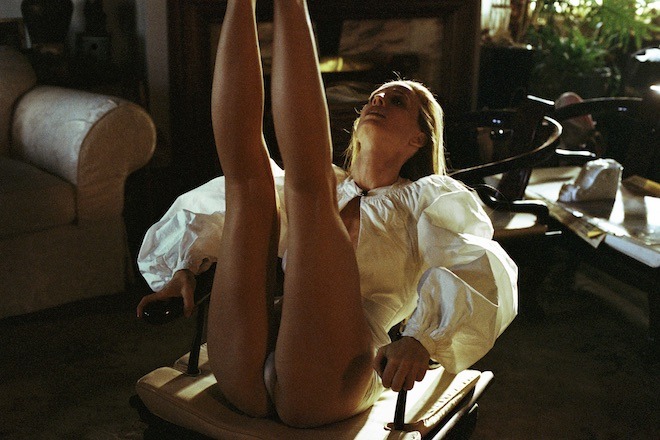
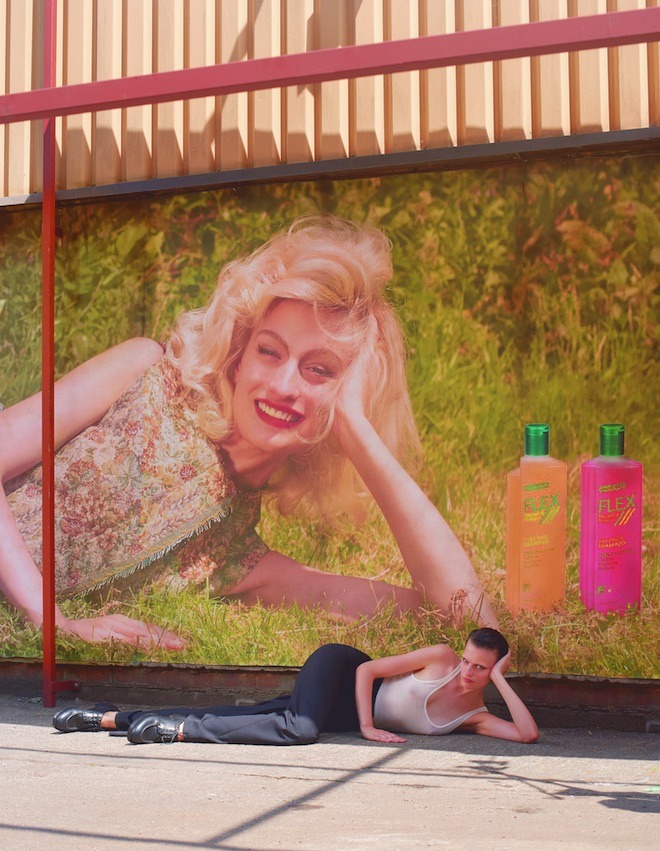
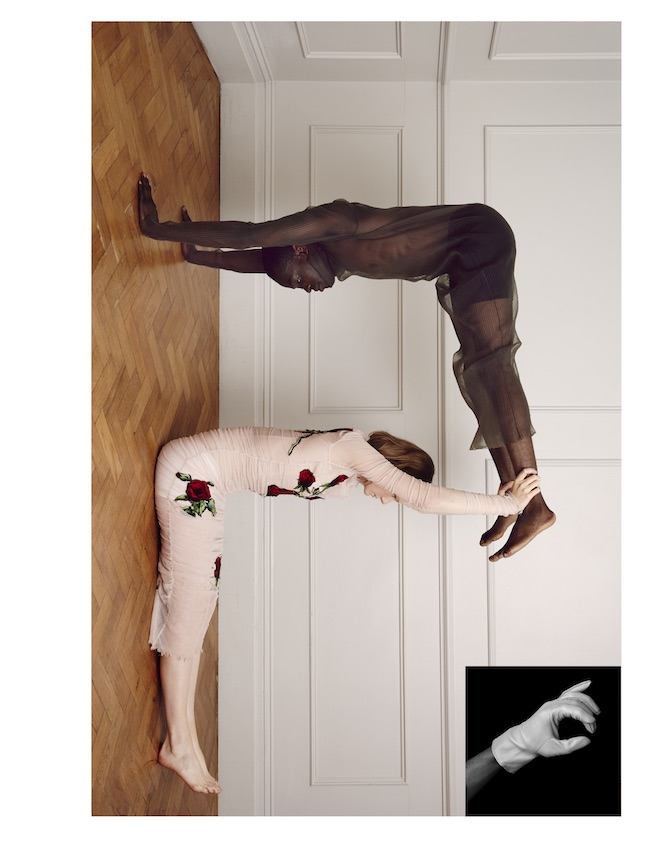
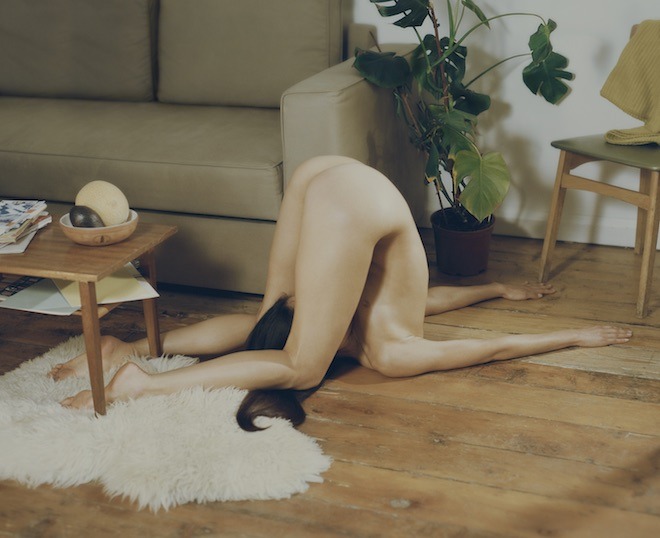
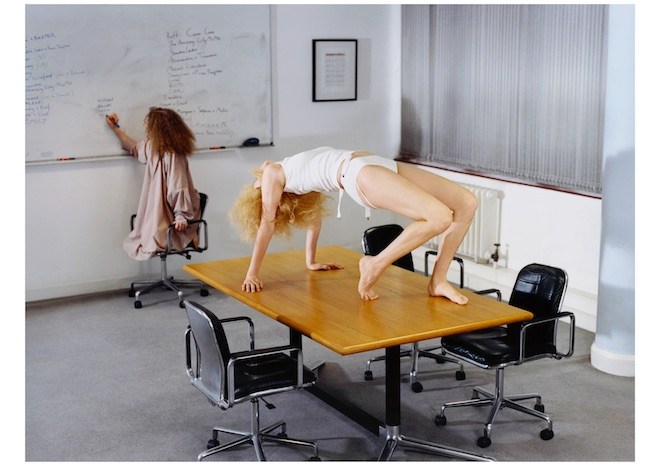
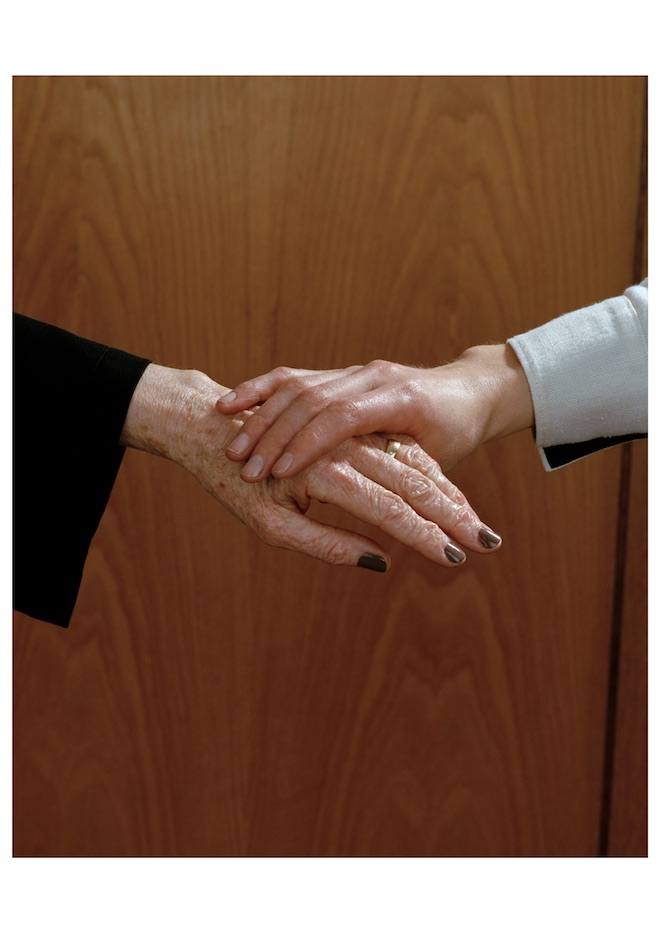
The beautiful tome brings together 21 iconic image makers in contemporary fashion. These photographers explore, respond to and propose new ways of using the body as a tool in the way clothing is depicted. Viewers are invited to look beyond the clothes though, at the entire art of composition and structure of each photograph. The careful curation of images allows viewers to examine fashion photography in new ways. The book portrays the spectrum of the fashion canon, from hyper-sexualised to the hyper-abstracted body. It is a celebration of the new era of strangeness in fashion, and the photographers central to leading the way.
Read our interview with Shonagh Marshall about co-curating the exhibition with Twin contributor Holly Hay here.
Johnny Dufort for AnOther Magazine, ‘Go Fish’ Autumn:Winter 2017
Charlie Engman for AnOther Magazine, ‘A Nod And A Glance A Gesture For One Word’ Autumn:Winter 2015
Lena C Emery for The Gentlewoman, ‘Practise’ Spring:Summer 2014
Pascal Gambarte for Marfa Journal, ‘Being Michael Rothstein’ March 2017
Reto Schmid for Under the Influence Magazine, ‘Relative Transparency’ Spring:Summer 2016
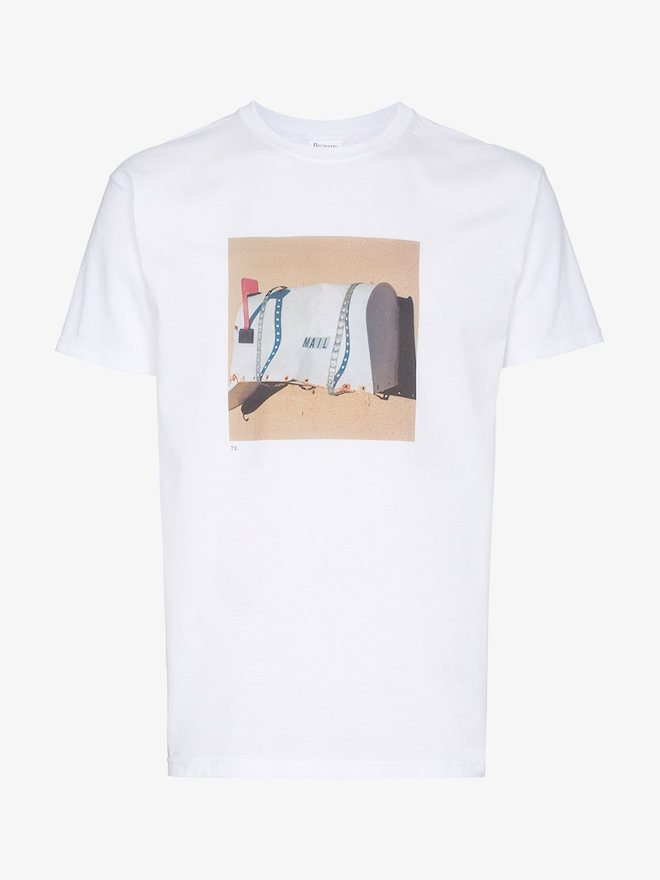
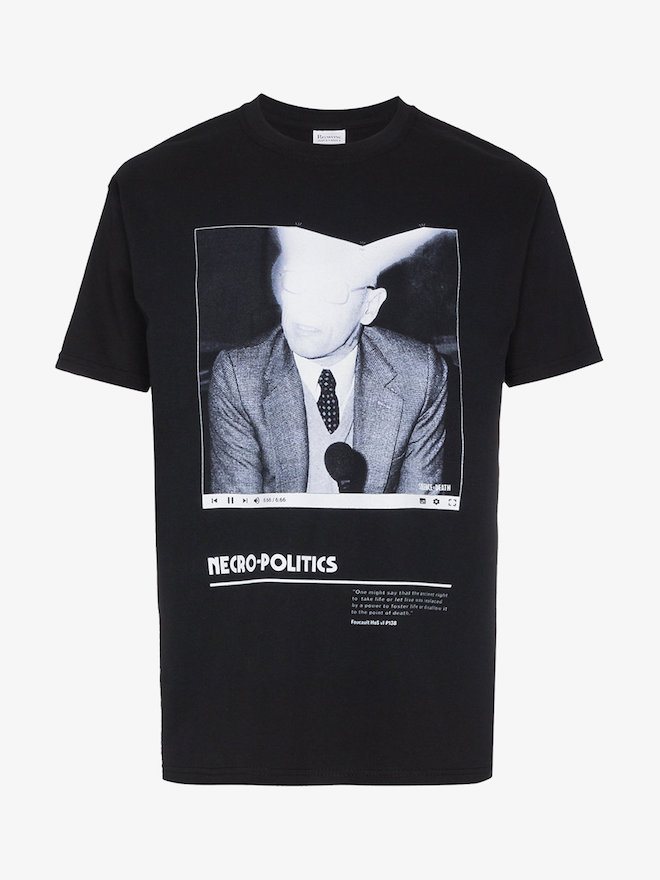
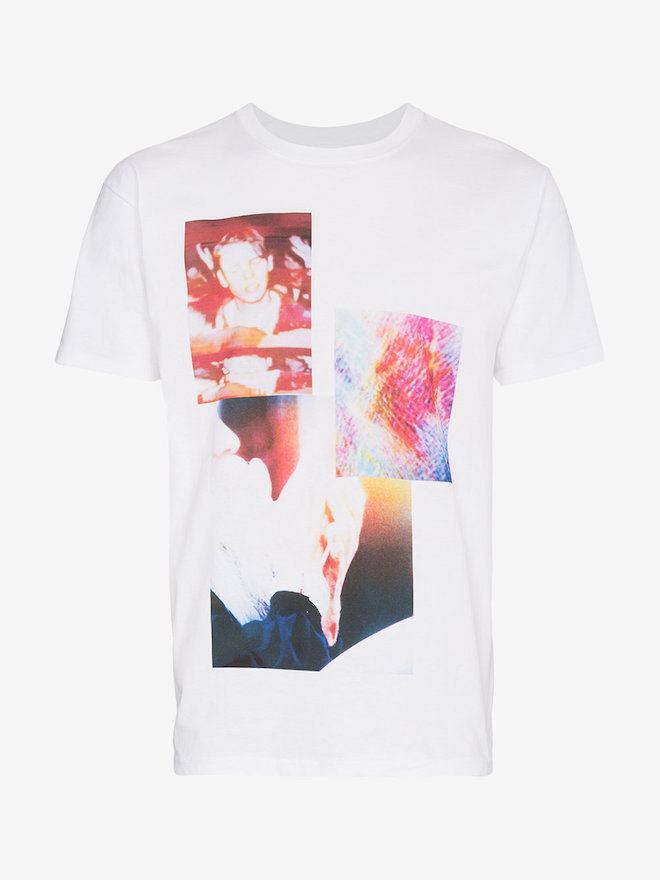
Browns fashion brings back the hyped Just A T-Shirt collection for a second season, and it’s even better than the first. Featuring prints from renowned photographers Mark Lebon, Ryan Gander, Brad Feuerhelm, Kieron Livingstone, Gareth Mcconnell, Jason Fulford and Joshua Gordon, the designs are a dream to wear and timelessly cool. For men and women, this is the kind of essential addition to your summer wardrobe this season – and for every summer in the years to come.
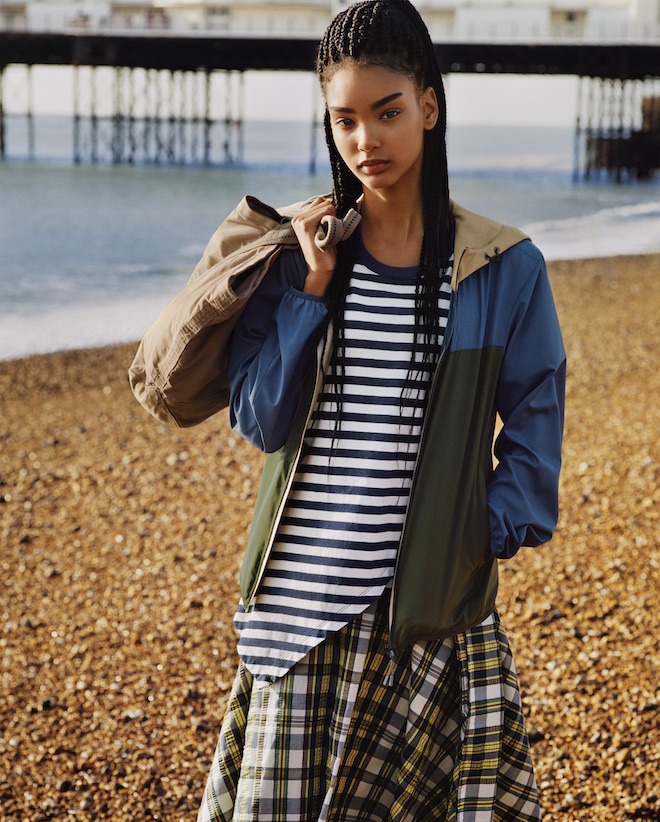
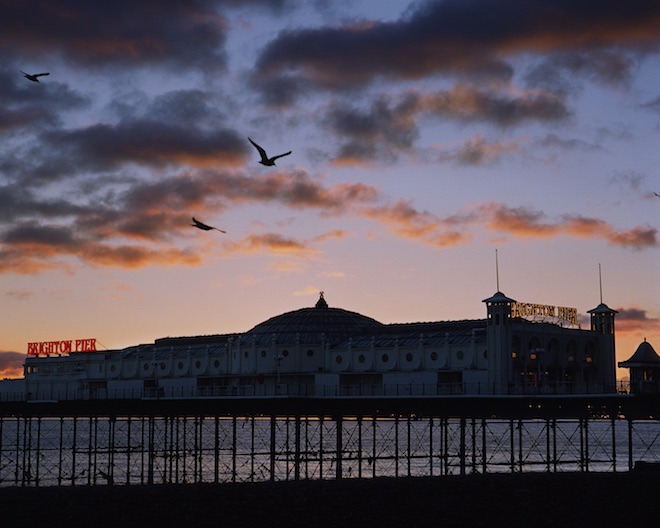
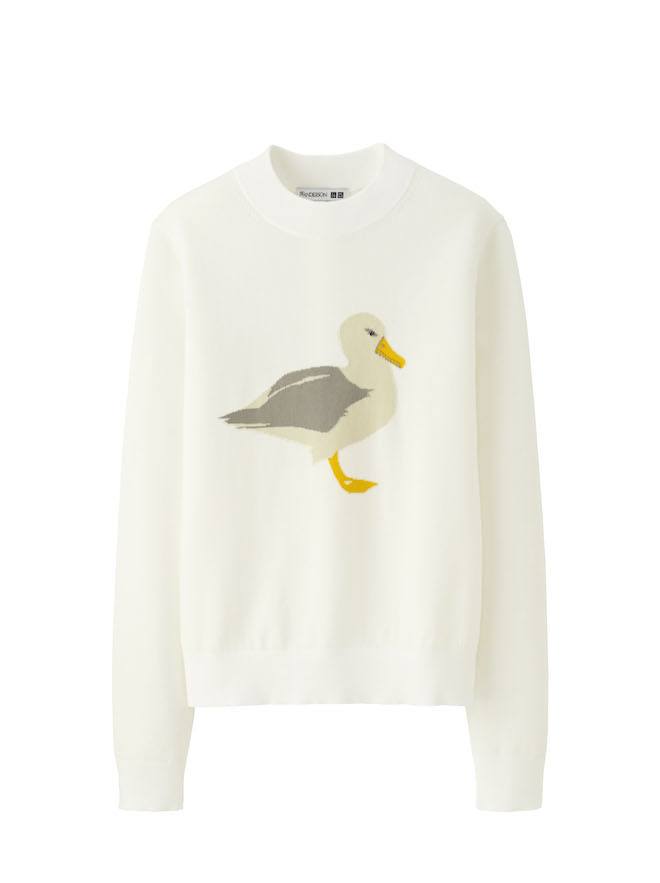
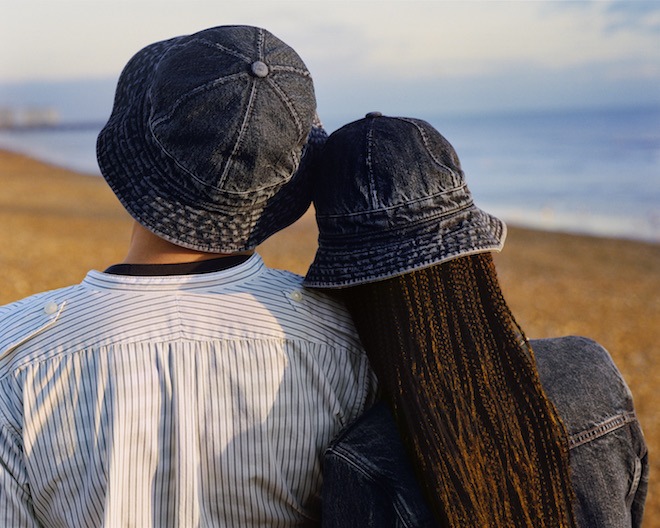
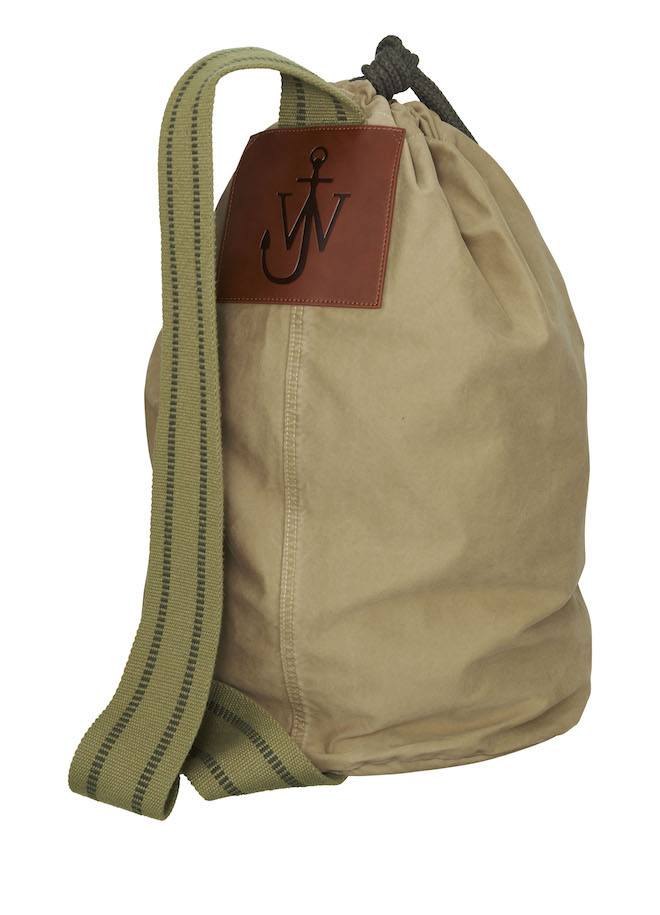
Seagulls and nautical stripes: JW Anderson x Uniqlo SS18
For SS18, JW Anderson x Uniqlo looked to the Brighton seaside for a flavour of 1950s nostalgia. The results are classic British summer. Nautical t-shirts get a fashion twist courtesy of bias cut detail, linen summer dresses in chalky blues are easy holiday-wear and seagull-print jumpers are a nod to the classic seaside soundtrack. The latest collection brings a fresh, breezy update to the silhouettes and styles offered for JW Anderson x Uniqlo debut collection. There’s also the addition of covetable denim bucket hats (an essential seaside-prop).
Available from April 20th in selected stores and online.
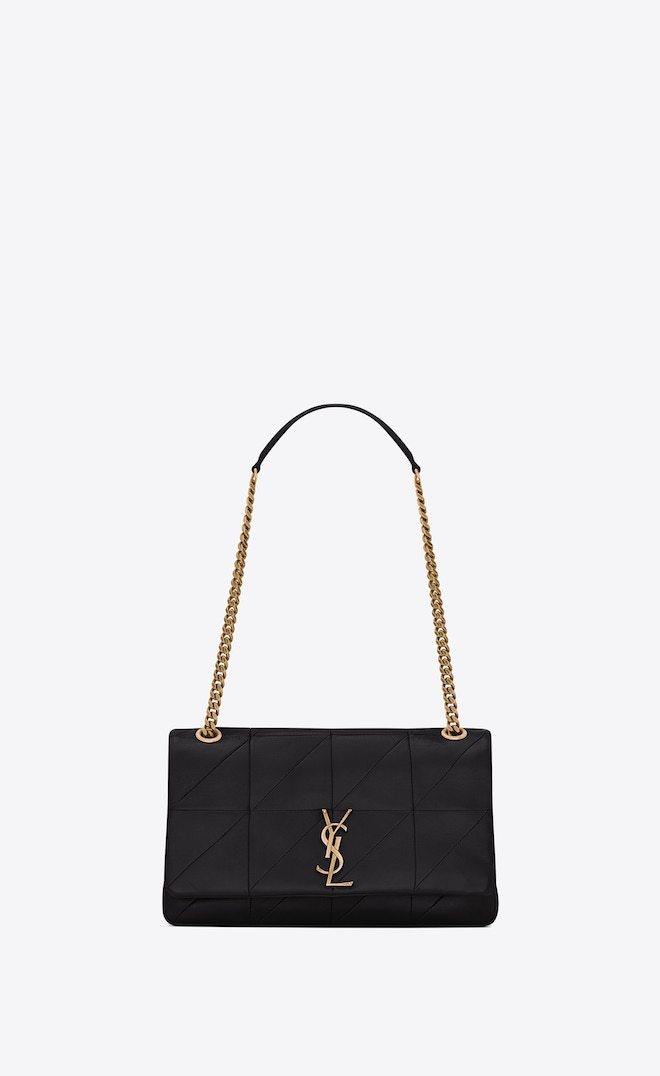
Inspired by the treasures within the Saint Laurent archives, the new Saint Laurent Jamie bag is a modern classic that has arrived perfectly on time for the new season. The Carré rive gauche quilting lends the classic silhouette a unique look while the metallic and leather chain references Saint Laurent signatures. Available in red and black, it’s the kind of treasure that will keep you smiling throughout the year.
An interpretation of the real: Twin meets Alice Waese
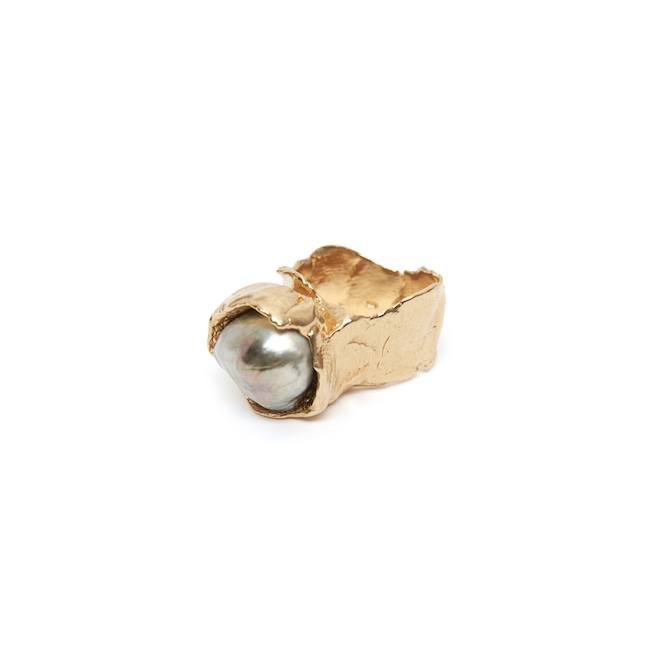
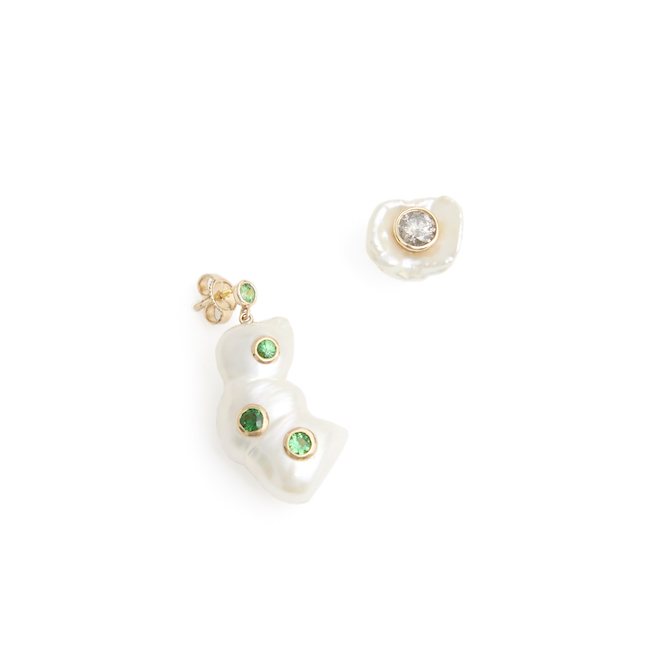
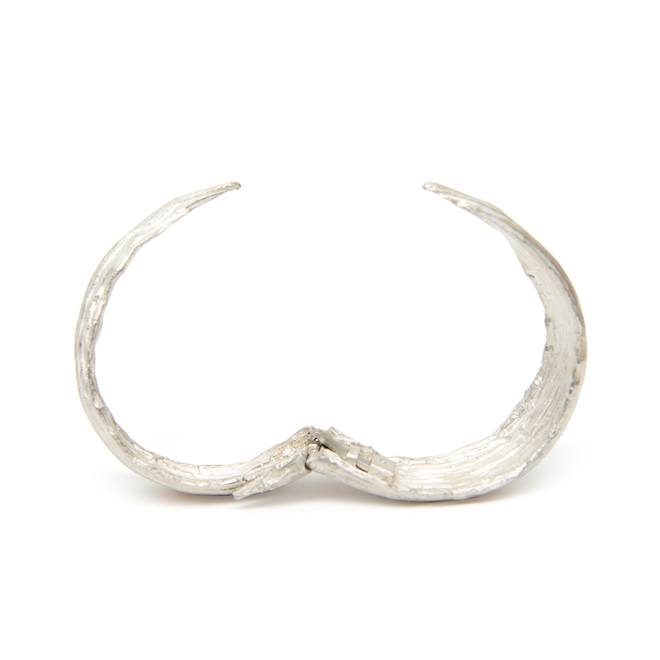
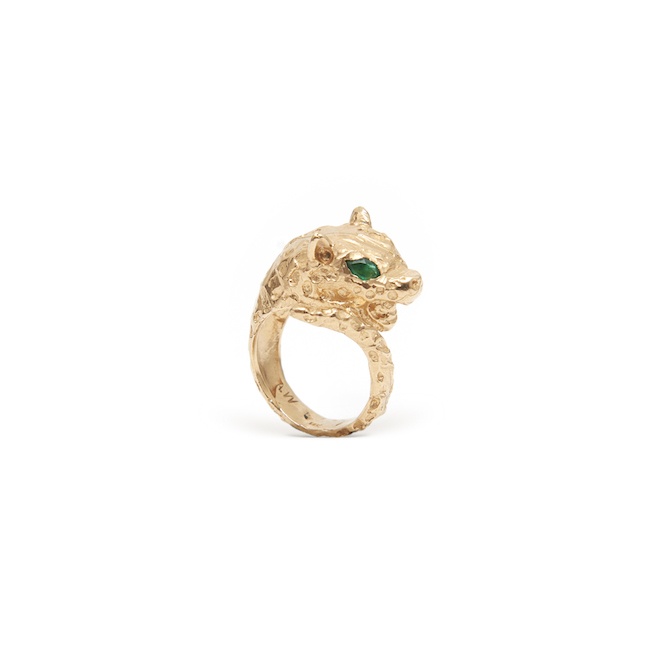
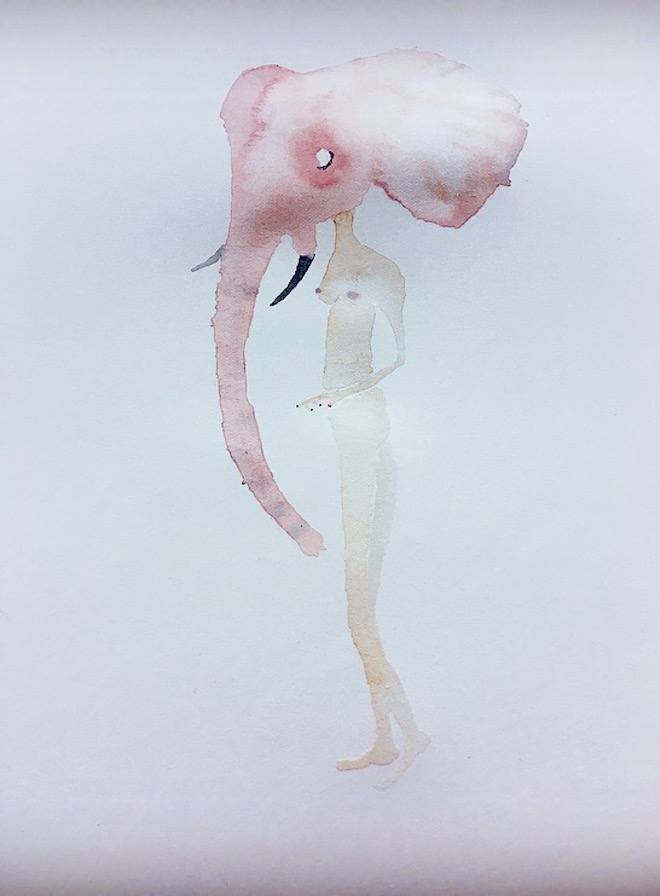
New York-based designer Alice Waese offers textured, evocative design across jewellery, clothes and illustration. Her work is sensual and imaginative, imbuing those who wear or otherwise engage with her work with a sense of heightened or unexpected reality. Twin caught up with Alice to talk about her work and her creative process.
You work across a range of mediums. Where did you start?
I began with drawing as a kid, chalk, paint then pencil, then pen, then watercolour.
In terms of jewellery, what are the most challenging materials you’ve worked with?
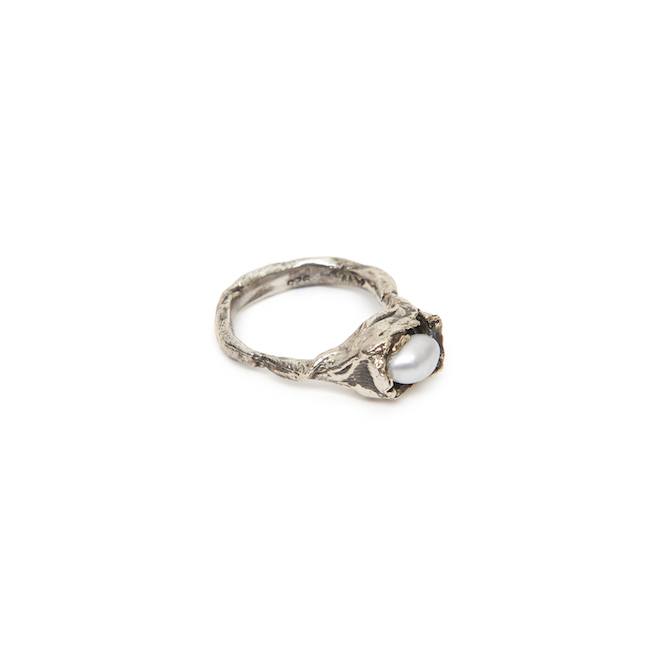
Casting fine leaves, snake skin, leather with lots of undercuts, a round pinecone.
Which materials and / or stones do you find most interesting, why?
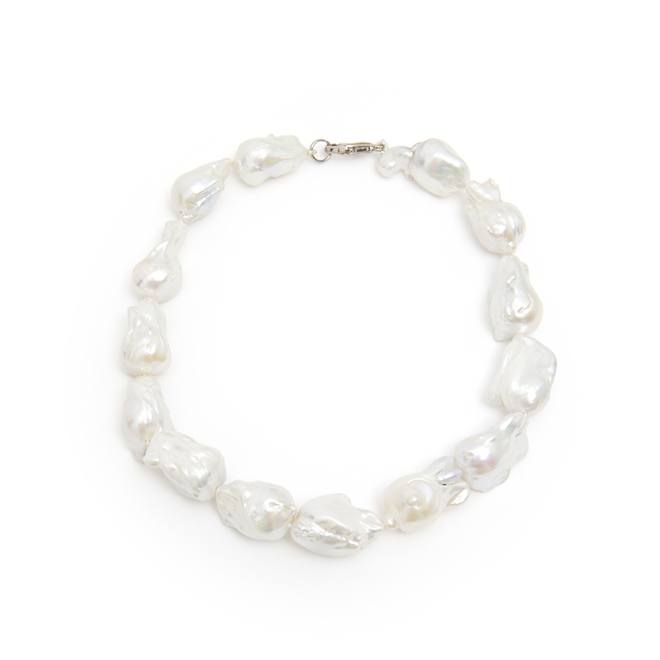
This season I am really interested in pearls because of how they form, The crustaceans coat an intrusion, something foreign, something parasitic enters the body and in an effort to protect themselves they coat it, creating something beautiful.
You often include small figures or body parts in your jewellery designs. Why did you decide to use these?
The figures and body parts relate to a series of drawings where I was really studying the body in relation to the non material world. the severed limbs related to a series of paintings where body parts were energetically connected to other parts with a thin red line of paint. I then sculpted them in wax and stung them on chain, it came naturally, tells a story and relates to the themes I was working with in my drawings at the time.
Why was it important to have a sense of texture and materiality in your work?
I think the textural component comes from a reflection of what I find visually interesting the world, it is less an importance or a decision, and more following an intuition and staying true to it. I think texture and imperfection translated into a precious metal that is usually smoothed to perfection creates an interesting juxtaposition.
How does your design approach differ between jewellery and clothes?
Its actually a very similar approach. Never a mood board or a singular inspiration, more an internal concept, a series of paintings, a texture, or a new process I am experimenting with, often the outcome of a mistake.
Did you find that it was easy to translate your aesthetic throughout the range of works?
I don’t find it difficult to speak through different mediums, being honest with my process and limitations and creativity makes it easy for the same voice to pass through.
Watercolours have quite a different quality to the materials you use for clothes and jewellery. Why did you decide to work with watercolours for your illustrations?
I like the fluidity of watercolours, it allows me to make up the rules as I go along. The process is similar to how I work in jewellery and clothing.
When starting a project, how does your creative process begin?
Its not a set regime, always different, but usually a clear need to make something.
What would you say are the most powerful informants of your work?
Whatever mistake I just corrected or embraced usually informs the next piece of work.



 PREVIOUS
 Twitter
 Tumblr
 YouTube
 Facebook
 Instagram
