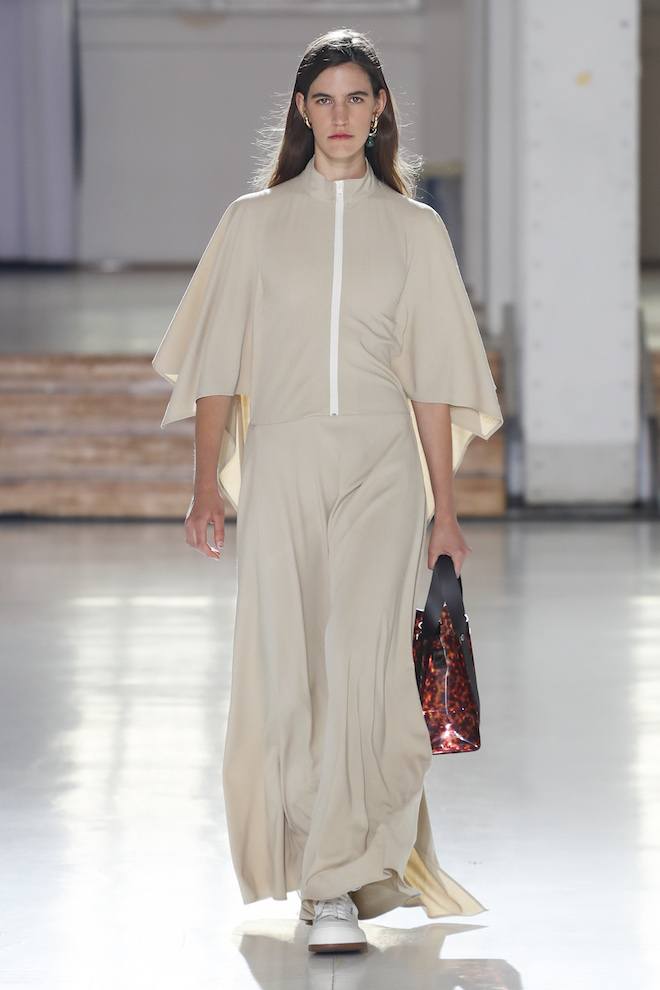
Last season designers Loris Messina and Simone Rizzo launched the womenswear branch to their minimalistic Italian label Sunnei in commitment to their vision of building a worldwide community amongst the brand’s fan base. For FW19 , the brand invited guests to an airy liberty-styled white room in Milan called Palazzo del Ghiaccio (translates to ice palace) which was previously used for ice skating.
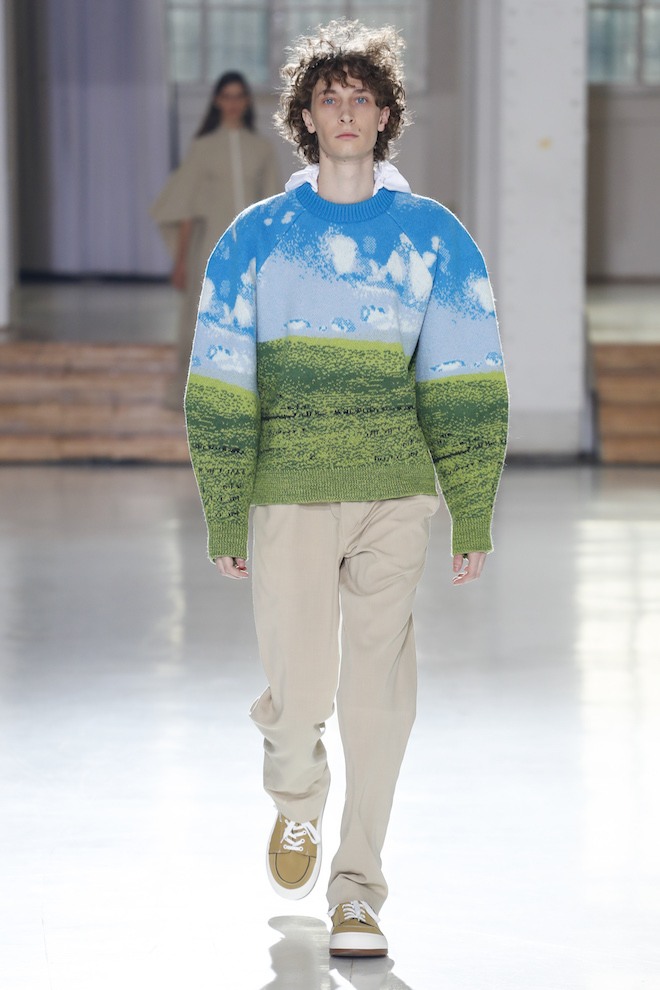
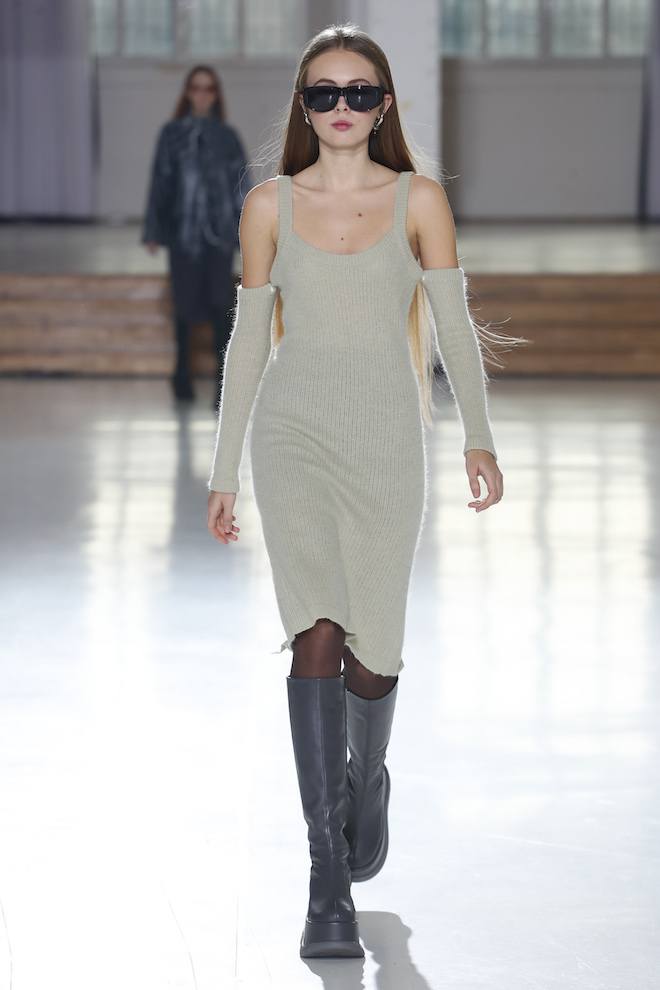
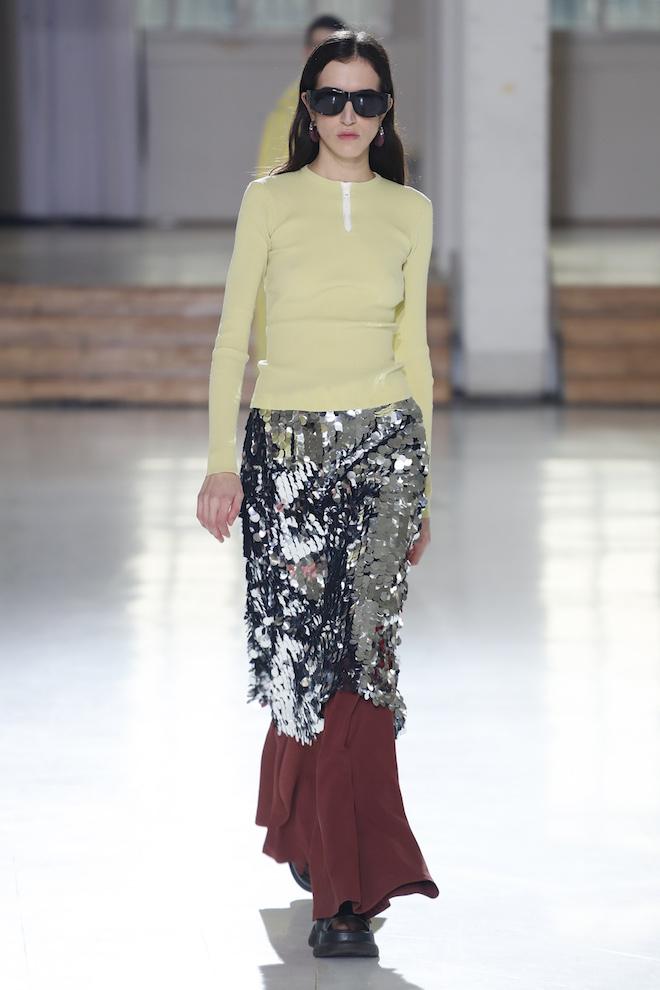
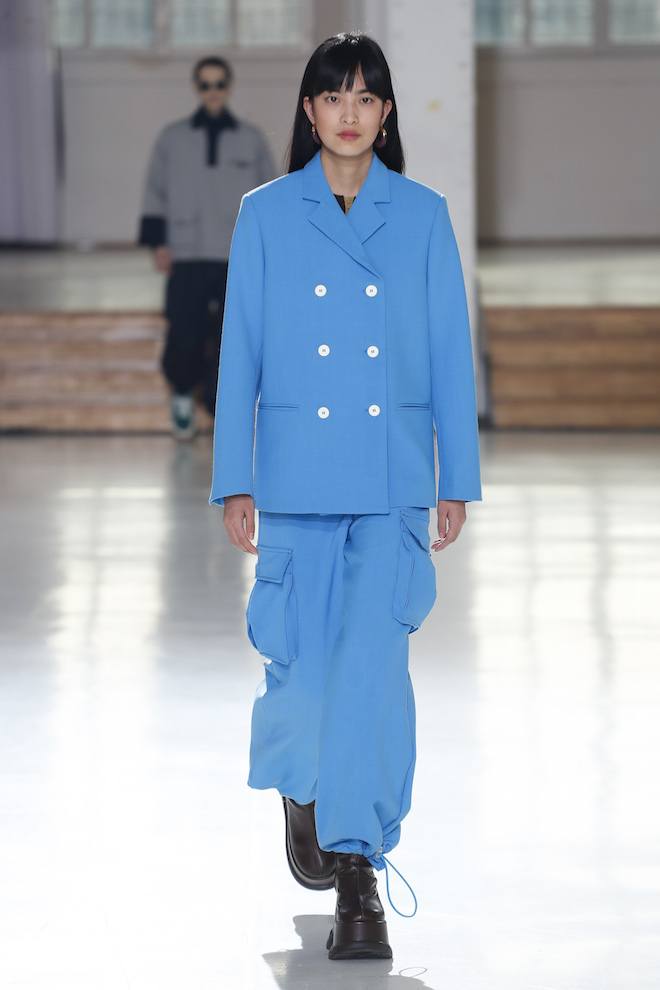
The location itself accurately represented the brand’s aesthetic, it was large and simple but procured an admirable level of architecture. The seating arrangement dispersed the fashion hierarchy by not featuring second or third rows but a simple maze of seats which placed each guest at a reasonable distance from the passageways. This was quite unlike what any other brand would do which was exactly the brand’s major message of the season. They presented a collection which made you note that they were not designers who follow guidelines or go off trends but rather create their own. With inspiration from personal experiences throughout high school and college, the duo crafted a collection of women’s and menswear featuring flared trousers, bumpster pants, knit sweaters and blouses, and pastel colored pieces. It included standout pieces such as a sweater with a pixelated meadow and cloud landscape from the Windows 98 OS background along with interesting versions of their classic boots and sneakers. The 41-look collection was very ‘Sunnei.’ Each look contained the brand’s special ingredient of maximal minimalism with small grains of nostalgia carefully sprinkled. Visit Sunnei for more.
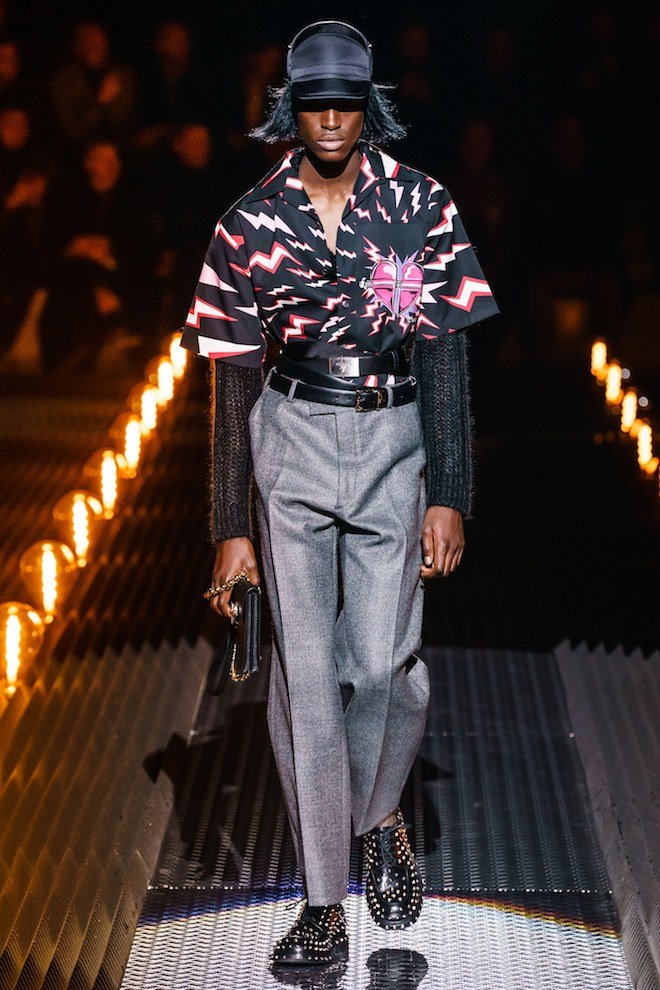
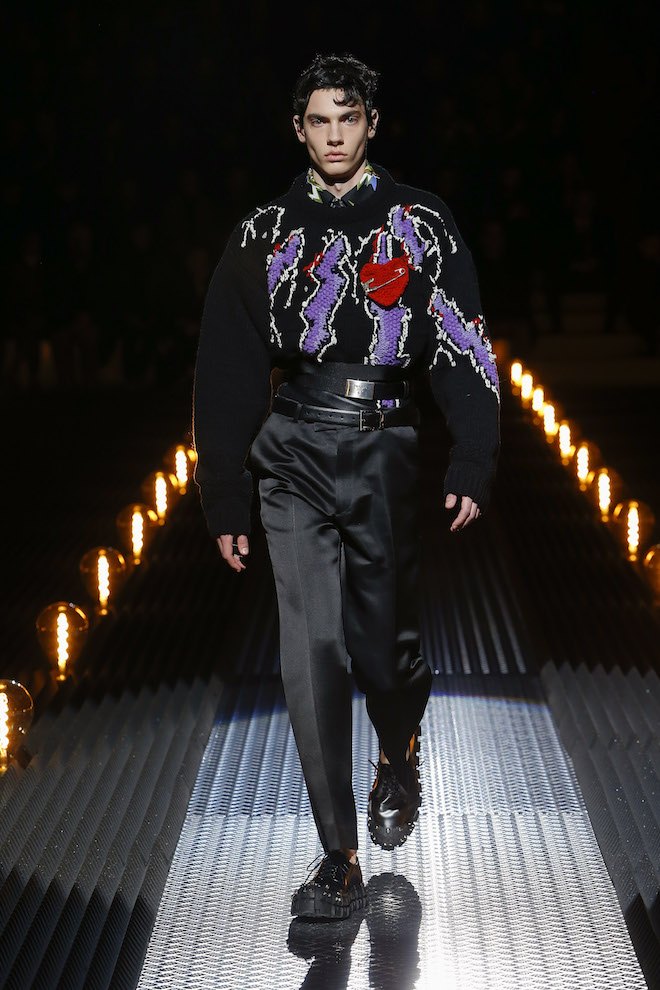
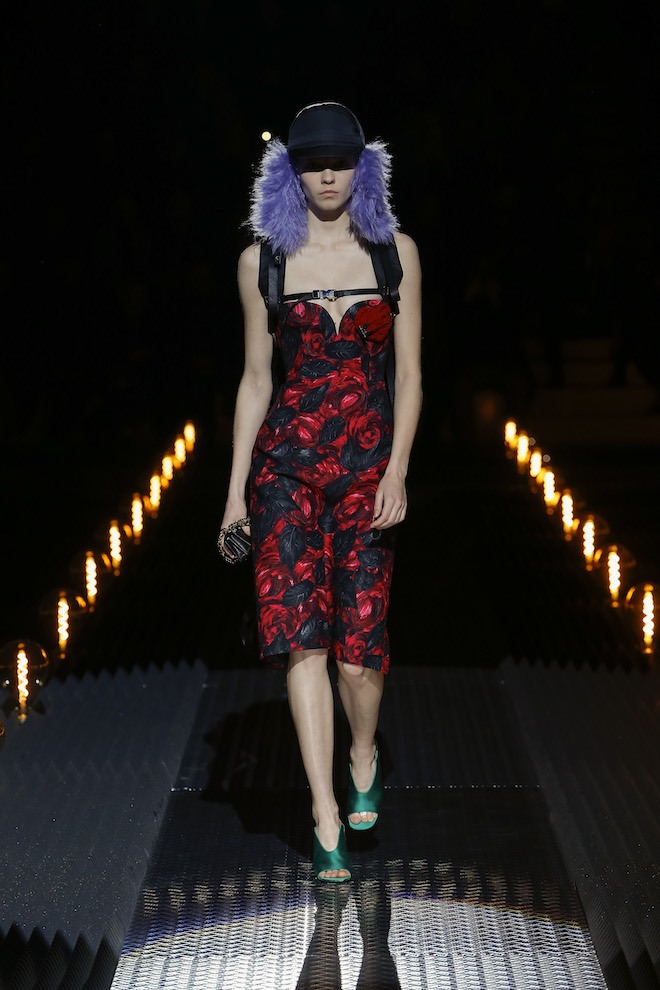
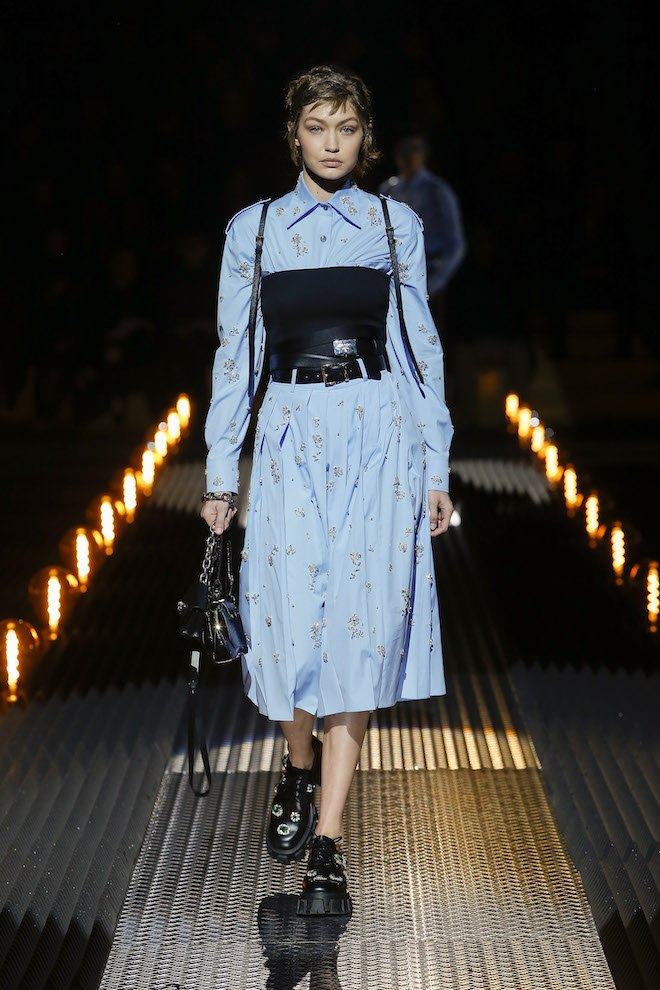
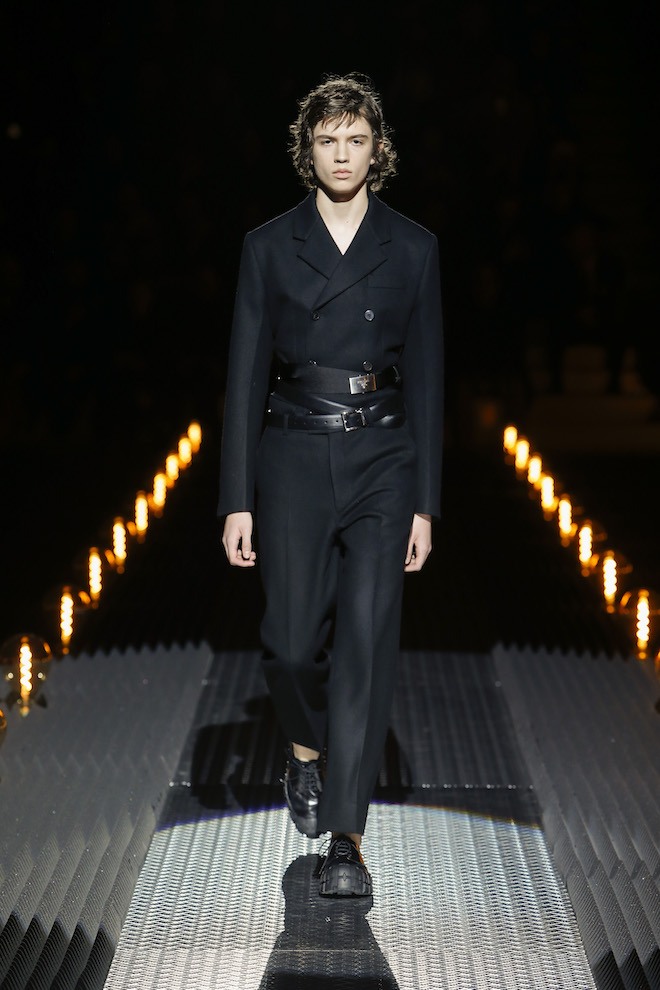
This weekend Italian house Prada invited guests for the official presentation of their Fall/Winter 2019 Men’s collection at their signature show space in Milan. Within the area, a spacious arena seating arrangement filled with eager Prada enthusiasts and a black sponge-like floor lit up by 120 oversized light bulbs. In the background played an elegant tune of harps and violins which might have lead one into expecting a collection of tailored traditional pieces. However, what occurred next was quite the contrary. It first began with the change of music, a mix of hard rock beats aptly reset the mood for the collection which emerged.
It was a slight change of tone in creative director Miuccia Prada’s feminist voice. Behind it, was the inspiration from the birth of famous gothic tale Frankenstein, which was created by author Mary Godwin in the 17th century during a competition with her husband in attempt to see who could create the scariest story. Needless to say, Godwin claimed her victory, but released her novel anonymously due to the fact that female novelists were not highly encouraged at the time. This was what drove the designer’s influence this season, her fascination with the grunge-like ‘otherness’ and vulnerability of society’s’ outcasts, wether minorities or monsters. The collection featured symbols from the tale such as shirts and sweaters with lightning bolts circling towards the heart (an upgrade to the Prada hit shirt from last season), menswear suiting with triple belting, studded dresses, backpacks, floral printed dresses, and winter hats filled with wool lining — which was also included as shoulder pads on sweaters. It told an enticing story of twisted romance, femininity and vulnerability while also including military references. Miuccia’s Prada’s agility to switch diversify the tone behind her inspiration is exactly the quality which is destined to keep the brand alive and relevant. See more at Prada.
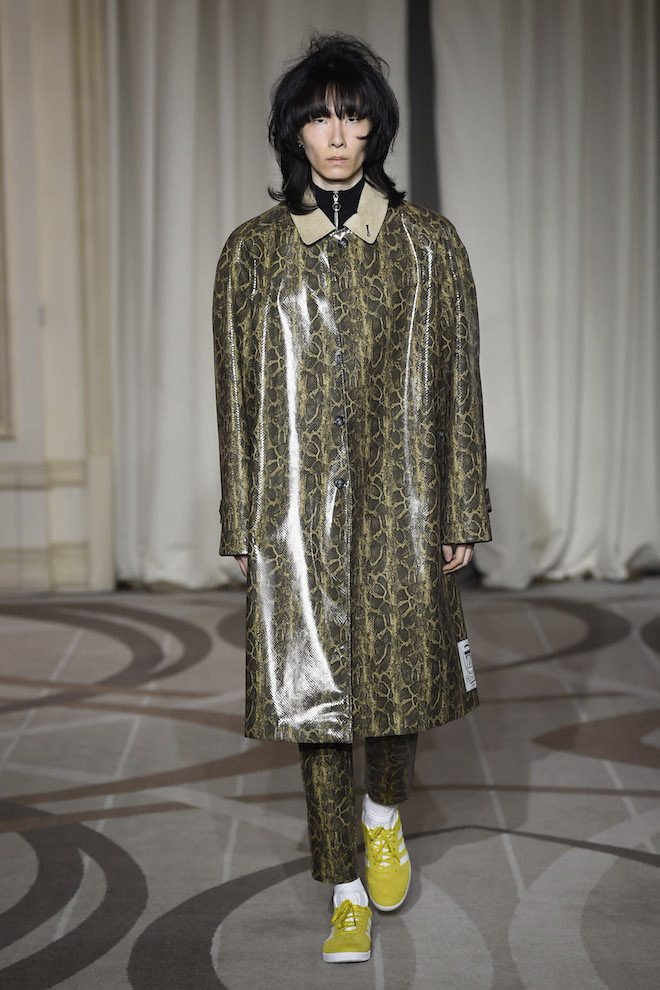
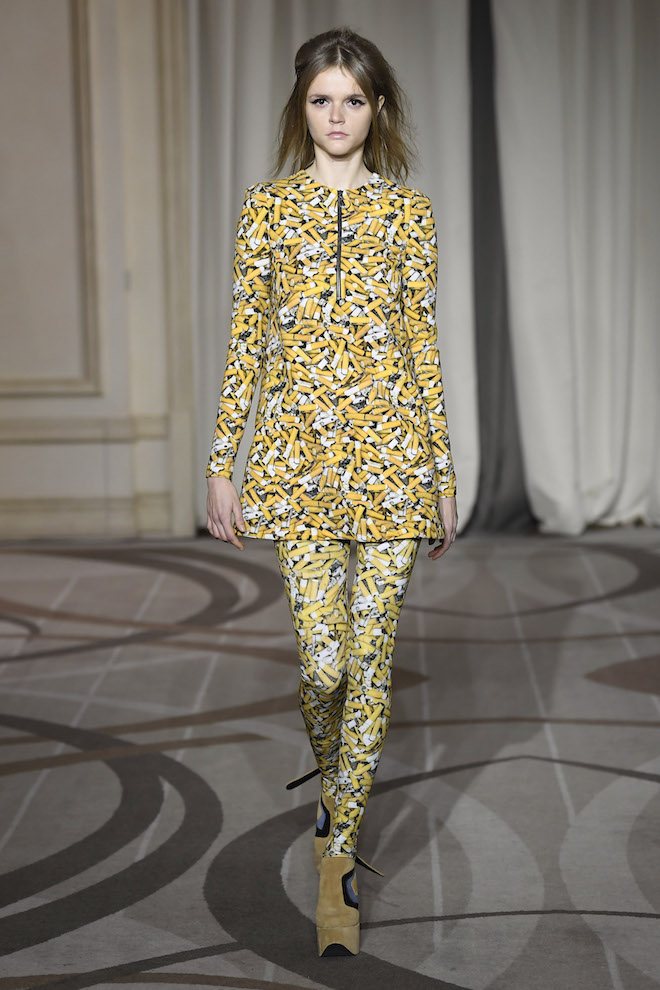
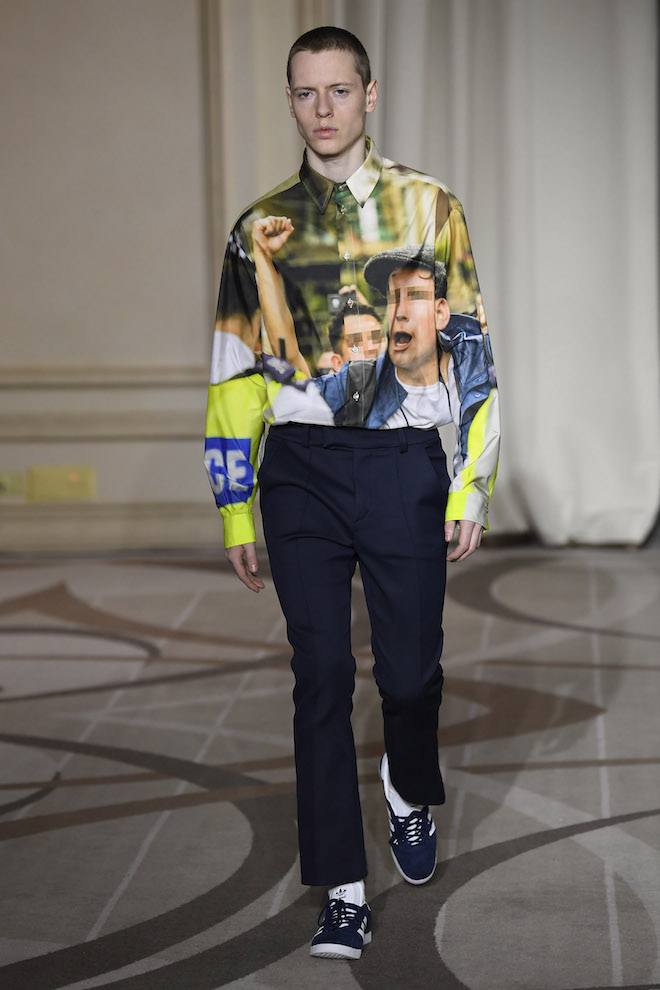
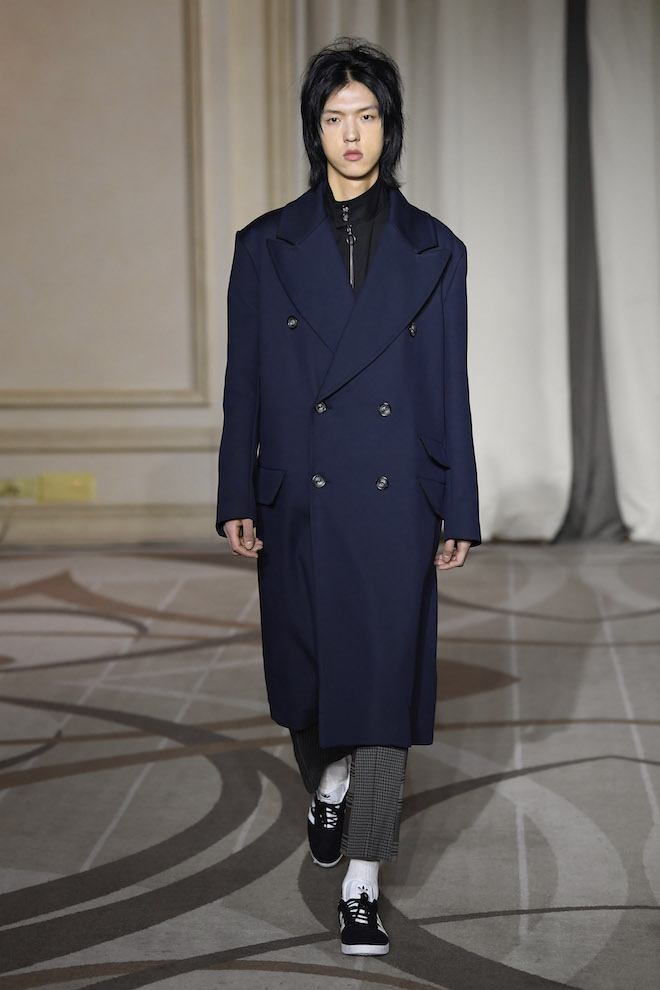
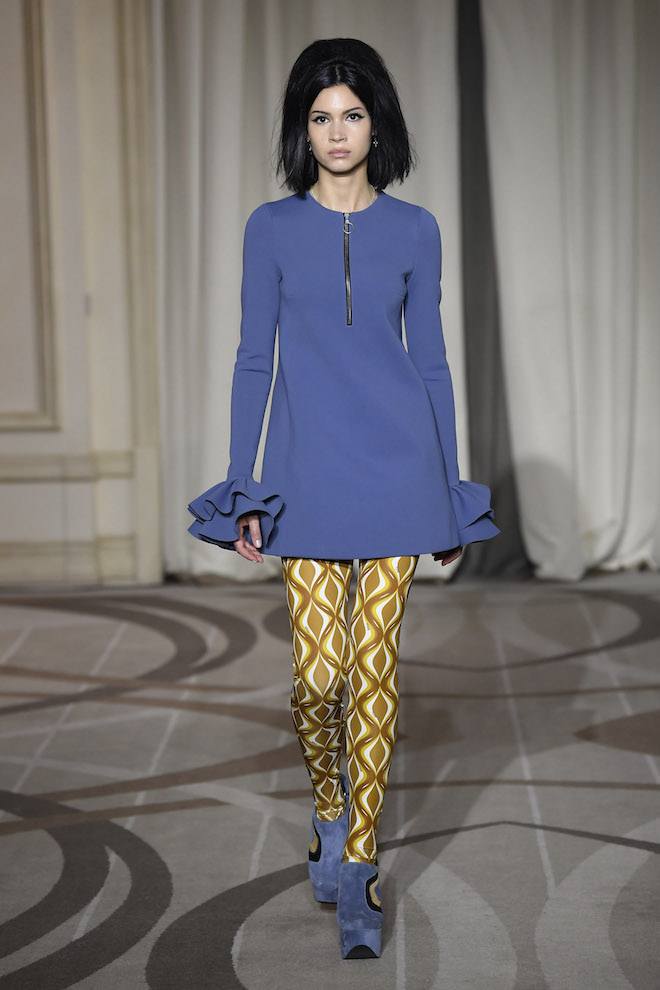
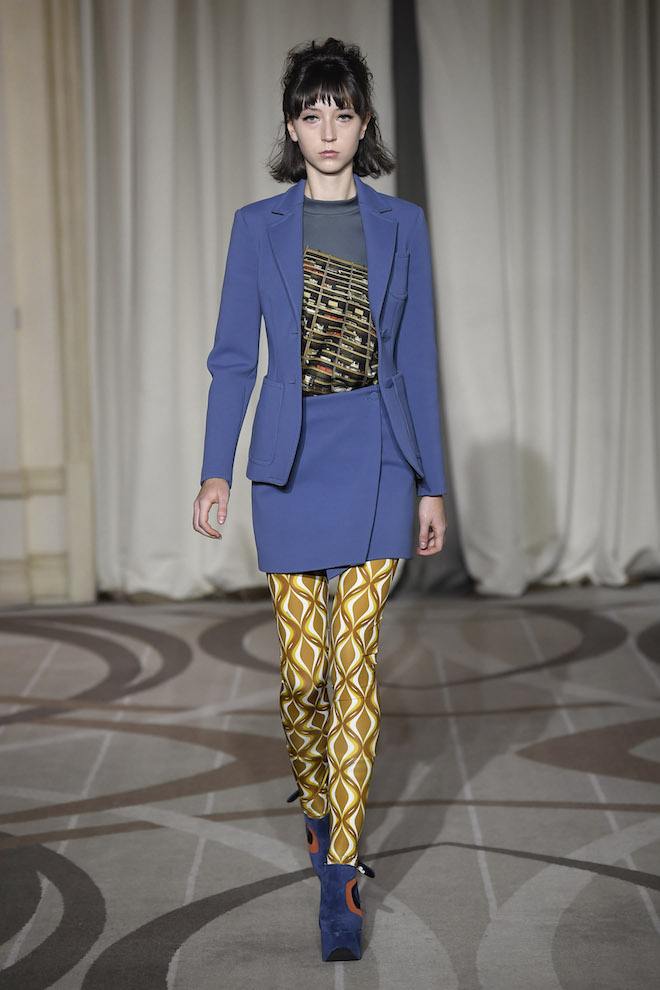
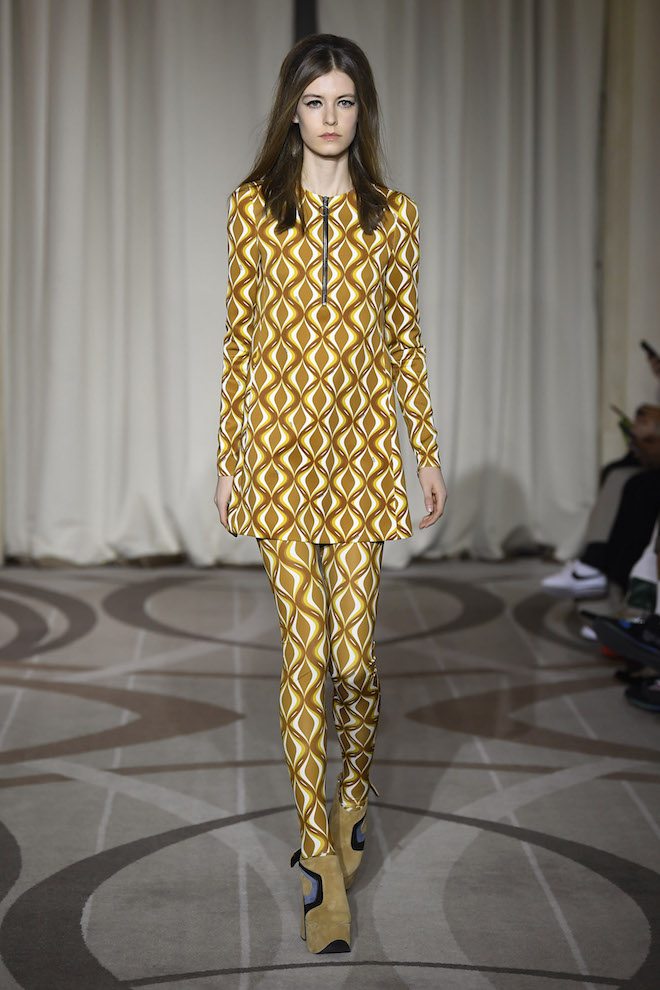
This season, M.1992 designer Dorian Tarantini referenced the allure of the past as major inspiration behind the FW19 menswear collection presented yesterday in central Milan. The designer invited guests to a 60’s inspired vintage ballroom in a corporate Milanese hotel as he revealed a collection which although gave nods to the swinging sixties, was aimed at the upcoming generation, Gen Z. It began with big hair, flared sleeves and pants, and continued with full patterned looks leading into Baracuta jackets and tailored blazers. Also included was an ode to Britain, as the designer paid tribute by including printed designs of the British flag and signature British style throughout a few pieces, which he states in his show notes, does not act as a form of appropriation, but rises from an authentic sense of belonging having been a frequent traveler between the two worlds as a child. As his fourth official season on the scene, Tarantini is finally beginning to establish a design voice which speaks for itself, the collection was one which not only felt cohesive, but also held strong evident traits of brand personality.
Cher is a goddess. Her influence lurks in the ether, making rogue appearances where you’d least expect them – in Mamma Mia 2, as the recommended video you didn’t know you wanted on YouTube. She’s the empowered, individual icon who brings eternal joy (look no further than her duet with Tina Turner or her workout videos if you’re in need of a refresh) .
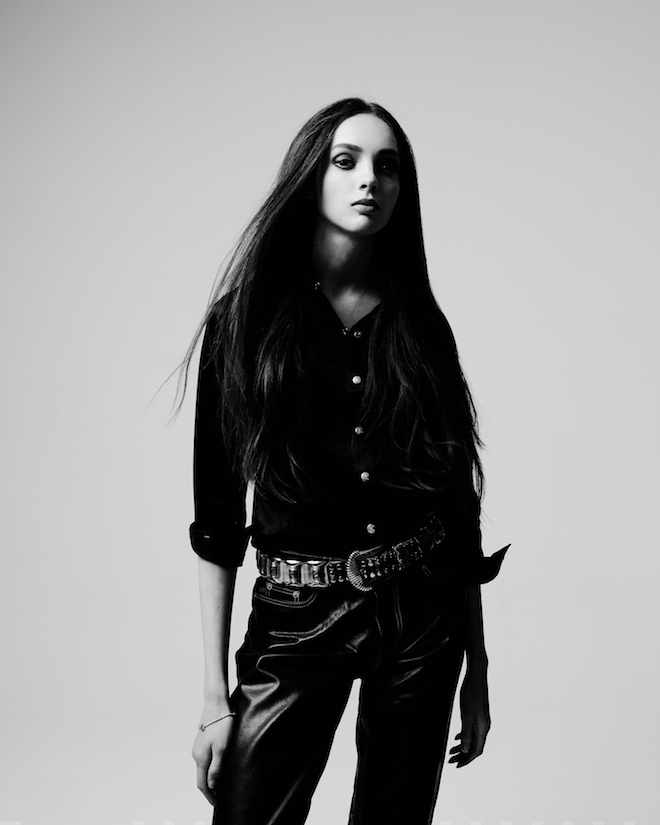
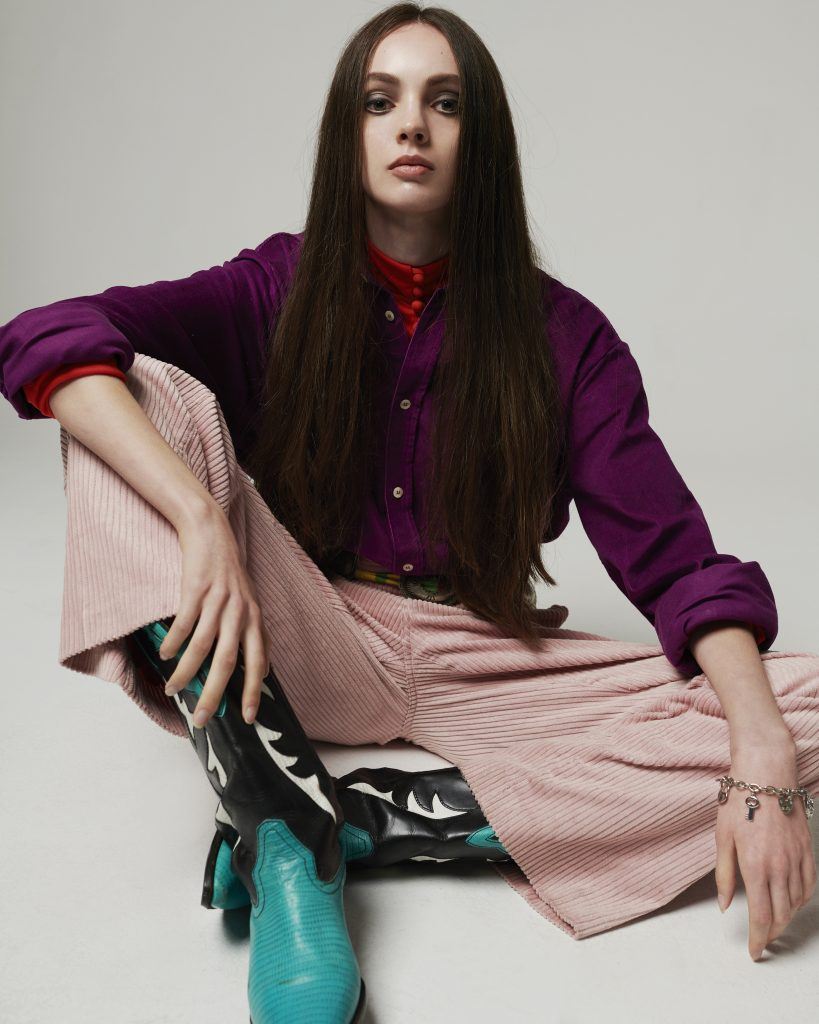
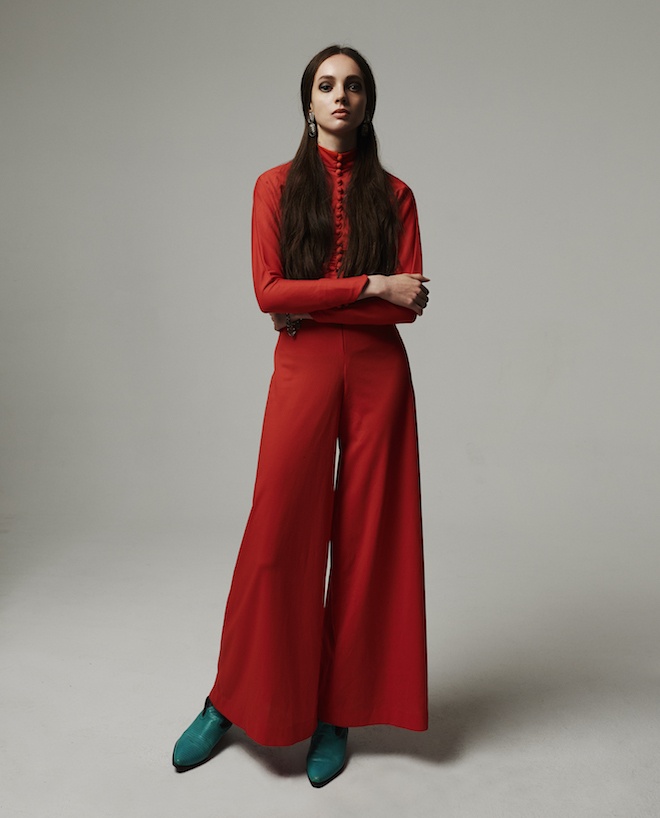
Inspired by vintage finds in Athens, stylist Daphne Iliaki began to bring together a 1970s-inspired shoot which drew on cowgirls and Cher. “I mainly researched 70s Cher for beauty references on hair” she explains, adding Anjelica Huston was also a point of reference, and photographer Inez van Lamsweerde, “for her “witchy” hair”.
“When you see a 70s Cher look, you can tell that what she did with designer Bob Mackie was free, authentic, fun and gave zero shits. That’s the magic of it, that still feels unique and relevant today. Plus her charming boyish looks, combined with all that glitter ‘n’ glamour!”
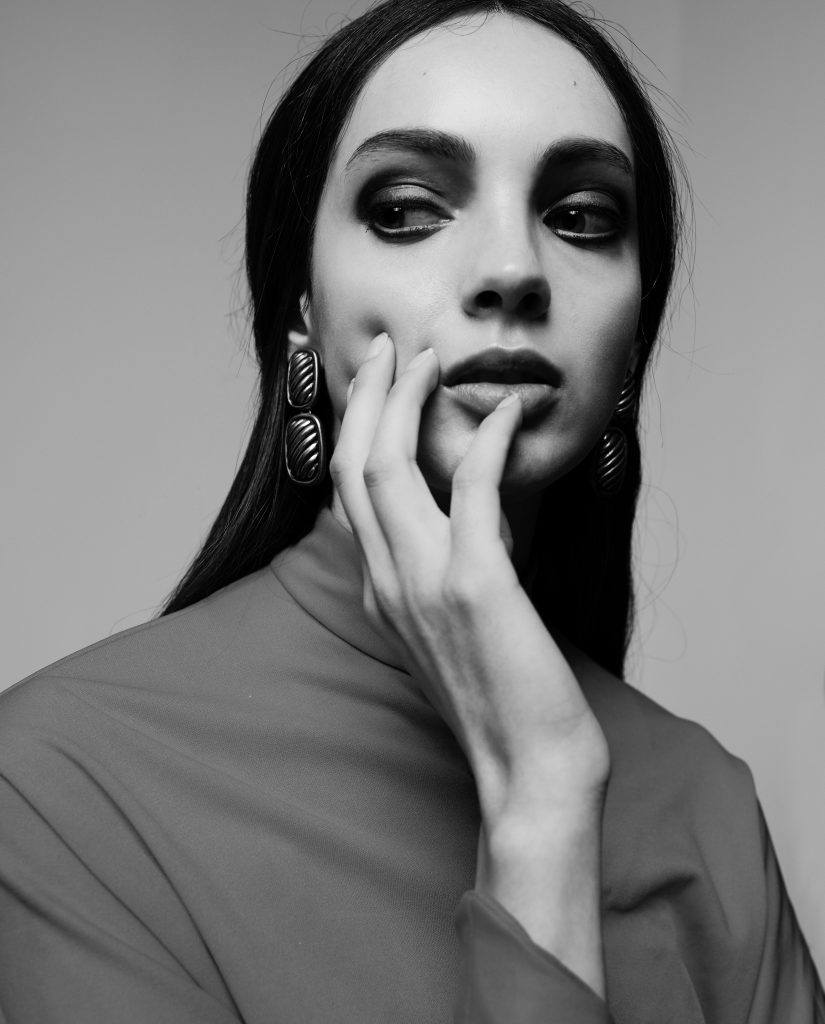
Shot by photographer Nikos Papadopoulos and featuring Gucci model Veronika Primorac, the new series celebrates the iconic style of the 1970s, and Cher’s enduring spirit.
Veronika Primorac shot by Nikos Papadopoulos, styled by Daphne IliakiVeronika Primorac shot by Nikos Papadopoulos, styled by Daphne IliakiVeronika Primorac shot by Nikos Papadopoulos, styled by Daphne IliakiVeronika Primorac shot by Nikos Papadopoulos, styled by Daphne Iliaki
Hanna Moon & Joyce Ng: English as a Second Language
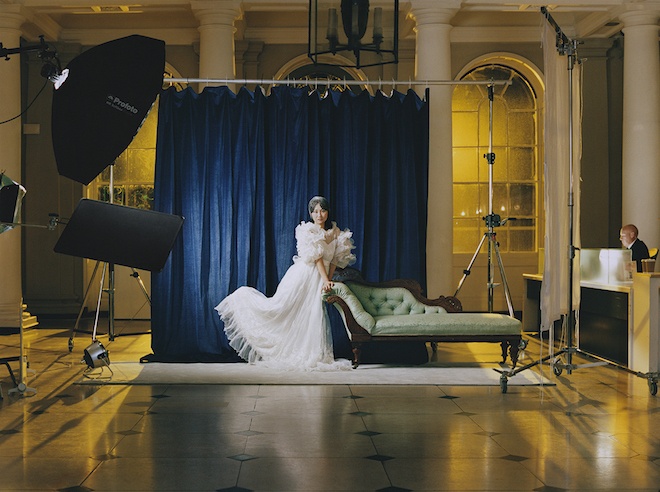
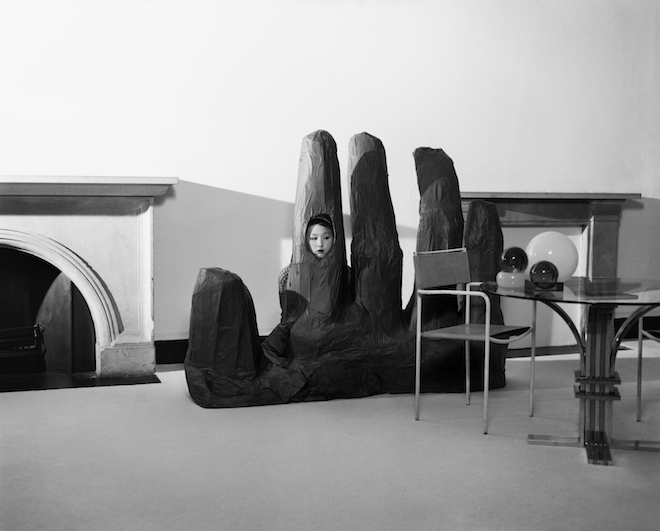
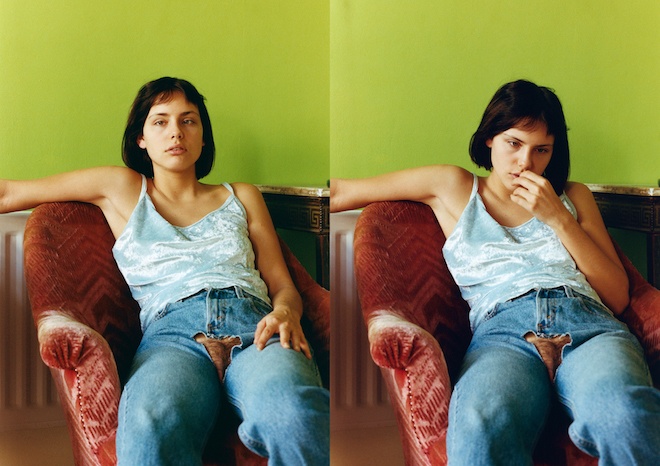
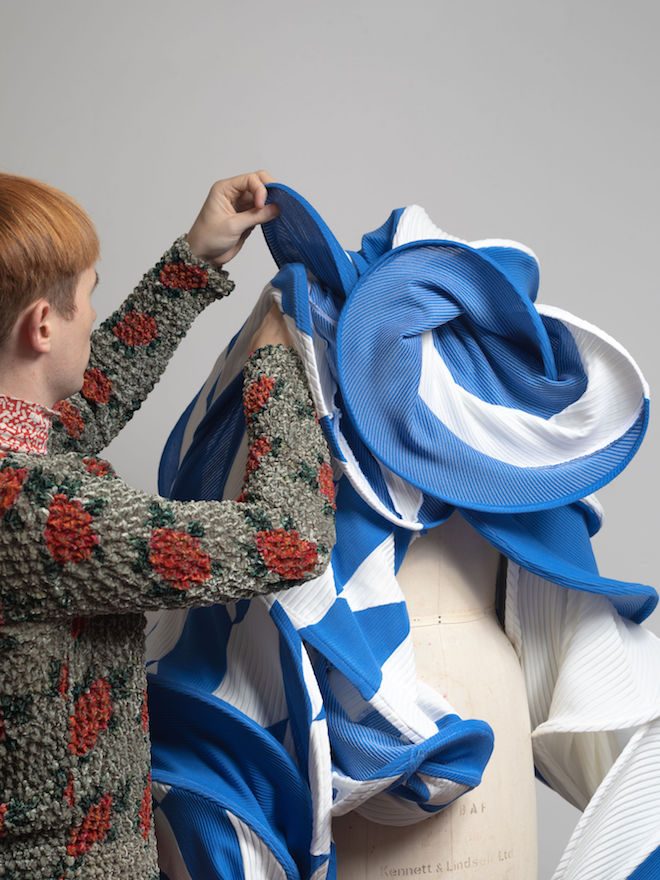
English creative hub Somerset House has recently tapped two of fashion’s headlining Asian photographers Hanna Moon and Joyce Ng for the conception of an upcoming exhibition entitled ‘English as a Second Language.’ The exhibition, set to open on January 25th, will be driven mainly by the work of these two Asian-born London-based photographers. It will offer a series of images with an interesting perspective, which shall incorporate cultural signifiers, set design and of course fashion as they present their take on Western aesthetics and fashion ideals. While at the same time bringing distinct Asian perspective to their works and challenging the concept of “otherness” to reflect upon the power fashion photography holds in shaping our general perceptions of beauty style and taste. Curated by Shonagh Marshall, ‘English as a Second Language’ is set to be arranged across three rooms. The first of which visitors will be welcomed by the works of Hannah Moon in her series called ‘Heejin and Moffy’ where she uses the architecture of the Somerset House to capture the imagery of the models who respectively hail from South Korea and London in a dramatic re-imagination of Somerset’s neoclassical setting. The exhibition will then continue with the work of Joyce Ng , whose speciality is working with street casted models and natural environments. She will present a body of work which features a cast from the House’s community across a six week period as she invited visitors to take part in on-site shootings. The series will include inspiration from renowned Chinese novel Journey to the West, which the photographer selected participants to embody each character from the novel within the hidden public spaces of Somerset House. The exhibition will also feature an extensive wardrobe from iconic names such as Vivienne Westwood, Phillip Treacy, Molly Goddard, Yohji Yamamoto among others. For further details check out Somerset.
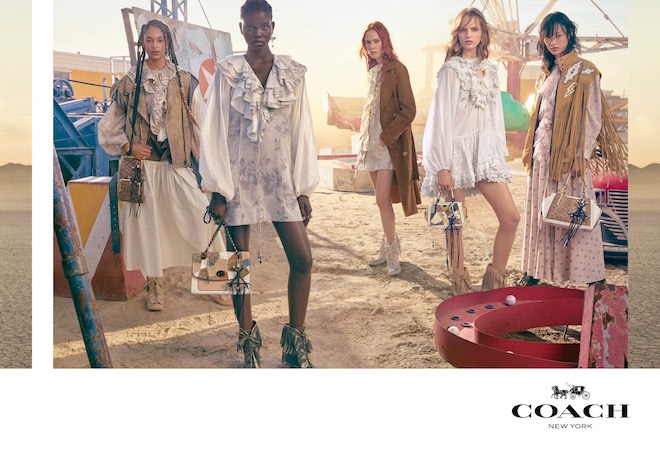
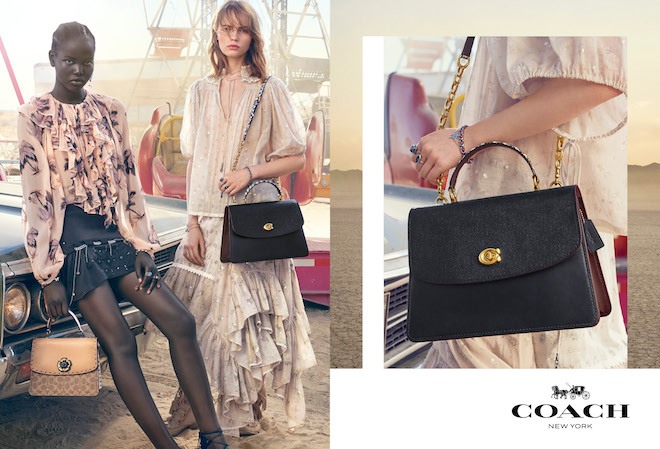
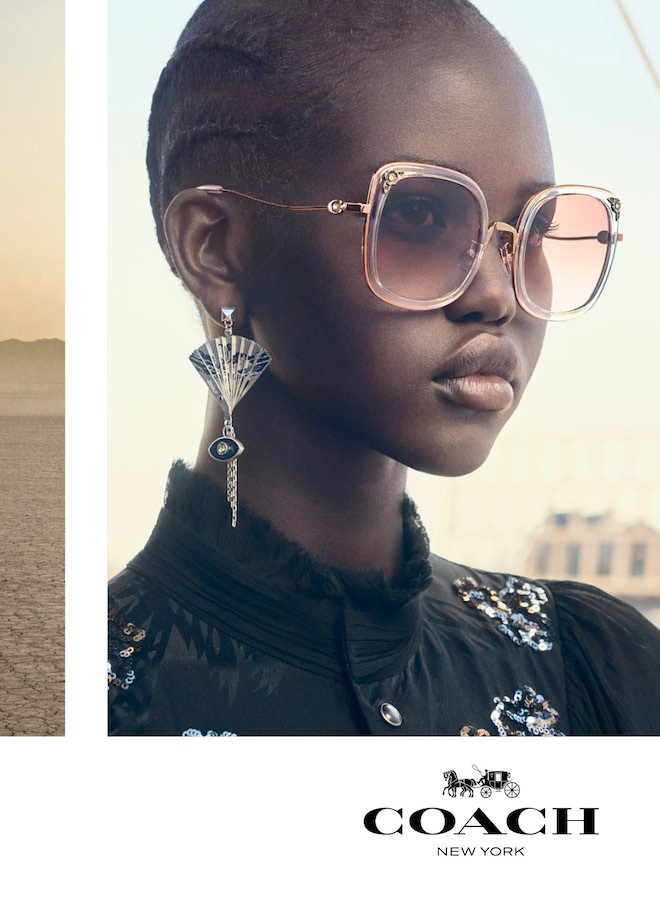
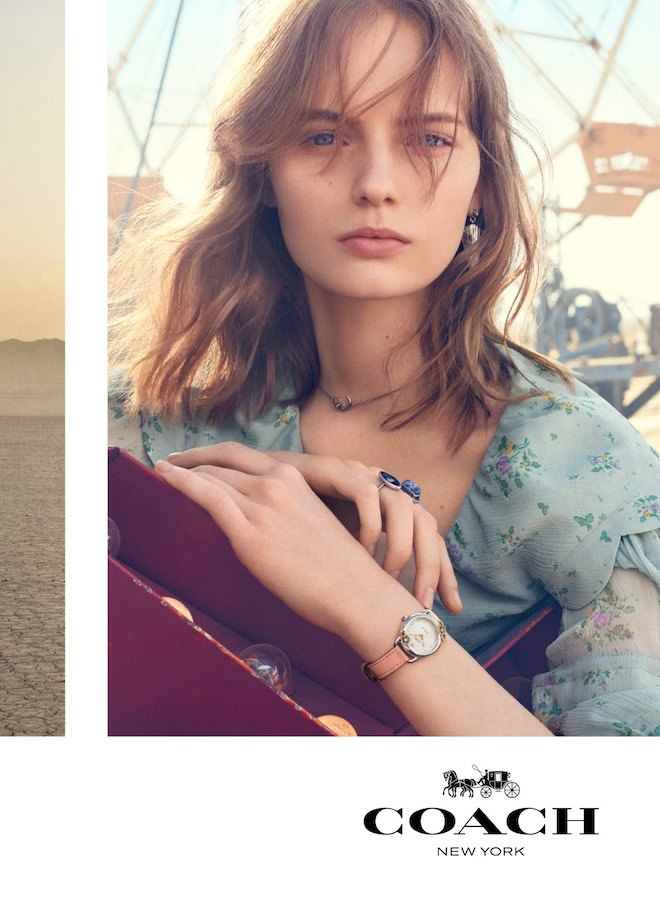
To ring in the new year, American luxury accessory house Coach, launches their global campaign for the Spring 2019 collection today. The collection features floral print dresses, ruffled blouses and dresses, and of course some of the brand’s signature bags — the Parker Top Handle and the Patchwork Dreamer. Coach ambassadors Kiki Mizuhara and Guan Xiaotong and models Adut Akech, Fran Summers and Kiki Williams among others were elegantly captured by photographer Craig McDean in a faded carnival scene in Los Angeles inspired by a western American road trip. The campaign also features a few pieces from the brand’s collaboration with Disney which gives a playful twist on some of the network’s iconic characters. The images of this all female gang breathe cool, confident, effortless spirit from the Coach girl which accurately conveys the inclusive and optimistic vision of the house with the collections main themes. To view the full collection , visit Coach.
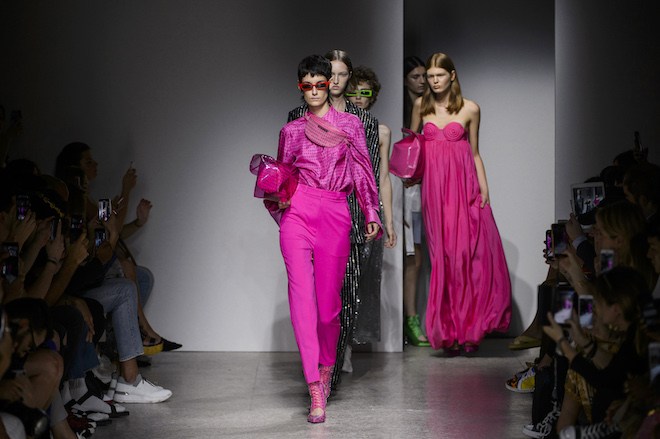
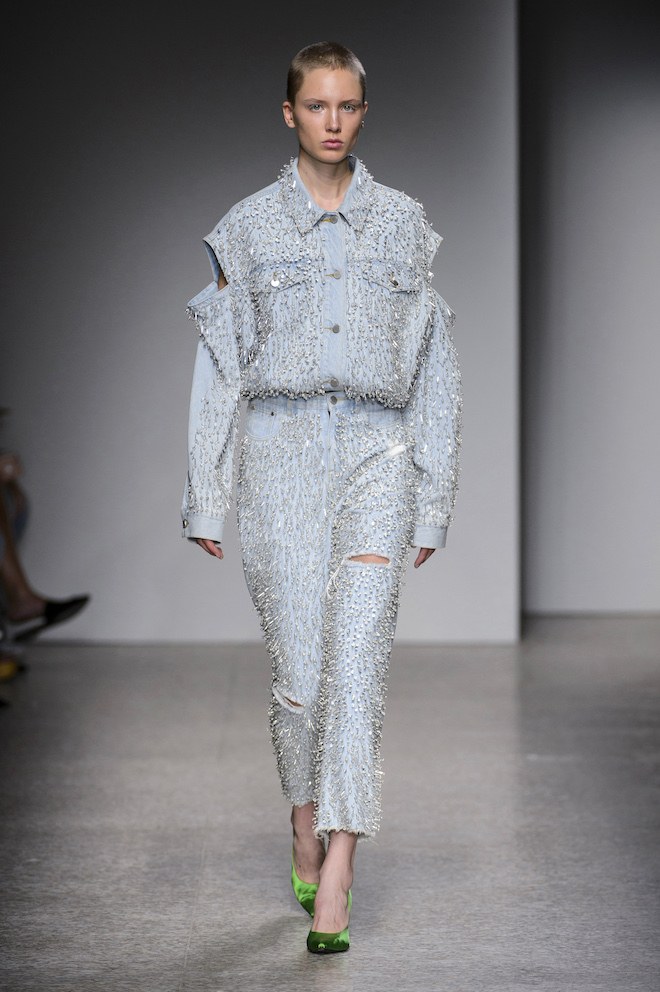
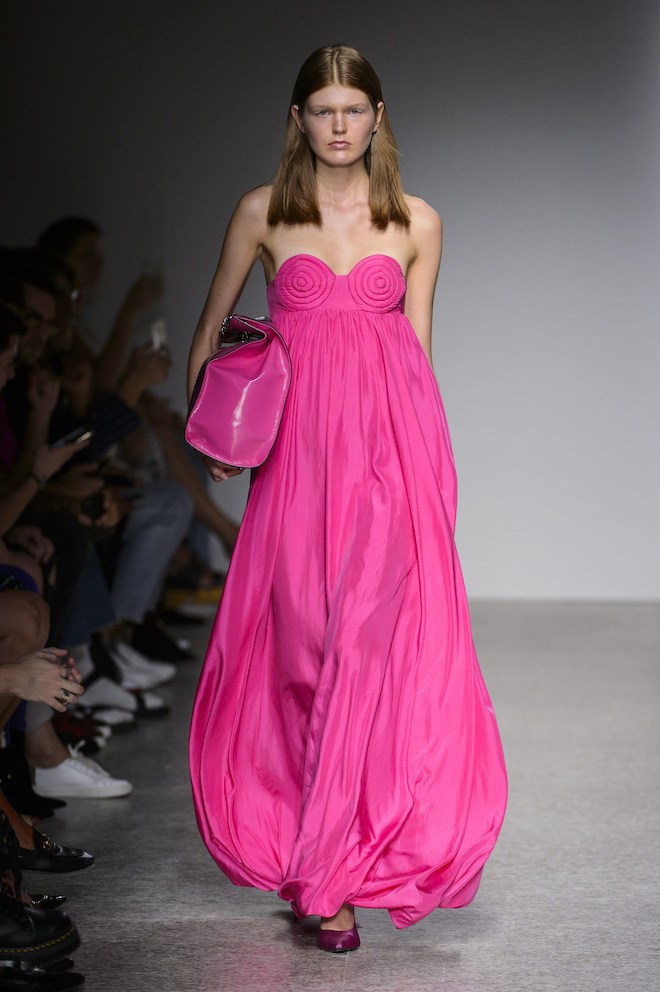
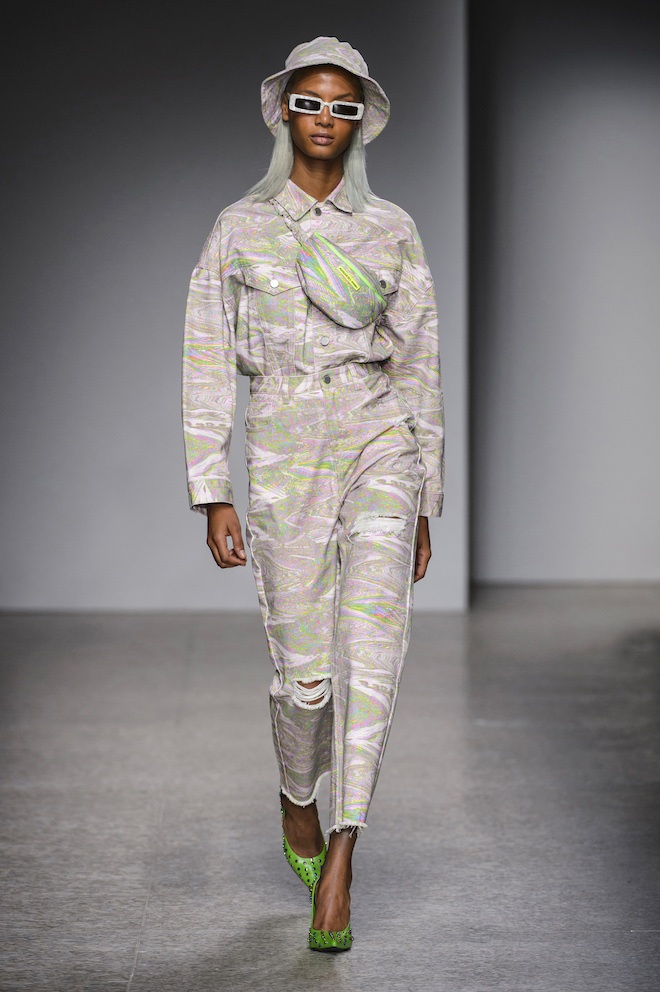
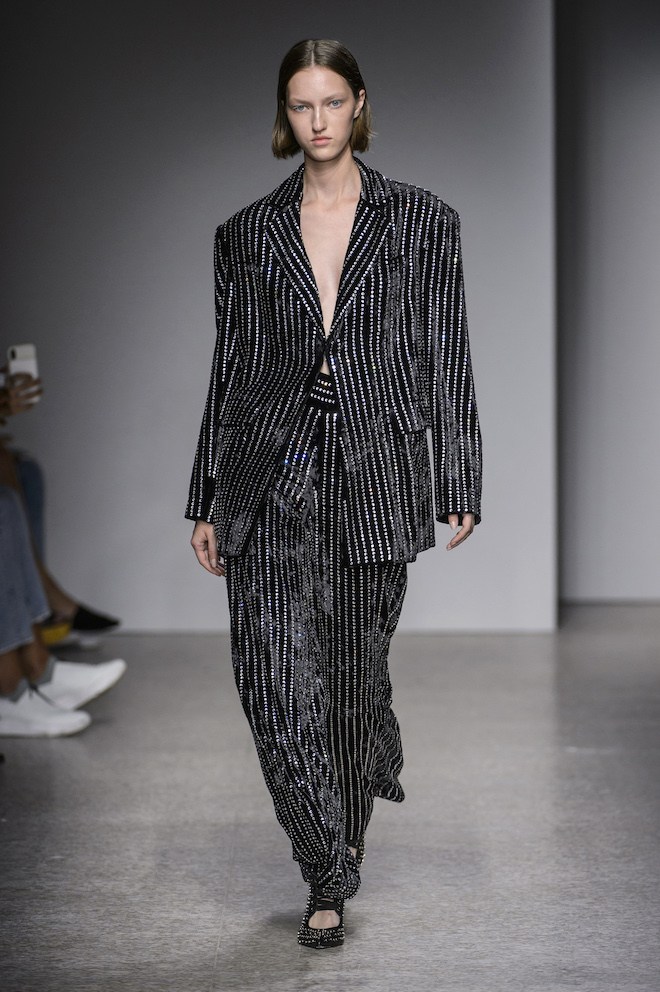
Last season Chinese designer Anna Yang, presented her collection on the Spring Summer 2109 runways of Milan which she entitled ‘Fashion Glitch.’ The collection represented a crossroad between the themes of tradition and rebellion. Oversized volumes and neon coloured unorthodox pieces were deconstructed and given traditional silhouettes. It highlighted some qualities of fashion that would be considered glitches in a daring, experimental yet dauntless way. It included PVC fabrics, crystal and studded embroidery , denim and patent leather. The designer’s signature, has always been one which showcases the ethics of streetwear in a trendy, bright-coloured, experimental manner which always seems to pay off in the end. Each season, she aims to keep things fresh and keeps her audience on their toes without being too perilous or couture. Discover the full collection at Annakiki.com.
If it’s one thing we learned from the year 2018, it was that the fashion industry is in somewhat of a mass creative crisis. Unfortunately the industry has reached a point where it no longer defines itself by self-inventing and creating as it sees fit but instead looks to it’s consumers and influencers for major leads on what direction to go next. This revealed itself in many different ways such as the sneaker epidemic — late 2017, Balenciaga created a version of a chunky sneaker called the Triple S which many people enjoyed, and by the end of 2018, the fashion industry had created an over saturation of many different versions of the same product. Nevertheless some of the pieces created were of course best sellers, but there is something less pure about the concept of a design done distinctly for commercial gain as opposed to one powered by creativity which gains sales upon its release. Of late, the fashion industry has been producing a lot of just that, series of collections and drops driven solely by the dollars of the people. Louis Vuitton, Celine, Dior Women’s and many other smaller brands in attempt to follow the streetwear movement often end up creating different versions of the same looks deficient of a wow factor. It is as if the industry within the last decade has shifted from an aristocracy to a democracy. This is not to say a producer should not listen to the voice of its consumer, however fashion has always been the source to define and show the people what they need as opposed to subservient system it’s now become.
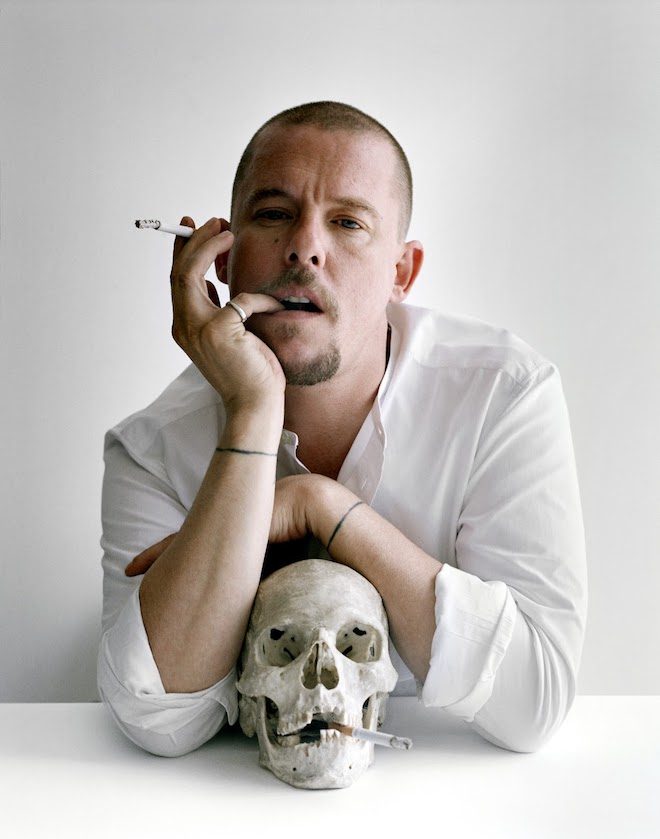
In the 90’s & 2000’s, designers like Alexander McQueen, John Galliano, Jean Paul Gaultier and Gianni Versace were coveted by big design houses and corporations because of their ability to create fresh and interesting ready-to-wear shows and collections without going too far across the border of couture. These creatives along with the members of the anti-fashion movement like Rei Kawakubo, Hussen Chalayan, and Raf Simons inebriated and exposed fashion for the art form which it is. Each one had an individual voice and panache which not only kept people at the edge of their chairs during shows but also often attracted an eager clientele. Fashion, because of it’s original, reputable work, withheld a sort of elitism in and outside the industry which earned the admiration and trust of the general public which in turn persuaded them into believing the industry was well-equipped with a group of creatives who had the power to convince and guide them throughout trends. However fast forward to 2018-19 this respect and admiration from consumers and the general public has somehow lost it’s way, the sales of many houses fell during the past year , “more than 1,875 fashion stores in the U.S alone had announced closure, 53% more than the number of closures during the financial crisis of 2008.” There has been quite the speculation on what could have landed us in this crisis, some argue it was the fusion of the fashion industry with Hollywood through Vogue and other magazines. Others point fingers at fast fashion corporations such as Zara or Fashion Nova who constantly undermine the works of designers with imitations through slavery-like production. All of the above are contributing factors, but the question is, how will these high fashion brands regain the mass trust and loyalty of the general public? Through originality of course, the industry needs to dig deep and reclaim it’s voice in order to subjugate fast fashion and recreate a fantasy for the general public to admire. Fashion sells because it’s a fairytale. There are certainly designers still around like Richard Quinn, Charles Jeffery, Francesco Risso, Alessandro Michele and even at times Miuccia Prada who still create their own interesting narratives. However, why settle for the village when you can have the nation. No-one ever established success without experimentation, taking risks and pushing boundaries. This is not just the work for designers but the entire industry — magazines, luxury Groups, writers, stylists, photographers and everyone. It is mandatory that we aim be creative and expressive without the intentions of pleasing the people around us. So here’s to hoping 2019 will be the year fashion takes back it’s voice. With exhilarating runway shows and fabulous eco-friendly collections. Here’s to hoping as we close this decade, that somehow someway we will successfully become the saviours of our own selves and the creators of an invigorating new era.
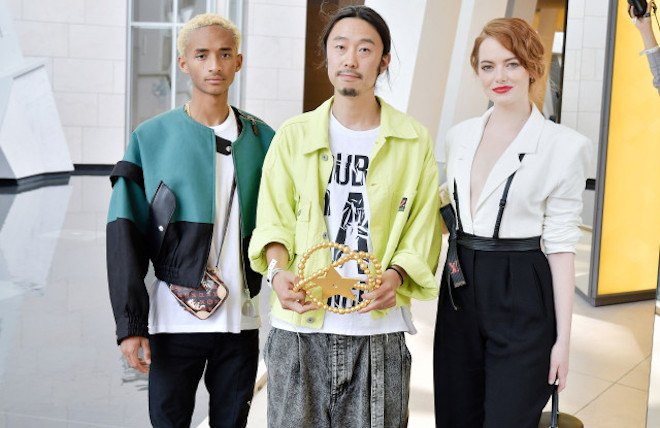
The LVMH Prize in it’s sixth edition since it’s launch has once again casted an open call for young designers. The Prize is opened to designers under 40 all across the world who have produced at least womenswear, menswear or unisex collections. The winner will receive 300,000 euros and a one-year mentorship program facilitated by the LVMH team. The Prize also acknowledges three young graduates who have completed a course in fashion school by presenting them with an opportunity to join the creative team at one of the houses of the group for a year as well as a 10,000 euro grant. Last year’s winner Japanese designer Masayuki Ino was selected from among 1,300 candidates from across 90 countries, judged by a panel of International experts from the fashion industry. For more information visit LVMH.
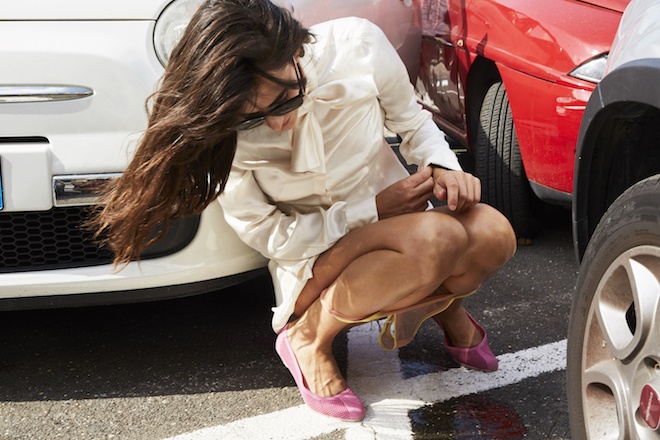
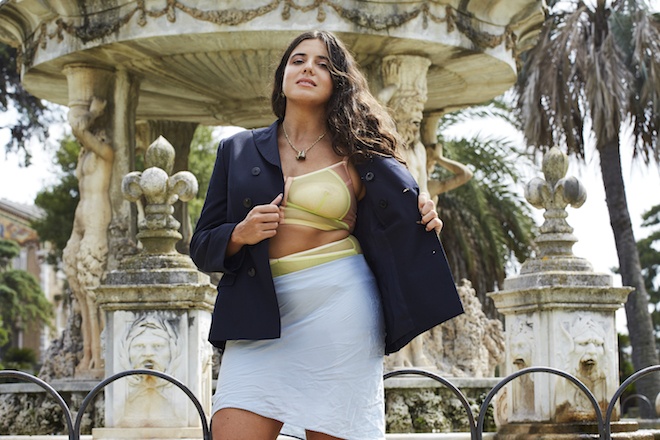
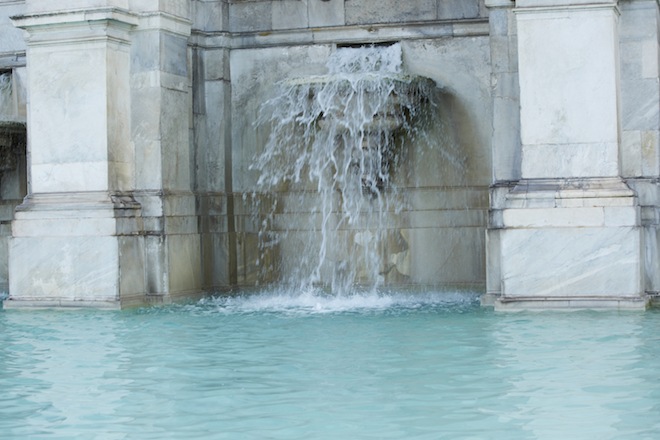
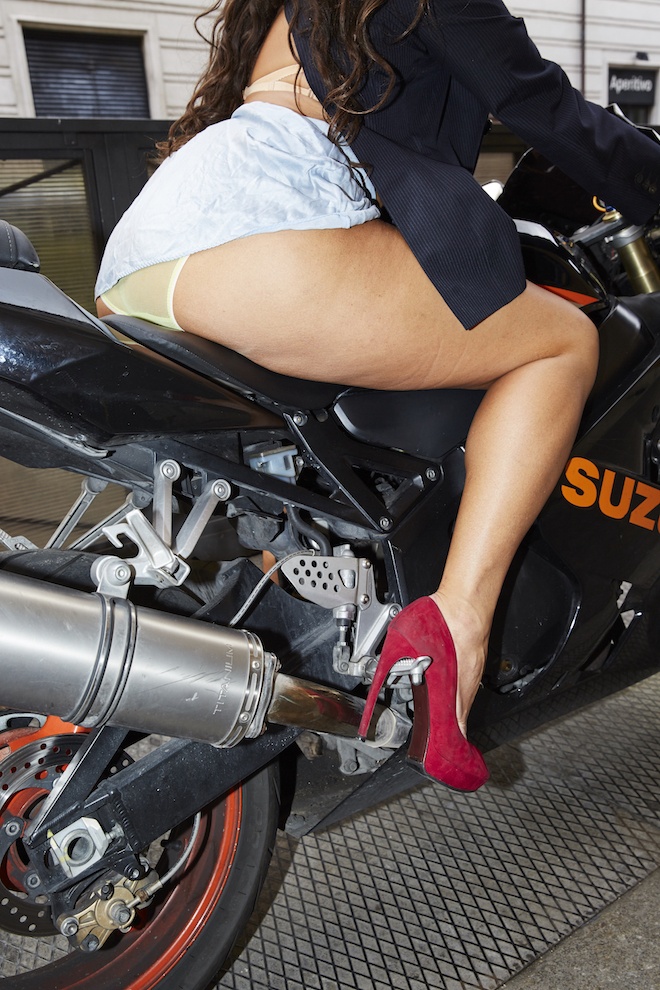
Isoscles’ lookbook reads like an inverted case of sharking, caught on the streets of Rome. There is an invited gaze – the woman is aware of herself as much as her vision. It almost reads as chapter five of John Berger’s ways of seeing: the self-awareness women profess and express. At the back of the SS19 imagery her friend and collaborator Cara Sheffler explores an experience of being up-skirted in New York, and the sensations she went through, parallel to how others perceived the act.
Taking ownership of how we are presented and how we present ourselves — not just to others but to ourselves — in a way requires us to objectify ourselves. The female gaze needs to supersede the male.
Isosceles is a brand launched by Cicely Travers after a life of obsession for underwear, looking to create a label that gives pleasure to women in their own bodies.
Currently supported by the British Fashion Council’s NEWGEN scheme and in her fourth season, Cicely is illuminating the new frontier more brands are exploring- what we wear closest to our skin and how that comes to shape how we feel about ourselves for ourselves.
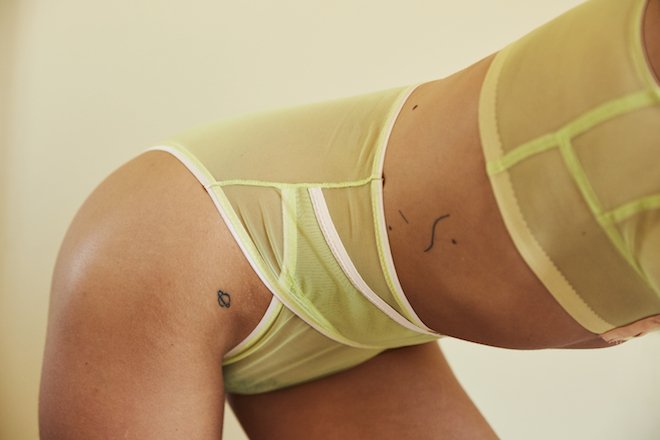
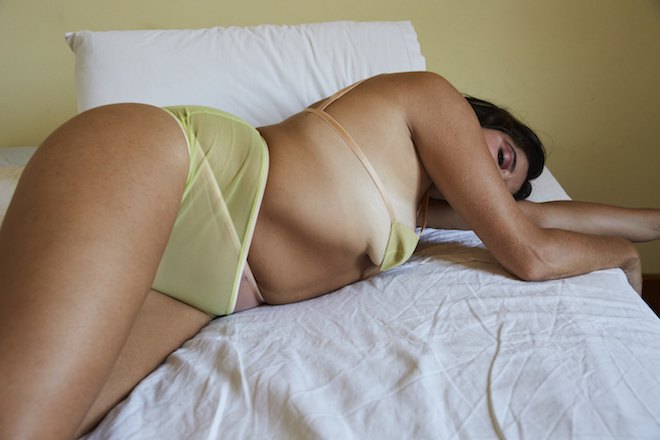
Utilising sheer mesh, bright colours and unique panelling, Isosceles pulls the eye to her garments, and in turn the body itself. Through these bold combinations, it does not shy away, but it also does not define: it merely enhances what was there – a spirit, a mentality, a personality, a woman.
As Cara Sheffler concludes on upskirting herself in order to explore her body and personal perception of it, If that isn’t self-possession, I cannot tell you what is.
Isosceles Lingerie
What made you begin your brand Isosceles?
I started making knickers after I dropped out of art school – it was the only thing I was really motivated to do. After completing a degree in contour fashion and having little success in getting to the kinds of jobs I wanted, I went for an internship with Jean Yu in New York. I was so inspired her work: its exquisitely beautiful couture silk lingerie, and her refusal to compromise her aesthetic. It was a form of art. It took me five years after that to build up the courage to start my brand but it happened in the simplest of ways- I found this fantastic fluorescent stretch mesh in Shepherds Bush and played around with cutting shapes and wrapping the body. It went from there.
What was the inspiration behind your last collection?
I always look to vintage lingerie, and sportswear for inspiration: for my September 2018 collection this was mixed with clubwear and harlequins. I’m inspired by the fabric I’m using and a lot of ideas come from draping on the stand. I feel there are constraints as to how creative I can be with my brand because Isosceles Lingerie is functional as well as innovative. I strive to push the boundary into what lingerie can be whilst acknowledging that lingerie is something that has to support and should be harmonious or complementary to your outer wear.
Isosceles Lingerie
What did you want to explore in your September 2018 look book imagery?
The photographer Amy Gwatkin and I were inspired by the photographer Roy Stuart who takes soft porn pics of ladies semi-exposed in public: we wanted to play with those themes of exhibitionist and voyeur. We made an early decision that the subject should always look in control and was taking pleasure from flashing, thus subverting the male gaze. I always try to ensure that models don’t look submissive in my imagery. It was also a fun opportunity to show how lingerie can amplify the enjoyment of wearing clothes.
Isosceles Lingerie
What does sexy mean to you?
Pure, guiltless pleasure.
Do you think attitudes towards lingerie are changing? Is it made for the female gaze as much as the male gaze?
From my perspective, I don’t think wearing nice lingerie has very much to do with the male gaze at all. It’s about feeling good in your skin, in your clothes, feeling beautiful and cherishing your body by wearing beautiful fabrics and colours next to your skin. Wearing a bra that fits you and improves your shape, changes your posture, puts a spring in your step: I enjoy the playfulness of it. I think we need to embrace these pleasures and love our bodies more. I would like to put a little more seduction into the everyday.
I’m seeing a lot of great women run lingerie brands that are making lingerie directed to the female gaze and changing attitudes about the importance of lingerie.
Isosceles Lingerie
What do you want your audience to take away from your brand?
That they could see themselves wearing it and having fun with the bright colours. I hope that people see it as a brand with a conscience.
If your brand was a song/album/book/film, what would it be?
If it were a book it would be Don’t Cry by Mary Gaitskill. It’s a collection of her short stories, one of my favourites is called “A dream of men”. It’s funny and insightful: she is such a compassionate writer and I think it’s important to be compassionate as a designer especially in this day and age. If it were an album it would be The B52’s album of the same name because its irreverent, funny, and great to dance to and it was made in the year I was born.
Isosceles Lingerie
Can underwear be a bonding mechanism for women?
To me, yes. For example it was fascinating to do the shoot with a totally female team. We had a lot of fun and a lot of great talks about the way we feel about our bodies. You realise that everyone has body hang-ups, even people who seem confident. We all have complicated relationships with our bodies: its liberating to strip off and strip away the facade.
“Gentle subversion. Looking at reality through a filter, in pursuit of extreme beauty. “
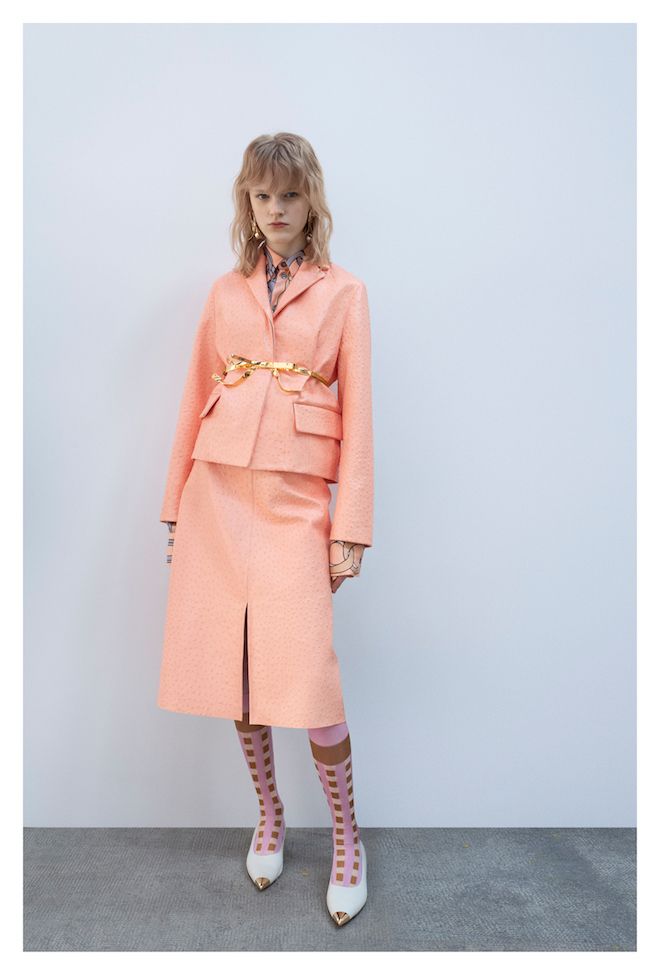
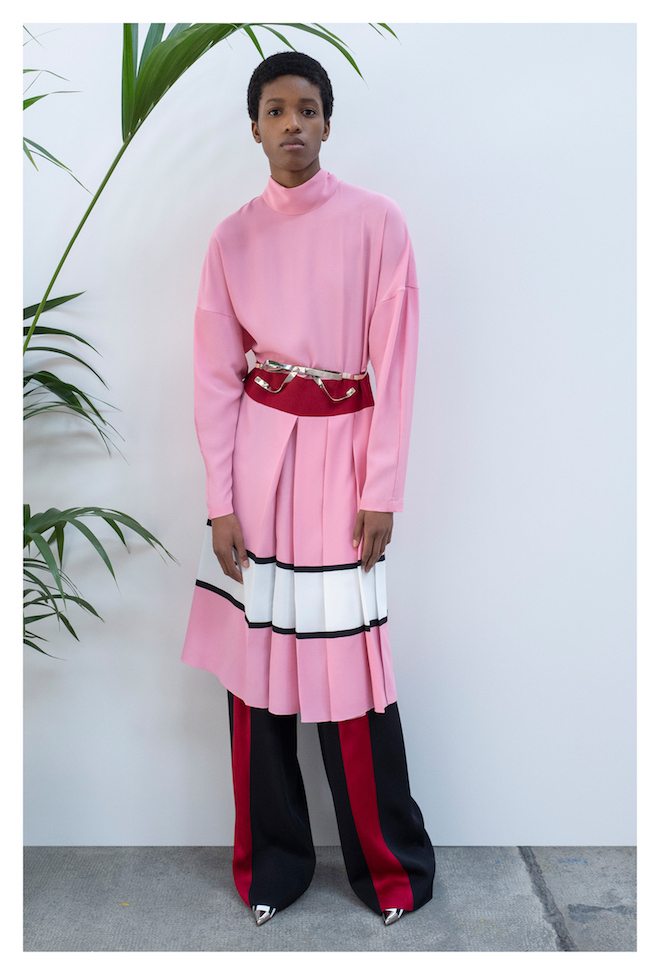
A freshly-released Marni resort 2019 collection focuses on magnifying the traits of romanticism and elegance through the forms of pastel coloured, delicate established silhouettes. Designer Francesco Riso waved his magic wand and created a harmonious collection tied together by feminine distorted, draped and pleated pieces. Demure jackets, voluminous skirts, languid dresses, puffy skirts and soft printed dresses paired with metal-toed shoes and soft coloured leather jackets . The collection feels like a haiku pieced together by a delicate sophisticated feminist to her ex lover with the intentions of letting them know about the great strength she has gained from the horrible break up, with not too much but just enough words. Like an evening primrose, a flower which blooms in darkness, an enchantress of love which has metamorphosed her pain into a collection of welded silk, nylon, ostrich leather, denim and crepe de chine as a gesture of freedom. To view the full collection, visit Marni.
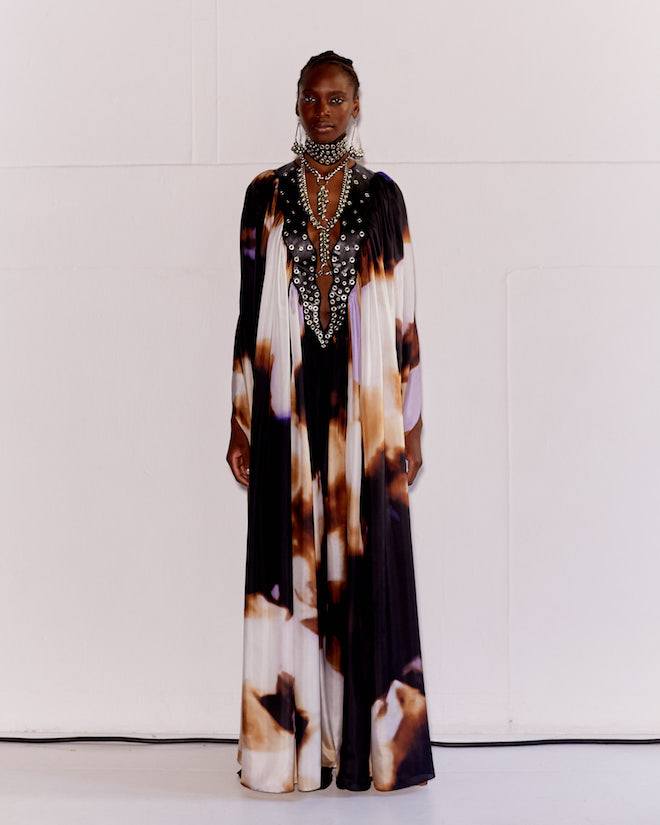
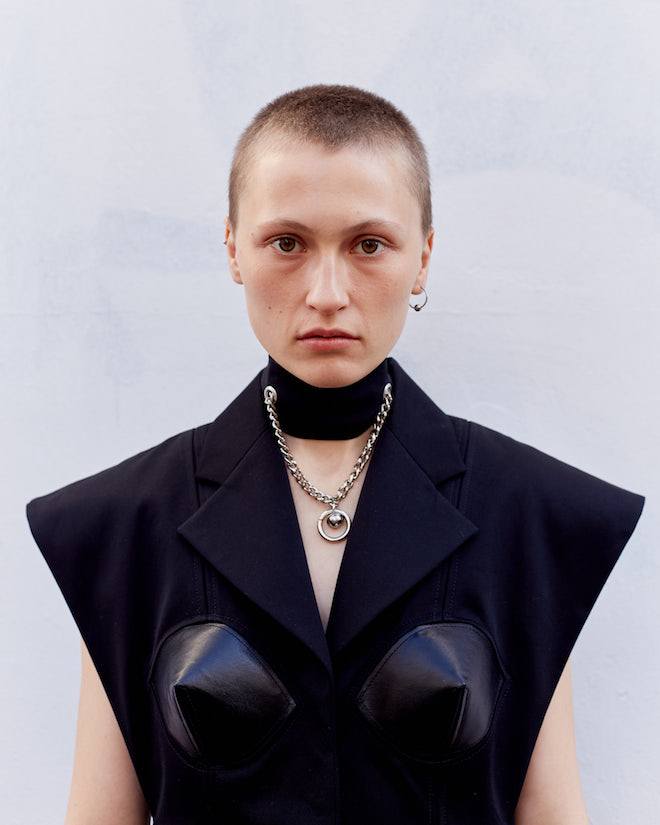
Founder of Hyun Mi Nielsen, Christine Mi Nielsen is an experienced and ambitious Danish designer who has creatively served at some of the most renowned fashion houses such as Givenchy, Balenciaga and head womenswear designer at Alexander McQueen. Throughout her journey, she has worked with and under many creatives at the helm of these houses known for their distinctive and at times iconic pieces. However in July of 2016, after her departure from Balenciaga, the designer decided to launch her own label, “ I have never wanted to start my own label. The thought never occurred to me until I was asked: “Why don’t you start your own?!”. That was where it all began, since then she has been invited by the French Fashion Federation to showcase during Couture Week and has launched four couture collections. The latest being Spring/Summer 2019, entitled hybrids. The collection explores the fusions made possible by a multicultural world, veiled sheep herds, fetish culture and post war street style. The construction, styling and photography has a punk poetic ring which leaves you in some sort of trance craving for more. Plunging necklines, leather bustiers and distorted colourful prints, Twin sits down with the designer to get further insight on the collection.
What was the inspiration behind the most recent collection?
Magpies, travellers, 70’ties, free spirits, punk, there are also a soft under current of SM and something ethnic.
Would you say your work and style has somewhat been influenced by the designers you’ve previously worked with?
I think all people to some degree or another is shaped by their past and my working life is a part of my past.
Where , what or who do you look to for inspiration ?
I get inspired by the most things in nature, art or just walking down the street. I love to do research, images or developing techniques or volumes. But I have some reoccurring themes I love punks, free spirits, 70’ties etc.
What fashion school did you attend and when did you graduate ?
I did my BA at The Danish Design School – today it the school has changed name and become a part of The Royal Academie of Arts in Copenhagen, Denmark. I graduated my MA from the Royal College of Art and Design in London.
How does music and pop culture influence your brand (if it does)?
I listen to a lot of different music, and definitely love pop music. I for example love artist like Beyonce and the British singer Farai.
What person in the public eye today would you class as the Hyun Mi Nelsen poster woman?
There are alot of strong, working women I’d love to see dressed in HYUN MI NIELSEN. But as you ask, ‘in the public eye’, my answer is Beyonce. She has already worn the label in the video Apeshit. I’d love to see her dressed in it again.
You of course have a tonne of experience under your belt, working with different designers and attending fashion school. Do you think it’s absolutely compulsory to attend fashion school to be a designer or is gaining sufficient experience enough to get started?
No, today is not necessary. But why go? It is FUN! And you have time to experiment in a supportive, creative environment and meet like minded people.
What’s next for you ? A/W 19 and lot of adventures.
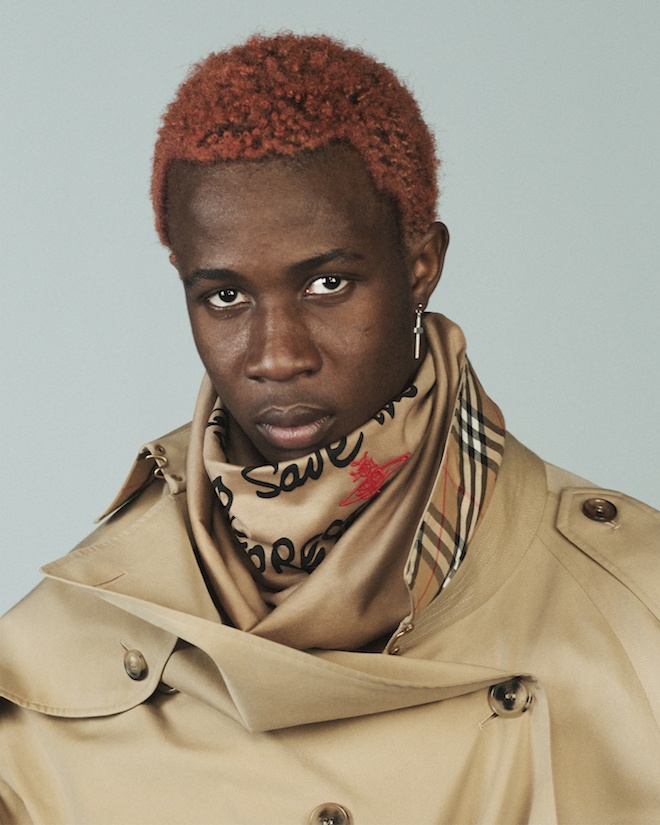
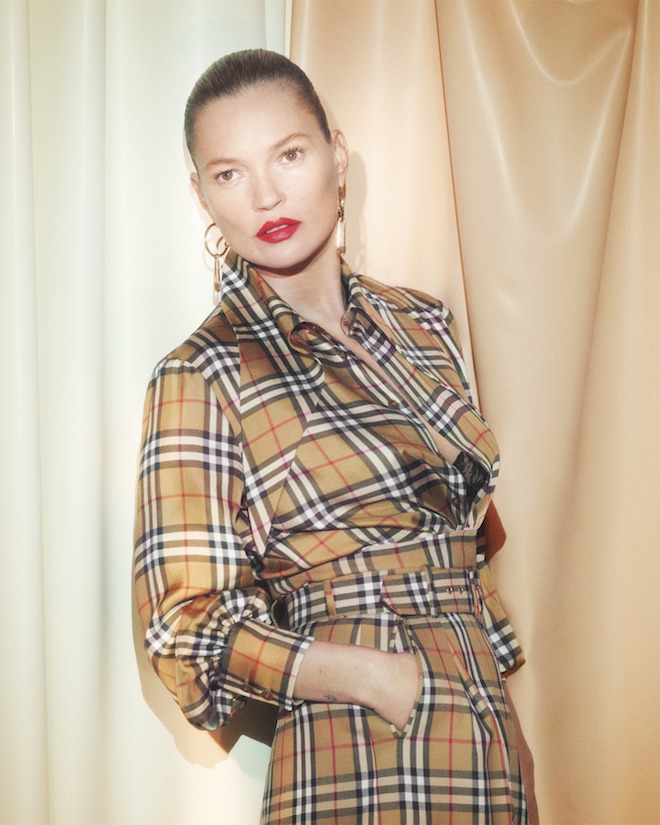
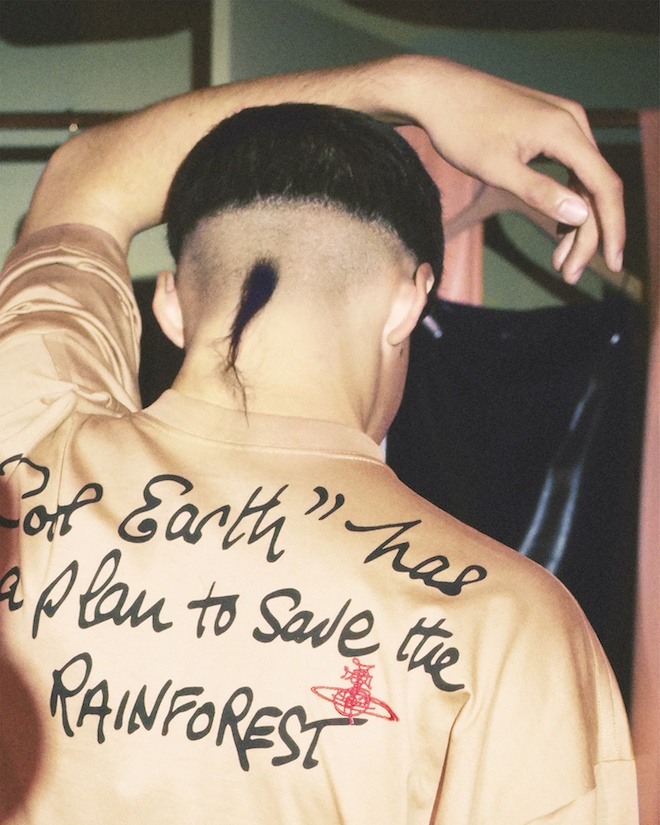
Iconic British fashion houses Vivienne Westwood and Burberry recently joined forces in a collaborative collection released this week. The collection is a celebration of British style and heritage and takes inspiration from Vivienne Westwood iconic collections reimagined from a unisex Burberry approach. From double-breasted and hugger jackets to mini kilts, lace up platforms and berets, all is featured in Burberry’s iconic vintage checkered print. The campaign for the collection features a flavourful cast of names like Kate Moss, Sistren, LadyFag , DelaRosa, Vivienne Westwood , Andreas Kronthaler among others, shot in London by David Sims. The designers of the houses were united by a vision to support and promote a UK non-profit organisation called Cool Earth which works alongside rainforest communities. Four exclusive items from the collection will be auctioned off to raise further support for the organisation along with an oversized T-shirt included in the collection with a handwritten message from Vivienne dedicated to the charity.
Richard Malone debuts his first exhibition at NOW Gallery on the Greenwich Peninsula this week. Inside the space Malone, a star of the London womenswear scene, will explore the relationship between fashion, art and movement. Visitors can experience and explore the designer’s processes and inspirations in the tactile installation.
From flicking through Malone’s sketchbooks and listening to transcripts from private appointments, to trying on clothes by the designer, the experience is one that will forge new creative bonds between visitors and the designer. Meanwhile large scale images will help to further immerse visitors inside Malone’s architectural and imaginative world.
Richard Malone’s exhibition ‘Rinse, Repeat’ will be at NOW Gallery for free from 28th November 2018 to 27th February 2019.
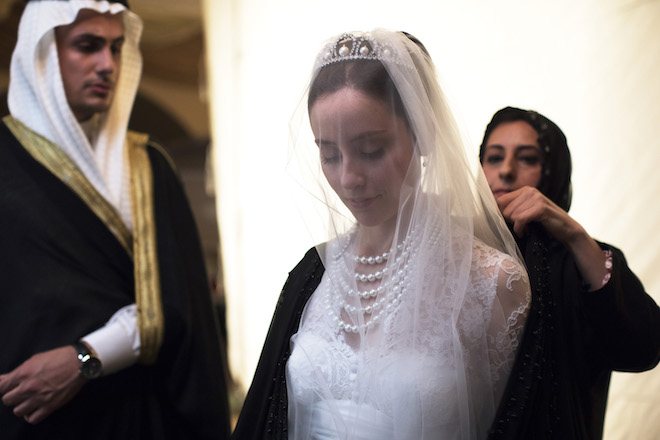
Miu Miu Women’s Tales 16 – The Wedding Singer’s Daughter
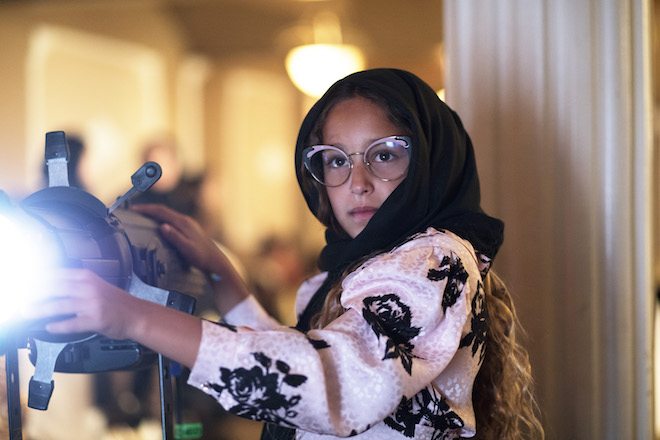
A few years ago in, Italian womenswear label Miu Miu initiated an ongoing series of short films featuring all female directors using the platform to tell captivating and pertinent stories from a female perspective. Each year, the brand commissions and releases two films for both their summer and winter collections. This year, for their 16th installation of the series, the brand has tapped Saudia Arabia’s first female filmmaker Haifaa al-Mansour to direct their freshly-released film entitled “The Wedding Singer’s Daughter.” The film is set during the 1980’s in Riyadh, Saudi Arabia and speaks on the strict gender segregation rules of Saudi Weddings.
The storyline features a cast of women draped in their traditional black abayas driving to the hall of the wedding location, and reveals the sparkle of the glamorous heels, dazzling dresses and wild hair once they arrive and are in an all female presence. As they prepare for this celebration, all eyes are on the wedding singer to keep it going until the electricity suddenly cuts out. Mumbles begin and guests start to complain, the singer experiences a slight panic until she is saved by an unlikely heroine: her young daughter who manages to save her mother’s dignity. “Weddings are the actual mirror of society in Saudi Arabia: segregated, fragmented, along gender and class. I wanted to tell the story of those people and capture that tenderness,” says the director, “It’s very important for women to tell their stories, and sometimes it’s hard. In the film, the daughter uses her nimble mind to quickly solve the problem just like an independent film-director. For me the little girl represents the future, and the future belongs to the outsiders.” The film can currently be seen along with the brand’s repertoire online MiuMiu.com.
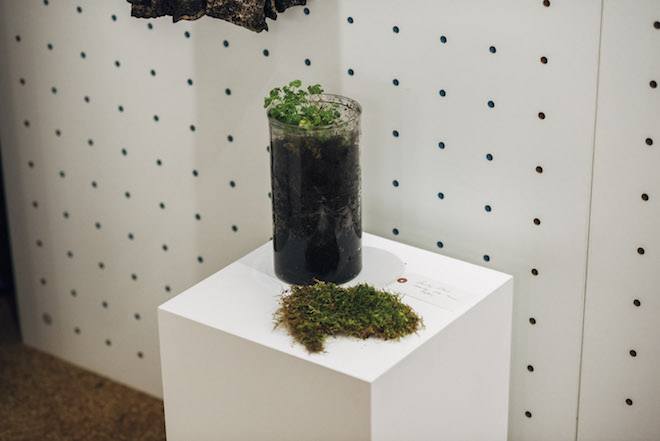
As the ultimate antidote to Black Friday and Cyber Monday consumption, over the weekend Filippa K presented the results of their two year sustainable research project ‘Circular Design Speeds’, in collaboration with Mistra Future fashion, at an exhibition at UAL.
2018 has been the year that fashion finally woke up to its responsibilities. And as fast fashion, and the waste produced by the fashion industry more widely, have come under increasing scrutiny, Swedish brand Filippa K has worked to find a solution.
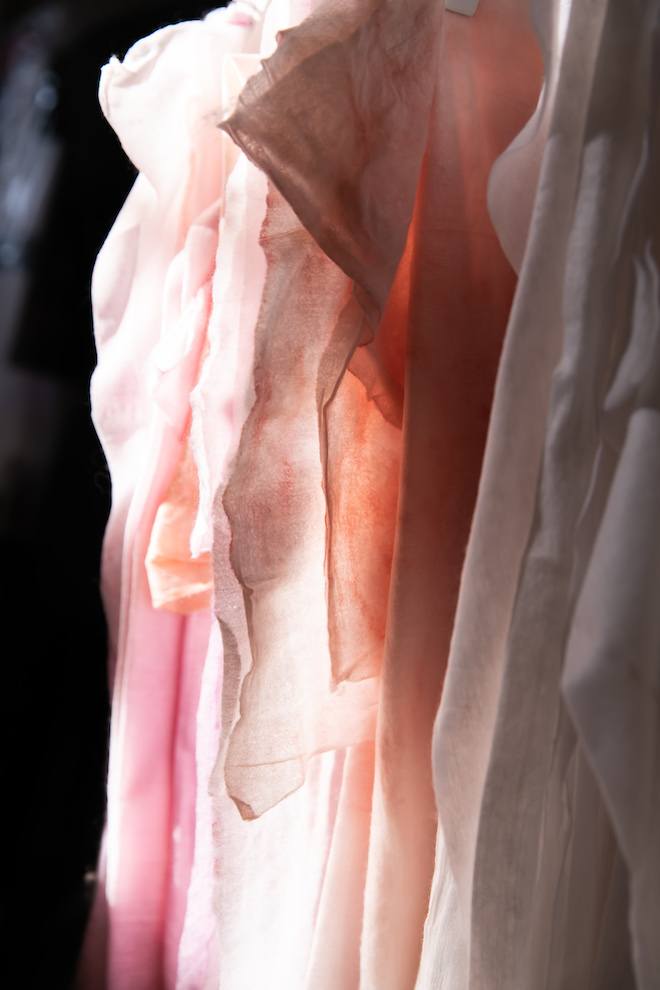
The results of the project are not only exciting from an environmental perspective, but also in terms of style. Both the 100% recycled and recyclable coat and the biodegradable dress maintain Filippa K’s classic, timeless aesthetic and high quality, while taking the conversation forward.
Crucially this new research comes from a major fashion brand rather than an experimental and emerging designer. The learnings and results show that when companies choose to put their resources into sustainable innovation, the results can be truly impactful and redirect the standardised path.
These first creations, as well as the research process, were shown at the ‘Disrupting Patterns’ exhibition at the University of Arts in London, alongside a series of talks and lectures aimed at sharing the findings of their projects with the larger fashion community.
In order to transform the linear (thinking) production cycle into a circular system we need understandable and simple examples, role models. Upcycling waste into beautifully naturally dyed dresses is just one of many fruitful ways of doing it – hopefully it will plant a seed to transformation,” explained Marie-Louise Hellgren, Designer at Heart & Earth Production at Filippa K.
As the fashion industry is forced to address the mounting crisis that its practice is contributing to, championing brands that embrace cyclical production is no longer a nicety, but a necessity.
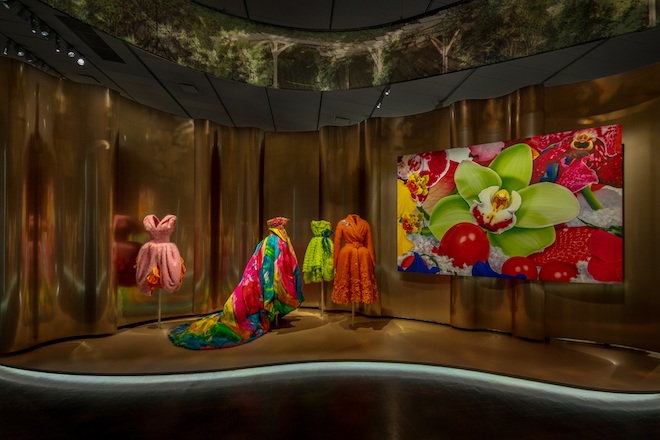
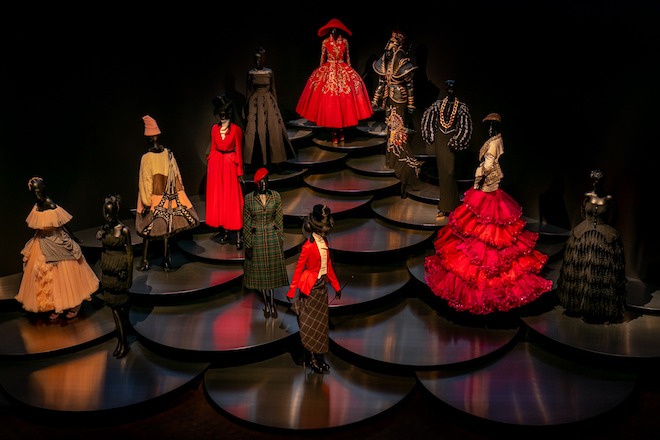
This week The Denver Art Museum (DAM) opens its doors to one of it’s most recent exhibitions entitled Dior: From Paris to the World. The exhibition is in celebration of the legacy of French fashion house Christian Dior and it’s influence on the industry since its inception over 70 years ago. It includes a collection of over 200 haute couture dresses, accessories, photographs, original sketches and runway videos which showcases the visual evolution of the house throughout decades. The exhibition not only highlights the founding father Christian Dior, but also profiles the work of artistic directors Yves-Saint Laurent (1958–1960), Marc Bohan (1961–1989), Gianfranco Ferré (1989–1996), John Galliano (1997–2011), Raf Simons (2012–2015) and Maria Grazia Chiuri (2016–present). “Dior: From Paris to the World will give our visitors insight into the House of Dior’s creative process and inspirations that contributed to its unparalleled impact on the fashion world, which continues to reverberate today,” said Christoph Heinrich, Frederick and Jan Mayer Director of the DAM. “This exhibition encourages audiences to think differently about the boundaries of fashion as art, and advance the museum’s commitment to taking viewers behind the scenes to reveal Dior’s imaginative and innovative endeavours.” Curated by Florence Müller, DAM Avenir Foundation Curator of Textile Art and Fashion, the exhibition will be open from Nov 19, to March 3, 2019.
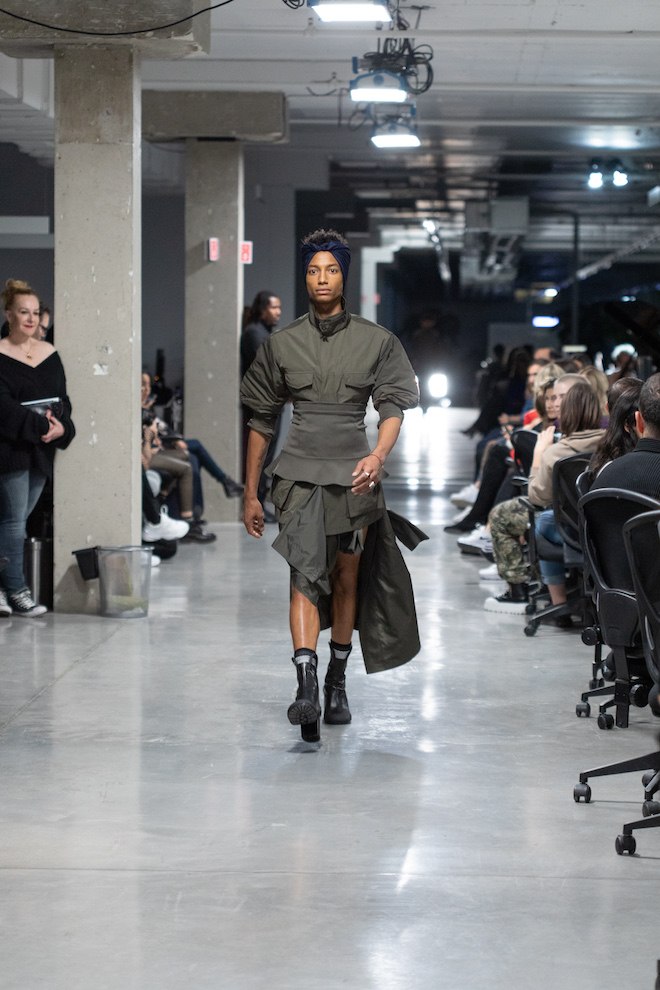
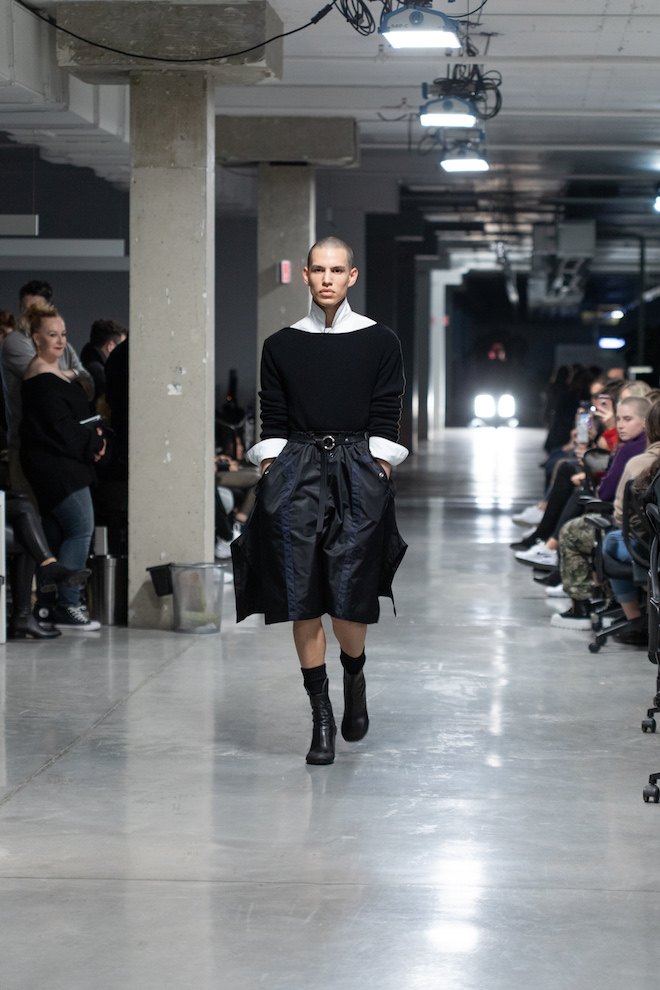
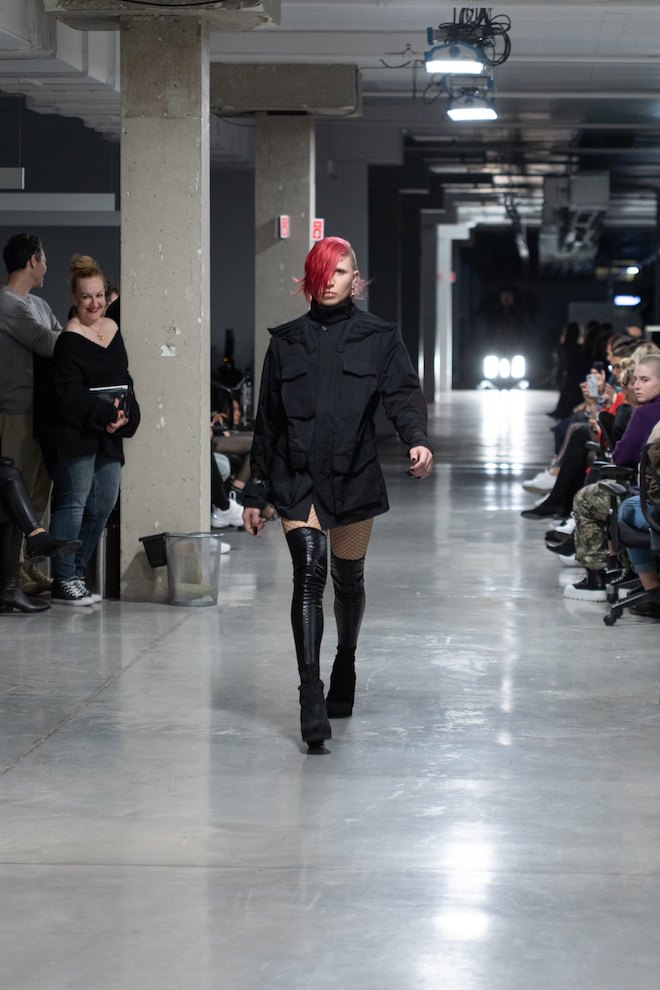
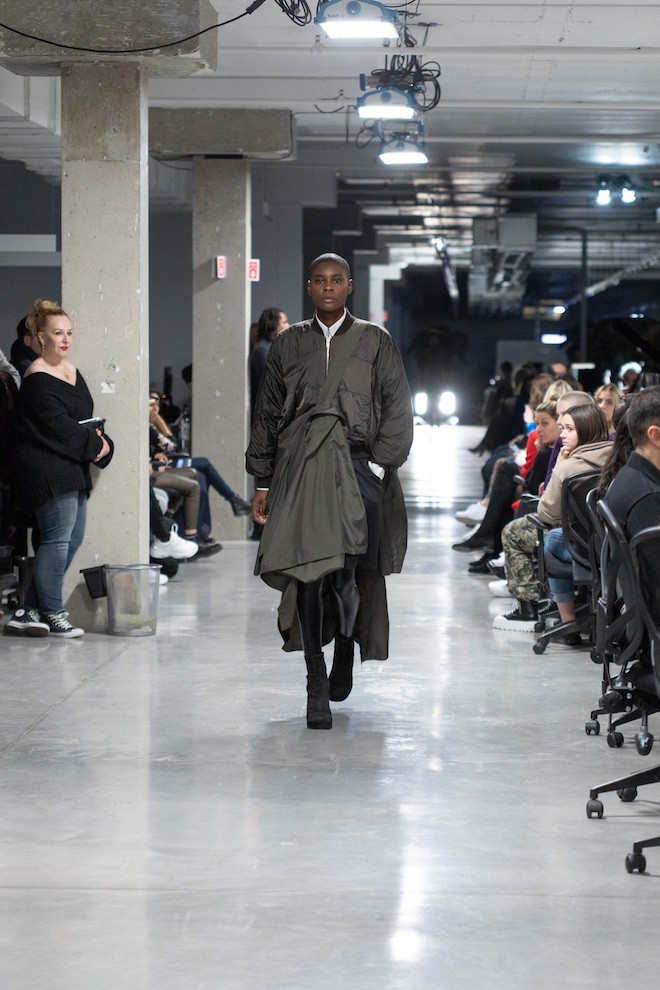
A few days ago Italian designer Stefano Pilati debuted a collection under his name with a runway show in Montréal. The collection, and label titled Random Identities, is the designer’s first independent venture since he parted ways with Ermenegildo Zegna in 2016. A few days prior to the collection’s debut, the designer took to the internet to release a photo series of intimate images shot by photographer Luis Rodriguez. These images featured male bodies shot in black and white wearing nothing but black caps and boots from the collection. This was a series of photographs that at first glimpse on a timeline would instantly capture one’s attention, it felt as if Pilati had something to relevant to say, and this was one’s cue to listen carefully.
The fact that the designer chose to debut in Montreal as opposed to one of the European fashion capitals well within his reach enforced that he was not aiming to continue or tell a story of Yves Saint Laurent, Ermenegildo Zegna, or any of the previous houses he was associated with, but instead, this represented the flip of a blank page for a completely different type of fashion story.
“An honest statement is necessary: fashion at high prices no longer means exclusivity. My response is to produce moderately priced clothes — ‘the low’ — and present them in a high fashion context, creating limited edition items which by quality of design will justify the proposal — ‘the high’.’ The collection was menswear oriented and featured several looks of separates combined and styled to create silhouettes which were genderless. Dominated mainly by shades of black and olive green, the designer describes the pieces as forms of protective wear — constructed from twill and nylon and offers a presence which is both friendly and secure, providing a feeling of power whether during the day or clubbing at night. Following such a powerful debut of the brand, it will be interesting to see what next he has to offer, as one who seems to have a different voice with an interesting perspective and story to back it.
The National Museum of Women in The Arts x Rodarte
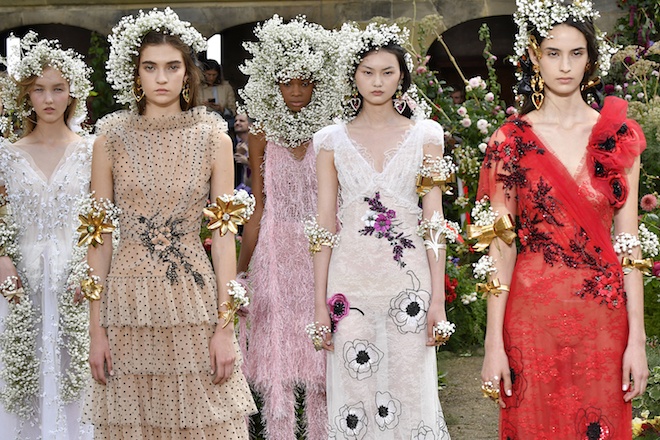
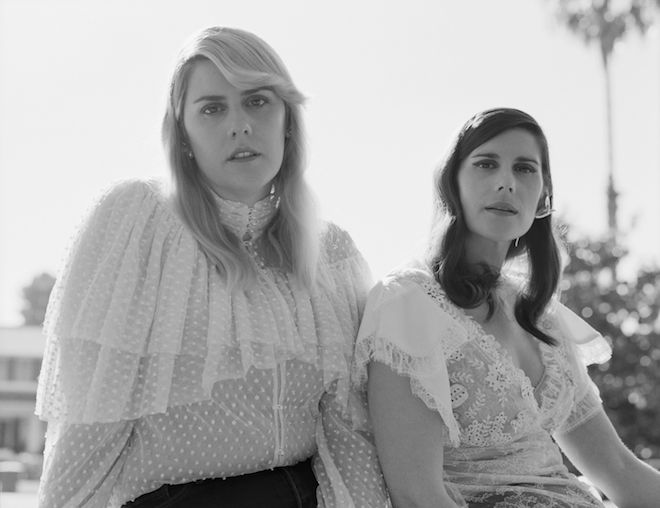
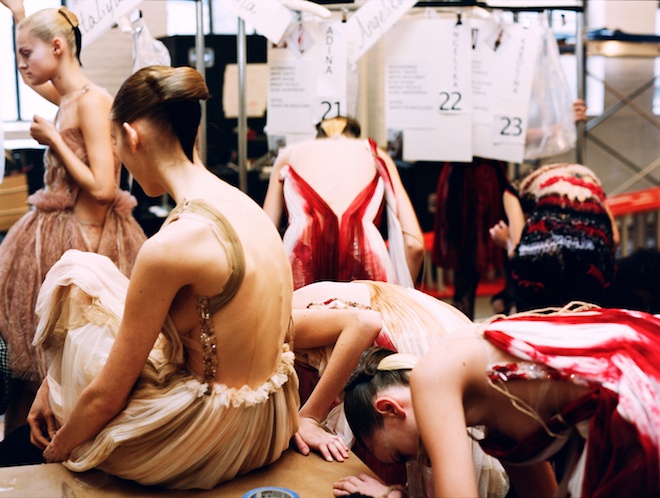
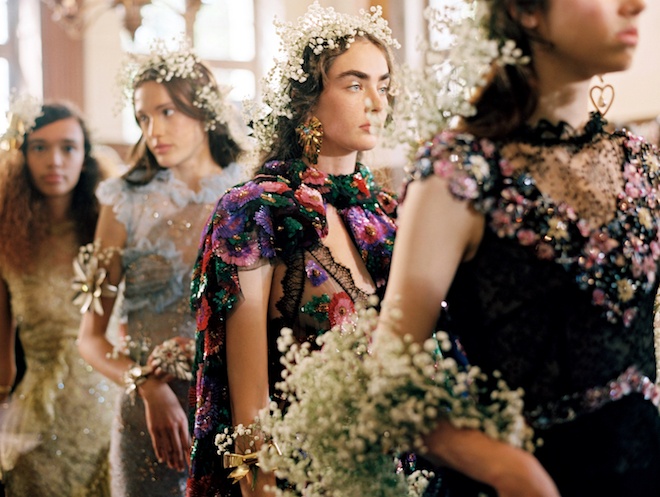
The National Museum of Women in The Arts (NMWA) in collaboration with American luxury fashion house Rodarte is hosting the museum’s first fashion exhibition at their headquarters in Washington, DC this month. The exhibition which started last weekend, showcases the works of the designer-duo sisters Kate and Laura Mulleavy within the industries of contemporary art and fashion. From an archive of 13 years, composed of nearly 100 looks, each one will be presented as they were on the runway which will highlight selections of the brand’s most pivotal collections. With themes of high fashion and modern femininity, Rodarte has drawn critical acclaim from both the art and fashion worlds since its launch in 2005. “Rodarte continually prompts a dialogue between the worlds of contemporary art and fashion” says NMWA Director Susan Fisher Sterling. “This exhibition will continue that discussion with new insights, illustrating the Mulleavy sisters’ highly creative practice and sources of inspiration.” Early Rodarte collections have made critical acclaim for their use of unconventional material which fused dressmaking and art together with strong influences from Vincent Van Gogh, nature, films etc. “We are honoured to be the first designers to have a fashion exhibition organized by the NMWA,” said the Mulleavy sisters. The exhibition will conclude on February 10, 2019, do ensure to catch a glimpse before it ends.
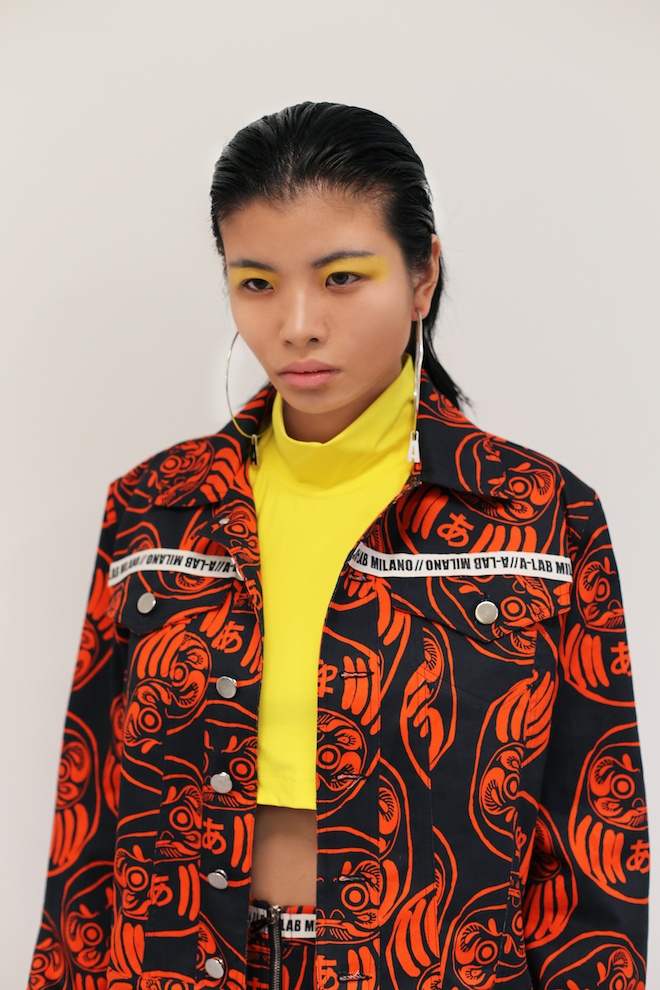
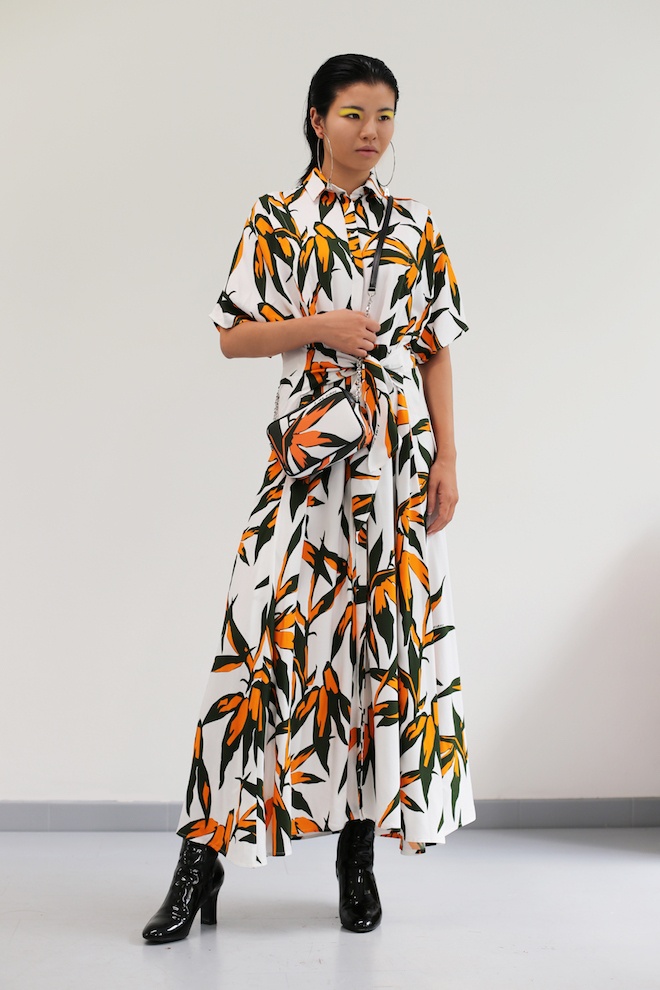
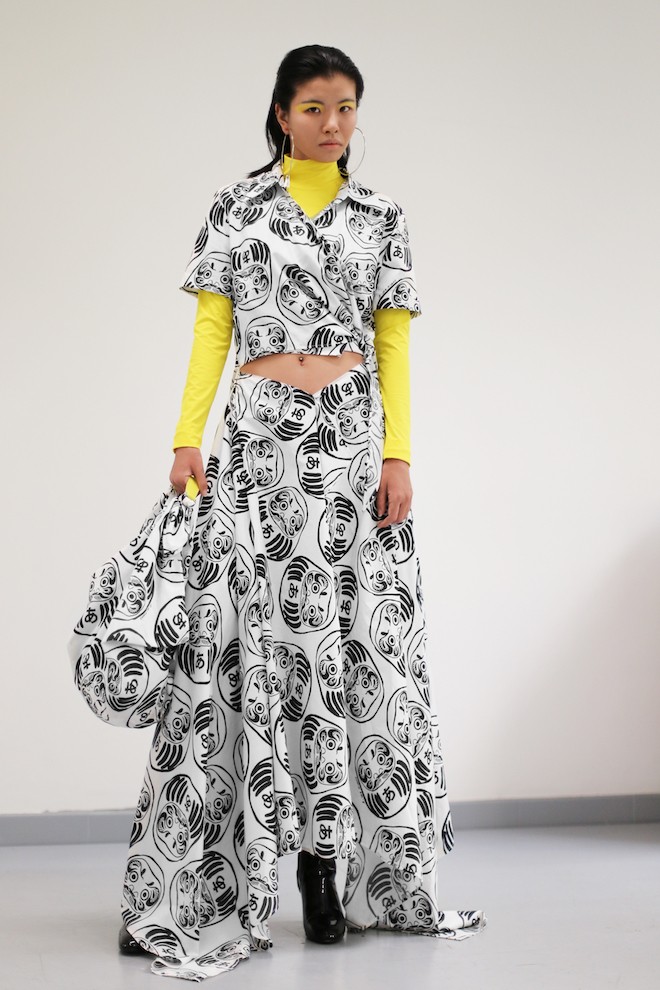
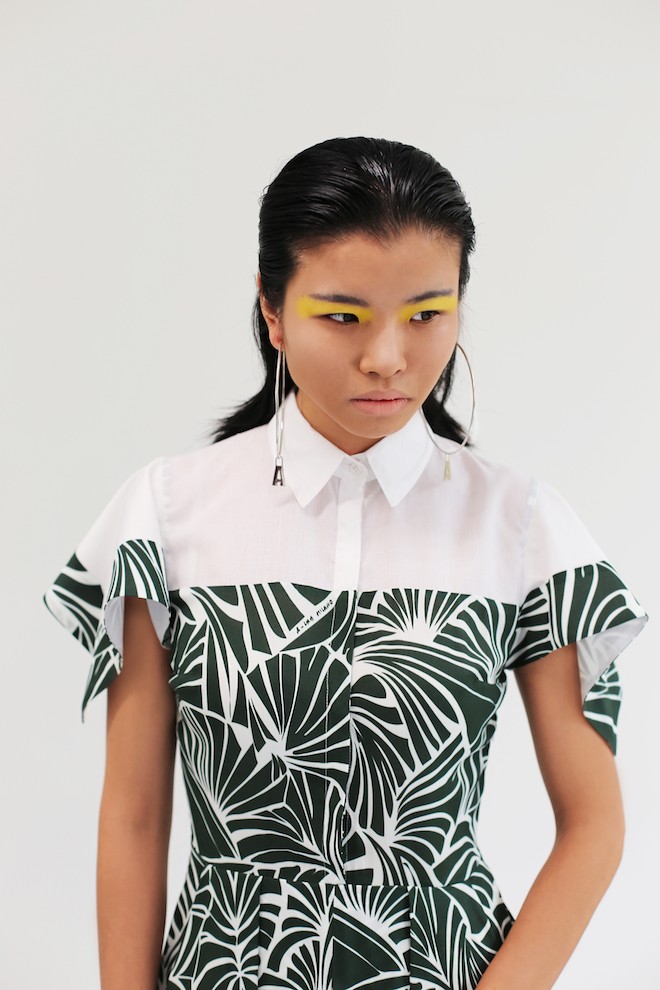
Emerging Italian brand A-LAB MILANO, conceived by Milanese designer Alessandro Biasi is a mark which plays on the lexicon of modernity and contemporaneity through the outlet of fashion design. For his Spring/Summer 2019 collection, Biasi cooks up a mixture of his signature 2-D graphic prints combined with Japanese themed iconography and techniques reworked in an innovative manner inspired by street style from the Harajuku district of Tokyo. Varsity jackets, graphic printed t-shirts and oversized raincoats give direct references to contemporary street style while the designer pays homage to the Japanese culture by the use of things such as the Furoshiki — a traditional Japanese cloth, often with a unique pattern used to wrap bento boxes, gifts and other objects for enhanced presentation using knotting techniques. With this technique, Biasi has created a fashion story around the collection of which the protagonist is the art of knotting, used in both functional and decorative ways throughout wrap dresses and blouses. The collection is also accompanied by an accessory line which features fabric Japanese pinstriped bags with leather handles, pouch bags, silk scarves, and shoulder bags.









 PREVIOUS

 Twitter
 Tumblr
 YouTube
 Facebook
 Instagram
