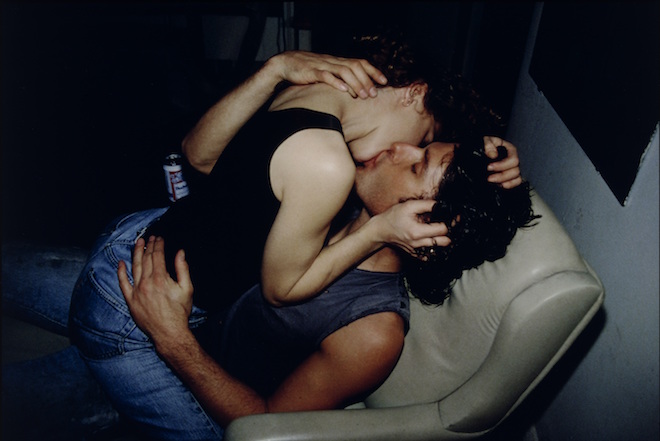
Nan Goldin: The Ballad of Sexual Dependency
Nan Goldin’s ‘The Ballad of Sexual Dependency’ will show at MoMA until the 12th February 2017, giving you ample time to bask in her deeply personal, evocative collection of photographs.
Drawing on her own experiences in Boston, New York and Berlin – mostly during the late 1970s and 1980s – Goldin describes her body of work as ‘The diary I let people read.’ ‘The Ballad of Sexual Dependency’ is comprised of almost 700 photographs and is set against a powerful musical soundtrack, capturing her subjects in raw moments of love and loss, and documenting both herself and her friends as they suffer from drug use, domestic violence and the effects of AIDS.
The collection is aptly named after a song in Bertolt Brecht and Kurt Weill’s ‘The Threepenny Opera’ and features music from many of Goldin’s friends, including Maria Callas and members of The Velvet Underground. The photographs are presented in their original 35mm format, as they were when they were first shown in the bars and clubs of New York City in the 1980s. Since then, Goldin has continued her narrative and added photographs to the collection, but they are still produced as slides, as they were when Goldin had no access to a dark room and was unable to afford to have her photographs made into prints.
‘The Ballad of Sexual Dependency’ is also available in the form of a book, which was reissued in 2012, recognising the persistent relevance of Goldin’s subject matter. The book can be bought online, or is available at MoMA.
Moma.org
Tags: MOMA, nan goldin, The Ballad Of Sexual Dependency, The Velvet Underground
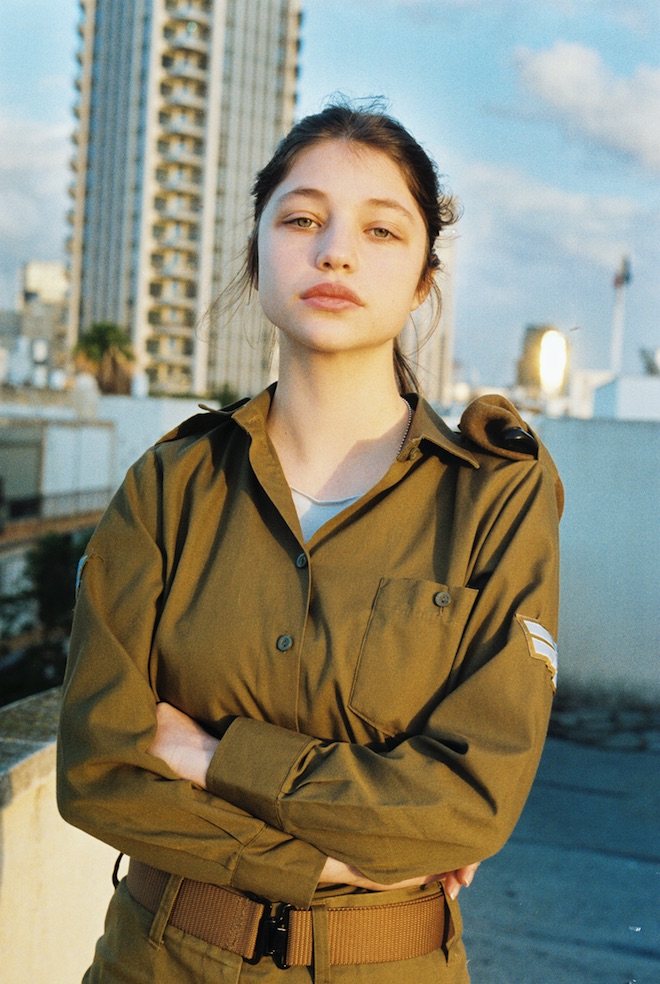
Mayan Toledano’s Candy Militia
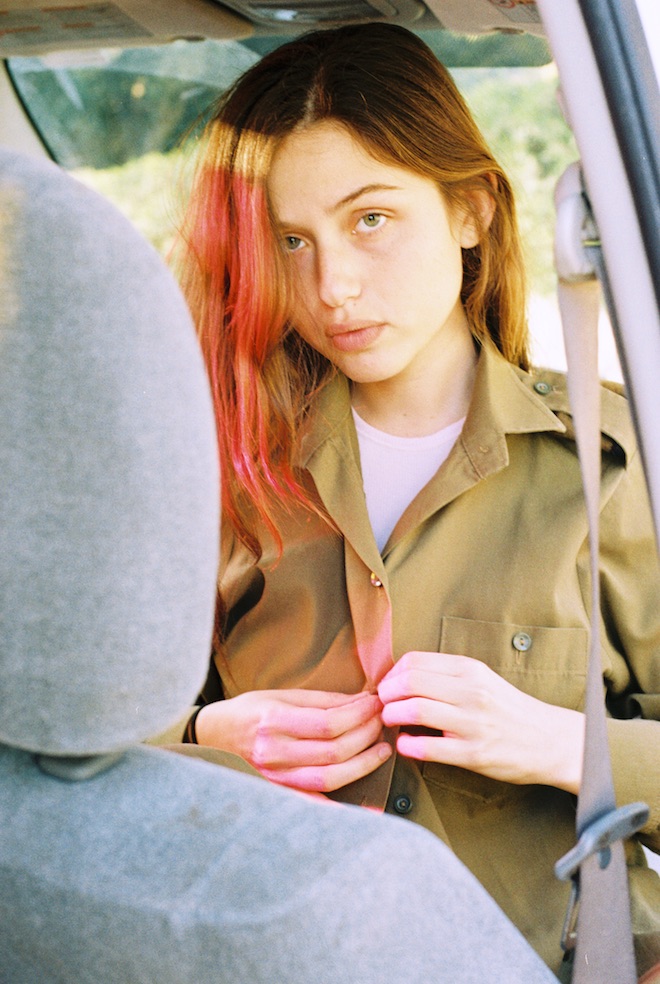
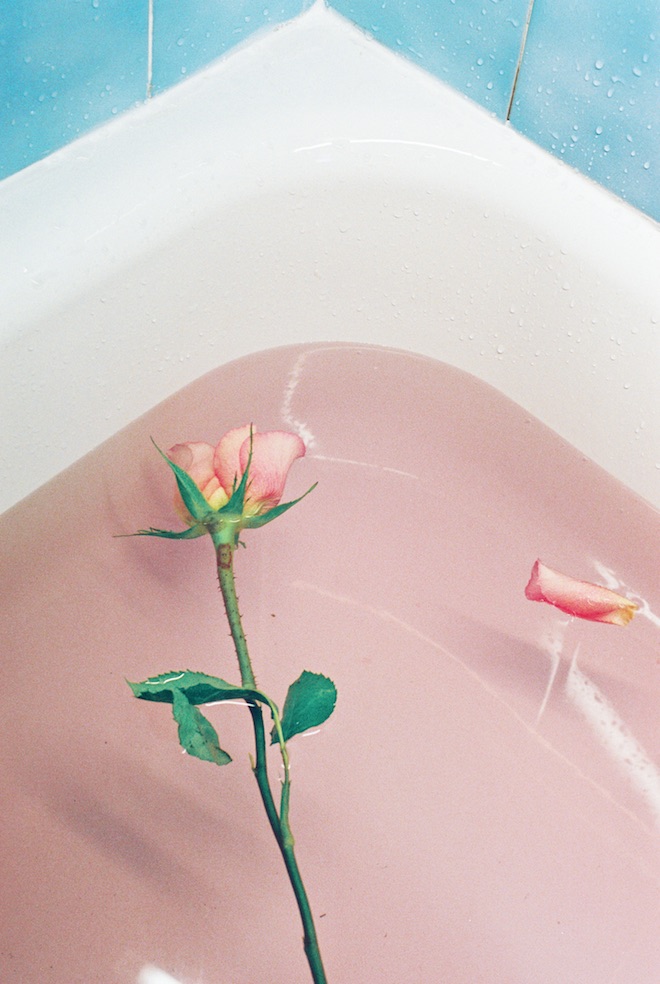
Mayan Toledano is a photographer and co-founder of Me and You, an online platform that celebrates friendship, feminism and girlhood, run with her BFF Julia Baylis. As a photographer she creates images that are playful and poignant. They invite viewers to enter into private spaces with her subjects – bedrooms, bathrooms – not as voyeurs but as allies. Toledano is part of a new generation of female photographers that have transformed notions of the gaze, and it is not surprise that she often works with kindred sprit Petra Collins. Throughout Toledano’s portfolio we see that her images reflect truths about the female body, investigating what is essential in women without fetishising the flesh.
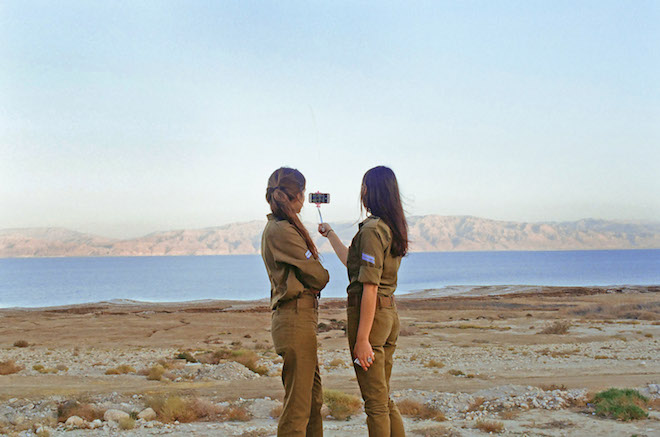
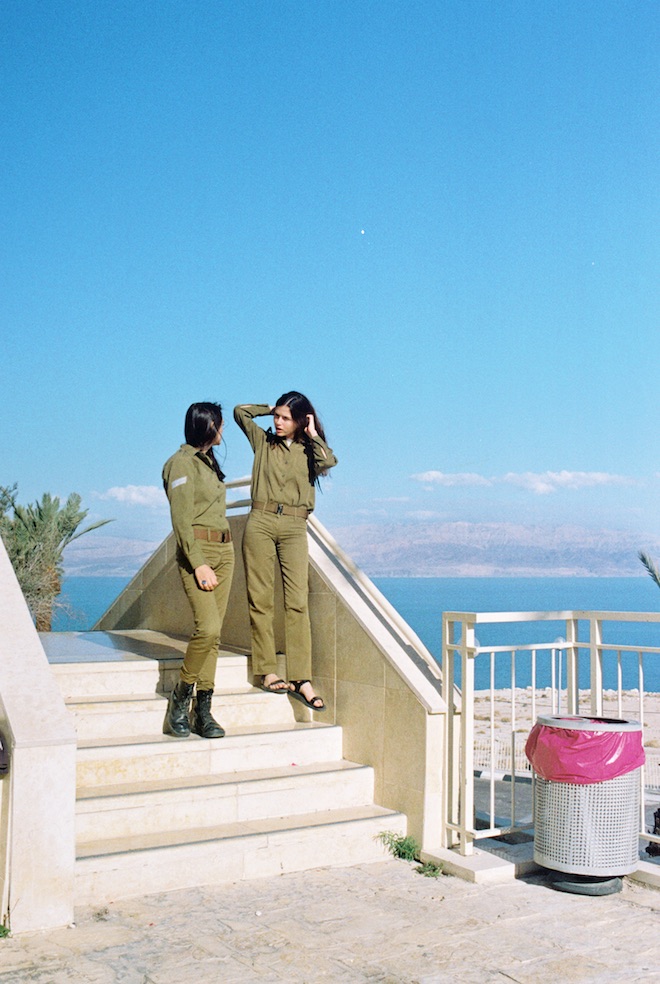
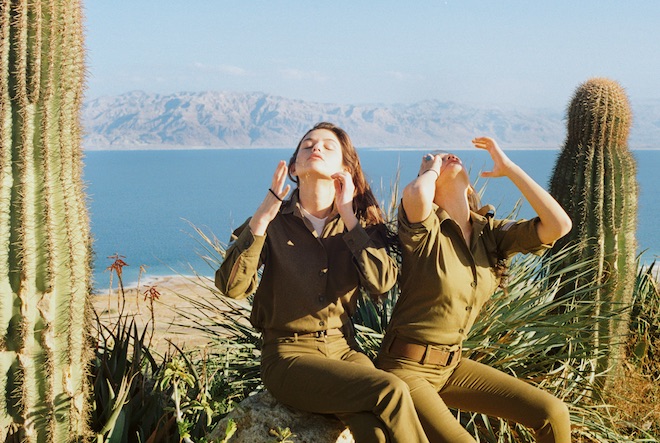
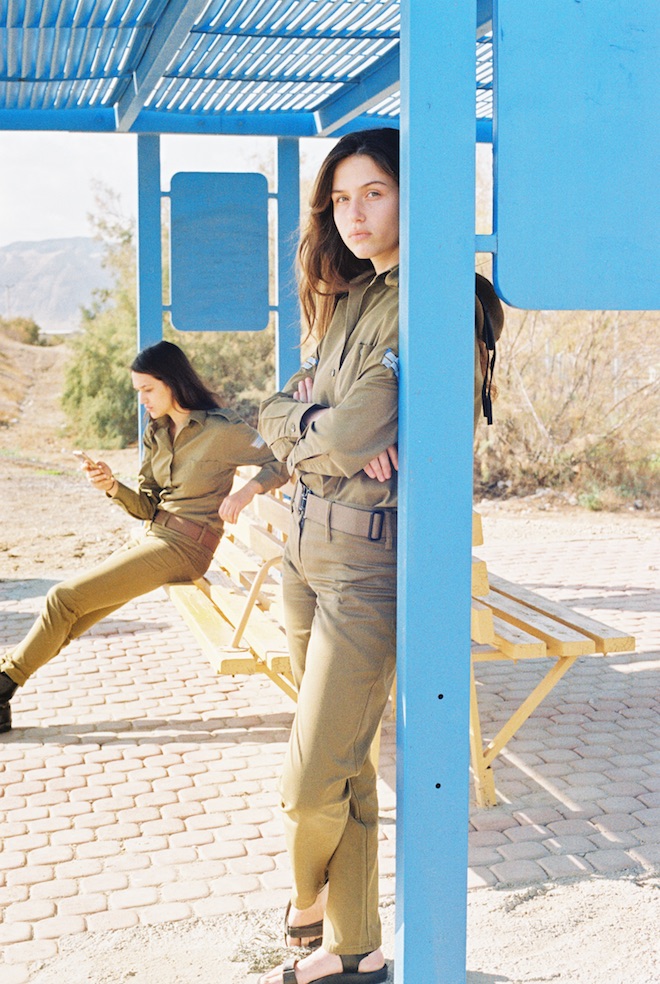
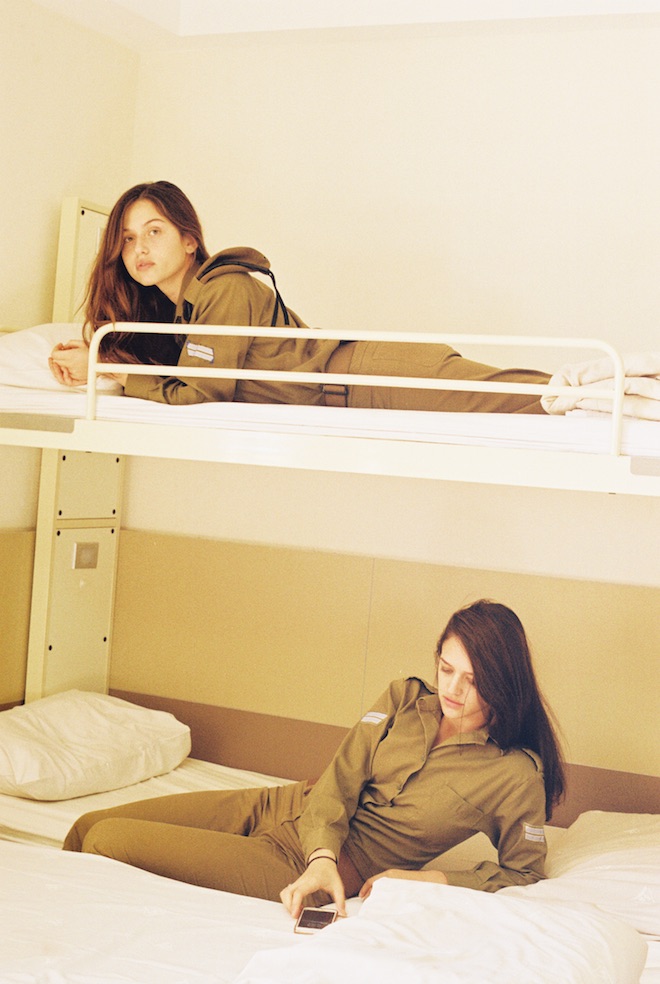
Having recently released a striking series which focusses on Israeli soldiers during their military service, we caught up with her to discuss process, pink and the power of underwear.
Can you talk a little about how you got started as a photographer?
I got my first camera in high school, it was a terrible digital camera with an adjustable screen like the first “selfie” camera and I remember being obsessed with it. I started documenting everything around me, not in a very artful way but it was when I realised how important it is to record. I grew up dancing and was surrounded with all this beauty, resilience and passion that inspired me to create photos in a similar way- part of the reason why my work is female centric. A couple years after I got a real film camera from my uncle, he found it at a flea market and thought I’d be into it.
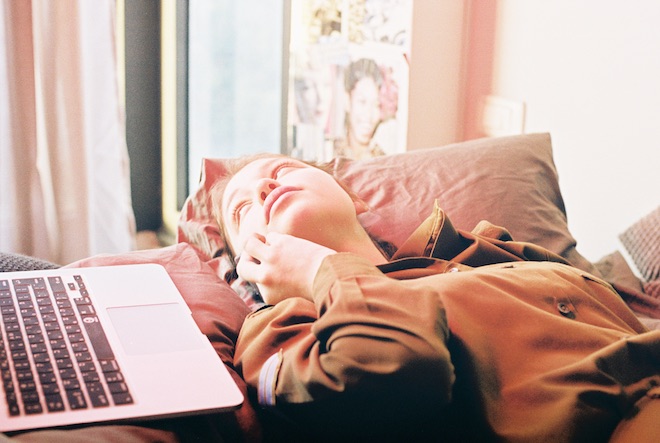
What are you looking for when taking a picture?
Emotions. I’m strongly followed by my subjects, it’s usually a certain mood or feeling that I get from them and I’m there to create the most relaxed atmosphere for it to just happen. I try not to direct much and focus on getting to know the people I shoot. It can be very conversational and casual on set, the more time you spend with someone the better it gets and that’s why I like working with muses that repeat in my photos over and over again. Same for locations, less obvious photos are taken in places I’m more familiar with.
Who / what are your influences?
Film, I think it’s the highest form of art. I really like coming of age stories because of the awkwardness of being misunderstood. My mom is a main force in my life that always inspires me and so are my friends and collaborators. The internet too <3 (:
What is it about colour, and particularly about the candy – palette you work with, that you are drawn to? Is colour vital to your photographs?
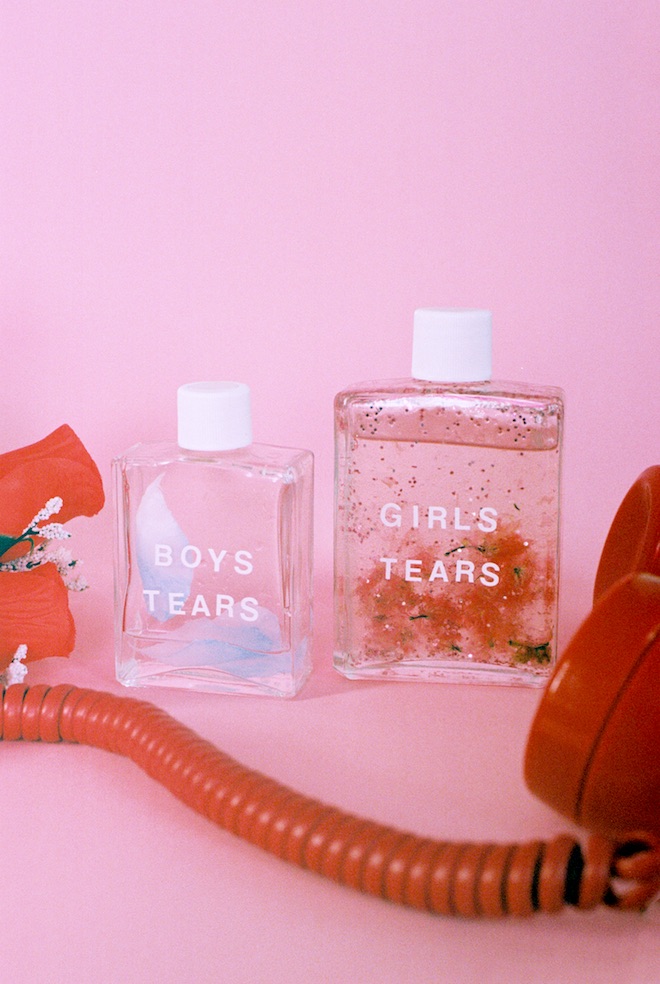
Photos can be treated like paintings, especially with film because it’s a physical format. adding colour through light or objects is just one way to play with it. Pink was always my favourite colour, i just see it everywhere almost in a magnetic way. I’m a very spacey person and i get distracted easily, objects that are in that soft colour palette are the first thing I notice in a new space and I find it comforting.
Do you prefer working with natural light and in a spontaneous way, or are your photographs carefully crafted?
Mostly spontaneous and in daylight, I have some light tricks that are probably not professional at all but work for me. I do love set design so that is something that is always planned and considered.
You own and subvert the idea of the gaze, why is it important to photograph women in this way?
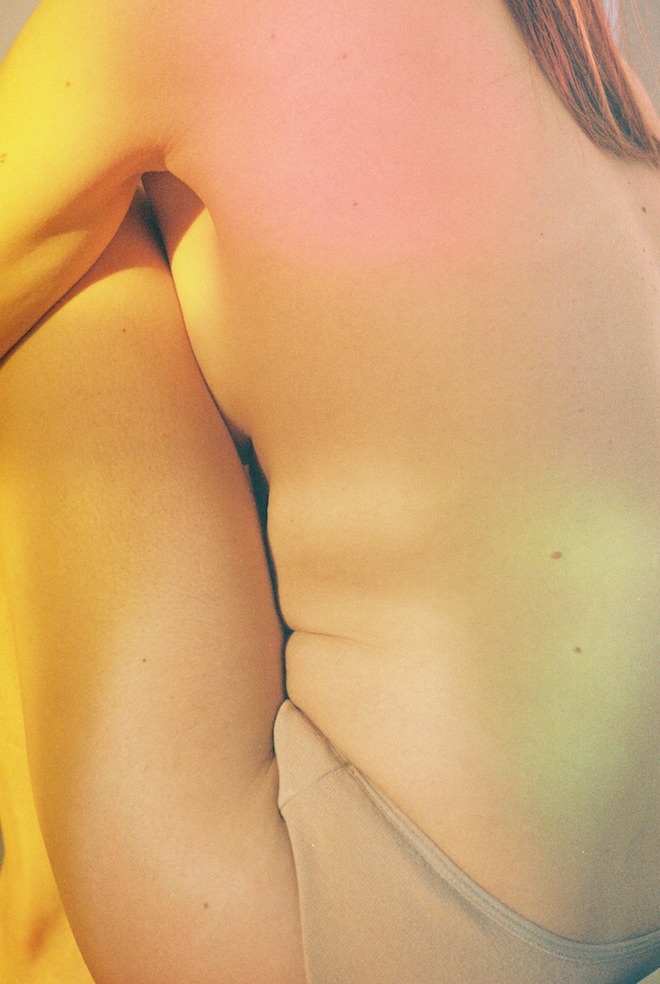
The female body is either capitalised for looking a certain way or shamed for not looking that certain way. Female intimacy has a lot more to tell and when I take photos I try to look at the body for what it does, not mediated by the male perspective but with full awareness of this gaze and its history. It is more interesting to see women feeling comfortable and celebrated in all shapes and sizes, still without being fetishised.
I found your series of photographs on Israeli soldiers particularly striking and powerful. How did this project come about?
Growing up in Israel it was very normal to see soldiers everywhere: in the mall, in restaurants, on public transportation. I served for two years between the ages of 18-20, that’s when it’s mandatory for girls. Looking back I mostly remember the frustration and my personal refusal to adapt during that time. I barely took any photos during my service and I regret it, I felt so uncomfortable in the uniforms that I couldn’t imagine it as a subject at all. After moving to NYC and having enough time away from my personal experience in the army I realised it is worth revisiting and documenting. Because in my case I felt completely unseen, having to put aside my political views and goals I wanted to find a way to voice other stories beyond the visual conformity of the uniforms. It was refreshing to find alluring singularity with each of the girls I shot. Photographing female soldiers wasn’t about taking sides or supporting the army in any way. I think the reality of teenagers going into mandatory service, regardless to their views and opinions, is worth documenting considering the extreme political context.
You and Julia Baylis have made an exciting impact with Me and You. How important is collaboration to your work?
Collaboration is so significant to what we do because female friendship and support is where it all started, it is a beautiful exchange that we have with our friends, followers and collaborators. Julia is my best friend and an amazing artist on her own, growing together is a powerful thing that I’m so grateful for. Me and You came together as a reflection of our friendship and grew into a community of like minded girls who inspire us to keep going. It is our baby project and our home.
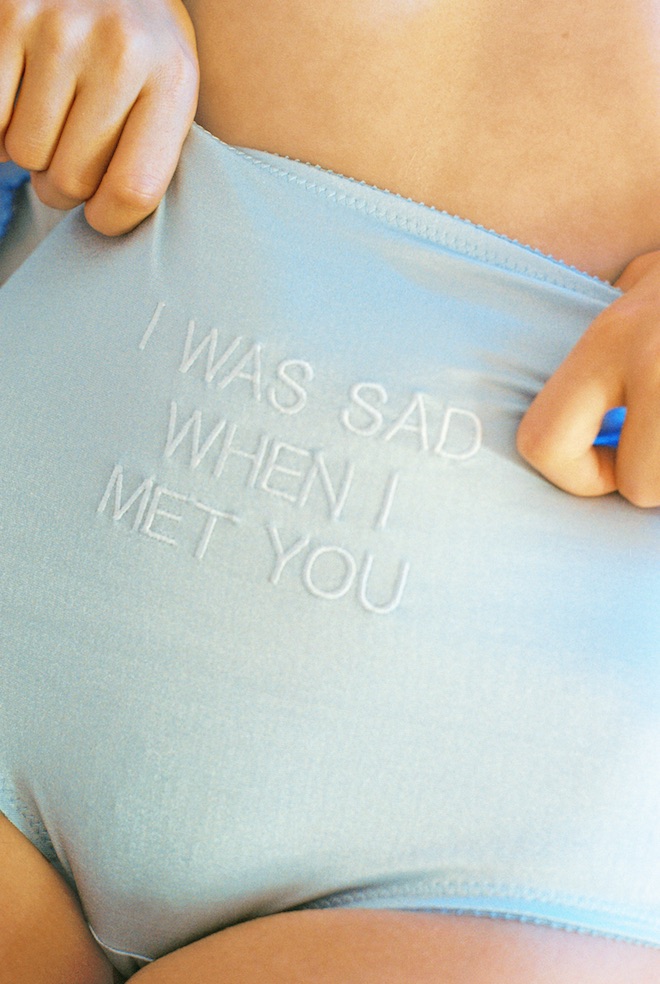
What is it about underwear that’s so alluring?
It’s intimate and personal, the first thing we put on the last thing to take off. It is something we wear for ourselves so it has to be a fun choice.
What are you working on at the moment, and what’s in store for the rest of 2016?
I’m going to continue the Girl Soldiers project, hopefully into a book! Next up is a music video for my friends at ‘Garden City Movement’ which I’m really excited about, can’t say much but we are going to focus on gender fluidity because it’s a beautiful thing. I’m always working on Me and You with Julia to keep expanding our message and other creative collaboration projects as well.
Mayantoledano.com
Tags: Girl Soldiers, Israel, Julia Bayliss, Mayan Toledano, Me and You
The City Is Abstract
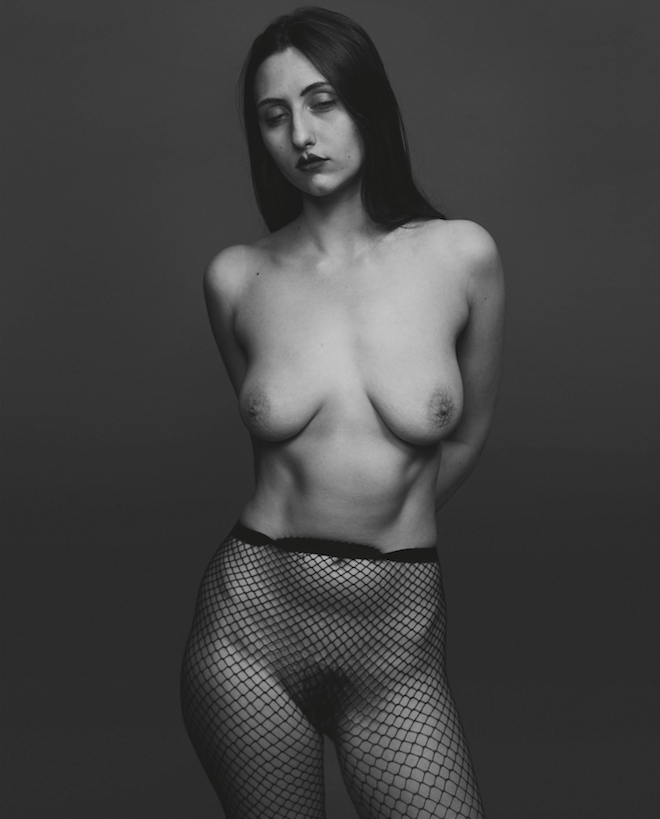
In her latest work, photographer Sarah Piantadosi documents the brief but intense relationship between performance artist Emil Bognar-Nasdor and writer and dominatrix Reba Maybury – who are New York and London-based respectively. The result is The City Is Abstract, a powerful zine which explores the themes of distance, lust and wanting.
This show follows on from the success of last year’s Milk Jagger, which was a study in “hyper-masculine, eighties homoeroticism”. The City Is Abstract gallery show opens with a private view (7-9pm) at Ditto in London this evening, so we caught up with Sarah to delve a little deeper into the concept.
How did the project come about?
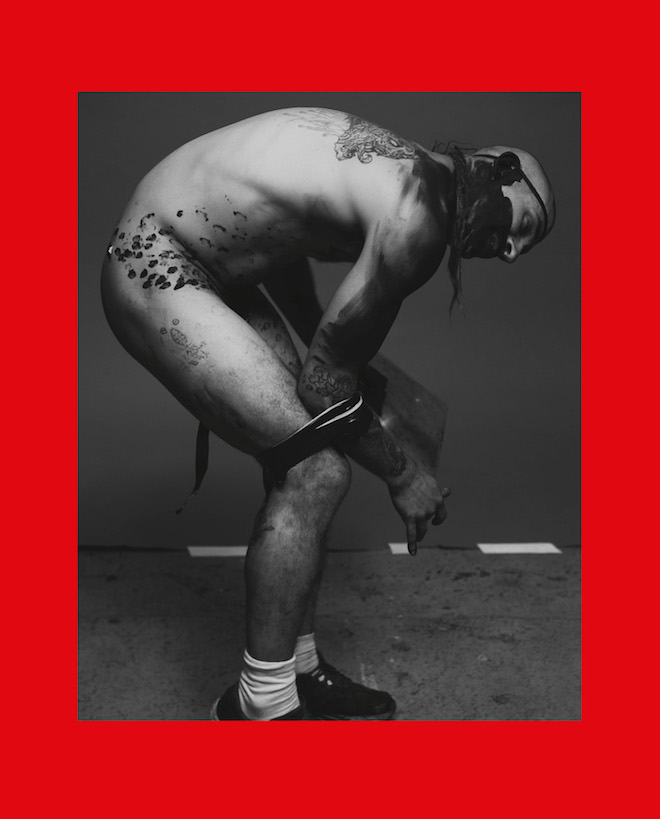
I saw Emil playing in his band Dawn of Humans, on stage he’s naked with his cock and balls tied up, covered in paint and screaming. Its a visceral and unique experience to say the least! I invited him to come to my studio to take pictures, and Reba came along and spontaneously joined in which brought the pictures to a different level entirely.
Do you have a favourite element of it?
There is a rawness specific to both Reba and Emil. An openness and fearlessness.
Do you think desire can really overcome the obstacle of distance?
I’m not sure… This zine is a meditation on the moment and also a reflection on the past. It’s not for me to say how people should organise their relationships.
This is your second event of this kind, does it feel different to Milk Jagger, of last year? If so, how?
This zine feels totally different to Milk Jagger. With Milk Jagger, Michael B. Wallace and I were expanding on an alter ego. It was a fantasy character and a lot of fun to mould and shape into a narrative for the zine. The City is Abstract feels more raw and real. Its portrays two unique artists, who at the time of shooting were in a relationship. Because of this the pictures are really personal to them and at times painful. I’m usually in a position to make a subject feel great about themselves, there are aspects of this project that won’t fulfill that goal and it sits very uncomfortably with me.
What did everyone involved bring to the table?
Reba and Emil have such specific styles. Emil has honed this painted primal look with Dawn of Humans. Reba has a particular look with her lips painted into pointy arches, and her way of carrying herself. They both inspire me a great deal and this zine would never exist with different individuals. Jamie Andrew Reid art directed this project and brought a visual style to the zine thats different and exciting for me. Ditto gallery have also been incredibly supportive, I owe them a big thanks.
What’s next after this?
The City is Abstract is all black and white and quite dark and fetish feeling. I’m really excited to try something very colorful and for the next zine… I have a few ideas up my sleeve but cant share just yet!
The City Is Abstract runs from 2nd – 10th June, 2016 at Ditto (4 Benyon Road, London N1 5TY). For further information click HERE.
Tags: Emil Bognar-Nasdor, Reba Maybury, Sarah Piantadosi
‘Nobody Believes That I Am Alive’
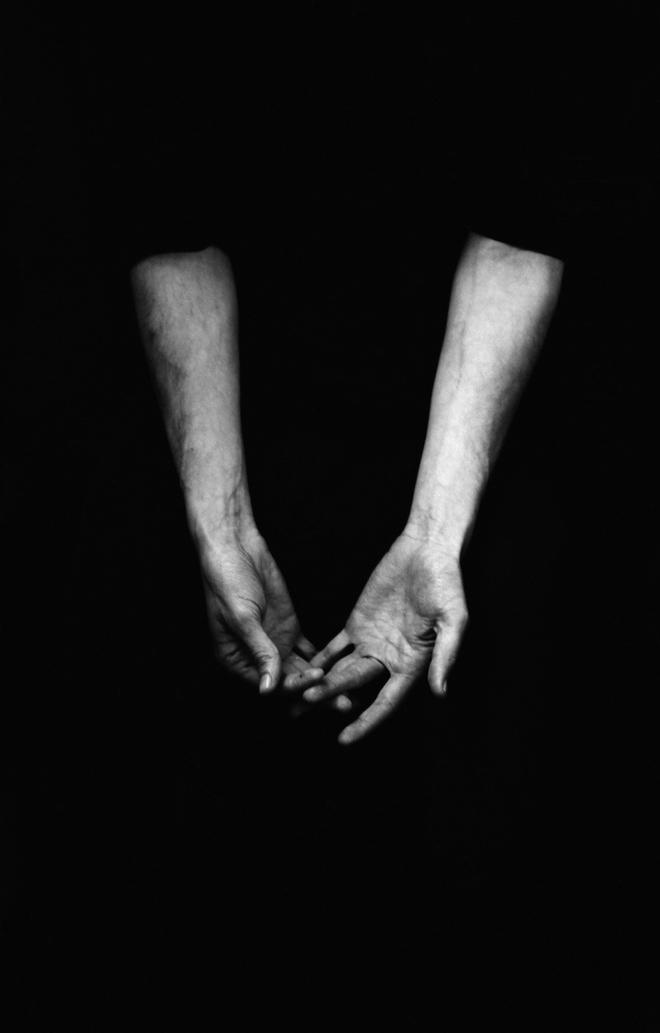
Growing up in Minsk, now Belarus, before moving to the United States and later France, Alexandra Catiere learned early on to immerse herself in a universe of her own. This is a skill Catiere has taken with her into her photography, where she documents intimate moments that all make a passing comment on the transient nature of time and the ephemerality of life.
Through her distinct visual language and exploration of both sensation and atmosphere, she manages to avoid the cliches of naked young people shot with flash on a 35mm point and shoot camera. Instead, her inspiration and style aligns itself more closely to that of the legendary Irving Penn, who she worked alongside in 2005 shortly after graduating from the International Centre of Photography (ICP). Her works are in the same nature of Penn’s—classical black and white images, begging the audience to study the world in which they are taken without a preconceived notion of context.
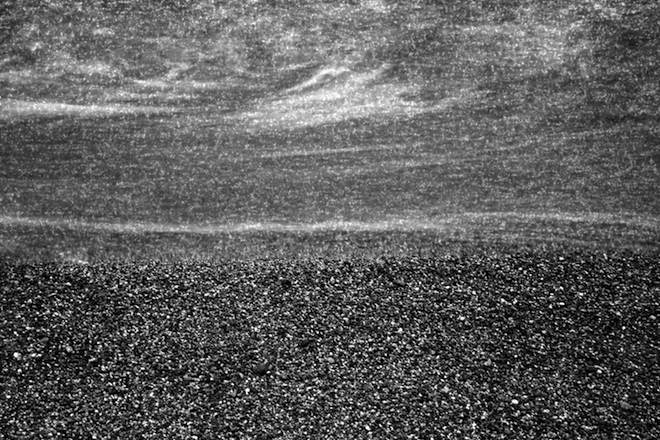
A new exhibition – Photo London – which has just opened in London at Somerset House, explores Catiere’s work in the form of a three-part series: ‘Here, Beyond the Mists’, ‘Land without Shadows’, and ‘Nobody Believes That I Am Alive’. The exhibition deals with themes such as time, realisation, life and death in a way that underscores Catiere’s own belief system “that death does not and can not truly exist, while memory still remains”.
When asked to describe the photographers work Nathalie Herschdorfer, the curator of this exhibition says: “Catiere’s photography is of an intimate and independent nature. It deals with the passing of time, outside of the narrative realisation. Time stands still. The beings and places that she depicts seem to come from a distant past but nonetheless seem to be anchored in the present. Catiere’s photographs enthral us, they seduce us and call us into question.”
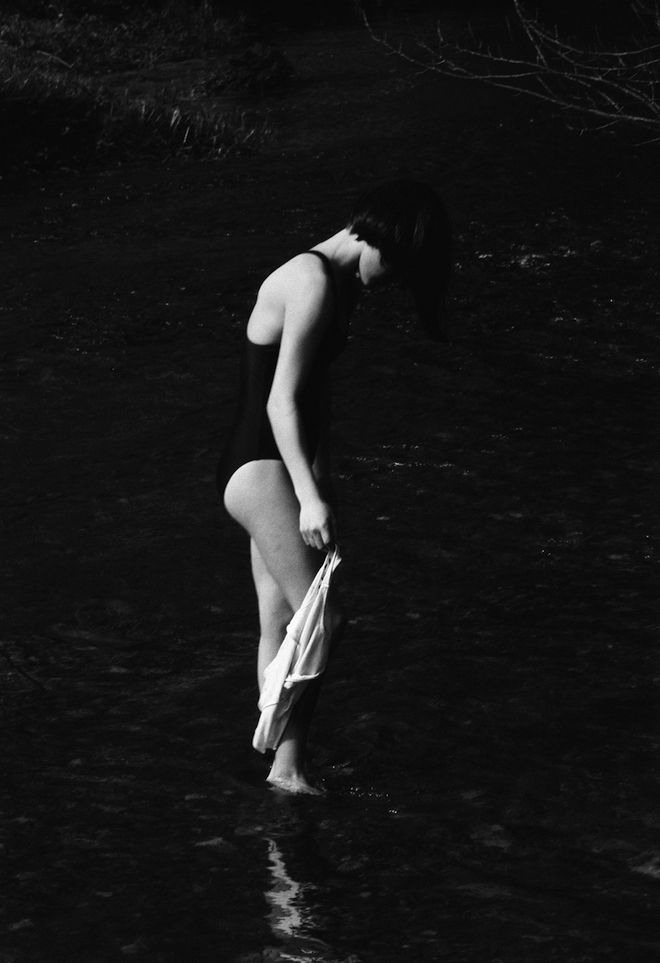
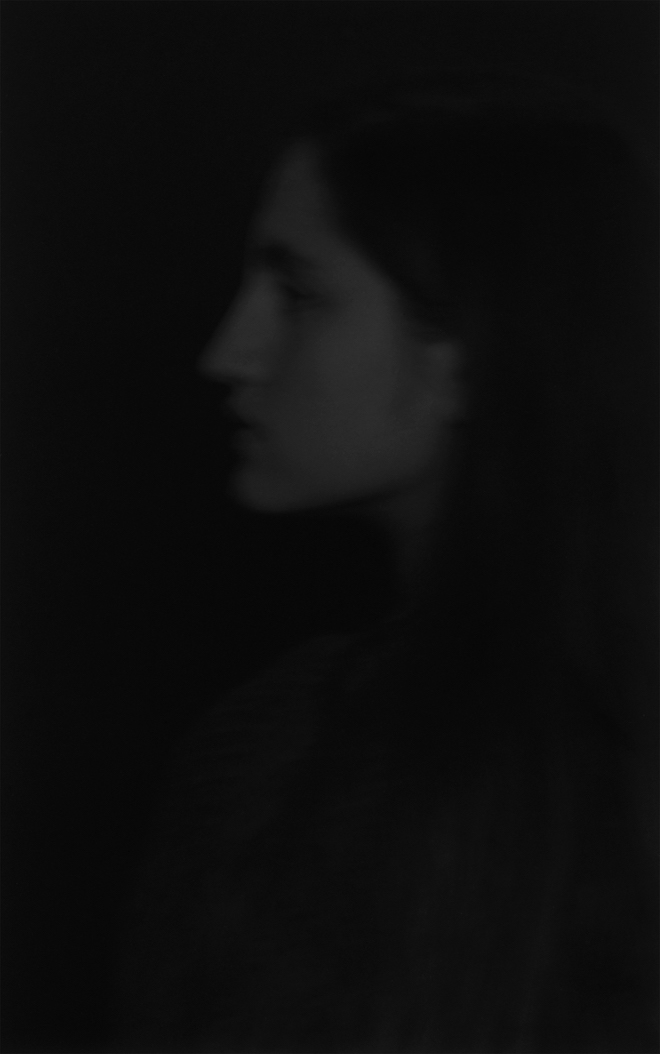
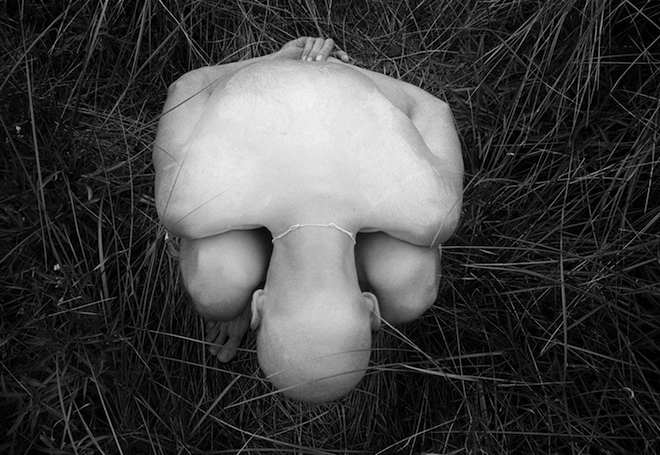
The exhibition is on now, and runs until 22nd May 2016 at Somerset House, London, Booth F7.
Alexandracatiere.com // Somersethouse.org.uk
Tags: Alexandra Catiere, Irving Penn, Photo London, Somerset House
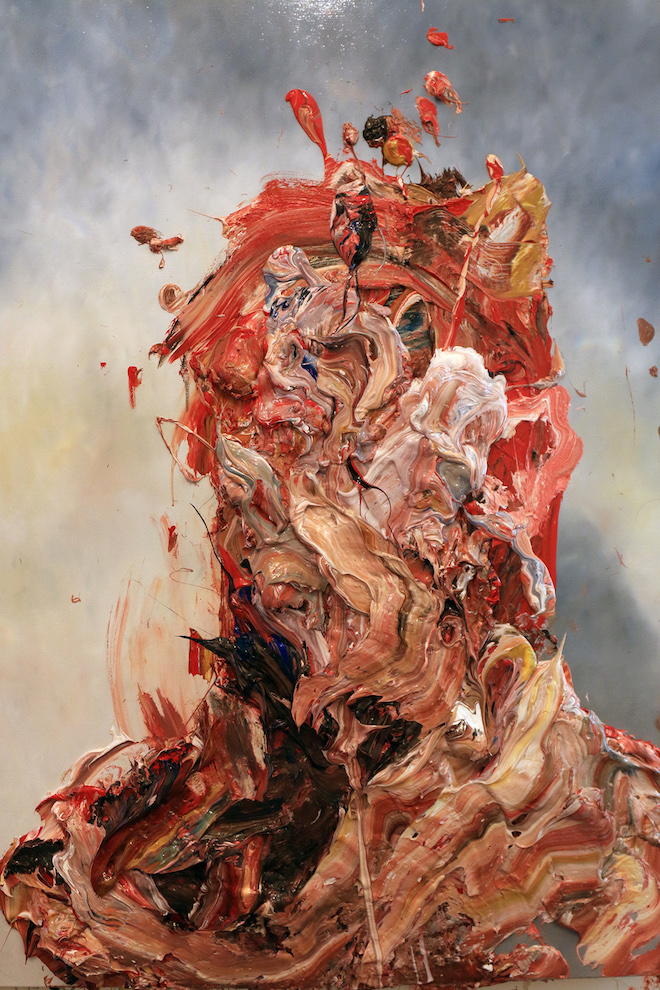
‘Raw Intent’ by Antony Micallef
Open now and running until the end of June, acclaimed British artist, Antony Micallef is exhibiting his debut solo Hong Kong show, ‘Raw Intent’ at the prestigious Pearl Lam Gallery in Hong Kong.
Recognised by the art world, Micallef, who draws inspiration from the old masters has been called “this generations Francis Bacon” by Sotheby’s. This is evident through his latest evocative series of work, ‘Raw Intent’ which focuses on the movement of paint, and explores its relationship between the artist, the brush and the canvas.
“Raw Intent is a body of work that uses the mechanics of paint to unearth and excavate emotion using myself as a vehicle. I want the medium to evoke something visceral and emotive without illustrating it. The figures are distorted, pushed and pulled until they start to ‘breathe’ on their own. The object of the work is to instill and convey a sense of energy and life. Emotions are projected onto and tested on these found figures, and the form is stretched to its limit, like subjects in a science lab. I’m interested in that space where the figure almost disintegrates but somehow stays intact, leaving a sense of friction and raw distortion. The medium is celebrated and used in full force in many different ways with many different tools to render life that echoes traces of our emotional field.” – Antony Micallef
The exhibition is on now, and runs until 30th June 2016 at Pearl Lam Galleries, 601 – 605 Pedder Building, 12 Pedder Street, Hong Kong.
Pearllam.com
Tags: Antony Micallef, Art, Hong Kong, Pearl Lam Gallery
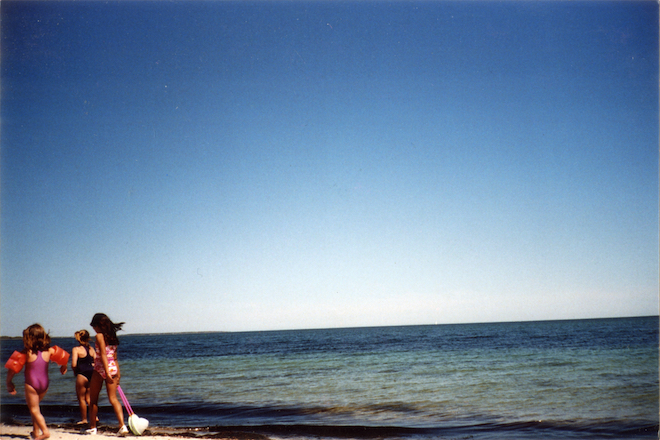
Grear Patterson’s True Romance
This summer, New York-based artist Grear Patterson is presenting an exhibition at London’s Marlborough Contemporary which is centred around something that is often thought of as an ever-deteriorating concept: true romance. With Tony Scott’s seminal film of the same name serving as the catalyst as well as the title, he has produced a series of mixed-media works that both encapsulate and explore the theme.
Utilising the “visceral vernacular of the sunset as an auspicious moment – simultaneously a romanticised ending and yet a promise of new beginnings” – each piece is a study in pop-culture, imagery and processes of perception, all of which have become recurrent motifs in Patterson’s work over the years.
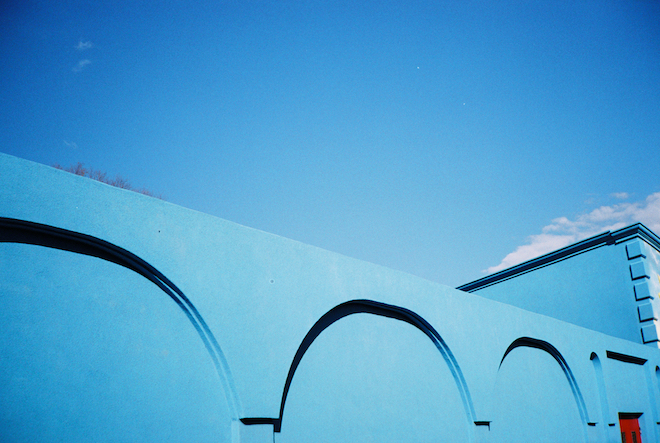
Grear Patterson, Blue Bronx (2010), c-print, 13 x 20, Courtesy the artist and Marlborough Contemporary, London
The symbolism of the sunset is explored both literally and figuratively elsewhere in the show – with banana trees and hammocks physically present within the gallery – further adding to the stereotypical idea of a tropical sunset, especially as is so commonly seen through the millennial lens of social media.
A plethora of found materials – from parachutes, wedding tablecloths, boat sails and vinyl – make up the large scale sunsets, while smaller works are comprised of block colour paper works in purples, pinks, blues, oranges and greens become a “memorialisation of youthful possibility, oddesey and adventure”.
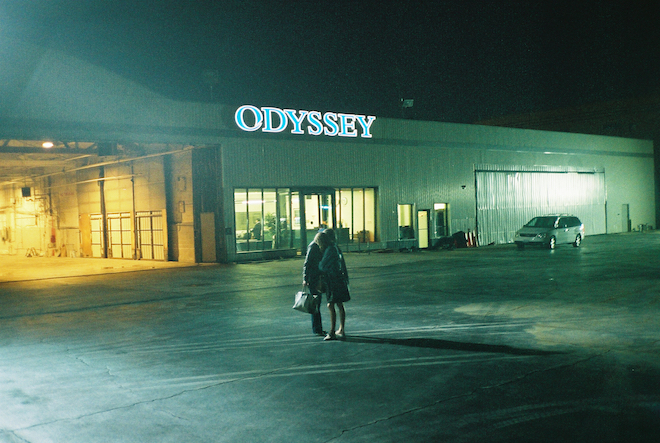
Grear Patterson, Odyssey (2008), Photograph, Courtesy the artist and Marlborough Contemporary, London
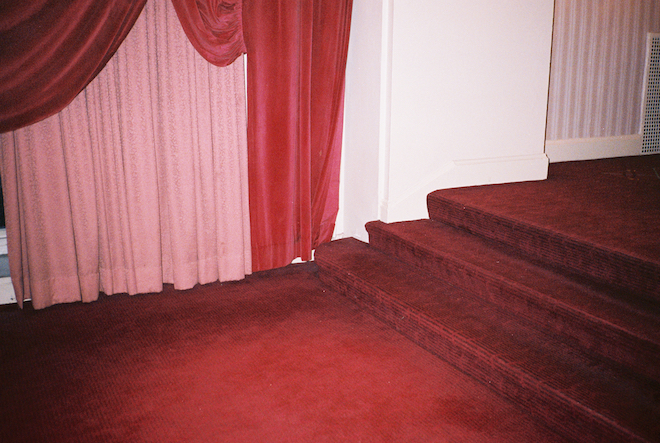
Grear Patterson, Quiet Corner (2010), Courtesy the artist and Marlborough Contemporary, London
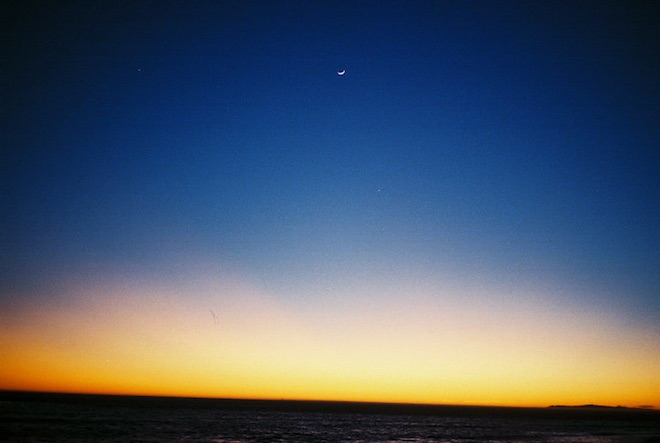
Grear Patterson, Moonrise (2016), Photograph, Courtesy the artist and Marlborough Contemporary, London
Main image: Grear Patterson, Beachstrollers, (2008), Photograph, Courtesy the artist and Marlborough Contemporary, London
Grear Patterson, True Romance, Marlborough Contemporary, 24 June – 23 July 2016.
Marlboroughcontemporary.com
Tags: Grear Patterson, Marlborough Contemporary
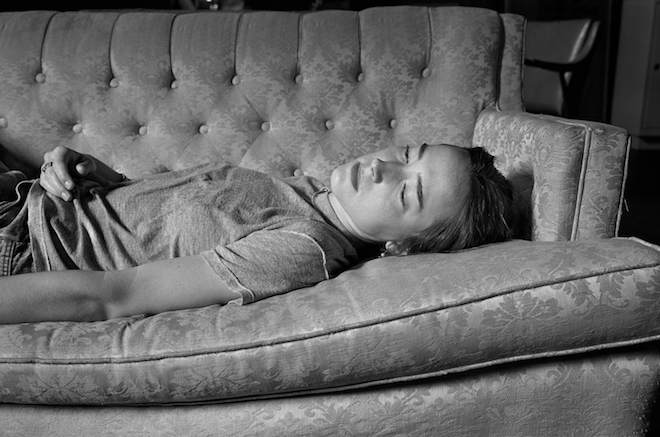
Mark Steinmetz: An Unforced Narrative
His subject is one that has been much documented across the arts, but photographer Mark Steinmetz lends a unique eye to the chronicles of contemporary American life. Whether capturing everyday happenings within a Cleveland school or the natural environment of Sandy Creek, the photographer’s ability to imbue images with unforced narrative consistently delights.
This capacity to scrutinise the idiosyncrasies of daily life whilst remaining aloof from the frame allows Mark Steinmetz’s photographs to both transcend and embody their moments in time, rendering his images powerful historical documents as well as works of art. With a ninth monograph, Angel City West out on Nazraeli Press, we asked the photographer to lend insight into his work, inspiration and future projects.
When did you first start photographing?
I started very early on. My parents gave me my first camera around the age of six. I have many clear memories of photographing when I was a child. I remember that framing a scene was always a pleasure for me; I liked making the decision of whether I needed to stay standing up or whether I should scrunch down or move in closer in order to make the best picture. I had set up my first darkroom in my home at the age of 12.
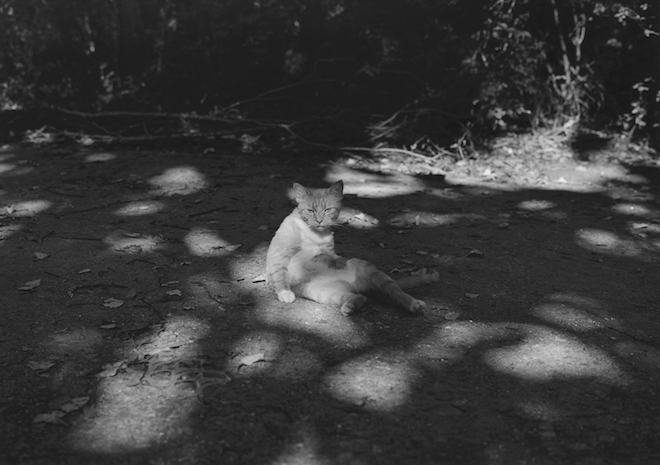
Ancient Tigers, 2007
Can you talk a little about the Angel City West series as a whole – how did they come about, what camera were you working with and what were you looking for when taking these pictures?
I was 22 and restless. I had moved to Los Angeles after having left the Yale School of Art after my first semester. In LA, I met the great photographer Garry Winogrand and was able to photograph with him on several occasions. I used a Leica primarily but also dragged around with me a twin lens reflex. My impulse was just to make interesting pictures that were realistic but still had an independence from (and weren’t exactly responsible to) anything that might really be going on. I was exploring the fictional strangeness that’s intrinsic to photography when you extract an image from the flow of life and I was trying in my youthful way to match or supersede what photographers such as Winogrand or Robert Frank had done.
What is it about black and white that you’re drawn to?
Black and white is what I was looking at when I started to photograph and it’s the medium of the great masters I admire most. There’s a removal from the world with black and white; it strips away one of the levels of illusion from the world. It seems to concern itself more purely and strictly with structure and light. Colour photography needs to be primarily about colour, and to me it seems rare that it can be controlled in any coherent way since the relationships between the colours take over and can too easily overwhelm what’s really of interest and importance. But then again we see in colour and that’s what most everyone in photography has been up to lately.
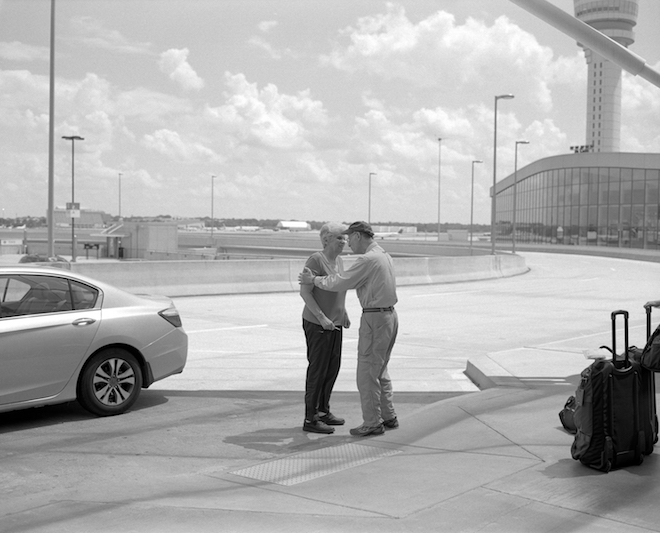
Atlanta Airport, 2015
How important is a sense of place to your portraits of people?
I tend not to have less interest in photographs of people where they are placed against a neutral background. The subjects then seem like butterflies pinned in a collection. Richard Avedon’s group of portraits in the American West are strong but it makes little sense to me that he puts the people he’s photographing against a white backdrop instead of leaving the gas station or the road behind them as background. I much prefer placing subjects within a context. The scenes are less sterile that way and more convincing. That’s how life is.
You often photograph people in motion, or seemingly unaware. How did you develop this style?
I prefer photographs where it feels like something is happening or about to happen, where a moment is suggested. Walker Evans photographed people surreptitiously in his series of subway photographs for the reason that “the mask is down” when people don’t think anyone is watching them. I’ve always been a quiet person. I don’t make waves and I don’t startle people. Many of my portraits seem natural as if they are not aware of being photographed, but I’ve had to talk to them and gain their permission in order to position my fairly large camera exactly where I want it to be in order to make the picture I want.
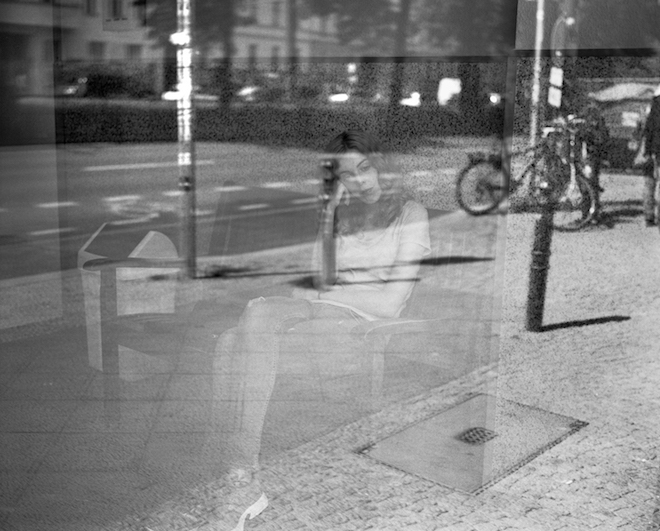
Berlin, 2014
In general do you see the role of a photographer as a watcher as opposed to someone that is present in the picture?
Koudelka is a great photographer but in his book, The Gypsies, the subjects are looking at him and responding to his presence. It’s up to each photographer to define photography on his/her own terms. In my case, my mother was French and I’ve spent a lot of time in France where people sit in cafés a lot and people watch. That’s how I photograph for the most part. I don’t intervene.
The Angel City West series was taken in the ’80s, are you still interested in the city and the people when you look around at Los Angeles today?
Yes, very much so. I’d like to spend more time there to photograph. Los Angeles remains a very interesting and unique place. Like Paris, it is a terrain that has been explored a good deal in cinema, photography, and literature, so there’s an audience that already has an understanding of the place. That means you can plunge right in. You don’t have to start at zero to establish a context for your body of work as a context already exists.
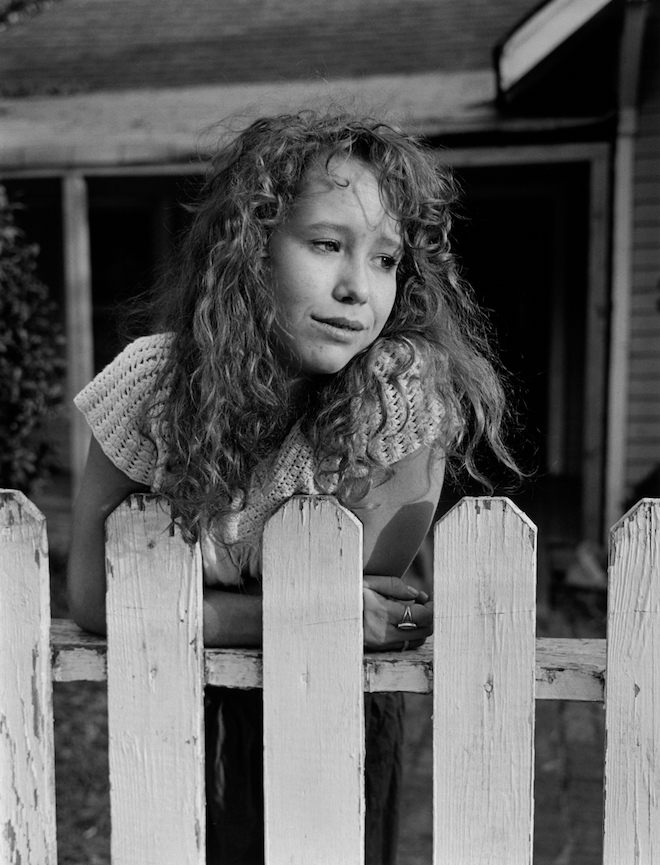
Knoxville, 1991
I love your Sandy Creek series, did you find it challenging to capture the natural world in the same spontaneous way?
Thank you for loving the series. Like most people I need a break from time to time and photographing in nature allows me to unwind and to photograph without any of the stress of photographing in the cities. The trees don’t talk back to you. It’s a very different problem. I think nature has a lot to teach us and particularly anyone interested in the design fields needs to take a serious look at what nature has come up with. Robert Adams and Atget have been helpful to look at.
Generally speaking, what are your influences?
Anything in life can be an influence. Some things stick to you, some things don’t. In photography, Atget, Evans, and Winogrand are the great influences but there are so many.
What are your projects for 2016 / 2017?
Right now I’m working on a commission from the High Museum in Atlanta to photograph at the Atlanta airport – that will be a show in 2017. I’ve also been photographing in Europe a good deal and in particular in busy public areas in Paris, Berlin, and Milan. I should have a book on summer camps come out next year and possibly one later this year of unpublished photographs from the American South (no titles for the books yet).
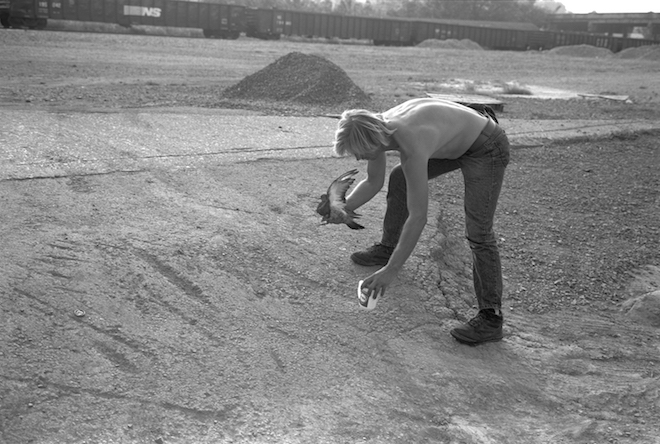
Knoxville, 1993
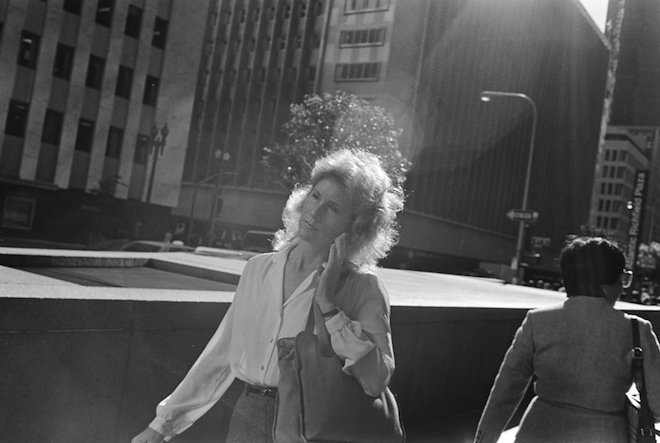
Los Angeles, 1983
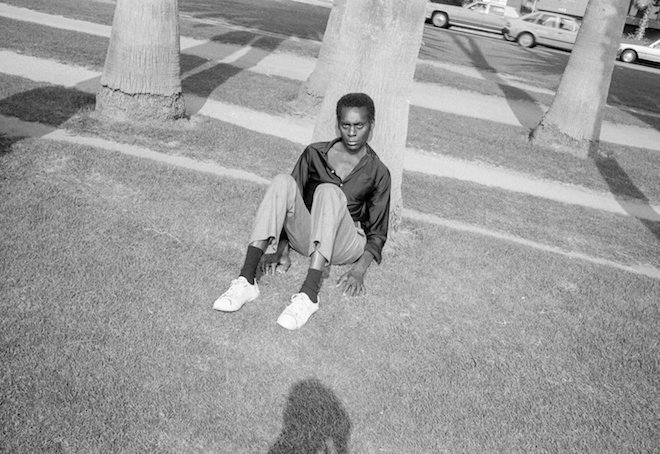
Los Angeles, 1983
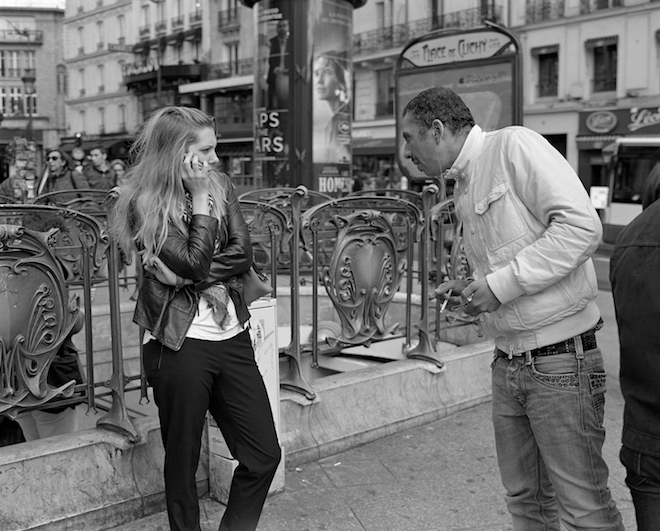
Paris, 2014
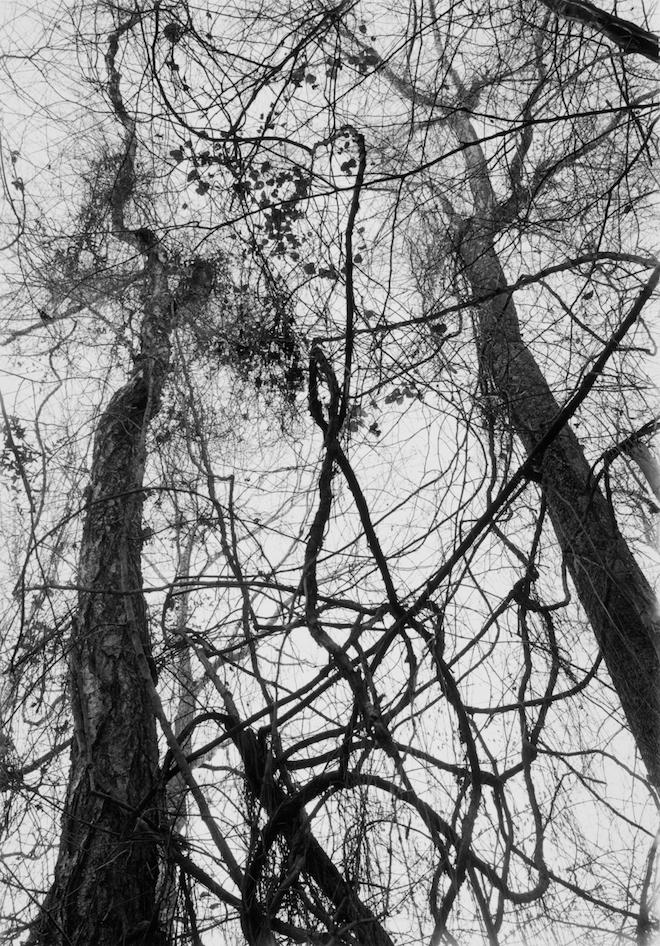
Sandy Creek

Sandy Creek
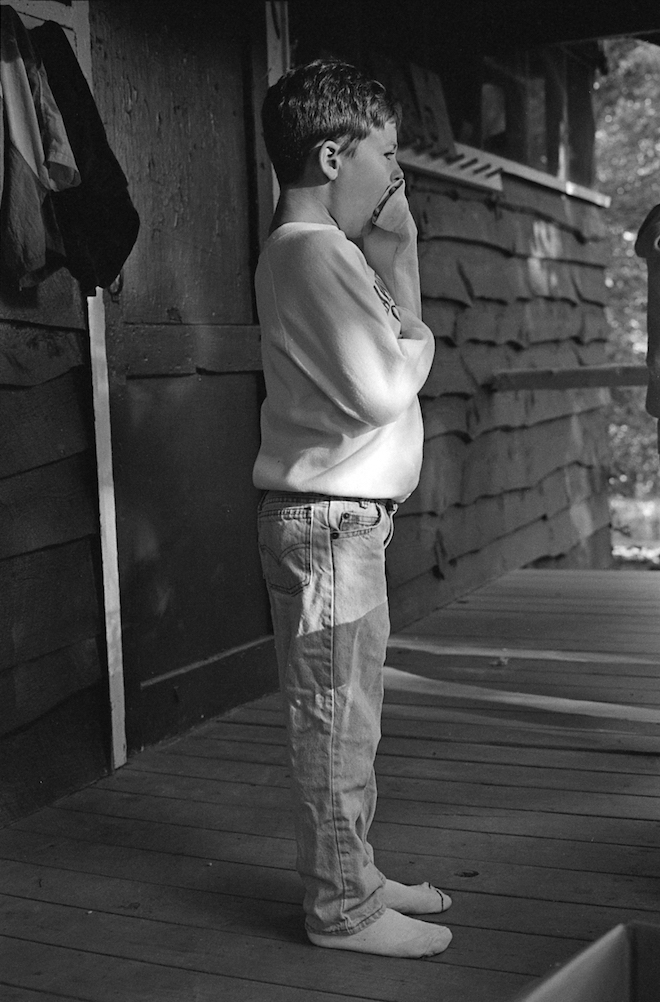
Summer Camp, 1997
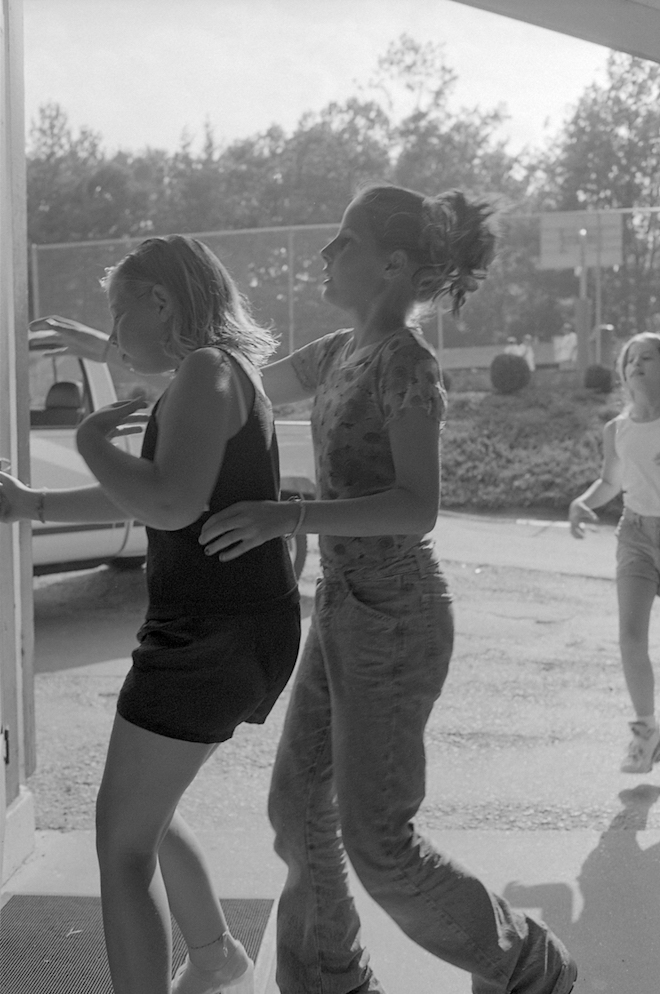
Summer Camp, 1997
Marksteinmetz.net
Tags: Garry Winogrand, Los Angeles, Mark Steinmetz, photography
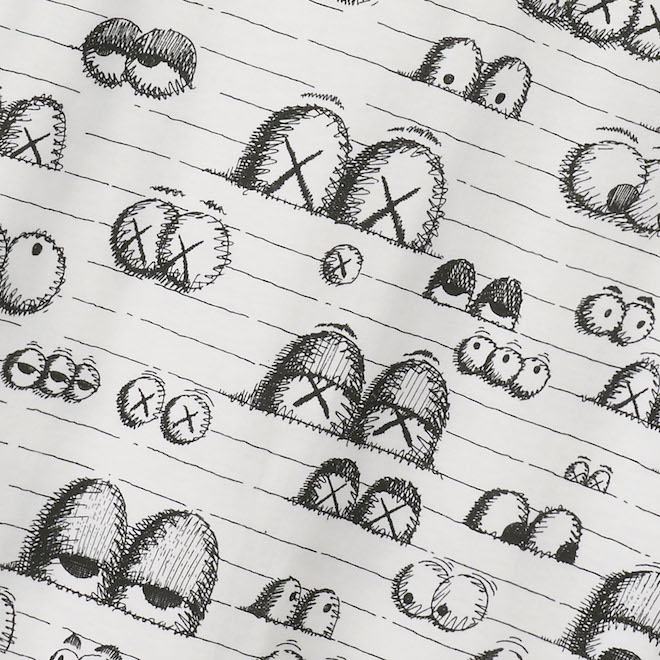
UNIQLO UT x KAWS
High street staple providers Uniqlo are about to unveil a brand new collaboration for SS16 with Brooklyn-based artist, KAWS.
The 25-piece collections will see the characteristically playful work of KAWS adorning everything from their line of UT (T-shirts) to totes bags and room shoes.
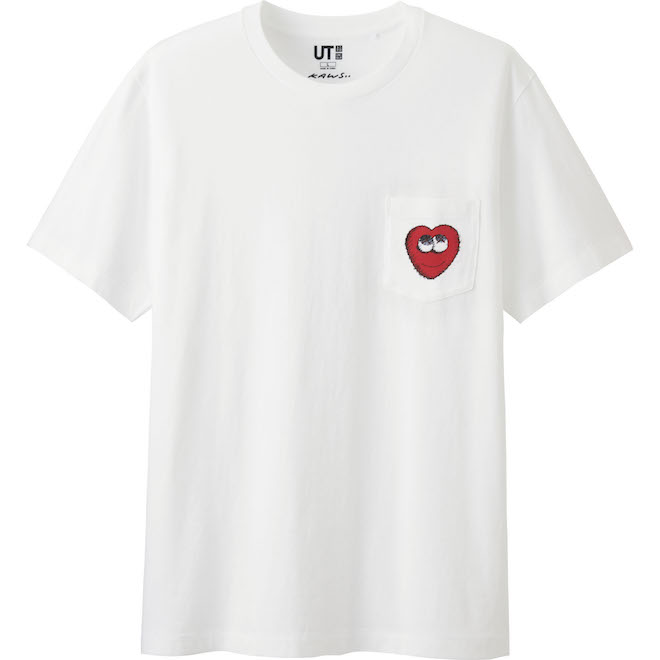
Due to launch in the brand’s Fifth Avenue Global Flagship store on 22nd April, and then throughout the world and online, customers will have the chance to invest in items adorned with KAWS’ iconic ‘companion’ character, as well as his beloved heart, cloud and double-cross motifs.
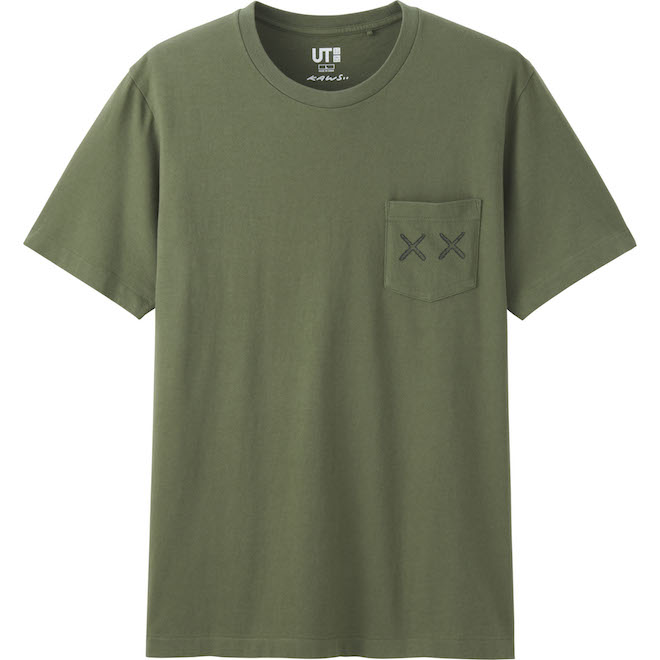
Described as one of the most relevant artists of his generation, KAWS studied illustration in Manhattan in the early ’90s and has now become well-versed in, and known for, his street art, graphic and product design, paintings, murals and large-scale sculptures.
Prices for the graphic T-shirts begin at £12.90.
uniqlo.com
Tags: collaboration, KAWS, Uniqlo

Auroratone by Rose Pilkington
A graduate of Central Saint Martins, graphic and moving image designer Rose Pilkington‘s work is a welcome slice of psychedelia in our otherwise grey-permeated days.
The London-based creative has worked with the likes of Jamie xx, Studio Moross and Dazed & Confused – and now she is about to showcase her very own exhibition at Dream Bags Jaguar Shoes on 8th April.
Entitled ‘Auroratone’, Rose’s work is not only beautiful, it has been made with healing in mind. Citing Cecil Stokes, an experimental filmmaker from the 1940s as a loose inspiration – whose psychadellic 16mm abstract films were said to improve the mental state of emotionally fractured war veterans – Rose has keenly observed and subsequently utilised the historical link between colour and our state of mind.

By deftly using a combination of varying practices, from optical illusion to 2D and 3D techniques, her work is as transportive as it is visually pleasing. In a world – creatively speaking – that is for the most part hell bent on paring back and minimalism, it’s refreshing to be confronted by such unapologetic and uplifting “eye-candy” pieces.
“Creating these abstracted cavernous landscapes with colourful curves and soft shapes I wanted to assault the senses of the viewer,” says Rose, “impacting their eyes with colour and form, provoking them to feel stimulated by the colour surrounding them. By forcing colour to the forefront of our consciousness, some connection to it becomes apparent and a response is evoked that infiltrates the emotions.”

‘Auroratone’ at Dreams Bags Jaguar Shoes runs from 8th April – 30th June. Click HERE for more information.
rosepilkington.com
Tags: Cecil Stokes, Dazed & Confused, Dream Bags Jaguar Shoes, Jamie xx, Rose Pilkington, Studio Moross
Dakota Ditcheva by Tom Sloan
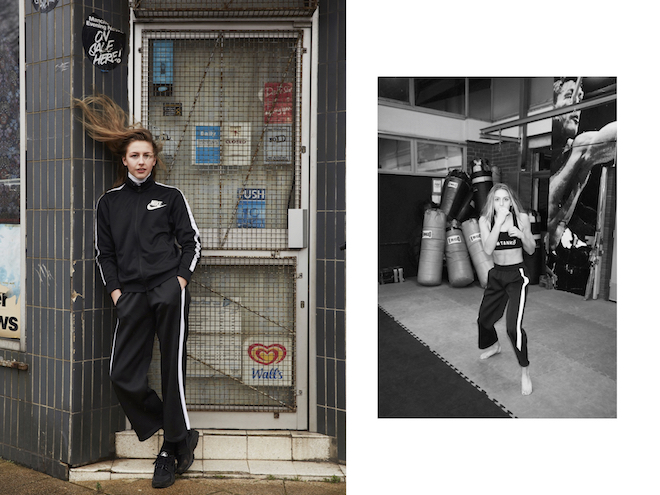
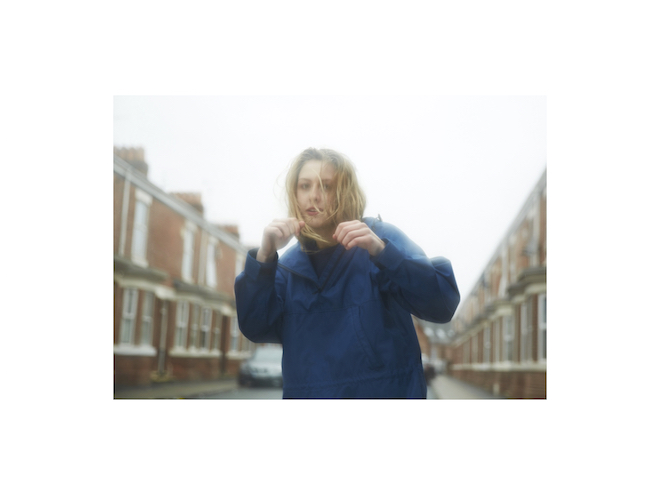
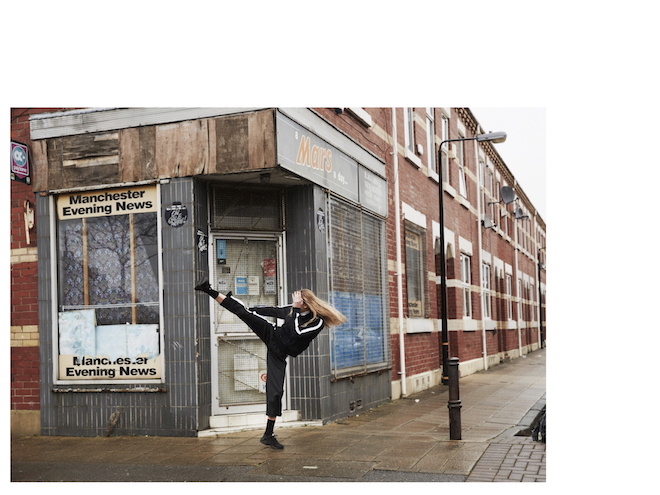
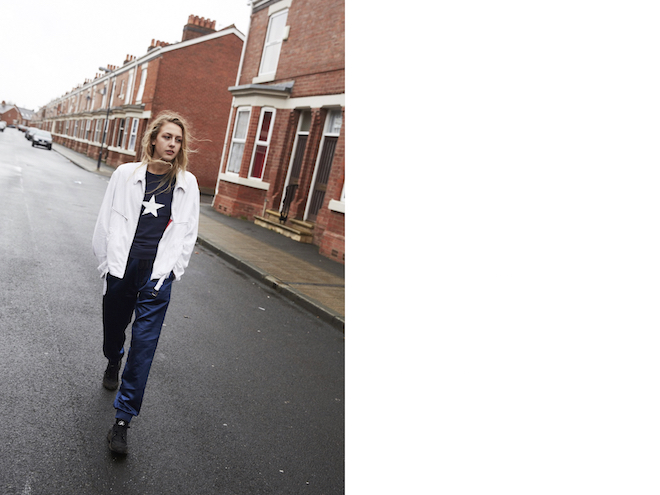
Northern Soul, The Smiths, Joy Division, acid house…Manchester’s cultural (and subcultural) legacy is legendary. Today tells a somewhat different story. The Hacienda’s been bulldozed and turned into flats, and the proudly-Labour city has felt the fog of Tory austerity descend. As the hangover of Manchester’s past lingers, London-based photographer Tom Sloan believes that it’s youth culture is deep rooted and immovable.
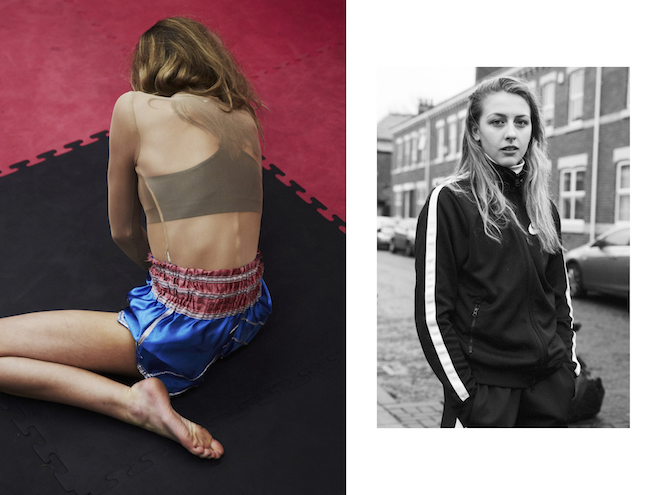
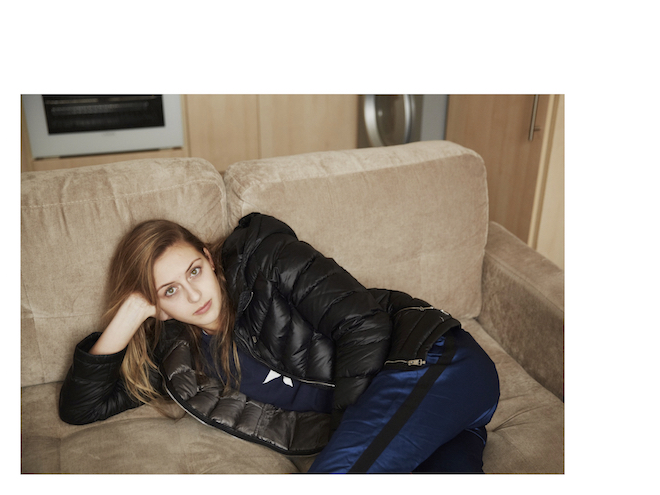
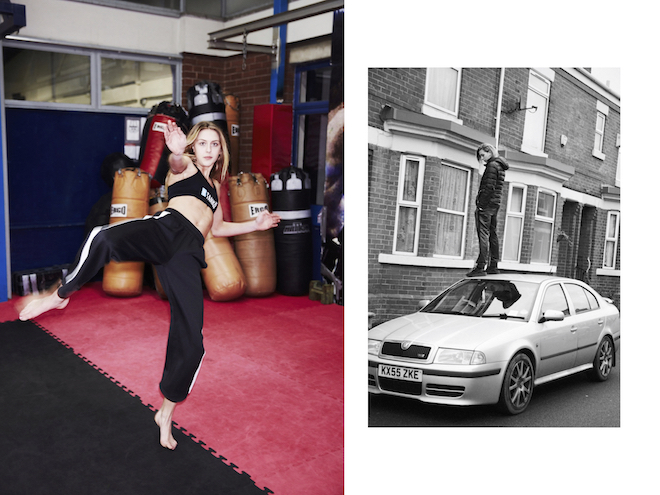
In his second online story for Twin, Sloan meets and photographs Dakota Ditcheva—a 17-year old World Champion Thai Boxer from Sale, Manchester. In line with the rest of his work Sloan hopes to shed light on the importance of youth:
“One of the great things about boxing is how it works – perhaps more so than other sports does – as a platform (quite literally) for these kids to perform, and that’s what I try to do, to give British youth an opportunity to showcase what they do best at a stage in life when they are often wrestling with burgeoning notions of selfhood.”
What are the ideas or questions that ignited this project?
So much of my work examines those few years that sit between late adolescence and adulthood. For most, this is a time when the novelty of independence first comes in to play. It’s a universal feeling, but the way young people choose to use it is not. I had a pretty eventful teenage period in Southhampton, hung out with the type of kids I photograph, took drugs, went to parties – the usual stuff. But for Dakota these years were spent in the gyms and boxing rings of Manchester. At 17 she’s at the cusp of ‘adulthood’ and the forefront of women’s boxing – which was included in the Olympic Games for the first time in 2012. In line with the rest of my photography I wanted to show Dakota at home in Manchester, doing what she does best – boxing.
Much of your work depicts youth, and young people—is there a reason for that?
When you are younger you haven’t picked up as much baggage—as tired and overused as that phrase is. You are easily excited, open to opportunity and less conscious. In a round-about way, this brings about two things, first a more honest connection and second a sense of confidence which I look for in youth. That confidence might manifest itself in one kid as he skins up a fat joint on the local rec, or like Dakota through an activity or sport. I ask questions in an attempt to connect with the young people I photograph: what do they like? What don’t like like? Who are they listening to? It’s easy with Dakota she has an clear interest – and I was interested in that.
You shot this story in Manchester. Was it important to give the city a sense of place?
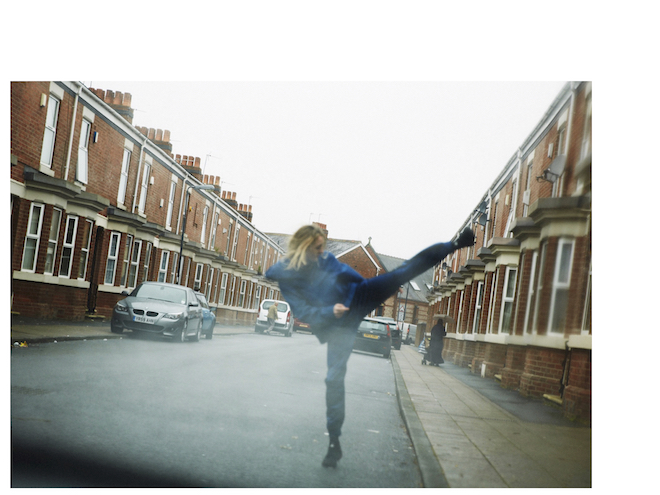
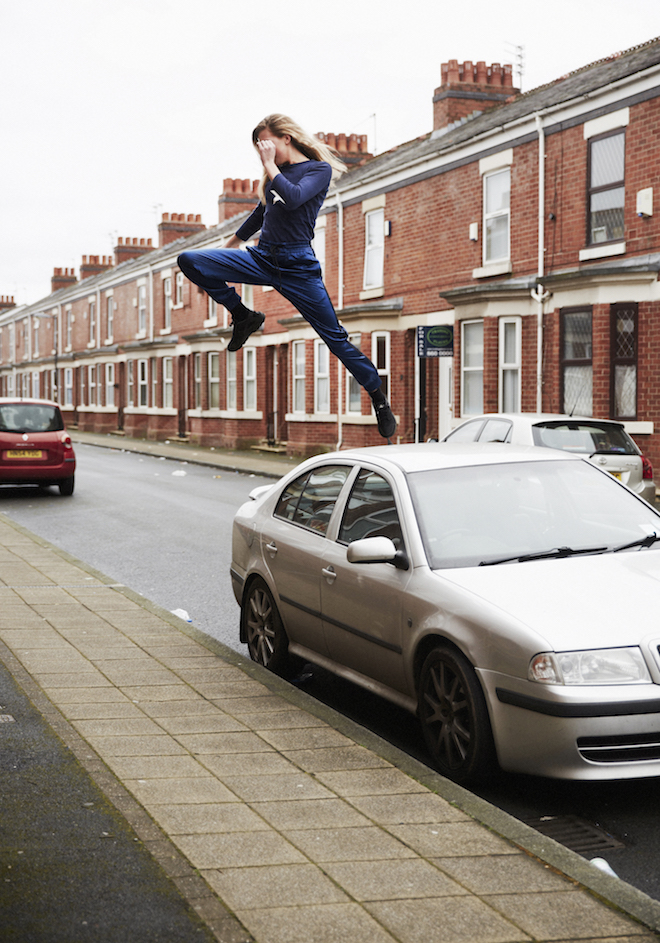
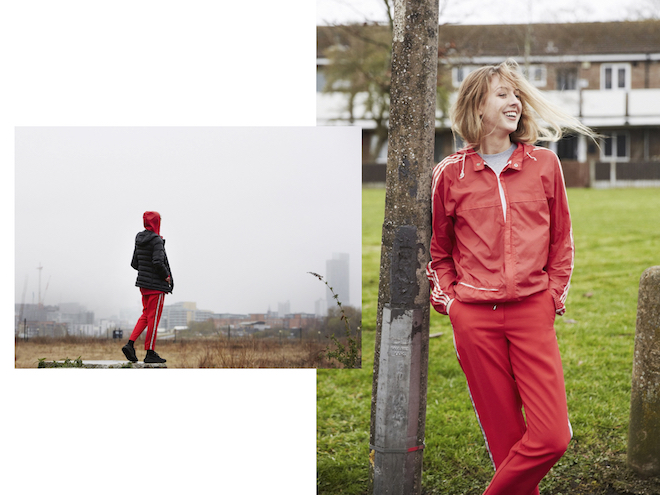
Absolutely. I shot Dakota in her house and around her estate in Sale, often against the backdrop of those brown-brick terrace houses that are so synonymous with the North West. I wanted to evoke a strong sense of identity and give insight into where Dakota and her family are from.
Boxing is a recurring theme in your work. What is it about boxing that inspires you?
The energy, that sense and feel of the unexpected – that’s why I’m drawn to it. I don’t box – I like it – but I don’t box, it’s an observational relationship but immersive in so far as pulling out Dakota’s clear interest in it. But, it’s not just boxing. I have shot motocross riders, gravel pit shooters, activities or interests that toy with a sense of danger. As much as I am on the look out for new faces, I’m as much on the look-out for new activities – different ways to showcase the diversity that is so relatable to British youth culture.
What is it that you’re trying to do with your work?
My future work – I guess – will be an extension of what I am doing now. I try to make sure there is a level of linearity running throughout my work, each project tells a different story but the aesthetic joins them. I shoot ‘real’ people, people not models. I like to work with people who haven’t been shot and that is a practice I want to continue.
Stylist: Ianthe Wright
Hair: Lewis Pallett
tomsloan.co.uk
Tags: Boxing, Dakota Ditcheva, Manchester, tom sloan
Hayden Kays: Money Talks
British artist Hayden Kays is about to hold his first solo exhibition of 2016 – Overdrawn – which will take place at Exposure London and opens on 7th April.
By now, Kays is someone that needs little introduction. Not only are Banksy and Jake Chapman fans, but he counts many high profile collectors – Harry Styles, Jude Law, Douglas Booth – among his clients. He was also asked to take part in Art Wars at the Saatchi Gallery during Frieze London 2015, alongside the likes of David Bailey, Damien Hirst and Yinka Shonibare, MBE.
The work of Hayden Kays frequently offers a superbly wry take on the many failings of society, and highlights every day absurdities that we have all become disturbingly numb to. However, it can also be profoundly touching, and sentimental without falling into the territory of trite, as was shown with 2013’s The Hot 100 collection.
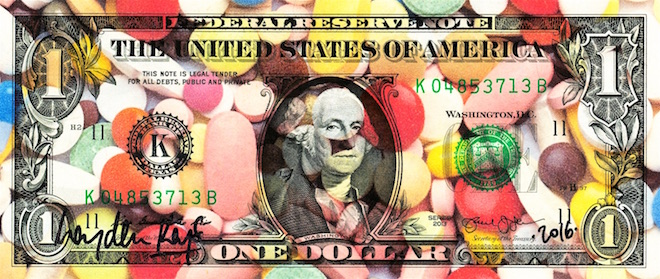
This latest series, Overdrawn, is a deliciously sardonic take on both the political and the popular, and features a range of uncirculated one dollar bills which have been overlaid with vivid inkjet prints – a selection of which can be seen here. And, according to Kays himself: money itself is art, since every note is a drawing and every coin a sculpture. Overdrawn is said to offer Kays’ characteristically “acute observations on our fragile and yet compulsive relationship with consumerism and mass culture”.
Here, we discover a little more from the artist himself.
Firstly, where did the idea for this latest exhibition come from? Was it a gradual process or a sudden thought? If the latter, what spurred it?
I’ve been doing the signed notes for a while now so I’ve had notes around me while I’ve been working. I’m constantly seeking to consume as many images as I can, so have been looking at loads of medical books and obviously using Google. It struck me that new meaning could be given to both images with the simple act of combination.
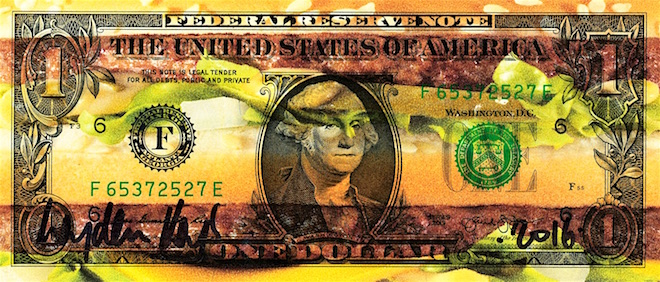
‘You Can’t Eat Money’ by Hayden Kays
Do you like money? Do you see it as a need or a want?
I don’t dislike money. I dislike not having enough. I need and want it. I simply can’t build the art I construct in my mind with money.
Do you think it can bring happiness?
Ask me again when I’ve got some.
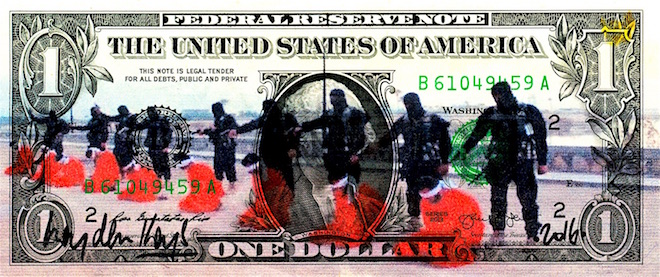
‘Money Makes The War Go Round’ by Hayden Kays
Isn’t it a crime to deface money?
Money is used for far more criminal acts than me using it for my Art.
Do you like shocking people?
I genuinely believe I’ve never made a truly shocking image. Everything vaguely shocking I’ve ever made has also contained love, humour. A dead four-year-old boy face down in the sand being scooped up like dog shit littered accross the internet and frontpages is shocking to me.
Is it easy to shock you?
I’m shocked everyday. The world is thoroughly insane. The collective memory is terrifyingly short.
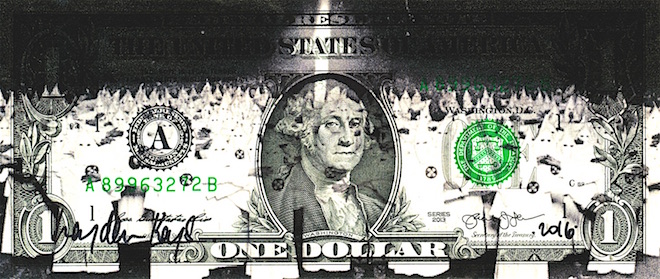
‘You Can’t Sit With Us’ by Hayden Kays
I know comparisons are annoying, but if you had to be compared to someone, who would you like it to be?
Mr Muscle. I’ve heard he loves the jobs you hate. An admirable attitude to have in life.
Who is exciting you among your peers right now?
Far too many to mention. I think now is a great time, everything is quicker, everything is easier, everything is now. You can do more. I feel obliged to take advantage of this.

‘Building Walls And Burning Bridges’ by Hayden Kays
Is there anyone that you wouldn’t want owning any of your work?
I was talking about just this the other day with my sister. We spoke about the strangeness of spending time making something and then often having no idea where it ends up living. I’ve got alot of wonderful collectors that I admire very much, so it’s inevitable that they’ll be some I’m not so fond of.

‘Oil Wells Don’t End Well’ by Hayden Kays
Your work frequently uses humour to brilliant effect, what makes you laugh?
I have a very broad sense of humour, everything makes me laugh. It diminishing as I age is a great fear of mine.
This is your first solo show for 2016 – how would you sum up the year so far in a sentence?
I’ve spent far too much time thinking about money.
Overdrawn opens at 7pm on 7th April, at Exposure London; 22-23 Little Portland Street, London, W1W 8BU
Main image: ‘Pills And Thrills & Dollar Bills’ by Hayden Kays
haydenkays.co.uk
Tags: Banksy, Damien Hirst, David Bailey, Douglas Booth, Exposure London, Harry Styles, Hayden Kays, Jake Chapman, Jude Law, Overdrawn, Yinka Shonibare
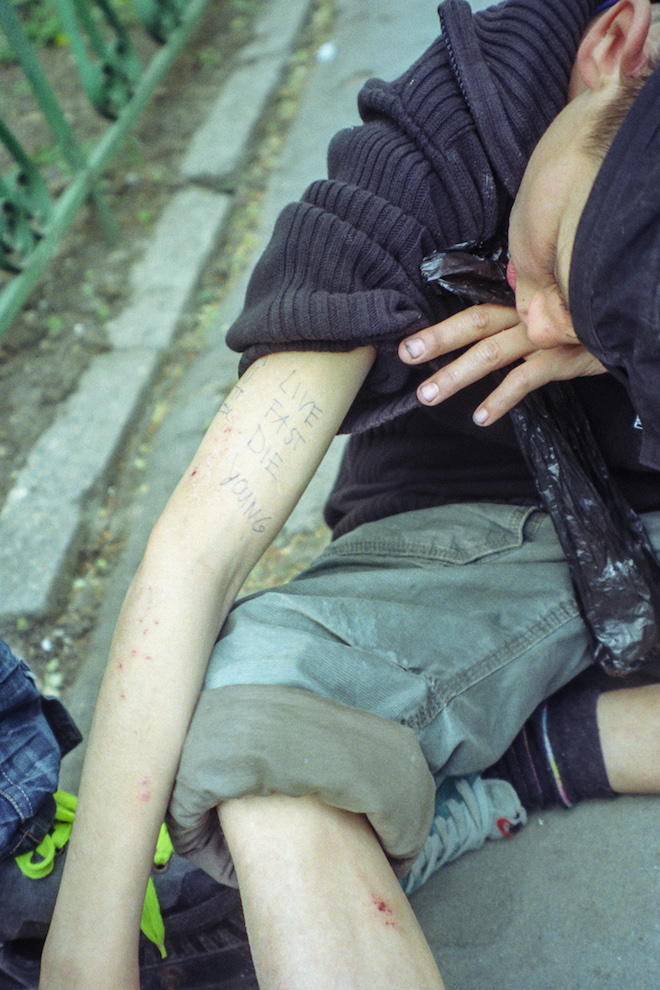
Joost Vandebrug: Tales Of Innocence And Of Experience
Photographer and filmmaker Joost Vandebrug does with apparent ease what many struggle with for years: he let’s his intuition guide his art. But not just his art, also his passion, his productivity and ultimately – his success.
He is a man that wears many hats, but each of them seem to fit just fine. A Dutch art director, turned fashion photographer, who then became a documentary photographer and filmmaker, music video director and now kids’ clothing designer – he appears to weave between creative practices seamlessly.
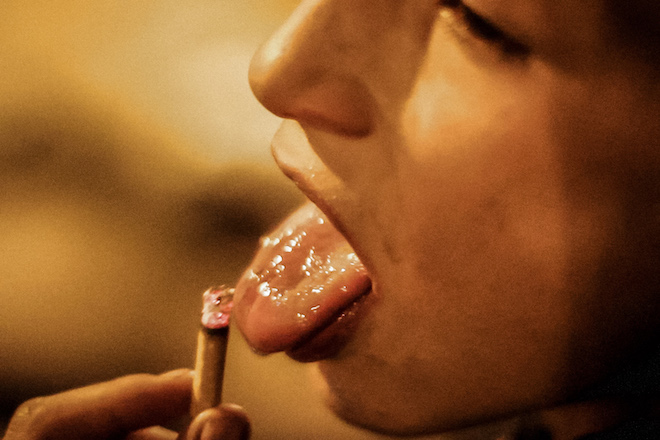
All images from Cinci Lei by Joost Vandebrug
One of Joost’s most successful projects to date – which is still ongoing – is the Lost Boys series. For half a decade he has been following and documenting the lives of a gang of children who call the streets and tunnels of post-communist Bucharest their home. Over 6,000 photographs turned into a book, Cinci Lei, (which he gutsily got off the ground thanks to a Kickstarter campaign) and more than 120 hours of footage is becoming film-shaped as we speak.
Here, we catch up with Joost to find out how – and why – one man makes all that happen.
Firstly, when and why did you realise that you wanted to make pictures and films?
Although my mum and dad are both photographers, I never really considered it as an option while growing up. I was too busy playing in punk bands and wanting to become a rock star. I guess when that failed, I enrolled into art school, but even there I hardy ever worked through the medium of photography and film. It was only after my internship with Erwin Olaf and a year break from Amsterdam (where I lived at the time), that I came back and made a somewhat conscious decision to ‘be a photographer’.
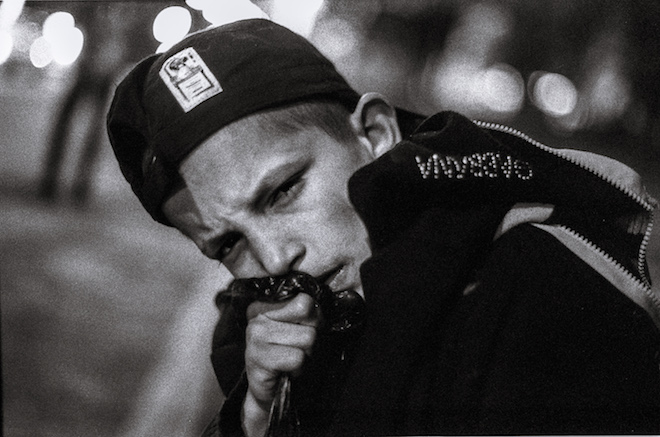
All images from Cinci Lei by Joost Vandebrug
You’re described as both a photographer and filmmaker – how does your approach to each differ, if at all? And if you could only proceed with one of them for the remainder of your career, which would it be and why?
My approach in both film and photography is virtually the same, very intuitive. But lets take my Lost Boys series as an example: I have followed this group of street children and their leader Bruce Lee for over five years, and last year I published a book. In the book I have laid out the pictures, carefully of course, protecting the protagonists, and telling the story of how I see the kids, and what it was like for me being with them for all this time. Though choices are predominately made on visual aesthetic.
Now that we are making a feature documentary about the same group, there is much less that I can – and want – to leave to be interpreted by the viewer. I am compelled for it to be an honest, real and correct document of their lives. Although it will still be a poetic film, the choices that I make are not just from a visual perspective but above all they have to drive the story forwards. The devices available to tell the story are also on a completely different level. And although because of my use of small camera’s for example, which resulted in me being an unadulterated part of the story, the film is in the hands of the protagonists. Which is very exciting, but also difficult as I want to protect the protagonists at the same time.
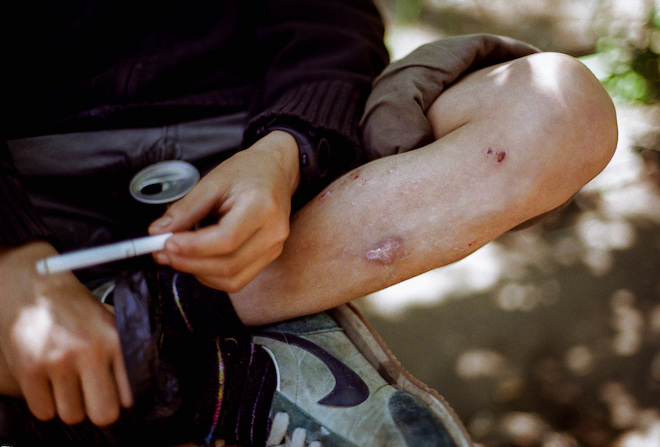
All images from Cinci Lei by Joost Vandebrug
Can you describe your first serious photographic and film projects, respectively? Can you recall what were you trying to convey with them?
Quite early on, in 2007, I was offered a solo exhibition in FOAM Amsterdam (the photography museum). The exhibition was during fashion week, so they wanted me to make a fashion connection in the work. This work became my first step to combine fashion and documentary. And still today I love to shoot fashion on real people. This can be a documentary project, but also a portrait series with a great artist or musician.
How do you think your work has progressed over the years?
On all levels I got calmer. I used to rush from project to project, making huge leaps from personal work to commercial work. I guess it was important to experiment, so it wasn’t all bad, though nowadays its all come together. My commercial work goes hand in hand with my personal work and I allow myself to dive into my projects much deeper.
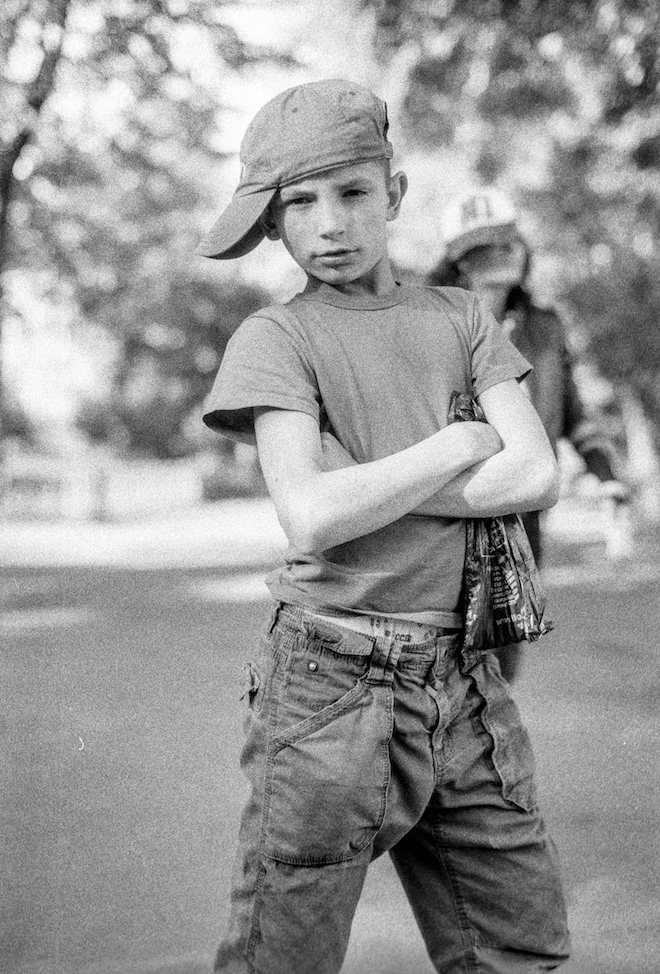
All images from Cinci Lei by Joost Vandebrug
What kind of journeys does your work take you on?
The Lost Boys project opened a whole new world. I am visiting and documenting the lives of young, aberrant and sometimes lost youths everywhere I go. And also, now that I have set up an NGO for the protagonists of the book and film, I am visiting many befriended charities and organisations. It is like an ongoing research and very inspiring to visit all these places where other NGO’s are dealing with similar issues as I went through with the Lost Boys.
Where would you love to shoot, that you haven’t already?
If I think of a place, I usually try and go pretty quickly. But, apart from those kind of research trips, I always go back for longer times to follow up on the people that I have met. Documenting them over longer periods of time. I have no interest in shooting little stories all over the place for the sake of it.
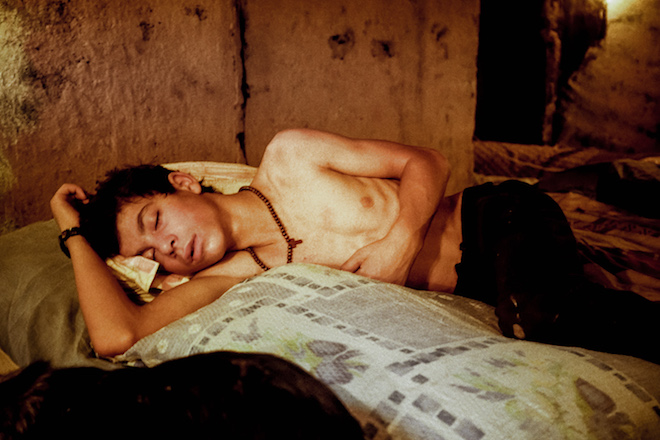
All images from Cinci Lei by Joost Vandebrug
How did you segue into music videos? Was it something you’d always wanted to do?
The great thing about making music videos is to collaborate with great musicians. So its important for me to feel a strong connection with the artist. My work has always had a connection with music, so once i started using video as a technique, it made sense to shoot music videos.
Is there a music video that you wish you’d shot?
The first that springs to mind is Pink Floyd, Another Brick In The Wall.
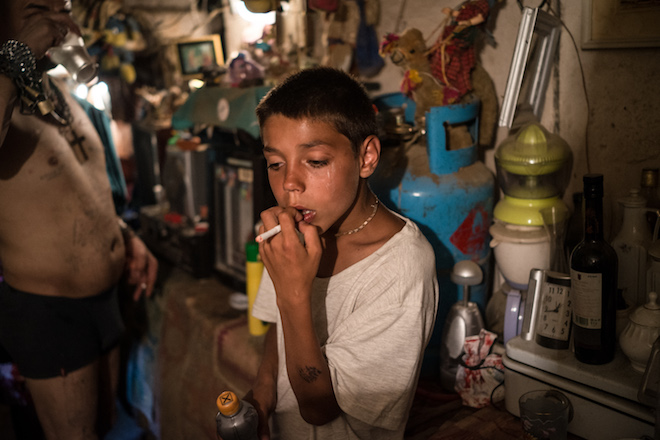
All images from Cinci Lei by Joost Vandebrug
What are you working on right now and in the year ahead?
The biggest ongoing project is of course the feature documentary about Bruce lee and the Lost boys. I have found an amazing supporting team at Grain media who are very dedicated to making this a beautiful film. Its in very safe hands with Katie Bryer (she edited the Oscar-nominated documentary Virunga) who is working on the film full time, so I am able to walk in and out the editing room and thus work on my regular photography and film work as well.
Also, my husband [Tom Eerebout] and I have just launched a kids’ wear label, Jumping Dog which is super exciting. All the pieces are inspired on adventure and interactiveness with the wearer, but best of all with the profits we are 100% funding the Cinci Lei project.
To find out more about Cinci Lei, Joost’s documentary or Jumping Dog visit joostvandebrug.com
All images from Cinci Lei by Joost Vandebrug – buy it HERE
Tags: Art, Bucharest, Cinci Lei, Fashion, film, Joost Vandebrug, Jumping Dog, Lost Boys, photography
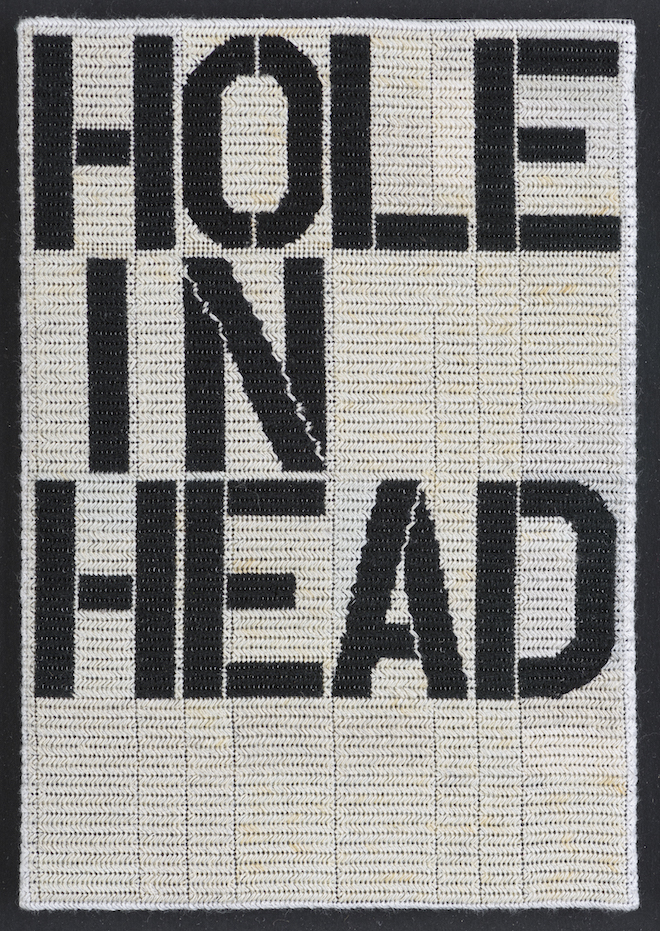
Narelle Jubelin: Flamenco Primitivo
Narelle Jubelin was born in Sydney Australia in 1960, and has lived and worked in Madrid for the last 20 years. She has been exhibited widely across the globe, making a name for herself with her miniature petit point interpretations of photographs and paintings. Her unique work engages with the translation of visual culture across countries, with a nod towards the tropes of international Modernism. This week she launches her second solo show with Marlborough Contemporary in London: Flamenco Primitivo, an exhibition influenced by both her relationship with Spain and cultural and historical issues surrounding her native Australia.
Flamenco Primitivo takes its title from the opening ‘cante’ performed in Madrid by contemporary Flamenco singer Niño de Elche. The collection of new works by Narelle Jubelin will explore the way in which objects of cultural significance travel through the world, with each display adding to their value.
Jubelin’s petit point renditions of influential, regional Modernist works will include pieces by Anni Albers, Hannah Höch, Ree Morton and Pablo Picasso. As well as these artworks, the exhibition will also feature five bronze works cast from packaging buffers, originally designed for the purpose of secure travel over long distances. These pieces will symbolize the geography of her method. Additional video footage marks Jubelin’s own journey and experience, documenting ‘unrepeatable’ moments using various pieces of found and assembled film. Each aspect of Flamenco Primitivo comes together to reflect on how individuals interpret and record histories of creative difference, whilst also gaging how these experiences translate between cultures.
The exhibition will be shown at Marlborough Contemporary from Friday 5th February, until 12th March 2016.
marlboroughlondon.com
Main image: Narelle Jubelin, As yet untitled (Christopher Wool, 1992), 2014, cotton on silk petit point, Courtesy the artist and Marlborough Contemporary, London.
Tags: Anni Albers, Hannah Höch, Nacelle Jubelin, Pablo Picasso, Ree Morton

Werner Büttner’s Looting Eye
This month sees the publication of two new books on the work of German artist Werner Büttner – the first entitled Coincidence In Splendour takes a look at his paintings, and the second My Looting Eye his collages. Why is that a big deal? Well, considering that these are the first books on Büttner’s practice to ever be published in English, it means his work is about to become accessible to an entirely new audience. See? Exciting.
For those unfamiliar with Büttner’s oeuvre, here’s a little background. Whilst predominantly known as a painter, he started a series of collages in the early naughties to confidently and pointedly address the nature of composition and subject matter in art practice. By enabling viewers to reconsider artistic conventions and norms, Werner Büttner also addresses social conformity and the ideology of rebellion (interestingly, Büttner originally trained as a lawyer).
Büttner decontextualizes everyday objects to explore the power of meaning in a visually-stimulating and dynamic way. Explaining his seemingly unpredictable, idiosyncratic style he comments: “the artist is a sieve, sifting his environment. Information nuggets of precisely the required size get stuck in the sieve. Now he can work.” My Looting Eye explores the ‘method that lies behind the madness’.
Werner Büttner’s My Looting Eye and Coincidence in Splendor launch on 28th January, 6-8pm at Marlborough Contemporary London. Published by Black Dog Publishing.
Main image: Werner Büttner, Abandoned, 2008, Courtesy the artist and Marlborough Contemporary, London
Tags: Art, Books, collage, Painting, Werner Büttner
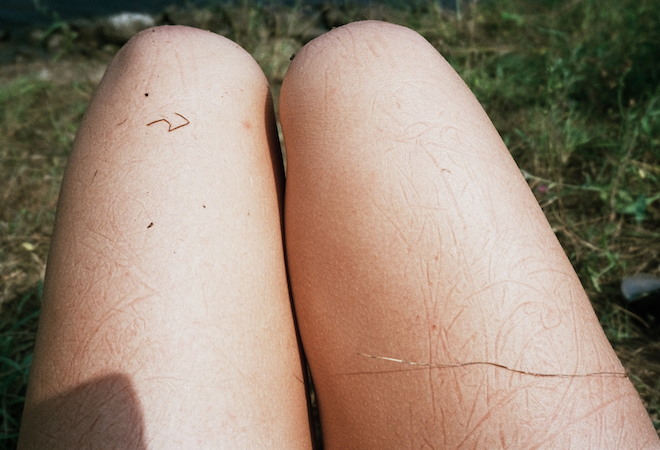
Highlights of London Art Fair 2016
The London Art Fair, or righteously self-referred to as ‘the UK’s premiere Modern British and contemporary art fair’, has returned for its annual take-over at the Business Design Centre from 20th-24th January 2016.
Recognised as the ultimate hub of support for collectors of all levels, the 28th edition of the Fair is set to bring together 126 galleries from the UK and overseas. Ranging from museum-quality Modern British art to work by top contemporary artists – both emerging and established – this superb occasion provides a sound retrospective into the early 20th century and to this present day. Alongside galleries exhibiting for the first time in 2016 – such as Beetles + Huxley (London), Omer Tiroche Contemporary Art (London), and Galerie BART (Amsterdam) – this year’s Photo50 and Photoworks’ latest editions delve commendably into the love triangle of women, sex and art.
As such, the London Art Fair is dedicating part of its exhibition space to photography, and this year’s Photo50 presents a carefully curated exhibition from London-based photography critic, editor and curator Federica Chioccetti. The exhibition, titled ‘Feminine Masculine: On the Struggle and Fascination of Dealing with the Other Sex’ has truly emancipated the theme of femininity, as it endeavours to depict both genders in its relation to one another rather two separate entities. This selection of images is set to confront the mysterious dynamics that operate between men and women, and will serve as a fascinating insight into the ways in which we deal with the opposite sex.
Additionally, Photoworks Annual’s latest edition takes a look at women, specifically, and their roles in photography. Whether the woman stands as the subject, creator or consumer, this panel talk aims to explore the themes raised around the changing landscape of gender and photography with references to the ’70s, ’80s and the modern day. This inspirational discussion will present guest speakers Catherine Grant, Liz Heron, Oliver Richon, Natasha Caruana and Max Houghton…it’s definitely one not to miss.
The London Art Fair is on now at the Business Design Centre, 52 Upper Street, N1 0QH. More information and bookings can be found at londonartfair.co.uk
Main image by Ekaterina Anokhina (Russia), from the series 25 Weeks of Winter (2)
Tags: Ekaterina Anokhina, exhibitions, london, London Art Fair, photography
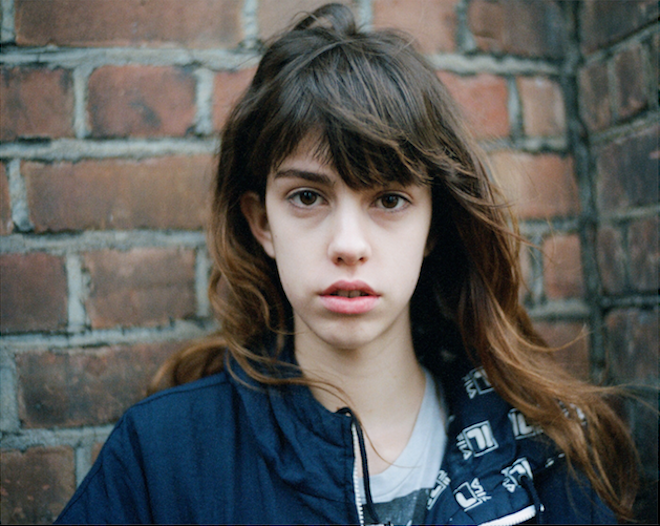
Online Exclusive: Stef Mitchell’s London Go-Sees
New York-based photographer Stef Mitchell is fast becoming something of a Twin favourite. You may recall she took us on a visceral journey behind the lens of some of her favourite shots last year – and the success of that story left us wanting more.
Around November, Stef found herself in London and happened to meet some great new people, as one so often does when travelling. As a result she embarked on a – quite literally – explosive series of go-sees, and is publishing them exclusively with Twin online. This marks the first in a new series of specially commissioned works from people that we love, and want to showcase – keep your eye out for more of the same in the year to come.
Meanwhile, enjoy this brilliant series from Stef, and discover a little more about her – and these images – below.
What was the idea behind these pictures?
I wanted to shoot a little series of go-sees while I was in London for a week. I really enjoy the process of a go-see because they’re extremely useful, and mostly because people are never what you expect. And every now and then you find someone amazing who you know you could collaborate really well with. I also enjoy dealing with different personalities and finding out how you get along. I usually don’t look at the pictures while I’m taking them, and it’s kind of nice if later on if you find something you like.
Where did you take them?
I took most of these pictures in Notting Hill where we stayed with a friend. Also the fireworks were for Guy Fawkes, but someone felt enthusiastic enough to let them off every night that week. I managed to catch them only once!
When did you first ever pick up a camera? What did you shoot?
I first picked up a (disposable) camera in the first grade and shot a roll of my friends at school.
When did you know that this would become your career?
I wanted this to become my career when I was about 17.
Have you been influenced by anyone over the years? Or is there someone who’s career you’d love to emulate?
I’ve been influenced by different parts of various photographers and artists over the years. But I wouldn’t want anyone in particular’s career. I think it’s exciting to head in your own direction.
What brought you to New York? Can you describe your neighbourhood?
I was traveling through New York and met a girl at a party who ended up bringing me back here by getting me an interview to intern with Annie Leibovitz. I actually ended up marrying that girl and we live on the Lower East Side. The block we live on is the type of place where you can see something inspiring or beautiful and someone projectile vomiting or being arrested simultaneously.
Do you prefer drawing or photography?
I don’t prefer either drawing or taking photos, they’re both nice for different reasons. I definitely get frustrated at times with both and it’s nice to be able to switch between the two.
Do you prefer sounds or silence when you work? If sounds, any particular ones?
I prefer sounds! I like whoever I’m shooting to chose the music so they’re happy. But if they don’t care I like Blood Orange.
Who and where would you still love to shoot?
So many different people! And I want to shoot in Italy, Sweden and the Bahamas. And Scotland!
What’s coming up in the next six months for you?
The next six months – I have a few projects coming out that I’m excited about and will hopefully spend more time running around Europe and dining at as many pubs in London as possible.

All images by Stef Mitchell, commissioned exclusively for Twin; with special thanks to Claire Dickens at IMG London
Tags: go-sees, IMG London, london, Photographer, stef mitchell, Twin exclusive
WOMEN: New Portraits by Annie Leibovitz
Annie Leibovitz is widely considered to be one of the world’s best portrait photographers. Her book Women, which was first published in 1999, celebrates an array of women, from Supreme Court Justices and Vegas showgirls to coalminers and farmers. In 2016, the project is set to continue in the form of a travelling exhibition, making its debut in January at the Wapping Hydraulic Power Station in London.
Over twelve months, Annie Leibovitz’s new portraits will appear in ten cities; London, Tokyo, San Francisco, Singapore, Hong Kong, Mexico City, Istanbul, Frankfurt, New York and Zurich. The new portraits will display the changes in women’s roles in contrast with those 15 years ago. Alongside Leibovitz’s new work, visitors will be able to view work from the original series and other photographs taken since.
Speaking at a press conference at Somerset House, Leibovitz describes how Women ‘is an unending project, it goes on and on.’ The original project is Annie Leibovitz’s most popular body of work and was a collaborative series with her partner Susan Sontag, who accompanied the subject matter with an essay. Sontag passed away in 2004, but her influence had a lasting effect on Leibovitz’s photography, with Sontag encouraging her to become more intimate with her photographs.
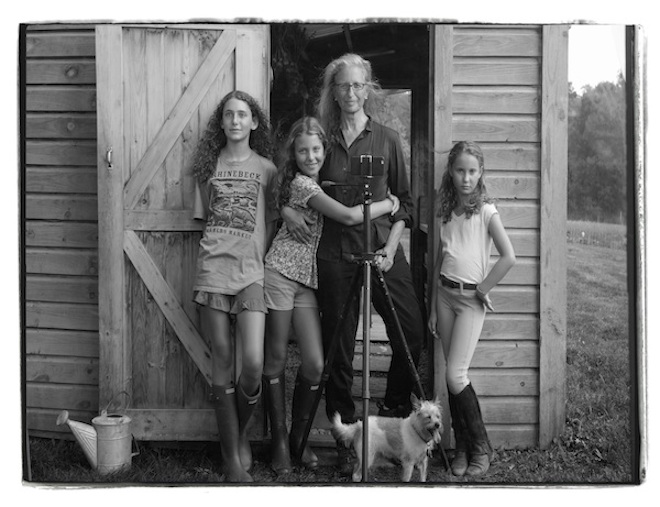
The original book features 100 portraits of women, including public figures like Hillary Rodham Clinton and Gloria Steinhem, and Leibovitz has promised 20 additional images to the project in 2016. At present, only one new photograph from the series has been released, of Leibovitz and her daughters Sarah, Susan and Samuelle. However, Leibovitz has confirmed that new portraits from the series will include Venus and Serena Williams, Amy Schumer and her sister Kim Caramele, Misty Copeland, and Caitlyn Jenner.
WOMEN: New Portraits has been commissioned by UBS and will be presented to the public for the first time on the 16th January 2016 at the Wapping Hydraulic Power Station in London. Admission is free.
ubs.com
Tags: annie leibovitz, Art, london, photography, Women
Hauser Wirth and Schimmel is bringing the revolution to LA
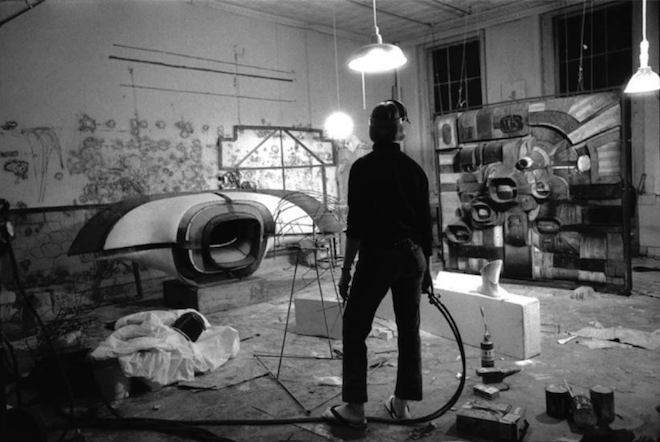
From 13th March 2016, Hauser Wirth and Schimmel, a gallery in the heart of the downtown LA art district, will host ‘Revolution in the Making: Abstract Sculpture by Women, 1947 – 2016’, an exhibition featuring almost 100 artworks by 34 female artists. Spanning seven decades, the exhibition aims to reflect on women’s artistic progression in the field of sculpture.
The display will be partly overseen by Paul Schimmel, the former chief curator at the Museum of Contemporary Art. He has noted that the exhibition is modeled on gallery founder Ursula Hauser’s private collection, which included several pieces by prominent female artists.
The exhibition will explore how integral elements of contemporary art have been pioneered by female artists since the post-world war II era, who in seeking to form their own artistic narrative, expanded and redefined sculpture.
Moving chronologically, the exhibition takes off directly after the Second World War, when sculptors like the legendary French artist Louise Bourgeois and New York artist Louise Nevelson combined feminism and surrealism to create large-scale sculptures and installation art. Moving forward into the 1960s and 70s, works by Post-Minimalist artists including German Eva Hesse and the iconic Yayoi Kusama illustrate how conventional uses of materials changed at this time, with tactility incorporated into sculpture to convey the artists’ presence.
The exhibition continues with artists emerging from the Post-Modernist era and expanding further into the realm of installation art, using videos and being more expansive in their use of space. Concluding with work by a new generation of sculptors, much of which has been commissioned especially for the exhibition, visitors are able to see how artists have built upon the legacy of previous sculptors, while incorporating new uses of colour and materials into their work.
The exhibition will run until 4th September, 2016.
hauserwirthschimmel.com
Tags: Art, Hauser Wirth and Schimmel, LA, sculpture, Women
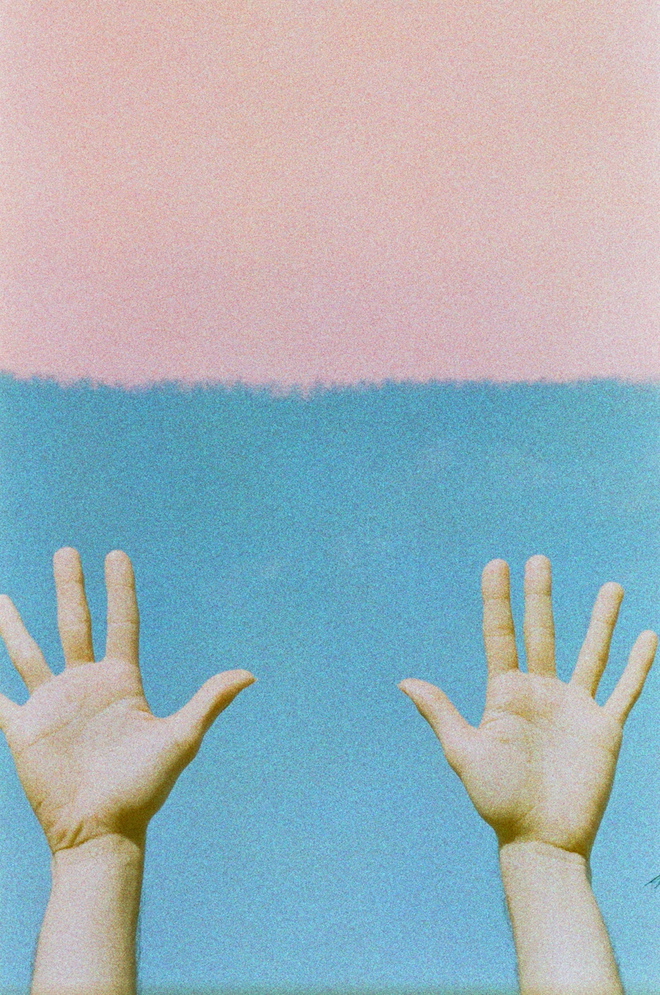
Looking for a feeling with Emma Tillman
Intimate, considered and subtle, Emma Tillman’s photographs have had us captivated long before her husband (singer Father John Misty) stepped into the limelight. And whilst she may have earned thousands of new fans after the success of his second album I love you Honeybear, in which she is the proclaimed muse and inspiration for his complex lyrics and idiosyncratic melodies, Tillman’s accolades are all her own.
We caught up with Emma to find out more about her work, photographing love and not getting Instagram.
How did you get into photography?
When I was 12-years-old I took an after school class where the students took pictures and learned how to work in the dark room. My mother gave me a camera that had been hers when she was young and I became obsessed with the medium.
Light and shadow play a strong role in your work, what is it that you’re looking for when you take a picture?
I’m looking for a feeling.
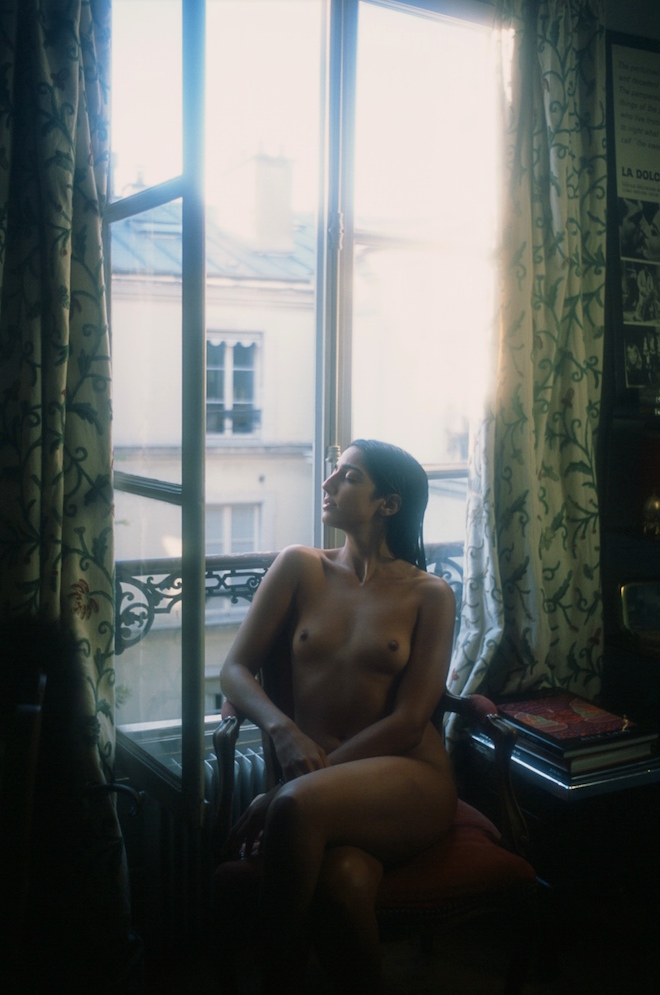
Photography by Emma Tillman
Whether your subject is human or an object, there’s strong sense of intimacy in your photographs. What’s your process when you’re working?
I have a gift for communicating my emotions through the lens of a camera. All photographers who take compelling photographs have this gift. There is a supernatural quality to photography that is not often acknowledged, but in my opinion contains all the undeniable fascination of the medium within it.
Your photographs retain a sense of the individual behind the lens, and often you’re in front of it too. Do you find that photography creates and mythologises a character or uncovers the crux of an individual?
It is both. The moment is raw and alive, but somehow also a vitrine of an experience that is just beyond the viewers reach. It is a clear representation of an individual but yet you must put your own imagination into it to complete the story for yourself. It is mercurial, imagination runs wild. That’s the good stuff.
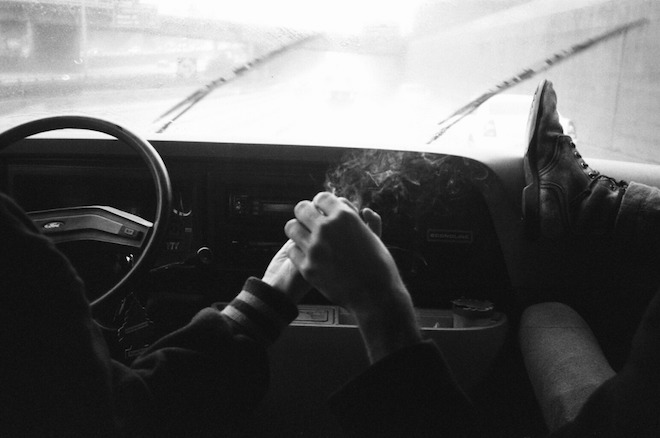
Photography by Emma Tillman
People regularly revel and empathise with other’s misery but in the photographs that you take of your husband there’s a clear sense of joy and celebration. Do you ever feel conscious of this?
I choose my moments. At this time in my life couldn’t take a photograph of someone I love in pain.
Your self-portraits and portraits of other women reclaim the idea of the gaze, like early Cindy Sherman photographs. There’s a sense of exposure without exploitation. Why is it important for you to capture the female body in this way?
I like to photograph other women naked because it is simple and the lines are lovely. There aren’t any distractions to contend with in the picture. As for photographing myself, I can’t help but be drawn to the endless mystery of it. I come back to it again and again. My own face, my own body. It holds a lot of secrets.
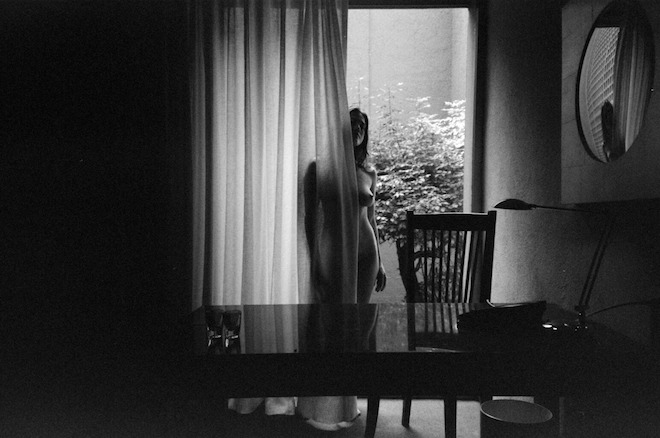
Photography by Emma Tillman
How has the rise of instagram affected your relationship with the lens, if at all?
Oh I can’t stand Instagram! To say too much about it would be to marginalise myself, but I can say that from Instagram I glean how much our culture relies in the comforts of sentimentality and try to run in the other direction, artistically speaking.
You’ve also worked in film, how was that experience? In terms of story telling, which medium have you found gives you more narrative freedom?
I don’t know if a comparison can be drawn. Film satisfies an urge for me which has always existed, to tell a story. Photography is more playful. The feeling about it changes, the style changes. It is more about subtraction than addition, which is how I think of film.
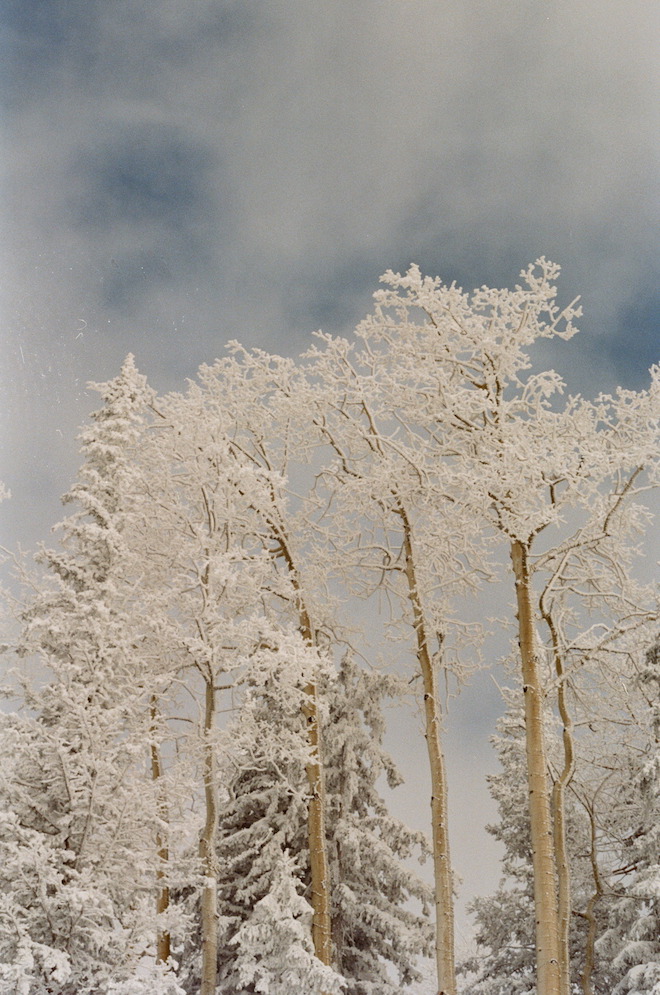
Photography by Emma Tillman
What was the last record you listened to?
It’ll be Better by Francis and the Lights.
Favourite equipment to shoot on?
I have a few cameras. A Pentax from the 1970s, A Nikon from the 1980s, a Minolta from the 1990s.
Who are the exciting photographers to watch?
I like the work of Amanda Charchian and Aneta Bartos.
What’re your upcoming projects?
I am finishing a book of photographs, Born with a Disco Ball Soul. I’m also in pre-production on a feature length film I wrote. We’re shooting the film in Summer 2016, in New Orleans.
What’re you looking forward to for the rest of 2016?
My book, my film, and Christmas.
Find all of Emma’s work at lovetheghost.tumblr.com
Tags: Art, emma tillman, father john misty, Music, photography, Women
The Pirelli discussion continues
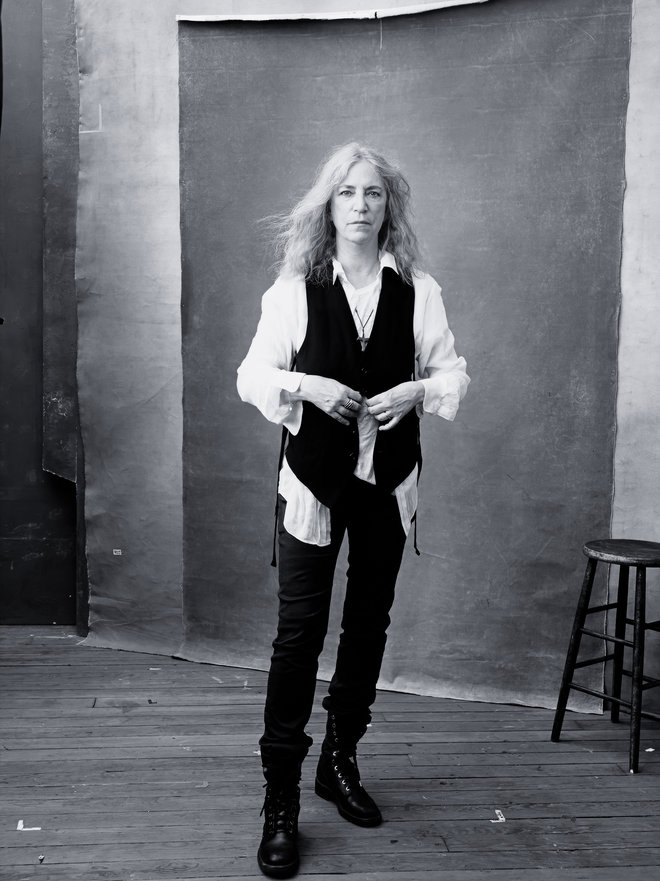
The Pirelli 2016 Calendar has been met with contrasting reviews. Most people have been singing its feminist praises; in a markedly new direction compared with previous years, the calendar has welcomed a diverse array of successful women, and offers varied and mostly clothed images of female bodies, diverting from its usual display of artful nudity. Others have noted that while the calendar celebrates female empowerment, it also limits the sexual attractiveness and femininity of the women on its pages. It suggests that women can be either successful or beautiful, but not both.
To interpret the Pirelli 2016 calendar in this binary way would overlook the point of the pictures, in Leibovitz’s words they are to show the women exactly as they are. The calendar shows us that our bodies can be used in different ways; to represent power and strength, like the striking shot of Serena Williams’ rippling back muscles. Or as a comedic device, like the photo of Amy Schumer topless and surprised, suggesting that she didn’t get the ‘clothes on’ memo this year. These are ways that men’s bodies have been presented for a long time in the media. More than showing that flaws or quirks can be beautiful and sexy, these pictures invite us to look past the sexualisation of women’s bodies and to start noticing the other things a body can do, like be strong, powerful, suited and booted.
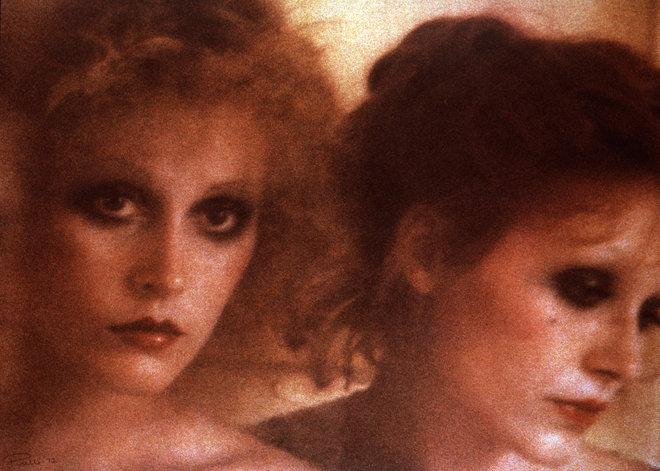
February, 1972, Sarah Moon
The calendar has gone viral on social media, and no matter how it is interpreted, having an iconic publication like the Pirelli calendar joining and extending the conversation about female representation can only be a good thing. Just a year ago, Pirelli’s calendar was a spread of high profile supermodels in various states of undress. The calendar may be just one small step for womankind, but it is one big step for Pirelli and towards the cultural shift we are all yearning for.
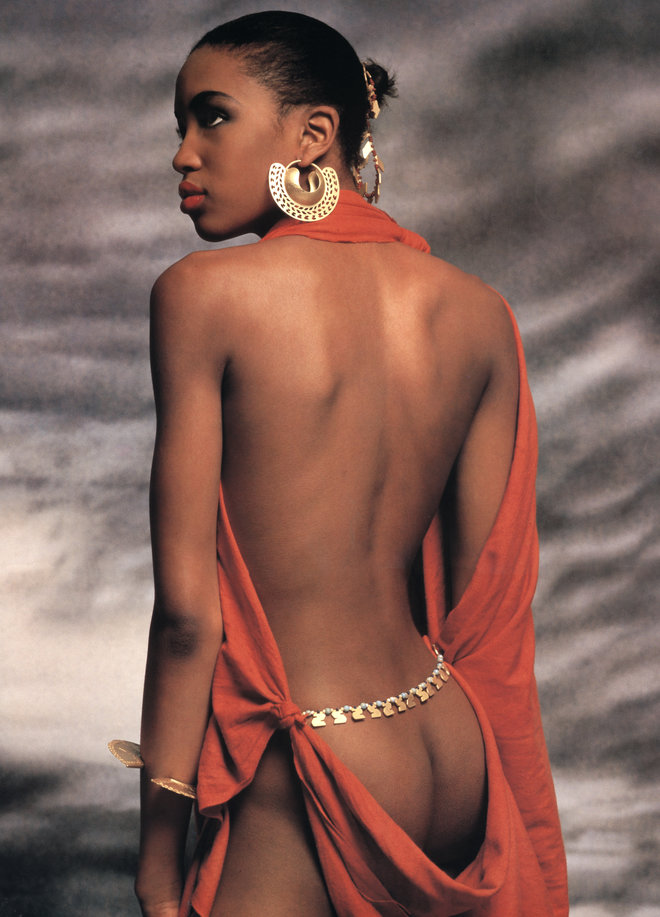
December, 1987, Terence Donovan
pirellicalendar.pirelli.com
Tags: amy schumer, annie leibovitz, Art, Patti Smith, photography, Pirelli, serena williams

 PREVIOUS

 Twitter
 Tumblr
 YouTube
 Facebook
 Instagram
