With ample experience in the industry, Lily More and Daisy Walker decided that it was time to address the issues around gender equality in the fashion industry. The aim is to empower women through community, creating a strong network for women and men to learn from, inspire and create a stronger industry together. Twin caught up with co-founder of Women in Fashion Daisy Walker to discuss issues around the male gaze, street casting and launching a dynamic new platform.
How did you two get to know each other, and what drove you to start ‘Women in Fashion’?
We met through a mutual friend when we were 19, far before either of us had any idea we’d end up in this industry.
Lily is a researcher for David Sims, and I am a photographer. Coming from very different sides of the industry we quickly found through conversations that we were already having that a lot of our experiences were similar, but that there were multi layered experiences that were specific to each part of the industry as well. We wanted to create a space that would allow these layers to be explored and shared with the aim of changing the negative aspects of an industry we love.
What is the aim of the platform?
To provoke change through conversation and to make the industry accountable for it’s ways of working.
wWhat do you enjoy about street casting?
Street casting came out of necessity for me. I was looking at other fashion images and saw nothing of myself in them. These girls literally didn’t look like me or the people I knew. By using models from agencies I felt like I was contributing to a warped view on age, size and diversity that the whole industry was feeding into, which lead me instead to start street casting.
When you’re casting from agencies you’re casting a professional to turn up and act and behave a certain way. When casting someone you literally found on the street, or is a friend of a friend, there is no formal set up for how the day should go. There’s a level of closeness and trust you have to build very quickly with that person, and it’s that interaction, that honesty and that connection that I love.
Much like Women in Fashion, I’ve made lasting friendships through my casting and and it’s that drive for inclusivity and level of intimacy that drives me to continually cast outside of the agency system.
More than ever, with Instagram etc, image is central to how fashion is portrayed. How do you see photography shaping the conversation within the industry?
For me photography is a window into the concepts and ideas behind artists, and I think fashion photography is the only tangible and visible way that the industry can change perceptions and give a voice to niche experiences. It’s great to see that brands are reverting back somewhat to hiring photographers with a clear voice and message and the more those experiences are given a visual representation within the industry, the more space there is for that conversation to continue and evolve.
Do you think a women’s relationship with the camera has changed permanently now? How do you think men can navigate the stigma of the ‘male gaze’ while embracing a feminist narrative?
I don’t believe that anything is ever permanent, nor do I think we’ve necessarily reached any kind of goal in terms of the female gaze. The female experience is incredibly diverse, and ever evolving and the social landscape morphs, as well as our means of communication within it. What I do hope is that this wave of the female gaze continues to grow and move forward.
I think there’s huge scope for men to reappropriate the male gaze and offer new and fresh perspectives and continually strive to create work that is feminist. As fourth-wave feminism has opened up to the mainstream, perspectives are more readily available for feminist men to absorb and learn from. It’s the reason that Women in Fashion is not open to only women. We are open to all iterations of gender, specifically because we think that it is open conversation that allows better understanding, which leads to us all becoming better feminists and better allies.
Thinking more generally about the industry, what are the biggest challenges that you perceive for ensuring greater diversity in the industry? How can we overcome them?
Often i find that diversity is hindered by sales. Clients and magazines are certainly becoming more aware of the need for diverse casting but at times are wary because they often experience a drop in sales. It’s an extremely painful truth, but one that lies in a history of brainwashing women to believe that white, tall and thin is the definition of beauty. The only way to overcome that is to push to saturate the industry with images that prove that is not the case.
Years of oppression can not be overturned overnight, but it’s important to remember that the images we put out today are the ones the next generation will be growing up with. And if they can learn the importance and beauty in diversity now; then they’ll be the next generation to buy into it.
Who are the women you most admire and who inspire you in fashion, and in culture more generally?
I’m a huge admirer of Vivienne Westwood. She was my first ever client and set the tone for me, personally. She came from humble beginnings and fought her way to success in an industry very much owned by men at the time. The industry is still run by men, and she still endures. She is ever evolving, always looking forward and always focused on exploring the role of gender.
Outside of the fashion world I am very inspired by Patti Smith and Arlene Grottfried. Their portrayal of relationships, in their own very distrinct ways, is lusty and ardent and far removed from the perfection often synonymous with that theme.
What other female collectives do you admire, and who do you think is exciting in the industry?
Gal- Dem! We were interviewed alongside Liv recently and loved everything about her and what she’s doing!
In terms of individuals were excited about in the industry; Fern Bain Smith, Emma Hope Allwood, Sara McAlpine. These are all people who are working in the industry on their own terms and have a lust for questioning norms, for change and for promoting women. Really the greatest hope for a safer and more responsible industry is inclusivity and passion, and these girls are brimming over with it. They are all also Women in Fashion members!
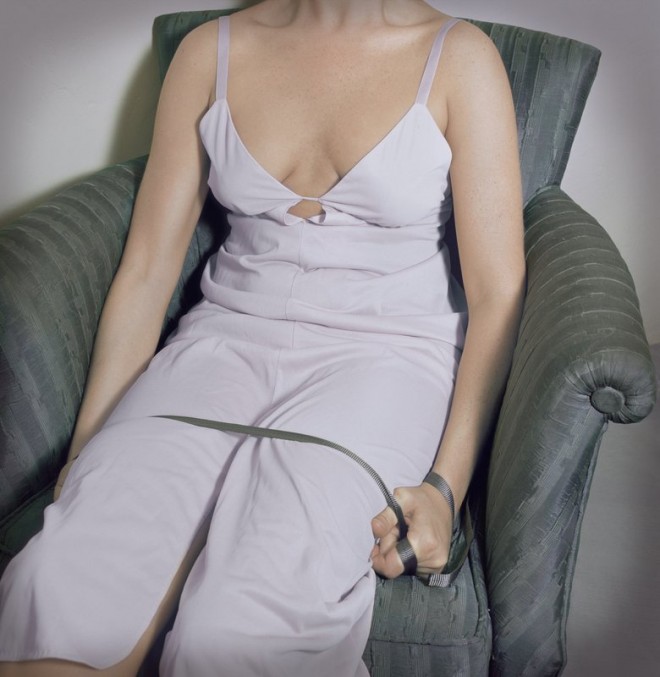
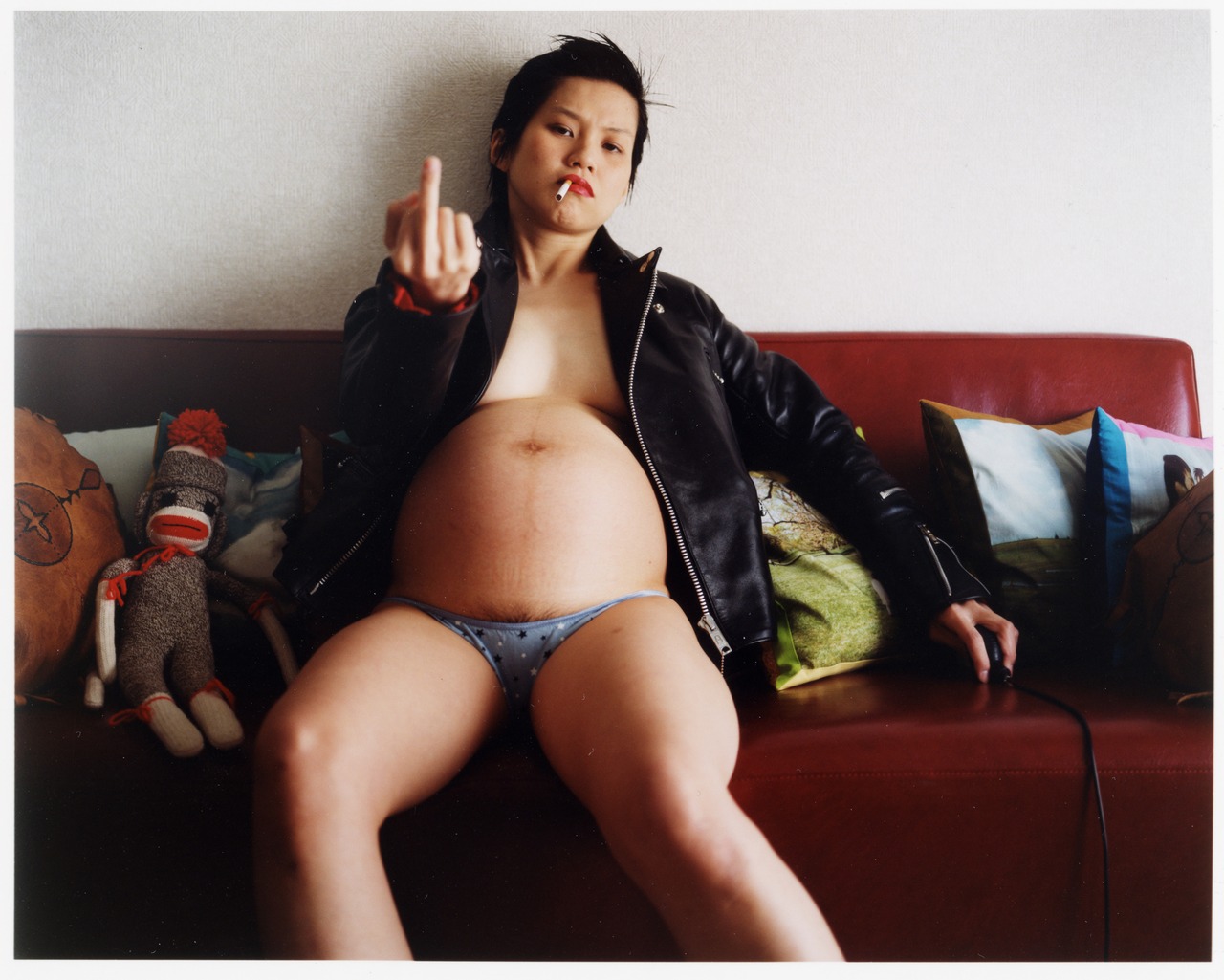
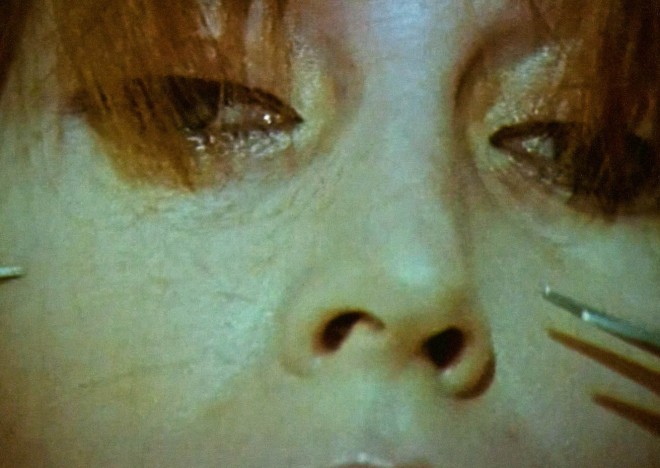
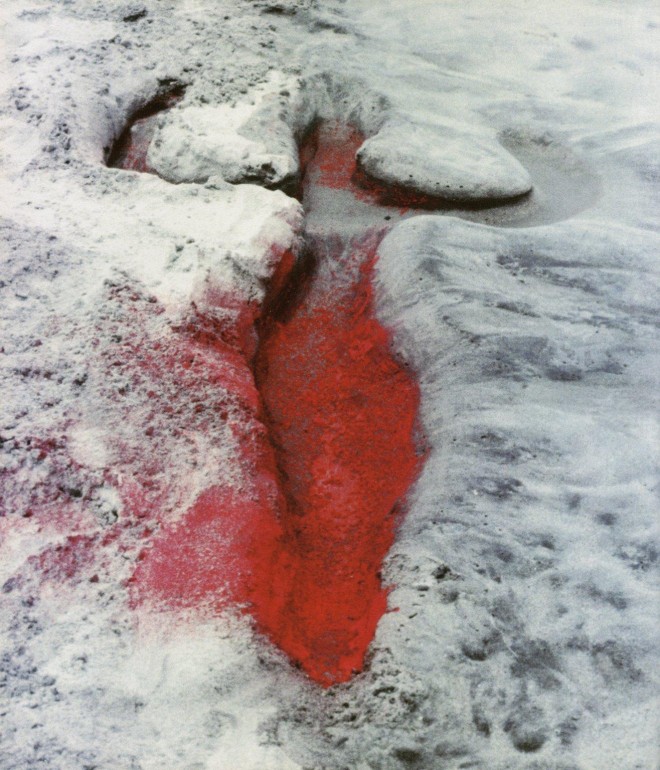
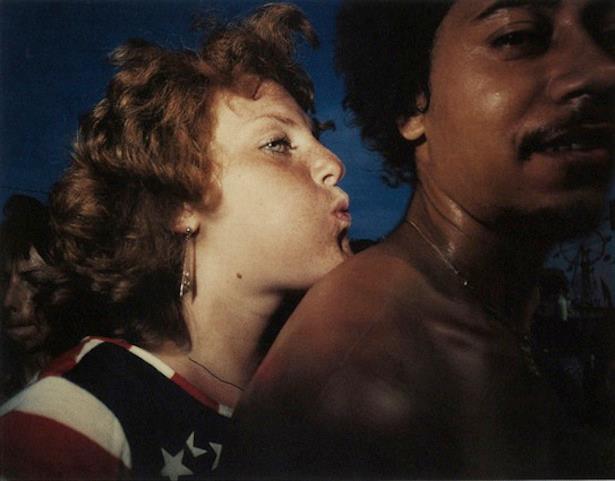
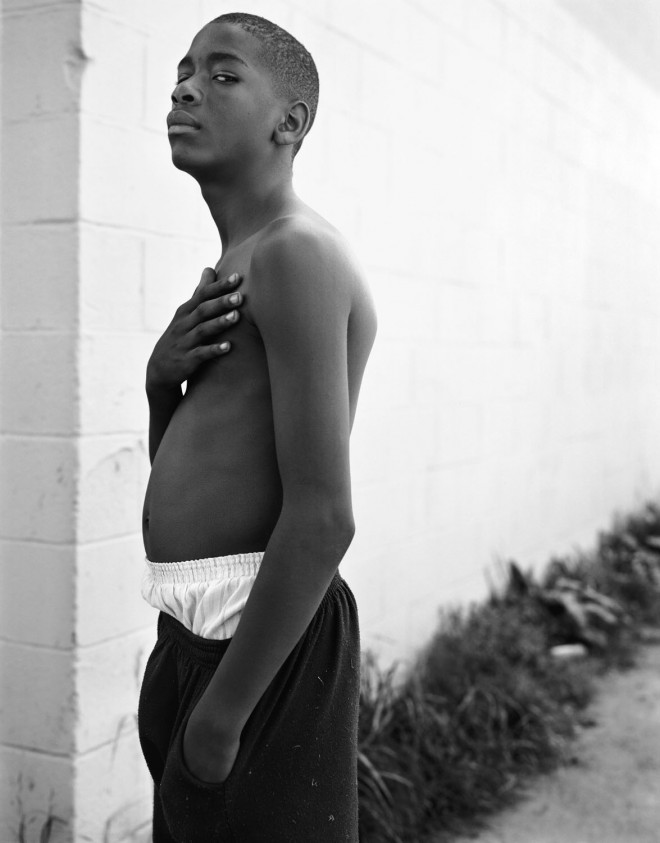
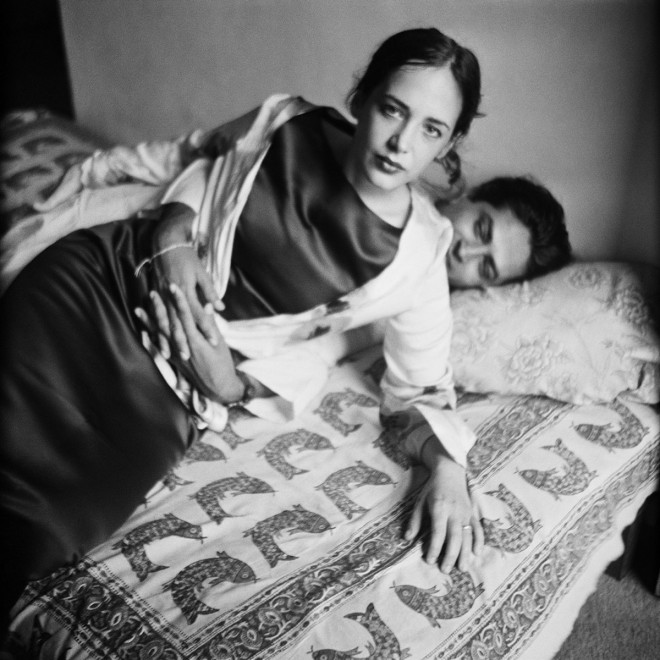
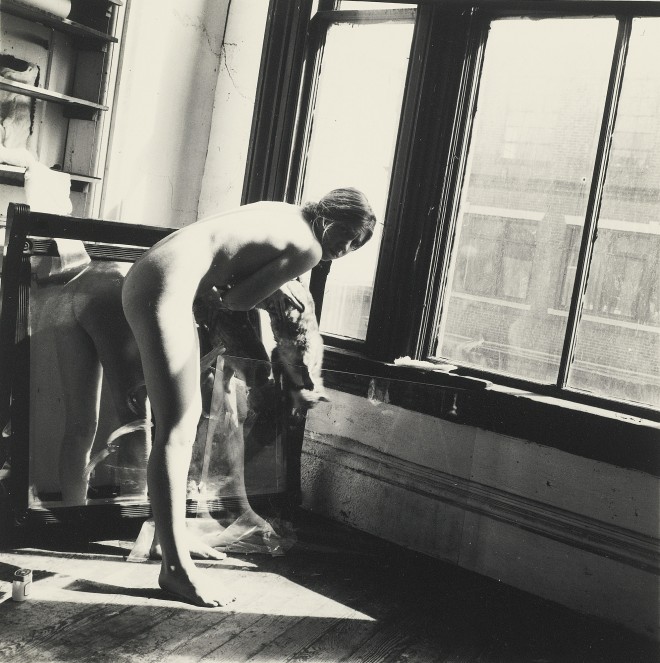
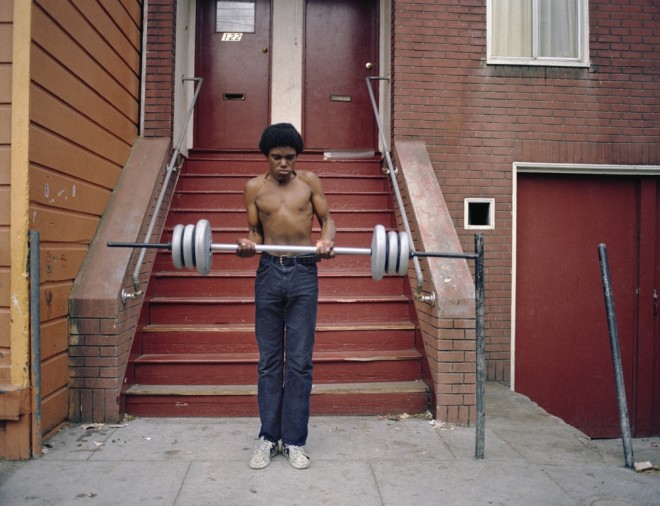
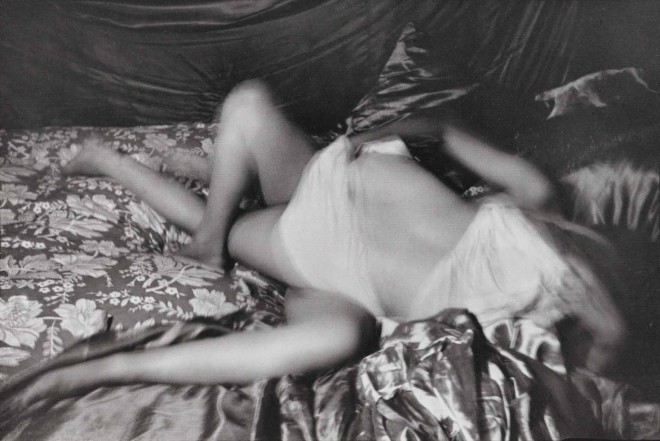
Twin asked Women in Fashion to curate their favourite images as part of their Twin Instagram takeover. Check them out on our feed and below.
Rebecca Horn, 1974
Ana Mendieta, Untitled (Silueta Series, Mexico), 1976
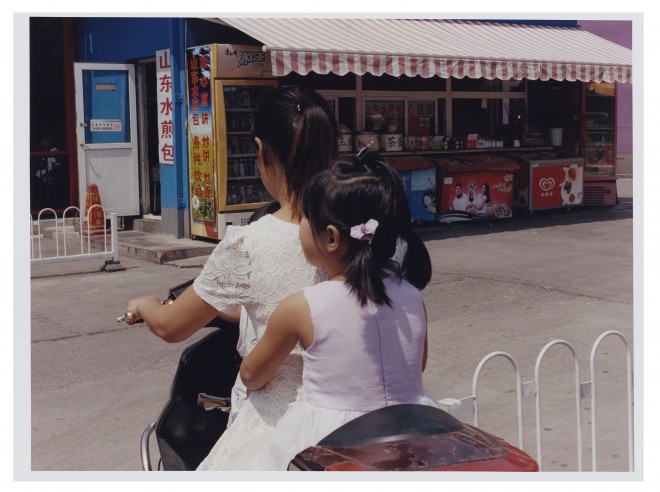
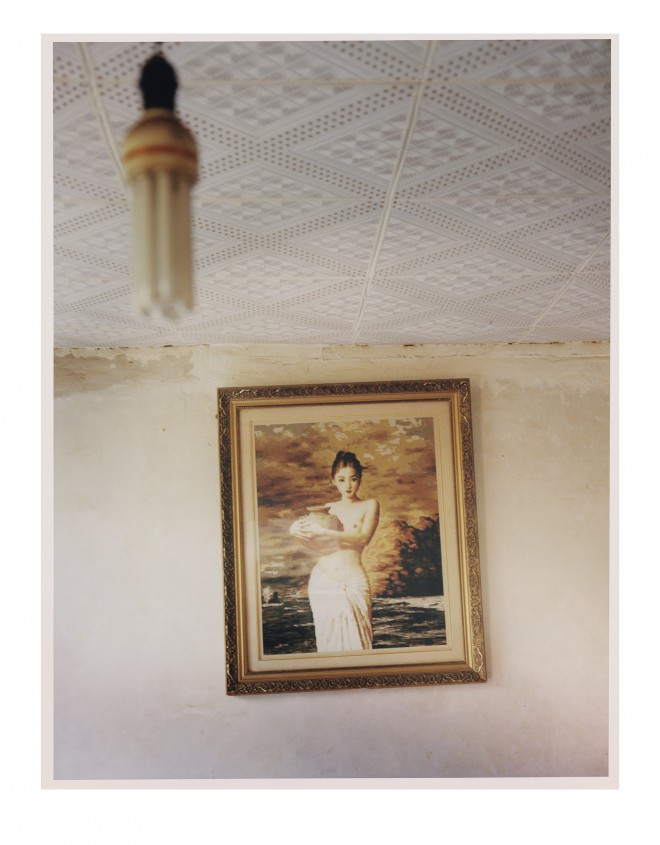
Coco Capitán: ‘Middle Point Between My House and China’
Gucci collaborator and renowned photographer, Coco Capitán: is an artist who needs little introduction. The Spanish creator’s idiosyncratic eye and quirky slogans have commanded a legion of fans, with 75.6k Instagram followers and counting.
Having graduated from the Royal College of Art in 2016, the photographer has already racked up an impressive string of accolades: she has been a guest speaker for Cambridge University Photographic Society (2016), a member of the Jury for Hyères Fashion & Photography Festival (2016), and was awarded the Pho- tographers Gallery FF+WE Prize (2015).
And then there’s the fact that she’s working with one of fashion’s hottest luxury brands… Capitán’s collaboration for Gucci in February this year saw slogans such as ‘What are we going to do with all this future?’ and ‘Common sense is not so common’ etched across the brand’s sell-out logo tees. But for her latest project, a new book ‘Middle Point Between My House and China’, disenchantment takes a back seat in favour of the imagination.
The book’s tittle is drawn from memories of the photographer’s childhood, in which she thought that if she dug deep into the ground she could tunnel to China. Fast-forward a couple of decades, and Capitan found herself in the country itself – though via the more conventional route of air travel.
The book is therefore both an homage to her journey and the people she encountered on her travels, and to the experience of childhood. ‘China’ and ‘House’ can be understood in both the literal and figurative sense. As is noted in the press release, “‘China’ represented the desire to run away, the attainment of her goals; while ‘House’ was her present reality.” Coco adds, “I wanted to take images that would denote how I perceived China, my personal experience in the country and how I saw the people who were there”.
To mark this hotly anticipated release, Claire de Rouen will be hosting a signing at their London store. Head over on 9th May to snap up a copy of this must-have book.
‘Middle Point Between My House and China’ by Coco Capitán is published by Maximilian William, and released in May 2017.
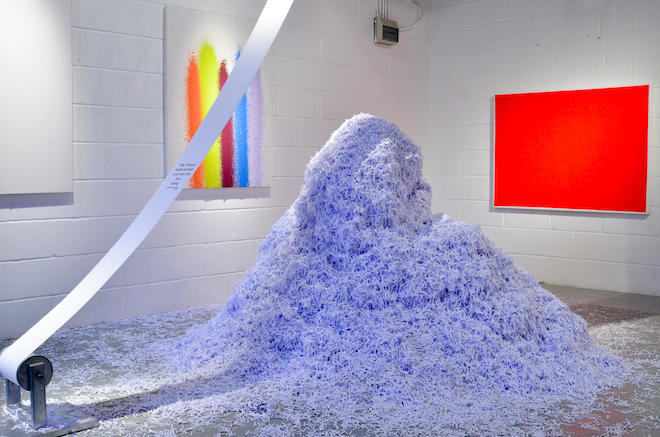
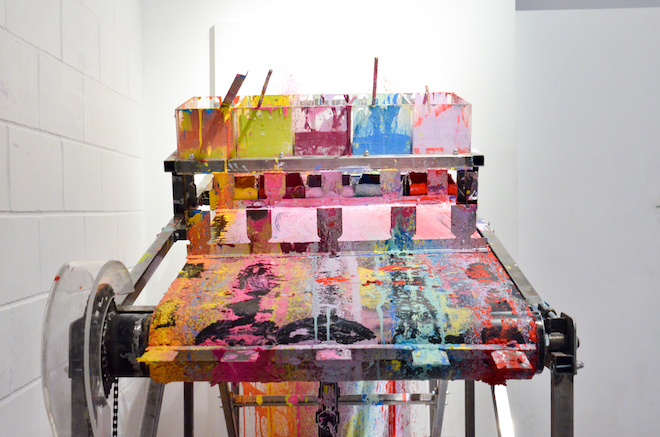
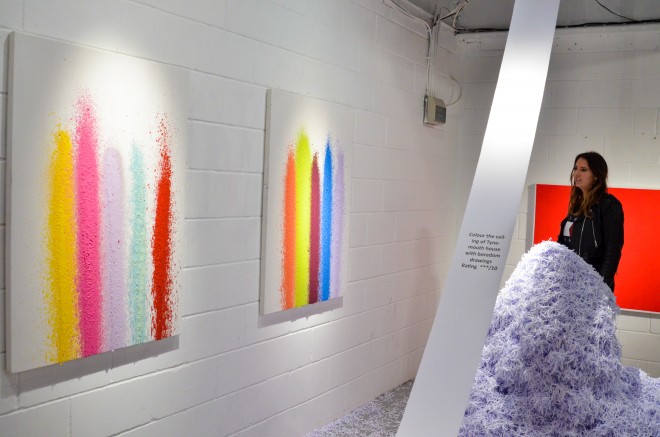
Twin first came in contact with Cara Mills at her Central Saint Martin’s degree show where she presented The Labour of Ideas — a giant shredder which methodically rated then shredded hundreds of her art ideas which fell like snowflakes, gradually amassing to a five foot mound of destroyed work plans. Mills took this art work and developed a second piece, Painting Machine a highly visceral work which spluttered and almost aggressively threw paint creating a new art work experience every day. Fresh off the back of her recent exhibition at Fuimano Projects, Machine: Part A, Part B, Part C & so on… Twin sat down with Mills on the sunny rooftop terrace of RCA where she is currently studying to talk about what makes an idea art and how it feels to be a female artist in today’s landscape.
I loved The Labour of Ideas so much. It draws on all these projects you had in your mind and you’re making all of them, in a way — was that the point?
Yes! I get bored really quickly with my ideas, and I thought there was something interesting about the process artists go through to make ideas and why they chose one and why not another and where do those ideas go when you don’t use them? Where do your thoughts go when they’re forgotten? They’re still there, but not being realised or spoken. I wanted to see their full potential. It was all about this concept that I wanted to make something physical but using all these ideas and I was tongue tied on how to approach that and do it. What was ironic about the piece was there was no hierarchy between the ideas – there was in the ratings sense that they were all rated out of ten – but at the end they all created this pile, and they all had the same shredded weight in this pile.
You had a lot of ideas, the pile was impressive!
It was five feet! I think I started writing down my ideas from March until the degree show, like ten hour days of writing down ideas. The sound of the shredder was really visceral. You became very aware that things were being shredded and destroyed, but that you were also creating.
So in a way all those ideas led to this final idea, The Labour of Ideas machine?
No, it was more a series of tests… I was really inspired by auto-destructive art, that something could be destructive but also creative. Looking at it now, that’s what I was doing. Also the systematic approach – one of the ideas in the shredder was ‘Make a piece about shredding your ideas’ so it was very much in the project. When I’d finished the piece I was empty of ideas… I didn’t really know where to start again. So, that was the end of the idea culmination — but I still write all my ideas down.
It’s really interesting to think about what makes us realise and not realise our ideas…
I sometimes wake up in the middle of the night with an idea for a painting, then don’t do it. What interests me is why? I’m interested in ten years time to look back on my ideas, and maybe then I’ll have one of those ideas I really want to make at that time!
I also liked how with The Labour of Ideas that you could see the ideas, and see the performative piece and machine and take from it what you wanted.
At the CSM show, the same people kept coming back. People were saying that they felt like over time they came back a few times and told me they felt like they were killing my work, like a piece of your work is dying by me coming back, because they’d be reading the idea then watching it shredded. It’s like if you caught it at that moment then you saw it, but then it was shredded, deleted. It’s like you’ve made an idea in your head, is that done? Or do you need to realise it? I was interested in the actual physicality of an idea, like it was one pile made up of hundreds of ideas, metres and metres of paper.
Do you have a mission statement or motive behind your need to create art?
I think it’s about communicating ideas really. I think you get an itch to get it out of you. If it’s stuck, it’s not enough to say it or draw it, you need to make it and leave it there and let it manifest. The journey between thinking and making is really hard.
Your most recent exhibition showed The Labour of Ideas and Painting Machine. What is it about making these really visceral present machines?
It’s about detachment of myself as an artist, and as a creator. I like making something and setting up a situation and letting it happen. The machines will be churning away. I’m very interested in the gallery time frame, the gallery day being the limit but also the potential of the work. The solo show I recently did was three and a half weeks long, so during opening hours that was when the machines were going. The pile would never get any higher than it would be allowed to than the days in the gallery. They’re part of the work. The machines performing and I leave them and the audience see that process.
There’s an artist called Michael Stailstorfer who installed an art piece ‘Forst’ at Sammlung Boros in Berlin. It was a steel machine frame which turned a tree trunk and leaves on the ground, as the machine circled gradually the leaves and branches turned to dust creating piles on the floor — first leaves, then dust. I went to see it a few times, and each visit it was a different experience in the two year life cycle of the art works presentation.
That’s so interesting — something I’m thinking about a lot at the moment is ‘what is destruction’? So I’m using a lot of sandpaper on sandpaper and do we expect something to be grounded to flour — when does destruction become creation? When is that? Who decides that? I think what was interesting about the show was that with the Painting Machine it was chucking paint at the wall and kind of being destructive but also creating moments, and with The Labour of Ideas you could come in on the first day and it was a tiny pile of shredded material, and you could come in on the last day and it was this impending five foot mound!
Both could be seen as live sculpture in a way, and also be interpreted on so many levels…
I don’t want to make highly cerebral work only accessible to artists and intellectuals, I want to make something visual that people can interpret in different ways. I’ve looked a lot at performance work and I’m really interested in that — how much the audience plays a role, and what expectations artists put on their audience to complete a work. With ‘Painting Machine’ it was a very different experience depending on whether was moving, or when it was off. I like with kinetic work when something is moving it’s very different when it stops, sort of like how people are very different when they’re speaking to when they’re not. When it was moving it was aggressive and painting and when it was off it was very sculptural and poetic.
I was wondering if we could talk a bit about your experience as a woman in the art world?
It’s funny that you say that… on Facebook this morning I saw a post which said “Enough of Jackson Pollock”. It looked at Lee Krasner who was Pollock’s wife, who was making incredible paintings, and it was so insane because as soon as Jackson Pollock died she went into his studio and her paintings got so much bigger… I find that every artist I’m reading about are all men. I find it really frustrating. I think female artists are making incredible work, and I think historically men were more written about but today I think it’s really important for female artists to be louder otherwise it’s just going to continue to be a man’s world.
How do you navigate that?
I think you just don’t tolerate it. You just see yourself as an artist whether male or female. I think female artists need to not be afraid about working in such a male industry. Just be aware of it, and don’t take any shit.
Founded by Philomena Epps in 2014, Orlando is an online platform and print magazine that fuels and ignites conversation around feminism, gender and identity. With a view to championing women creatives and intellectuals across a range of disciplines, Orlando is both radical and inclusive; it’s about uniting individuals through conversation and community.
The forthcoming issue draws together a range of work around the theme of discourse. Contributors include Katherine Jackson, who in her essay ‘The Sculpture: Language, Industry and Art in the Work of The Artist Placement Group’ considers an ephemeral 1971 work by The Artist Placement Group, long-form poetry from artist filmmaker Keira Greene and an image-led essay from Althea Greenan, curator of the Women’s Art Library.
“The name itself is inspired by the transgressive protagonist of Virginia Woolf’s 1928 novel.” says Philomena. “In the text, Woolf drew on the androgynous body as a signifier for multiplicity, and to advance a narrative of mutual understanding and inclusion. Inspired by how androgyny functions in the story, Orlando operates in a similar way by eschewing binaries in favour of the united body.”
To mark the latest issue, Orlando will be hosting a launch party next week which will see various elements of the magazine brought to life. Expect readings and performances from many of the magazine’s contributors, as well as a complimentary copy of the latest issue.
Orlando issue 2 launch party takes place on May 3rd, buy tickets here.
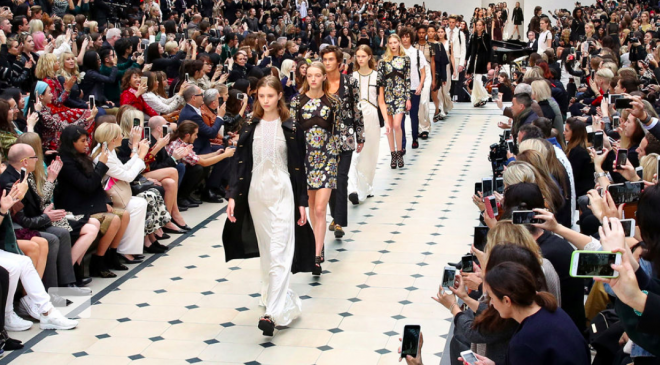
The Craft of Couture with Mulberry and Burberry
In recent years, luxury brands have proven to be increasingly keen on opening their doors to bring customers behind the scenes – think Dior & I or Chanel’s interactive exhibition at Saatchi Gallery. This year at London Craft Week, some of fashion’s most influential houses are going a step further and creating more intimate experiences. Audiences will gain unparalleled insight into how iconic pieces from luxury brands are made.
At Mulberry, their ‘Passion of Making’ event invites visitors to see craftsmen and craftswomen from the brand’s two factories in Somerset demonstrate the making of its iconic handbag styles in their flagship store on New Bond Street.
Similarly Burberry will embraces it’s tradition of craftsmanship with a series of events at their Regent’s Street store. Here customers can experience pivotal moments from the company’s 160-year history with help from Burberry archivist, and add one’s own unique handwritten design to Scottish-made cashmere scarves with the help of the renowned company’s artisan calligrapher.
These events and many others work to showcase the best of creativity in the capital, with over fifty four creative disciplines recognised and 200 events taking place throughout London Craft Week. With everyone from major names to rising stars taking part, DIY has never seemed so enticing.
Mulberry: The Passion of Making takes placeWed 3 – Sat 6 May, 10.00am – 7.00pm and Craft, Heritage & Personalisation at Burberrytakes placeFri 5 and Sat 6 May, 10.00am – 8.00pm, Sun 7 May, 12.00pm – 6.00pm. No booking required.
“If you want to be in the club, you’re already part of the club.”
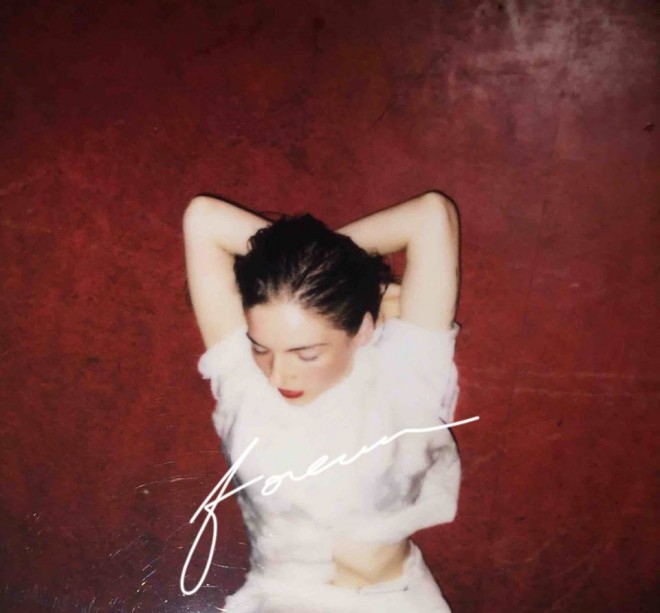
Forever aka June Moon is a Canadian artist living, recording and performing her ethereal, dreamy and all encompassing music in Montreal. She also has a wonderfully addictive radio show, drenched in nostalgia and named Flip Phone Forever. Emmett Rose is a director, artist and all round powerful woman who started the political art movements VOTES4NUDES and Tramps Against Trump, which aptly supplied anyone who voted in the Canadian and American elections with a tasteful nude.
The duo are one half of Girls Club, an inclusive creative community for anyone and everyone who identifies as females and have recently come together in creating a video for Forever’s latest track, “Heaven’s Mouth”. The video (akin to a blissful short) sees a girl meandering through her day, exploring her innate hungers and desires with clips that see her as she plunges her nails into a plump juicy orange, squeezes her fist around peach halves and tears into a cream cake spliced with clips of her wandering through grave yards and late night subway stations. We got together with June and Em to explore their work from a creative, fashion and feminist perspective.
Twin: Firstly can you tell Twin readers a little about who you both are, how you met and what sparked your creative relationship?
Em:June who are you?
June:I’m a poet, popstar and provocateur.
Em: That’s good trademark that. I’m a tease, a queer performance artist, painter and total babe. Now Juney, tell me why you love me.
June: We met through Michael (Mind Bath) we really established a connection in the summer of 2015, and Girl’s Club happened right away and the rest is in the making…
Em:Us meeting feels like forever ago (ForeverTM) I remember feeling shy riding a train up to Harlem with you and desperately wanting to get close to your energy. I feel like Girl’s Club spawned from that longing for connection, a closeness between women that you often feel like you just can’t reach for whatever reason. But what we’re doing now feels so much further along than that, now I don’t ever question my wanting of being close to other women.
You worked together on the video for ‘Heaven’s Mouth’, how did you work collaboratively on this? What are some of the themes in the song that were important to translate visually?
Em:How did it all start with this project in particular Juney?
June: After I released the EP “Forever” I started fantasizing about the visual aspect of the record but I was looking at a blank wall for a couple months. One morning I got a text from you saying — we’re making a music video
Em: I like that I texted you without giving you any choice in the matter ha
June: Ya I came over and you had received the vision. And I trusted you 100%
Em: I remember it coming to me like a wave, sometimes I get clear visions that just need to come out and I knew June would let me see that feeling through. I saw peaches and flowers both rotting and blooming mixed in with skin and hands, one object cutting into another creating this abstract mesh that was more about feeling than it was about recording any one image. I wanted to work with the idea of a Vanitas painting, a dark still life that speaks of time and fertility and death but in a way that also speaks of rebirth. The orange peels we see show what has come to pass before the orange was eaten, the way trauma leaves marks on our skin I wanted to show the passing of time in the skin of a woman.
June: I like that. That insight is why I trust you 100% – we’re on the same tip
Em: without really needing to explain everything by words ha I don’t even think we communicated all of this before we started shooting. But that June is what you’re always talking about with intuition.
June: Which is the most sacred quality of feminine energy.
Why is it important to you to support each other and in doing so other women?
June: Well that’s an obvious question
Em: Well it feels obvious now but it didn’t always, I think Girl’s Club has changed our instincts. Being supported by you has changed my life. It’s changed what I do with my life, not only am I an artist who deals with the duality of living femme but now my life with Girl’s Club is dedicated to fostering an environment where other women, femmes, n queers can connect in way that really heals and builds.
June:We have to learn how to do this, together. We’re taking up space in a new way, reclaiming space is a lot of fighting and a lot of resisting and for me if I can feel this with my community then we can make herstory together. Girl’s Club was about recognizing that we didn’t want to fit into the boys club, it’s just not gonna serve me or speak to me.
What challenges do you feel women face in the creative industries?
Em:What challenges don’t we face in every industry!
June:In every aspect of life to be honest
Em:I don’t think it’s about what challenges we face but what incredible insight we bring to our practices because of our experiences. I couldn’t make work with the sensitivity or drive that I do if it weren’t for my trauma living as a woman (she sings).
June:Which brings us to why we absolutely needed an all femme production team.
Em: We needed a crew with intuition and sensitivity; we couldn’t have done it without that femme expertise.
You co-founded feminist collective ‘Girls Club’, I’ve just been on the site and I love how inclusive it feels and the fluidity with which you look at femininity and what constitutes a woman. What birthed the collective?
June: Girl’s Club was the simultaneous desire for community that brought Emmett and I together as friends, and artists. We started with t-shirts, and our lives have totally and completely been changed. We like to say ‘all you need is two’ ~ because women are taught to remain isolated, to keep them out of power, but we re-claimed our power, our feminine power by coming together.
As Girl’s Club, what is your mission statement? What do you hope to achieve?
Girl’s Club:One individual and their own right to create safer spaces and communities around them. Girl’s Club is in opposition of a club of only girls who must all think the same. A girl is anyone who harnesses the power of femininity. To us, femininity is a force that can be wielded by any sex, gender or orientation. A girl is anyone who occupies unsafe territory and, against all odds, rises. Girl’s Club is driven by the need for a community, it’s not for everyone but it can be for anyone who identifies with us. Girl’s Club represents visual solidarity – more space is being claimed for us, by us. If you want to be in the club, you’re already part of the club.
Emmett, you’ve been very vocal around both the Canadian and American elections (which is super important, so thank you!) especially around Harper and Trumps opinions on women and who owns their bodies. How do you both feel art interacts with politics? Should all art have a political agenda?
Em:My life is political but not by my own choice, being born a woman is political. And being born a chatty-ass gotta-say-somethin’ woman is my blessing and my curse, I couldn’t lay dormant if I tried. I don’t have a background in government politics but my body has always been a political battle ground whether I like it or not. I’ve lost family and friend just for embracing my body, being both a naked sexual woman and a smart evocative woman, we all live in that battle.
How now post-election can we keep each other safe and empowered as women? How can the arts play into this?
June: Art is always political because it has the capacity to influence the individual and society as a whole
Em:I think we keep each other safe each time we create something, we add another object into our cultural realm that speaks to us and for us, representation is everything, each time we make a work we tilt the scales in our favor.
What message do you want to leave us about being a woman in the world at such a tumultuous time as this?
June: Get into your sexuality and own it.
Em: That may be the most powerful and terrifying thing you can do. Sexuality continues to scare people because it’s such a power force that people (men) have tried to keep under wraps for too long. The world has always been tumultuous…
June:Duality is constant.
Em: As the world seems to get more chaotic we also gain more power, it’s this constant push back that drives us forward. I think it’s easy to feel scared at times like this, but if our oppressors are pushing back against us, it means we’ve scared them. And that is a good thing.
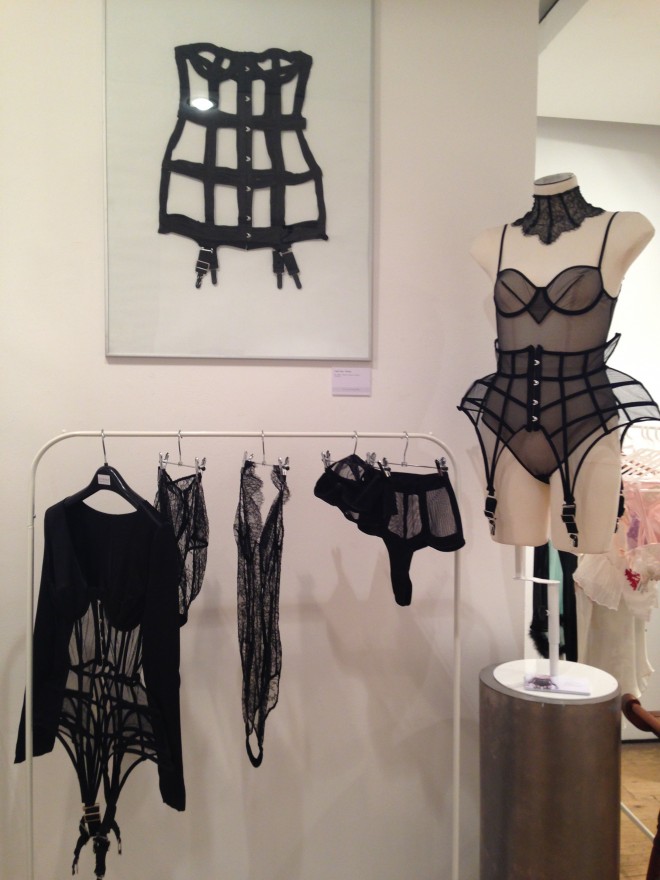
‘I think my views on lingerie and design have never really changed that much. I’ve always had singularly focused thoughts in my mind.’ Says Tabitha Dukes, as precise and practical when talking about the art of lingerie as she is when executing her designs. Having graduated from London College of Fashion in 2014, after studying Fashion Contour, Tabby did a bout of work experience at the world-renowned Alexander McQueen Couture studio before becoming a design and production assistant at Myla. At the prodigious age of 22 she was one of only two Lingerie Designers at Coco de Mer, the luxury lingerie store founded in 2001 by Samantha Roddick, where she continues to work today. Twin caught up with Tabitha to talk gender fluidity in lingerie design, matters of size and the magic of material.
Your designs vary with each collection. Where do your concepts stem from and what is your creative process?
I look for inspiration everywhere. I based one project on the glasshouses at Kew, for example – I was completely in awe of the beautiful cast iron, giant structures that were surrounding these really delicate, beautiful flowers and so I created a concept for a collection based around that. I mainly focus on the shapes and forms in the surrounding world. I did a collection that was all inspired by scallop shells. I looked into fractals, which are patterns in nature, like a cauliflower or a snowflake, in which similar patterns recur at progressively smaller scales. I became obsessed with scallop shells, my house was littered with them and I created a whole collection that repeated the scales with Sophie Hallette lace. I ended up cutting out fragments of the lace and dipping them in PVA glue to set them, in order to mimic the shape of a scallop shell – I tried to use resin but the texture was never quite right.
Architecture is also a really important influence for me. Lingerie is so structured and architecture is the same in its degree of and I see so many similarities in it that way. That being said, I also take a lot of note from historical womenswear, especially corsetry and the use of form in fashion through the ages. Couture and catwalk looks influence me to a certain extent, but I find that I less and less look to trends for ideas.
Where do you research?
I use libraries and museums a lot. I have a membership to the V&A so I find myself using the archives there. Exhibitions there are also of great use to me. ‘Savage Beauty’ was possibly my favourite exhibition of all time – I think Alexander McQueen was – and still is – my biggest design inspiration, simply because McQueen himself created such amazing concepts behind his collections, something which I think can be lost in today’s designing, especially in lingerie. That’s something I’m really passionate about; I always try to have a strong concept before I start working.
Do you think your own sexuality comes through in your work? Is that something you find important to your design process?
Sexuality has to come into designing lingerie, I think. And I’ve always felt I’m quite a sexual person so I do really enjoy being aware of that process, designing erotic items appeals to me. But I would say the real focus of my designs is to empower the wearer – it’s not so much about impressing someone, but about making you feel amazing. I think of it through the idea of power through dressing – what you’re wearing underneath can make you feel amazing on the outside. So in terms of my designs being affected by my sexuality, I think it’s more in terms of employing a sexual independence, a confidence, no matter what your orientations or preferences might be.
I’m interested in the level of gender fluidity that comes with designing lingerie. Obviously one assumes that lingerie is specifically designed just for women but could you translate that work, those concepts, into design for the male form, or a transgender form?
It’s a concept that has always interested me and is definitely a challenge for future lingerie design. It’s something I’ve been approached for many times, often at Coco de Mer, I will have men asking me why there aren’t more beautiful designs for men. It’s not necessarily just gay men, straight men are interested too. Again, sexiness and sexuality doesn’t distinguish itself based on orientation. Like I’ve said, wearing something beautiful can really change the way that you feel and I think we should broaden that access in lingerie design! The way I design for women, in terms of accentuating the female form, I am very interested in designing in the same way for a man.
Do you think you would change the materials and the shapes that you use if designing for the male form?
I think the fabrics wouldn’t differ dramatically at all. I firmly believe silk is one of the most beautiful and universally lovely products to design with – it’s a lot about the feeling against your skin, which is also part of the way it makes you feel. If you have soft, sleek material against your skin I always find it teases out the sense of beauty in the wearer. I would be interested in employing more ‘masculine’ laces, if you can picture what I mean, I don’t see why lace should just remain for females I can see lace being translated into menswear. An interesting point of reference is Nick Knight’s project ‘Boned’ on SHOWstudio, in which Knight photographs male models in lingerie designed specifically for the male form. I’m obsessed with the designs and with the concept. I think that’s quite amazing and I’m so interested in that Nick Knight described the garments as lingerie rather than just as underwear. I think it’s unfair men are so restricted in their undergarments, I don’t see why they shouldn’t represent themselves through their lingerie as well. I would love to one day design a range that would be focused around men as well.
How much are your designs focused on the practicality of designing for women?
Lingerie is quite different from designing Womenswear, in that the technicality of it is pretty much the most important thing overall. Obviously you want the garments to be beautiful but they do have to fit and support your body, but I’m also very keen to be creating designs that are seen as artworks, I almost see lingerie as a kind of sculpture in this way. I want to create garments that translate the body into a piece of art, so for me it’s a lot about balancing the beauty of the object with the technicality of the piece. I think a massive gap in the market is creating these pieces for a wider range of forms. It’s hard because if the lingerie is a structured item, with wiring or boning or whatever, after you go above around a 34DD the whole technical process has to change. But I think that creating pieces that seam as delicate and beautiful for all sizes would be an interesting challenge, ideally in the future I would start my own line. I would like that to fill the gaps in the market to create lingerie for all shapes, sizes and sexes.
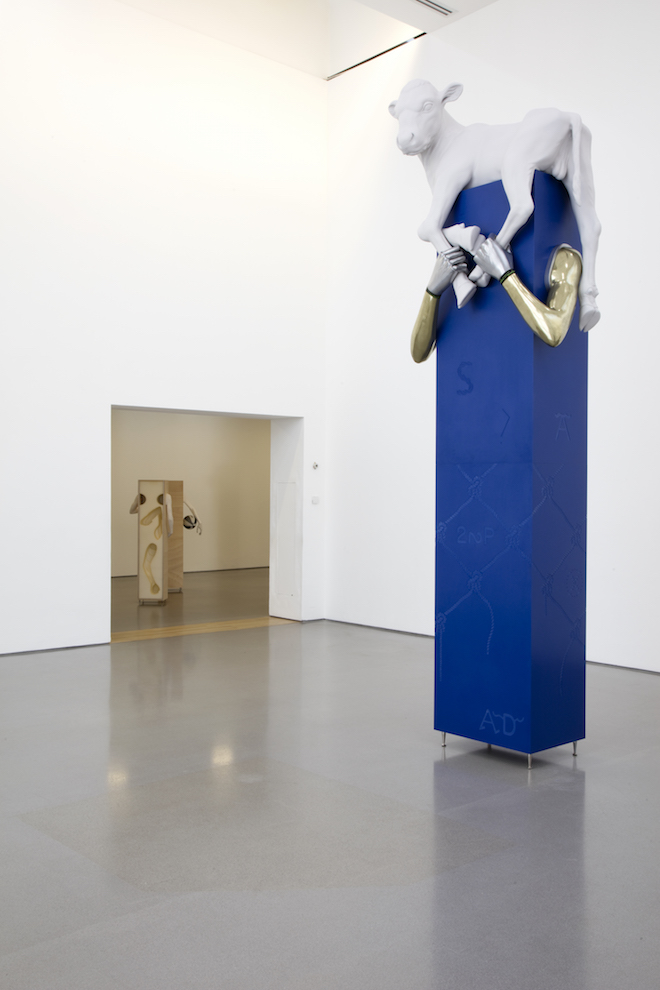
Aleksandra Domanović: Votives
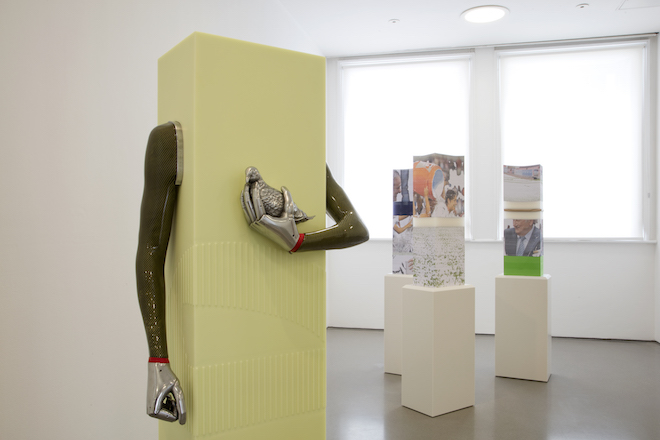
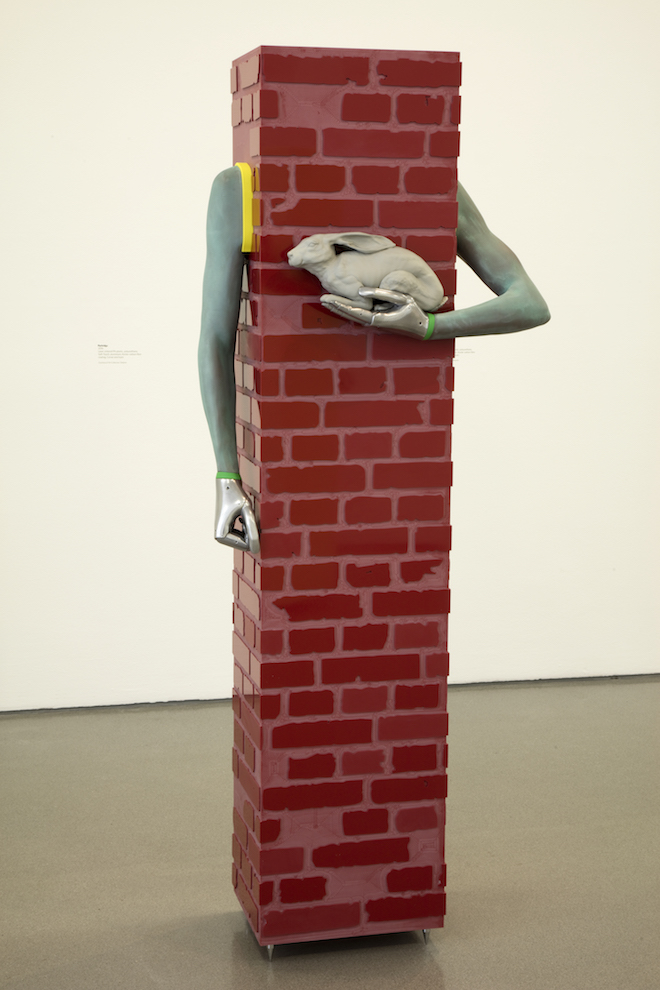
What happens when you fuse Ancient Greek sculpture with a future-modern aesthetic? The result is ‘Votives’, a very strong solo show at the highly respected Henry Moore Institute in Leeds by Berlin-based artist Aleksandra Domanovic. The exhibition forms a fascinating take on the history of sculptural language, with seven new female sculptural figures each holding different objects referencing at time the Greek practise of votive offering and, in some cases, women’s basketball. Six are human size, while one room is devoted to a huge, royal blue, 3D printed monolith. Domanović’s exhibition brilliantly unpicks changes in modern scientific research, the new materials and aesthetic emerging from tech culture, and the relationship to politics and monument. Here are three motifs in her work to keep in mind.
Cows: Domanović’s 2016 show at Tanya Leighton gallery explored recent scientific research into molecular biology, in particular the work at the University of California Davis to produce cows with no horns. In this exhibition ideas around genome editing are combined with a reference to the ancient Greek sculpture Moscophoros, found on the Acropolis, depicting a man carrying a calf possibly to sacrifice to the female goddess Athena.
Tupac: Domanović’s film ‘Turbo Sculpture’ (2010-13), on show in Leeds, looks at the trend of producing public sculptures devoted to popular figures in the former Yugoslavia, such as Bruce Lee and Bob Marley. The documentary-like piece at one point discusses the Italian artist Paolo Chiasera’s grey life size sculpture of Tupac, the African American musician and hip hop icon was murdered in 1996.
Robo-arms: Disembodied hands often figure in Domanović’s work. She was originally inspired by The Belgrade Hand, one of the first robotic hands created in 1963 by Rajka Tomanovic in Serbia. This prosthetic hands created with a sense of touch, able to close when it made contact with an object. Aleksandra’s robot-like hands have expanded into 3D printed limbs, based on the artist’s own body.
Aleksandra Domanović: Votives is on at the Henry Moore Foundation, 23 March – 11 June 2017
Imagination Vacation: Escape with Louis Vuitton’s Objets Nomades
Drawing on their longstanding tradition of creating travel objects, Louis Vuitton have invited designers to reimagine furniture through the lens of journey and adventure for this year’s Objets Nomades collection.
Launched in 2012, the collection coincides with the start of Milan Design Week and this year sees the addition of two more renowned designers to the rostra, India Mahdavi and Tokujin Yoshioka. Other designers include Campana Brothers, Marcel Wanders, Atelier Oï and Patricia Urquiola. Each has contributed a piece, or pieces, inspired by iconic items from Louis Vuitton’s heritage collection such as the Bed Trunk of 1874, produced for French explorer Pierre Savorgnan.
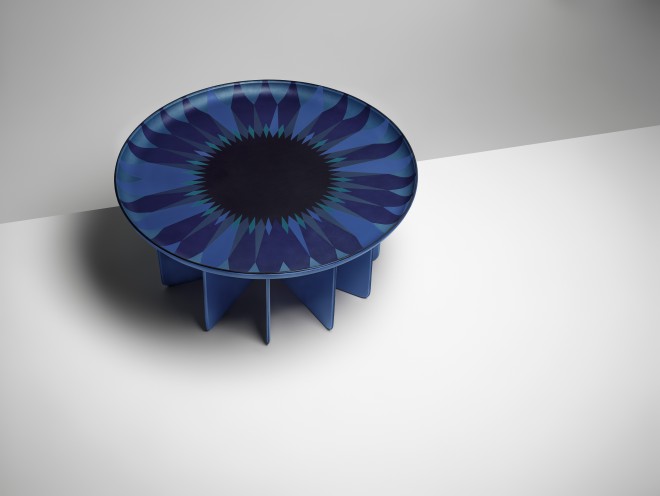
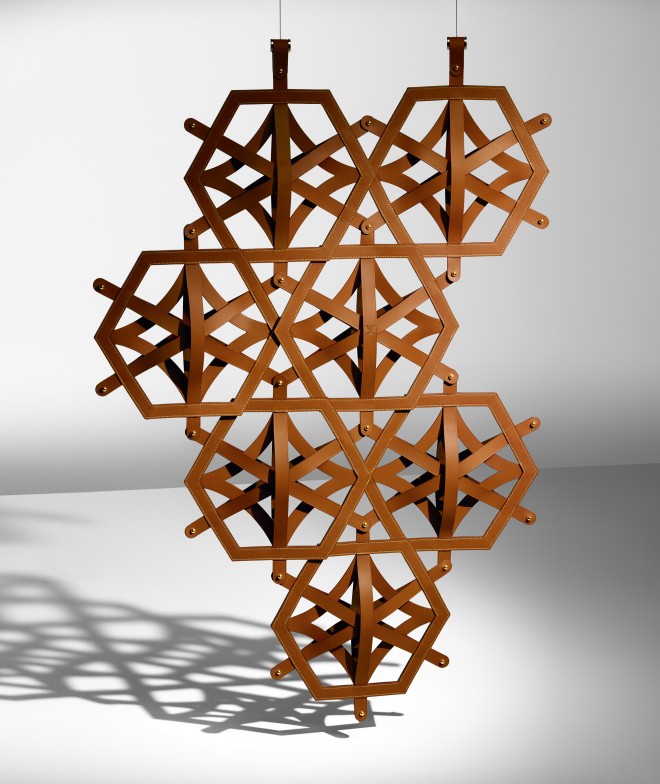
Contemporary objects in the collection range from supple rocking chairs by Marcel Wanders, to India Mahdavi’s side table, inspired by Middle Eastern nomadic hospitality to a lamp that holds light in a way reminiscent of how a Louis Vuitton bag contains a traveller’s belongings. Other highlights include Tokujin Yoshioka’s Monogram-pattern flower stool, Atelier Oï’s vintage swing chair and Marcel Wanders’ leather screen that references the House’s classic Monogram pattern.
The collection comes alongside the launch of Louis Vuitton’s ‘Spirit of Travel’ campaign for 2017, which sees Michelle Williams captured by Patrick Demarchelier. In fusing modern day design with a the brand’s rich travel heritage Louis Vuitton beautifully provides a segue between innovation and history, adventure and style.
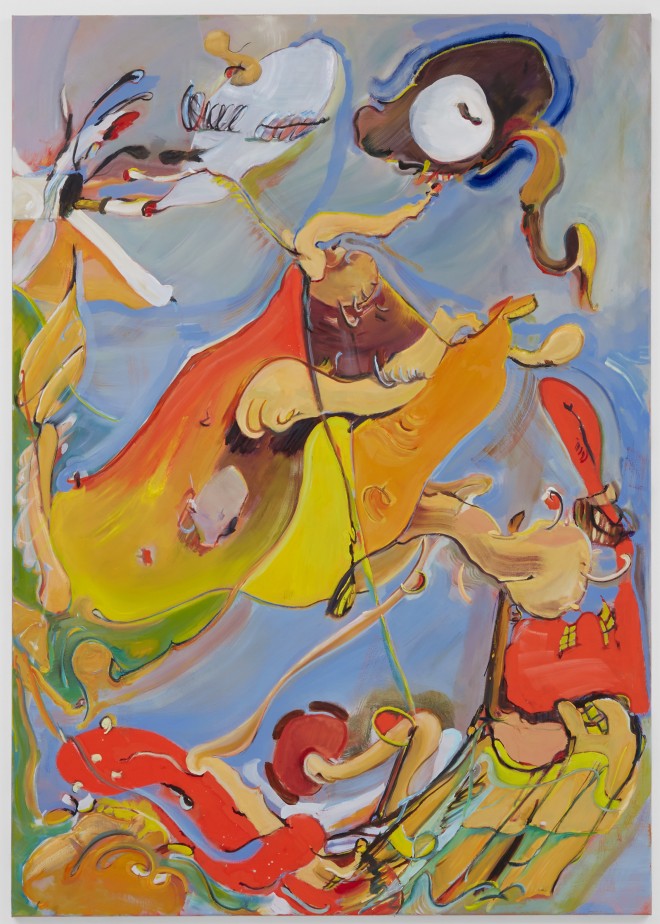
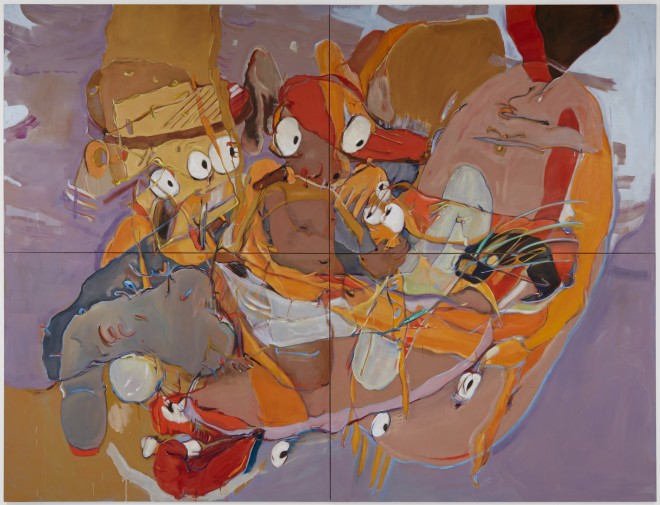
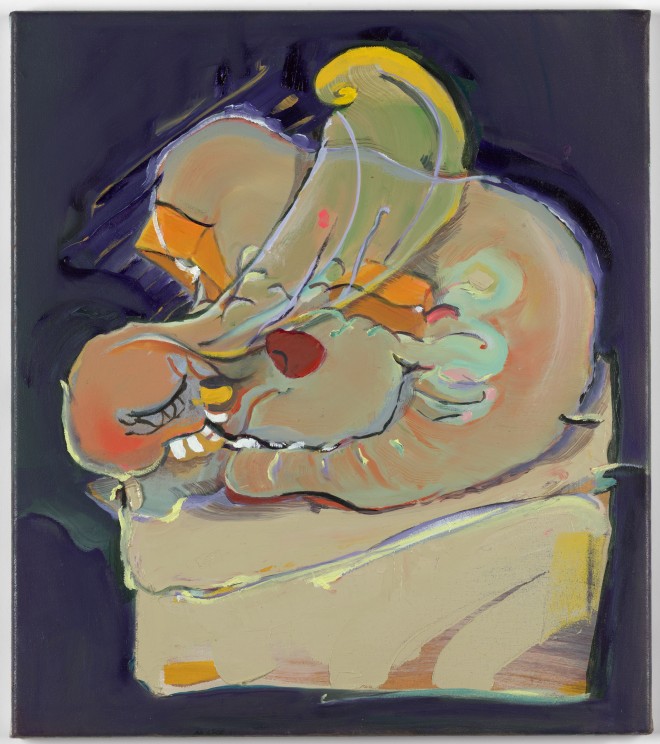
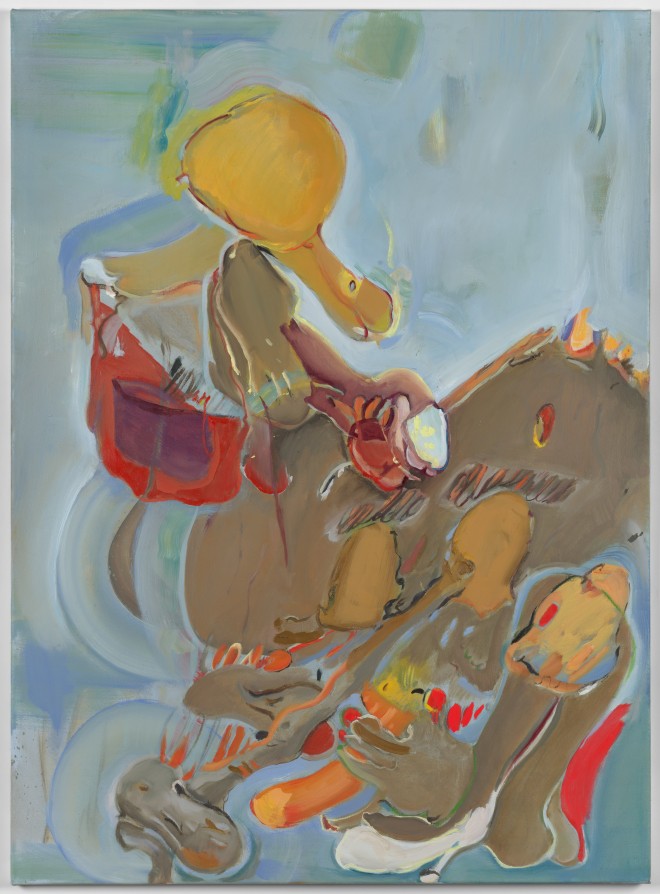
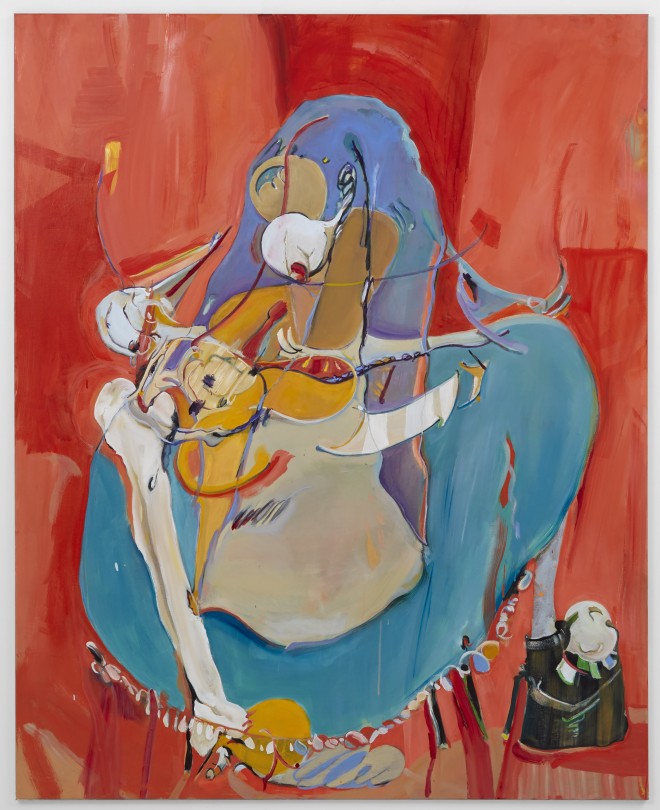
Stefanie Heinze creates hallucinatory artworks, featuring clumsy figures that bleed into one another to depict strange unrealities. Using fleshy brushstrokes, she transforms her preliminary sketches in ink and pastel into colourful, playful paintings, in which bodies merge with both objects and themselves. She reinterprets mistakes as part of the painting, and draws inspiration from sense-defying cartoons, as figures are depicted in various states of activity; eating, resting, and leaping across the canvas.
Stefanie lives and works in Berlin, and her first solo exhibition, entitled ‘Genuflect Softly #1’, is on display at the Pippy Houldsworth Gallery until April 22nd. The exhibition displays her colourful, large-scale paintings, which defy logic and convention through the construction of new shapes and motions, causing reason to degenerate into what she likes to call ‘newsense’. Twin speaks to Stefanie about her distinctive artistic process, deconstructing gender roles, and transformation.
You have said that painting is your favourite medium, because it can ‘flesh out contradictions’. What do you mean by that?
For me, image making is about impossibilities. Figures can sit and float at the same time. Body parts, domestic objects, make up and foodstuffs bleed into one another in hallucinatory scenes. The figures become their environment and the consumable products that we surround ourselves with ooze until they’re a tangled mass of abstraction. I’m the one that creates that imagery but I sometimes feel their anarchy taking over.
Your work is always centered around the theme of transformation. How does this influence you, and how do you represent transformation through painting?
Transformation and morphing are often depicted in cartoons and animated films and I draw a lot of inspiration from this. Betty Bop and Looney Tunes characters morph on screen with or without their knowledge. Characters do impressions of others and transform not only their voice, but also their body into that person; Donald Duck switches effortlessly between Dr. Jekyll and Mr. Hyde. Evolution, opposites, and rivals are at play; toys, rocks, animals, and musical instruments are just as lively as people. I am interested in this imaging of transformation, less for its entertainment quality and more as a crucial reflection on the persuasive influences on our personhood, environment, and culture. I try to keep this sensation of perpetual movement very present in my work.
How do you use your work to deconstruct gender roles?
I am always eager to deconstruct gender roles in a playful and evocative way. Gender and class can be deliberated through depictions of skateboards, high heels or cigarettes. These objects may be pictured at the point of collapse, comparable to the way in which normative constructions of gender or predeterminations around class are distorted depending on your standpoint. This instability recalls queer theory’s promise of difference, variability, and transition. The vagueness of figures, objects and their interactions underline a moment of empathy.
Can you tell us a little about your artistic process?
I like to harness clumsiness in my painting as a tool. I am interested in how objects, environments, and figures can signal a social status or identity and how the rebellious mass of oil paint can change that as well. Domesticating it in thick or thin layers, scraping paint out, I play with color connotations.
What do you hope that people take away from your work? I hope people don’t take a certain moral message from it. I prefer them to question meaning in general in a very enjoyable way. I see the works as conversation pieces that should create “newsense”.
Stefanie Heinze’s first solo exhibition ‘Genuflect Softly #1’ is on at the Pippy Houldsworth Gallery until the 22nd of April.
Fall into Ruin: William E. Jones at The Modern Institute
William E Jones, one of Los Angeles’ foremost independent film makers, once wrote of his work: “I am making my own explosions, in another context.” He was referring to the veneration of big budget Hollywood films to include explosions; Jones has created films which focus on visual stimulation rather than coherent narratives. Jones’ wide ranging body of work, such as feature length films Finished (1997) and Is It Really So Strange? (2004), have dealt with issues of sexuality, deception and artistic and social façades. Jones’ latest project Fall Into Ruin promises a return to these themes as it makes its debut at The Modern Institute, Glasgow.
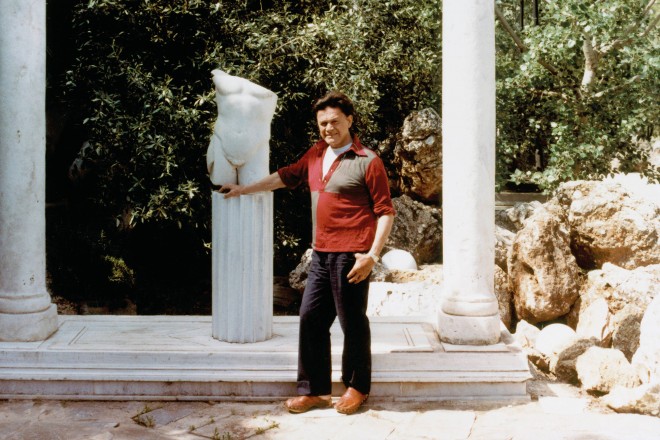
In Fall Into Ruin, Jones converges with an equally impressionable and multifaceted character, that of Alexander Iolas, the eminent Greek art dealer.The film documents the artist’s return to the property of Iolas, situated in an Athenian suburb. The art dealer became well known for his affiliation with surrealists such as Max Ernst and his championing of late Picasso works. He remains a figure of mystery within the art world; indeed, his own age was never discovered due to the continual changes he made to his date of birth on his passport. Fall Into Ruin is an investigation into the life of the Iolas through a visual catalogue of the now uninhabited remnants of his homely estate. Once described as a showroom rather than a private residence, the film contrasts the current state of the building; vandalised, defaced by graffiti and looted of its contents – including his esteemed art collection. This makes an interesting comparison to Iolas himself, whom was said to mix with both the top sectors of society for business and the very bottom sectors of society for pleasure. Set among the warm, dusty Athenian landscape, the film explores the intersection of two opposing sides of the art market and marks a new fold in Jones’ ever flourishing career.
The running time of Fall into Ruin is exactly 30 minutes. Screenings will begin every half hour between 10 am – 6 pm (Monday – Friday) and 12 pm – 5 pm (Saturday) at The Modern Institute, Glasgow
To celebrate International Women’s Day, the Royal Academy will be hosting a series of events, talks and screenings throughout the week.
During screenings this weekend, the themes of gender, identity and material were explored through films by alumni and current graduates. Over the next few days, a diverse range of talks and tours will investigate what it means to be a women in today’s society, and how women have previously been portrayed in art across the world. Highlights include the ‘Gendered Materials’ talk that will pose questions such as ‘what is the relationship between gender and materials in art practice?’ and ‘how do materials and scale used in art practice help to define gender?’
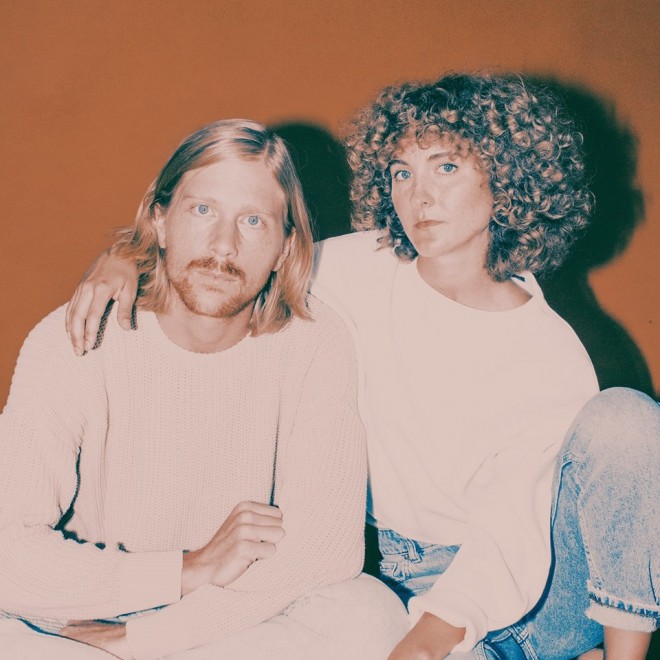
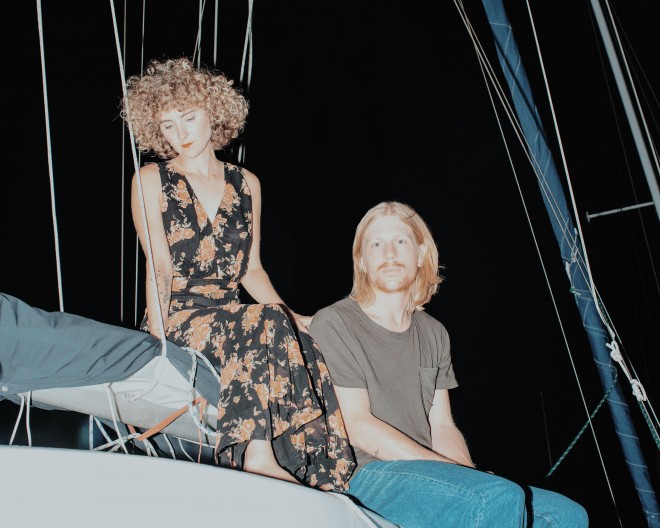
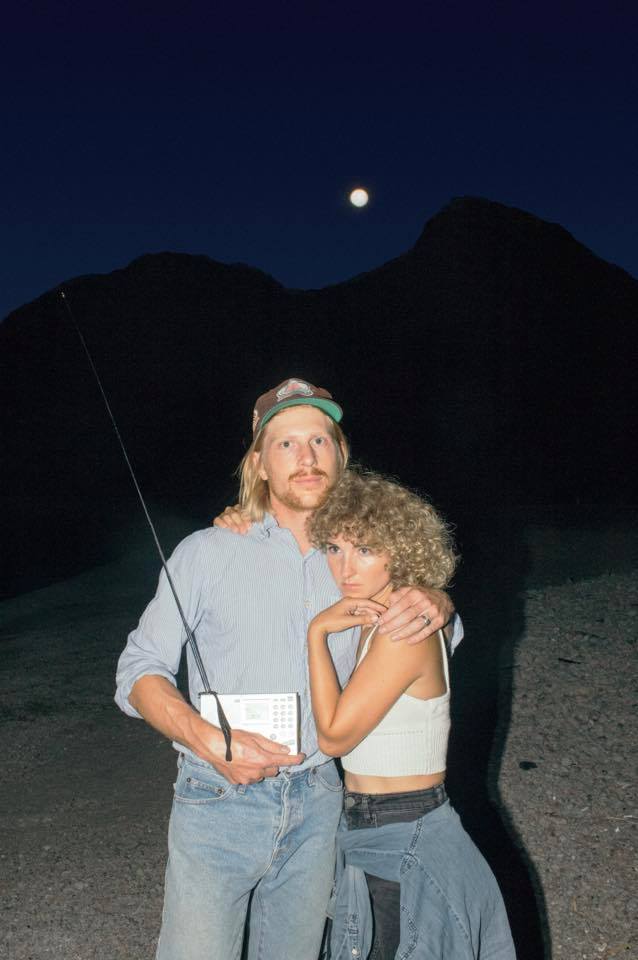
The story behind Tennis is very charming. The Denver-based band, made up of husband and wife duo Patrick Riley and Alaina Moore, was born out of wanderlust. Sailing down the Atlantic coast, the pair embarked on their first attempt at making music together and created their premier album, “Cape Dory”.
Seven years later and now a “proper band”, they have come full circle: to create their fourth album, “Yours Conditionally” they sailed around the Pacific. Swooning love songs framed by dreamy melodies echo their romantic story but it’s evident that Tennis goes deeper this time around. Working out the complexities that define love, identity, and feminism, the latest album sees the band at their best yet, pairing their back-to-basics approach with a worldly confidence.
Twin catches up with Alaina to find out how it’s done.
Tell us more about the album title, “Yours Conditionally”.
It was about boundaries with regards to my relationship with the world. It included my marriage, my friendships. Over the years, I feel like I was unintentionally conforming to certain things and expectations and ideals of like how a woman should be, whether it’s a writer and a performer or a wife. I thought of how unromantic it would be if I signed a letter to Patrick, “Yours Conditionally”. And we were laughing about it but then he was kind of like, no, but that means so much.
So was it about a more mature and sensible love?
Exactly. I’m a little cynical towards romance and forever and all those things and yet here I am in this long term, straight, monogamous marriage. I try to challenge myself to do better. If I’m going to write a love song, I try to do something different. I want to write a love song that’s sincere and smart and not identity erasing or self-effacing, which love songs tend to be.
Processed with VSCO with c8 preset
How conditional do you think the record turned out to be?
I’ve actually made a conscious decision with this record to be a lot more open, taking more emotional risks, because I noticed that whenever I did do that with the song, I feel like people responded more, even if they didn’t exactly know what I was referring to within my own life. It’s like a symbiotic relationship. So I set that goal for myself, to do more work and be a little less guarded.
In terms of your process, were you looking to get back to the simplicity of the beginning?
That’s exactly what we were looking for. And I don’t think it had to be the sailing trip so much as it was eliminating the ways in which we were trying to prop up the expectations of the industry. We gave ourselves permission to undo everything we’d ever done for the sake of making whatever we wanted with the same sincerity and goal of just pleasing ourselves, as we had with the first record.
What was that like?
It just felt so good, I can’t explain it. It brought back the joy of writing, the freedom of the first record but with some measure of skill and ability of having made several albums.
Listening back to “Yours Conditionally”, how do you think your music has changed?
I definitely hear maturity. When I listen back to our previous records I hear all the ways in which we were experimenting and growing and trying new things. I hear that sort of transformation throughout all our records and this record is really a pleasure to sing because I was able to write myself in mind instead of pretending I was somebody else.
What are you and Patrick looking forward to as Tennis?
I am definitely looking forward to Coachella. That’s going to be a very surreal experience, especially having grown up going to the festival. I was nineteen when I went to see Radiohead, and now we are going to be playing on the same day as Radiohead!
That’s incredible, congratulations!
Isn’t it? It’s almost like a life achievement that I didn’t even know I would want. If someone asked me, make a list of life goals, I couldn’t have even thought of this one, so I am very pleased (laughs).
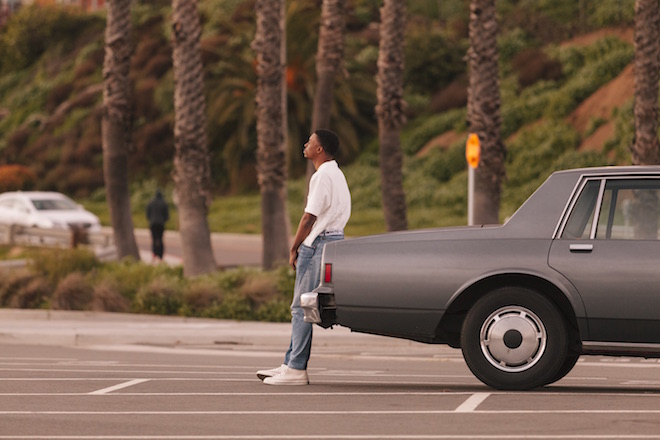
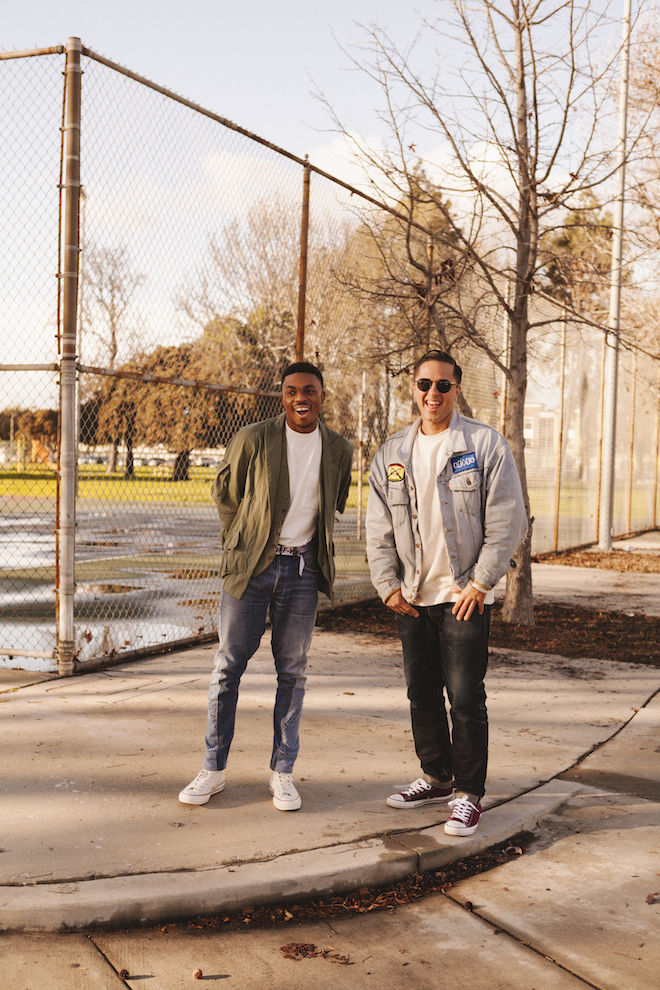
A three-part series ‘Chuck Forever’ explores the core cultural scenes that have made Chuck Taylors so iconic. In the latest instalment we are transported to LA, where Long Beach recording artist and style icon Vince Staples guides viewers through Chuck Taylor’s influence on street style and hip hop music in urban Los Angeles.
The video, directed by award-winning filmmaker Karim Huu Do, taps into Los Angeles’ youth culture; it shows how music and fashion combine to build enduring subcultures. During the film, viewers are also introduced to Los Angeles Lakers star Jordan Clarkson, and Born and Raised founder Spanto, who each explain their relationship with Chucks, and talk us through the way they choose to dress.
Julien Cahn, the Chief Marketing Officer at Converse, explains how, “Los Angeles has played an important role in revolutionising youth culture far beyond the west coast. Chuck Taylor has been part of all of that. He’s a symbol for underdogs, rebels and individualists all around the world.”
The newly launched series focuses on the daring, confident spirit of youth culture and celebrates the impact of Chucks on diverse cultural scenes all over the world. In the first instalment, Stranger Things star Mille Bobbie Brown introduced us to the use of Chucks in film, asking what kinds of characters wear them, and why?
Dancing in Dreams: An Interview With Claire Barrow
Twin catches up with fashion designer and artist Claire Barrow to talk about her new exhibition, and how fashion can help to fight prejudice during these uncertain times.
How did the collaboration between yourself and Galeria Melissa come about?
I was approached from them a while ago but the installation idea started to take shape towards the end of last year. Melissa‘s shoes are completely recycled, waste free and 100% animal free so I’m really into that. It’s been on my wishlist for a long time to work with larger company with great ethics like theirs and I’m also really into what they do with collaborations. Ow, and the smell of the PVC is really good (all the shoes smell like rubber and strawberries.)
What was your starting point for the project, and what were you inspired by?
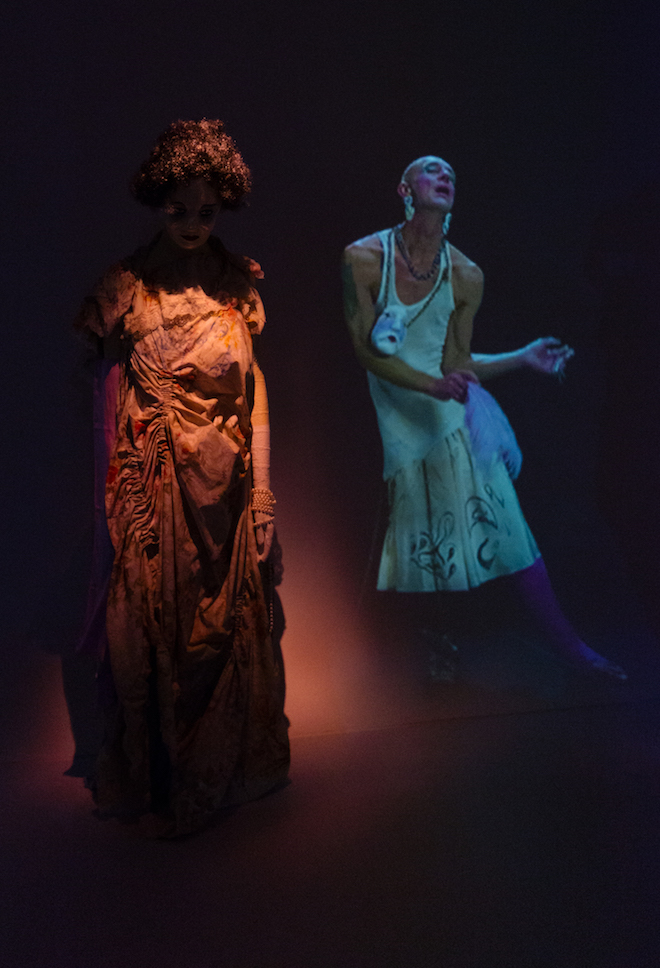
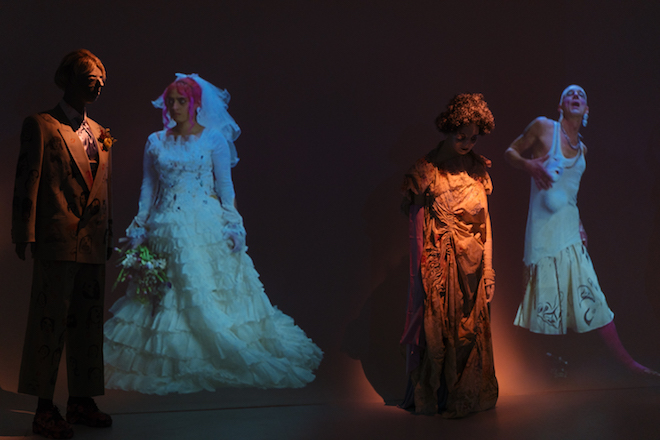
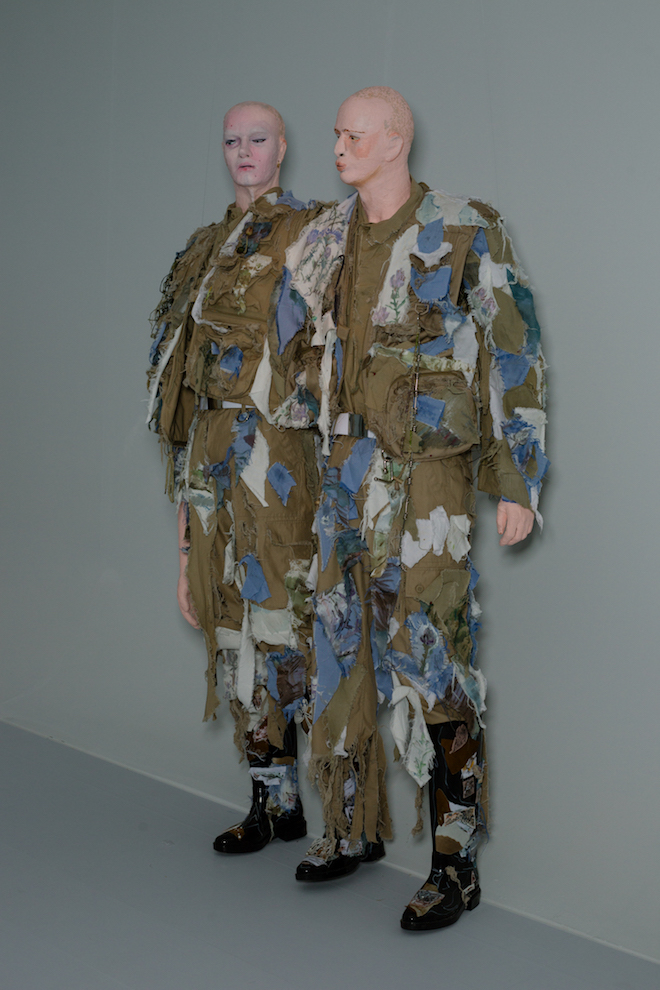
I wanted to combine performance and sculpture that also used digital in some way, so I think it started there then the idea grew and it become human size sculptures and digital projections of people performing next to them. I just wanted to do everything at once. So we have digital, music, film, performance, costume, movement.
So, the piece addresses the ‘judging’ of people, and the initial ideas you have of someone before they even speak. So, these ‘people’ (sculptures) will never get the chance to communicate but how can the performers work with them to make them feel animated. Then the fact that the ‘real’ people aren’t really there, but digital also signifies our online communication with friends, feeling less lonely but not seeing them IRL. We are all on our phones and computers too much now that I don’t want to miss that out in my work. I try to use the everyday and this is our new reality.
What were your design references for this piece? Was there particular reason that you were drawn to use pearls and a muted palette?
I’ve been trying to not use references in my work to much unless I have to explain my idea’s to someone else in the team as I would like the ideas to come from somewhere inside my head or from a drawing I have done. My subconscious will have maybe seen references in the past, or that day on Instagram, but then it will be a distorted version that sticks. I took a lot from my own life and childhood for this project.
I took a train ride over Christmas time past the old British Steel in Teeside, (a steel works that closed a few years ago leading to the loss of thousands of jobs, which is just stood rotting), and the light was so beautiful and metal so glittery I sort of took it from an imagined version of that then also the idea of ‘high glamour’ too, so jewellery and make-up and sparkle. So I chose the pearls and muted palette and crystals in like, ‘powdered’ down version of primary or secondary colours. Different types of camouflage feature heavily too.
What are your hopes for the exhibition, and what are you most excited about?
It was brilliant to work with the team on the video. I cast Sameena who was in the Daniel Wolfe film ‘Catch Me Daddy’ a few years ago and hasn’t acted since. So it was an honour she actually said yes to me!
It’s the first time I’d worked with Joseph Bird to who’s a reasonably new film director and also Taigen and Ken (Bo Ningen) on the music. I’ve been meaning to work with them for years we were just looking for the right project.
The five characters all take on different roles but very much improvise and added their own ideas to each part. I had designed the costumes and given anecdotes from my own experiences to show them which helped form the characters.
And finally, in such uncertain times, what role do you think fashion has in challenging assumptions and prejudices more widely?
Design wise I think the most interesting work is coming from people who don’t limit themselves to being creative within the fashion system. I don’t see anything particularly progressive happening with bigger brands currently but maybe this will change during times of extreme political unrest if they feel it necessary.
It’s like, they need to stand up for injustice but also to fix problems within their own companies such as material wastage and paying workers fairly. That’s why it’s brilliant to be associated with a large brand like Melissa whom are dedicated to keeping everything recycled and looking after their staff in Brazil.
With America in the claws of Trump, Britain on the precipice of Brexit and the power of big corporations stronger than ever, a new campaign to launch a book of the social history around protest is perfectly timed.
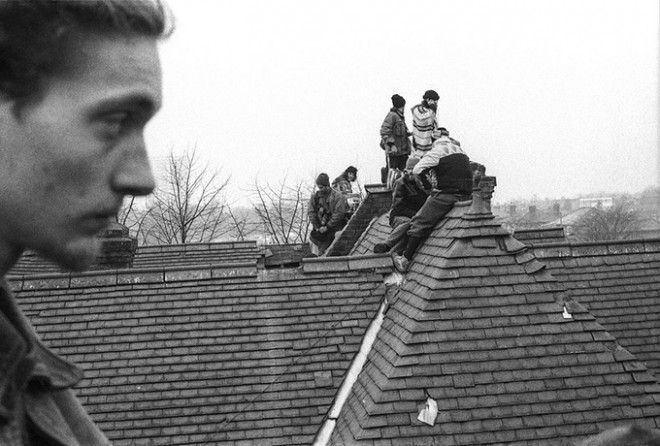
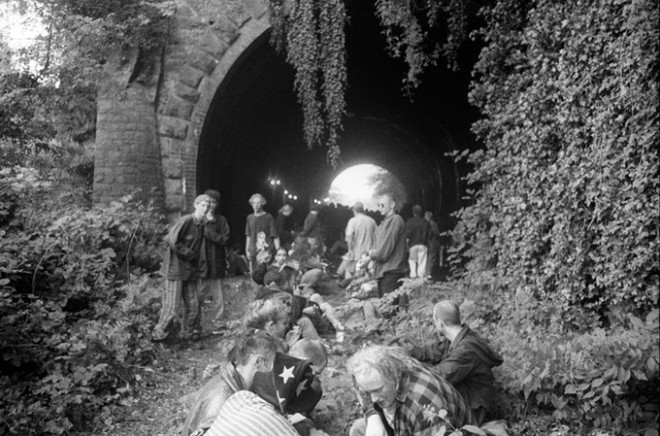
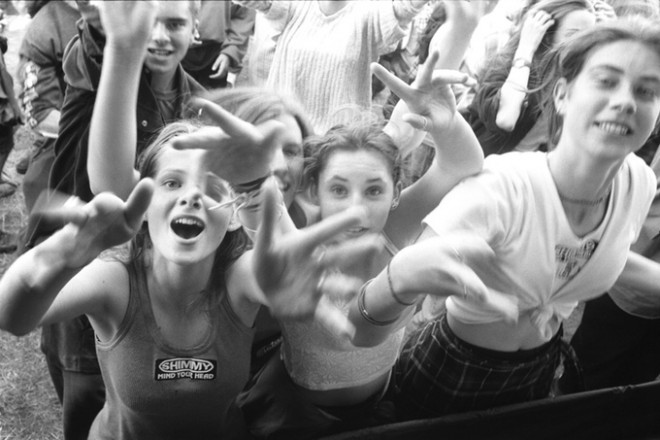
Having spent years documenting the protests of the late 80s and 90s, Matthew Smith has built up an extensive catalogue of images which embody the rawness and freedom of an earlier age. It was a time of rave culture and parties, where dance music was a refuge for the disenfranchised and the ostracised, uniting disparate sub-cultures into one mass movement.
Matthew Smith’s archives chronicles events that happened across the UK, and offer a rare and honest insight into the spirit of the times; the photographs depict stories rarely told.
It is now 23 years since Government acted to constrain youth culture in the UK by law and, Smith says “it is time to tell that story from the inside.”
“My intention was to bear witness to this culture and to provide a positive personal truth in order to counter mass media and political representation of the lowest kind.” Help bring the incredible archives into print by supporting the campaign on kickstarter, and thereby ensuring the legacy of protest and community remains enshrined in the contemporary mind.
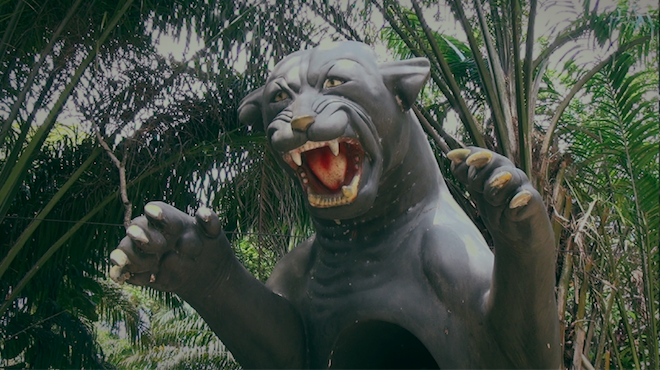
The Julia Stoschek Collection in Berlin is a private collection of contemporary international art. With the gallery’s focus on time-based media, the ‘Jaguars and Electric Eels’ exhibition is perfectly in keeping with its ethos. Made up of 39 artworks by 30 contributing artists, including installation artist Isaac Julien and sculptor Guan Xiao, ‘Jaguars and Electric Eels’ includes video installations and even fragrance-based art. The works are rooted in our understanding of evolution, investigating an alternative interpretation of anthropology and zoology.
Taking its inspiration from 18th Century explorer Alexander van Hombolt, who was the first researcher to point out how the forces of nature, both animate and inanimate, work together, the name of the exhibition is a reference to Hombolt’s chronicles of the New World. The chronicles were published in 1853, in a special edition entitled ‘Jaguars and Electric Eels’. The collection of works in the exhibition describe a reality that no longer distinguishes between the natural world and artificiality, but sees them as a whole and as equals.
‘Jaguars and Electric Eels’ explores some notable themes, including looking at the existence of indigenous people today, hybrids and synthetic forms of life, migration, and the different influences that impact our constantly changing perceptions of reality.
The exhibition will run until late November The Julia Stoschek Collection in Berlin.
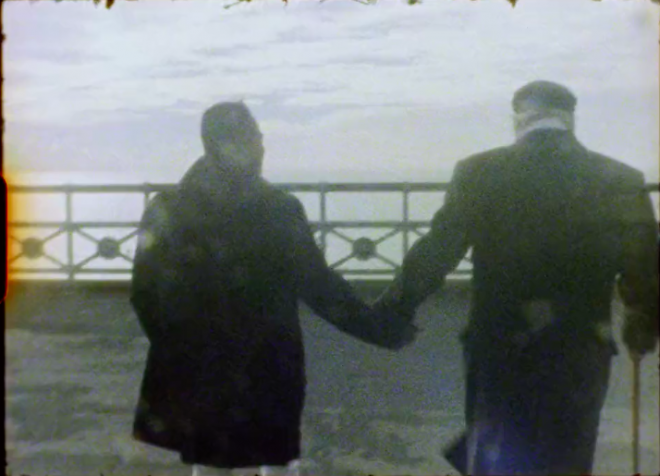
At a time when liberal values are being challenged and questioned in the West, the story of George Montague‘s campaign is timely. In November 2016, George, a 93-year-old gay man, marched on Downing Street to present Theresa May with a petition signed by 16,000 people. The petition demanded an apology for the discrimination against homosexuality and the abuse that gay men endured under the Criminal Law Amendment Act of 1885. Before homosexuality was legalised in 1967, the act often culminated in arrests and criminal records for men persecuted for their sexual orientation.
George, who was convicted of gross indecency in 1974, brought the case to the Prime Minister on behalf of all gay men who were forced to suffer shame and embarrassment as a result of the Act.
A new film from Hilow Films invites viewers into George’s life as he embarks on his journey to No.10, celebrating his activism, sense of humour, loving nature and commitment to securing the ‘sorry’ that gay men of his generation are yet to receive. You can watch the new film exclusively below.
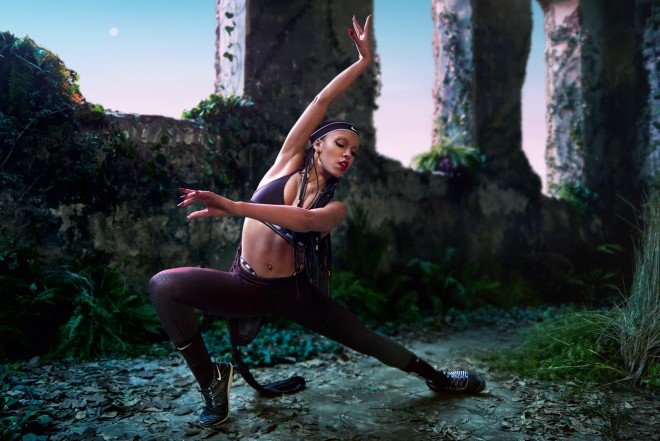
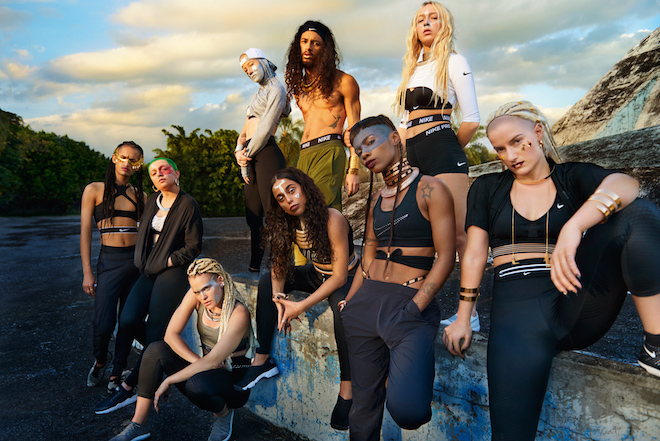
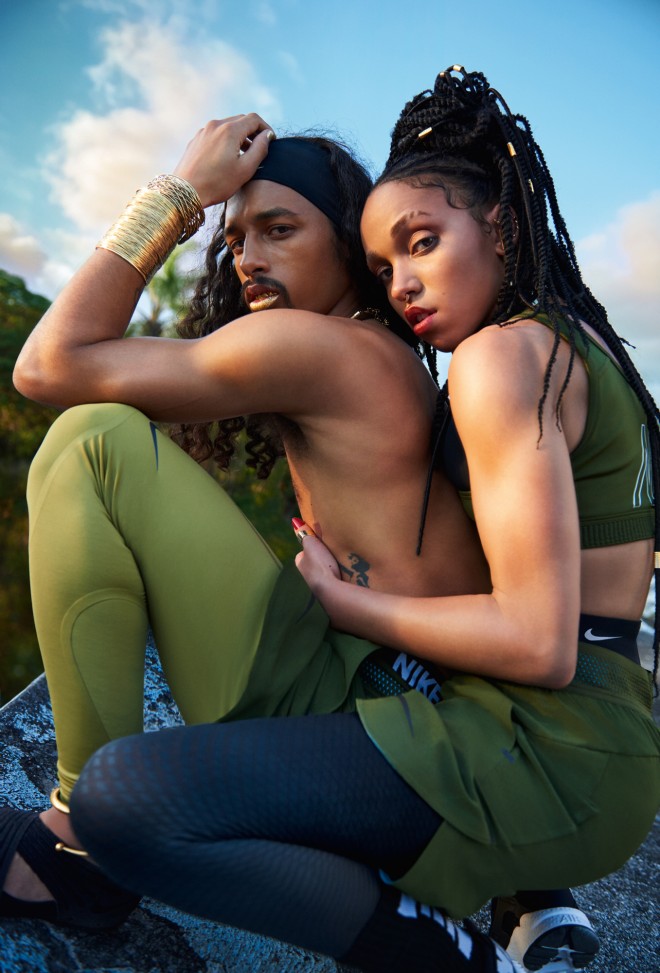
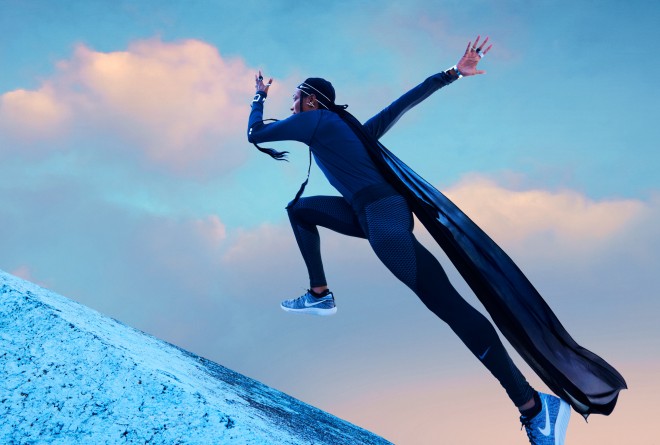
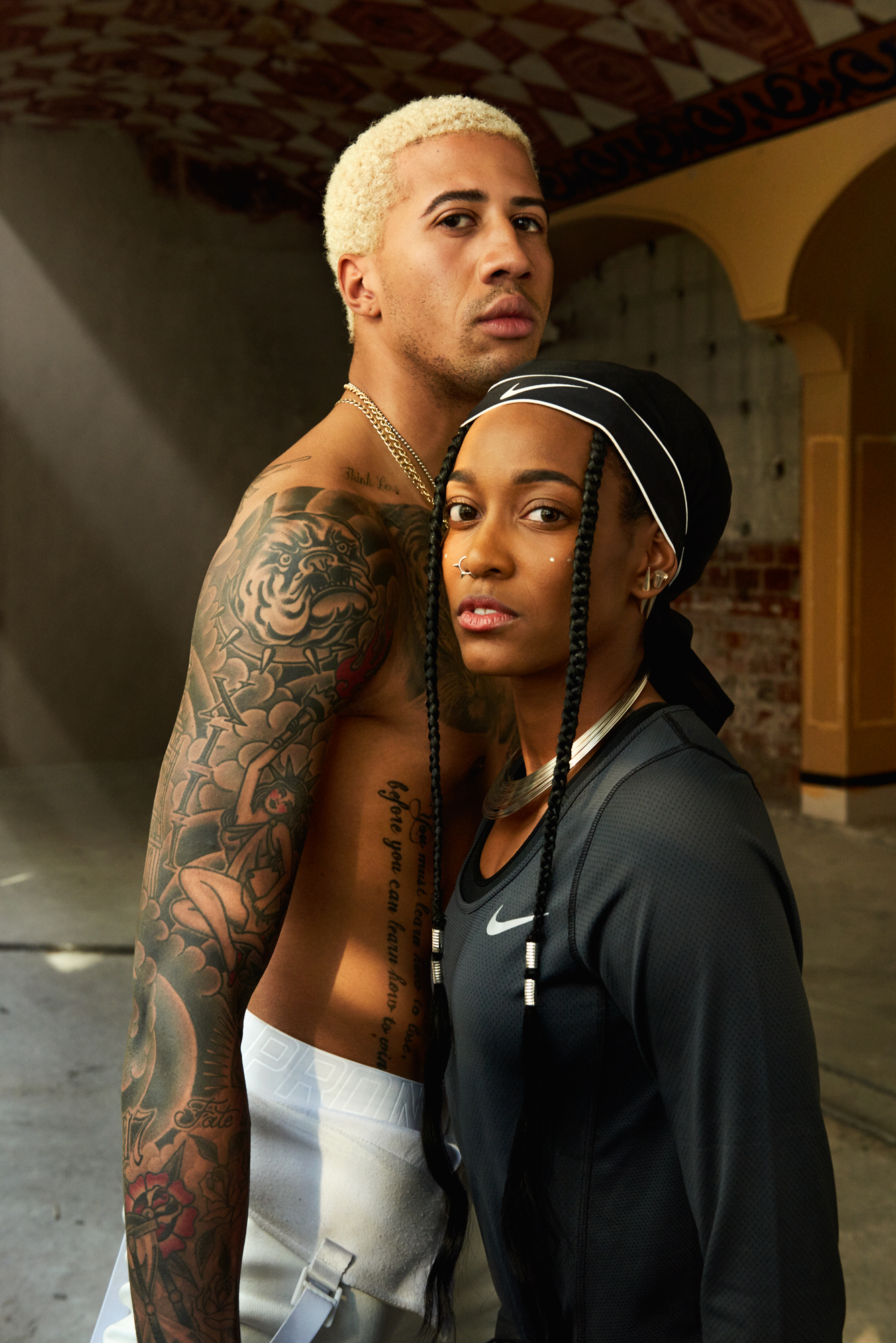
Mesmerising and inspiring, FKA Twigs has long been a Twin idol thanks to her surreal, boundary breaking style and extensive, highly vibey musical talent. This month, the singer has teamed up with Nike as creative director for their new Nike Zonal strength tights.
This recent collaboration invites a new appreciation of sportswear, and FKA Twigs has used the campaign to delve into ideas around the power of modern movement, using the new items as a means to consider wider societal issues – while also creating a seriously beautiful new advertising campaign. With full creative control, from original concept to casting, through to the finished product, FKA Twigs asks viewers to see sports as a means of self expression, a more empowering way to embrace new year resolutions. As to the collection itself, expect a palette of maroons, earthy greens, rich blacks and a collection of crop tops you’ll want to wear every day.
Of the campaign Twigs said: “People don’t always see dancers as athletes, but we are. Through dance, I’ve met young people who work really hard and have dedicated their lives to being active. To me they represent “modern movement,” which I define as exploring any genre of sport without boundaries. As a dancer, I try to embrace my fragility and accept that where I’m at is good enough. Dancers are taught to always look in the mirror, from an early age, to make sure we have perfect alignment. There comes a point when you just have to let go and trust that you’re going to get where you need to be. Overall, dance makes you realize that there’s beauty in the imperfections. I think that’s what can make it most intriguing for people to watch.”
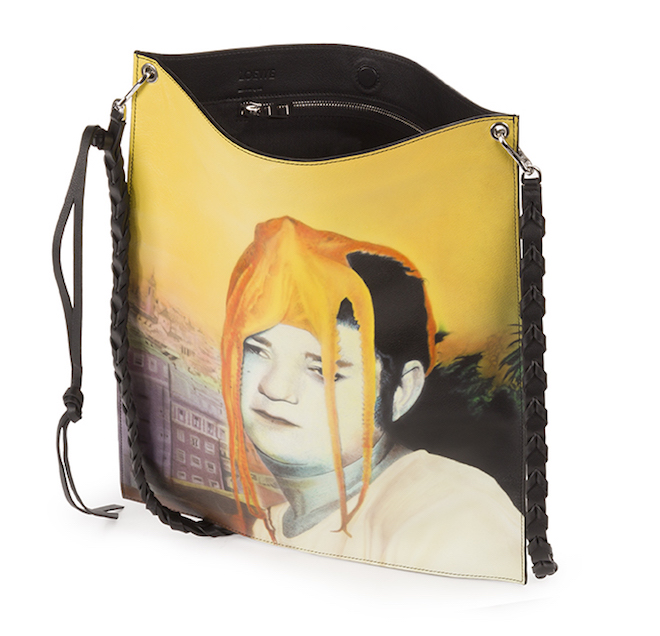
Following on from a recent exhibition of photographs by Steven Miesel, LOEWE presents a collection of surrealist works by artist Ouka Leele.
Exhibited at Gran Via location in Madrid, the brand’s oldest store, the exhibition is a tribute to the surrealist Leele, who still to this day lives in the capital. In the 1980s Leele was a key figure associated with ‘Movida’, an explosion of countercultural energy that transcended film, music and painting.
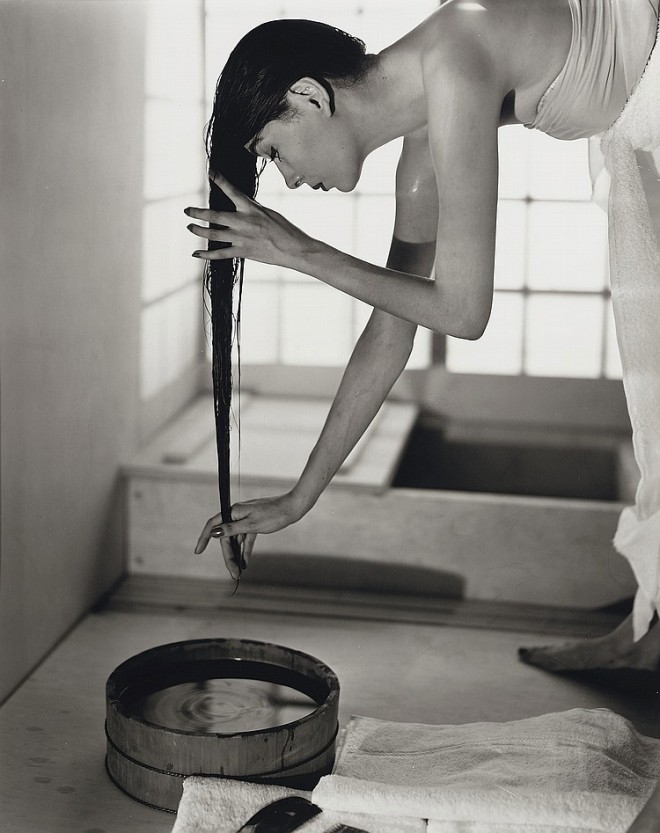
‘Peluqueria’ (hairdresser) which consists of 19 images are now on display at the lower level of LOEWE Gran Via, sees the imagery juxtaposed against the matte black walls with stark spot lighting. The iconic shots have also been printed onto accessories, also available to purchase online.
Hairdresser: 11th January 2017 – 26th February 2017.





 PREVIOUS

 Twitter
 Tumblr
 YouTube
 Facebook
 Instagram
