A new exhibition at Red Hook Labs this September looks to immerse audiences in an anarchic and imagined world.
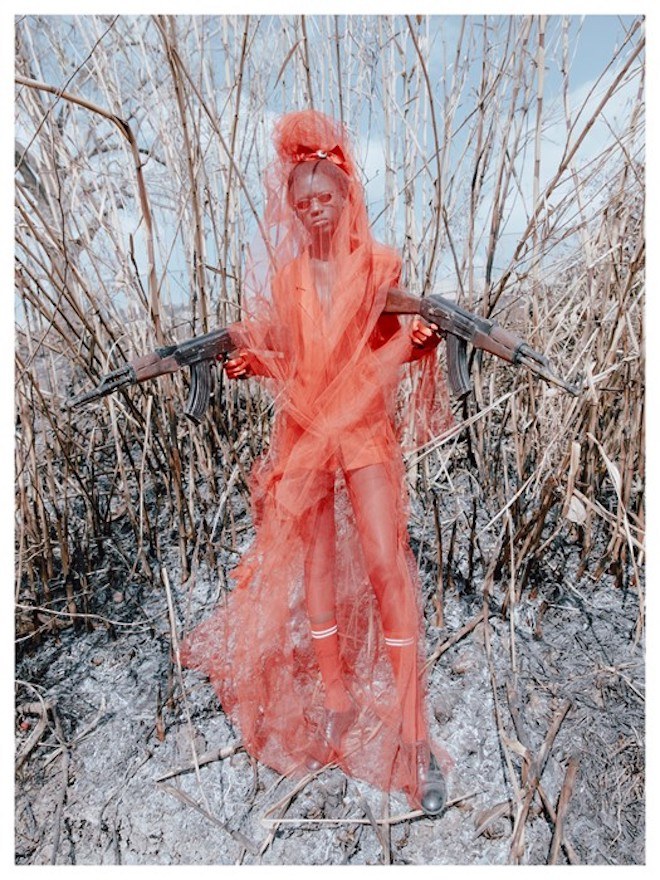
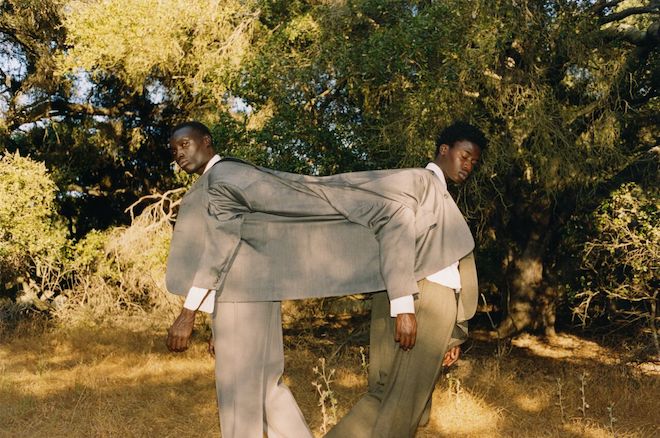
Entitled ‘Soft Criminal’ the new exhibition brings together the work of three creatives: South African photographer Kristin-Lee Moolman, Sierra-Leonean designer Ibrahim Kamara and British designer Gareth Wrighton.
The collaboration between the three artists is set around an imagined story line about characters from the African diaspora. Soft Criminal centres around three families wrestling for power and explores the tension not only between individuals but between tradition and progress. In the story an old King is deposed by a “new money hacktivists” and an anarchic war lord.
The exhibition at Red Hook Labs will open with a live show featuring 22 hand-made designs alongside a display of photographs taken of the collection by Moolman in South Africa.
This exhibition at Red Hook Labs is the latest of an ongoing series of work between Moolman, Kamara and Wrighton. The group have also exhibited together at Somerset House and collaborated on a zine.
Poignant and evocative expected your imagination to be sparked and the impact of the trio’s vision to stay long after you leave the exhibition.
Soft Criminal, Red Hook Labs, September 12th – 23rd, 2018.
Two evenings of sonic and experiential performances in London see Haroon Mirza and Daria Khan present emerging artists with a specific focus on performance, queer, female and non-binary practitioners.
The first evening is curated by Khan and Mimosa House and will centre around the work of three artists who use sculpture and performance to explore ideas around gender, sexuality, resistance and desire.
Moscow-based artist Taus Makhacheva, who works under the name Super Taus, who will create sculptures from steel during a live performance on the evening.
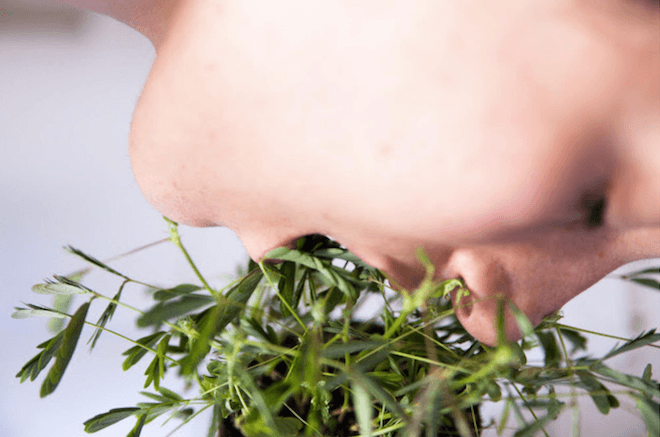
London-based artist Gaia Fugazza will invite audiences to hold sculptures in their mouths and Linda Stupart will create performances that investigate melting icebergs and Morgellons disease.
The first night will be curated by Daria Khan while Haroon Mirza curates the second evening of performances.
On this second evening the work will centre around how humans will imagine the archaeological site of the Large Hadron Collider after two millennia have passed. The collaborative work was inspired by a trip to CERN and sees Mirza work with artists, musicians, performers and producers.
The event is free to the public but booking in advance is highly recommended.
British cinematographer/screenwriter Molly Manning Walker is a creative best known for using her work to speak up on prominent issues within society from a unique perspective.
In 2015, Walker collaborated with director Billy Boyd Cape to create a powerful short film titled ‘More Hate Than Fear’ which gave insight on the experience of an unjustly imprisoned graffiti artist as he navigated the first months of his 3 year prison sentence.
Previously, Molly also teamed up with producer Joya Berrow to create the mini-documentary ‘Not With Fire, With Paint’ which explores the impact of the murder of Diego Felipe Beccera — a graphic artist shot in the back by police officers while painting in the streets of Bogota, Colombia during 2011.
Painting by Camilla Rose
The cinematographer is now turning her lens to the subject of rape and is currently working to produce a short film entitled ‘Dark Is Her Shadow’ which is set to explore the emotional, physical and mental traumas and stigmas surrounding sexual assault. “We follow Amy, who is a 16 year-old girl who is trying to resume life after being raped, the day after the incident, she struggles with being provided with little to no guidance while the ghost of her rapist returns to haunt her,” says Walker.
Once a victim of sexual assault herself, she explains that the intention of the film is: “to prevent people from losing eye contact when the word rape is brought up and counteract people from asking victims what we were wearing when we say we were raped.”
In order to raise funds for the film — set to be shot in London this November — Molly has brought together a team of 30 female artists for 30 days of an instagram auction.
Over the span of these thirty days, the donated work of each of these artists will be auctioned off via Walker’s instagram to raise money for the film.
Big Titty Kitty by Netty Hurley
“The film is being funded through Kickstarter and the page will go live on August 29th. Each day we will have a different piece, an image of this piece will go out on instagram, facebook and twitter, the artist will self-evaluate this piece and that will be the starting price. When the image goes up, the followers will have until midnight to bid on each piece. At midnight, the winning bidder will donate to the Kickstarter page and the piece will be marked sold.”
The group of women include illustrator Alice Rosebery-Haynes , music photographer Natalie Wood, portrait photographer Charlotte Ellis, fashion designer Jazz Grant, along with several other poets, painters and talented creatives.
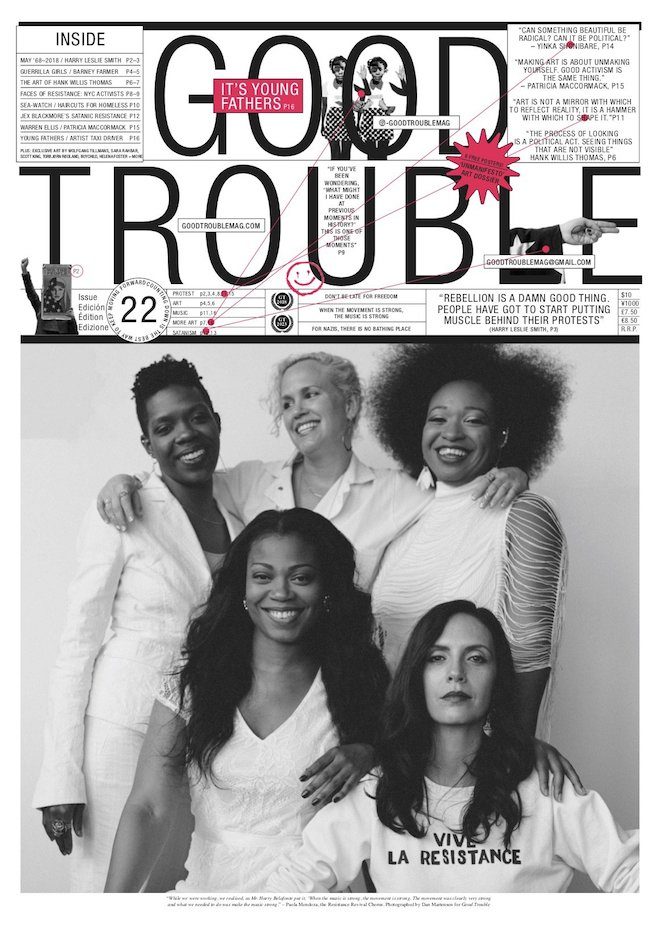
The second issue of Good Trouble issue 22, the zine produced by former Dazed & Confused editor Rod Stanley and designed by Richard Turley and Sophie Abady, is out this month.
Slightly confusing though the name of the magazine may be, the work included this issue is straightforwardly fantastic. The publication features original work by Wolfgang Tillmans, Sara Rahbar, Boychild, Scott King, Torbjørn Rødland, Helena Foster and others, curated by Francesca Gavin.
The broadsheet newspaper champions activism and resistance, bringing together a selection of creative and dynamic voices. This latest issue spans 32 pages and includes a pull out ‘Unmanifesto’ poster.
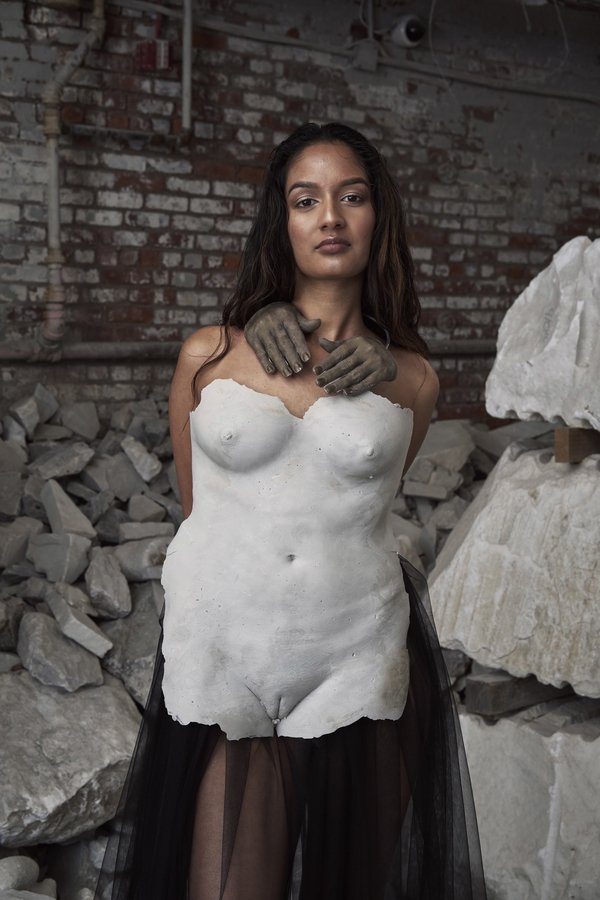
Pakistani designer and visual artist Misha Japanwala recently presented an uplifting collection entitled ‘azaadi’ — an Urdu word which means freedom — as her official debut as a New York based designer.
The Parsons School of Design graduate returned/revisited her hometown for inspiration where she sought to focus on a more positive narrative from the headlines she often read as a child about murders and brutal acts of violence against women.
“My collection was inspired by women like late Pakistani social media star Qandeel Baloch and other victims of honour killings who were murdered by family members that believed they had brought dishonour upon the family because of actions or decisions the victims may have made.
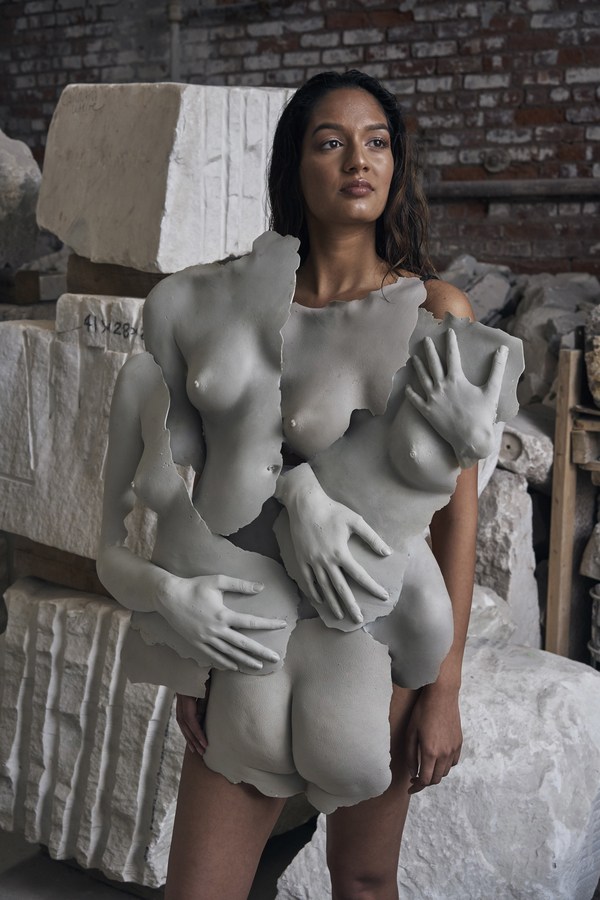
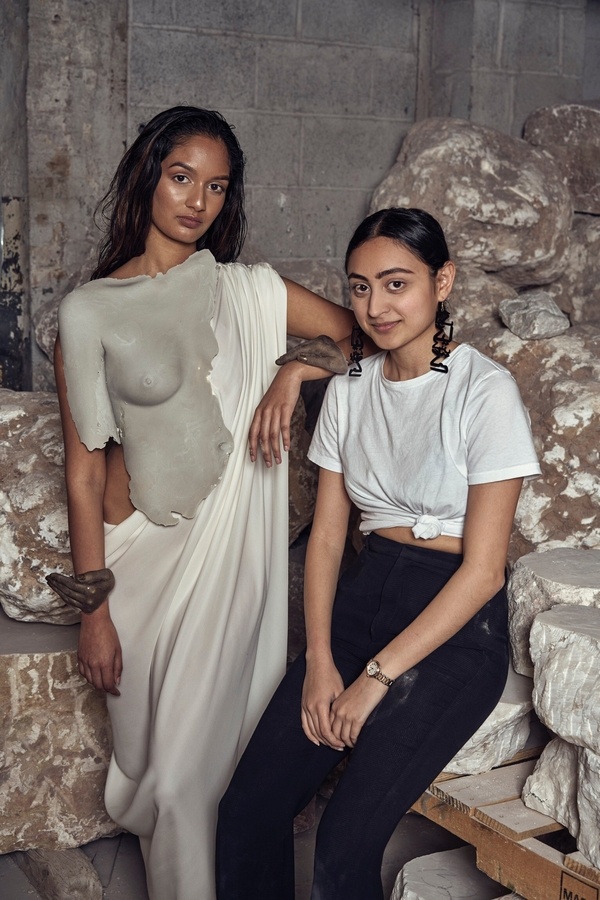
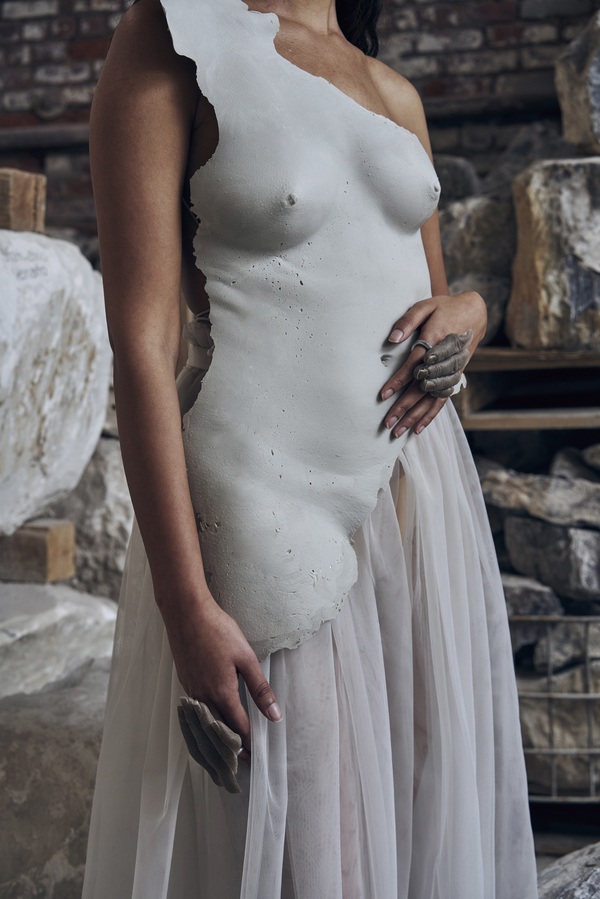
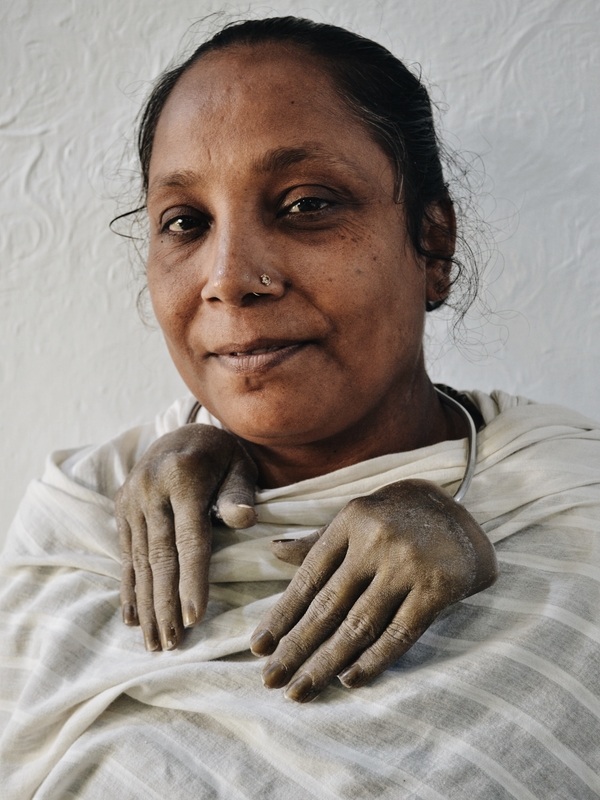
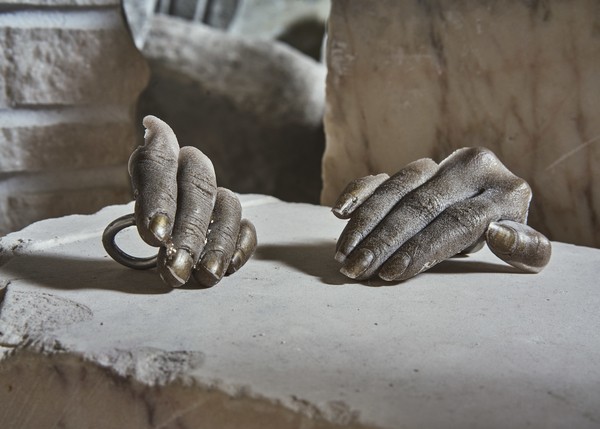
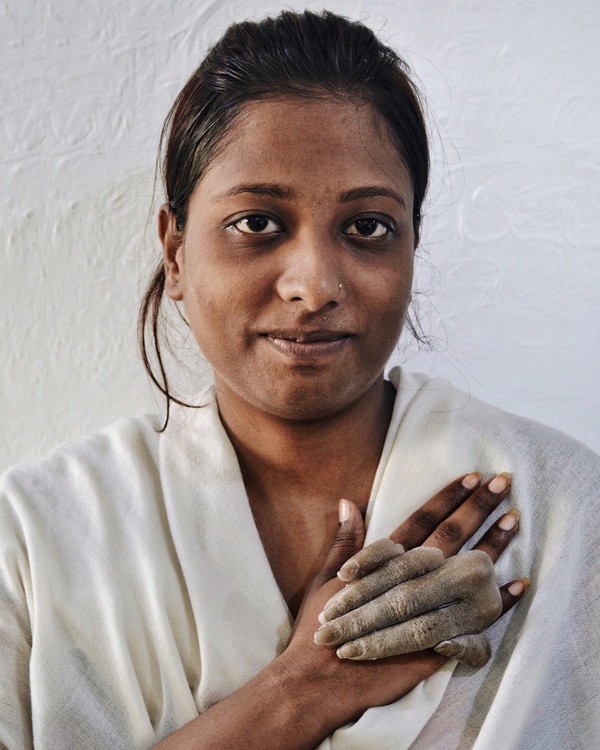
Japanwala used her platform as a designer to create a series of wearable sculptures of the female body moulded from her own body along with accessories from the hands of other Pakistani women.
“The female body was the perfect symbol to highlight the strength of the women who aren’t afraid to fight to live on their own terms, but also representative of the fragility that comes with being a woman in Pakistan.” Twin spoke with the designer about her process and inspirations behind this meaningful collection.
Azaadi by Misha Japanwala
How long did it take you to compose this entire collection and what were some of your challenges?
I worked on this collection for almost a year. I spent the first couple months deep in research about honour killings and reflecting upon experiences of Pakistani women from different backgrounds, including my own. The process of designing the looks in the collection was the most challenging aspect for me, because it took a long time to settle upon visual anchors that represent struggle, strength, and what it means to be a woman living in Pakistan. A few months in, I had a dream where all of the final looks in the collection were created using sculptures of the female body, and that’s when the process of experimenting with casting and different materials began. I had never sculpted or life-casted before, so the process of trying to figure it all out included a lot of trial and error and experimentation, which was a lot of fun for me as an artist.
Photography by Alec Lesser and Teagan West
How has the general feedback been since you’ve launched?
The reaction I’ve received from people, both during the process of creating my thesis as well as after completing it, has been really special. As an artist, the best I can hope for with any work I create is to make people feel something, and it’s been amazing to watch so many of them, especially Pakistani women, connect with the themes explored in this collection. However, I also knew that by highlighting taboo and controversial subjects, and by being an outspoken Pakistani women, I would face some amount of backlash. It has been important for me to expose myself to the negative opinions about my work, because I think it is always necessary to have an open dialogue, especially when it’s conversations surrounding honour killings, domestic violence and the societal pressures faced by women living in Pakistan.
Photography by Alec Lesser and Teagan West
How did it feel to show your muses the finished products?
After completing the collection, I went back to Pakistan for a couple weeks and had the opportunity to show my work to some of the women that had inspired it, and the ones who allowed me to make moulds of their hands to create the accessories in my collection. It was really special to see them excited about the collection and wearing the accessories themselves. It resulted in us having an impromptu photoshoot and it’s one of my favourite moments associated with the collection.
Image courtesy of Misha Japanwala
Where can one find these pieces to view/buy?
My collection can be viewed online – official photos of the lookbook are up on my website www.mishajapanwala.com, and I continue to share photos and images of my process on my instagram @misha_japanwala. Anyone interested in buying my work can contact me directly through those channels.
Photography by Alec Lesser and Teagan West
What’s next for you?
I’m currently working on launching an online store in the next few weeks to sell accessories inspired by the themes I targeted in the collection. I want to use my platform and my art to help Pakistani women, and so a portion of all proceeds from the sales on my website will be donated to a women’s shelter in Karachi, Pakistan. Moving forward, my work will continue to explore the subjects I used with my first collection, because I still feel like there is so much to say. In Pakistan, now more than ever, it is so important to continue pushing boundaries and challenging the status quo, and I hope that my work can, in a small way, help change mindsets and open people to different perspectives.
New York based photographer Chad Moore today launches an exhibition entitled ‘A New Name For Everything’ at the Asama International Photo Festival in Miyota, Japan.
The American photographer is one who is known to accurately capture the beauties of human expression and emotion in ways which often uproots empathy in his audience. He mostly focuses on the themes of family , friendship, love and youth.
“In retrospect, the most beautiful periods of my life seem to have all been momentary events. In the snaps where the power of a photograph which confines the moment is demonstrated.”
Moore will reveal 24 unseen photos from his archive in this exhibition which will run until September 30th.
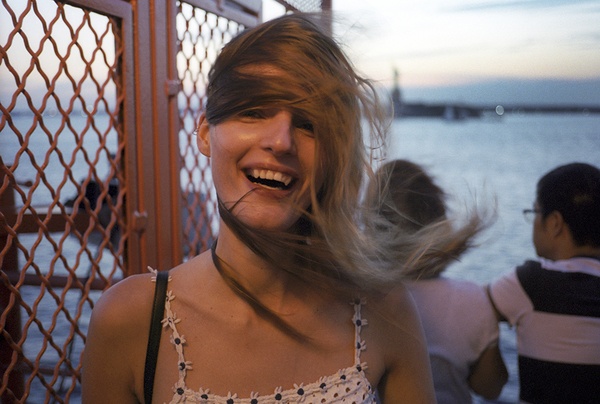
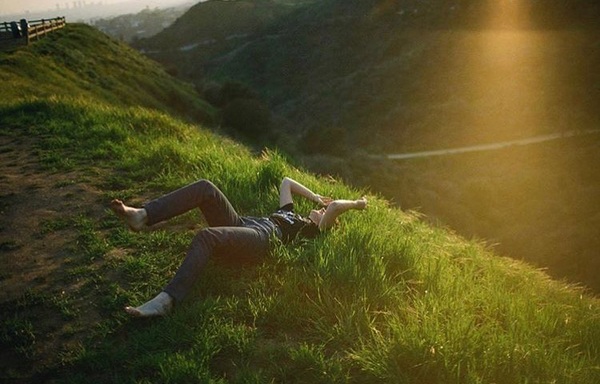
Photograph by Chad Moore
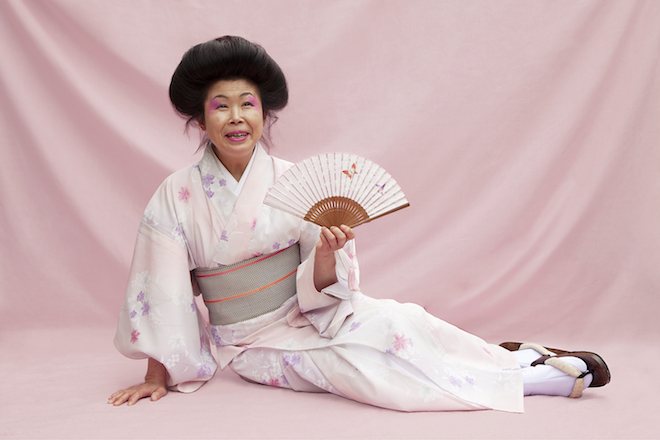
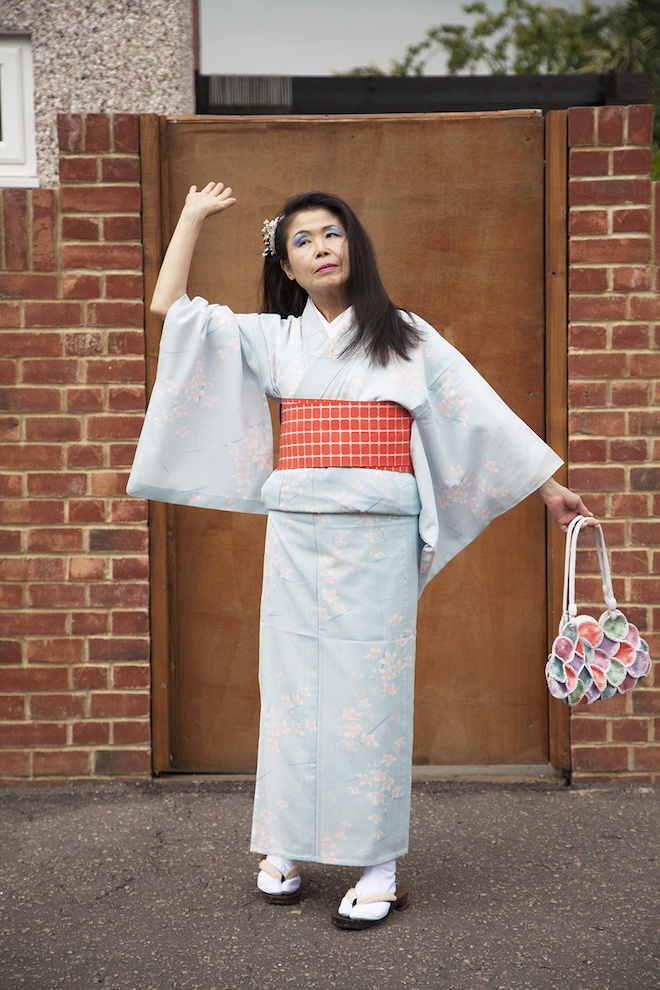
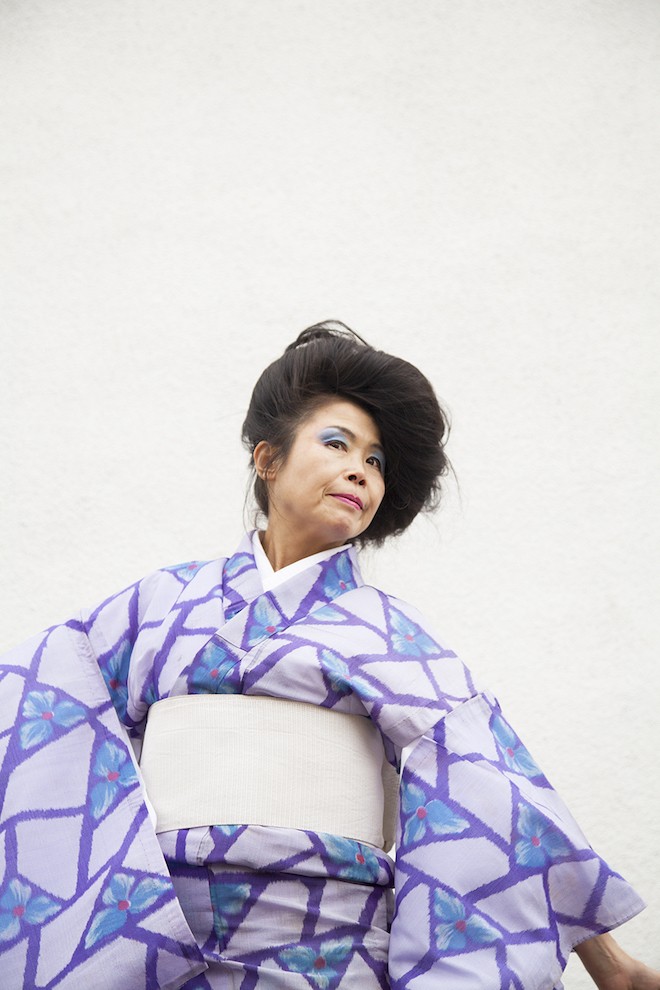
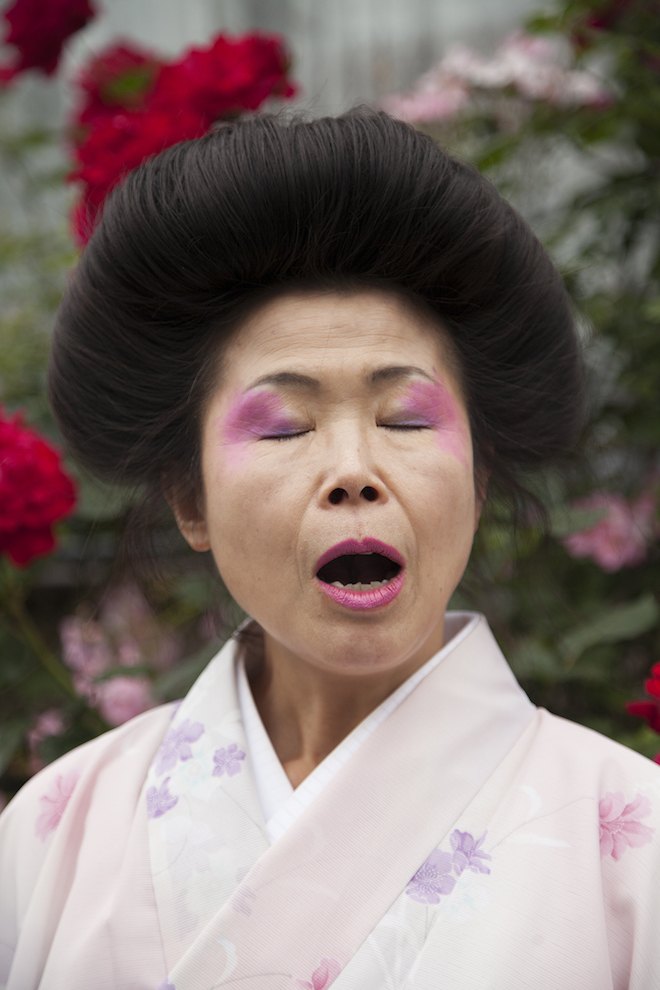
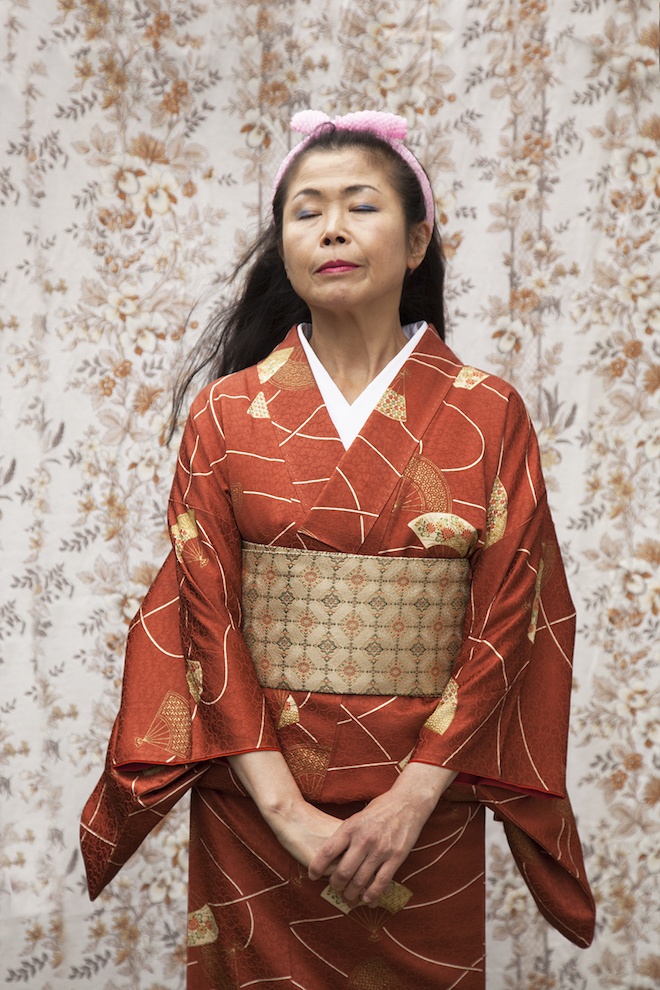
Akemi’s 100 Kimonos, by Emily Stein
In a new series of images, photographer Emily Stein creates portraits of Akemi and her kimonos. A celebration of traditional clothing and heritage set in a modern British environments.
Emily Stein explains the story behind her bright and celebratory new series.
Akemi has lived in the UK for twenty years, however her heart is truly rooted in her home country of Japan and this manifests itself in her extensive Kimono collection. As I got to know her she explained to me how she came to London in search of a safer place for her and her young daughter. She explained how in Japan women are sexually harassed frequently and how she grew up being taught to obey men. She felt she had no voice or way of expressing herself.
Each Kimono has a story to tell about her past which she is emotionally connected to.
Her kimono collection is a way for Akemi to be close to certain parts of what she loves about her heritage. Her collection of 100 beautiful pieces feels like an extension of her.
She always dresses in Kimono’s. I felt like it would be a lovely story to tell.
Fondazione Prada: John Bock , The Next Quasi-Complex
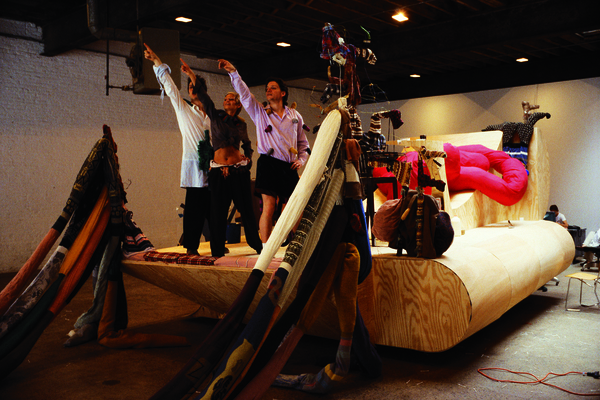
Fondazione Prada’s most recent display features the work of German multi-media artist John Bock whose work explores the themes of dark comedy, violence, music, fashion and fragments of everyday life all fused into one space. The exhibition,which takes place from July 18th to September 24th on the ground floor of the Milanese venue is aptly-labeled “The Next Quasi-Complex.”
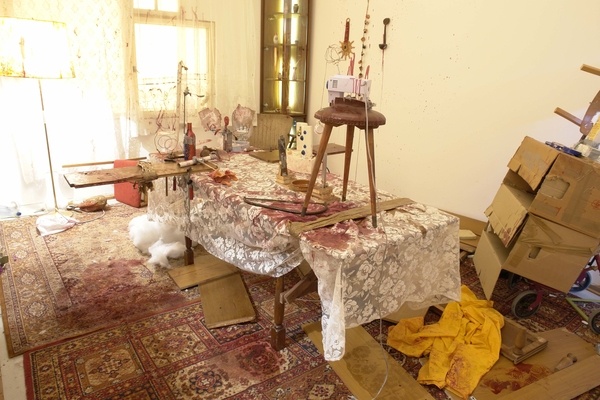
Lütte mit Rucola (2006)
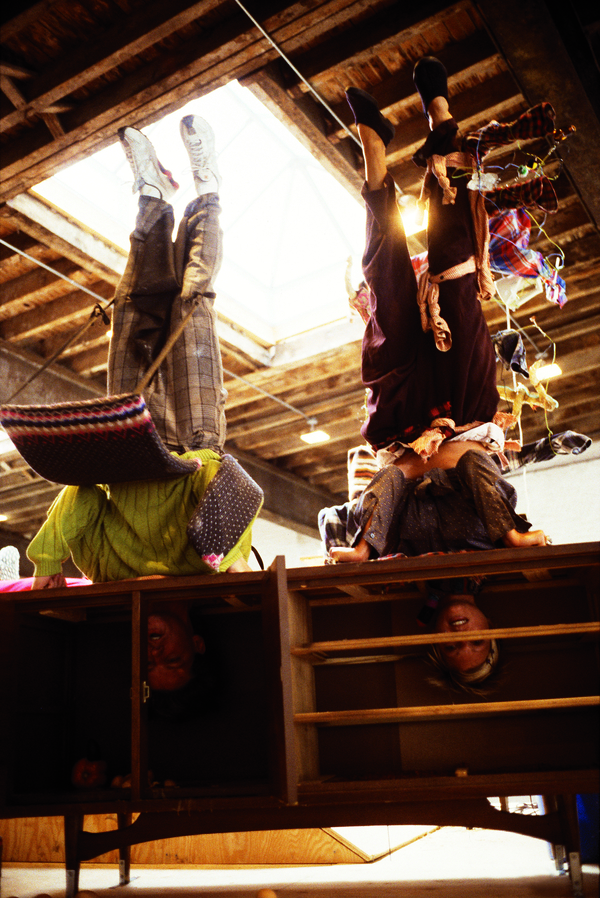
Bock, an artist known for his performances which he calls lectures, curated this project in which he transformed the ground floor of Fondazione Prada’spodium into a surreal space of his imagination using furniture, debris and everyday objects combined to create what he describes as an illogical universe. In this particular exhibition the artist also includes two installations from the Collezione Prada: the mobile stage of When I’m looking into the Goat Cheese Baiser (2001) and the living room of Lütte mit Rucola (2006). During his lectures, John invites his audience into to be involved in this process of fabricating a new reality. His next live lecture is set for September 8th at the foundation in which he will collaborate with actors Lars Eidinger and Sonja Viegner to help animate the mobile stage of When I’m looking into the Goat Cheese Baiser.
When I’m looking into the Goat Cheese Baiser (2001)
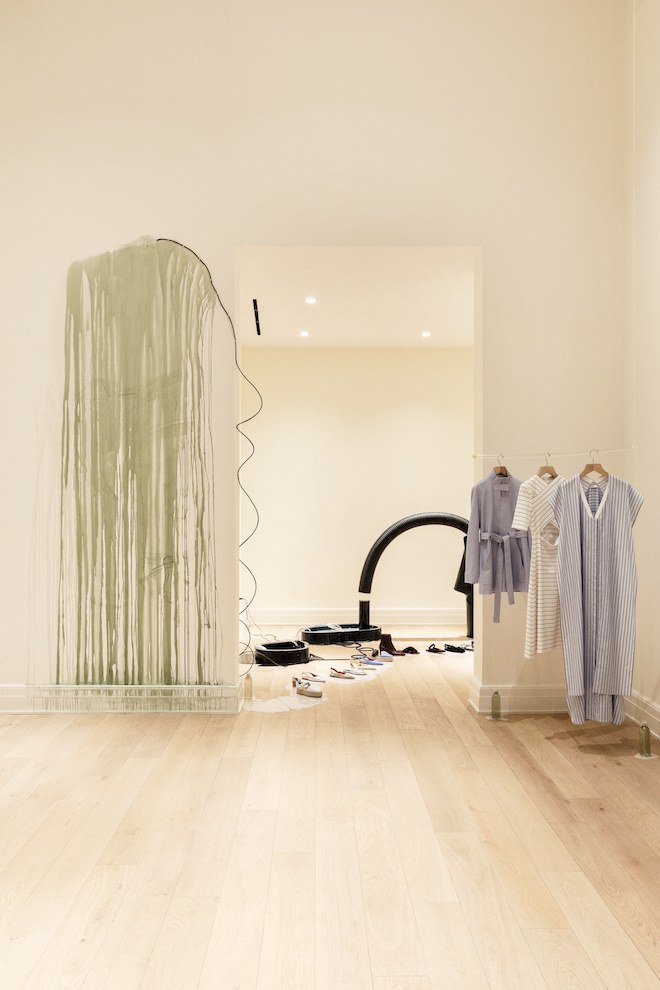
Rosetta Getty and Hayden Dunham’s Tribeca Collaboration
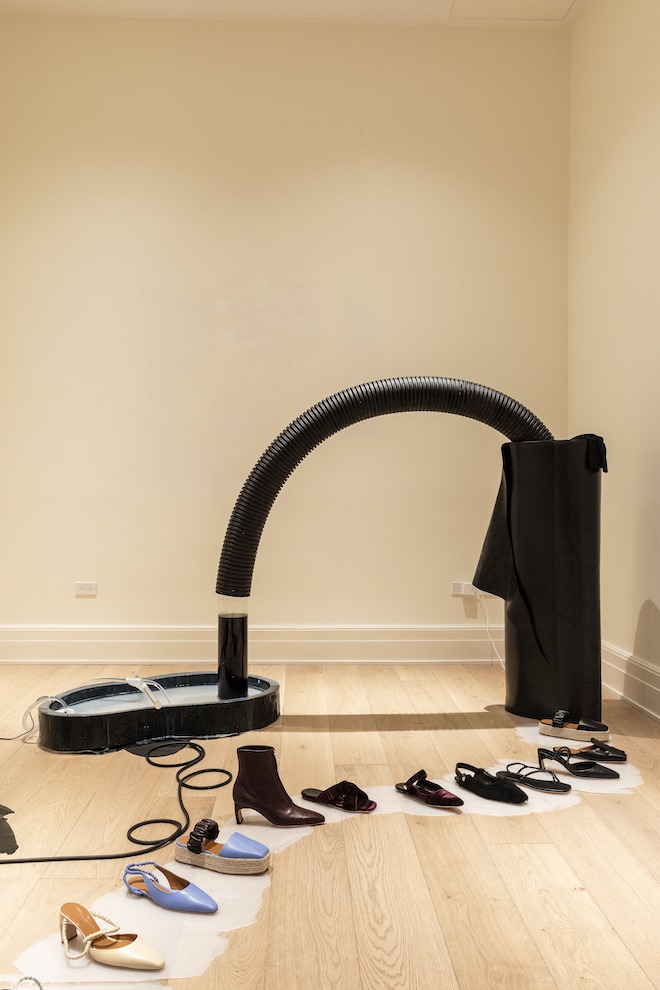
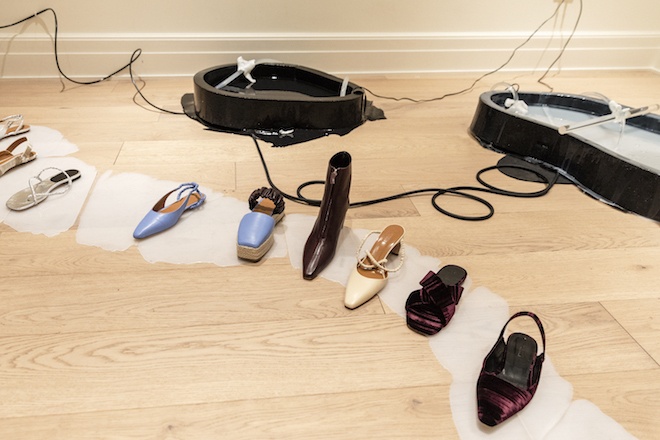
Clothing designer Rosetta Getty has teamed up with artist Hayden Dunham, to create an installation in her Tribeca studio space, also incorporating Dunham-inspired elements into into her own Resort 2019 collection. Each season, Getty selects a young female artist to collaborate with in this way. In the recent past these have included acclaimed artists Alicja Kwade and Analia Saban.
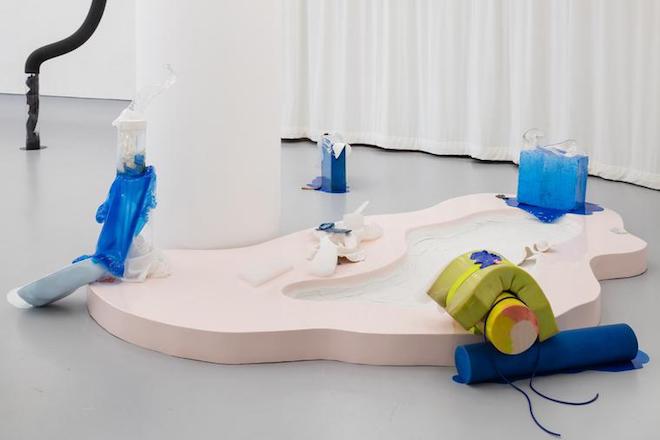
Dunham’s work investigates the relationship between the hard and soft architectures of building and body, embodying ideas of transformation and the process of facilitation. By working closely with Dunham, Getty began to record and understand her approach to sculptural processes, which is scientific and methodical. In response to this, Rosetta has created Resort 2019 in much the same way, working with unusual fabrics like laminated water repellent cotton to create a truly unique collection.
Twin contributor Sarah Roberts spoke to both Getty and Dunham about their artistic exchange.
Rosetta
How did the collaboration between you and Hayden come into fruition?
I have been interested in Hayden’s work since first seeing her exhibition at Red Bull Arts in 2016. I later visited Hayden’s studio in LA and was fascinated by all of the different materials she gathers for her work, such as silicone, resin, glass, porcelain, silk, and charcoal. I related to this strongly with my own process as a designer. For Resort 2019, I started searching for the most unique fabrics I could find.
Each season, I work with an artist to create a unique installation reflecting my collection. I asked Hayden if she could create a site-specific installation that would provide context to the clothes, and the process was very organic.
Rosetta G interior | image Jonathan Hokklo courtesy of Zoe Communications
What first drew you to Hayden’s work?
I was drawn to Hayden’s approach of using natural elements and synthetic materials together in her sculptures. I began to think about my own approach for designing clothes, and it felt very much the same. It has encouraged me to further my own exploration of fabrics and I discovered some incredible synthetic materials for this collection.
How is the Resort 2019 collection different from those you’ve created in the past?
Resort 2019 continues our minimalist aesthetic even further, and I have spent a lot of time thinking about the purpose and functionality of every piece. The collection arrives during a time of year when you need an ever-changing wardrobe, so I’m pleased we can offer lots of different options with this collection.
What aspects of the collection are directly inspired by Hayden’s work?
The fabrics, which we developed ourselves, are directly inspired by Hayden’s process of manipulating materials. We found carpet cushioning at a hardware store, which is very industrial, and transferred it to a print on silk georgette and it turned out very soft and elegant.
In the end, it was made into a very subtle cape panel gown, with flowing separates. Another example is the laminated water repellent cotton which we used in the outerwear. The laminated finish on one side and cardboard colour give it an industrial characteristic, but once worn, it’s light, casual and unassuming. The colour palette is also very much directly inspired by Hayden’s work; soft tones of peach, meadow, shell, and sky.
Rosetta G interior | image Jonathan Hokklo courtesy of Zoe Communications
How do you and Hayden similarly approach sustainability?
We both feel strongly about the responsibility of putting things into the world as creators. My team continues speaking every season with our fabric mills and looking into their practices, discussing the impact on human health and the environment. I’m glad to see that most of the mills we work with use sustainable methods to produce their textiles.
Hayden
How do you use sculpture to investigate the relationship between the architecture of the human body, and the chemical matter with which it interacts?
There is a very clear relationship between material bodies and human bodies. We are in a constant dialog with the environments we live inside. This conversation is reflected physically through the materials present in our bodies.
How does this installation depart from, or tie into, your previous work?
I am obsessed with water and structures that support water. Specifically, large-scale circulation systems that move bodies of liquid around. Human bodies are one of these systems. A fountain is another structure that hosts these exchanges.
When I visited Rosetta in Siena, she pointed out the fountain in the piazza, which is a gathering spot for the community. The water has a very special and specific mineral composition and feeling to it.
There is this deep calmness and clarity in Rosetta’s presence, and she is both grounded and expansive. I see her work and process as an extension of this energy. I am also really impressed with her team and the level of intentionality and thoughtfulness in their practice.
What challenges did you face while creating this installation?
The presence of these pieces is so expansive and wild that they wanted to be incorporated into every system inside the space. They were particularly tempted to go inside the floors and electrical outlets. My role in the install was making boundaries with the work, which is constantly expanding and contracting. For me, the garments operate in a similar way. They are containers, and they provide a boundary to be held by.
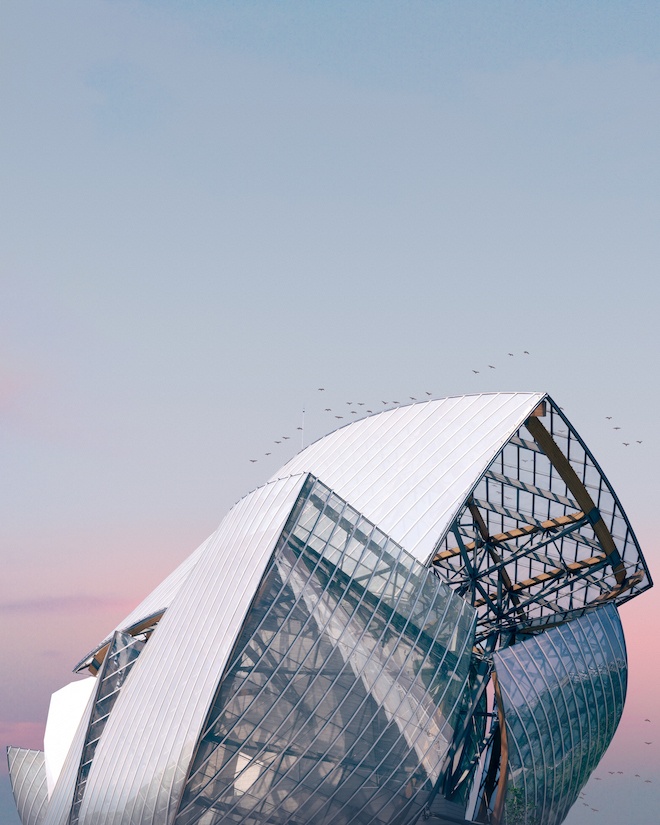
Earlier this year, the Fondation Louis Vuitton (FLV) – an art museum and cultural centre sponsored by LVMH and its subsidies – in celebration of its fourth anniversary launched an architecture photographer contest inspired by the Parisian building’s exceptional construction and design. The museum, which was inspired by abstract structures of glass was designed by renowned Canadian-American architect Frank Gehry.
The competition, titled #MyFLV, launched on May 3rd and welcomed photographers of all calibre, both amateur and professional who were required to post original photographs of the buildings to their Instagram accounts accompanied by the respective hashtag and Fondation account tag.
After concluding on June 5th, the FLV gathers several representatives from its board along with French photographer Yann Arthus-Bertrand who formed a jury to select the top 7 photographs. Their picks were announced earlier this week which included a mix of photographers from several corners of the world. Namely Pierre Châtel-Innocenti, Mathieu Collart, Roseline Diemer, Yi-Hsien Lee, Boshiang Lin, Jean-Guy Perlès & Jérémy Thomas.
The winners will have their photos used in an upcoming digital and print poster campaign, a boost of publicity via the foundation’s social account, a Collector’s Pass for FLV valid for one year, along with a chèque of 2,000 euros.
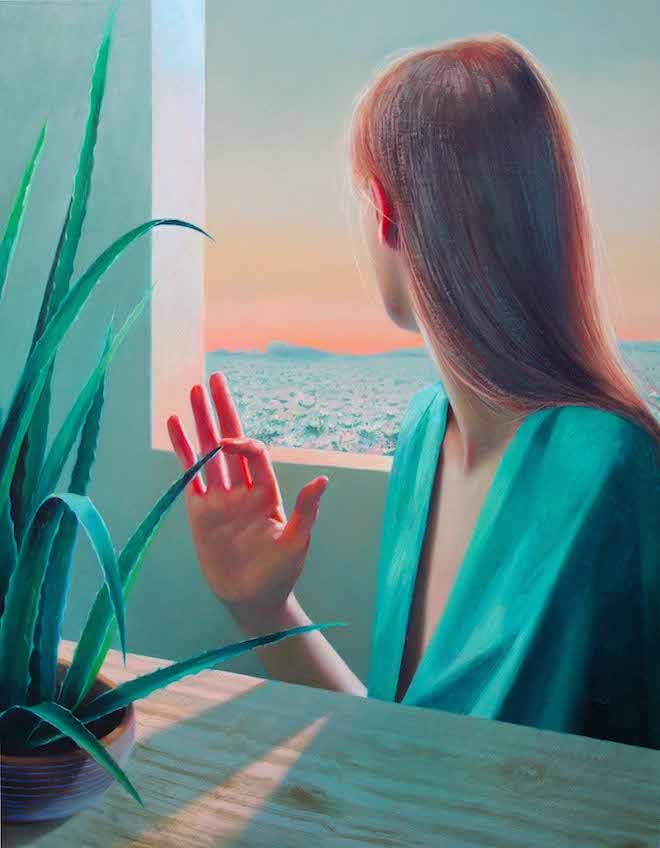
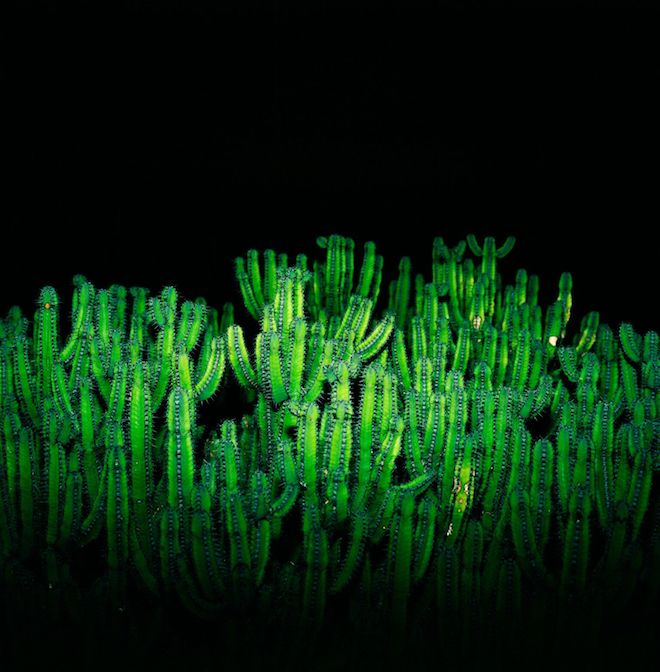
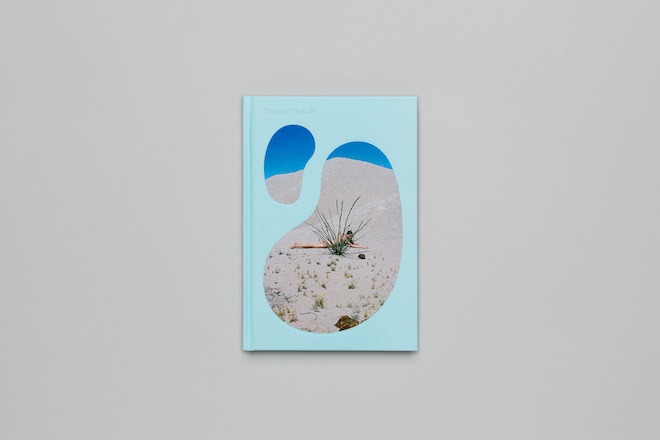
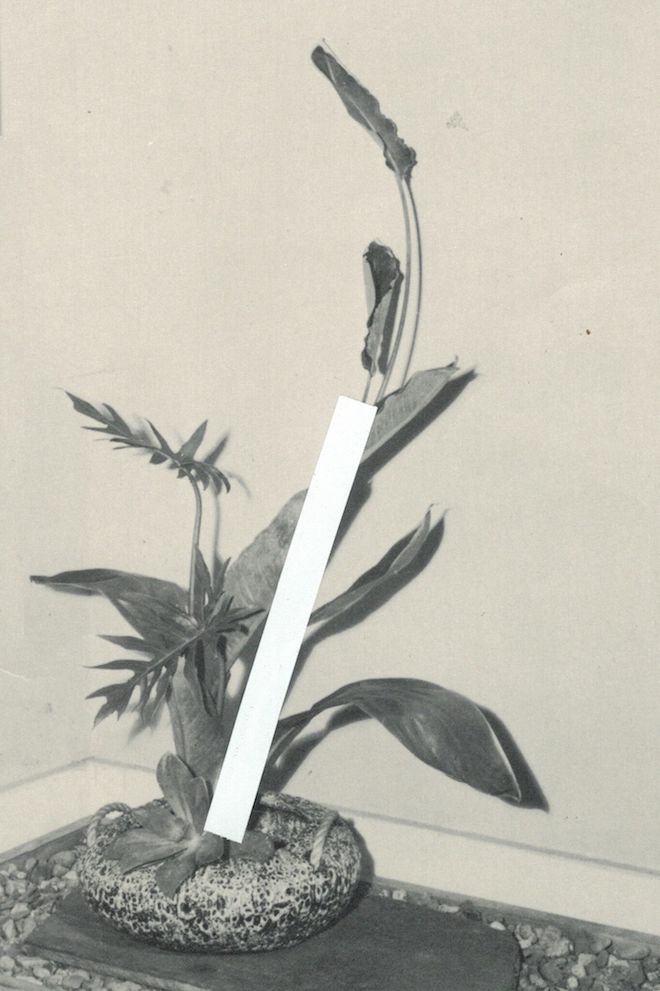
Dedicated to plants in contemporary art, the latest of the Strange Plants series celebrates the diverse range of flowers, succulents and foliage and examines their power within the creative space. From large-scale paintings to granular photographs, the book captures the nuances and weirdness of the natural world.
Divided into themes, the 164 page book encompasses the work of 50 artists, across a range of media. Each section examines a different aspect of how plants inspire or function in contemporary art. Featured artists include Caitlin Keogh, Chloe Wise, Robin F. Williams, Louise Bonnet, Marius Bercea and the photography duo Synchrodogs.
This most recent release in the award-winning series also features a special section dedicated to the late photographer Ren Hang. Hang’s images of his friends floating in lily-pad filled ponds were a highlight of the previous book. “Regrowth”– section of Strange Plants III – is “a modest attempt to pay tribute to his life and art.”
Published by independent publisher zioxla, Strange Plants III is an ongoing tribute to, and meditation on, the harmony, inspiration and provocation that plant life offers artists in the modern world.
Damien Hirst’s most recent exhibition True Colours at his private museum, Newport Street Gallery, shines a light on three female artists Boo Saville, Sadie Laska and Helen Beard as it examines each of their unique explorations into the possibility of colour, form and subject. Twin Factory had the opportunity to speak with Helen Beard on her inclusion in the show.
Hirst initially commissioned Beard to make a selection of large works last summer, she explains; “It wasn’t until he asked me to make some more works recently that I realised he wanted to show them at Newport Street Gallery.” Hirst’s generous offering of his Peckham and Gloucester studio’s allowed Beard to make her largest pieces to date;
“I have really enjoyed working at a bigger scale, it adds something to the work, gives it a power. I do really like working at a smaller scale too though. ‘’Each, Peach, Pear, Plum’ (2017)’ is one of the smallest works in the show but it is one of my favourites. I will need a bigger studio if I continue to make big works though, I am running out of space!”
Helen Beard ‘Blue Valentine’, 2016 | courtesy of Newport Street Gallery
Situated partly between representation and abstraction, Beard makes it clear she doesn’t like to chose between either when it comes to discussing her work; “I like both. I started with abstraction because it was less direct, less revealing.” Centred around themes that examine gender, sexual psychology and eroticism. Her vivid rainbow palette of primary colours have in fact been taken from explicit found imagery. The bright, bold colours of Beard’s works lure you in, like a moth to a flame, until it becomes apparent, rather abruptly, that the abstract patterns are in fact cropped and edited pornographic images. As well as the internet, Beard often uses magazines and photographs as part of her process when sourcing material for her practice;
“I draw and work out the composition in small studies and then I also work out the colours at small scale, it saves the paint becoming too thick and the colour losing its vibrancy, but I am not always true to the study if I mix a better colour with the oils I am happy to change them and I often change the drawing with the paint too.”
Beard chooses to work with sexual imagery as a way of subverting the male gaze, somethingshe has focused on since becoming an artist and studying Graphics at Bournemouth and Poole college of design (1990-1992);
I have always painted sex, it has always fascinated me how closed people are when it comes to talking about it. I think it is important for women to express themselves. Sex is such a fundamental in our psyche after all, and art always comes back to those big ideas like sex and death.
As we see in True Colours, Beard’s practice is multidisciplinary, as she works across a selection of mediums that include painting, collage and tapestry. She explains that this is a conscious choice; “It is so exciting to work with various materials all the time, I collect a lot of stuff in my studio, like most artists do and then wait for an idea of how to use it.”
Installation View, ‘True Colours’, Helen Beard | courtesy of Newport Street Gallery
Her use of needlework is striking and unique, as seen in the mid-sized tapestry ‘Can we Conceive of Humanity if it did not Know the Flowers?’ (2014) with its pretty pink stitches that brilliantly contrast with the subversive subject matter. Beard explains that she began to use needlework because of her grandmothers lessons in the technique rather than for its strong associations with the feminine and domesticity;
I don’t think it was a conscious thing to use needlepoint because of it being a female pastime, but I was very conscious that I didn’t want to make the traditional images associated with embroidery or needlepoint, the chocolate box, kittens in a basket, type stuff. So I just used the imagery I was painting.
Since it’s opening, True Colour’s has been praised for its strong aesthetic and positive representation of female painters, with impressive reviews that includes fours stars from Time Out. As an artist who openly wants to celebrate sex from her point of view and strongly advocates that there is no shame in doing so, Beard is pleased with the positive reaction shown by the general public; “its been so well received and so well covered in the press, I am actually quite surprised by how much people love it.”
True Colour’s is on show at Newport Street Gallery until Sunday September 9th
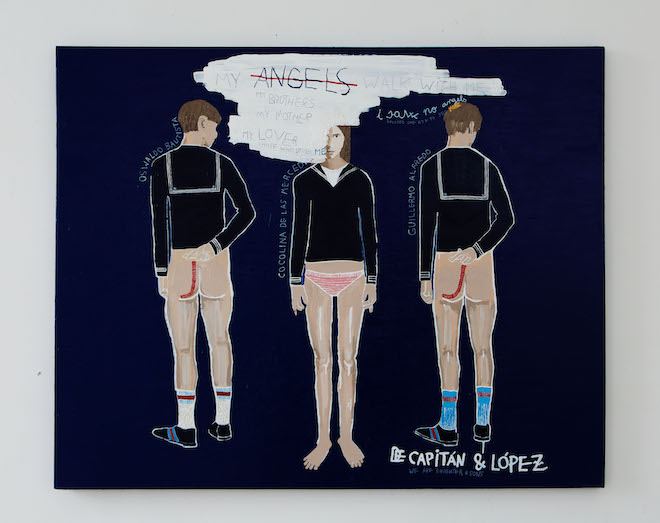
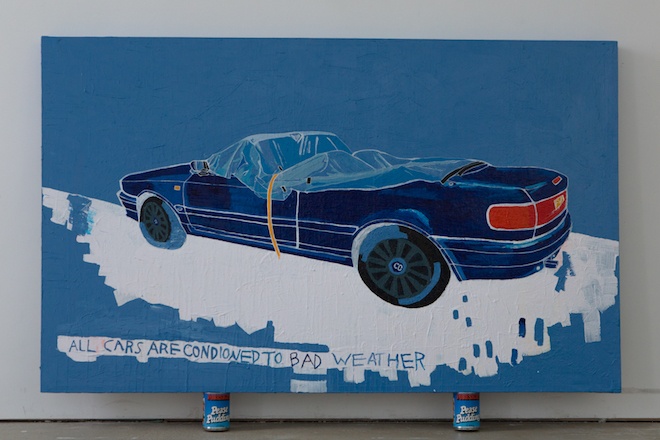
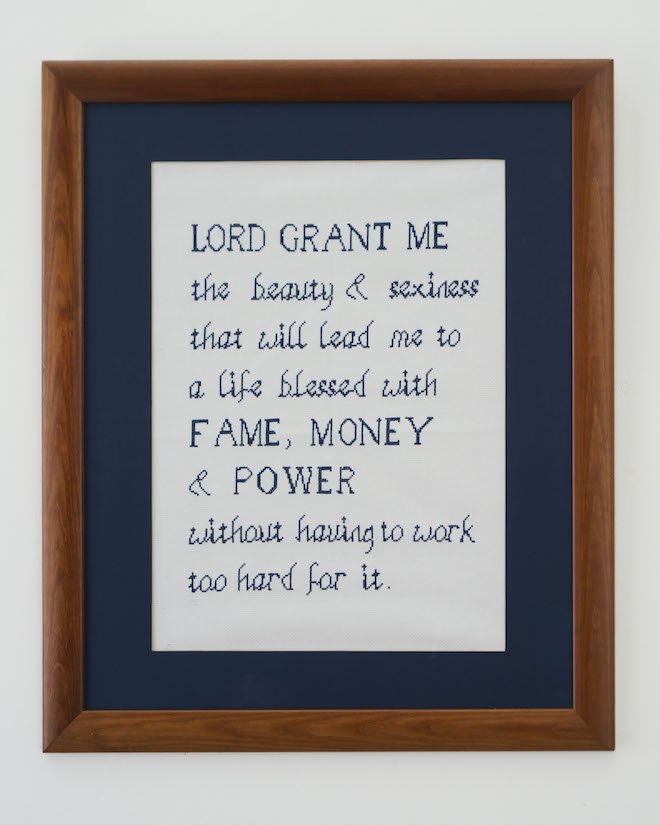
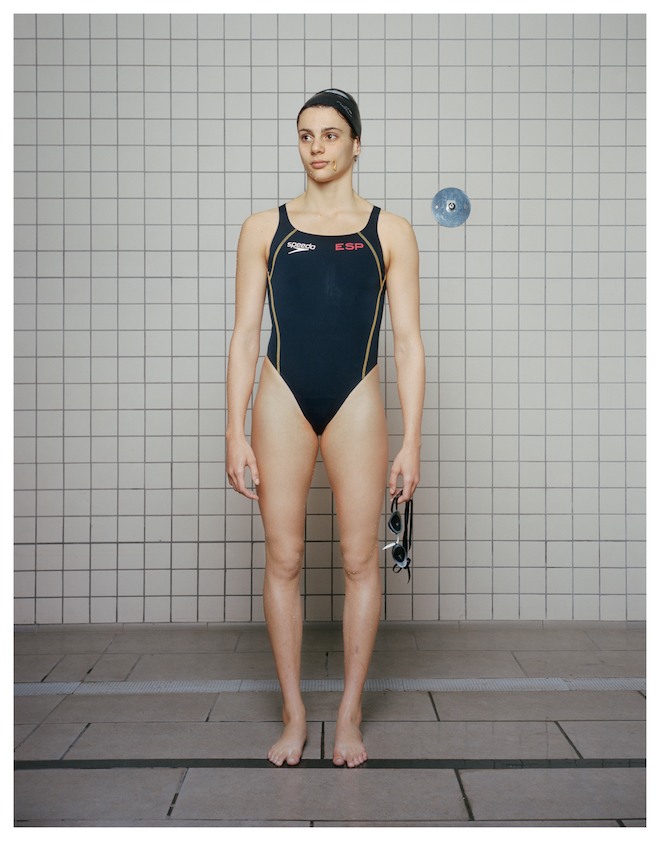
Twin contributor, Gucci collaborator and renowned photographer and artist Coco Capitán opens a new solo exhibition at the Daelim Museum in Seoul this summer.
This is the first time the artist will be shown in Asia and the exhibition offers a broad introduction to Coco’s world. The show will encompass 150 works across painting, photography, handwriting, video and installation.
The show’s title ‘Is it Tomorrow Yet?, reflects Coco Capitán’s interest in being attuned to the present, staying in the moment and not focussing on the unknown that tomorrow brings. It’s a theme that marks an evolution from her previous work which includes the now iconic statement she put out with Gucci: ‘What are we going to do with all this future?’
Her scrawling notes and manifestos may be amongst the most Instagrammed parts of her work, but this major exhibition offers a chance for viewers to engage with the full scope of her canon. Interrogative, thoughtful, provocative and existential: just a glimpse of what’s on offer confirms what we already knew. Coco Capitán is one of the most exciting artists of her time.
A new exhibition at Red Hook Labs celebrates the work of 25 international emerging photographers. Each creative is currently un-represented though by the end of this show we have no doubt that will have changed: the talent is impressive.
Selected by an extensive panel of renowened jurors these rising stars will also receive mentorship from one the jurors for the next. In a fiercely competive world that kind of support is invaluable when starting out.
The photographers exhibiting are truly global hailing from South Africa, Germany, Canada, Australia, the UK and America. Works range from candid portraits to more stylised imagery, with each photographer bringin a unique eye to the exhibition.
Jubilant, pensive, provocative and soulful all at once these are the lenses of the future, and we’re already excited by what they see.
This exhibition follows on from the recent New African Photography III, an event which marked the launch of dynamic new print publication Nataal. These exhibitions and more have established Red Hook Labs as a must-visit gallery in Brooklyn, offering a diverse, inclusive and forward-facing programme that never fails to spark the imagination.
Daniel Jack Lyons
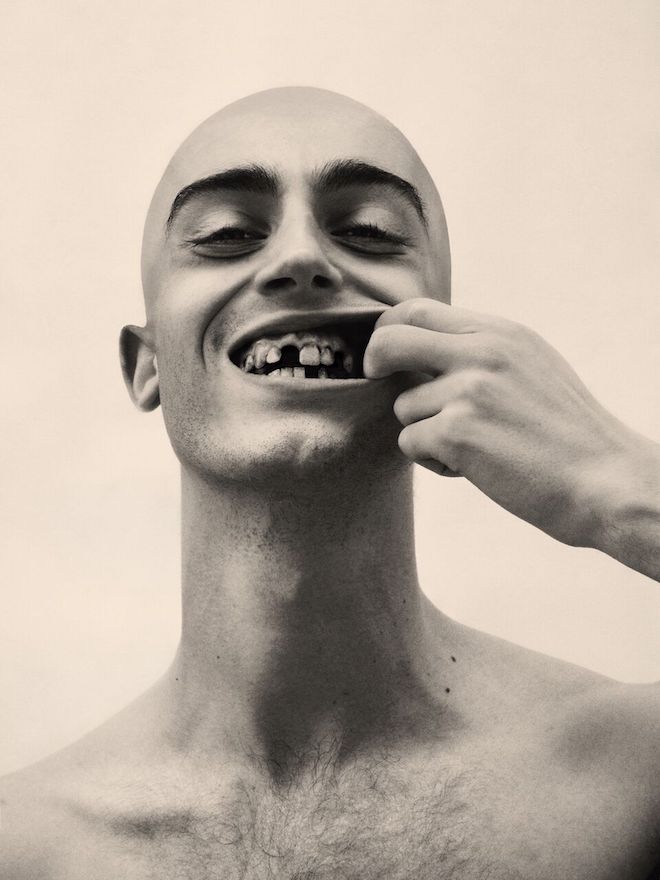
Luis Alberto Rodriguez
Tyler Mitchell
Chris Smith
Antone Dolezal
Labs New Artists II is on until June 24th, 2018 at Red Hook Labs.
Featured image credit: John Francis Peters, ‘California Winter’ courtesy of Red Hook Labs
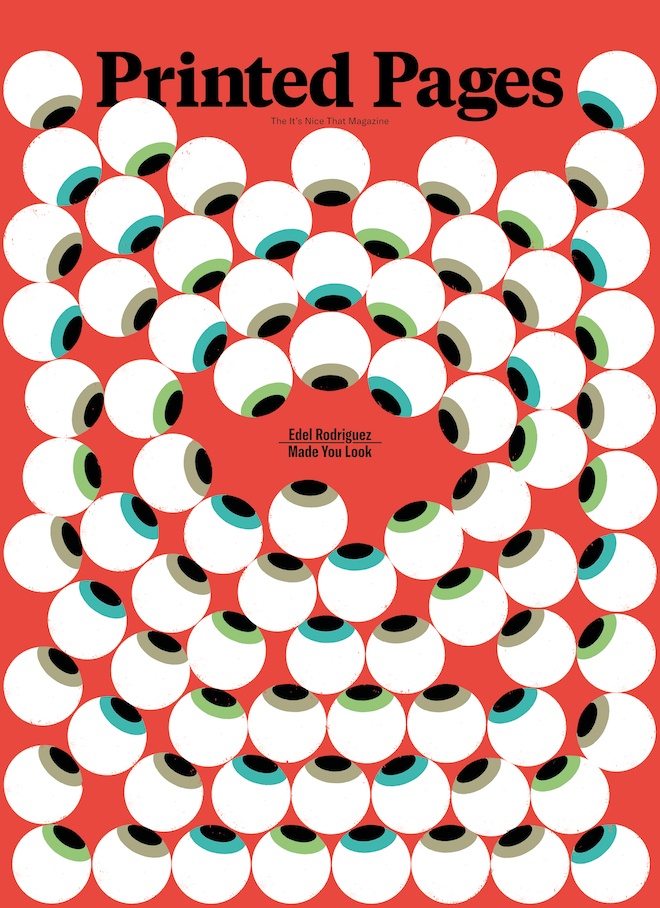
Our friends over at It’s Nice That have just launched their SS18 issue, Printed Pages, and it’s a dream summer read.
This issue’s cover star features Cuban-born illustrator Edel Rodriguez who has created some of the most iconic protest imagery against Trump over the last few years. Alongside the Rodriguez interview are graphic design duo Sagmeister & Walsh, the artists Gilbert and George, pioneer of street photography Joel Meyerowitz, the artist Eddie Peake and New Yorker cartoonist Joost Swarte – amongst others.
Importanly this latest It’s Nice That issue also features an interview with four leading women illustrators who discuss their experience of the creative industries. These are Malika Favre, the French illustrator who has created work for Maison Margiela, the New Yorker and Vanity Fair; Ram Han, whose distinct and colourful illustrations have amassed a loyal following; Martina Paukova, the Berlin-based illustrator who contributed to the likes of the Guardian, Sunday Times Magazine and Google; and Miranda Tacchia, the artist and animator whose client list includes Disney, Nickelodeon and Cartoon Network.
I don’t have time for this
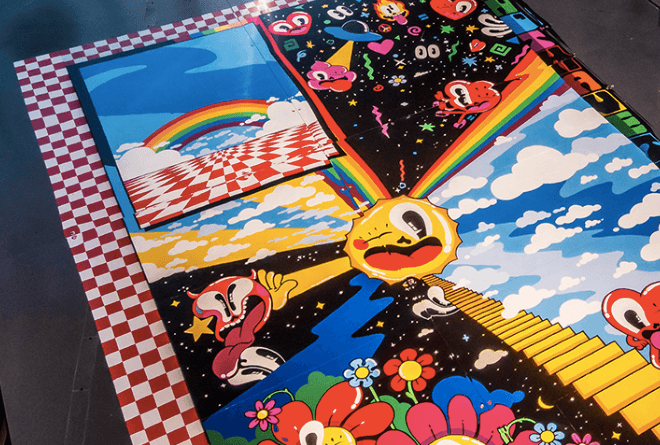
This month sees a new exhibition of Hattie Stewart‘s work open at NOW gallery. The London-based artist and illustrator has garnered hype with her ‘doodle bombing’ technique, bringing a a sense of humour and play to a range of magazine covers such as Vogue, i:D and Playboy.
Alongside these re-imagined covers Stewart’s punchy illustrations are cheeky and playful, using bold colours to offer stand out prints. And she has also created work for clients including MTV, Hunter, House of Holland, Nike, Apple Music, Marc by Marc Jacobs and MAC Cosmetics.
The cultural world is no stranger to Stewart’s maverick approach, which makes the new work on show at this exhibition especially exciting. These new pieces include a large scale, floor-based artwork where visitors can fully escape into Stewart’s world.
This new exhibition at NOW gallery is part of the gallery’s young artist scheme, designed to foster and give a platform to emerging talent with a distinctive aesthetic.
I don’t have time for this by Hattie Stewart is open at NOW Gallery until 25th June 2018.
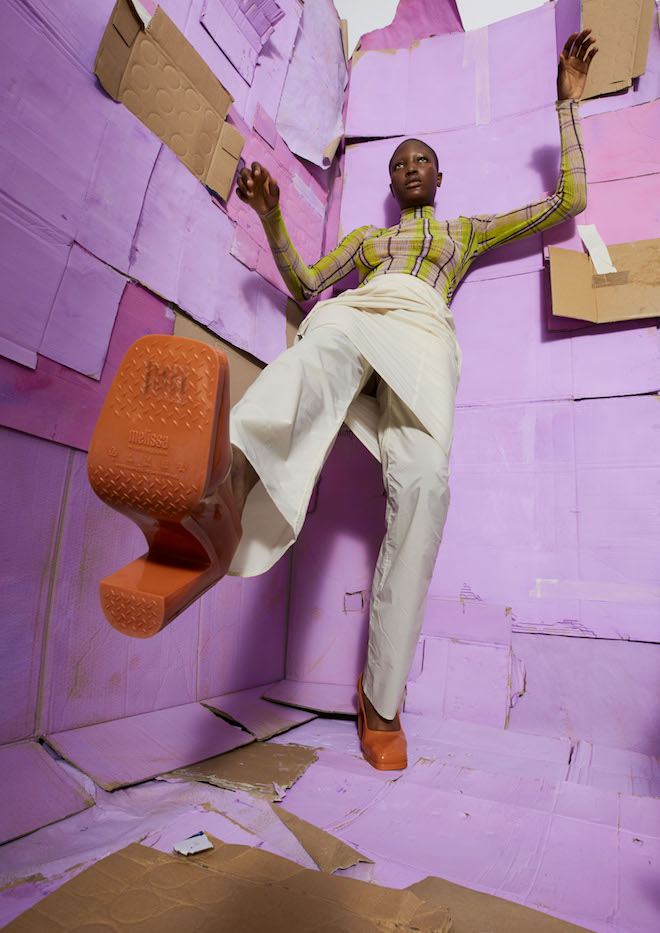
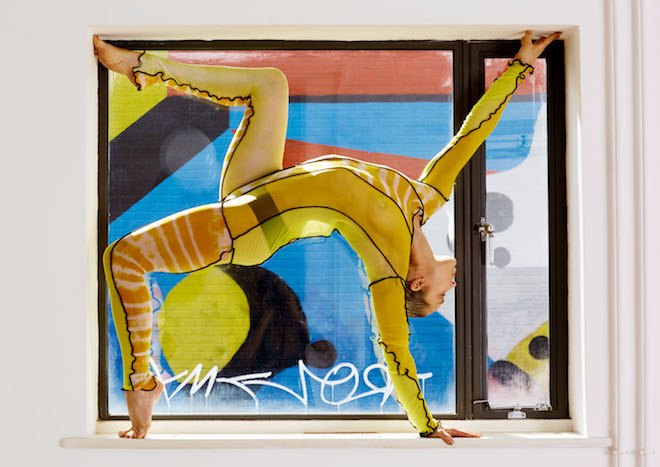
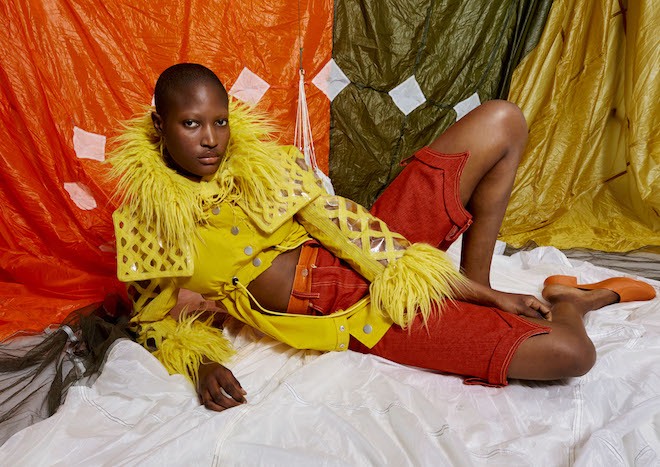
In keeping with Galeria Melissa’s reputation for hosting maverick collaborations and guests, the space’s next takeover brings Fashion East’s merry band of designers to the Covent Garden space.
The Fashion East womenswear designers, which includes Supriya Lele, Charlotte Knowles and Asai interpreted Galeria Melissa’s OPEN VIBES AW18 collection. The video that will preview this evening is the first to be created between Galeria Melissa and Fashion East. Shot with a home video aesthetic, the video offers a low-fi feel that blends the fantasy of fashion with the reality of its process.
This latest collaboration with Fashion East follows Juno Calypso’s unnerving takeover earlier in the year. Expect weird, wacky and wonderful things.
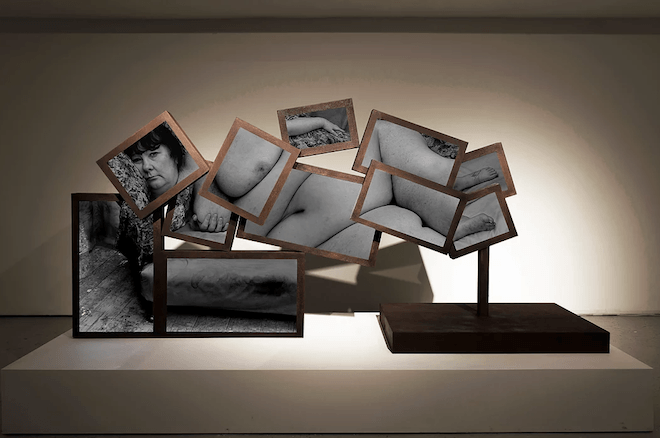
‘I like the idea of turning the tables, subverting the male gaze. Sue is now looking at us.’ says Charlotte Colbert, the London-based artist behind one of the must-visit exhibits at Photo London this year.
Her work ‘Benefit Supervisor Sleeping’, 2017, offers a life-size image portrait of Sue Tilley, Lucian Freud’s iconic model. While creating an overall survey, the work alerts viewers to specific details such as Tilley’s foot or the paint spattered studio floors that Tilley was first painted in.
Photo London is at Somerset House 17th – 20th May 2018. See the full programme here.
Feature image credit: Charlotte Colbert, ‘Benefit Supervisor Sleeping’, 2017
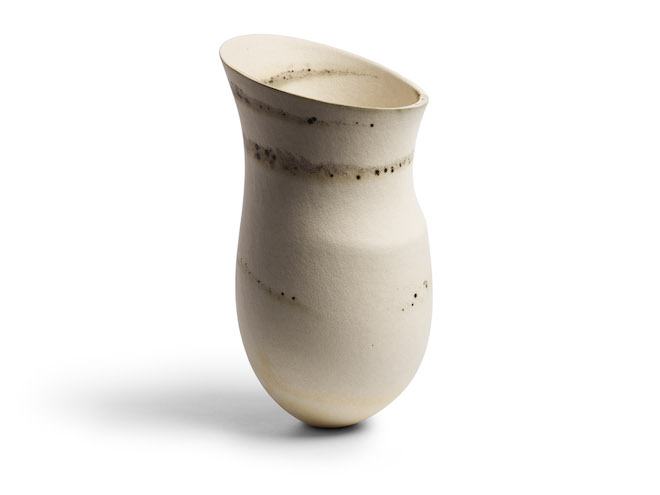
Jennifer Lee has been awarded the LOEWE Craft Prize 2018 for her work Pale, Shadowed Speckled Traces, Fading Elipse, Bronze Specks, Tilted Shelf (2017).
The prize was announced today at a ceremony at London’s Design Museum. A panel of judges including architect Patricia Urquiola and Jonathan Anderson awarded the prize to Lee from 30 finalists.
“Jennifer Lee for me is a landmark in form” commented Jonathan Anderson, who launched the LOEWE Craft Prize last year.
Classic and tranquil, Jennifer Lee’s work embodies a sense of timelessness and transcendence. The ceramic design was created using the ancient technique of pinching and coiling yet the final result speaks to modern minimalism.
Takuro Kuwata also received honourable mention for his porcelain work Tea Bowl (2017), as did Simone Pheulpin for her textile sculpture Croissance XL (XL Growth) (2017). See work from all 30 of the LOEWE Craft Prize finalists here.
The LOEWE Craft Prize exhibition is open at the Design Museum until 13th June 2018. The museum will also host a series of craft talks and workshops. You can find out more information about the events here.
THEATRE OF THE NATURAL WORLD: An interview with Mark Dion and Iwona Blazwick, Director at Whitechapel Gallery
The nature-culture dualism is central to the work of American artist, Mark Dion. Best known for his immersive sculptures and installations, his work examines how knowledge is gathered, interpreted, classified and presented. For his solo exhibition at London’s Whitechapel Gallery, Dion examines our complicated – and conflicted relationship – with the natural world raising questions concerning the culture of nature and the environment. Twin spoke to Mark and The Whitechapel Gallery’s director, Iwona Blazwick to talk about the major exhibition, its curation and the ethical duties of artists and curators.
Thomas Rackowe-Cork (to director IWONA BLAZWICK): What initially drew you to Mark’s work?
IWONA BLAZWICK: I first encountered the work of Mark Dion in a gallery in New York in 1990. Marching across the white cube space was a line of wheelbarrows filled with exotic pot plants and cuddly animal toys. It was called ‘The Wheelbarrows of Progress’. It struck me that here was the legacy of minimalism but infused with narrative, politics and humour.
TRC to curator IWONA BLAZWICK: Can you tell me about the curation for this exhibition? Is there a particular circulation you had in mind for the viewer to experience the exhibition?
IWONA: Mark Dion is a scenographer and explorer. So, our curatorial approach was to take the viewer on a journey through a series of visual adventures. The voyage starts with life – 22 zebra finches in their beautiful Library for the Birds – proceeds through an expertly camouflaged yet hostile series of structures made for observation and hunting, through a studio for the contemplation of nature, an uncanny museum display and an archaeological dig; it ends with death in a room of ghosts glowing in the dark.
TRC to artist MARK DION: What drew you to the world of natural history and science as a mode of investigation?
MARK DION: I think one of the things that drew me to the world of natural history is that it is a field where we are asking exciting questions; who are we? Where do we fit into the world? What is the world? How did we get here? Conversely, I find the art museum asks questions of value and aesthetics – areas that were not especially inspiring to me. So, on the other hand, these institutions, such as museums of natural history and ethnography museums, tend to both ask questions and give answers. They turn the viewer into a passive viewer. Whereas the art museum has a very critical view – they don’t expect that you necessarily agree with the work of art. It is almost encouraged that you do not. So, I wanted to bring those two worlds together. But my principle motivation is a kind of love for nature and experiences and it is something that was always a big part of my life growing up and I can’t imagine it ever not being a part of my life. And with growing up in the city, you search for surrogates – you may not be able to get to the mountains every weekend or to the coast. But you can get to the natural history museum or the park.
TRC: The cabinet of curiosities is a theme that you repeatedly revisit in your practice – could you tell me a little bit more about why that is?
MARK DION: My interest was really in wildlife conservation and biodiversity. That brought me to the museum and then as I became closer to the museum, I became closer to its history for the collections. It was here that I discovered the tradition of the Wunderkabinet, which later peaked my interest in the 16th and 17th century collections. I found these collections really interesting because they contrasted so significantly from the imperial or colonial collections as they were not something of national prominence or filled with ideology. Rather, they are highly individual cosmologies. Though they are undoubtedly related to colonial processes, they are not the colonial museum in the same way. They are as much proto-scientific as they are spaces of magic, religion and superstition. So, that kind of mixture and hybridity, not only of the objects, but of their meaning as well, is important in thinking about how we move forward in terms of museum design – looking to the past and looking to the unexpected way things are put together.
TRC:The nature of a cabinets of curiosity seems to be concerned with collecting and classifying. Do you have a theme in mind when you collecting or making these material objects?
MARK DION: Very often, I go back to their original methodology where you would use an allegorical structure. I think that in trying to reconstruct those you have to also try to put yourself in the head of a maker from that time. So, you are intentionally putting things together that we may not put together today. So, let’s say, if you are using the elements of the seasons and you are putting them together based on the idea of fire, I try to ask myself; what does that necessarily mean? So, I find that really exciting.
TRC: So, you do not approach the curation of these cabinets thematically – could say then the curation is more intuitive?
MARK DION: Well I’m thinking about the themes that would exist in a historical setting and trying to mirror or refresh those. So, I am constantly thinking about their allegories. Very often, I look back at young Bruegel paintings, for instance, or something like that as a way of imagining what does the allegorical air look like?
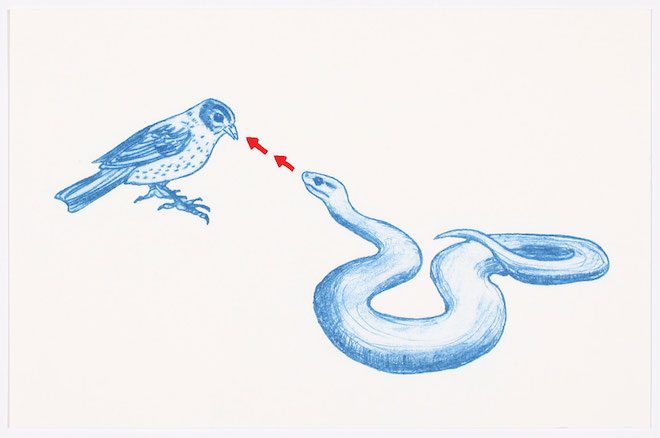
Mark Dion ‘World in a Box’, 2015 | image courtesy of Whitechapel Gallery
TRC to IWONA BLAZWICK: The cabinets of curiosities are already curated in a way – how do you go about curating the cabinets themselves?
IWONA: The artist makes his own cabinets of curiosity – our role is to immerse our visitors in them, encouraging them to act as detectives searching for the myriad clues embedded in Dion’s assemblages, drawings and wallpapers.
TRC to MARK DION: From the sort of themes that you are looking at; what are some of the most fascinating objects you’ve found over the years?
MARK DION: There are always found objects that you pull out of rivers and one of the most interesting things about creating pieces for this exhibition was that I was working with people that were not trained as archaeologists or artists. It was interesting to see how some of which had a very accentuated search image. Whilst others had a really difficult time just seeing. As for me, one of the most exciting things we found were those traditional objects that you embellish with cultural artefacts. For example, you may have a whale’s tooth and surround it with silver and engrave on it. The opposite of that might be a cultural object that is traced with worm tracings or oyster shells or slipper shells and things like that. Things that articulate that opposite. In many cases, I found it interesting that many of the young people working on these projects were entirely unable to tell the difference between a rock of flint and a cultural object. To them, it seemed unfathomable that a piece flint, for example, was not human made because the natural world just does not make something that strange. So, these things that articulate the natural affecting the artificial I see as bookending the cabinet of curiosities and accentuating the natural with the artificial.
TRC: Following on from that, do you think our relationship to a found object changes when placed behind glass?
MARK DION: Oh, absolutely. It changes over a period of time. For example, an artist like Robert Rauschenberg might find a glue into a collage a newspaper cutting from his day in 1953. Suddenly, today that is a very exotic newspaper, with a different time sensibility, and different make up. So, not only do they change by this process of becoming “museum-ified” but they also change dramatically just by getting a little bit older. Even with things here in the Thames Cabinet from the dig in 1999 here in the exhibition, someone was looking at them yesterday saying “Oh! SunnyDelight – does that still exist?”
TRC: Do you think that these found object lose some agency when they are placed in this context?
MARK DION: I do not think they loose agency. In fact, I think that they gain some agency, or the viewer gains some agency because they begin to see themselves in this context. What is important for me about the Tate Thames Dig (1999) is that people find themselves in it. It is not this notion that history happens to someone else, sometime ago. Rather, it is a continuity that is inclusive. We find ourselves in that, which also implies that this history goes beyond us. One of the most difficult things we face as a society, is this ability to imagine things going on beyond us. I feel that is why many seem not to care about leaving behind a mess.
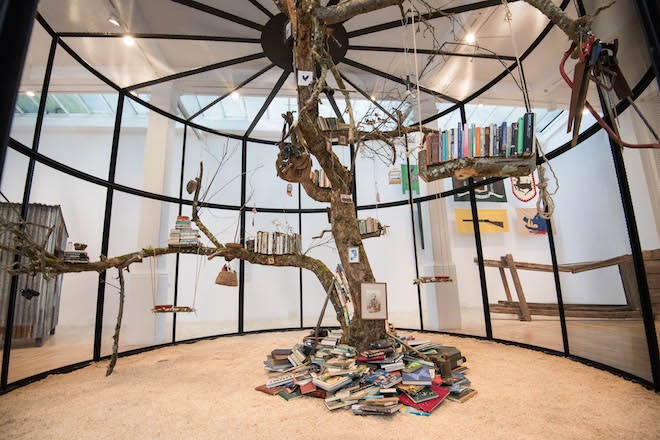
Mark Dion exhibition | courtesy Kunstraum Dornbirn
TRC: Yes, it is incredibly hard to fathom the sort of everlasting element of material objects… the idea that things can live beyond us…
MARK DION: Absolutely. We are just a point in the continuum. And so that is sort of my real agenda with these pieces to emphasise this notion of a continuum. For that to happen, the viewer has to find something that they have touched, something that they know or are familiar with.
TRC: I sort of felt a sense of nostalgia whilst walking around the exhibition – would you say that this feeling or emotion plays a somewhat central role in your work?
MARK DION: I am always trying to guard against nostalgia. But at the same time, I think that I certainly have an affinity to materials that are well-made – that are crafted in leather and wood rather than in plastic. At the same time, I try to police myself against this golden ageing. It is the curse of nostalgia to imagine the past is somehow a purer, a better or a more superior time, which it clearly was not at least it was not for many of us. It would always feel artificial, for example, to place a laptop into a study of surrealism. I mean, that is not a good example, because the piece Bureau of the Centre for the Study of Surrealism and its Legacy (2005) in this exhibition is a period piece that is meant to be a 1923 office.
TRC: Is there a hope to achieve anything by bringing these things back to the surface?
MARK DION: I want to cultivate the viewer who is more cautious and sophisticated. But at the same I want to be critical and to that you have to be affirmative. That is to say, to affirm people’s world views so you don’t feel entirely isolated – that you’re not the only one on the right road.
TRC: How do you think artists and have ethical duty or responsibility to bring certain issues to the surface?
MARK DION: I would not want to be prescriptive, but for me it is important. I mean, otherwise I wouldn’t really understand what the point of making are would be. I could understand why someone would want to make work as a self-expressive gesture, but I just do not understand why they would think an audience would only need to see that. I am interested in artists who are not afraid to have a didactic aspect to their work. Who are not afraid to say something and to have a position. That is the kind of art I like. So, I am not afraid to make that kind of art myself. At the same time, we have to face a lot of this stuff in society anyway, which is not particularly successful in terms of messaging. So, I wonder how to do that with complexity. I think for me, humour is part of the way to do that and also just trying to do things really well that builds a confidence in the viewer that is worth engaging with.
TRC: How do you think curators have ethical duty or responsibility to bring certain issues to the surface? Here for instance, the conservation of the environment.
IWONA BLAZWICK: The curatorial mission changes according to its institutional and social context. For us at the Whitechapel Gallery we are dedicated to offering a platform for contemporary artists – and they don’t have a duty to comment on issues. While World War II raged about him Morandi just continued to paint bottles. He is nonetheless a great artist. However, an artist like Mark Dion is exciting because he is able to respond to the environmental crisis in a way which combines ethics with aesthetics. He has spoken of his despair at our indifference to the fate of our planet – but I see this exhibition as being full of hope, making us reflect on our relations with other species while rekindling our sense of awe at the natural world.
Mark Dion ‘Theatre of the Natural World’ is on at the Whitechapel Gallery in London until 13th May 2018.
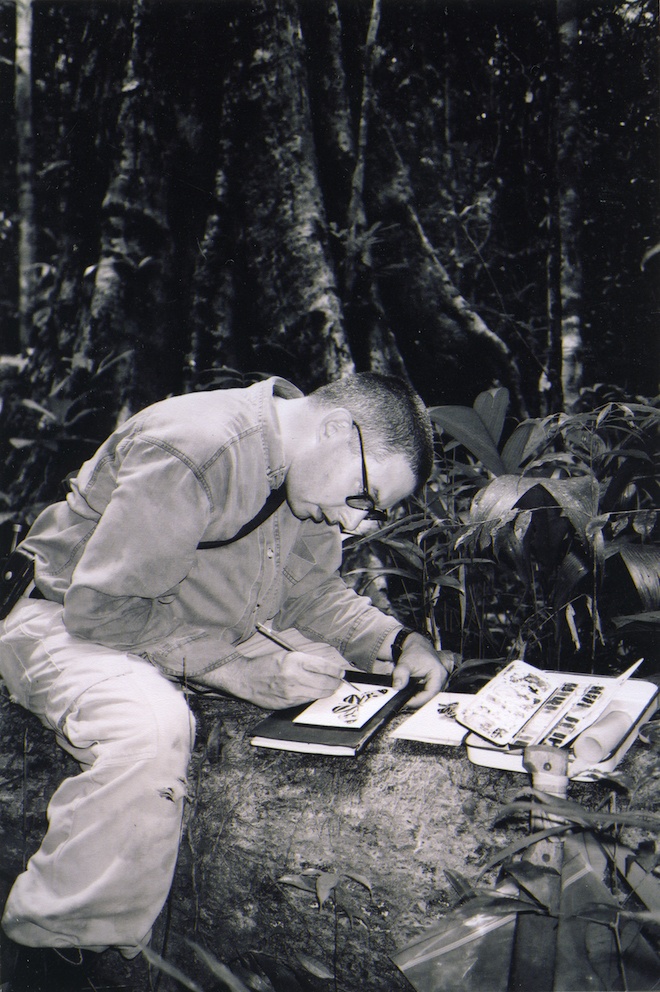
Featured image credit: Mark Dion in the rainforest of Guyana | Photo by Bob Braine, courtesy of Whitechapel Gallery



 PREVIOUS

 Twitter
 Tumblr
 YouTube
 Facebook
 Instagram
