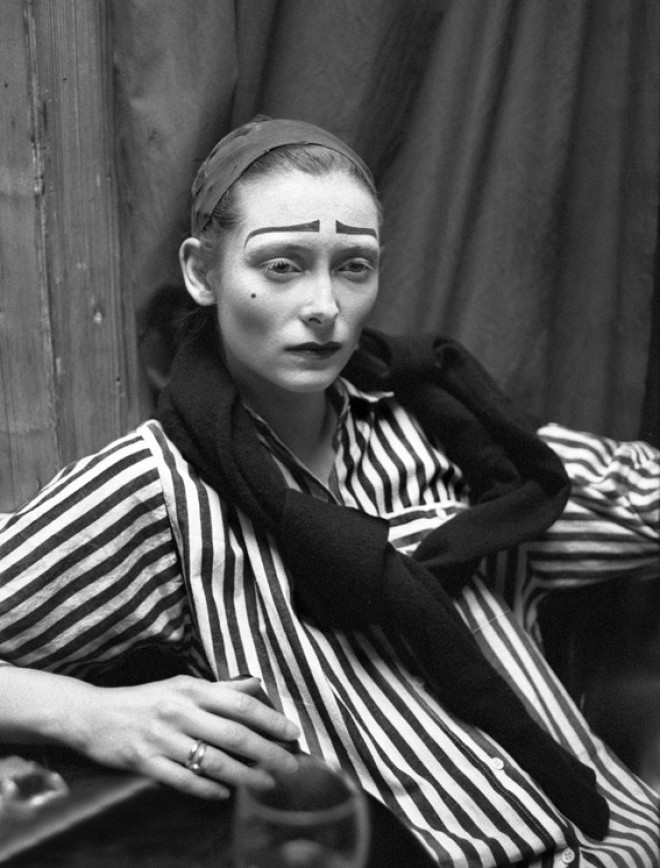
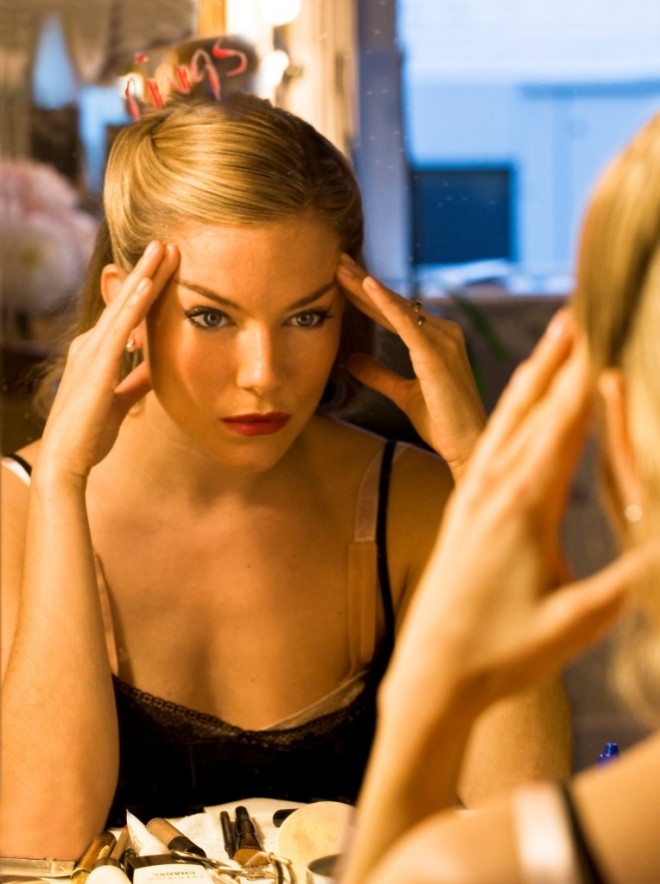
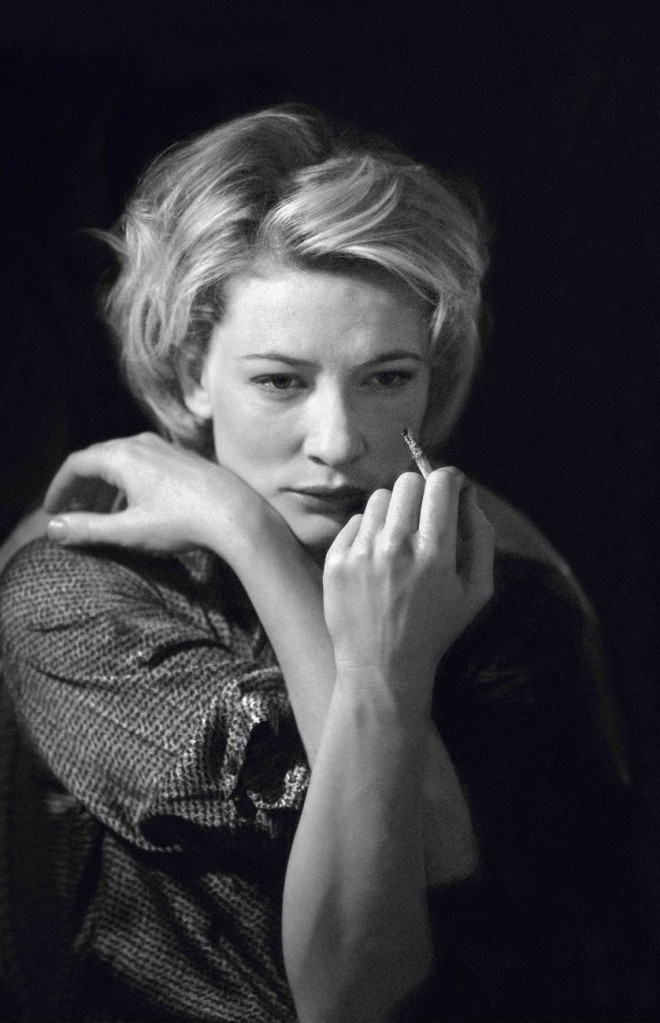
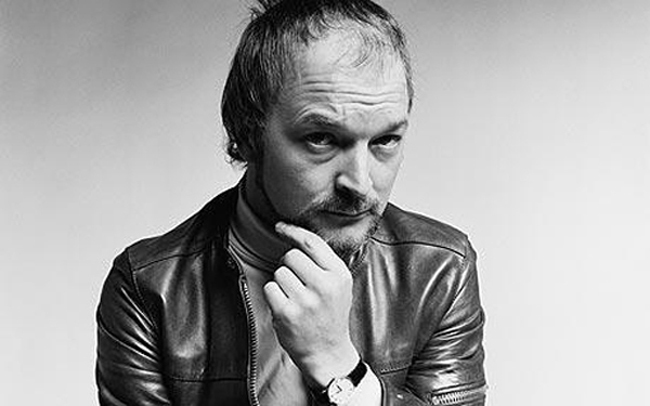
If you haven’t already, check out Simon Annand’s illuminating portraits of actors at The Idea Generation Gallery. Taken moments before they step into the footlights, each portrait is a study in concentrated emotion. Often pensive, with an air of mystery, they are private moments shared with the photographer.
Annand has been photographing actors in the final half an hour before curtain up for 25 years. In 2008 he published The Half, a book of his work, but he continues to add to his oeuvre and the exhibition includes new and unseen images of London’s leading theatrical lights. His work gives theatre lovers unprecedented access to a who’s who of performers, with humour, fear and always intimacy. The Half brings the dressing room to life, making it a stage of its own.
Simon Annand: The Half is at the Idea Generation Gallery until 8 April 2012
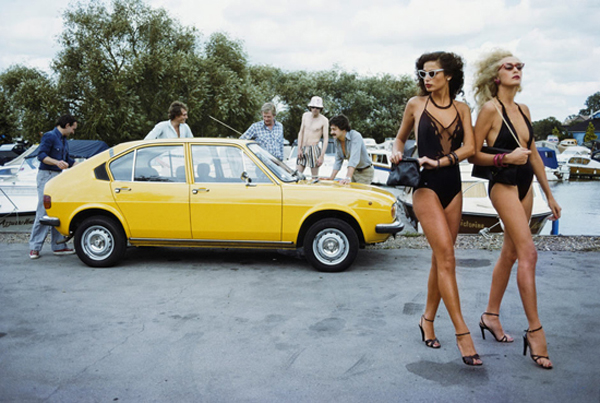
From portraits to reportage and award-winning advertisements to Pirelli calendars, the images of Brian Duffy are an iconic documentation of decades past. Now the Proud Chelsea gallery is making a tribute to the photography legend, who passed away in 2010, by displaying a rare collection of his signed prints.
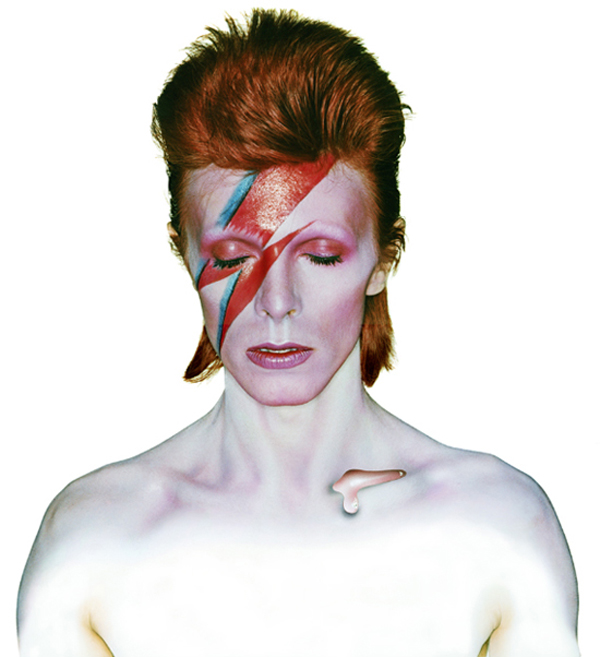
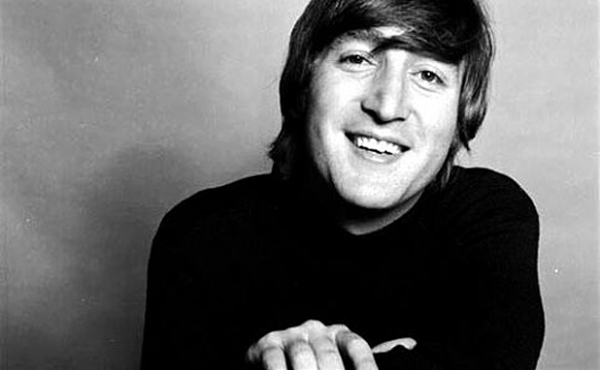
Starting his career in the Fifties as a freelance photographer for Harper’s Bazaar, Duffy went on to photograph the likes of Jean Shrimpton, John Lennon and David Bowie, most memorably for the cover of his Aladdin Sane album.
Duffy, alongside David Bailey and Terence Donovan – nicknamed the Terrible Trio by British press – innovated the style of documentary fashion photography by capturing the zeitgeist of Swinging London in the Sixties.
After making the decision to abandon still photography, the English photographer and film producer famously attempted to burn all of his negatives in 1979. Fortunately, a few priceless artifacts remain, making this exhibition both a poignant photographic homage and an unmissable visual experience.
Duffy: The Lost Portraits is on display until May 13 at Proud Chelsea, 161 King”s Road London SW3 5XP.
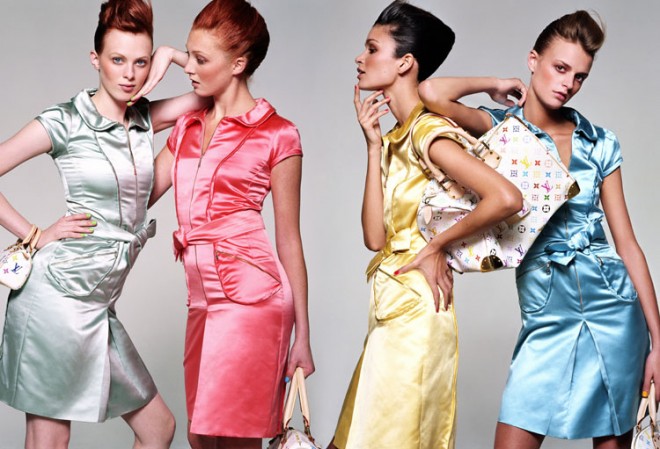
“Necessity is the mother of all invention” So goes the saying, and so it was that in 1858, trunk packer Louis Vuitton innovated a stackable luggage trunk to ease transportation of the prodigious wardrobes of travelling madamset mademoiselles. In doing so, the wheels were set in motion for a brand now estimated to be worth over $19 billion.
Those wheels are turning faster than ever over a century later, under the skilled tutorship of Marc Jacobs. The brand and its designer, whose signature sense of irreverence and fun has seen models arrive on the catwalk via a full-size carousel and most recently, a moving locomotive engine – complete with steam – are now the subject of a new exhibition: Louis Vuitton – Marc Jacobs.
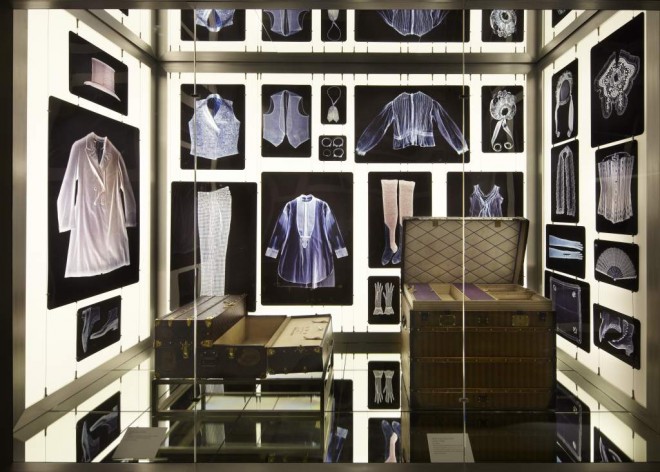
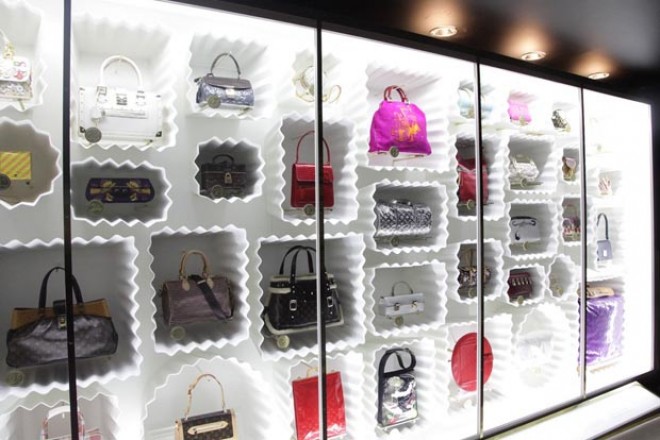
Two floors of the Louvre’s Musee des Arts Decoratifs, have been dedicated to exhibiting the French luggage icon and its Artistic Director since 2007. “Marc always starts with the bag”, says curator Pamela Golbin of Jacobs’ approach to each collection, and all 53 bags he has designed for LV are among the exhibits – which include those original
trunks – displayed in a larger-than-life “chocolate box”.
His exceptional brand vision is behind such successful collaborations as those with artists Stephen Sprouse in 2001 and Takashi Murakami in 2003 – the resulting bags creating waiting lists that took the idea of an ‘it’ bag to a whole new level.
If you find yourself in Paris between now and September and have more than a passing interest in art or fashion, don’t miss it.
Louis Vuitton Marc Jacobs is at Musee des Arts Decoratifs until 16 september 2012. The official book of the exhibition by curator, Pamela Golbin, is published by Rizzoli in April.
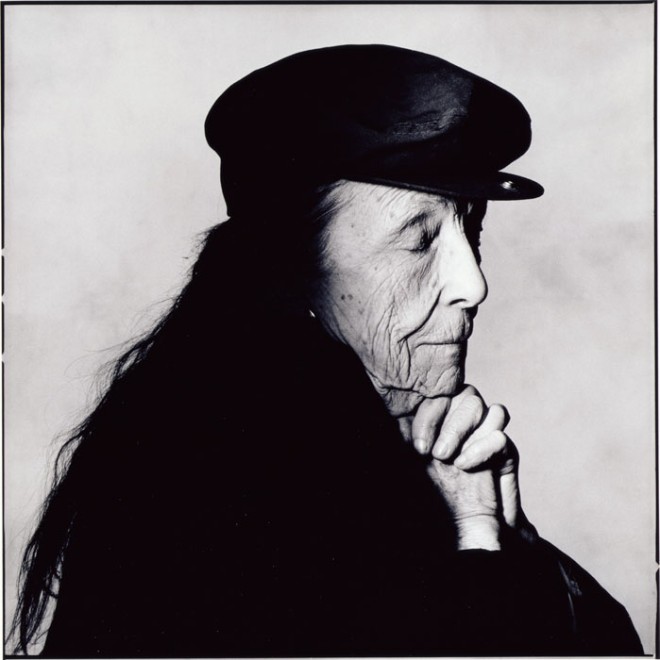
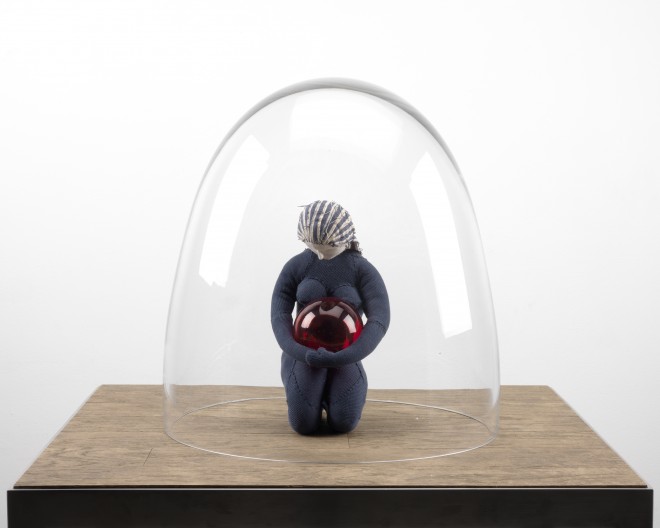
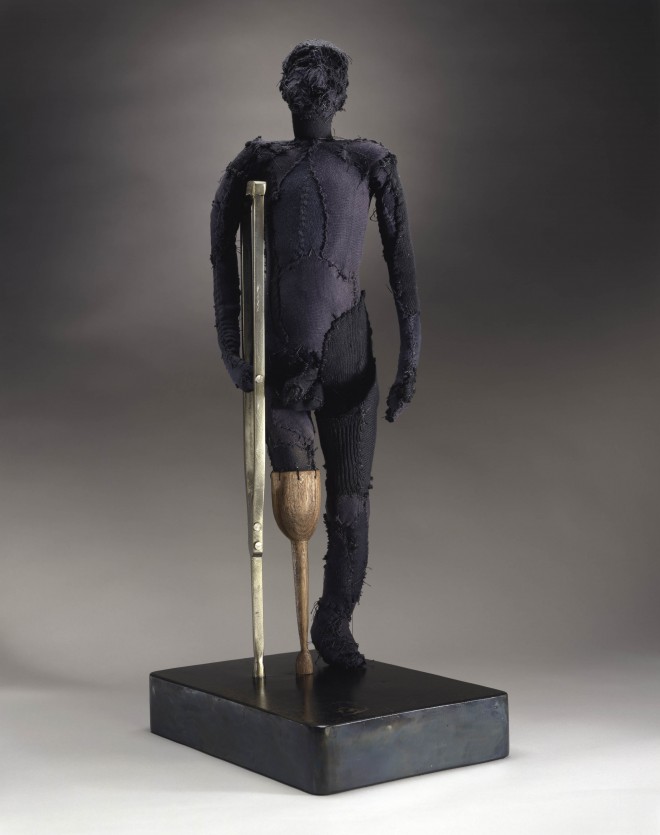
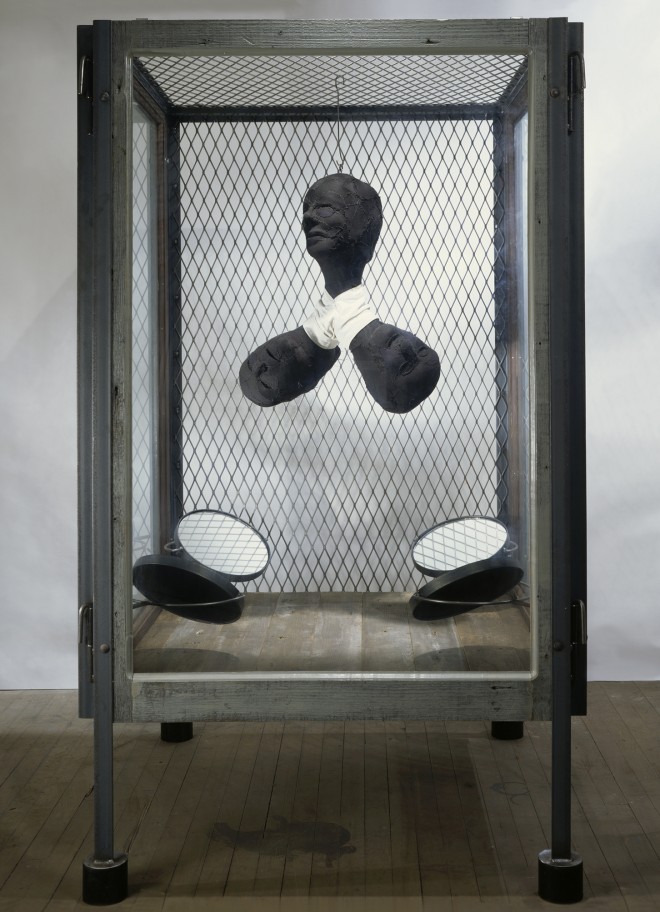
The residence of Sigmund Freud serves as a fitting space to showcase the work of sculptor Louise Bourgeois, whose exhibition The Return of the Repressed explores her thirty years of ambivalent attachment to psychoanalysis.
As an artist who drew on her childhood experiences, French-American Bourgeois was primed to blossom in the Fifties, but her path was impeded by the precipitous domination of abstract expressionism, spearheaded by the ‘macho’ art of Jackson Pollock and Mark Rothko. Subsequently, only four commissions for one-woman shows between 1953 and 1978 followed.
Her surrealist artistry with its lack of signature style and use of materials including meat, wood and latex rubber, was completely divergent to the idealism of classical sculpture.
She remained on the periphery because the art world found her profound technique and emotionally fragile inner world difficult to negotiate and comprehend.
Nonetheless, in 1982, at the age of 70, Louise Bourgeois, the artist who utilised her visceral pain to awaken a higher state of consciousness in the viewer, was given a retrospective by the Museum of Modern Art in New York; therebyembracing this gloriously fearless late bloomer with mainstream acclaim which had eluded her for so long.
Louise Bourgeois: The Return of the Repressed is at the Freud Museum until 27th May 2012
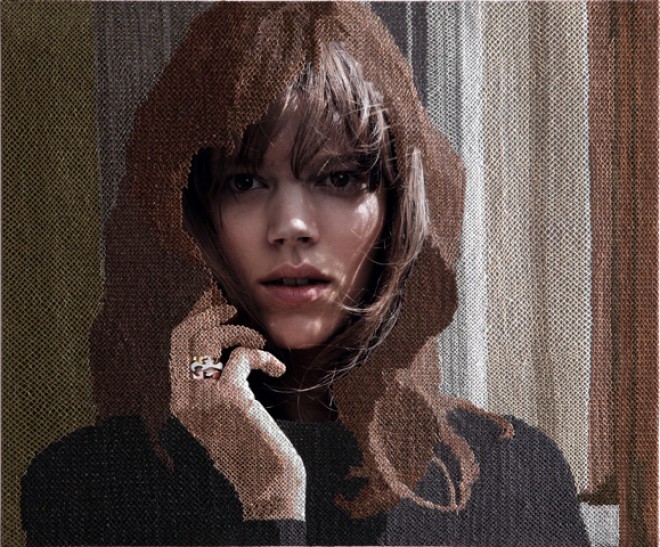
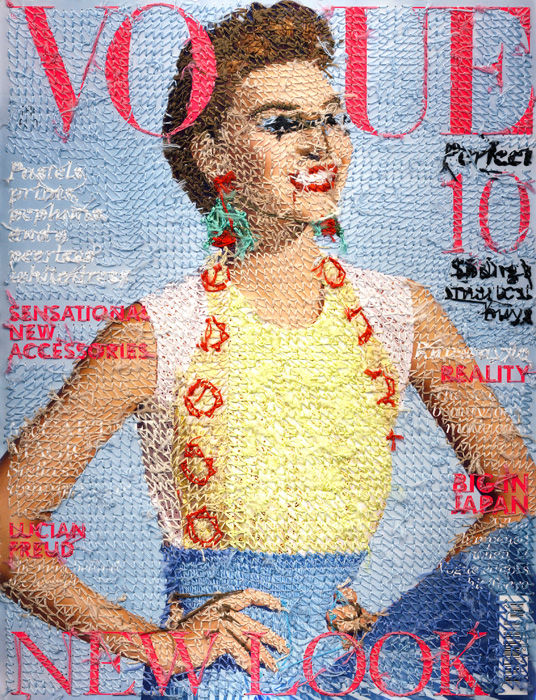
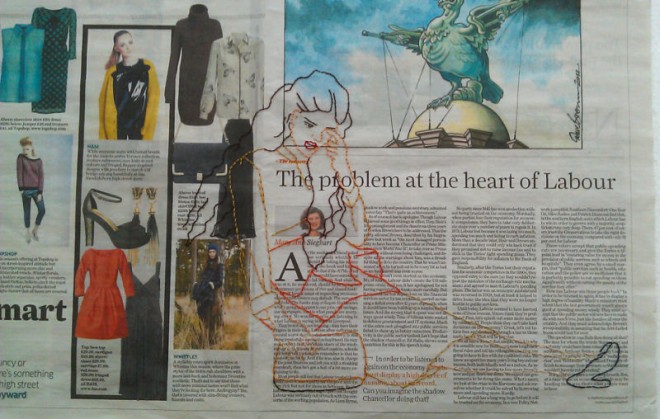
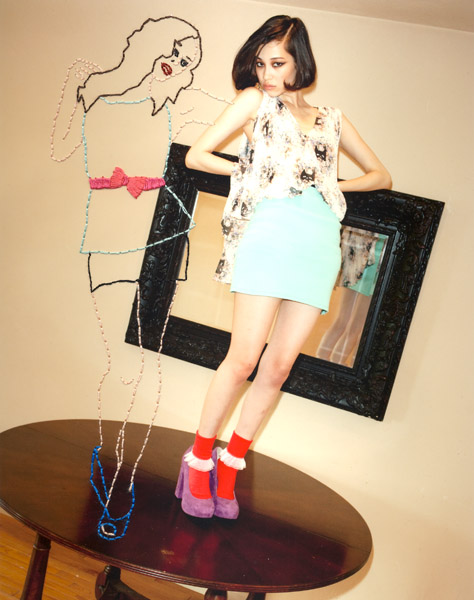
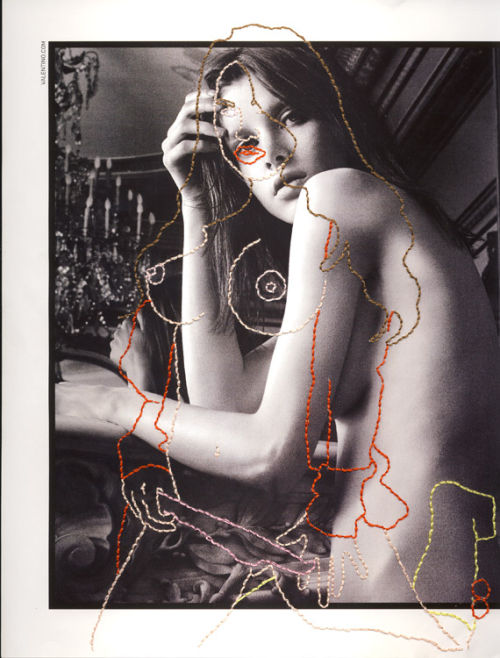
Inge Jacobsen uses embroidery, cutting, and collaging to create new images out of magazine fashion editorial and newspaper imagery.
As well as a response to the mass of imagery that makes up the modern world, her work comments on the way the female body is used as a commercial object. Intricate, time consuming and unique, her craft ruptures the gloss and glamour of the fashion world to create something lasting.
The 25-year-old’s work will be on show at the SHOWstudio shop as part of their Selling Sex exhibition from Thursday.
Twin spoke to the artist about her work…
What came first for you, art or craft?
Art. I was very interested in drawing and painting before I started university and I still do it from time to time. I spent much of my childhood and teenage years painting, and I originally wanted to be a painter.
When and why did you first apply embroidery to images of women?
When I started studying Fine Art at Kingston University in 2006. We were encouraged to think outside the box and explore ideas rather than specific techniques, so there was a lot of freedom to do as you pleased with your work. It was difficult at the beginning because I was surrounded by all of these incredibly talented and creative people, so I found it hard to create anything original.
I stated collecting fashion magazines knowing that I wanted to work with that sort of imagery, I just needed a way to intervene into them. I had found some embroidery pieces from my school days in Denmark when I was moving to university and thought that that would be a great method to use.
Your work has been embraced by the fashion industry – how important is it to you to keep your point of view undiluted by commercial projects?
Well I’m incredibly stubborn, so I find it quite easy. I don’t mind doing commercial projects if I think they will complement my ideas, such as the one I did with the Georg Jensen campaign. That worked for me because they have a long traditional craft based history (silversmiths) and a lot of their pieces are still made by hand in Denmark. I felt this was important because my work is handmade by me and it is a very traditional craft embroidery. I am happy to do commercial projects as long I don’t feel like I’m compromising the bases of my work and ideas.
What challenges does having feminist sensibilities, but also enjoying fashion, pose for you?
I think the two can work very well together. It can be difficult at times to distinguish whether women are being empowered or exploited but it certainly isn’t a not a black and white issue. I love the clothes but I often have an issue with the size of the models. They seem to be getting younger and skinnier and its not a great look in my opinion.
Clothes and fashion can help some women, and men, feel empowered but magazines and other imagery from that industry can also be great at making you feel awful about yourself. It does set unrealistic standards on ‘real’ women which I do find frustrating. The same is true for some types of porn, particularly those made by large industries. I was sad to learn that the only three industries where women earn more than men is in pornography, prostitution and modelling. We need to do better than this as a society.
What fashion designers do you admire as artists?
Christopher Bailey because he has done such a brilliant job at Burberry and Miuccia Prada because Miu Miu and Prada always make me smile with their bright colours and quirky designs.
Can you tell me a bit about your participation in the Selling Sex exhibition for ShowStudio?
The exhibition is made up of female artists and is really a look at how male gendered our visual culture is. The gallery contacted me and asked if I would like to include some of my stitched porn illustration in the show and any other work that I felt would contribute to the theme of the exhibition.
I was so flattered to be included and have my work next to such great artists. The subject is also one that is very important to me as a woman and as an artist. It is refreshing for stitching and embroidery to be displayed as equals to painting and sculpture because, like many crafts, it is so often mistaken for a lower form of art and people need to understand that that is not the case.
How long does one of your ‘covers’ take on average to complete?
You know, I get asked this a lot, and I can see why people are interested considering how intricate some of the pieces are, but honestly, I don’t keep track of the time. It all depends on how detailed an image is and how big it is. Sometimes I’ll start working on a piece and then leave it for days without touching it, so it’s hard to keep track of time. I have said 30- 50 hours in the past but I think it’s more around the 20 hour mark now that I’ve become quicker at it.
What’s next for you?
I am currently working with photographer Rebecca Thomas and using a series of her images. I’m also experimenting with different type of stitch to create a paint like effect, with stitches that resemble brush strokes.
Selling Sex opens on March 22 and runs until June 1 at SHOWstudio Shop, 1-9 Bruton Place, London
Heavily manipulated images with an exaggerated sense of reality form the signature style of Chinese fashion photographer Chen Man.
Since shooting her first cover for Chinese avant-garde style magazine, Vision, Man’s work has gained increasing recognition. Having worked with brands such as Adidas and Nike, she’s most recently collaborated with MAC cosmetics. The Chen Man range, subtitled Love & Water, is described as a ‘bold, sensual and lyrical colour collection’, based around her fascination for love and water, represented by pink and blue.
The ascendancy of Man’s star coincides with China’s own as a burgeoning economic powerhouse. In forging her own path, Man’s bold, innovative style has been credited with inspiring a visual revolution in China.
For her first UK solo exhibition, Man‘s photographycollates modern Chinese city landscapes with ancient architecture, which provide a backdropto explore the assorted themes of science fiction, consumerism and popular culture.
Despite the complex and myriad layers of post-production employed to control and manipulate the finished product, the natural beauty and poise of her models forces its way through her art. Otherworldly and eccentric Man’s imagery reflects an obsession with perfection and the impossibility of many beauty aesthetics.
The Chen Man exhibition is showing at the Chinese Arts Centre, Manchester until 7th April
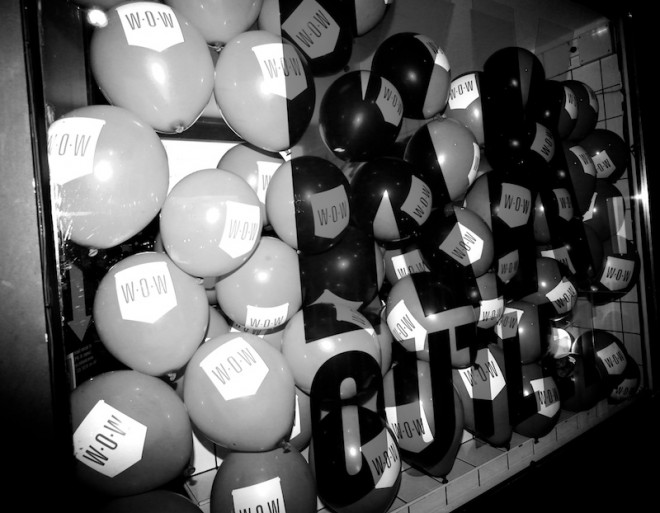
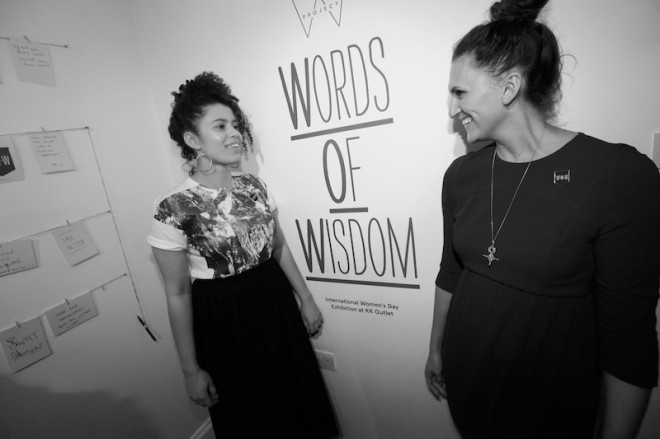
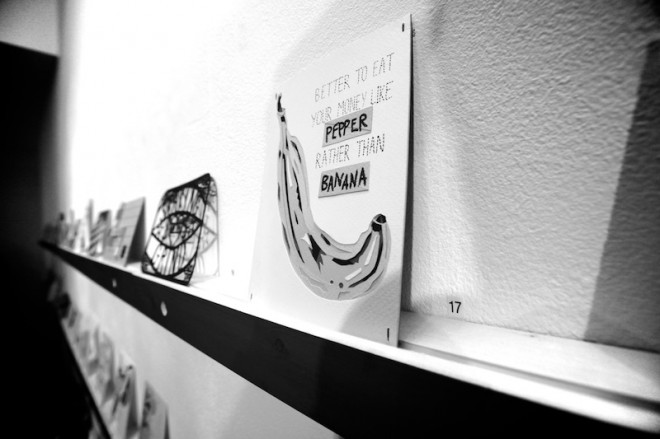
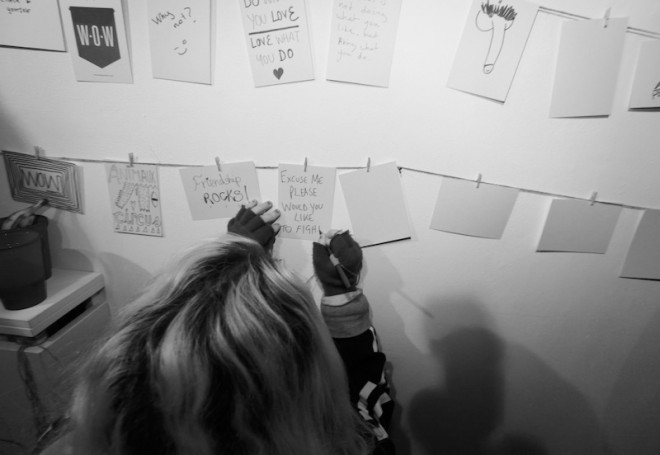
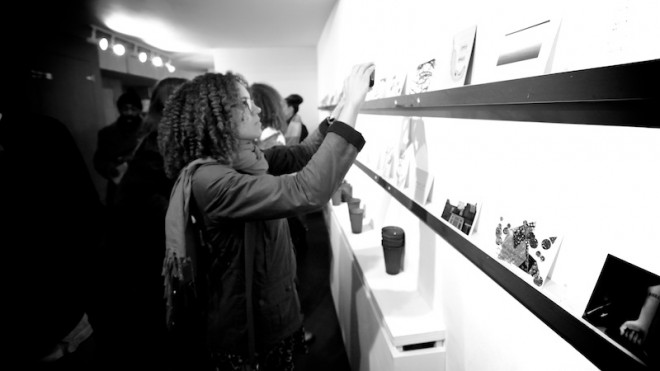
Currently on show at the KK Outlet, Words of Wisdom is the second exhibition from the W Project. Launched to coincide with International Women’s Day with the noble aim of celebrating, connecting and inspiring women across the creative industries, Loren Platt and Teo Connor asked a mix of female talent to contribute an answer on a postcard to the question – what are your words of wisdom?
On Saturday night they also held a symposium dinner where filmmakers Quentin Jones and Kathryn Ferguson spoke about their work and Rhonda and Lulu of the Darkroom enlightened and inspired guests by telling the story of starting out and setting up their beautiful shop on Lamb’s Conduit Street. All round wise words and wisdom from creative women. Thank you W Project.
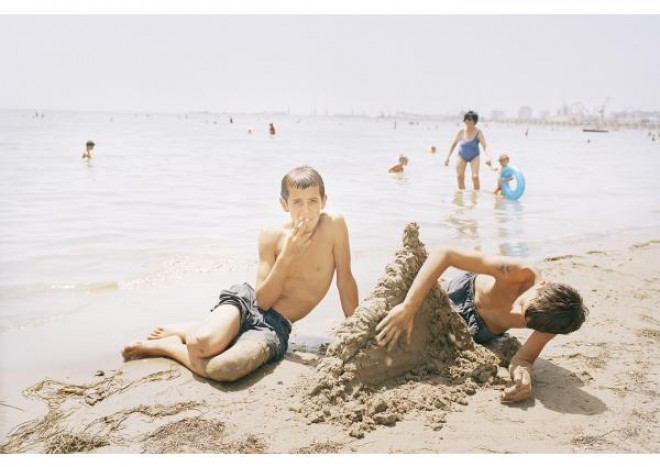
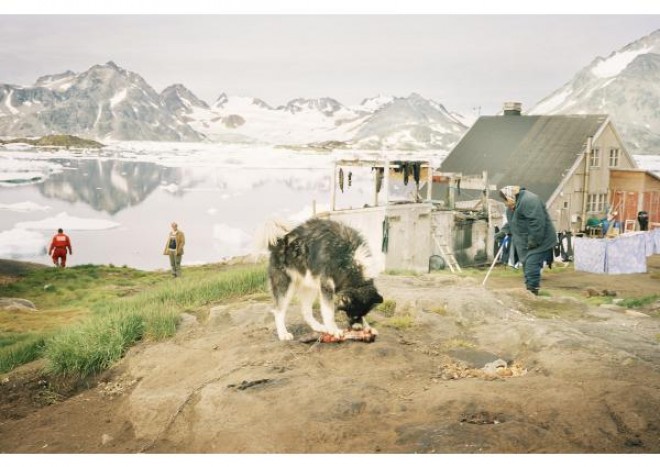
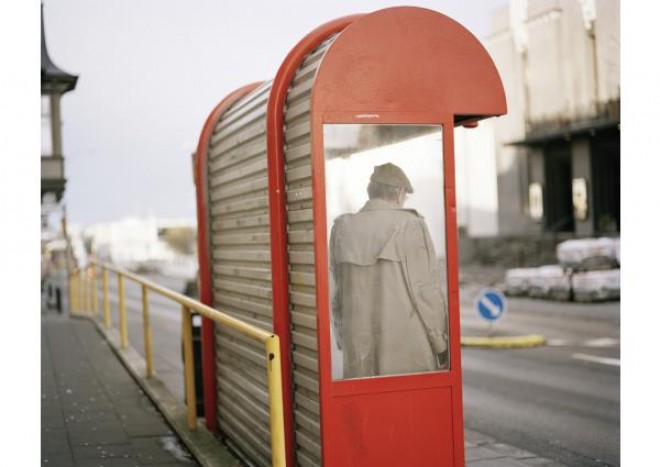
For the past eight years, photographer Tom Craig and writer A.A. Gill have explored the distance between words and pictures by travelling to countries such as Chad and Albania and recording what they see.
Now on show at Flaere Gallery, 20 unseen photographs by Tom Craig with the accompanying text by A.A. Gill assert not only the continued importance of photojournalism, but how a message is augmented by both words and pictures.
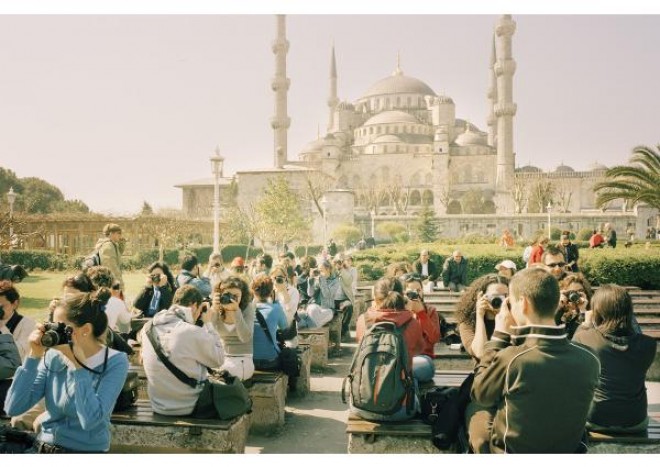
From disparate North Sea trawlers to busy tourist vistas in Turkey their collaboration seeks added dimensions while freeing both writer and journalist to convey a place exactly as they observe it. Two views, same scene.
Twin spoke to Tom about his work…
How did you meet AA Gill?
We first met at Heathrow on our way to Chad in 2004 to report on the refugee crisis. There is an image “Portrait of War” in the exhibition that comes from that assignment.
Where did the idea for the collaboration come from?
We’ve since worked together on over 25 assignments over the last eight years for various publications including The Sunday Times and Vanity Fair. It’s been a long-standing idea to present a series of images from our travels in this way to show the way that this collaboration brings writing and photography together in tandem.
Is one photo really worth a 1000 words?
Absolutely.
Was there one particular location that posed a challenge for you photographically?
On every assignment you can travel for days without an event occurring, without any flashpoint, without anything happening out of the ordinary. Life in most countries has a daily routine and tends to take the path of least resistance. At first glance what may seem innocuous though nearly always has a backstory.
Our job is to capture that backstory; to identify what is interesting, to collect it, to digest it, to report it and from my point of view to try my very best capture it in a solitary image (That’s 125th of one second) and present an image that is as informed as it possibly can be and that is something that is always enhanced by the presence of Adrian.
I can only hope that resulting combination of his crafted comments and my images allow a viewer an insight beneath the skin of a place they may never normally consider.
Is there an experience or memory from over the eight years that stands out from the others?
Two extremes of temperature stand out: Svalbard was the coldest place and Chad was the hottest place I have ever been too.
Have you any other trips planned?
We are going on assignment to Bhutan this Saturday.
The Bigger Pictureis at Flaere Gallery until 10th March 2012 flaere.com
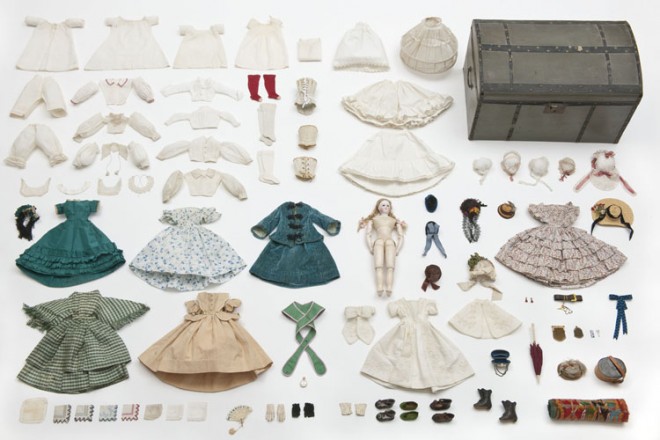
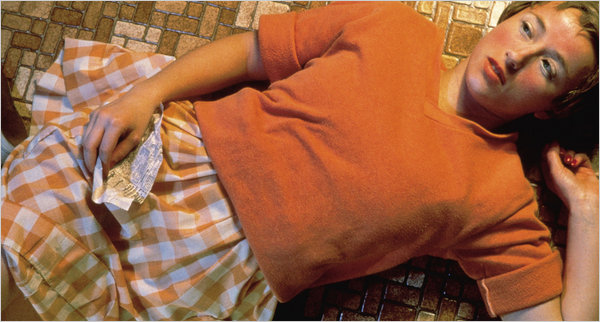
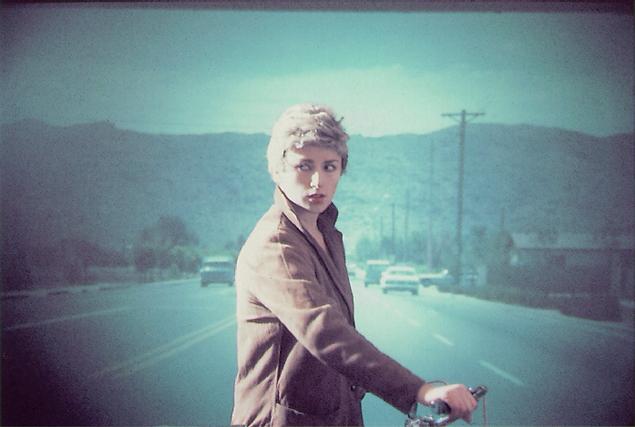
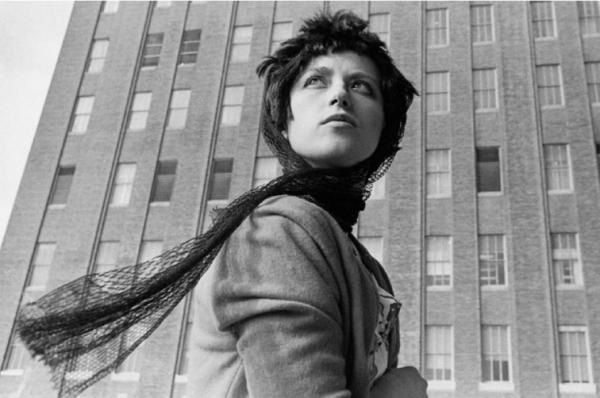
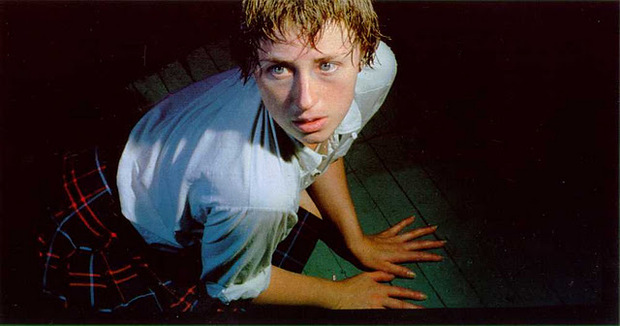
The metamorphoses of Cindy Sherman knows no boundaries, so it makes sense that an exhibition honouring her work is in a place as vast and all-encompassing as the Museum of Modern Art gallery in New York.
Looking back at her three decades and counting career, the just opened showcase contains over 170 of Sherman’s iconic pieces and portraits, witnessing her take on roles from cinema noir actress to Jean Fouquet’s Madonna of Melun. But Sherman’s countless transformations are beyond pure dress up and trying on a new persona; they are a deep questioning of identity, representation and the role and placement of women in society.
Rather than being solely retrospective, the exhibit is also the first showing of Sherman’s photographic murals from 2010 in America, as well as Carte Blanche: Cindy Sherman, a screening of films made and curated by the conceptual artist, which is fitting considering the strong influence of the medium on her work. The movies will range from horror classic The Texas Chain Saw Massacre to John Waters’ Desperate Living, whilst including Sherman’s short film Doll Clothes and feature film Office Killer.
The extensive display of her work shows that even under wigs, prosthetics and layers of makeup, the real Cindy Sherman is always unmistakably there.
Cindy Sherman is on display until June 11 at The Joan and Preston Robert Tisch Exhibition Gallery, MoMA, 11 West 53 Street, New York, NY 10019 moma.org
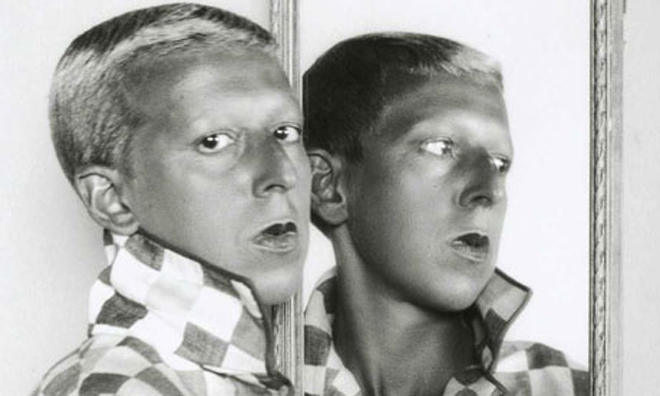
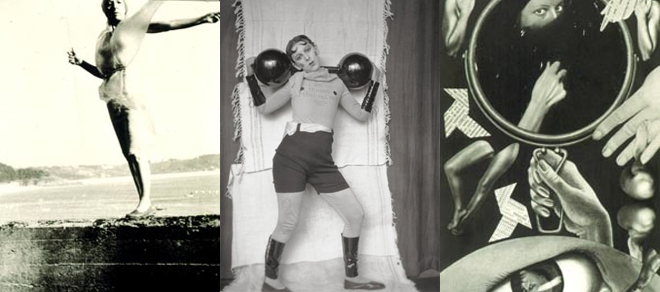
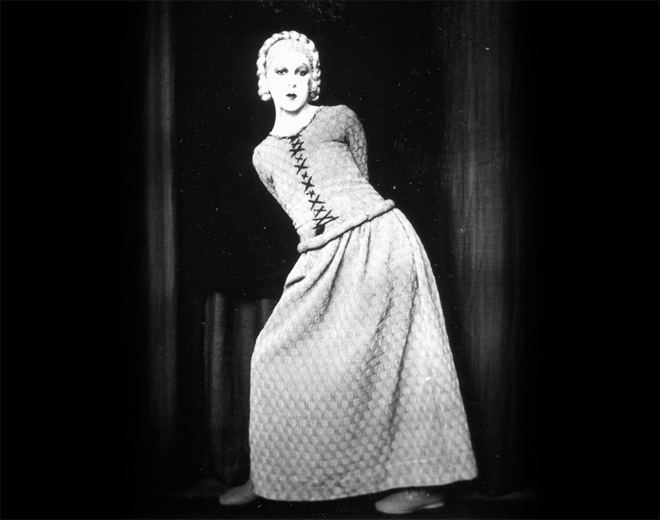
There are many words to describe Claude Cahun: feminist, political activist, Surrealist artist, poet, writer, photographer, actress. However, the word thought-provoking seems to say it best.
Born in 1894 as Lucy Schwob in Nantes, she began practicing her most well-known form of creative expression, self portraits, at 18 years old. Produced under her pseudonym and playing between the extremes of androgyny and hyper-femininity, Cahun’s images express the idea that gender and sexuality perhaps aren’t always an A or B answer.
Involved in a life-long romantic and artistic partnership with her stepsister, and as a member of Georges Bataille’s left-wing organisation Contre-Attaque in Paris, Cahun was no stranger to controversy. In protest against the fascist regime of WWII, she distributed oppositional pamphlets combining governmental critic and poetic rhythm among the soldiers.
At a time where not even religious freedom was granted, Cahun’s defiance of political, gender, sexual and aesthetical conventions within society is remarkable. In her anti-realist, autobiographical work Aveux Nos Avenus, she wrote: “I will follow the wake in the air, the trail on the water, the mirage in the pupil … I wish to hunt myself down, to struggle with myself.”
This internal struggle, both emotionally and on the artistic surface, helped make Cahun not only an intriguing artist, but also an inspirational legend.
Entre Nous: The Art of Claude Cahun is on display from February 25 to June 3 at The Art Institute of Chicago. www.artic.edu
Ever since the likes of Salvador Dali and René Magritte began blurring the lines between the worlds of fantasy and reality, the creative arts have had a special relationship with surrealism.
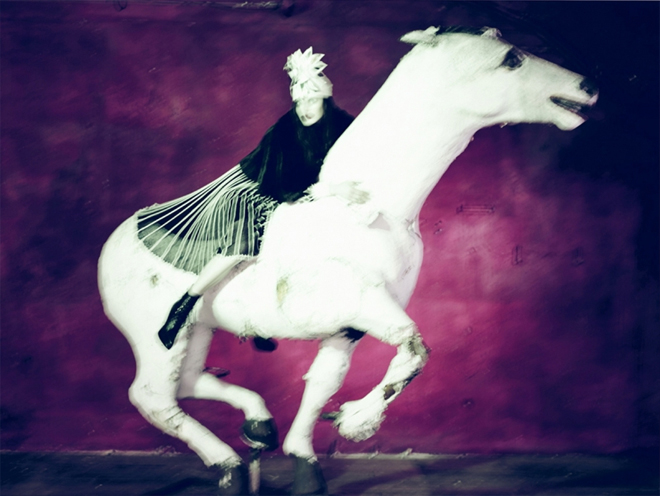
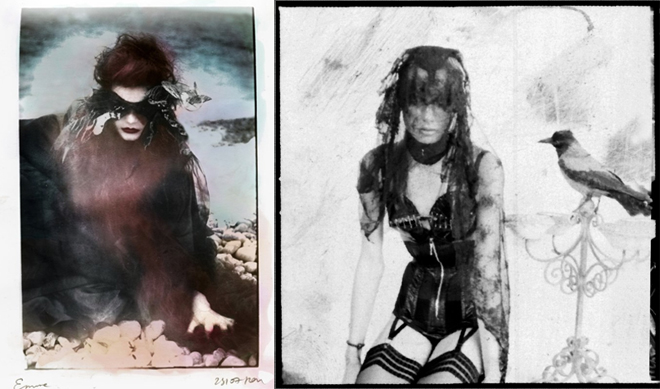
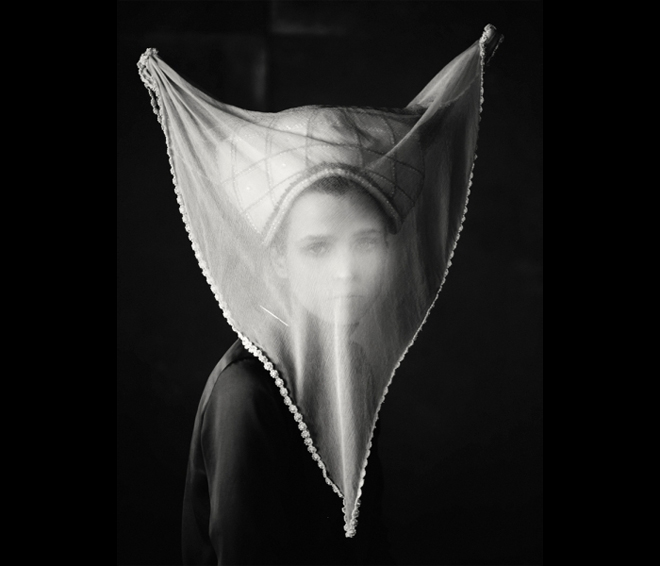
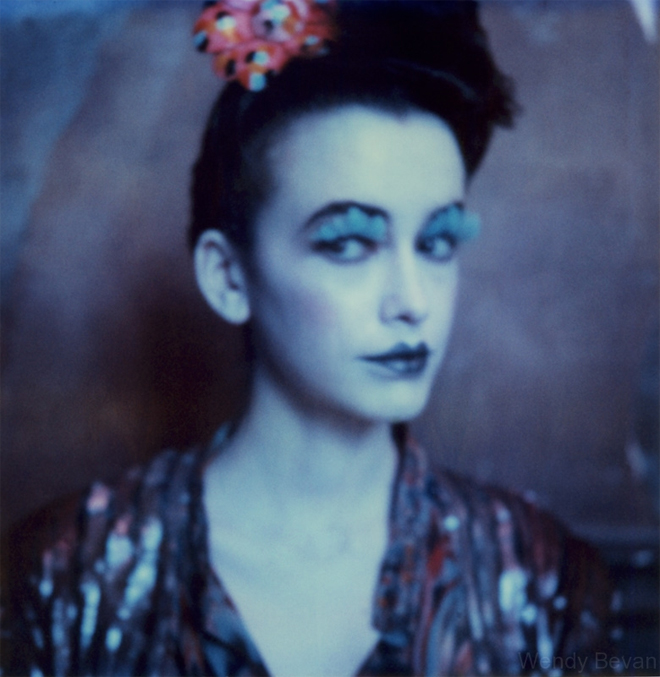
Opening today, the Mythologies exhibition at Rivington Design house, curated by Marlo Kronberg and Christine Bílý, continues to explore this correlation through photography, sculpture and film. Featuring the work of artists Bek Andersen, Wendy Bevan, Stefan Milev, Jordan Sullivan, and Paulina Otylie Surys, the group show aims to explore a muse that exists in this duality of fantasy and reality, ancientness and modernism, masculinity and feminism.
Twin spoke to photographer Paulina Otylie Surys on the eve of the exhibition’s opening about the power of artistic collaborations, her muses and surrealism in the arts…
How would you describe your photography work in a few words? An expression of the most precious thoughts of a moment. The pursuit of old traditional techniques and a never ending experiment, a quest for perfection in the craft.
How does it feel to be exhibiting in a show of such diverse artistic talent? When Marlo Kronberg, the curator of the Mythologies exhibition, approached me, I really liked the idea of the show. I also admire a lot the other artists who are participating in the project together with me, I think that their works are great, really powerful. I appreciate any form of great art, all the artists in the exhibition have a similar sublime vibe of reverie. I believe it is going to be a really beautiful event.
The theme of the exhibition is magic realism. What does the term mean to you in regards to your work? I really enjoy creating surreal and unique situations in my works—merging the world of reality with that of imagination, illusion and hallucination. I have always been a big fan of the Lo Real Maravilloso [meaning marvelous reality in Spanish, the term was first coined by Alejo Carpentier in his 1949 novel The Kingdom Of This World] motif in film, literature and art.
The exhibit also explores the idea of paying tribute to the spirit of the muse in the ancient sense. Who or what is your muse?
I have been exposed to fine literature, films and paintings since I was a child. My mother would take care of these matters, it would always be a very important part of our life, so I was already attending operas and theatre at a young age. Even our home in Poland is filled up with books, we had to transfer the less precious ones to the basement because they literally filled up every inch of free space.
Looking towards the future, what projects do you have lined up? I am having an exhibition in London around April courtesy of Supperclub London. I will probably exhibit in Greece soon too, as I am doing a collaboration with an amazing artist, Pascale Pollier. I am also shooting for my monographic album which will be launched during PARIS PHOTO in November, where I will be showing my works in a group exhibition, but I will unveil more details about that within the next few months…
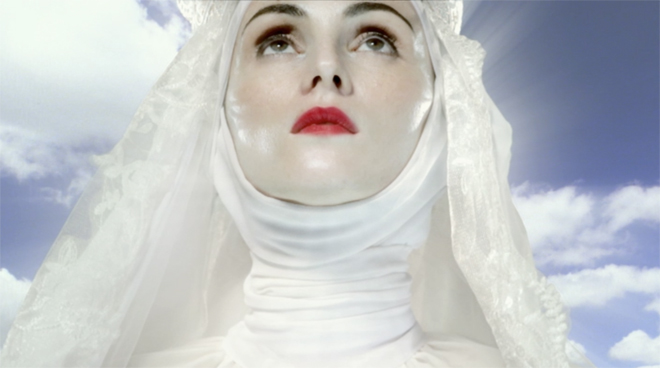
Kathryn Ferguson is one of a new breed of filmmakers who cut their teeth in fashion film. Over the past four years she’s moved from making shorts for designers such as Richard Nicoll and Katie Eary to experimental films such as Máthair, a visually startling exploration of her Catholic roots.
Having curated Birds Eye View Film Festival’s Fashion Loves Film strand at the BFI, on Friday Ferguson launches new festival FASH/ON Film with the British Fashion Council
With multiple projects in the pipeline, Belfast born Ferguson is undoubtedly a name to watch. Twin spoke to the filmmaker about her work so far…
What was the initial impetus behind you picking up a video camera?
I first picked up a camera in 2005 during the final year of my Fashion BA at CSM. I was frustrated with the flatness of two-dimensional imagery and wanted to try experimenting with creating immersive visual worlds combining moving image and sound.
How easy did you find the transition between working as a stylist to working as a filmmaker?
My passions pre-filmmaking had always lain heavily in photography and art direction. I dabbled in styling as a way of supporting myself throughout my BA but as soon as I made my first film Tingel Tangel, an experimental dance film featuring Paloma Faith, in 2005 I was sure it was film I wanted to pursue. However at that point I didn’t have the skills or know how to progress. In 2007 I decided to submit this early film to Birds Eye View Film Festival and to my surprise it was chosen for their UK Shorts strand at the ICA. This acknowledgment by them inspired me to throw myself 100% into filmmaking. During this time I made lots of experimental short films leading me to apply for a Masters in moving image at the Royal College of Art in 2009. My time there saw a transformation in my work and as a result have moved further from fashion and more into experimental film. I find film a totally thrilling medium to be working in as the boundaries are limitless. My initial step into moving image via the world of fashion has quickly evolved into a heady desire to tell stories via the medium of film whether it be documentary, music video, short films and beyond.
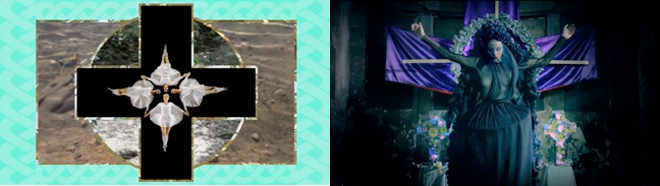
Your work, such as Máthair is very experimental – can you talk about some of the techniques you use in your work? Máthairis the film that I feel really defines the area in which I am now most interested. Previous to the RCA, my work had mostly consisted of commissioned based fashion and music projects. The RCA was a fantastic experience as it forced me to work beyond an aesthetic and come up with my own brief and ideas. This was quite challenging to begin with but once I got going I decided I wanted to make a film about my mother but still adopting the visual style I was drawn to which is often creating worlds via montage / collage. I wanted the film to be a mix between the real and the hyper real. The reality of my catholic upbringing in Northern Ireland juxtaposed with an imagined hyper real fantasy version.
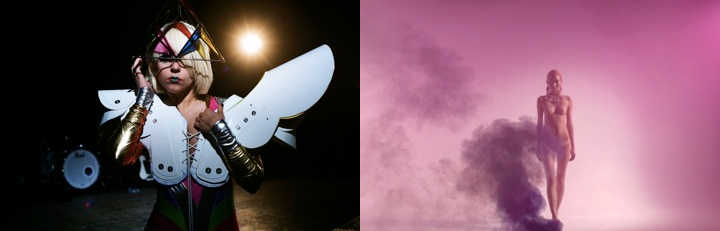
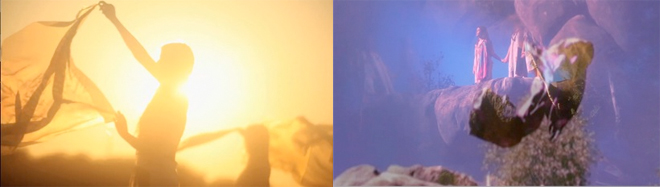
Máthair 2011, film stills
Máthairclearly draws on your own Irish background and ideas of faith, but what other ideas or cultural references are you drawn to in your work?
I feel my work seeks to create a sense of immersion and ecstatic experience through narrative and non-narrative experimental film. Taking influence from my background working with fashion designers creating experimental films to encapsulate their seasonal collections, I have developed a strong interest in the relationship between dance and movement, particularly around the tactile surface of fabrics in motion. Through a series of works that glean ritual and quasi-religious encounters, my practice combines elements of performance, religious iconography and symbolism, acknowledging early abstraction through the medium of film.
However, I’m becoming increasingly interested in women’s issues and now feel that my next series of films should be reflecting the female voice. There needs to be more stories about women told by women.
A lot of exciting work is happening in fashion film, particularly by women, why do you think they’ve become so important both within the fashion industry and film?
I think it’s an incredibly exciting time for film in general, especially as so many women are finally picking up a camera. I’m really interested in how the female protagonist will be represented in fashion film. Generally speaking up until recently the majority of films have been through the male gaze so it will be fascinating to see how women will be portrayed when their image is predominately created and shot by female directors. Fashion film is a fantastic medium for young designers to showcase their work without the crippling costs of the catwalk and marketing campaigns. It gives them a voice and a way to reach out to the world via the internet. As it is still a genre very much in its infancy I am interested in its future development.
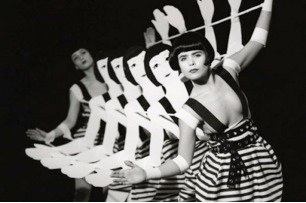
Tingel Tangel, 2005, film still
Lady Gaga / Dazed Digital, 2009, film still Richard Nicoll S/S10’2009, film still
How has your own work evolved since your early films?
My early films were visual experiments. I came from a world, i.e fashion, where image making is driven by an immediacy to create. Now that I’ve moved into other areas of filmmaking I finally feel like I can slow down and concentrate on making films that interest me on a more personal level.
I still feel like I’m only on the first step of my film career. I am very conscious of wanting to tell stories and I’m definitely moving more and more towards both narrative filmmaking and documentary. High aesthetic used to be the driving force in my work and now I’m very keen to start making films where it’s secondary to a storyline or other people’s stories. Máthair was the first step in that direction for me. Real people fascinate me, I want to tell real stories but with my own take and aesthetic being applied.
You’ve worked for BEV and are about to go on tour with the British Council – why is it important to you not to be working in isolation as a filmmaker? My work with BEV was driven by a desire to work with women in general. As a festival, they supported me by showing my first film which is really what kick started all of this in the first place. I’m very keen to work with other women and truly believe films about women made by women are the way forward. I also find the work I am doing with the British Council thrilling, as I will travel the world working with filmmakers and creatives. I think travel is the best way to open your mind and I am sure it’s going to inspire me. Filmmaking as a practice is very immersive and my work as a curator for BEV, the British Council and more recently The British Fashion Council means I meet other people whose work I appreciate and I get to talk to them in depth about their practice. I also really enjoy working with others whether it’s in a teaching / lecturing role or a project collaboration. I feel being out in the real world conversing with people informs my work as much as experimenting in an edit suite.
What is FASH/ON Film all about? FASH/ON Film is a new initiative I’ve been working on with the British Fashion Council for the past few months. We’ve been talking about it for a few years in fact but now is the first time everything has come together and been made possible. It is an initiative that will bring together both emerging and established filmmakers and fashion designers via a series of curated film screenings, Q&A’s, feature film premieres and film mentoring schemes.
What are your ambitions in terms of filmmaking?
My long-term ambition is to tell stories. For me 2012 is the year I plan to take the next step towards this ambition. I am currently writing a treatment for a long format documentary film with fellow female filmmaker Elisha Smith-Leverock. We met in Paris at a film festival in October and spent most of the night talking heatedly about women’s issues. We have been working closely on this since and now I feel it’s on the precipices of being realised.
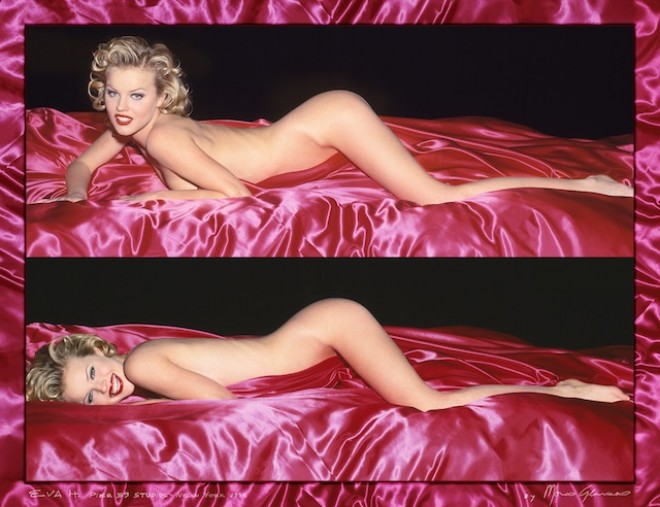
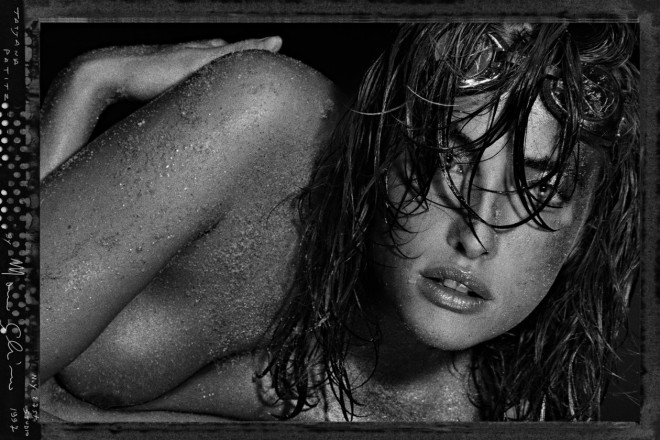
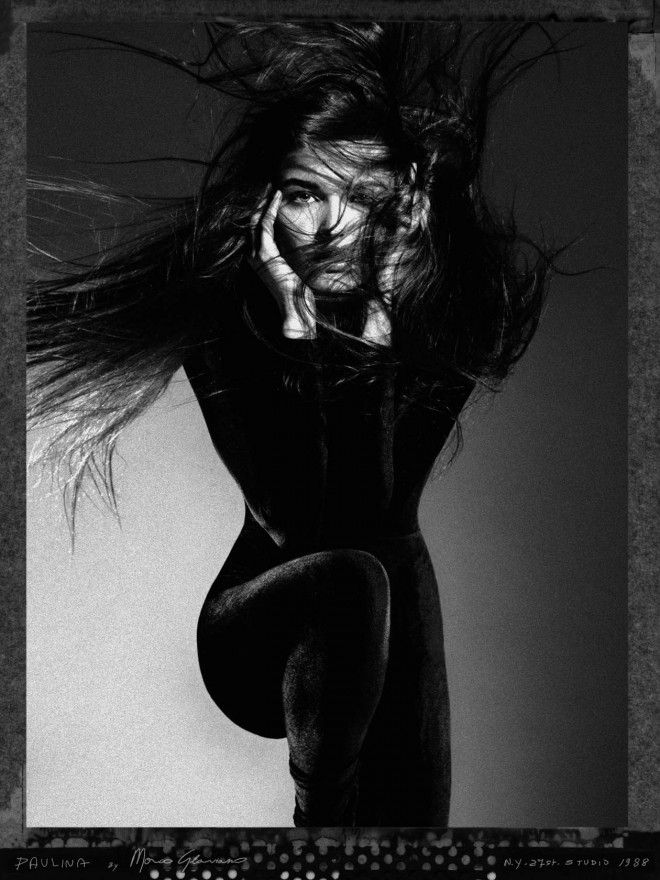
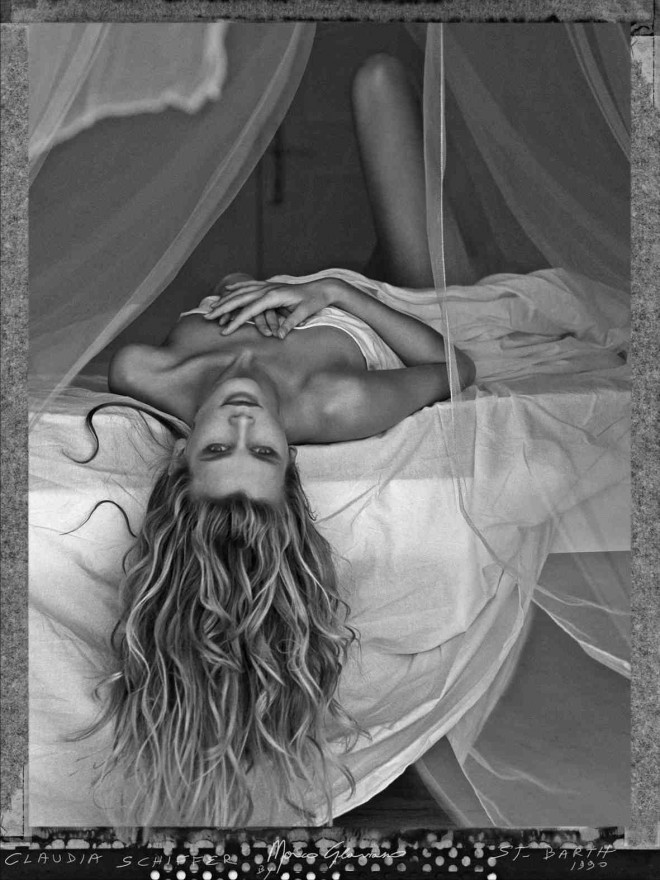
Sicilian born Marco Glaviano is most famous for the beautiful women who have posed for his camera. Throughout his prolific career, he’s photographed more than 500 magazine covers for publications such as American Vogue, Harpers Bazaar and Elle, and is responsible for many of the iconic images of models such as Cindy Crawford, Eva Herzigova whose sex appeal summed up the Eighties.
Glaviano was also a leading pioneer of digital photography and his was the first ever digital photograph to be published in American Vogue in 1982. For his first ever UK exhibition the focus is purely on his camera’s love affair with the supermodel; the sweat, sex and hair that bewitched a generation.
Marco Glaviano: Supermodels is at The Little Black Gallery, 13A Park Walk, London SW10 0AJ until 24 March littleblackgallery.com
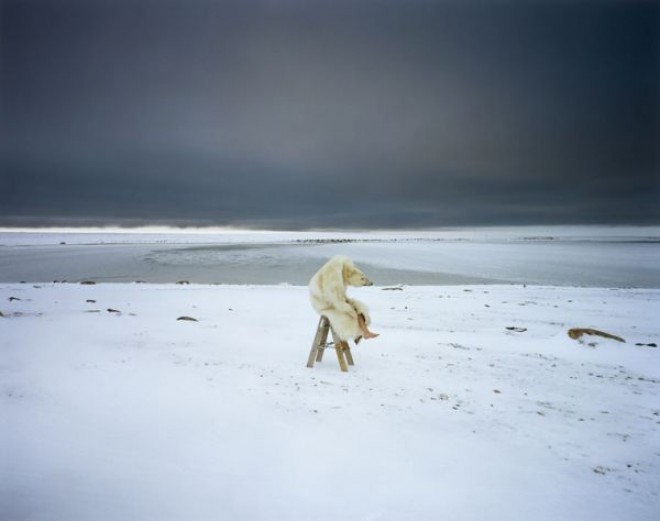
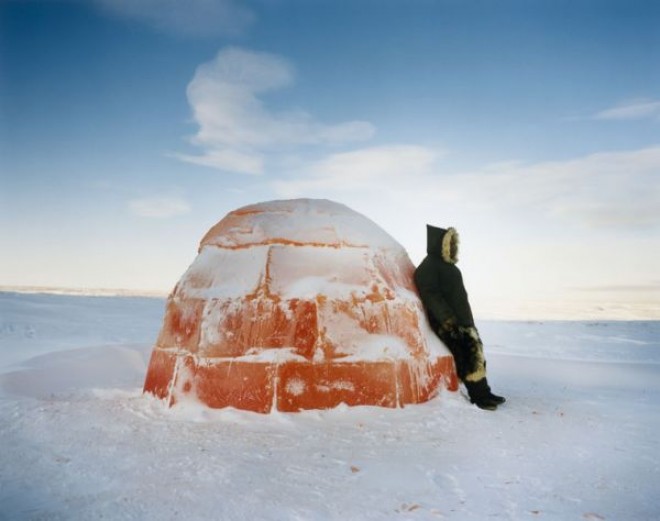
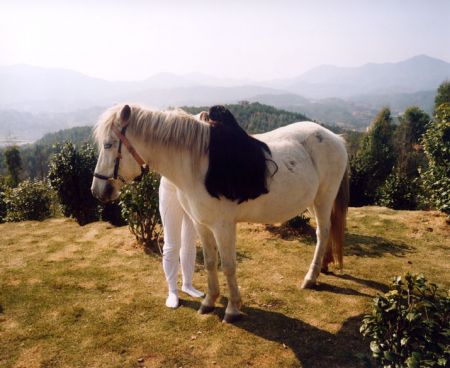
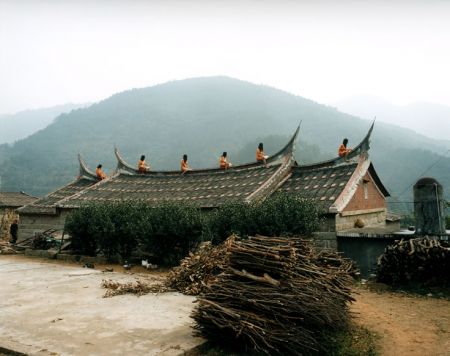
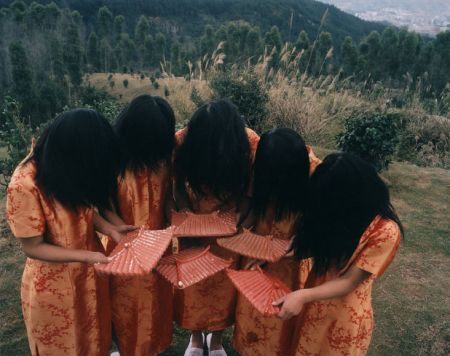
Scarlett Hooft Graafland is an explorer. Whether it’s travelling to remote parts of the world to take images of extreme communities, or simply blurring the borders between straight photography and sculpture the Dutch photographer pushes into new territories. Having lived with Eskimos in remotest North Canada for four months to rural China her photographs mix the surreal and the sublime.
Twin spoke to the 38-year-old about her work…
How long have you been a photographer? I’ve been a photographer for eight years. Before I used to take photos but not in such a serious way, those pictures were more documentations of sculptures I made. It was only later that I started using photography as the actual work, the “end product”.
What kind of photographer would you describe yourself as? I would rather describe myself as a visual artist who makes photographs. I trained as a sculptor, first at the Royal Academy of Fine Arts in The Hague, later at Parsons School of Design in New York. Inhabiting the border between straight photography, performance and sculpture, my photographs are records of highly choreographed live performances made in remote and often surreal landscapes. Many times I refer to a more profound cultural discourse of my surroundings.
Your photos are so otherworldly, what locations have you travelled to to make your images happen? I’ve traveled to many places, most of the time locations that are hard to reach, like a small Inuit settlement in arctic Canada, the salt desert in Bolivia and high in the Norwegian mountains where the herds of reindeer live. I also spent time in the south of China, this was a challenge language wise.
Are they of spontaneous moments or do you plan them? I like to do some planning before, but most of the time, once you get to a place, the circumstances are different to what I had in mind. Also the fact that I am dependent on the local community has some impact on the actual photo, how much they want to help me, where we can go, how close we can get to the reindeer for example, a lot of unexpected situations I have to work with. Also the weather is an important factor, sometimes I have to wait for days, in a few cases weeks, for the weather to clear up. So a lot of improvisation.
Is it difficult as a female photographer going to remote places? It can be difficult, I had some tough situations. But many times I happened to meet really nice people, people who were willing to help. I also try to go to places where I have some contacts, through friends, friends of friends, that really helps. And mostly I use my intuition, who to travel with, where to stay at peoples houses etc.
What inspires you? I like to find places where people live close to nature, places where it is hard to survive and where the power of nature is strong. It is fascinating to me to see how people live with old traditions, and to be able to live with them for some time, to experience a little that way of life. I normally stay for a few months at the time to get a better understanding about the living circumstances, the culture, etc. And this knowledge can also have some impact on the photos I make.
My work is rooted in a Western tradition, but it also enters all sorts of engagements with new traditions, other cultures, remarkable locations, and fascinating people. I have gradually built a nomadic oeuvre that is intercultural while also displaying a strong unity of style; temporary in its individual landscape interventions, but long-term in its engagement with the world.
What’s the most amazing thing you’ve seen as a photographer? I don’t know the most amazing thing, but living with a semi nomad Inuit family on their sled and traveling on the sea ice for a few weeks was an amazing experience. It was in springtime, when it did not get dark and in the middle of the night the light was kind of magic. In that time I made the work “My White Night”, a dog sled carrying a big “moon” through the winter landscape.
Where next do you want to travel to? In March I’m going to Bolivia, to the Altiplano. I’ve been there many times already and it’s an amazing place! I work together with a Bolivian artist, Gaston Ugalde, and it’s very special to travel with him and his crew through the highlands in a Landover with piles of materials on top of the roof.
Do you have an upcoming exhibition or publication? The 16th of March is the opening of the show ‘Almas Saladas’ at the Museo Nacional de Arte in La Paz, Bolivia, together with Gaston Ugalde. Also I am working on a book right now about all my works made in the Altiplano, that will come out in April, published by W-Books.
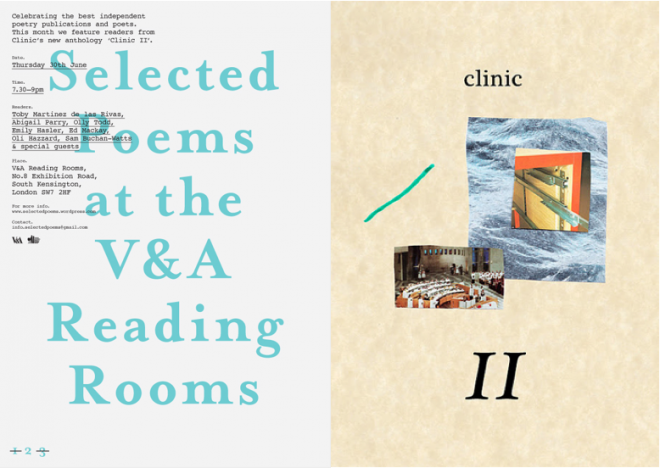
Clinic is one of South East London’s most renowned poetry, music and art collectives. Founded by Sam Buchan-Watts, Andrew Parkes, Rachael Allen and Sean Roy Parker and based in New Cross, the group organises exhibitions, readings and workshops alongside publishing an annual poetry, illustration and photography zine.
The collective’s readings for the V&A’s Selected Poems series, with readers including Liz Berry, Matthew Gregory, Tim Cockburn and Abigail Parry, are now available for listening on the Clinic website.
With titles such as The Age Of Insecurity, Hermione And Frog: Honeymoon Days In The Blue and Google, the playlist is sure to be an entertaining audio experience no matter what your poetic taste.
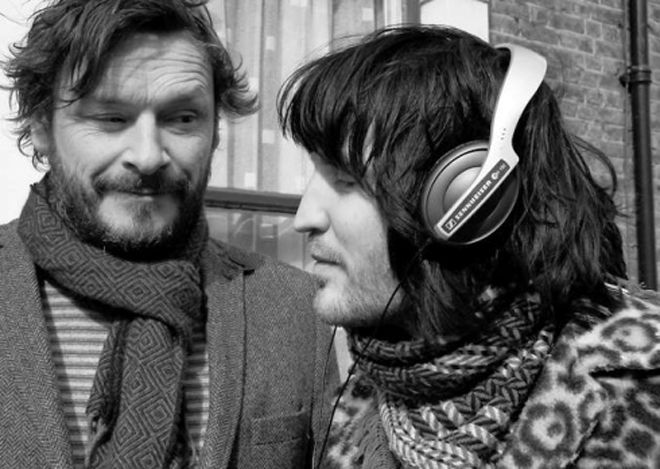
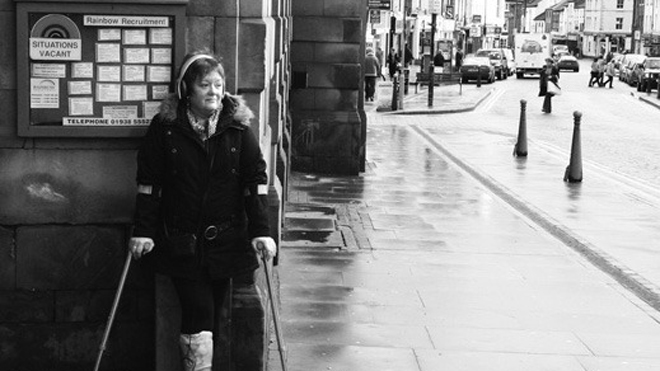
What would you do if a man approached you in the street and asked you to put on his headphones? For 167 out of the 200 people Michael Burdett asked, their response was to listen. What met their ears was a version of Nick Drake’s soaring Cello Song, not heard for over 30 years.
In the Seventies, Burdett was a post-boy at Island Records when he came across a dumped tape intriguingly labelled, “Nick Drake, Cello Song. With love.” It was 20 years before he actually listened to it, discovering an earthy version of Drake’s famed song and another few years passed before he decided what to do with his discovery. Inspiredly, instead of releasing it into the online ether, Burdett travelled the length and breadth of Britian, stopping some famous people and some not on streets, hills and work places to offer them a chance to hear the song. Each time, he took a portrait of the listener.
The results are now on display at the Idea Generation gallery in East London. The Strange Face Project, takes it’s name from the first line of Cello Song and also refers to the expressions Burdett observed of his listeners and a fitting ode to one of music’s lost talents.
The Strange Face Project is at the Idea Generation gallery until Sunday, February 12. ideageneration.co.uk
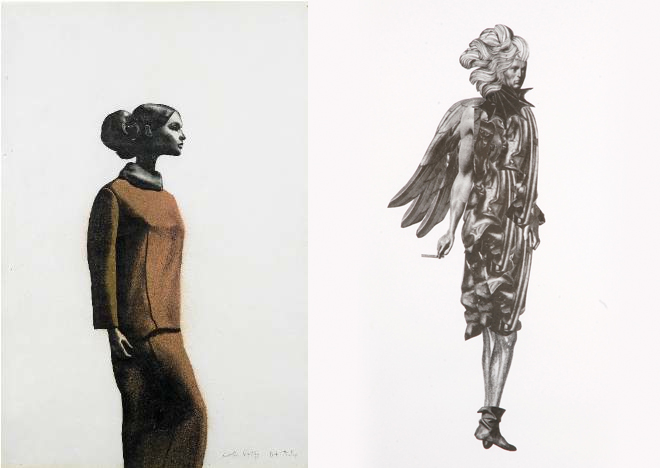
A multi-media exploration of the interaction between fashion, movement and appropriation, the House Of Yvonne exhibition showcases the work of Colin Self, Kenneth Anger, Sophie Macpherson and Clare Stephenson.
Self’s colourful pencil drawings of female subjects from the 1960s, addressing the zeitgeist of passivity and fear during the Cold War, as well as the escapism that entertainment offered during this period, will be on display.
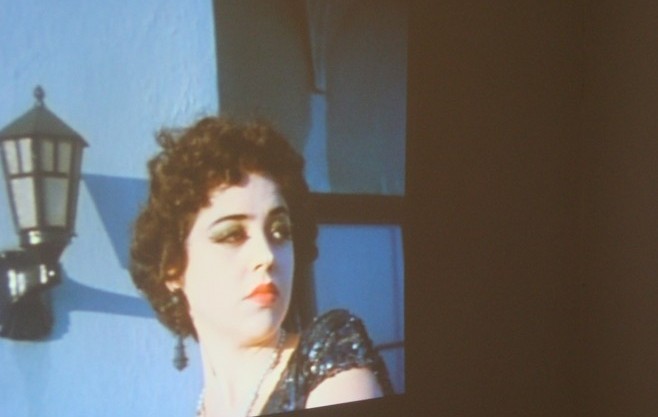
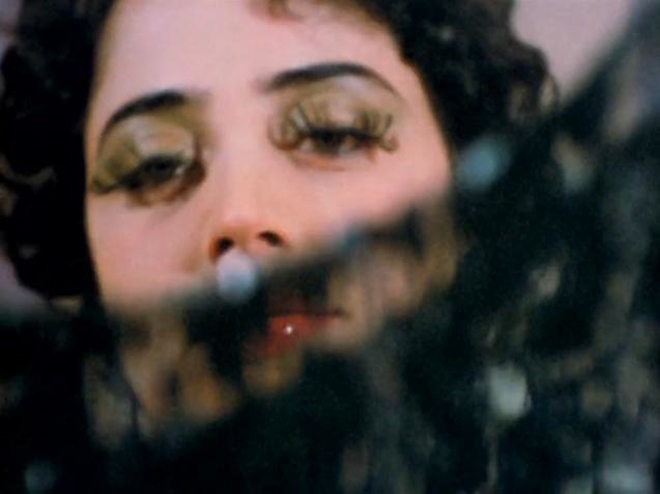
Whilst Self’s work is a thoughtful reflection on the isolation of the individual, consumer culture and politics, the screening of American film artist Kenneth Anger’s 6-minute short film Puce Moment offers an exploration of Hollywood hedonism.
Glasgow-based creative Sophie Macpherson, known for her work on the formation of self-identity through communication, presents an archive of Barbara Hulanicki for Biba dresses for the exhibit, while sculpture artist Clare Stephenson has created digital cut-and-paste martini glass designs as a representation of decadence.
Showing in the Victorian-style interior of temporary arts space The Hidden Noise, House Of Yvonne is an interesting and eye-opening fusion of art and fashion.
House Of Yvonne is on display at The Hidden Noise, 1/1, 24 Hayburn Crescent, Glasgow, G11 5AY, until February 11. thehiddennoise.info
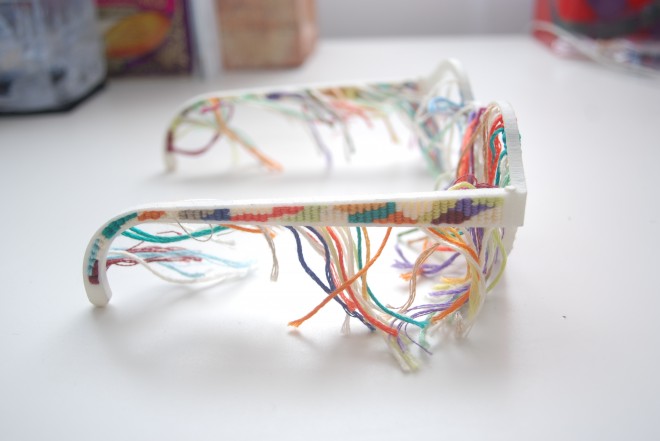
This month Covent Garden’s Aram Gallery brings together a pick and mix cross section of the design world’s fascination with 3D printing. The umbrella term for Rapid Prototyping or Additive Manufacturing, 3D printing allows designers to use strands of, typically, polyamide or nylon in place of ink to create 3D objects based on a computer drawn image.
The nascent print form was adopted for producing prototypes but is now being explored as a means to an end. The Send to Print / Print to Send exhibition unites designers and studios both emerging and established to showcase not only the enduring significance of this stage in the design process, but also the potential of this technology.
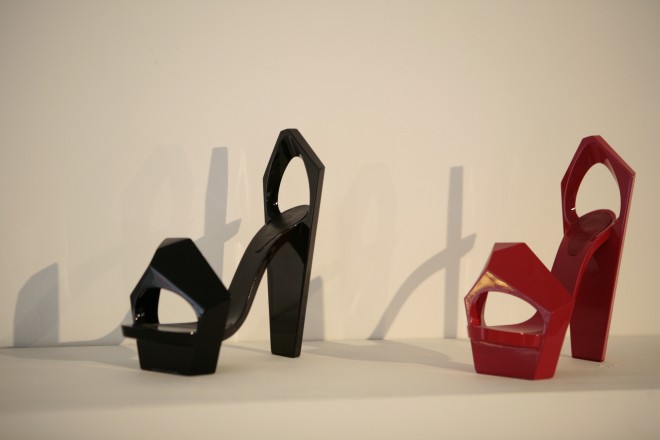
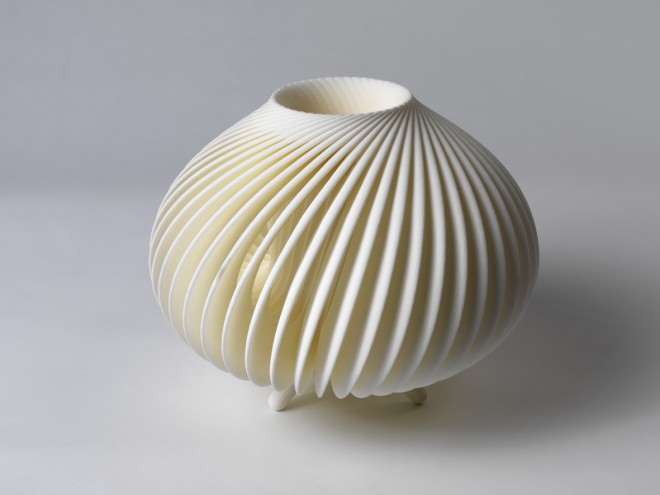
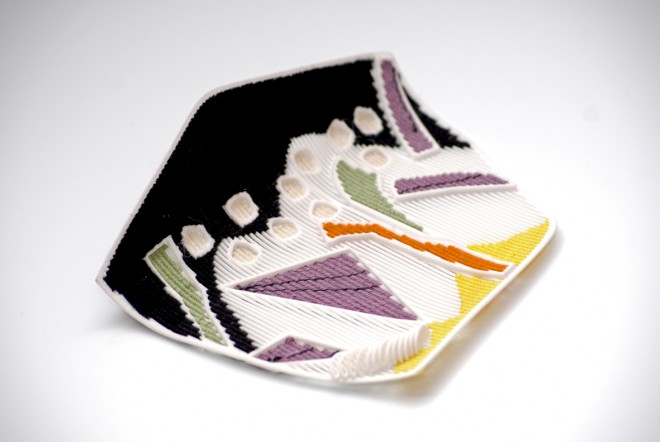
Highlights include Chau Har Lee’s exquisite heels – a departure from more conventional footwear, but nonetheless visually arresting – modern tapestries by Chloe McCormich and Nicholas O’Donnell-Hoare and Assa Ashuach’s textual homeware. These designers are not only experts in their fields, but dare to dabble with 3D printing to take their designs to the next level.
Chau Har Lee comments: “My knowledge of traditional shoemaking helps me know how and where I can break boundaries. Importantly, although my most conceptual designs are showpieces, they are still built to adorn the foot.”
Perhaps Chloë McCormick sums it up best, though, when she says, “the intention of Warped Tapestry was not to work against new technologies but to find a balance where they would work with each other.”
Send to Print / Print to Send is at The Aram Gallery, 110 Drury Lane, London WC2B 5SG until 25th February. thearamgallery.org
Assa Ashuach, Twist Loop Light
Chloë McCormick Warped Tapestry, 2010
Chloë McCormick and Nicholas O’Donnell-Hoare, Tapestry Spectacle, 2011
(Top) Chau Har Lee, Rapid Form Shoe, 2009
Images courtesy of The Aram Gallery and Shira Klasmer.
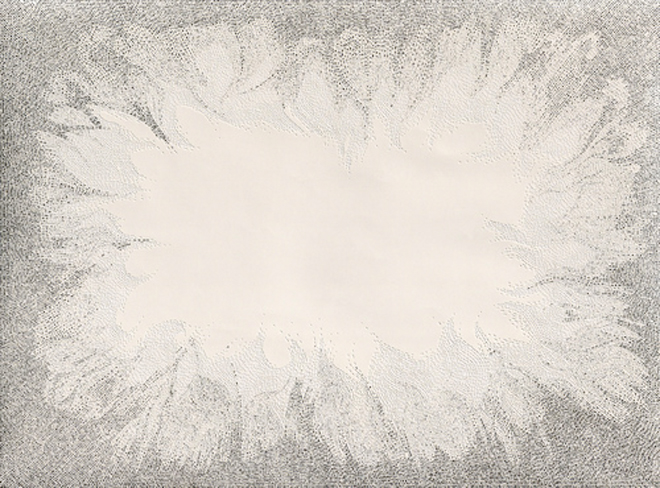
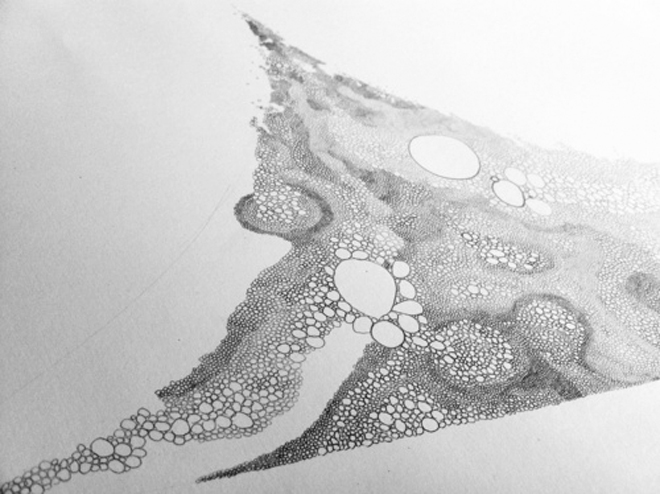
Sam Winston is serious about doodling. Whether he’s drawing circles or rearranging words, his painstaking works play with shape and language to talk about life and death. From tomorrow he’s holding a pop up registry office in the Royal Festival Hall where he’ll commemorate the quarter of a million lives that are born and die in the space of 12 hours around the world.
Members of the public can add themselves and their loved ones to the work. Each circle will mark the ebb and flow of life, showing people as more than just a number.
Sam Winston: Birthday will be at the Royal Festival Hall 27 January – 29 January, 10am – 11pm. samwinston.com
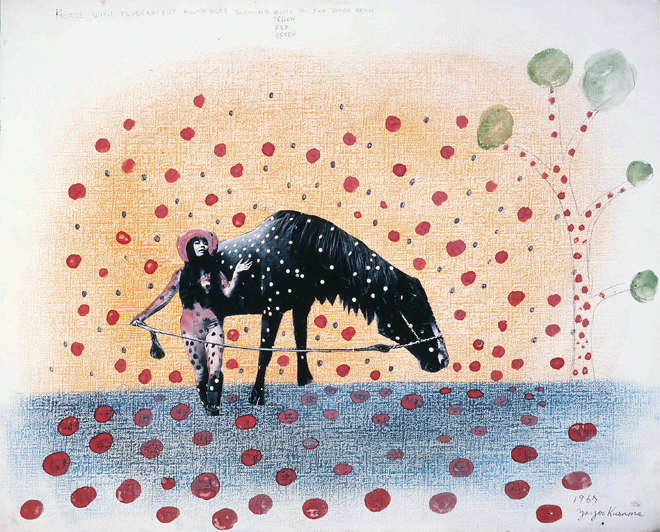
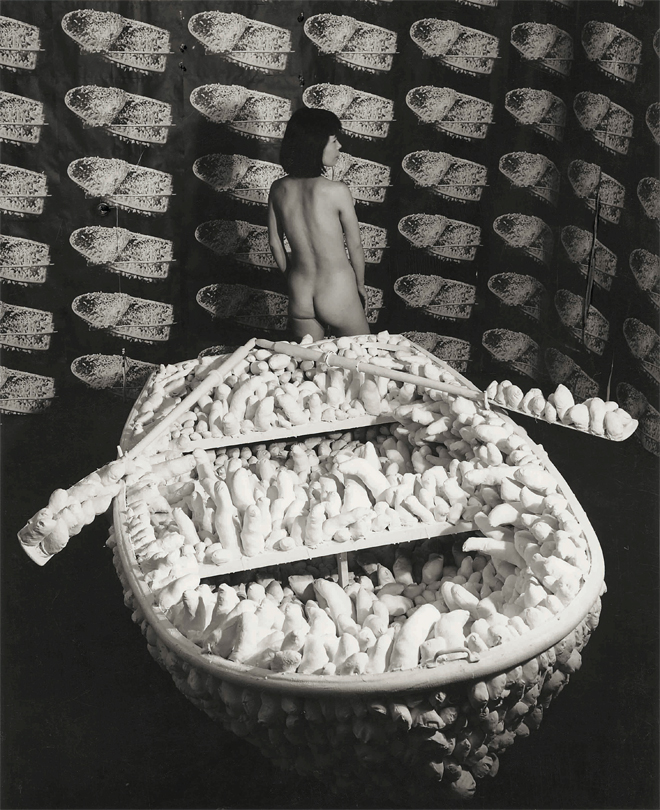
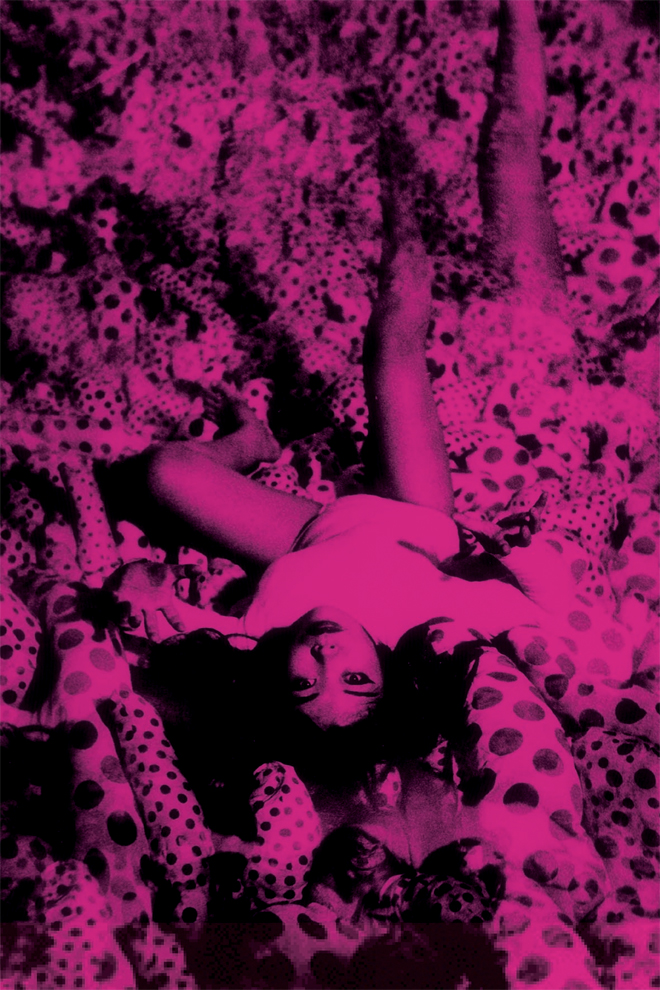
A major Tate exhibition of Yayoi Kusama’s work doesn’t even open for another three weeks, but Twin are already dotty with anticpation. Such is the appeal of the Japanese artist’s work and personal story that the exhibition is shaping up to be the most exciting of 2012.
Since 1977, Japan’s foremost contemporary artist has, of her own free will, lived in a psychiatric institution and has been a victim of her own neurotic and obsessional behaviour. This behaviour however, has transformed itself over four
Come February 9th, the Tate Modern offers a diverse parade of her work, from paintings and drawings, to captured performances and immersive installations.She may be mostly known for her slight dot obsession, but this exhibition explores further, celebrating her intensely fruitful career, and is sure to only garner her more fervent followers.
Yayoi Kusama is at the Tate Modern from 9th February – 5th June 2012 tate.org.uk



 PREVIOUS

 Twitter
 Tumblr
 YouTube
 Facebook
 Instagram
