Repeal the 8th Amendment: now is the time for change in Ireland
Ireland. The country famed as the Land of Angela’s Ashes, of Beckett, of Tayto crisps and of one of the oldest documented skeletons. It is also home to one of the most outdated legislations in the Europe.
Twin contributor Isabella Davey explores the realities of the existing abortion laws in Ireland and what the referendum on May 25th could mean for the country’s future.
Abortion in Ireland is illegal. The only exceptions are if there is a threat to the life of the mother, either medically or through suicide. In any other case there are prosecuting consequences for women who choose to have an abortion through uncontrolled and potentially unsafe methods. Often women have no choice but to put themselves at risk.
On the 25th May, a review of this archaic situation will come into play. The national response to the Referendum to repeal the 8th Amendment will hopefully reflect a modern Ireland of contemporary and democratic values. Repealing the 8th Amendment would see Article 40.3.3 removed from the Irish constitution.
This would then pave the way for legislation that would allow for free, safe and legal abortion procedures for women in the country, andreturn the right of bodily integrity and self-determination.
“No one under the age of 52 has voted on access to abortion in Ireland so this referendum is an overdue opportunity for Irish citizens to have their say. With our #HometoVote campaign, were calling on vote-eligible Irish abroad go home to vote to remove the 8th Amendment. Irish citizens overseas may retain full voting rights for a period of 18 months before the referendum so we’re asking the Irish diaspora to visit our website www.hometovote.com for further information.”
The Eighth Amendment of the Constitution Act was introduced in 1983 after a referendum that asked Irish people to vote on the State’s abortion laws (which held abortion as illegal) and resulted in a 53.67% majority in favour of the right of the unborn child.
This saw the following amendment entering the country’s law:
The State acknowledges the right to life of the unborn and, with due regard to the equal right to life of the mother, guarantees in its laws to respect, and, as far as practicable, by its laws to defend and vindicate that right.
In 20th Century Ireland, this wasn’t the only backward decision shaped by Catholic opinion. There is an alarmingly long list:
Divorce: only made legal in 1996. Contraception, inclusive of condoms: illegal up until 1979, where it was only made legal under doctor’s prescriptions who must be satisfied that the contraceptive is sought for family planning purposes. Condoms: only made legal to purchase in chemists in 1986. Marital rape: legal until 1990 when the Criminal Law (Rape) (Amendment) Act abolished the clause that stated a husband could not be found guilty of raping his wife. Homosexuality: decriminalised consensual homosexual acts in 1993. These above examples illustrate the extreme delay in civilian rights in Ireland.
The fact that Ireland still serves abortion as a criminal offence only furthers the exasperation: why is Ireland stuck in such a backward law?
Ireland lies in a state of polarisation. On the one hand are the old laws, influenced by Catholic State rulings and on the other, a new Ireland that has embraced medical and technological advancements alongside its strengths in the arts.
The reasons for the necessity of the 8th Amendment to be repealed are globally clear:
The main argument for the necessity is in the fact that the illegality of abortion removes the right of the woman’s own body and the right of choice from the woman. Her body is under the decision of the state, of which has had its laws deeply shaped by allegiance to the Catholic Church.
The secondary argument is that abortion has swiftly moved on from being a clerical abomination to its denial being a severe health risk, mentally, physically and emotionally.
In 2012 Savita Halappanavar died after being denied an emergency termination whilst miscarrying. As a result the Protection of Life During Pregnancy Act 2013 was brought through. This stated that:
It shall be lawful to carry out a medical procedure in respect of a pregnant woman in accordance with this section in the course of which, or as a result of which, an unborn human life is ended where— (a) a medical practitioner, having examined the pregnant woman, believes in good faith that there is an immediate risk of loss of the woman’s life from a physical illness, (b) the medical procedure is, in his or her reasonable opinion (being an opinion formed in good faith which has regard to the need to preserve unborn human life as far as practicable) immediately necessary in order to save the life of the woman, and (c) the medical procedure is carried out by the medical practitioner.
This ruling extended to include the risk of suicide on the pregnant woman’s behalf, but also enforced a prison sentence of up to 14 years of ‘unlawful abortions’ that don’t adhere to the above exceptions.
Destruction of unborn human life 22. (1) It shall be an offence to intentionally destroy unborn human life. (2) A person who is guilty of an offence under this section shall be liable on indictment to a fine or imprisonment for a term not exceeding 14 years, or both.
Considering that the SAVI (Sexual Abuse and Violence in Ireland) Report of 2002 ratified the distressingly high figures for women below, the survey weighed up the low indictments against female abuse, and the high percentage of Irish females exposed to it:
Women: More than four in ten (42 per cent) of women reported some form of sexual abuse or assault in their lifetime. The most serious form of abuse, penetrative abuse, was experienced by 10 per cent of women. Attempted penetration or contact abuse was experienced by 21 per cent, with a further 10 per cent experiencing non-contact abuse.
If 10% of women in Ireland, based off the study’s figures, are experiencing penetrative sexual assault, this would allow victims of rape who fall pregnant to fall through the cracks of the law, leaving them vulnerable to the state and forced to carry a crisis pregnancy as a result of rape to term of an attacker.
In the X case of 1992, which saw a 14 year old rape victim having her case taken to the Supreme Court, the High Court initially instigated an injunction against her plans to secure an abortion abroad having had suicidal desires.
The X Case brought about the removal of limitation of one’s freedom to travel to secure an abortion, however the case brought through the proposal to remove suicidal desires as legal grounds for an abortion, known as the Twelfth Amendment of the Constitution Bill 1992, which was rejected in a referendum.
In 2002 the Twenty-fifth Amendment of the Constitution (Protection of Human Life in Pregnancy) Bill, 2002 which further looked to remove threat of suicide as a ground for abortion and increase the penalties for helping a woman have an abortion, held a voting result difference of 0.84% of the population against the amendment passing. That is a controversially low figure for a constitutional amendment imploring further punishment and further removal of medical reasoning.
The question the Referendum raises is about trusting women: trusting them with their bodies and the decisions that they choose to make.
In 2010 an Irish woman with terminally ill cancer sued the Irish state for violation of human rights after she had to cease her cancer treatment due to an unplanned pregnancy interfering with her treatment. Her obstetrician in Ireland was left unable toperform an abortion, leaving her arms tied due to the laws in place. The patient had to fly to the UK to secure one, despite her severely ill condition.
Today it is estimated that up to 12 women travel to the UK every day to access abortion clinics.
“Our best chance at winning this referendum is if people are willing to have those ‘tricky conversations’ with family and friends about why this issue is so important and why their vote matters.” Adds Hannah Little. “Abortion is still a very divisive subject, even in countries with less restrictive laws than Ireland. This referendum serves as a once-in-a-generation opportunity to take healthcare out of the constitution and legislate for compassionate care for pregnant people in Ireland.”
The right to choose an abortion is one that is a deeply personal decision to many, and one that is not aiming to secure one answer, but give the control of that decision back into the hands of the women who currently have their decisions dictated by the State.
The results of the Referendum on May 25th will hopefully reflect the values of an Ireland ready to shed its past. Should we face a rejection of repealing the 8th Amendment, we will not be just facing a prohibition on our rights, we will be faced with the realisation that Ireland is failing to accept positive progression.
International Women’s Day is a tricky thing to illustrate. Is there an image that sums up a gender? Something pink? Something ‘girly’? Would an inspirational quote that fits into a little square, or a depressing statistic about female-specific abuses and injustices be the right thing to go with? How, exactly, do you put a marker on approximately half of the global population?
Reflective of the vastly complex aspects of what being a woman is to most, poetry seemed like a good thing to go with. Poetry built with anger, but also humour, intelligence, common sense and hope for a more enlightened future. Poetry that aims to unify all in one, very basic, experience.
If you don’t know The Period Poem by Dominique Christina, it’s time you learnt it off by heart. If you do know it, watch it again.
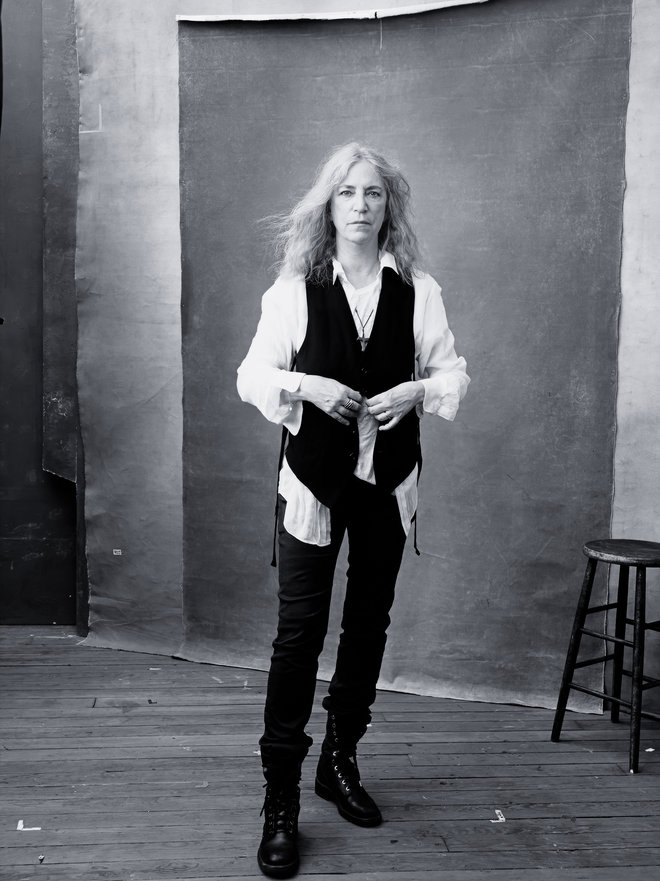
The Pirelli 2016 Calendar has been met with contrasting reviews. Most people have been singing its feminist praises; in a markedly new direction compared with previous years, the calendar has welcomed a diverse array of successful women, and offers varied and mostly clothed images of female bodies, diverting from its usual display of artful nudity. Others have noted that while the calendar celebrates female empowerment, it also limits the sexual attractiveness and femininity of the women on its pages. It suggests that women can be either successful or beautiful, but not both.
To interpret the Pirelli 2016 calendar in this binary way would overlook the point of the pictures, in Leibovitz’s words they are to show the women exactly as they are. The calendar shows us that our bodies can be used in different ways; to represent power and strength, like the striking shot of Serena Williams’ rippling back muscles. Or as a comedic device, like the photo of Amy Schumer topless and surprised, suggesting that she didn’t get the ‘clothes on’ memo this year. These are ways that men’s bodies have been presented for a long time in the media. More than showing that flaws or quirks can be beautiful and sexy, these pictures invite us to look past the sexualisation of women’s bodies and to start noticing the other things a body can do, like be strong, powerful, suited and booted.
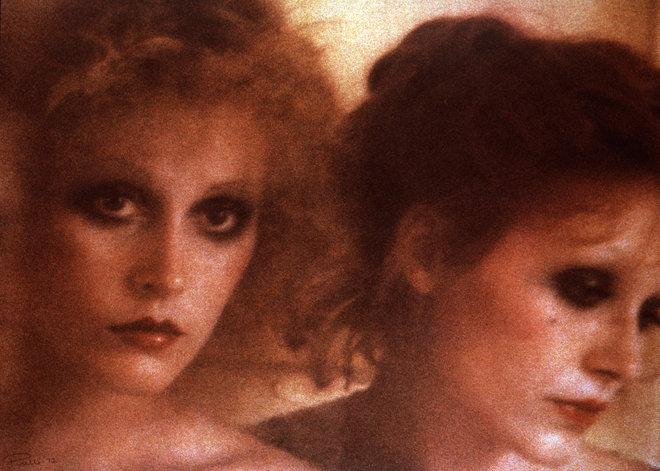
February, 1972, Sarah Moon
The calendar has gone viral on social media, and no matter how it is interpreted, having an iconic publication like the Pirelli calendar joining and extending the conversation about female representation can only be a good thing. Just a year ago, Pirelli’s calendar was a spread of high profile supermodels in various states of undress. The calendar may be just one small step for womankind, but it is one big step for Pirelli and towards the cultural shift we are all yearning for.
The House of St Barnabas’ 11th talk in their on-going public series, 37 Things You Need To Know About Modern Britain curated in partnership with cultural consultancy BUG, explores the pros and cons of the occasionally controversial colour pink.
Hosted by Ekow Eshun and featuring panellists such as the editor of Glamour magazine Jo Elvin, journalist and broadcaster Miranda Sawyer and fashion editor of the Independent, Alexander Fury, the talk will discuss everything from the bad press the colour receives to how it can embolden women. The way in which it is perceived as being sexist and patronising will also be debated.
Other areas of focus: Is it OK to appeal to “girliness” if you’re doing it to boost women’s power and confidence? If a “pink” campaign got more women into science, would that be OK? Is there really a problem with pink? Or with our attitudes to pink? Should we keep our rose-tinted specs on, or chuck them in the Patriarchy Dumper? If you have also thought about these questions, then you should probably get yourself a ticket here.
What’s the problem with pink? The House of Saint Barnabas, Thursday 21 May, Doors 6.30pm, Talk 7.30pm
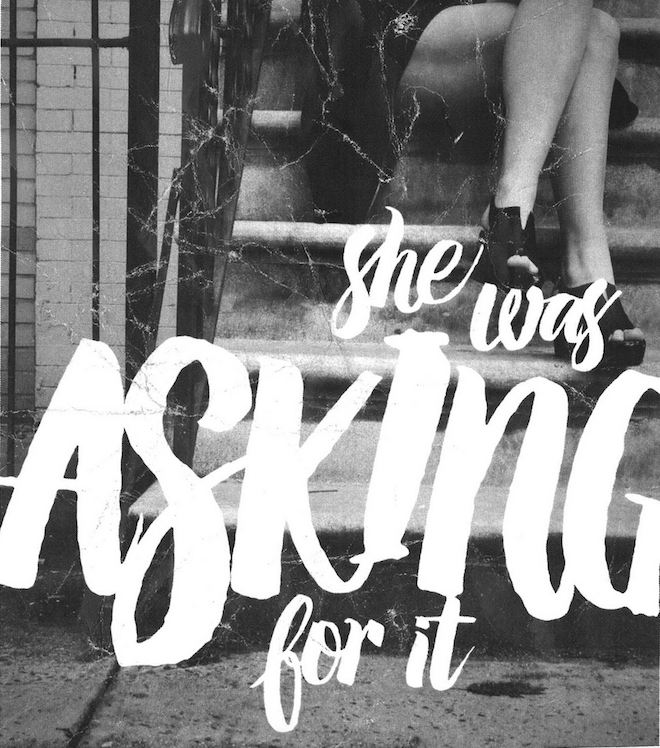
A new exhibition opens in New York today that looks at how clothing addresses identity. The six New York City women involved, who’s outfits will be on display, have experienced some sort of sexual assault in their lives. Artist Laura Jane Kenny looks at this sensitive subject and causes us to think of life after assault.
Viewers will be able to observe the diversity of each survivor’s approach to sharing their identity and personal style while eschewing vulnerability.
She Was Asking For It opens today at The Loft, Judson Memorial Church, 55 Washington Square South, New York, NY 10012.
Did you know that 1 in 5 women experiences sexual assault in their lifetime? Or that, on average, a woman earns 22 per cent less than a man for doing the same job?
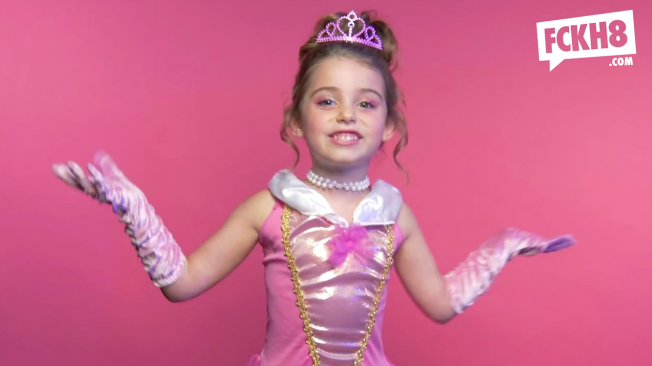
You might find these statistics shocking. But what shocks you more – these outrageous inequalities, or hearing five 6-year old girls dressed as princess tell you the hard facts, peppered with ‘fuck,’ ‘shit’ and any other expletive you can think of?
Pro-LGBT equality, anti-racism and anti-sexism T-shirt company FCKH8.com’s latest campaign demonstrates that society currently seems to find the exploitation of women easier to handle than seeing their darling little girls swear.
The real kicker comes when you realise, according to the stats, one of these girls will be raped. And just to really hammer it home, a 12-year old boy joins in at the end, also dressed as a princess – yet no one comments on how the video might affect him.
Potty-mouthed princesses, it seems, are the very best call to action.
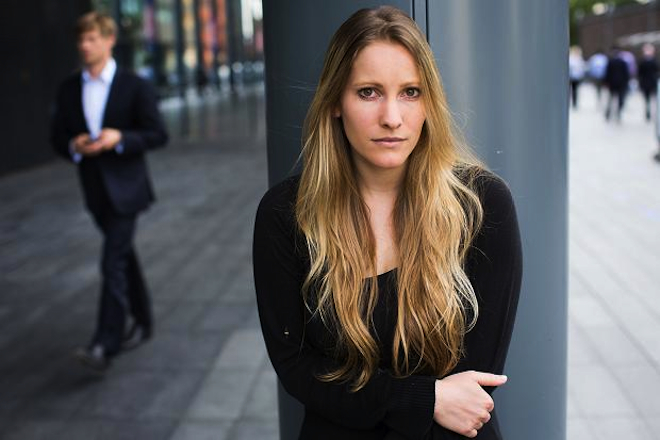
Founded by Phoebe Collings-James, Cunt Today is the latest online platform for feminist interaction and debate, gathering information on current news and events alongside original contributor articles.
Twin spoke to the artist about the inspiration behind her site and her views on fourth wave feminism…
What inspired you to launch Cunt Today?
I’ve been using the word cunt since I was at primary school, shouting it at boys, girls and inanimate broken objects. Before I even understood what it meant. It is a powerful word, it is supposedly offensive, especially seductive and very pleasurable to use.
But powerful and offensive is how women’s sexuality and freedom is treated in society on the whole. I feel as though men and women are increasingly aware of how important gender issues are and wanted to set up a forum to share ideas and promote action.
Who got you involved in feminism and what does modern-day feminism mean to you?
My mother, even though she still won’t call herself one. She says she is a humanist, which is interesting when you think of one of the most important phrases of the women’s movement: ‘Womens Rights are Human Rights’. She taught me that I could do, say and be whatever I wanted.
Feminism today is about affirming those things for every girl and woman, through law and society. Feminism means something different to everyone. For me, it’s about equality and empowerment, and not letting gendered ideas of who or what we should be prevail.
It’s about addressing violence against women, supporting new structures of work and child care that deal with the realities of contemporary families. Not the Dickensian ones that David Cameron seems to be enamoured by.
How do you think does your background as an artist feed into the project?
A lot of the projects I have been involved in have been especially arts based, like the East London Fawcett group. They recently did an extensive audit into the ratios of male to female artists represented in galleries, museums, art magazines and auctions. This was a really important survey for me, simply to confirm that I am not totally delusional and that the massive indifference is real.
Creative people have the potential to change the way we live and a lot of their decisions affect our politics — in architecture, fashion and advertising, as well as art. I think it is especially important that they are morally conscious of the decisions they make.
What do you hope for viewers to take away from the site and what can we expect from it in the future?
I want them to speak about what they have read and open up debates. Get people talking and thinking. I wanted the site to be in the style of a blog rather than a magazine because it is supposed to be an open resource, for people to contribute and gather information. It would be great for this to grow and continue into the future.
It's the 21st century. As women, we can vote, go to work and run the world. We've made big steps and that's great. But what about small steps? Getting jeered at by male co-workers, being inappropriately groped on public transport or simply seeing your boyfriend being handed the bill every time you go out for dinner; these are all incidents the modern day woman still has to endure.
Making us aware of this is Laura Bates' internet sensation The Everyday Sexism Project. On her site, Bates describes the ethos of the project: “It seems to be increasingly difficult to talk about sexism, equality and women’s rights in a modern society that perceives itself to have achieved gender equality. If you have experienced sexism, just everyday, small, so-used-to-it-you-almost-just-accept-it sexism, please share your story so we can prove how widespread the problem really is. And nobody will be able to say we can’t talk about it anymore.”
The site now has over 25,000 entries from women all over the world, ranging from extreme sexual abuse stories to recounts of humorous sexist remarks. The Everyday Sexism Project also features stories from men frustrated by the way their own gender views the opposite sex. “This time last year, I had an idea. Today, 25,000 women's voices have turned it into so much more,” Bates says of the surprisingly large response to her site. With a potential book in the pipeline and the project receiving new reports every day, it seems we have a worldwide movement on our hands.
Share your story by visiting everydaysexism.com or tweeting @EverydaySexism today.
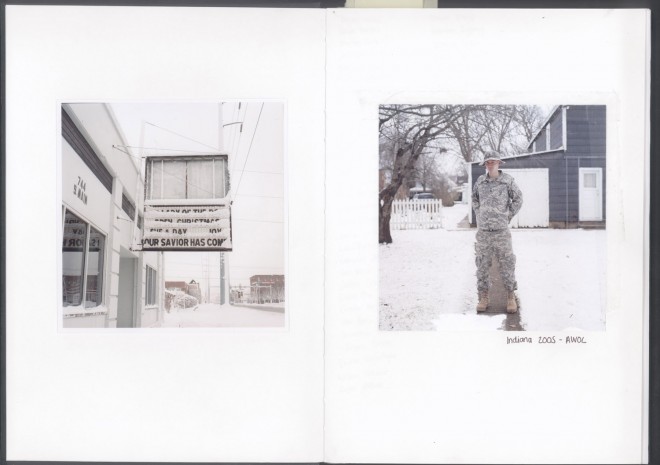
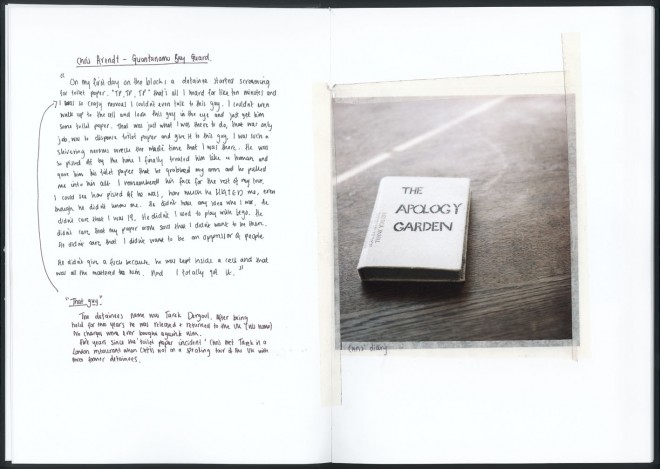
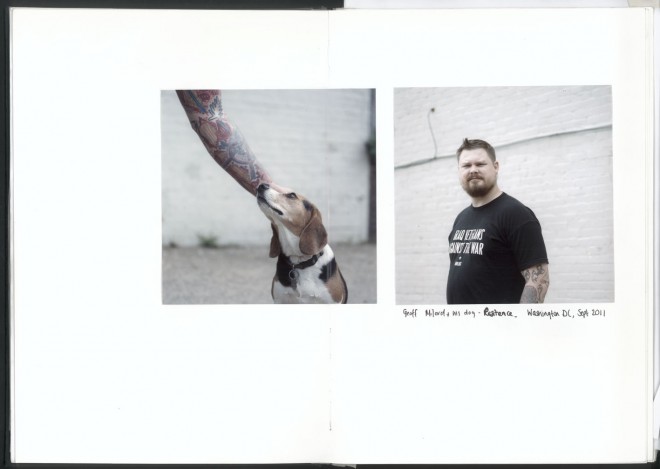
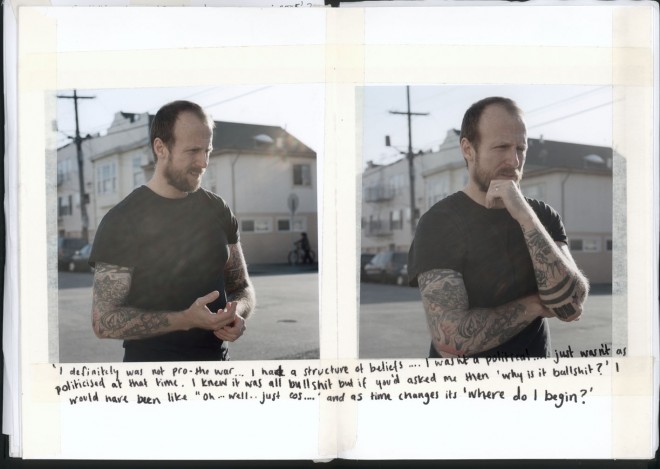
For the past five years, London-based photographer Jo Metson Scott has been travelling back and forth to America, photographing and speaking with US marines who spoke out against the invasion of Iraq. The resulting project The Grey Line combines photographs and words in an attempt to examine the personal struggles of men and women grappling with doubt on the frontlines of the “War on Terror”.
Below are some exclusive previews taken from Jo’s scrapbook, where she’s documented the journeys, stories and testimonies of men and women who spoke out about their doubts at varying consequences.
The Grey Line will be published and exhibited in 2013 to coincide with the anniversary of the invasion of Iraq a decade ago.
Taking gloss to task, nothing seems to slip through the watching eye of the Vagenda team. Launched in February this year, Vagenda is made up of a collection of anonymous industry moles, as well as recent graduates.
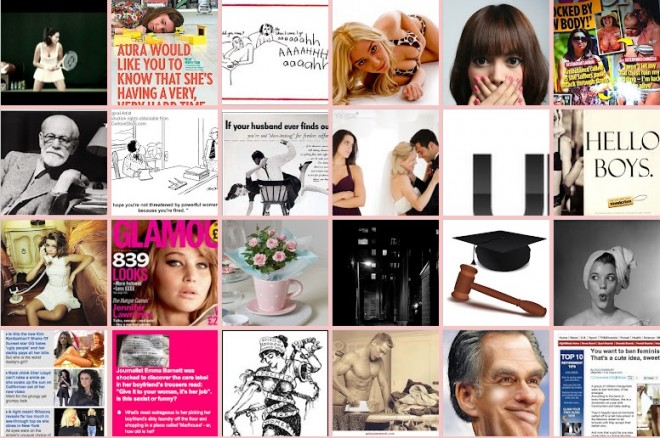
Whether it’s hilariously showing the way stock photos reinforce gender stereotypes, or lampooning the predictability of women’s magazine features, Vagenda are a sharp and funny redress to the all too often complacent way what women want to read is construed in mainstream media.
Twin spoke to Vagenda’s editor about their work and world…
Who and what is the Vagenda?
The Vagenda takes a humorous look at the women’s magazine industry and how it perpetuates anti-feminist stereotypes. We feel that laughter is the best weapon. In terms of who, well, we are a group of girls in our twenties living in London. Holly and I edit it and came up with the concept but the others have been instrumental in providing hilarious and witty content for the blog and producing great ideas. Most of us went to uni together. However, since the blog launched and became so popular we’ve had contributors from all over the world- EVEN MEN!
What’s your earliest feminist memory?
Mine personally was being a toddler in London’s Dartmouth Park and a much older boy (he must have been about six) asking me, “Are you a boy or a girl?” My mum had just given me a pudding bowl haircut and I remember feeling outraged. I’m sure the others all have their own memories too.
What do you feel is wrong with modern women’s media, mags etc? It’s our feeling that the content alienates a lot of women. It’s very body focused and a lot of the time pretty stupid. The way female celebrities are portrayed, especially when they are going through some kind of crisis and trauma, is often cruel. There’s little to no focus on politics or art or music, or any of the fun stuff we like doing.
What makes the Vagenda team angry? We all vary. We try to steer away from polemic on the site as it can be alienating, but obviously women’s mags drive us crazy a lot of the time. We also had a really terrible night out in Soho not long ago where the DJ at Punk nightclub was urging women to flash their “gash for cash”. We were pretty angry about that, and one of us cried. The way rape cases are reported in the press is also incredibly anger inducing.
What three changes would make the world a better place? Only three? That’s a tough question as there are so many changes that need to be made and women in the developing world are being treated appallingly. For this country, however:
1/ A greater understanding on the part of men that the division of domestic labour is still pretty unequal. We’re the ones who are still, in the main part, having to scrub the toilet bowl, yet often this type of women’s “work” goes unrecognized. Equal pay and more flexible working hours would be nice, too.
2/ Better sex education in schools. It’s mostly crap and if young women are growing up with their only source of this information being women’s magazines, of course they are going to start subscribing to a manufactured version of female sexuality.
3/ We’d obviously like it if the media started giving a more balanced view of women and femininity. And we’re going to keep calling them out on it and laughing at them until they are embarrassed into doing it.
Who are Vagenda’s heroes?
We have so many. The UK is fortunate in that we have many incredible women journalists who are already out there giving the patriarchy hell. We love Eva Wiseman, Suzanne Moore, Caitlin Moran, Harriet Walker, Helen Lewis, Laurie Penny, Hadley Freeman, Rosamund Urwin. For every great woman journalist, however, there seem to be umpteen ones who don’t give a toss about female equality and instead write complete and utter drivel, which is sad.
What’s Vagenda’s approach to fashion?
Each of us has a different approach. I’d say a lot of us wear vintage and secondhand clothes, but some wear high street too. I personally have been boycotting Topshop for over a year now but I don’t know about the others. I used to have a bit of a shopping addiction and my house is so full I have no need to shop anymore. Fashion is great as a tool for personal expression, but that’s not to say that there aren’t aspects of the industry that make me feel a bit sick. Those flowery trousers, for example. We all have some pretty mental garments tucked away and that’s fine. But when a magazine is actively trying to get you to look mental, then there is a problem.
What does the future look like?
Not vagina-shaped, that’s for sure. At the moment, it’s a cross between Charlie Brooker’s Black Mirror, Orwell’s 1984 and the Handmaid’s Tale. In other words, pretty shit. But we’re staying chipper and fighting the power in our own small way.
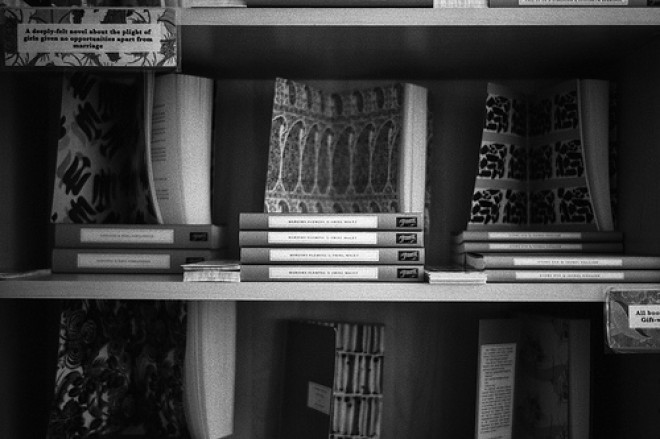
Publisher and bookshop Persephone Books has a strict remit; female writers – mostly neglected ones – from the early Twentieth Century.
In 1983 Persephone founder Nicola Beauman wrote A Very Great Profession: The Woman’s Novel 1914-39. Sixteen years later, many of the writers she had discussed were still out of print, so she decided to do something about it. In 1999 Persephone was born and thirteen years on and Beauman hasn’t wavered in her mission to retell old stories to new audiences.
With 96 books to choose from, Twin asks Persephone for their recommendations…
A book for Spring…
We think our upcoming titles Harriet by Elizabeth Jenkins, and Virginia Woolf’s posthumously edited A Writer’s Diary will make great Spring reads – both out on the 19 April.
A book to make you laugh…
Without doubt Miss Pettigrew Lives for a Day – No. 21 -. This is a hilarious fairy-tale account of a dowdy governess’ accidental encounter with a glamorous night club singer. Although those with a dryer sense of humour might prefer Julia Strachey’s short novel, Cheerful Weather for the Wedding.
A book to make you cry…
You’d have to have heart of stone not to cry at Still Missing – a book you wont be able to put down. William: An Englishman – No. 1 – is also extremely emotional, as it brings home the terrible human cost of the First World War through the fate of one very ordinary English couple.
A book that will shock you… Margarita Laski’s To Bed With Grand Music – No. 86 – follows the protagonist, Deborah, as she sleeps her way round London, completely debunking the cosy myth of women patiently keeping the home fires burning while their husbands were fighting on the front line.
A book about style… High Wages by Dorothy Whipple – No. 85 – is about a young woman who sets up her own dress shop in a northern town around the time of the First World War.
It includes some really interesting details about fashion and style in the period, and explores different women’s responses to the opening up of different opportunities both in terms of how they can dress and how they can make their mark on the world.
A book for living in the city…
Farewell Leicester Square by Betty Miller – No. 14 – or Helen Ashton’s Bricks and Mortar – No. 49 – are great books about London in the first half of the twentieth century.
A book to expand your mind… Round About a Pound a Week – No. 79 – and the suffragette novel No Surrender – No.94 -both explore different but equally important aspects of women’s lives before the First World War.
A book you won’t be able to put down… Still Missing – No. 88 – by Beth Gutcheon is literally impossible to put down. It is a beautifully written and extremely tense novel about a little boy who goes missing from his Boston home. We both cried when we read it. A lot.
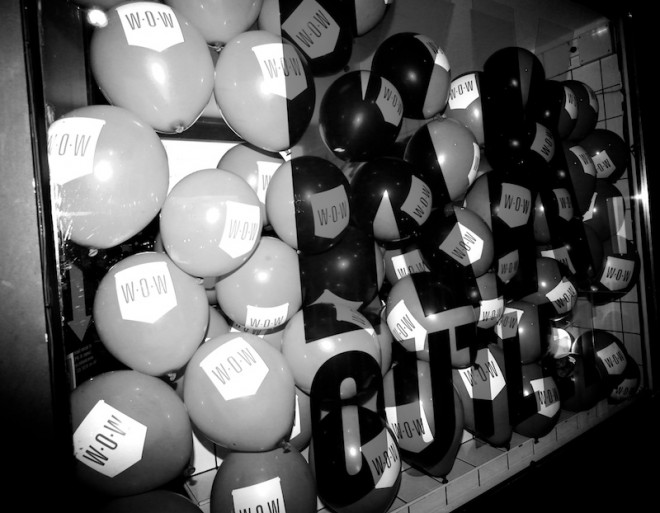
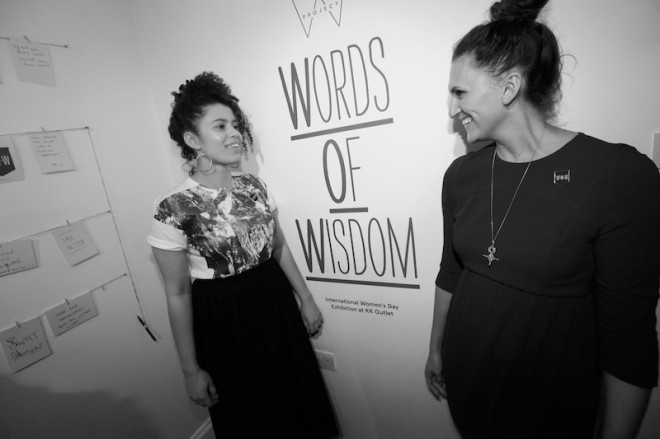
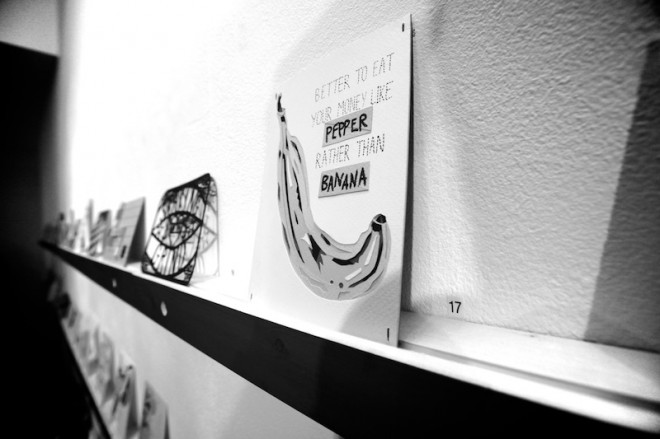
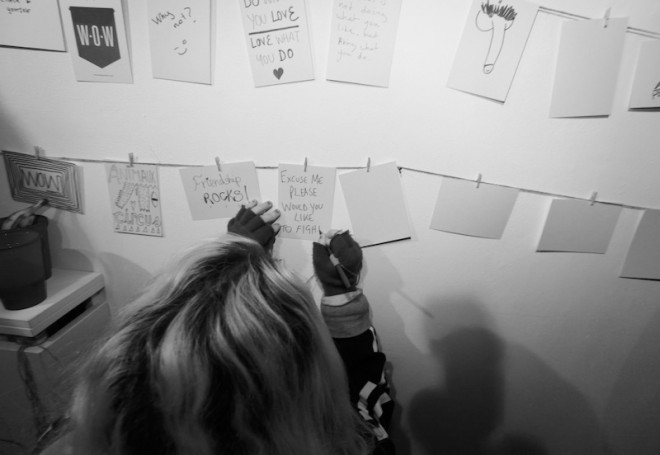
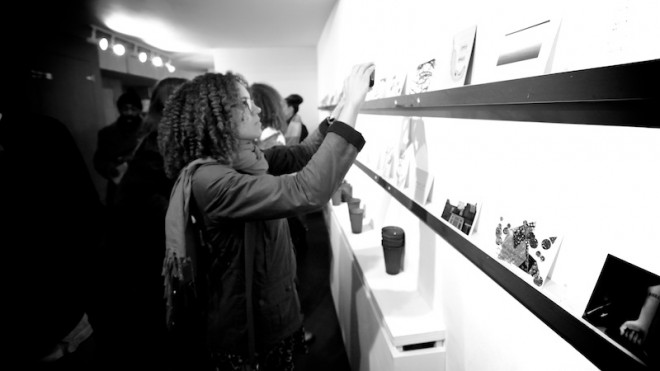
Currently on show at the KK Outlet, Words of Wisdom is the second exhibition from the W Project. Launched to coincide with International Women’s Day with the noble aim of celebrating, connecting and inspiring women across the creative industries, Loren Platt and Teo Connor asked a mix of female talent to contribute an answer on a postcard to the question – what are your words of wisdom?
On Saturday night they also held a symposium dinner where filmmakers Quentin Jones and Kathryn Ferguson spoke about their work and Rhonda and Lulu of the Darkroom enlightened and inspired guests by telling the story of starting out and setting up their beautiful shop on Lamb’s Conduit Street. All round wise words and wisdom from creative women. Thank you W Project.
If you haven’t already, head down to the Southbank Centre and check out the Women of the World festival. For the second year running, Artistic Director Jude Kelly has put together a rich and inspiring schedule of readings, talks and performances.
“Throughout history, many women’s achievements have gone unnoticed or unsung,” says Kelly. “I created WOW to celebrate the formidable power of women to make change happen, to remind us of our history, to draw attention to injustice, to enjoy each other’s company and to encourage men to add their support as we set out to achieve a fairer world.”
With events featuring names such as Natasha Walter, Bidisha, Emeli Sande and Annie Lennox, we reckon it’ll be pretty difficult to ignore the female talent busting out of the Royal Festival Hall this weekend.
Southbank Centre’s Women of the World Festival is on until March 11th 2012. For the full schedule of events visit southbankcentre.co.uk/wow
Look at your calendar. Today is March 8th. For over 100 years, today is when women across the world come together to celebrate and shout about women and issues affecting women.
Author and journalist Kira Cochrane was the Guardian’s women’s editor from 2006 to 2010. She also edited an anthology of Guardian feminist writing, Women of the Revolution, which is out on paperback today.
Twin caught up with Kira to talk about how things have changed for women…
What did you discover about feminism and the way it’s changed from editing Women of the Revolution?
Looking at the history of feminism over the last forty years, what’s interesting is how many of the issues essentially remain the same, even if they’ve shifted and hopefully improved in the meantime. In the Seventies there was huge concern about sexual violence, abortion rights, equal pay, political representation, and there still is today. Also, the attitudes we have to challenge – in ourselves as much as anyone – stay similar, and there’s something powerful in realising that. One of the pieces I love in the anthology is by Jill Tweedie, from 1971, when she writes that women have to fight “the continual and largely unconscious compulsion to be nice”. I think that message is as relevant as ever!
Can you remember your first meaningful contact with feminism? When and what was it?
It was really the example of my mother. I grew up in a pretty non-political household in Essex – I don’t think my mother’s ever referred to herself as a feminist, and we didn’t have political conversations or anything like that – but it was a really political situation. My father died of a heart attack when I was two, my brother was run over and killed when he was eight and I was six, my younger brother was born with serious learning disabilities, which mean he’ll always have to be looked after, and my mother had a major rift with her family, and stopped talking to them almost thirty years ago.
She’d left school at sixteen, and I’ve watched her, throughout my life, work exceptionally hard to look after me and my brother, as a single mother, often working minimum wage jobs (in the days before there was a minimum wage – so we’re talking REALLY minimal!). That provided a pretty awe-inspiring example of female strength. It impressed on me just how powerful women can be, and also how important it is for us to have financial and emotional independence, and a society that values women’s work, while supporting people of both sexes, all backgrounds, when they’re hit by circumstances beyond their control.
What are the main issues affecting women’s rights today that particularly provoke you?
What still really shocks me is the high incidence of rape and sexual assault – and the low incidence of convictions on those charges. I’m as enraged as ever by that.
Have you perceived a change in the way women will identify as feminist in recent years?
Over the past five or ten years it seems the number of young women identifying as feminist has soared – there have been so many great feminist voices appearing online, and I think they’ve underlined how relevant, how current, all these issues still are. I think there was a moment, back in the Ninenties, when there was huge talk of us living in a ‘post-feminist’ age, and women were embarrassed to call themselves feminists, worried they’d be seen as hairy of armpit and dour of personality, but we seem to be beyond that backlash now. I think now too, when we ARE hairy, we’re hairy and proud!
Why is International Women’s Day important?
Obviously, in an ideal world, there would be no need to have a single day set aside for women, but given the issues still facing us, it’s a great opportunity for conversation, activism, performances, campaigning. I became women’s editor of the Guardian in 2006, and there seemed a lot of activity back then, but nothing compared with the explosion of events taking place this year.
What will you be doing on International Women’s Day?
I’ll be interviewing people for a feminist piece I’m writing, and then attending whatever events I can around that. On Friday and Sunday, I’m appearing on panels at the Women of the World festival on London’s Southbank, and I’ll be trying to see as much as I can there too, because it’s a great programme they’ve put together.
What artists/writers/musicians do you admire for promoting female creativity and issues?
So many! Not all of them would define themselves as feminist, but on the art side, Cindy Sherman, Yayoi Kusama, Yoko Ono, Susan Hiller, the Guerrilla Girls, Alice Neel, Louise Bourgeois, Gillian Wearing. I went to New York last year, and made a small pilgrimage to see Judy Chicago’s great feminist work, The Dinner Party, on long-term display at the Brooklyn Museum. That’s some proper Seventies feminist goodness!
In terms of writers, Toni Morrison, Alice Walker, Carol Ann Duffy, Jo Shapcott, Maya Angelou, Zadie Smith, Muriel Spark, and Paula Fox. I remember being profoundly moved by Andrea Dworkin’s memoir Heartbreak, and I had never really understood the true meaning of the phrase ‘mind-bending’ until I read Shirley Jackson’s The Haunting of Hill House last year. That last book is extraordinary, as is Jackson’s short story The Lottery, and her final novel, We Have Always Lived in the Castle.
When it comes to musicians, I’d say Nina Simone, Dinah Washington, Billie Holliday, Aretha Franklin, Bjork, Sinead O’Connor, The Breeders and Tina Turner. I love the way Beth Ditto has spoken about her feminism, and I still love the anger and energy of Liz Phair’s 1993 album Exile in Guyville all these years later.
And then there are the women filmmakers – too many good ones to mention them all, but Nicole Holofcener for making truly grown-up films, Kim Longinotto for making intensely powerful documentaries, and Claire Denis for making really startling, beautiful work.
Which writer would you point young women curious about feminism in the direction of?
I’ve spoken to a lot of women recently who had never really encountered feminism, who have absolutely loved Caitlin Moran’s How to be a Woman, and found it a brilliant introduction to all sorts of ideas. I also think it’s worth checking out Jessica Valenti’s books; Female Chauvinist Pigs by Ariel Levy; and Living Dolls by Natasha Walter. And one of the reasons I had for putting Women of the Revolution together in the first place was to create a book full of serious ideas, and excellent writers, so that people could discover them and decide who they wanted to read more widely. So many women who have inspired me are in there: Susan Brownmiller, Nawal El Saadawi, bell hooks, Gloria Steinem, Joan Smith, to name just a few.
What are you working on next?
I have about 1500 ideas for feminist articles, so I’m just working my way through those – also, plans for another feminist book, and a couple of novels, so it’s a question, as ever, of working out what there’s time for, and then seeing what sticks!
KIRA COCHRANE is the editor of Women of the Revolution (Guardian Books, £9.99) out today. She is a features writer for the Guardian and co-edited the anthology of women’s journalism, Cupcakes and Kalashnikovs. @KiraCochrane
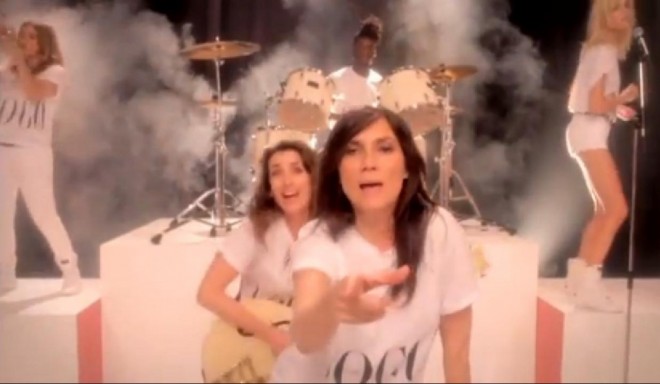
For the relaunch of Vogue Paris’ website this week, editor Emmanuelle Alt took an approach Twin can’t imagine many other Vogue editors braving. Clearly unafraid to embrace her silly side, Alt has enlisted top models, Karmen Pedaru, Kendra Spears, Jasmine Tookes and Anja Rubik, as back-up dancers for her retake on Wham!’s Eighties classic, Wake Me Up, substituting slogan tees for Vogue t-shirts.
With the spotlight firmly online, it seems a fitting time to announce Twin’s own soon to be unveiled web redesign. While we can’t promise any George Michael, we know you’re going to love the newlook Twin website. Just watch this space…
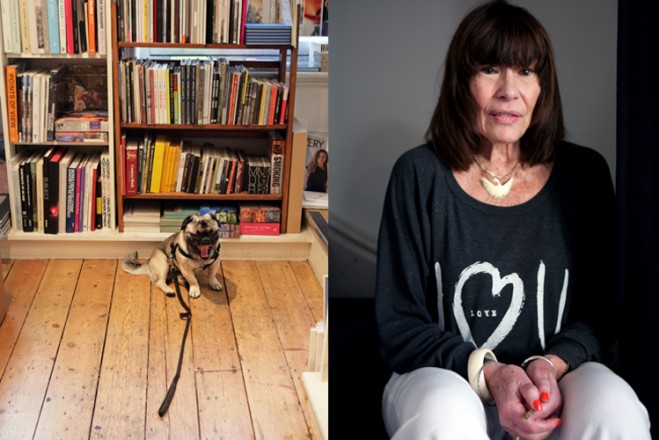
For fashion students, photography lovers and art fanatics, Claire de Rouen’s bookshop, hidden away above a sex shop on Charing Cross Road, was an oasis of rare prints, signed editions and fledgling publications. A larger than life character, with her striking ageless style and ever present alsation pug Otis, Claire’s passing last week after a prolonged illness is a loss to all who prize independence and personality and to those resisting the creeping tide of a homogeneous culture.
There was room for everyone in her shop, all were free to browse or buy, and on her shelves young talent jostled happily alongside huge names. Twin can only thank and pay our respects to a woman who strove to deliver the best and allow the young to flourish.
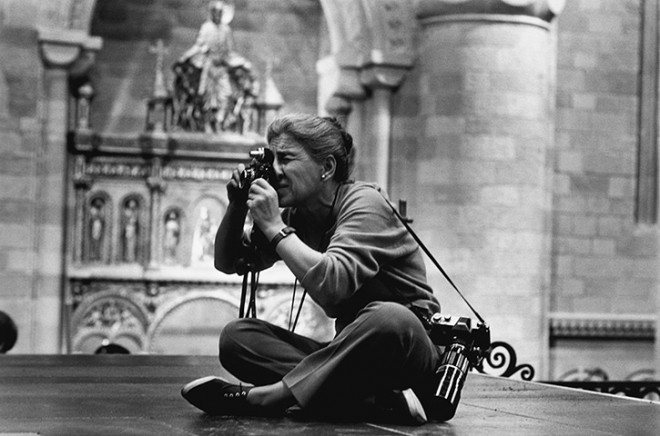
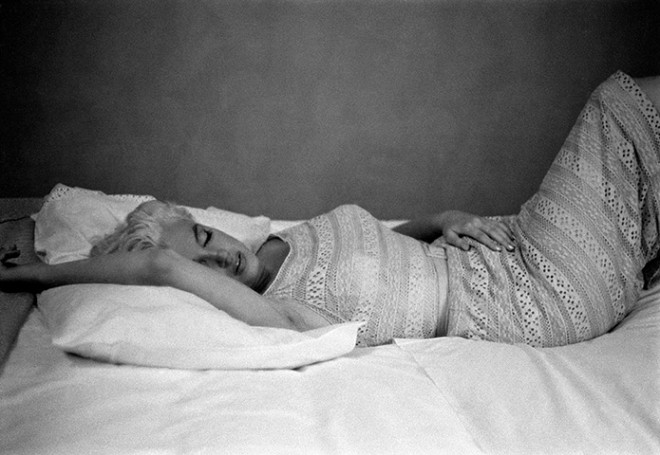
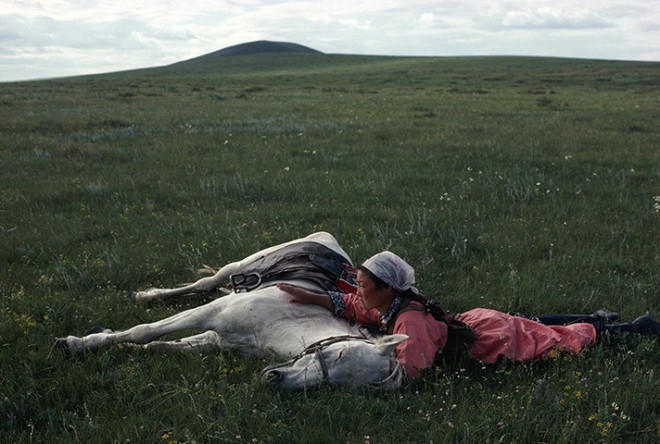
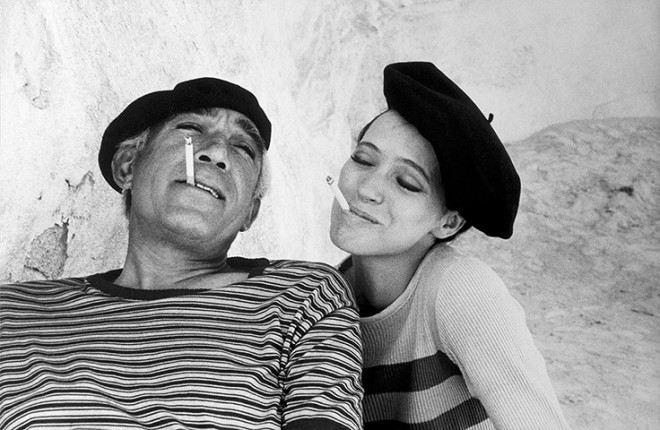
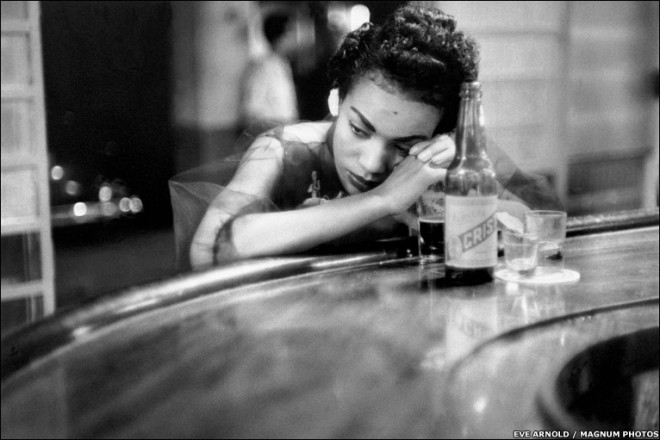
As that rarity, a female photojournalist in the Fifties, Eve Arnold joined the Magnum Photographic Agency, home to the likes of Robert Capa and Henri Cartier-Bresson. Already in 1948, as the only female in her photography class in New York, she had distinguished herself amongst her male peers. Taught by the art director of Harper’s Bazaar, Alexey Brodovitch, and with Richard Avedon among those in her class, Arnold took her camera to the catwalks of Harlem, where an alternative to mainstream fashion had found its feet.
Over the subsequent decades her eye for an image and her awareness of her own minority status, never failed to help her cast light upon those whom the camera might have otherwise ignored. She recorded the civil rights movement, American agrarians, South African shantytowns and Mongolian horse trainers. Always interested in women’s issues, in 1971 she made a film, Women Behind the Veil, going inside Arabian hammams and harems.
In her celebrity photographs, her understanding and compassion resulted in original interpretations of the glitterati. A favourite with actresses like Marlene Dietrich and Joan Crawford, most famously her naturalistic aesthetic, took Hollywood star Marilyn Monroe out of the glare of the studio portrait and gave the world an enduring intimate insight into her beauty.
Her passing away last week at the grand age of 99 is a reminder of her legacy, not only of the startling images she took, but of a woman with a rare light, who lived brightly and bravely.
For our final rewind, Twin names the art shows, books and music that made it big, as well as those waiting to enter centre stage…
Francesca Gavin – Art Editor
For me this has been the year of Mark Leckey – both his solo show at the Serpentine and an hypnotic installation at the Printemps de Septembre in Toulouse. I’ve been obsessed by his work for years and think he has a massive influence on a whole younger generation on artists with his fascination with pop culture, technology, music and screens. I like many others wait with excitement at whatever comes next.
In 2012, I’m really looking forward to surviving the apocalypse and visiting the Marrakech Biennial in February. Some really great artists are in the line up including Aleksandra Domanovic, Jon Nash and Matthew Stone and I think its going to be a fascinating trip.
Elsewhere 176 new monthly programme of emerging artists, Yayoi Kusama and Edvard Munch at the Tate Modern, Rashid Johnson’s big shows at Hauser and Wirth NYC and London throughout the year, Urs Fisher at Palazzo Grassi in Venice, and the Berlin Biennial (which can only be an improvement on two years ago which was uber-dull).
Aimee Farrell – Features Director
In terms of writers in 2011 it has to be Caitlin Moran at the top of the list. How To Be A Woman managed to make feminism funny and accessible.
In 2012 I’m excited about Rachel Cusk. Her Granta essay about life after marriage, which throws a feminist light on the institution of divorce has been developed into a major new work of non-fiction, called Aftermath: On Marriage and Separation. Published by Faber the book will be a series of meditations on women’s mid-lives and family life after divorce.
Last year marked another 12 months of female dominance in the music industry, whether it was Beyonce at Glastonbury or Adele taking America. There were strong albums from the likes of Feist and a great debut from songstress Anika. For me though, the highlight was PJ Harvey storming the Mercury Music Prize for a second time. Let England Shake easily summed up the zeitgeist for 2011 and proved that there are still important albums being made.
For 2012, there’s a feeling it’s going to be the year of the viral superstar. We’ve already had Azealia Banks’ 212 and Lana Del Rey’s Video Games, now we need to hear the albums.
In the second part of our look back over the past year, Twin’s fashion team name their stars of 2011 and who to watch out for in the next 12 months…
Celestine Cooney – Fashion Director
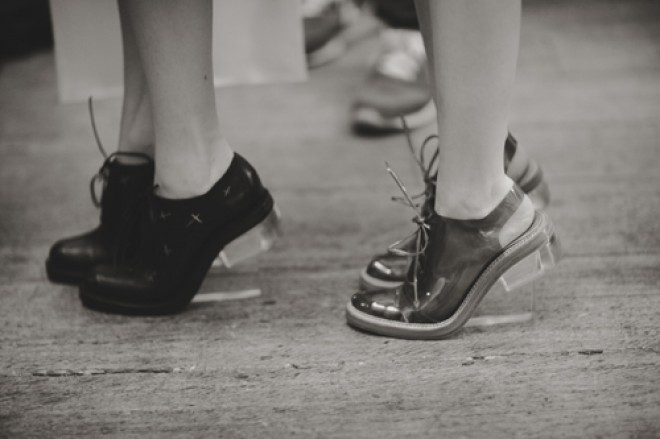
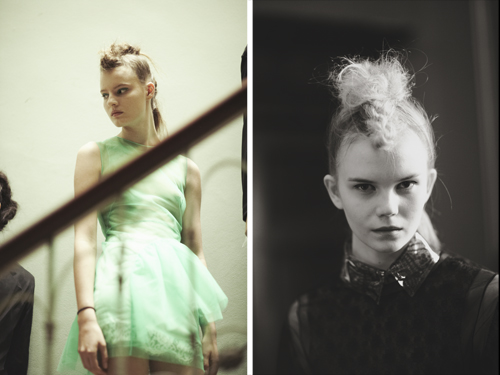
My favourite show of 2011 was Simone Rocha Spring/Summer 12. I fell in love with the whole collection, it felt so modern and was executed so perfectly with the combination of traditional lace with sheer tulle and rubber. The use of colour in Spring/Summer 12 was also really inspiring with bright pink and a lucid green popping in a collection of black and white.
I think Simone Rocha is a star in the making. I find what she is doing and the collections she is producing, incredibly exciting.
Naomi Miller – Fashion Editor
I loved the Celine collection for Spring/Summer 2012. It was very chic, the couple of knitwear pieces they did were beautiful and so innovative.
Obviously it’s been an incredible 2011 for Sarah Burton, but I’m also stoked for Olivier Theyskens for putting Theyskens’ Theory on the map this year. I also loved the Thomas Tait show – and loved the styling with the sneakers!
As one year passes to the next, Twin thought it time to pause and reflect. And who better to kick off our New Year rewind than Twin editor, Becky Smith…
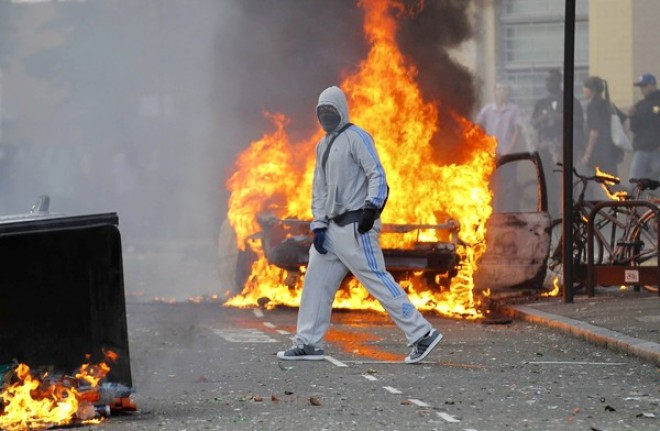
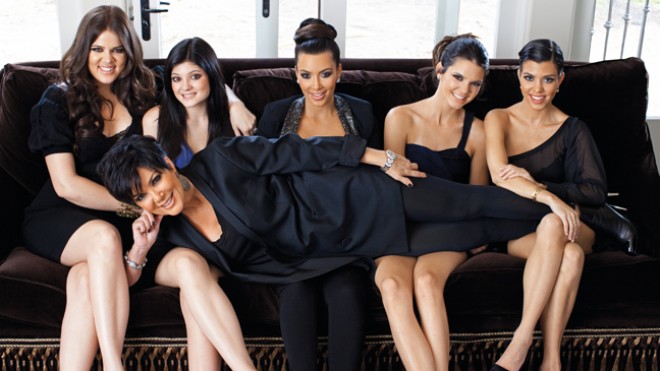
So, 2011 was a mad mix. From the Kardashian’s, who spread throughout the globe like a new herpes type of disease, becoming the most googled thing in the UK, to the riots, which were basically extreme shopping. There was structured reality courtesy of TOWIE, Made in Chelsea and Desperate Scousewives. WARNING – this can bring on early dementia and is to be avoided unless hungover. There was also 4D TV – total bollocks – and the Beckhams posing the big question, has Victoria finally worn us down into believing she is credible? Not to forget the Higgs Boson. Does anyone actually know what this is?
To sum up the best and worst of 2011, here are a few of my favorite Portmanteaus: Après-olution: relaxation that follows the ritualistic but often quixotic making of New Years’ resolutions.
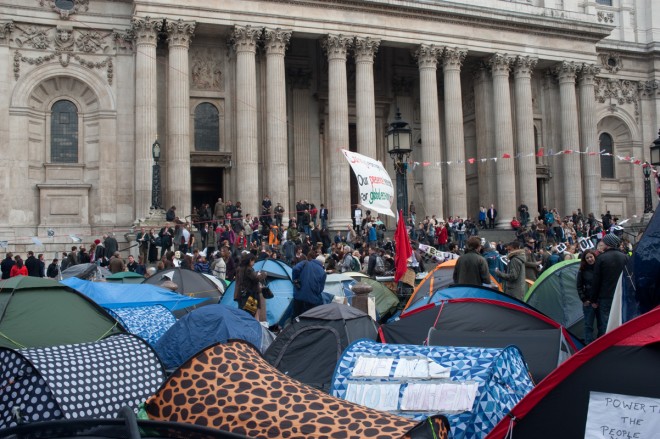
Occupy-movement: New mode of urban habitation which has replaced loft living. All the best people are now doing it, though most only stay a night or two.
Bunga bunga: Phrase associated, for largely unknown reasons, with Silvio Berlusconi’s sex parties. I think I get it though.
Lottoroticism: The arousal and satisfaction of excitement within or by oneself as one imagines what they would do if they hit the lottery. I think I feel this every year.
Planking: See here. The act of balancing yourself in a horizontal position on top of unlikely objects. There are strict rules for proper planking: the planker must be lying face down, completely still, with his or her hands by her sides – I can’t help but think of the economy right now.
And so, to 2012. The events I’m looking forward to are: Becoming a Mumpreneur: A woman who combines running a business with looking after her children. Actually, this is a lie. I don’t have children or plan to.
Flying Cuddle Class: When two airline passengers buy an additional seat so that they can recline together.
And above all…
Mamil(s): A middle-aged man in Lycra
AND
Mullet dress(es): A woman’s skirt cut short at the front but long at the back.


 PREVIOUS
 Twitter
 Tumblr
 YouTube
 Facebook
 Instagram